Artwork
The Young Sailor II
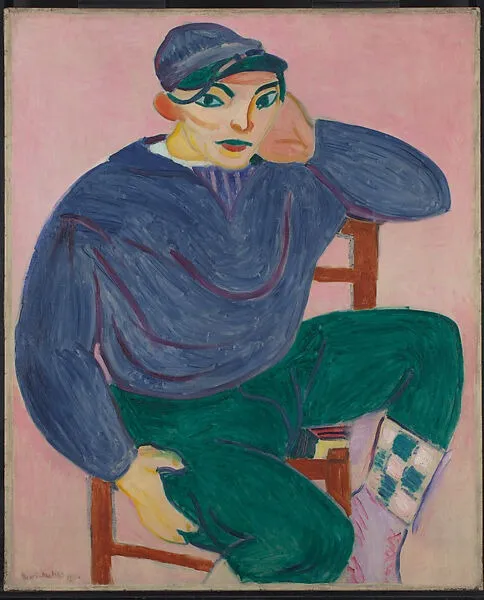
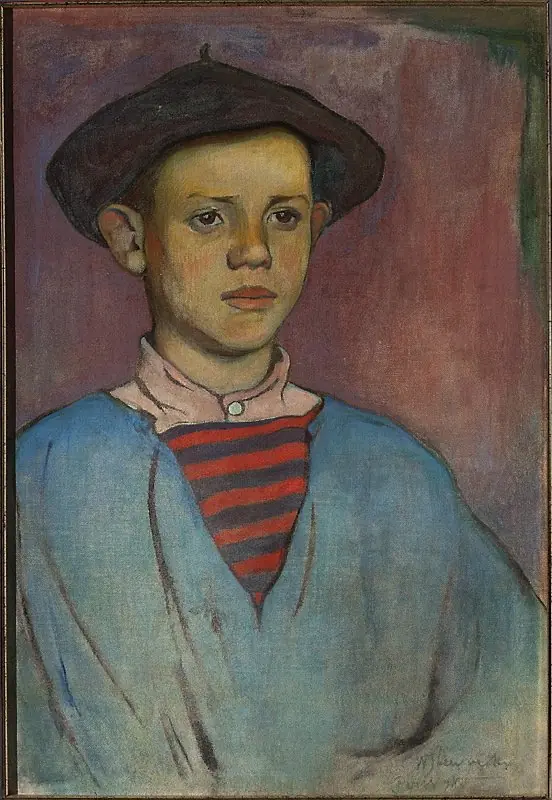
The Young Sailor II is an oil painting by the Fauvist artist Henri Matisse. It dates from 1906 and is held in the collection of the Metropolitan Museum of Art.
About this work
Subject & Meaning
Created in 1906, the painting presents the subject as a man, focusing on his figure within the genre of portraiture.
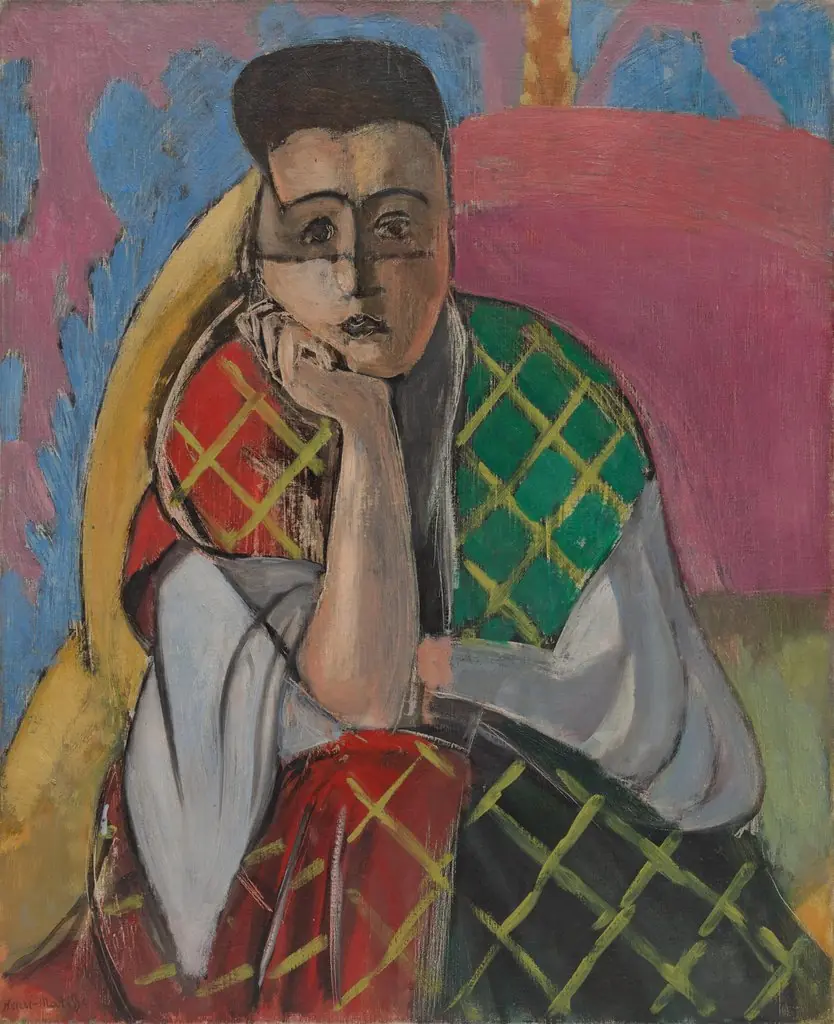
The work depicts a portrait of a young man identified as a sailor, rendered in the Fauvist style. Created in 1906, the painting presents the subject as a man, focusing on his figure within the genre of portraiture. While the sources confirm the depiction of a sailor and the work's classification as a portrait, they do not provide specific details regarding deeper iconography or symbolic elements beyond the visual representation of the figure.
The painting is noted for its appearance in Matisse's 1911 work L'Atelier rouge, where it is shown as part of the studio's decor, indicating its significance within the artist's own body of work during that period.
Technique & Style
The Young Sailor II is an oil painting on canvas executed in 1906, exemplifying Matisse's Fauve approach to portraiture. The work's handling emphasizes broad, flat areas of saturated color and decisive contour lines, with the sailor's figure articulated through simplified, rhythmic forms rather than detailed modeling. The palette favors vivid, non-naturalistic hues, greens, reds, and blues, that flatten space and direct attention to the sitter's direct gaze and the rhythmic interplay of the striped shirt and background.
The composition's formal qualities reflect Matisse's engagement with both Post-Impressionist structure and the emerging Fauve idiom, marked by assertive outlines and a rejection of conventional chiaroscuro. The painting has been maintained under museum stewardship since its donation to the Metropolitan Museum of Art in 1998 as part of the Jacques and Natasha Gelman Collection.
History & Provenance
Created in 1906 by Henri Matisse, The Young Sailor II is an oil-on-canvas portrait from the Fauvist period. Its ownership history traces through the Bernheim-Jeune gallery, the Pierre Matisse Gallery, Hans Seligman-Schürch, and the Jacques and Natasha Gelman collection. The painting was exhibited at the Salon d'Automne in Paris in 1908 and later featured in the 1913 Armory Show, and Matisse included a depiction of the canvas in his 1911 painting L'Atelier rouge, confirming its presence in his studio.
The Metropolitan Museum of Art received the work in 1998 as part of the donation of the Jacques and Natasha Gelman Collection, and it has also been shown in the exhibition Twentieth-Century Modern Masters: The Jacques and Natasha Gelman Collection.
Legacy
The Young Sailor II quickly became a touchstone of Fauvism after its Salon d'Automne debut in 1908 and its inclusion in the Armory Show of 1913, where its bold color and simplified forms reinforced Matisse's reputation as a leader of the movement. In 1998 the painting entered the Metropolitan Museum of Art through the Jacques and Natasha Gelman Collection, anchoring its legacy within a major American institution. Its presence in Matisse's 1911 L'Atelier rouge, hung amid works he still owned, underscores the artist's enduring regard for the composition.
These exhibitions and its museum placement have cemented The Young Sailor II as a seminal example of early twentieth-century modernist portraiture.
Overview
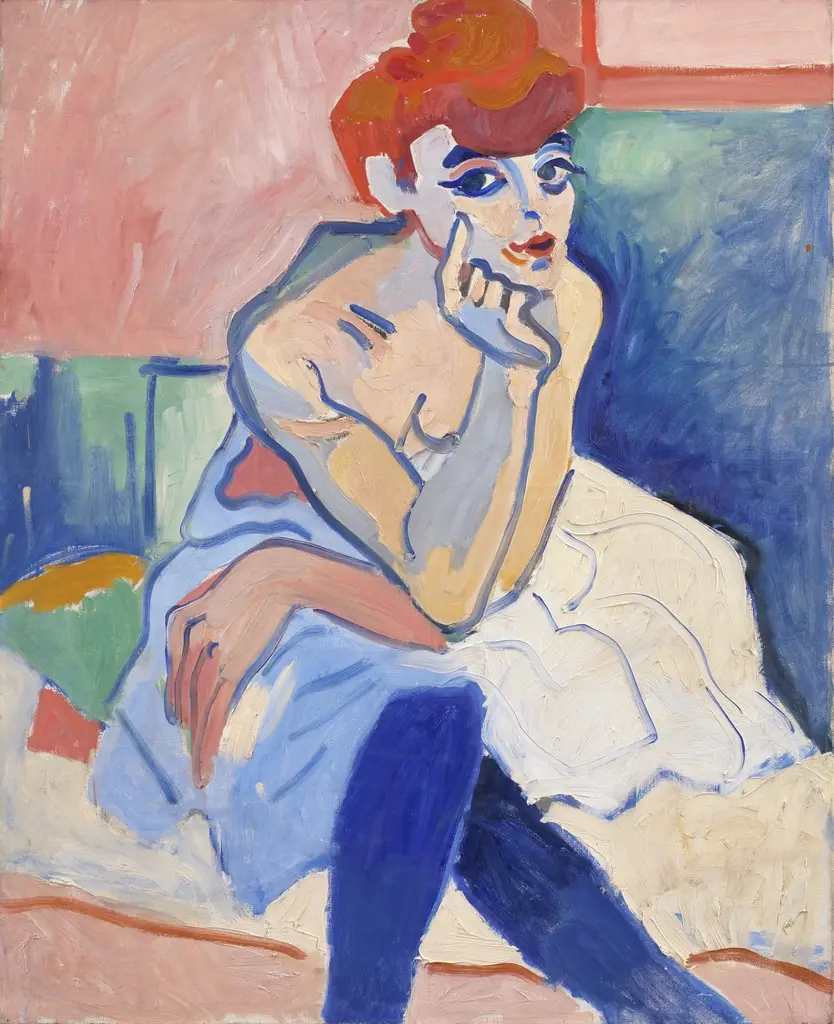
Henri Matisse created The Young Sailor II in 1906, an oil painting currently housed at the Metropolitan Museum of Art. This work depicts a seated figure rendered with vibrant colors and prominent brushstrokes, characteristic of the artist's early twentieth-century style. The composition emphasizes form and color over precise detail, capturing a sense of immediacy and vitality.
Artist & collection
Artist
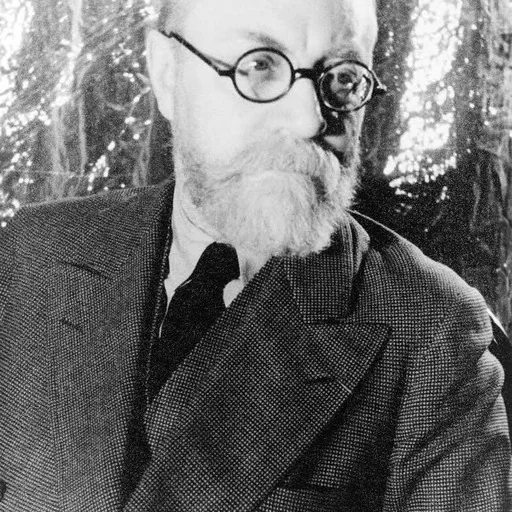
Henri Émile Benoît Matisse (French:; 31 December 1869 – 3 November 1954) was a French visual artist, known for both his use of colour and his fluid and original draughtsmanship.