Artwork
Laurette in a Green Robe, Black Background
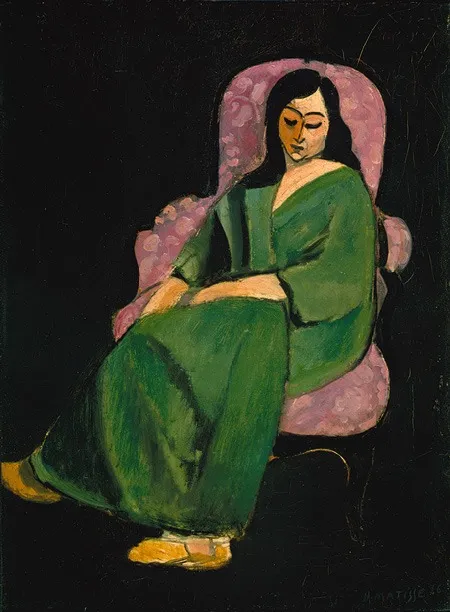
Laurette in a Green Robe, Black Background is an oil painting by the Fauvist artist Henri Matisse. It dates from 1916 and is held in the collection of the Metropolitan Museum of Art.
About this work
Subject & Meaning
The work depicts Lorette, a woman who served as the artist's model, presented as a formal portrait.
The work depicts Lorette, a woman who served as the artist's model, presented as a formal portrait. Created in 1916, the painting focuses on the sitter's figure against a stark black background, emphasizing her presence through the contrast with her green robe. As a portrait genre piece, the subject is the primary vehicle for the composition, with the dark void isolating the figure to direct attention to her form and attire.
The visual representation centers on the human subject rather than narrative storytelling or complex allegorical symbolism, presenting a direct study of the model within the artist's specific stylistic approach of the period.
Technique & Style
Laurette in a Green Robe, Black Background is an oil painting on canvas, measuring approximately 73 cm in height by 54.3 cm in width and executed in 1916. The work was created by Henri Matisse and is classified as a portrait. Its surface is built up with layered oil paint, a technique typical of Matisse’s approach to color and form, and the composition features a figure in a green robe set against a stark black background.
The painting entered the collection of Jacques Gelman and later became part of the Jacques and Natasha Gelman Collection, which was exhibited as part of the Twentieth‑Century Modern Masters show at the Metropolitan Museum of Art, where it remains on view.
History & Provenance
Henri Matisse created the oil-on-canvas portrait Laurette in a Green Robe, Black Background in 1916. The work depicts the model Lorette and measures 73 by 54.3 centimeters. Following its creation, the painting entered the collection of Jacques Gelman.
It was later exhibited as part of the Twentieth-Century Modern Masters show, which featured selections from the Jacques and Natasha Gelman Collection. The Metropolitan Museum of Art currently holds the work in its collection. The piece is classified as a portrait within the genre of modern art.
The painting is held by the Metropolitan Museum of Art, New York, where it is inventoried as part of the Jacques and Natasha Gelman Collection. Its dimensions are recorded at 73 cm in height and 54.3 cm in width. The work was exhibited as part of the traveling presentation Twentieth-Century Modern Masters: The Jacques and Natasha Gelman Collection.
Context
The portrait Laurette in a Green Robe (1916) entered critical discourse within the broader reassessment of Matisse’s oeuvre after the First World War, when his use of vivid color and simplified form was reappraised in relation to both Fauvism and classical tradition. Scholarship situates the work alongside Matisse’s contemporaneous portraits of Lorette, emphasizing its role in consolidating his mature style during the mid-1910s, a period marked by a return to figuration after wartime disruptions. The painting’s inclusion in Twentieth-Century Modern Masters: The Jacques and Natasha Gelman Collection (exhibition history documented by the Metropolitan Museum of Art) further embedded it in narratives of modernist canon formation, linking Matisse’s portraiture to mid-century collecting practices that elevated works once seen as radical into touchstones of modern taste.
Overview
Henri Matisse's Laurette in a Green Robe, Black Background, painted in 1916 with oil, presents a portrait of a woman named Laurette. This work exemplifies the Fauvist movement, known for its vibrant and expressive use of color. It is currently housed in The Metropolitan Museum of Art, showcasing a key period in Matisse's artistic development and his exploration of form and hue.
Artist & collection
Artist
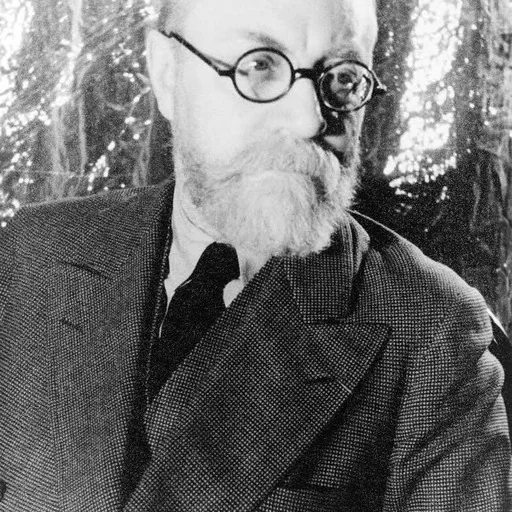
Henri Émile Benoît Matisse (French:; 31 December 1869 – 3 November 1954) was a French visual artist, known for both his use of colour and his fluid and original draughtsmanship.

- Femeie pe canapea
 Portrait of a Woman
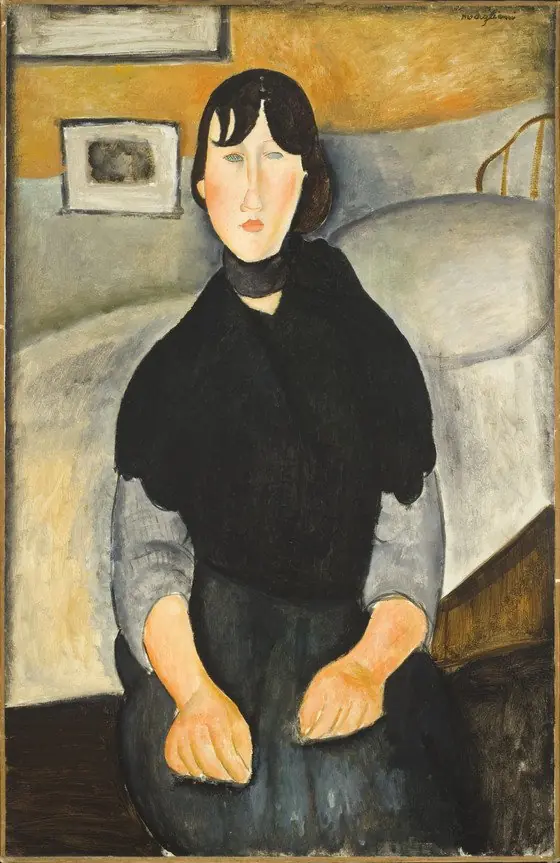 Young Woman of the People
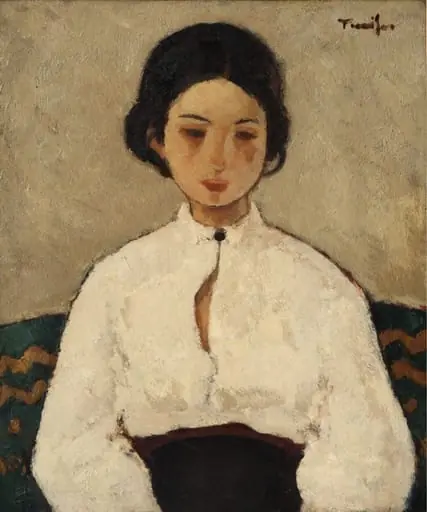 Studiu pentru panoul „Orfanii”
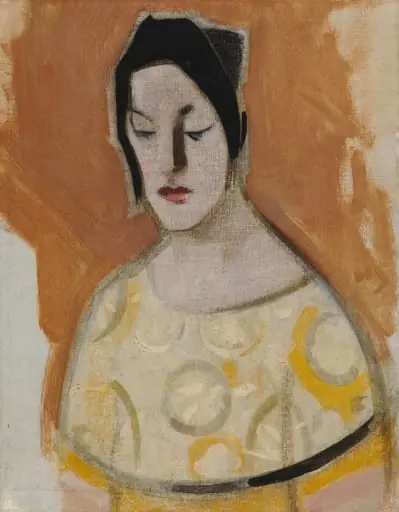 Ennustaja (Nainen keltaisessa leningissä)
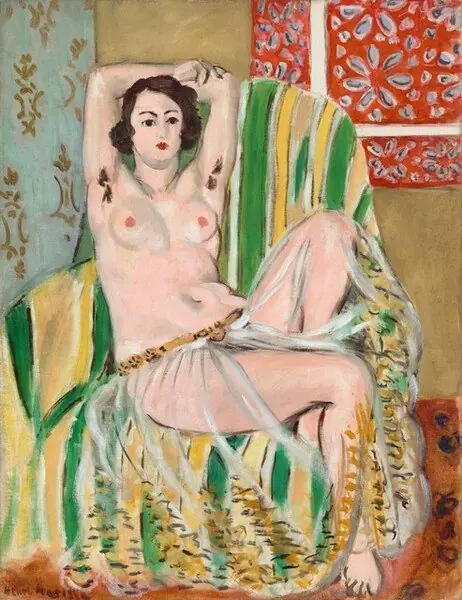 Odalisque with Raised Arms
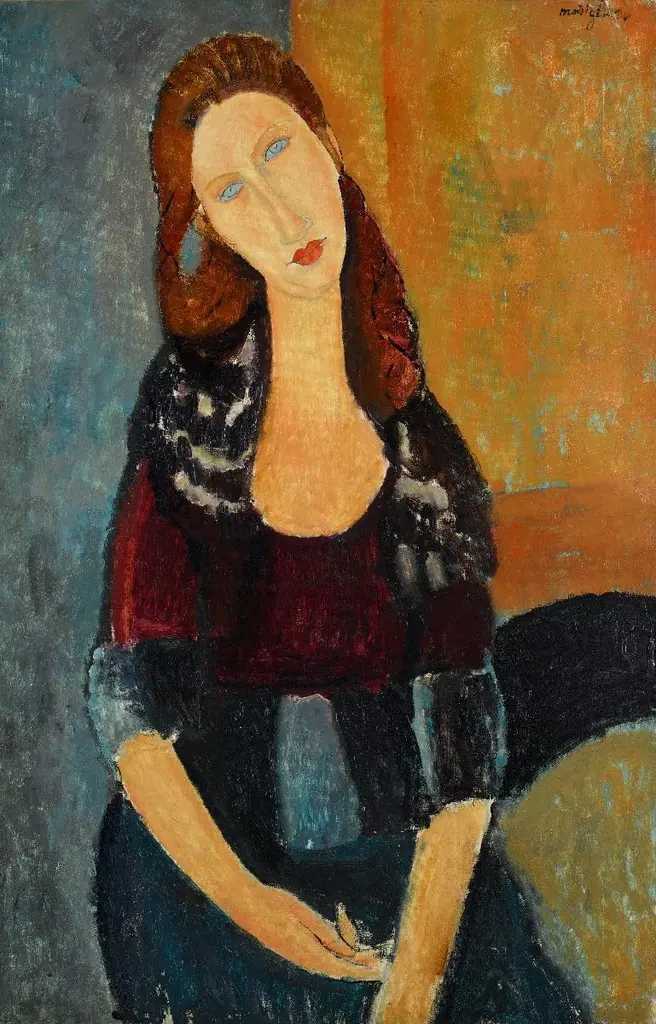 Portrait of Jeanne Hébuterne
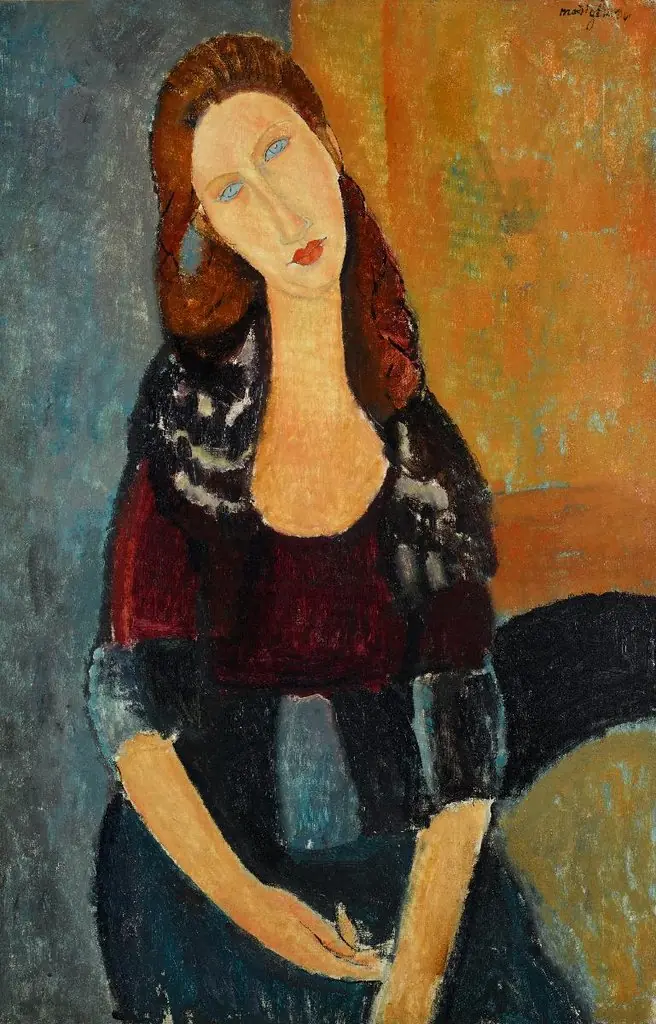 sitzende Jeanne Hébuterne
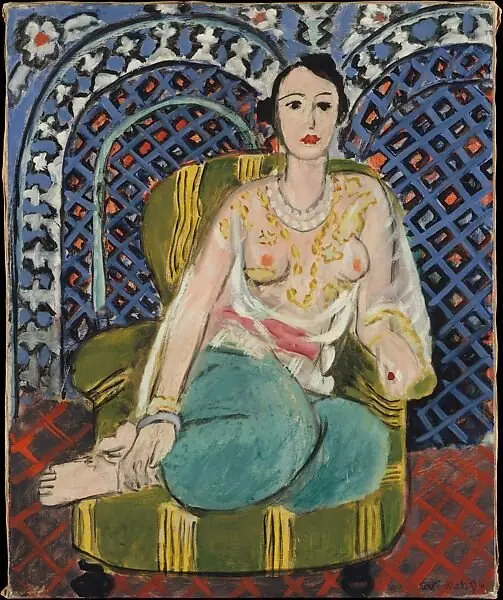 Seated Odalisque
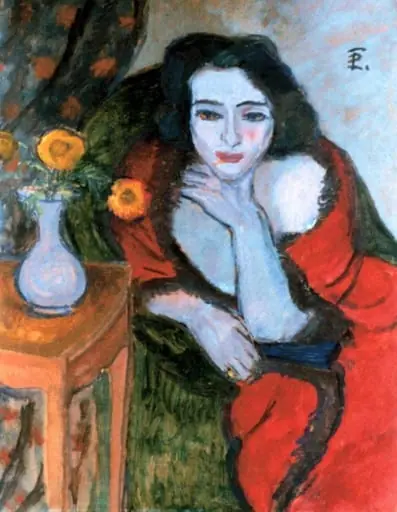 Femeie în fotoliu verde (Portret de doamnă cu o glastră de flori)
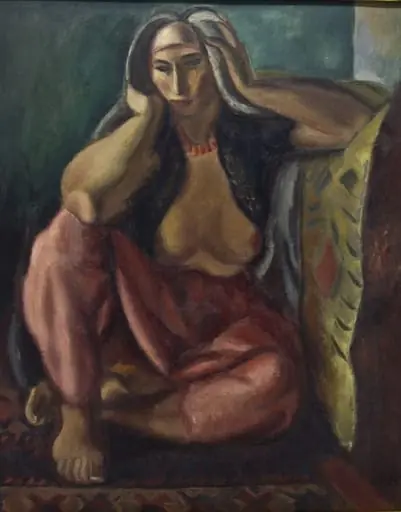 Turcoaică
 Moroccan in Green