Artwork
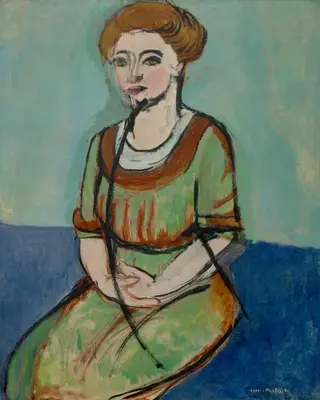
Marguerite with Black Velvet Ribbon
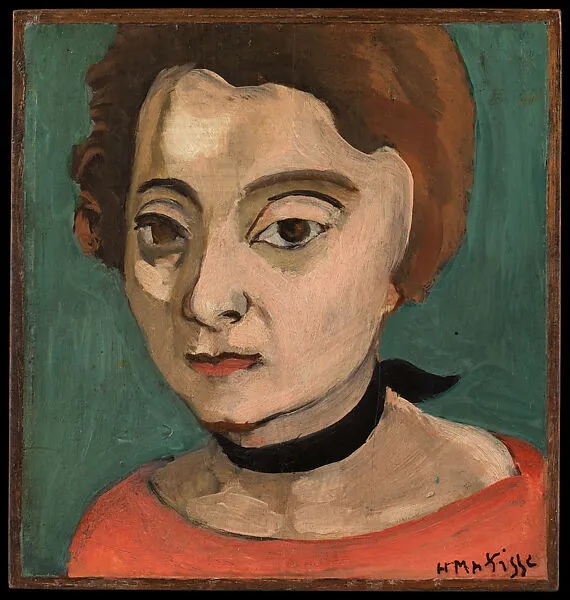
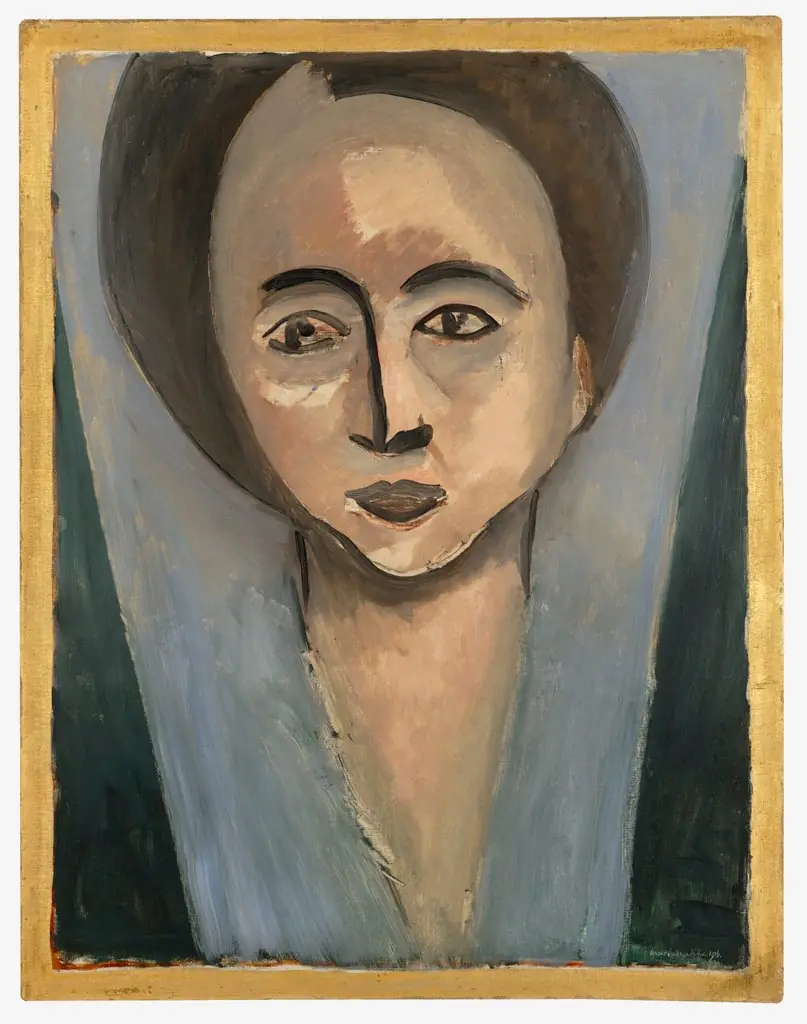
Marguerite with Black Velvet Ribbon is an oil painting by the Fauvist artist Henri Matisse. It dates from 1916 and is held in the collection of the Metropolitan Museum of Art.
About this work
Subject & Meaning
The work titled 'Marguerite with Black Velvet Ribbon' depicts Marguerite Duthuit Faure, a young woman who served as a model and close associate of Henri Matisse.
Dated 1916 and painted in oil on a cradled panel, the piece is classified as a portrait and belongs to the collection of the Metropolitan Museum of Art, illustrating Matisse’s focus on contemporary, personal portraiture.
The reference to a black velvet ribbon in the title underscores a specific element of the sitter’s attire, highlighting a modest detail that distinguishes the portrait.
History & Provenance
Henri Matisse's 1916 oil painting Marguerite with Black Velvet Ribbon is held in the collection of the Metropolitan Museum of Art in New York.
Marguerite with Black Velvet Ribbon is an oil painting on a cradled panel executed by Henri Matisse in 1916. The work measures 19.1 cm by 17.8 cm and portrays Marguerite Duthuit Faure. It was created as a portrait and has remained in the collection of the Metropolitan Museum of Art since its acquisition, where it is displayed in the museum’s European paintings wing. No earlier owners or commissioning details are recorded in the available documentation.
Henri Matisse's 1916 oil painting Marguerite with Black Velvet Ribbon is held in the collection of the Metropolitan Museum of Art in New York. The work, which depicts Marguerite Duthuit Faure, was created on a cradled panel and measures 19.1 cm in height by 17.8 cm in width. While the artwork has an associated exhibition history, the specific details of past shows are not enumerated in the available records. The piece remains a part of the museum's permanent holdings.
Overview
Henri Matisse painted Marguerite with Black Velvet Ribbon in 1916, employing oil paint to create this portrait. The work depicts his daughter, Marguerite Duthuit Faure, and is a notable example of the Fauvist movement, which Matisse helped define. This painting is currently part of the collection at The Metropolitan Museum of Art.
Technique & Style
Executed in oil paint, this portrait showcases the bold, expressive color characteristic of Fauvism. Matisse employed a diverse palette to create depth and dimension, particularly in the subject's face, which features an interplay of light and shadow. The background is rendered in a solid green, contrasting with the figure and emphasizing the artist's distinctive use of color and fluid draughtsmanship.
Context
Henri Matisse was a pivotal figure in the development of early 20th-century modern art, renowned for his innovative application of color and his expressive lines. Marguerite with Black Velvet Ribbon reflects his engagement with Fauvism, an artistic movement he co-founded. This style prioritized intense, non-naturalistic hues to convey emotion and structure, moving away from traditional representational painting.
Artist & collection
Artist
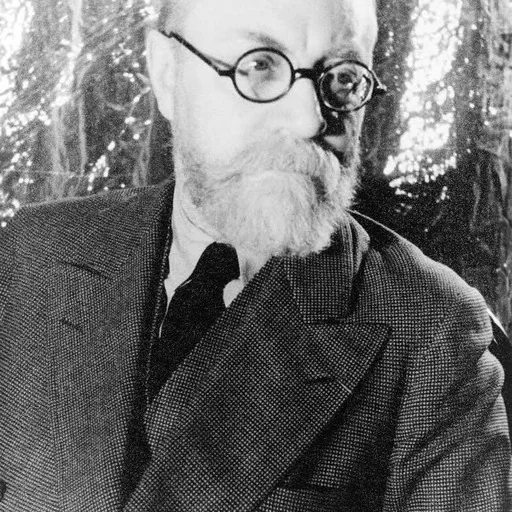
Henri Émile Benoît Matisse (French:; 31 December 1869 – 3 November 1954) was a French visual artist, known for both his use of colour and his fluid and original draughtsmanship.