Artwork
Nude with a White Scarf
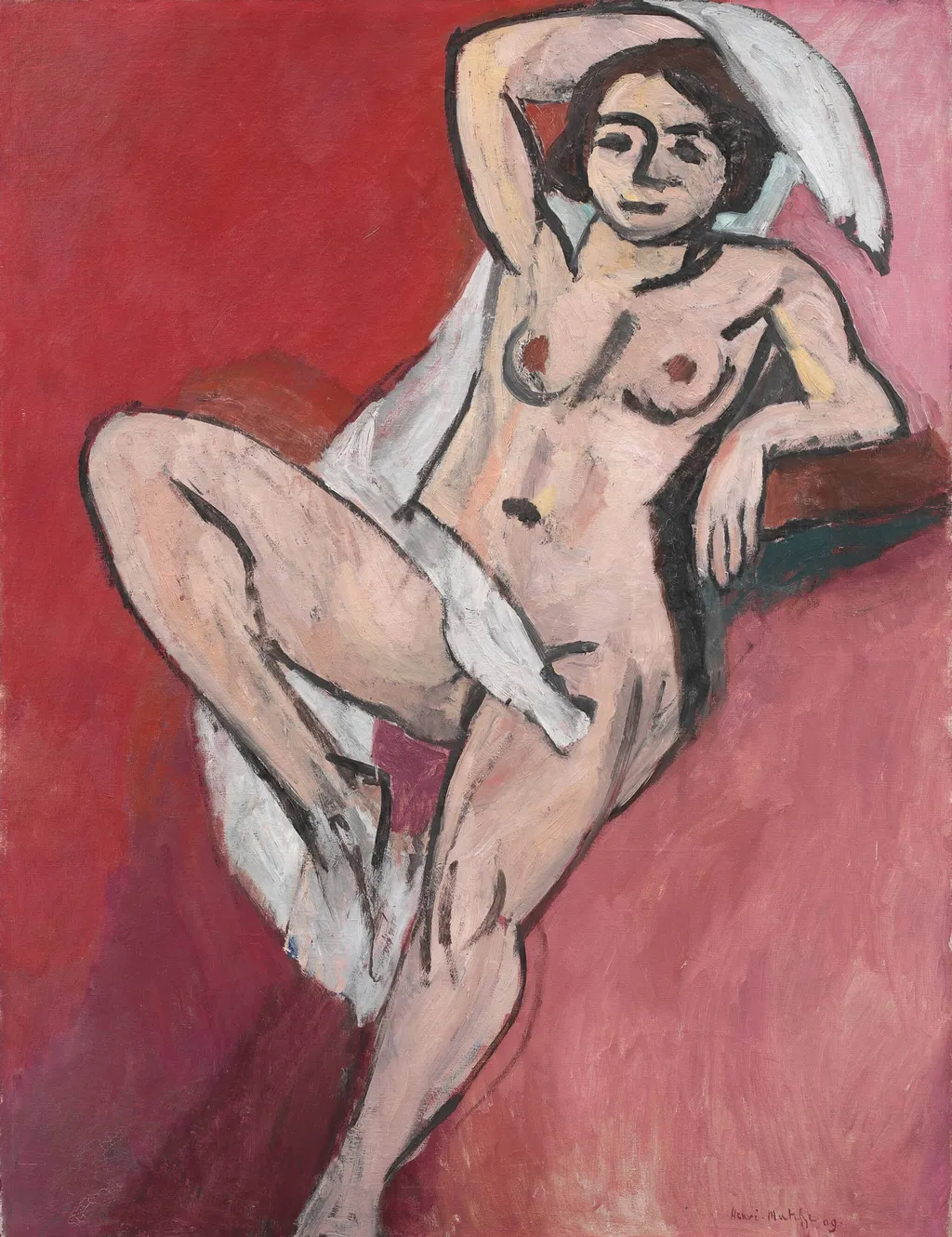
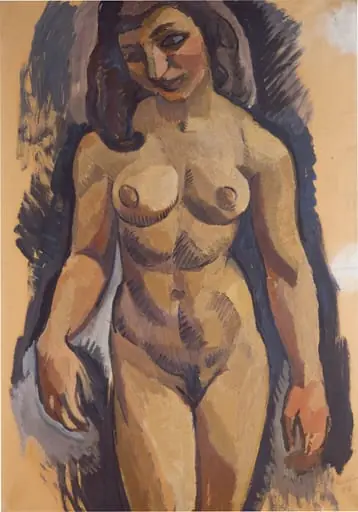
Nude with a White Scarf is an oil painting by the Fauvist artist Henri Matisse. It dates from 1909 and is held in the collection of the Statens Museum for Kunst.
About this work
Subject & Meaning
In these subsequent works, the painting appears as a decorative object within Matisse's own artistic environment at Issy-les-Moulineaux.
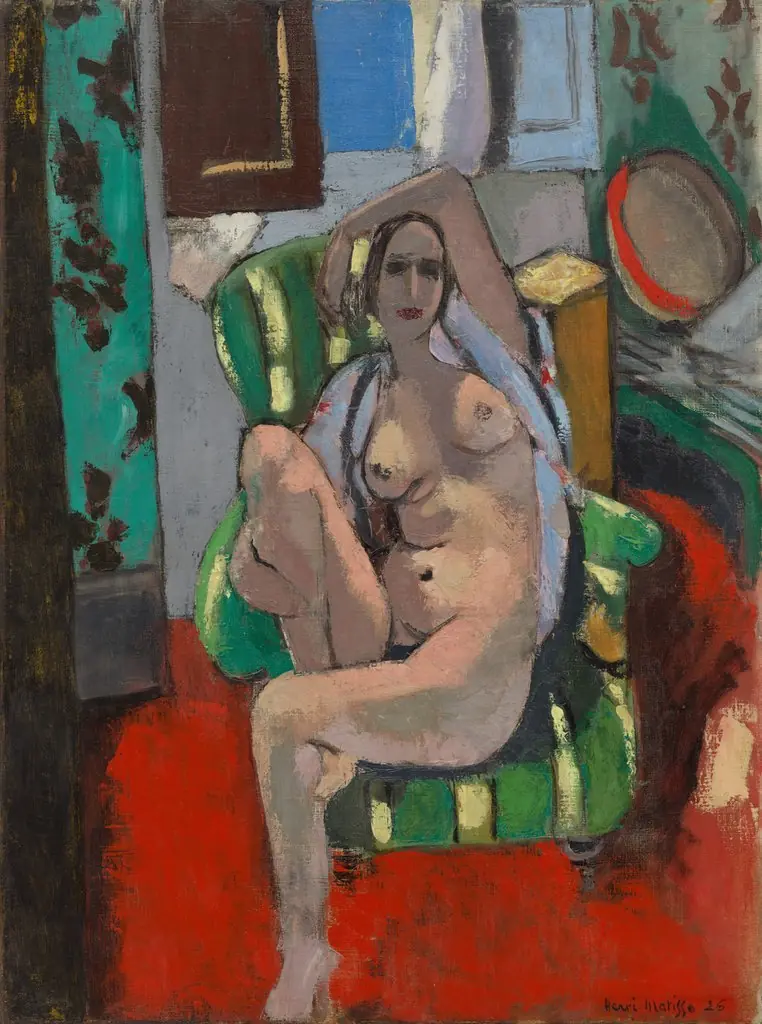
The work depicts a naked woman who is partially veiled by a long white scarf. Created in the spring of 1909 in Paris, the painting combines the genre of the nude with the specific motif of the titular accessory. The white scarf serves as a defining visual element that contrasts with the figure's skin, creating a composition where the subject is both revealed and concealed.
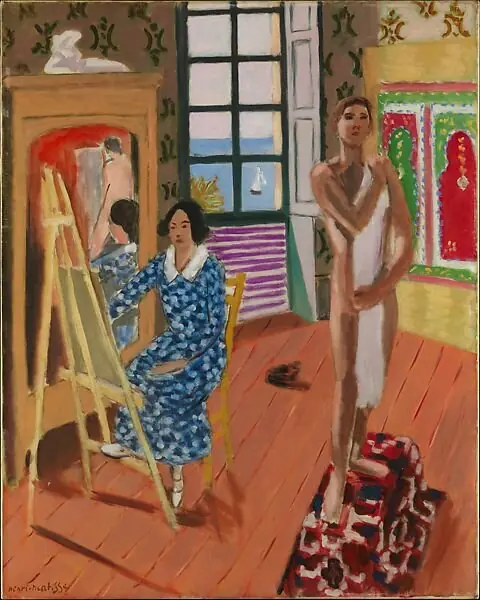
This specific arrangement of the figure and the fabric was significant enough for Henri Matisse to include the painting in his later studio interiors, The Pink Studio and The Red Studio, both completed in 1911. In these subsequent works, the painting appears as a decorative object within Matisse's own artistic environment at Issy-les-Moulineaux.
Technique & Style
Executed in the spring of 1909, this work is an oil painting on canvas measuring 116.5 by 89 centimeters. The composition depicts a nude female figure partially obscured by a long white scarf, a defining formal element that gives the piece its title. The handling of the medium creates a contrast between the exposed flesh and the flowing drapery of the veil.
Stylistically, the painting is significant for its recurrence in Matisse's later studio interiors, specifically appearing within the backgrounds of both The Pink Studio and The Red Studio, completed in 1911. These subsequent works document the artwork's presence in the artist's own collection at his studio in Issy-les-Moulineaux.
History & Provenance
Nude with a White Scarf was created by Henri Matisse in the spring of 1909 while he was working in Paris. The oil-on‑canvas painting remained in Matisse’s studio, as evidenced by its inclusion in his 1911 works L'Atelier rose and L'Atelier rouge, which depict his new atelier at Issy‑les‑Moulineaux adorned with several of his earlier paintings still in his possession. No record of a commission exists in the sources; the work appears to have been an independent studio piece.
After staying with the artist, it entered the collection of the Statens Museum for Kunst in Copenhagen, where it is currently housed.
Context
Painted in the spring of 1909 in Paris, Nude with a White Scarf serves as a significant precursor to Henri Matisse's later studio interiors. The work's place in the artist's wider context is confirmed by its appearance in two subsequent major canvases: The Pink Studio and The Red Studio, both executed in 1911. These later paintings depict Matisse's new studio at Issy-les-Moulineaux, where Nude with a White Scarf was displayed on the walls alongside other works he still possessed.
This visual recurrence highlights the painting's importance within Matisse's personal collection and his evolving artistic environment during the early 20th century.
Legacy
The 1909 painting Nude with a White Scarf entered the collection of the Statens Museum for Kunst in Copenhagen, where it remains on display. Its presence in the museum’s holdings helped cement Matisse’s reputation as a pioneer of the modern nude, influencing later artists who explored simplified forms and flat decorative patterns. The work is frequently cited in scholarship on early 20th‑century French painting as an example of Matisse’s synthesis of color and composition in his studio interiors.
Overview
Created in 1909, Nude with a White Scarf is an oil painting by Henri Matis- se that resides in the Statens Museum for Kunst. The work belongs to the Fauvist period of the artist’s career, a time when he explored vivid color and simplified forms. It presents a solitary female figure in a quiet, interior setting.
Artist & collection
Artist
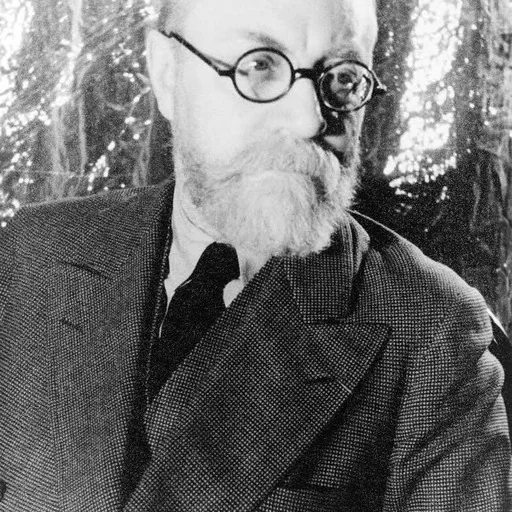
Henri Émile Benoît Matisse (French:; 31 December 1869 – 3 November 1954) was a French visual artist, known for both his use of colour and his fluid and original draughtsmanship.