Artwork
Hayne Hudjihini, Eagle of Delight
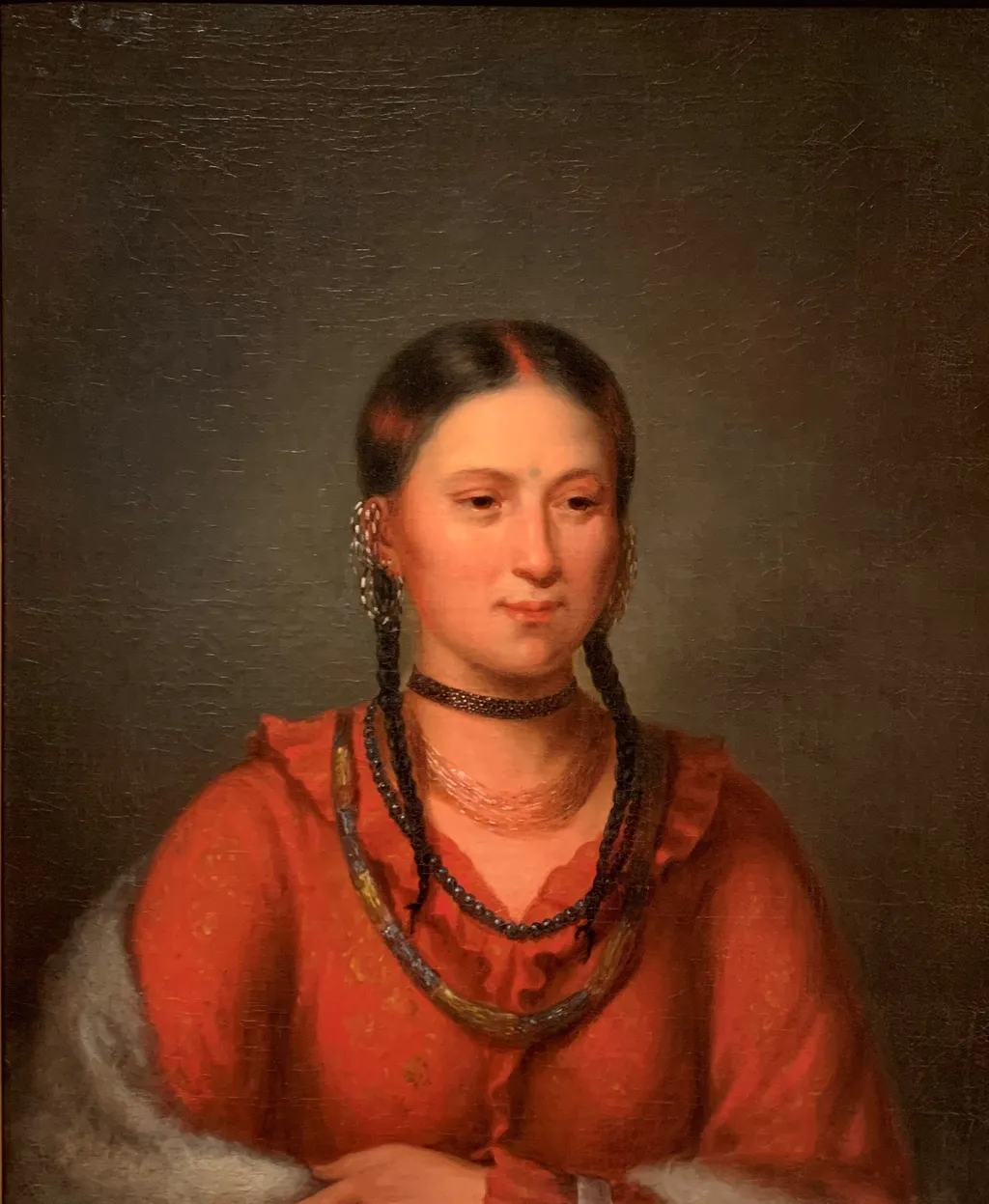
Hayne Hudjihini, Eagle of Delight is an oil painting by the American Folk Art artist Henry Inman. It dates from 1832 and is held in the collection of the Metropolitan Museum of Art.
About this work
Subject & Meaning
It belongs to the portrait genre and was created while Inman was active in the United States, later entering the collection of the Metropolitan Museum of Art.
Hayne Hudjihini, also called Eagle of Delight, is the subject of an 1832 oil portrait by Henry Inman. The painting, executed in oil on canvas, depicts a dignified woman whose name appears in the title, linking her to notions of freedom and joy. It belongs to the portrait genre and was created while Inman was active in the United States, later entering the collection of the Metropolitan Museum of Art.
As a portrait of a named Native American sitter, the work reflects early nineteenth-century American artistic interest in representing indigenous figures within the dominant cultural narrative.
Technique & Style
Hayne Hudjihini, Eagle of Delight is executed in oil paint on canvas, a standard support for formal portraiture of the early nineteenth century. The work is classified as a painting and falls within the portrait genre, consistent with Henry Inman's practice as a society and Native American portraitist. The canvas support and oil medium allowed for the smooth blending and refined surface finish characteristic of Inman's portrait style, suited to the careful rendering of facial features, textile ornamentation, and the elaborate headdress worn by the sitter.
Overview
Henry Inman completed the oil portrait titled Hayne Hudjihini, Eagle of Delight in 1832. This painting features a single female figure, rendered with the rich qualities of oil paint. The work is currently part of the collection at The Metropolitan Museum of Art, representing a significant example of portraiture from its period.
Own this work as a print
Artist & collection


- Hătmăneasa Maria Cantacuzino
 Portrait of Konstancja Narbutt
 Mrs. Ebenezer Porter (Lucy "Patty" Pierce Merwin)
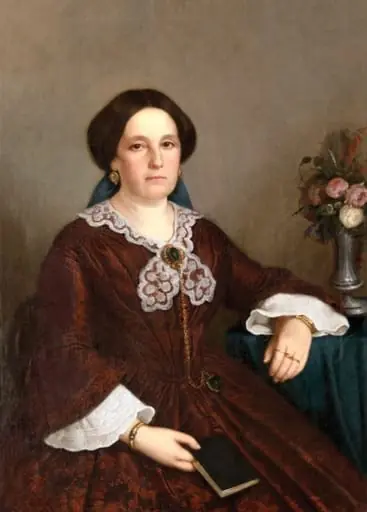 Portretul Eufrosinei Lecca
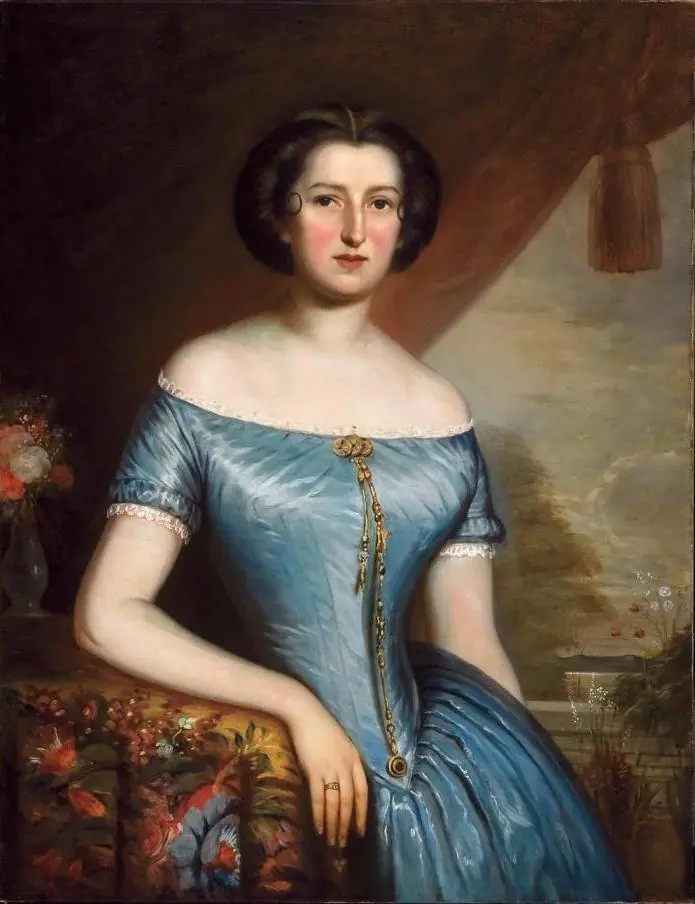 Portrait of Louise-Adèle Taschereau
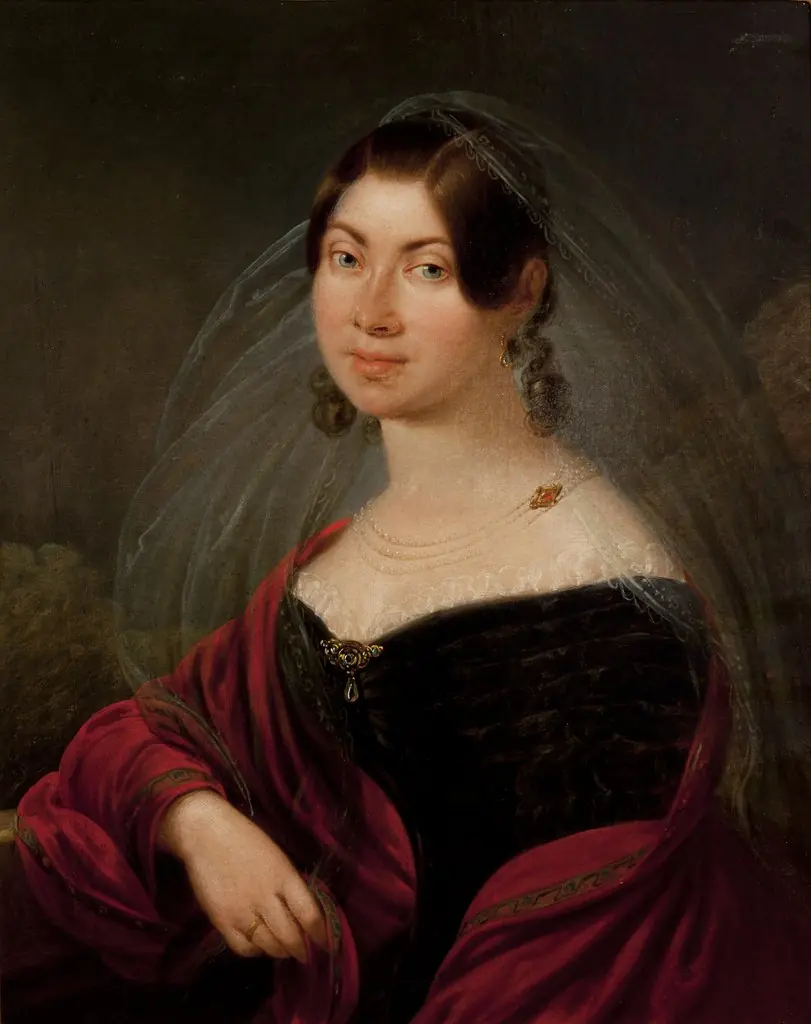 Portrait of Teresa Żebrawska née Hanowicz
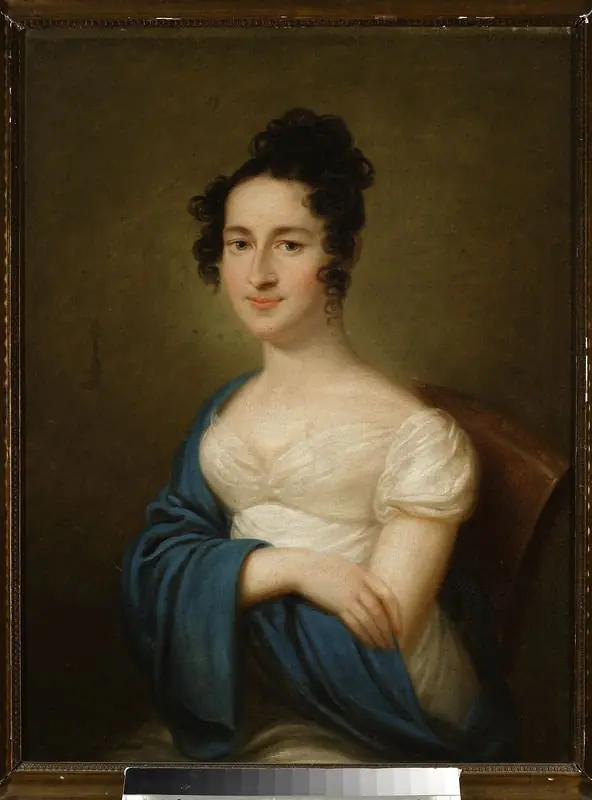 Portrait of Salomea Zawadzka née Mikołajewska
 Portrait of Nancy Blood Story
 Portrait of P.I. Sapoznikova
 Sevastia Mureșianu
 Mary Ann Garrits
 Portrait of Charlotte Story Forrester