Artwork
Portrait of a Lady
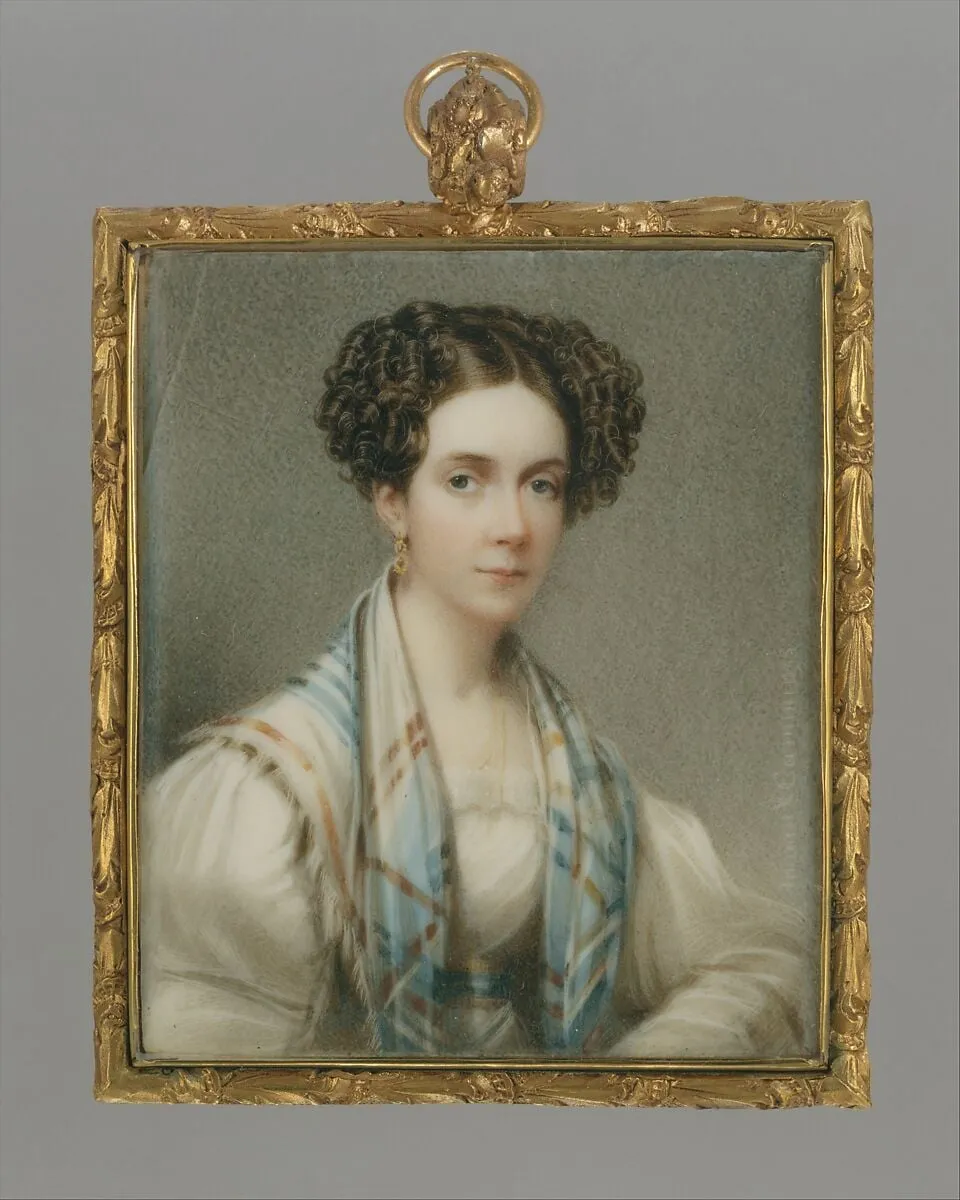
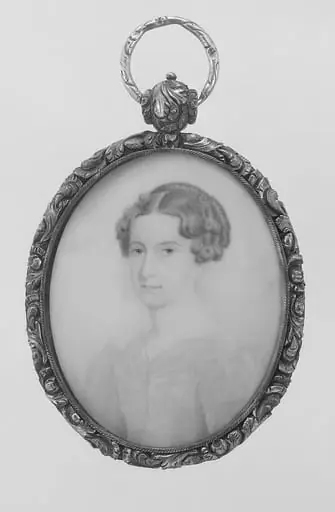
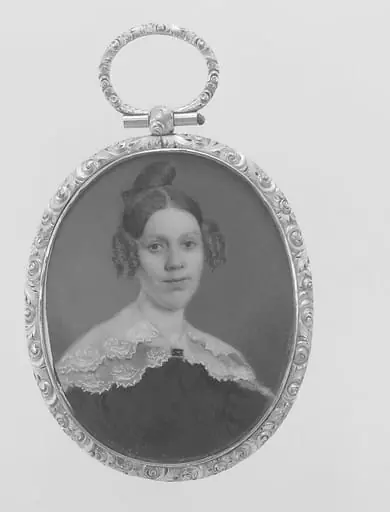
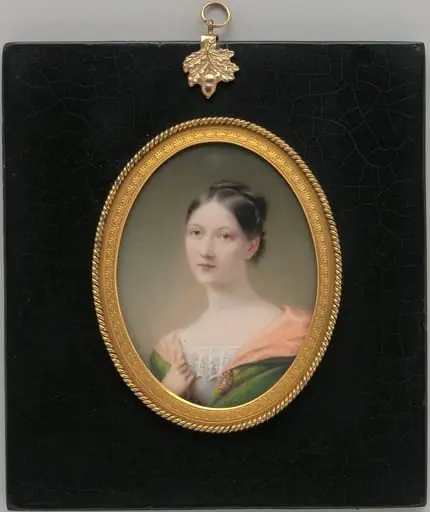
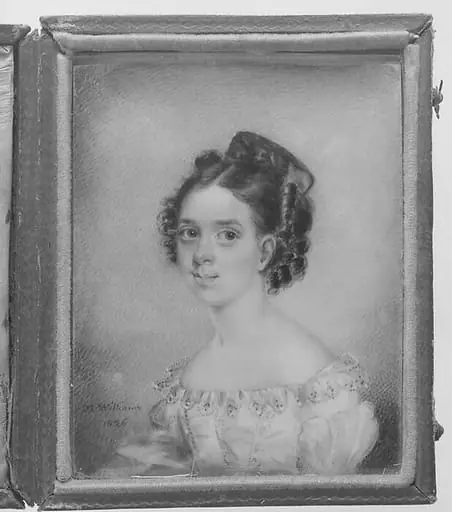
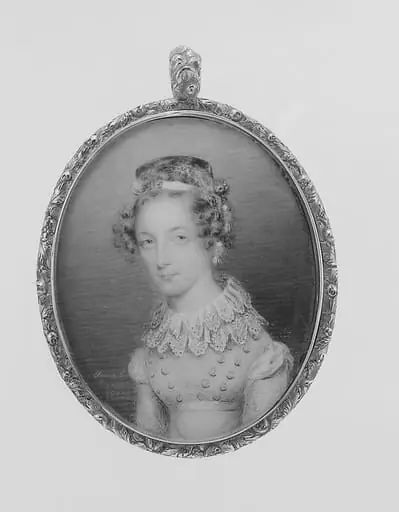
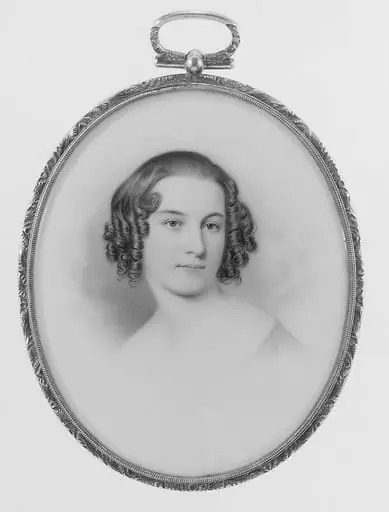
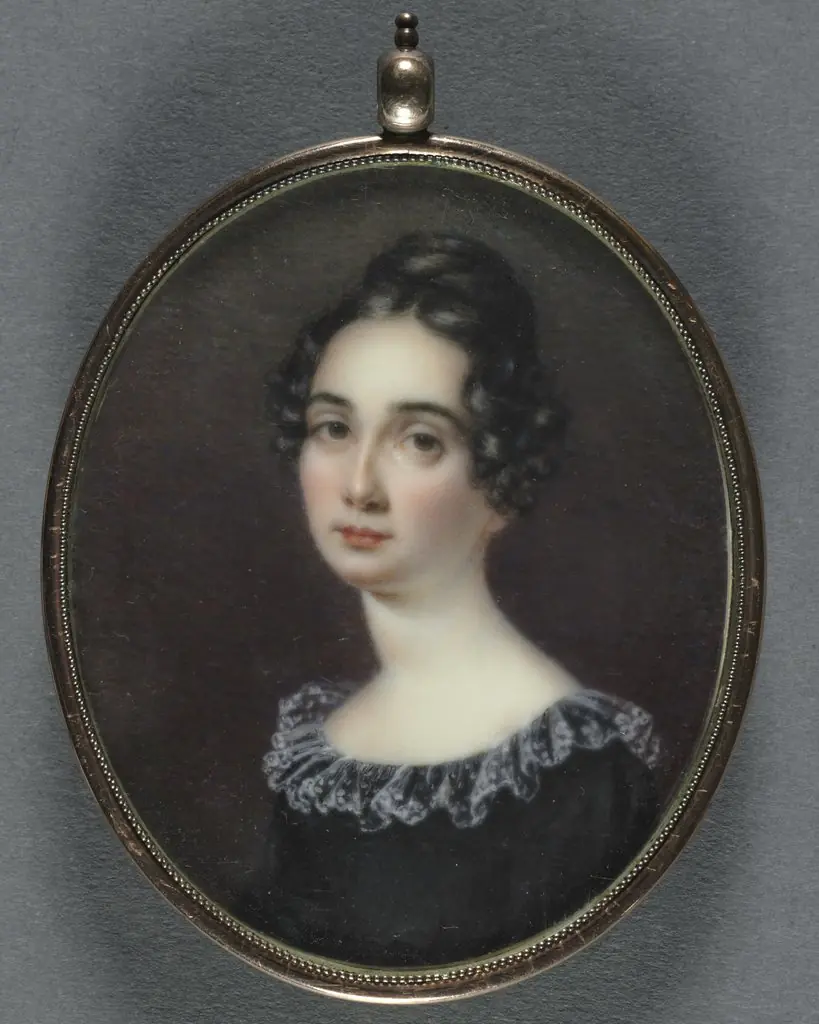
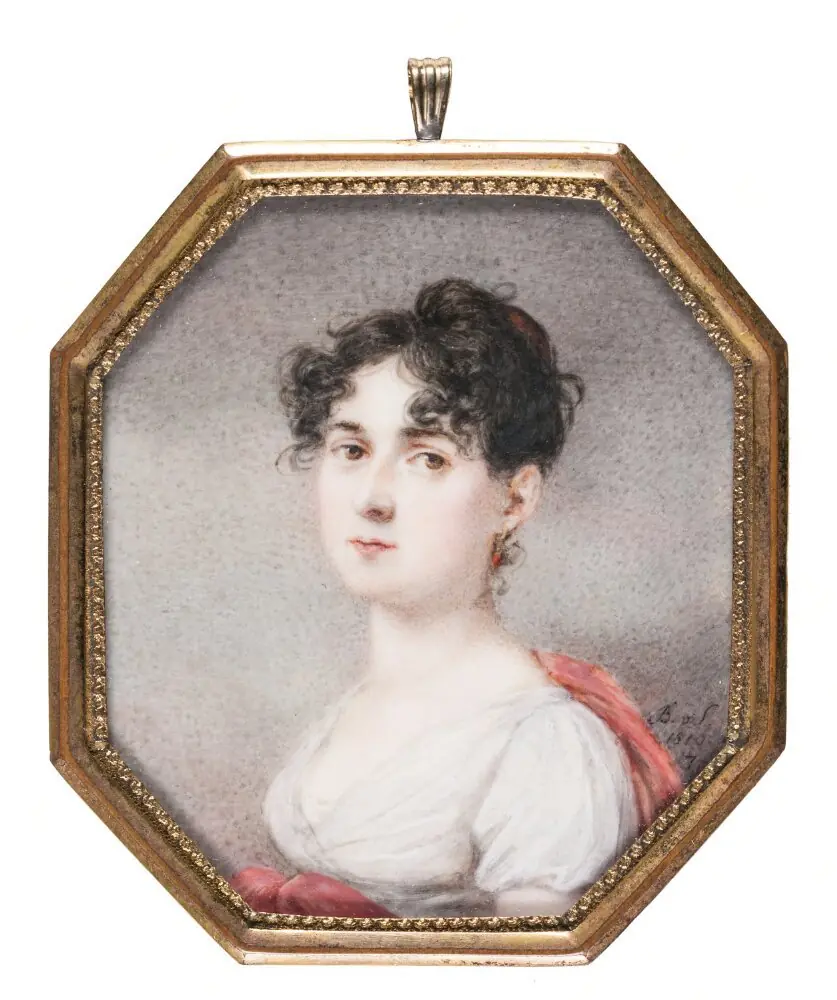
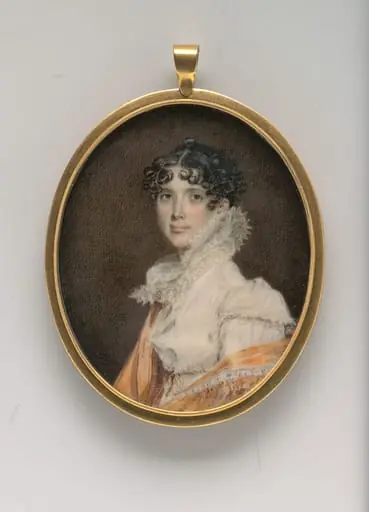
Portrait of a Lady is a watercolor painting by the American Folk Art artist Henry Inman. It dates from 1825 and is held in the collection of the Metropolitan Museum of Art.
About this work
Subject & Meaning
The composition highlights specific elements of early nineteenth-century attire and adornment, most notably the inclusion of a neckerchief and an earring.
Created in 1825 by Henry Inman, this watercolor on ivory functions as a formal portrait centered on a single female subject. The composition highlights specific elements of early nineteenth-century attire and adornment, most notably the inclusion of a neckerchief and an earring. These details serve as the primary iconographic markers within the work, defining the sitter's presentation through her jewelry and clothing rather than through allegorical props or complex background symbolism.
As a genre piece classified simply as a portrait, the artwork's meaning is derived from its direct representation of the woman herself, capturing her likeness and specific fashion choices of the era without additional narrative layers indicated in the available records.
Technique & Style
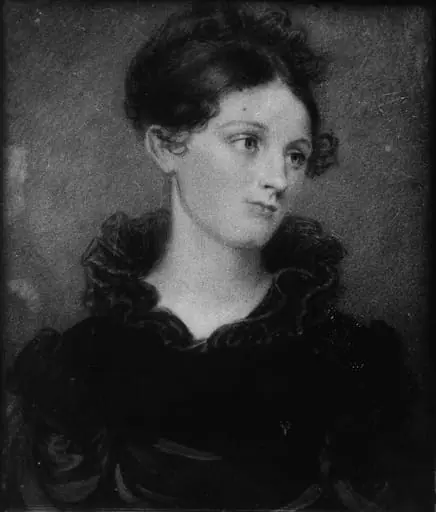
The work known as Portrait of a Lady, painted by Henry Inman in 1825, is executed in watercolor on a thin ivory support, a medium that contributes to its delicate handling requirements. The composition portrays a young woman adorned with an earring and a neckerchief, rendered with fine linear detail typical of early American portraiture. Measuring approximately 8.6 cm by 6 cm, the piece belongs to the American Wing collection at the Metropolitan Museum of Art, where it is displayed as a portrait.
Its formal style features restrained color washes and precise facial rendering, while the fragile ivory substrate demands controlled environmental conditions to preserve its condition.
Overview
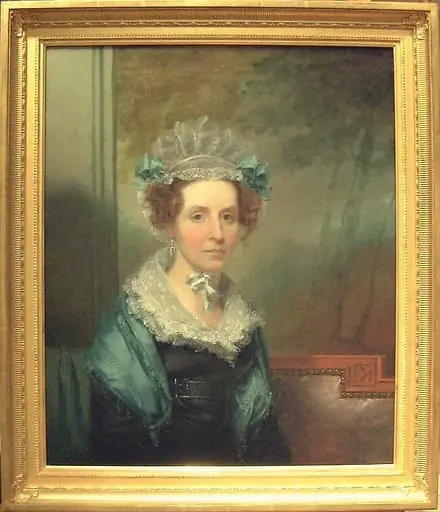
This intimate artwork, titled Portrait of a Lady, is a watercolor executed on a small ivory support. The subject, a woman in a dark garment, gazes directly forward, her hand gently resting on a red chair. Subtle details, such as her delicate gold earrings, are illuminated, drawing the viewer's attention to the refined craftsmanship. Its diminutive scale suggests a personal object, designed for close contemplation rather than public display.
Context
During the 1820s, miniature portraits like this one served as significant social artifacts among affluent New Yorkers. Often carried or displayed in private homes, these small-scale images functioned as personal mementos or tokens of identity. They conveyed an individual's status and connections, akin to a sophisticated form of personal branding within elite circles, reflecting the era's emphasis on personal representation and social networks.
Artist & collection