Artwork
Martin Van Buren
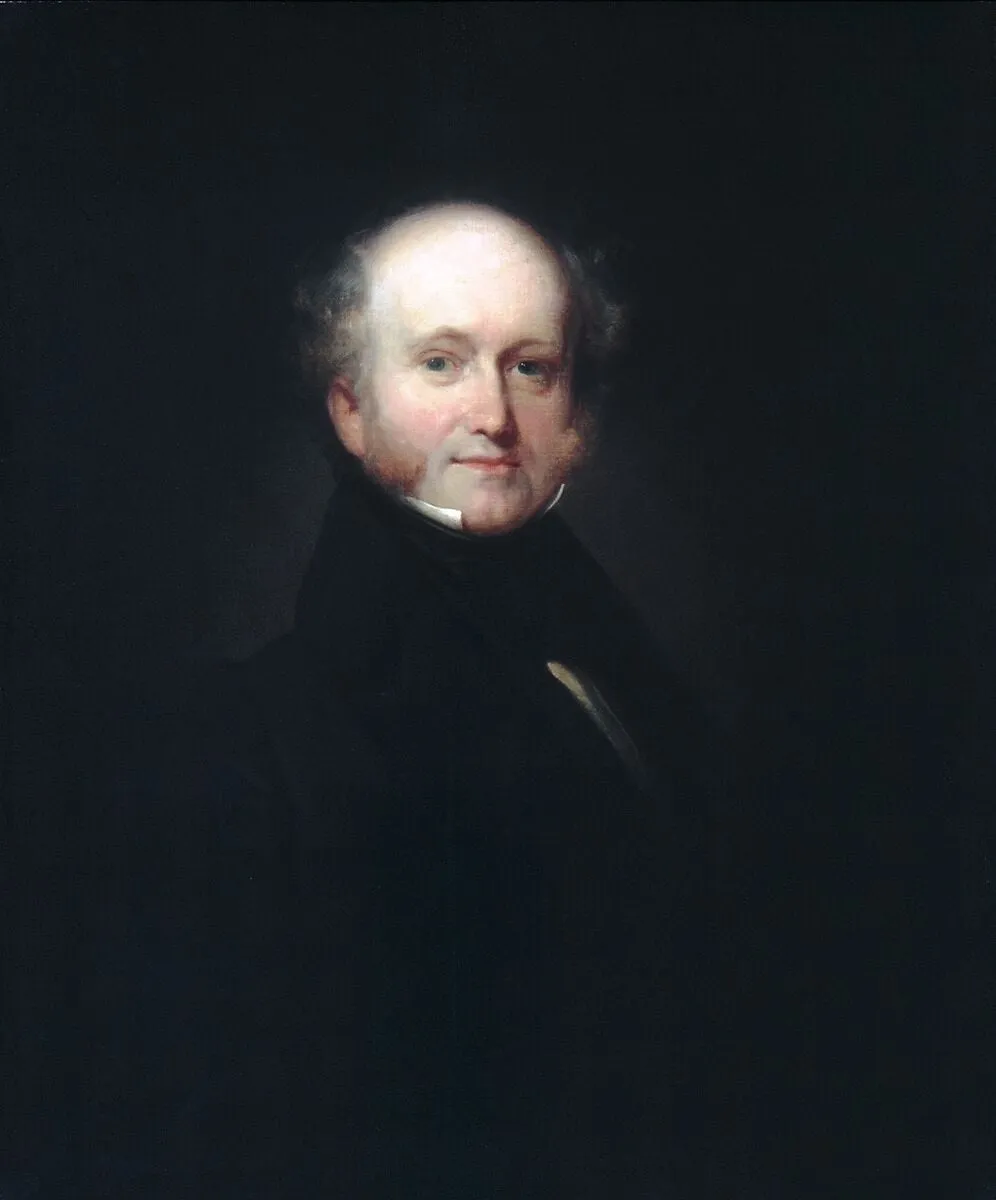
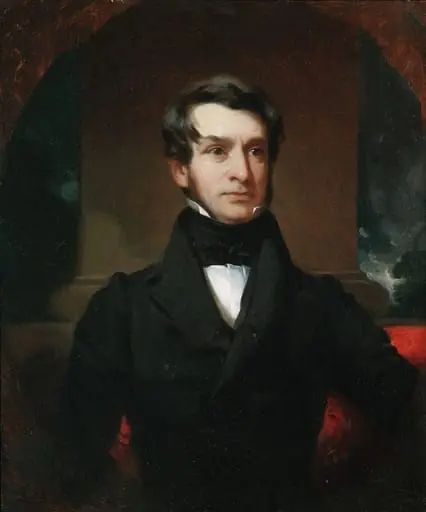
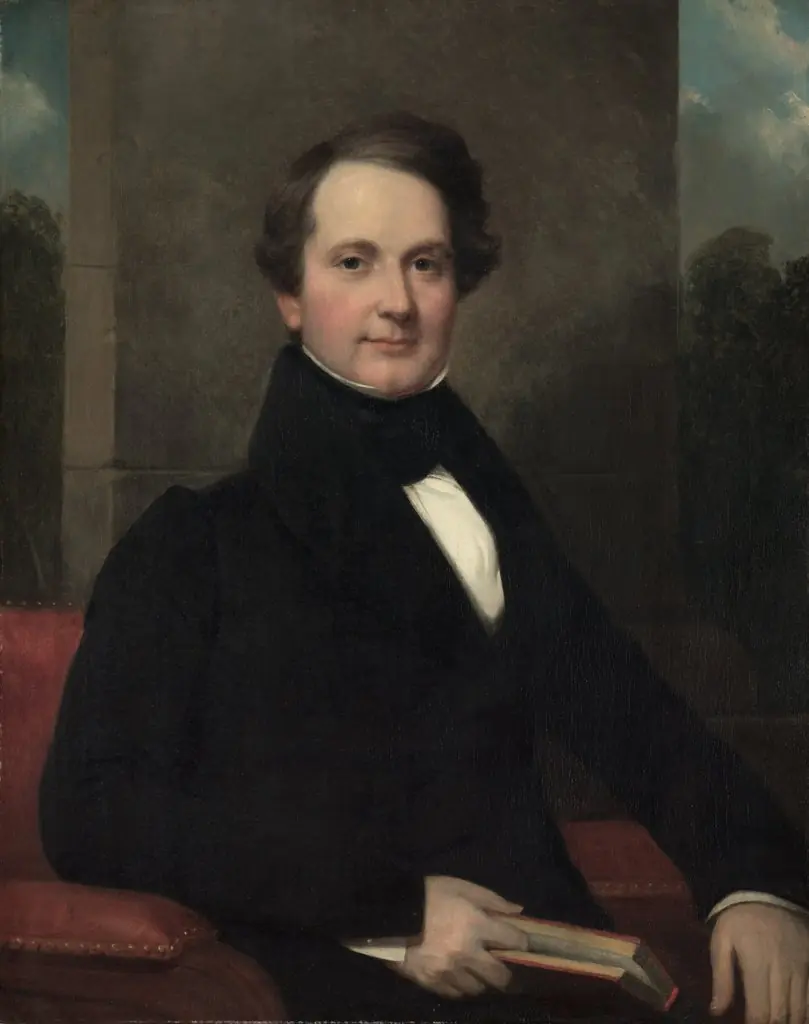
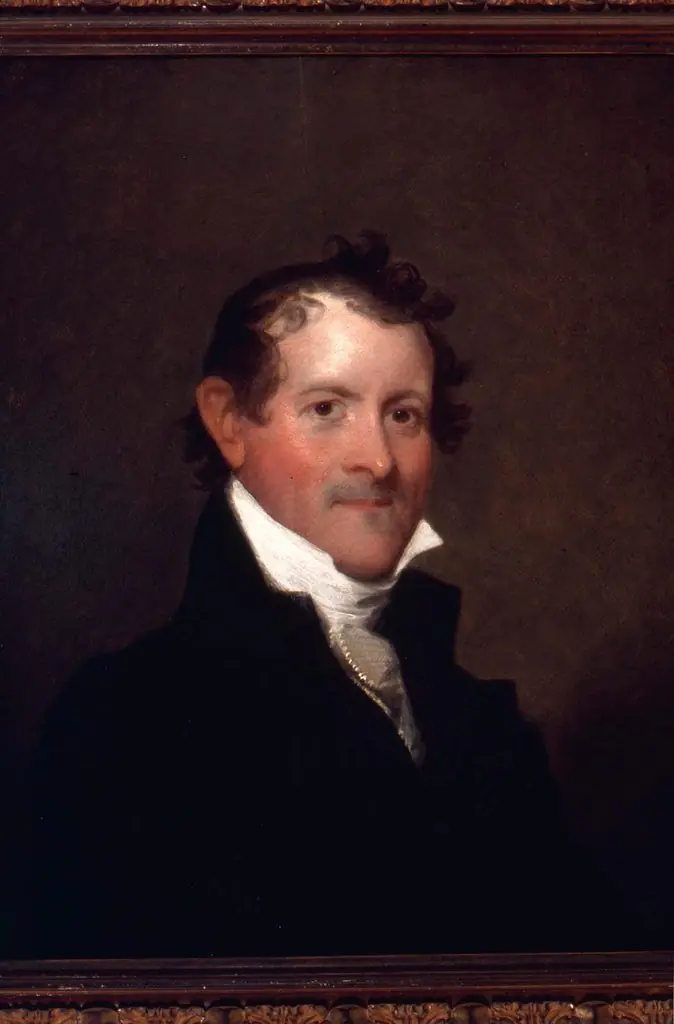
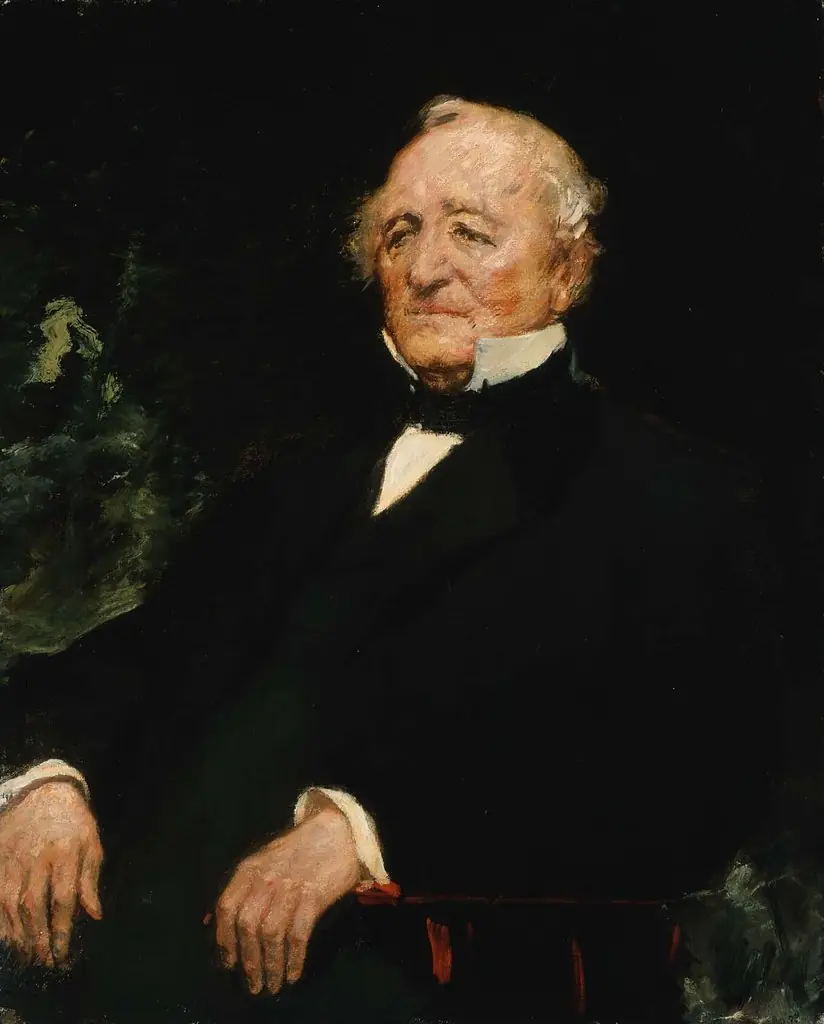
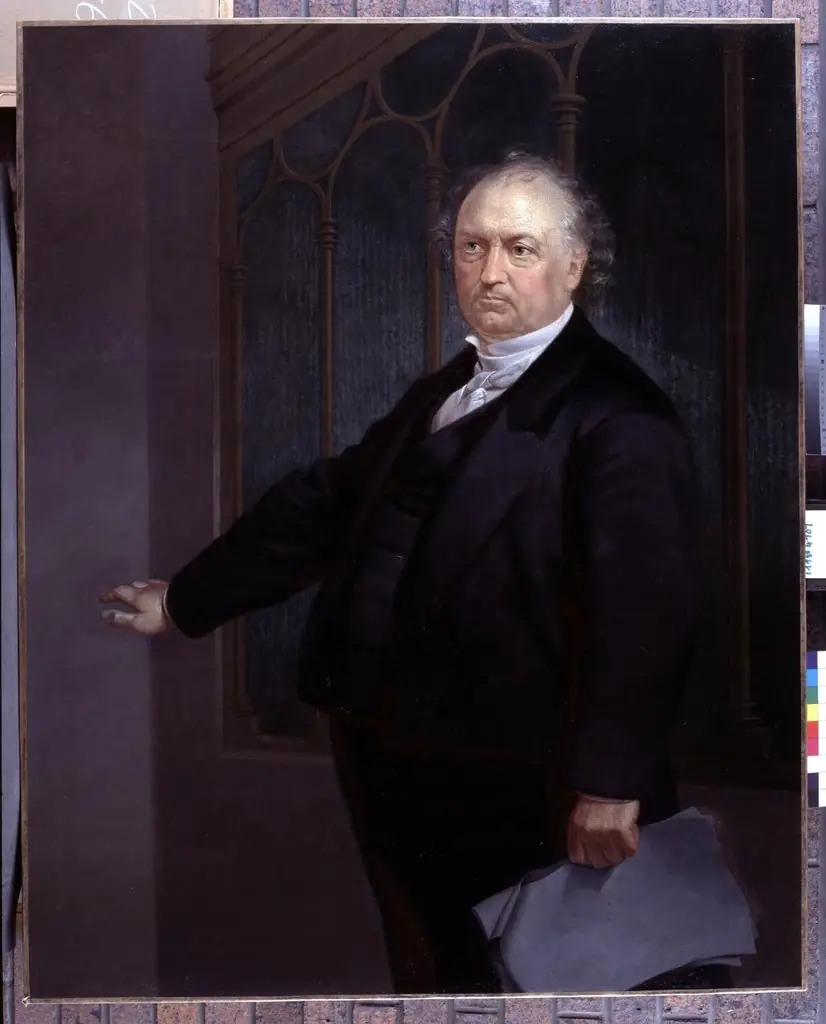
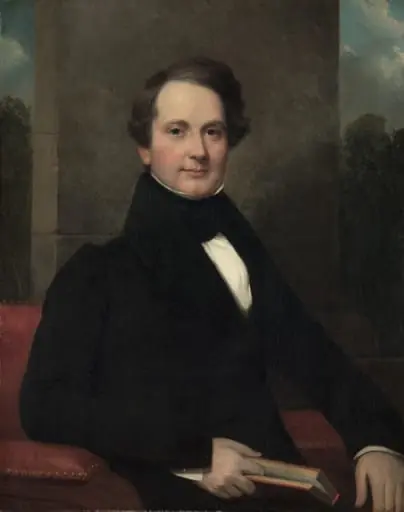
Martin Van Buren is an oil painting by the American Folk Art artist Henry Inman. It dates from 1838 and is held in the collection of the Metropolitan Museum of Art.
About this work
Technique & Style
As a work in The American Wing, it is classified as a portrait genre, depicting Martin Van Buren as a man.
The work is an oil painting on canvas created in 1837 by American portraitist Henry Inman. Executed in oil on a canvas support, the piece exemplifies early‑19th‑century American portraiture with a restrained palette and fine brushwork that models the sitter’s features naturalistically. The Metropolitan Museum of Art records the dimensions as 78.1 × 64.8 cm, confirming its scale as a full‑length portrait.
As a work in The American Wing, it is classified as a portrait genre, depicting Martin Van Buren as a man. The material composition of oil paint on canvas underlies its surface texture and durability.
History & Provenance
The portrait of Martin Van Buren was painted by Henry Inman in 1837, executed in oil on canvas. The work entered the collection of the Metropolitan Museum of Art, where it is classified within The American Wing and held as a portrait. No further details regarding commission, prior ownership, or chain of custody prior to the museum's acquisition are documented in the available sources.
Henry Inman's 1837 oil-on-canvas portrait of Martin Van Buren is held by the Metropolitan Museum of Art, where it is classified under The American Wing. According to Wikidata records, the painting belongs to the museum's collection and is located at that institution. The work measures 78.1 by 64.8 centimeters and is catalogued as a portrait depicting Martin Van Buren. No specific accession number or exhibition history is documented in the available sources.
Overview
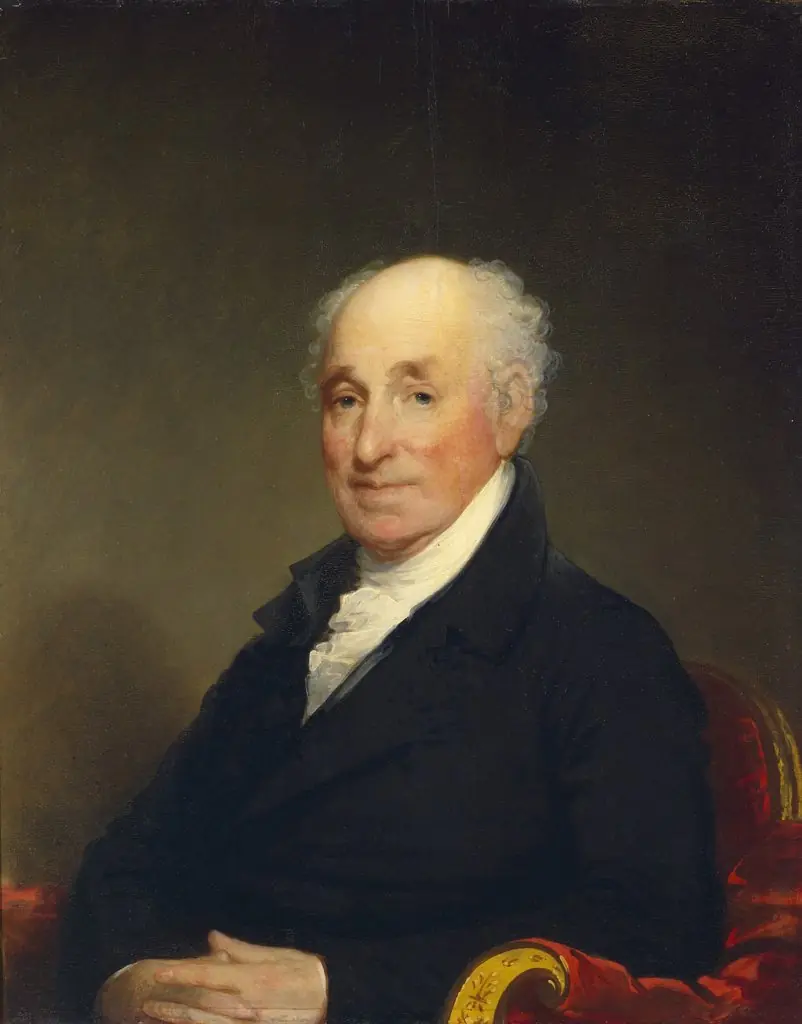
Painted in 1838, Henry Inman's oil on canvas portrait depicts Martin Van Buren, the eighth President of the United States, shortly after his inauguration. The composition presents the sitter in a three-quarter view, seated in a red upholstered chair that contrasts with his dark formal suit. Van Buren rests one hand upon a stack of papers, a conventional attribute symbolizing his administrative duties and engagement with state affairs.
His expression is characterized by a calm, weary demeanor, with distinct lines around the mouth and eyes that convey the gravity of his office. Inman, a prominent American portraitist of the mid-nineteenth century, utilized a refined technique to capture the texture of the fabrics and the subtle modeling of the face, avoiding excessive idealization in favor of psychological realism. This work stands as a significant example of presidential portraiture from the Jacksonian era, documenting the physical appearance and public persona of a leader during a period of intense political debate regarding the national bank and economic policy. The painting reflects Inman's reputation for producing dignified likenesses of the American political elite.
Subject & Meaning
Van Buren is shown seated in a red chair, dressed in a dark suit, with one hand resting on a stack of papers. His expression is composed, yet reveals a certain weariness, marked by deep lines around his mouth. This portrayal, created early in his presidency, suggests the weight of his new responsibilities. The papers on the table may symbolize legislative duties or simply indicate a busy professional life.
Artist & collection