Artwork
Pes-Ke-Le-Cha-Co
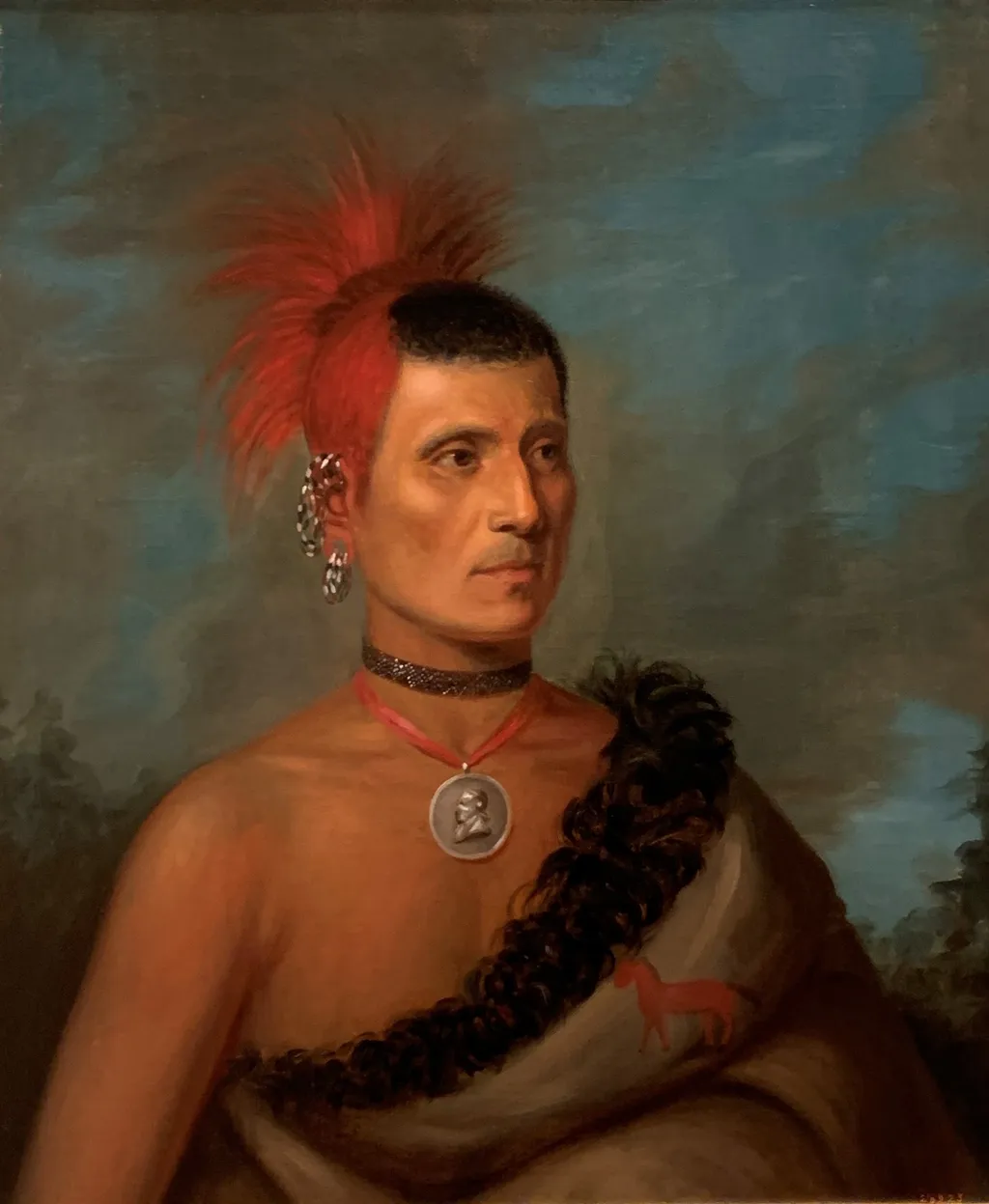
Pes-Ke-Le-Cha-Co is an oil painting by the American Folk Art artist Henry Inman. It dates from 1832 and is held in the collection of the Metropolitan Museum of Art.
About this work
Subject & Meaning
Originally copied by Henry Inman from a now-destroyed 1821–1822 painting by Charles Bird King, the image serves as a historical record of Indigenous leadership.
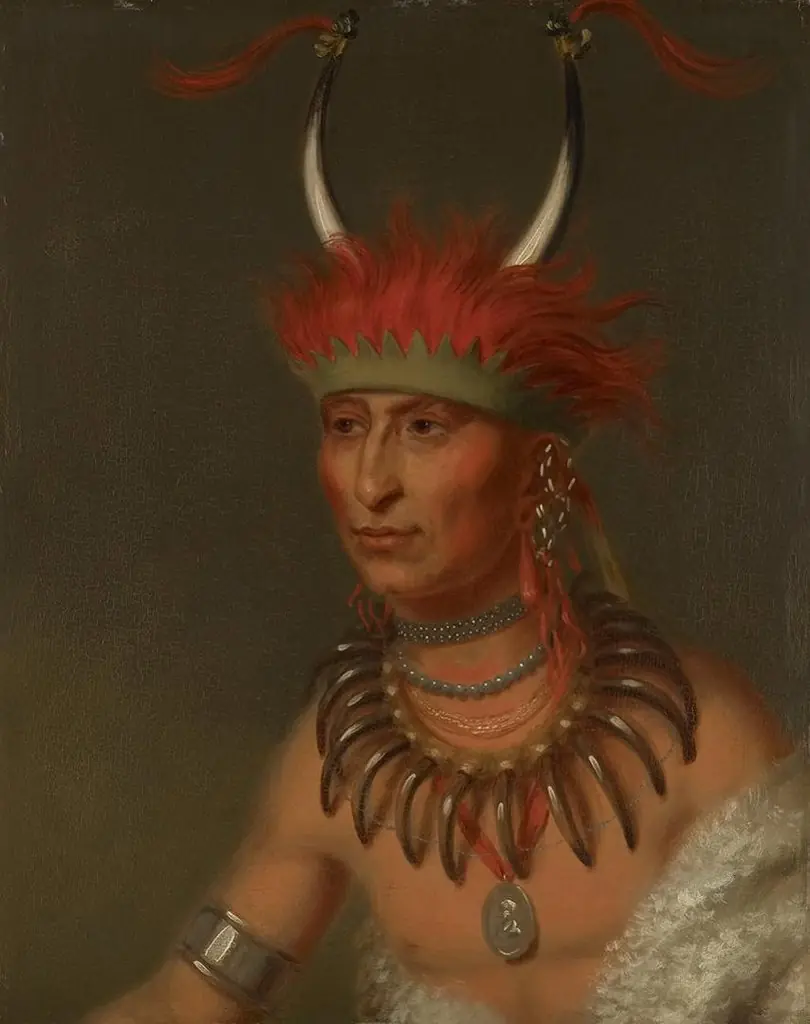
The work portrays Pes-Ke-Le-Cha-Co, a chief of the Pawnee people, rendered in a formal portrait style. The subject is adorned with specific cultural and diplomatic markers: beaded necklaces, earrings, and a silver medal gifted by President James Monroe. He wears a bison robe decorated with a red horse motif.
Originally copied by Henry Inman from a now-destroyed 1821–1822 painting by Charles Bird King, the image serves as a historical record of Indigenous leadership. Contemporary Pawnee activist Crystal Echo Hawk interprets the depiction as an embodiment of Pawnee dignity and strength. The portrait was part of a larger commission by Thomas L. McKenney to document Native American leaders for a biographical history, transforming the visual record into lithographs for broader distribution.
Technique & Style
Pes-Ke-Le-Cha-Co is an oil painting on canvas, as indicated by its medium of oil paint and support of canvas. The work portrays Pawnee chief Pes-Ke-Le-Cha-Co wearing a headdress, silver medallion, beaded necklace, earrings, and a buffalo‑robe trimmed with a red horse decoration, reflecting Inman’s attention to costume and individual likeness. As a copy of a now‑lost Charles Bird King portrait made for Thomas L. McKenney’s History of the Indian Tribes of North America, the painting follows a realistic, academic portrait style characteristic of Inman’s oeuvre. No specific details about the painting’s condition or handling are provided in the sources.
History & Provenance
Henry Inman created Pes-Ke-Le-Cha-Co in 1832–1833 as an oil on canvas portrait of the Pawnee chief. The work was commissioned by Thomas L. McKenney, who tasked Inman with reproducing the lost oil paintings of Native American leaders by Charles Bird King; King’s originals were destroyed in a fire in 1865. Inman’s copy entered the collection of the Metropolitan Museum of Art, where it remains on view.
Documentation from 1832 indicates the painting was completed as part of McKenney’s project to illustrate tribal chiefs for his History of the Indian Tribes of North America.
The oil painting Pes-Ke-Le-Cha-Co by Henry Inman is held in the collection of the Metropolitan Museum of Art in New York, where it remains on display. Created between 1832 and 1833, the work serves as a copy of a now-destroyed original by Charles Bird King, commissioned by Thomas L. McKenney for the publication History of the Indian Tribes of North America. While the painting's current location and institutional ownership are well-documented, specific inventory or accession numbers are not provided in the available records.
Furthermore, although the work is noted as being currently exhibited, detailed records of past exhibition history, including specific dates or touring venues, are absent from the source material.
Context
Painted by Henry Inman between 1832 and 1833, this work serves as a vital historical record, replicating a now-lost original by Charles Bird King that was destroyed in an 1865 fire. Inman executed the copy at the behest of Thomas L. McKenney for inclusion in the lithographic series History of the Indian Tribes of North America, a project intended to document Native American leadership. The subject, Pawnee chief Pes-Ke-Le-Cha-Co, is depicted wearing a silver medallion gifted by President James Monroe and a bison robe decorated with a red horse.
Contemporary scholarship highlights the portrait's significance; Pawnee activist Crystal Echo Hawk cites the image as an embodiment of Pawnee dignity and strength. Now held by the Metropolitan Museum of Art, the painting remains a key example of Inman's portraiture and the broader 19th-century effort to preserve Indigenous visual history following the loss of King's Washington gallery.
Legacy
The primary legacy of Henry Inman's 1832 painting rests on its role as a vital historical and cultural surrogate. The original 1821–1822 portrait of the Pawnee chief by Charles Bird King was destroyed in a fire in 1865, making Inman's copy the surviving visual record of the subject. Commissioned by Thomas L. McKenney, the work was translated into a lithograph for McKenney's biographical series, History of the Indian Tribes of North America, thereby cementing the image's wide-reaching influence in documenting Native American leaders.
Beyond its archival importance, the painting carries ongoing cultural resonance; Pawnee activist Crystal Echo Hawk has cited the portrait as an enduring example of the dignity and strength of the Pawnee people. The work is held in the collection of the Metropolitan Museum of Art.
Overview
Henry Inman's oil painting, Pes-Ke-Le-Cha-Co, created between 1832 and 1833, portrays the Pawnee chief of the same name. This work serves as a significant record, being a copy of an earlier portrait by Charles Bird King, whose original was later lost. The painting, executed in oil, is currently part of the collection at the Metropolitan Museum of Art, offering a glimpse into early 19th-century depictions of Indigenous leaders.
Own this work as a print
Artist & collection


 Shaumonekusse, Oto Half Chief (Husband of Eagle of Delight)
 No-Tin (Wind), a Chippewa Chief
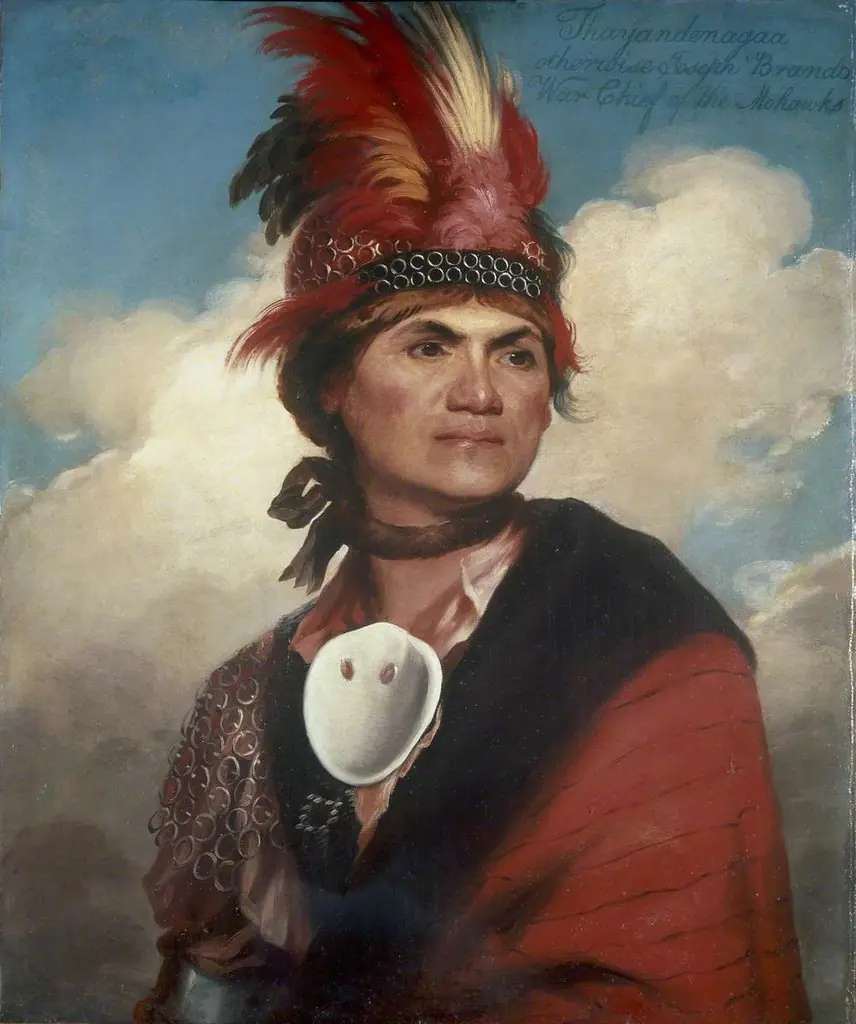 Thayendanegea (Joseph Brant, c.1743–1807)
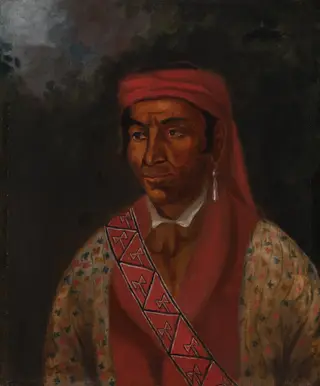 Chief Jumper of the Seminoles
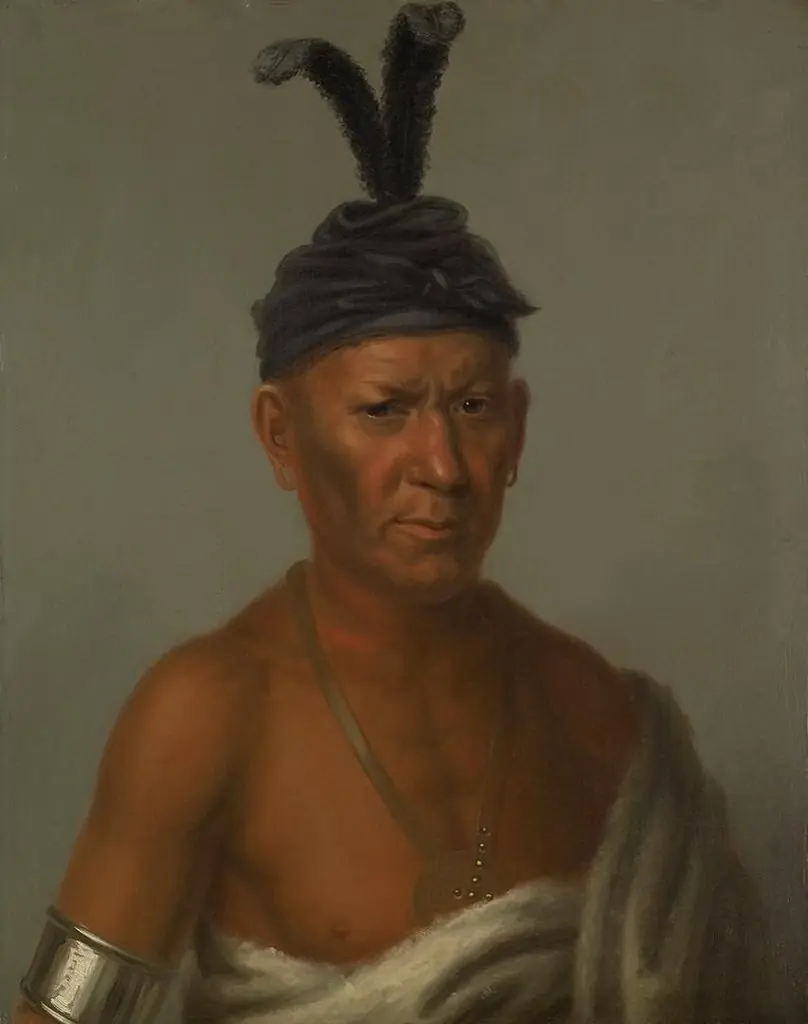 Wakechai (Crouching Eagle), Saukie Chief
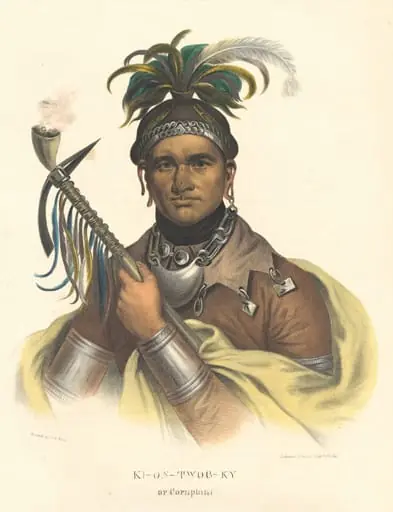 Ki-On-Twog-Ky, or Cornplanter
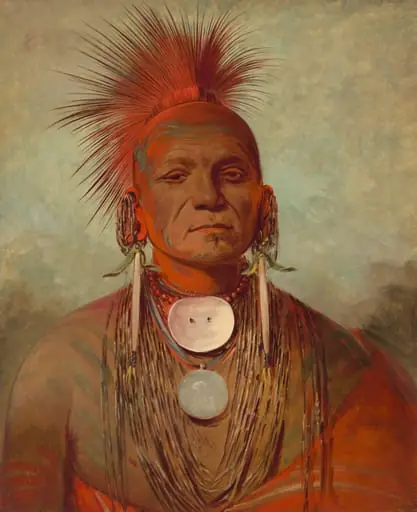 See-non-ty-a, an Iowa Medicine Man
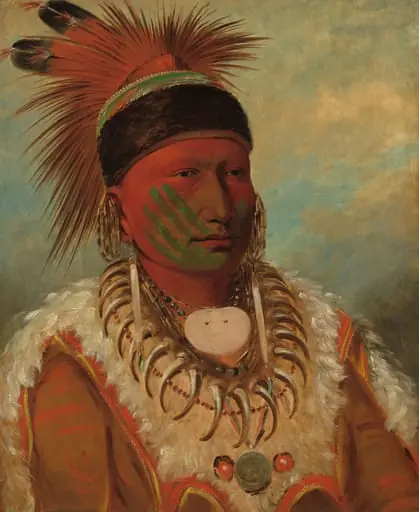 The White Cloud, Head Chief of the Iowas
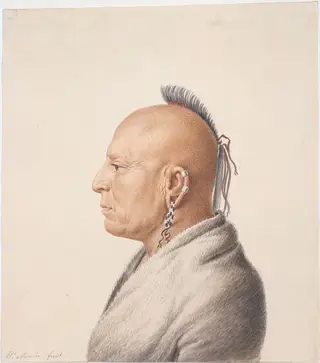 Osage Warrior
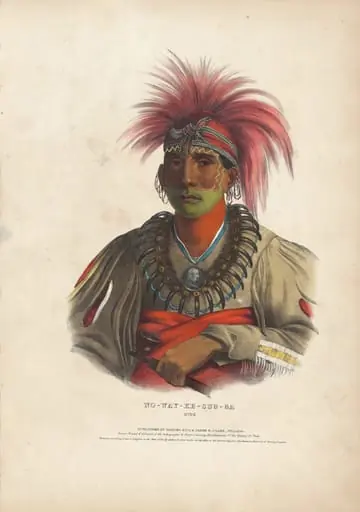 No-Way-Ke-Sug-Ga, Otoe
 Colonel Guy Johnson and Karonghyontye (Captain David Hill)
- Chon-Ca-Pe