Artwork
The Arch
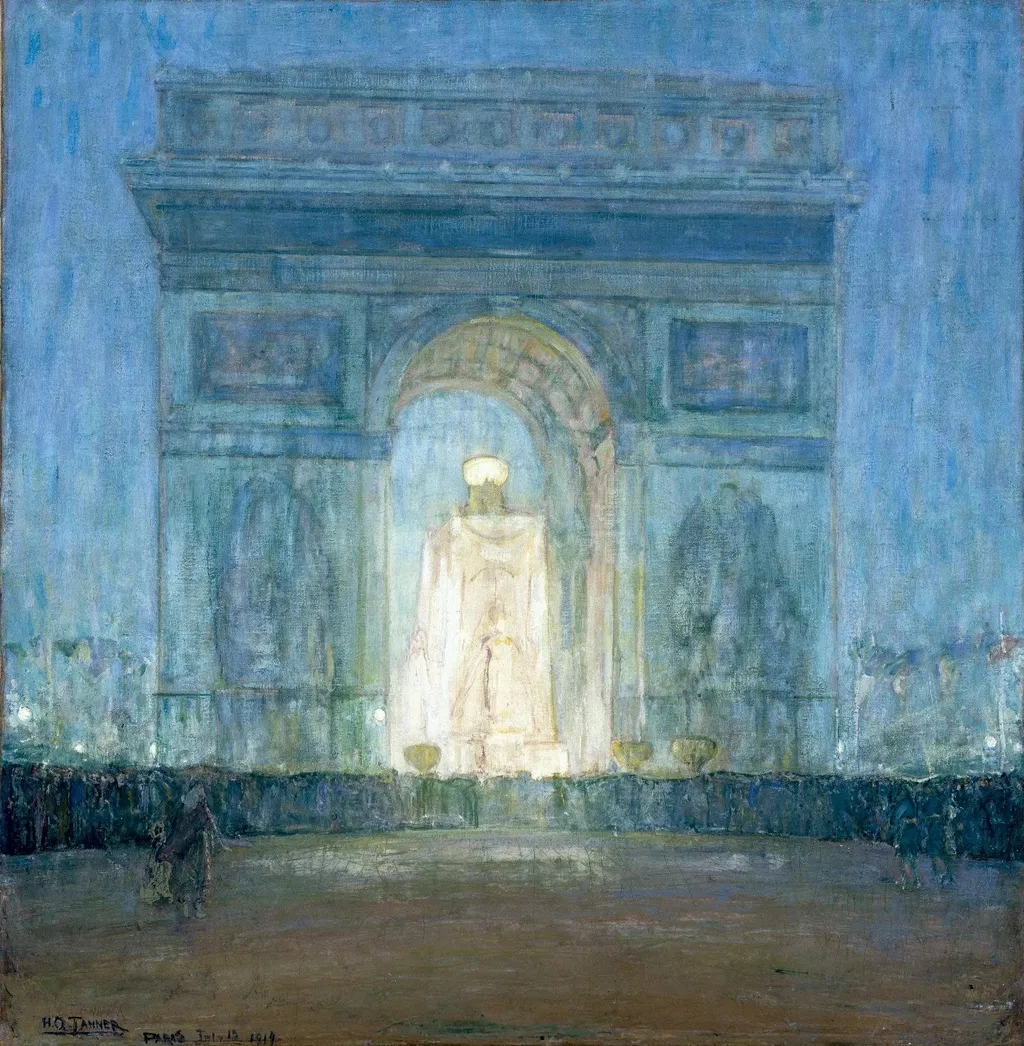
The Arch is an oil painting by the American Impressionist artist Henry Ossawa Tanner. It dates from 1919 and is held in the collection of the Brooklyn Museum.
About this work
Overview
Rather than a literal record, the scene is rendered with emotional resonance, emphasizing monumentality through light and form.
Painted in 1919 by Henry Ossawa Tanner, The Arch is an oil-on-canvas work depicting the Arc de Triomphe in Paris. The painting is part of the Brooklyn Museum’s collection and reflects Tanner’s mature style, marked by a restrained palette and careful attention to atmospheric effects. Rather than a literal record, the scene is rendered with emotional resonance, emphasizing monumentality through light and form.
Subject & Meaning
The painting centers on the Arc de Triomphe, its monumental arch framed by a pale, hazy sky. A central statue, likely a classical allegorical figure, glows with internal illumination, suggesting reverence or spiritual presence. The absence of human figures and the quiet, nocturnal tone shift focus from historical triumph to contemplative awe, evoking a sense of enduring legacy rather than military glory.
Technique & Style
Tanner employs chiaroscuro to model the arch’s architectural details, using deep blues and muted grays to define shadowed recesses while the statue emits a soft, internal radiance. The brushwork is deliberate but not overly detailed, allowing form to emerge through tonal gradations. Color is subdued yet precise, with cool hues dominating to enhance the painting’s meditative mood and spatial depth.
History & Provenance
Created during Tanner’s later years in France, The Arch was painted after decades of his residence in Paris, where he gained recognition for religious and genre scenes. The work entered the Brooklyn Museum’s collection in the 20th century, likely through acquisition or donation. Its provenance reflects Tanner’s growing institutional recognition in the United States despite his expatriate status.
Context
Tanner painted The Arch after World War I, a time when monuments like the Arc de Triomphe carried new weight as symbols of resilience and loss. His choice to depict the structure without crowds or battle references aligns with his broader tendency to avoid overt nationalism. The work resonates with early 20th-century shifts toward introspective, symbolic representation in American art.
Legacy
The Arch stands as a quiet testament to Tanner’s ability to infuse architectural subjects with emotional gravity. It exemplifies his departure from academic realism toward a more atmospheric, spiritually inflected mode. While not widely exhibited, the painting contributes to scholarly understanding of his late style and his role in redefining American landscape and monument painting through personal vision.
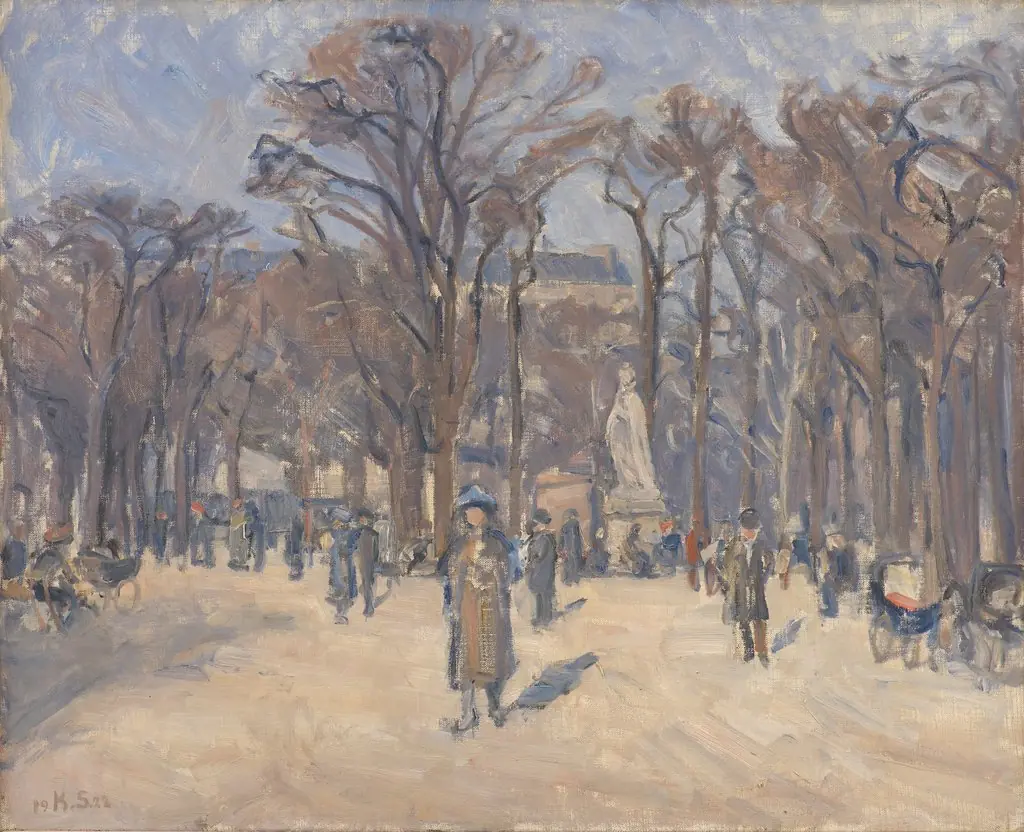
Own this work as a print
Artist & collection
Artist
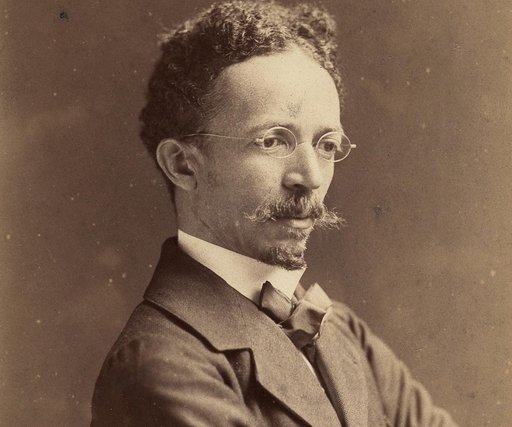
Henry Ossawa Tanner was an American artist who spent much of his career in France.

- March Day in Le Jardin du Luxembourg, Paris
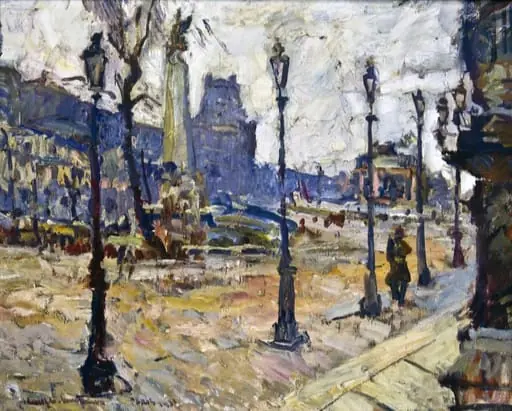 Piață din Paris
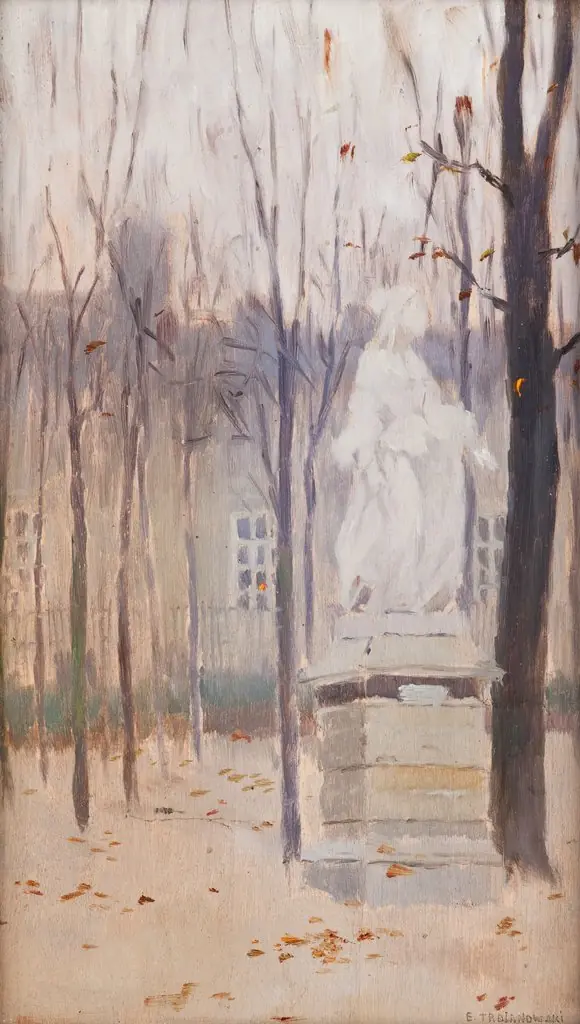 In the Luxembourg Garden
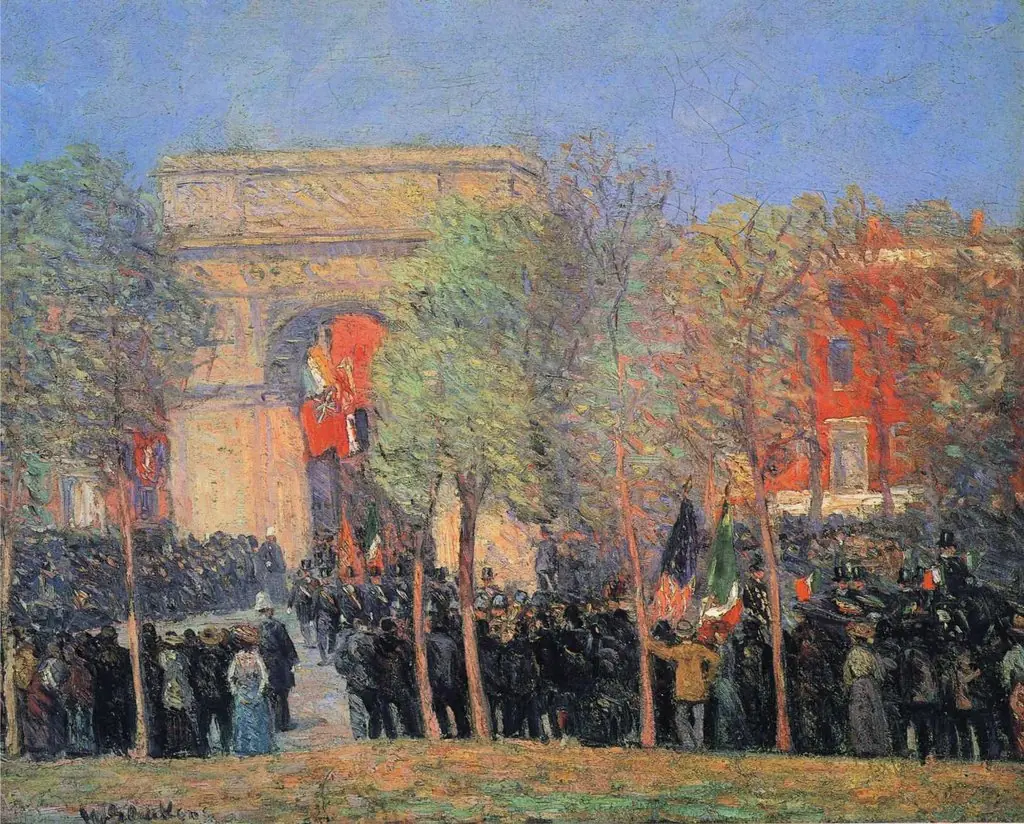 Italo-American Celebration, Washington Square
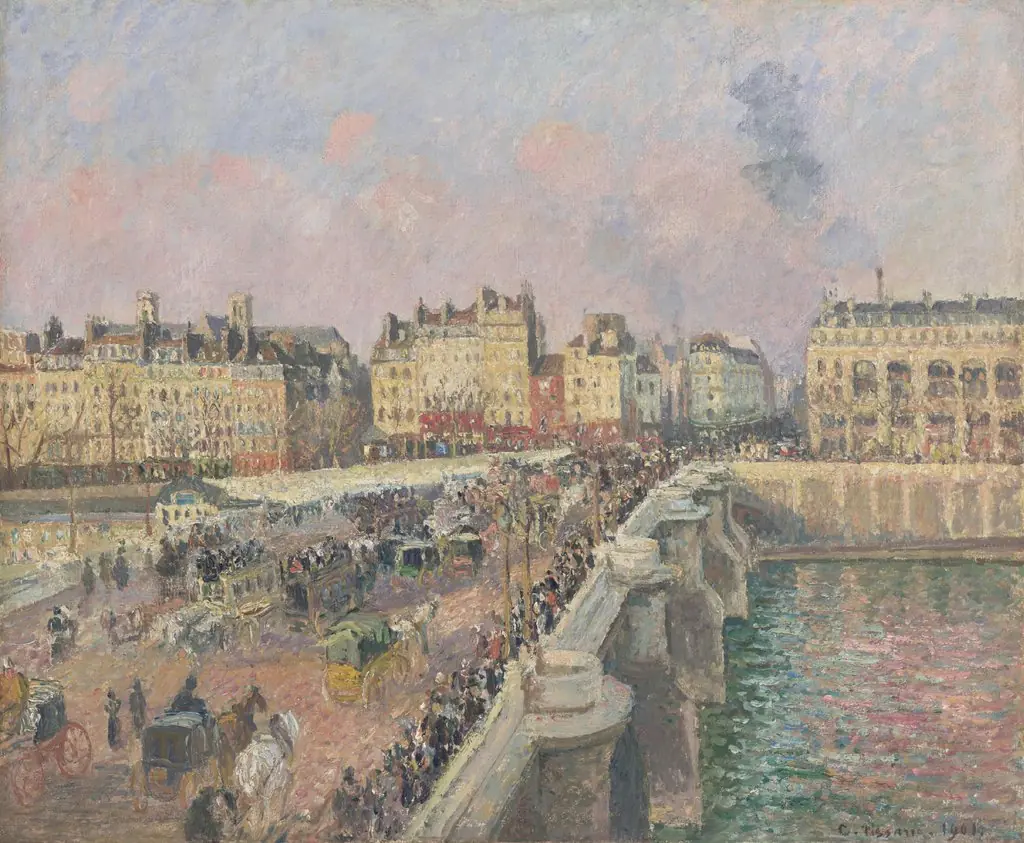 Afternoon Sunshine, Pont Neuf
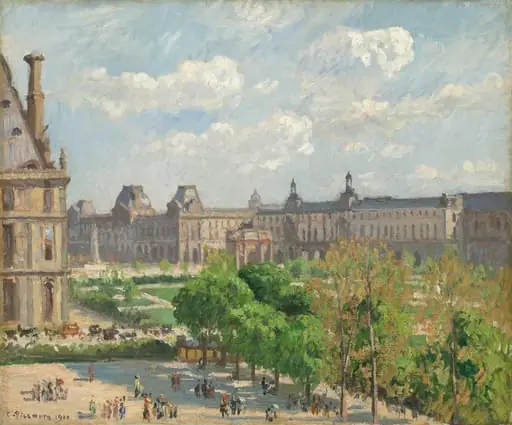 Place du Carrousel, Paris
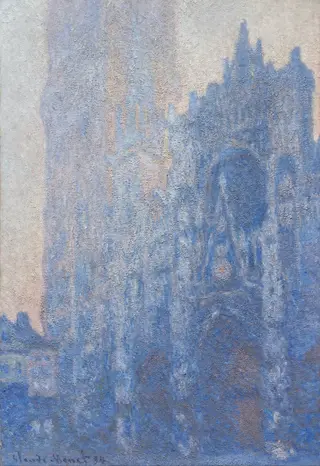 Rouen Cathedral, Portal and Tower d'Albane, Dawn
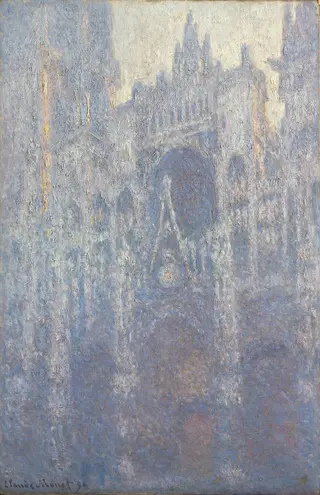 Rouen Cathedral, Portal, Morning Light
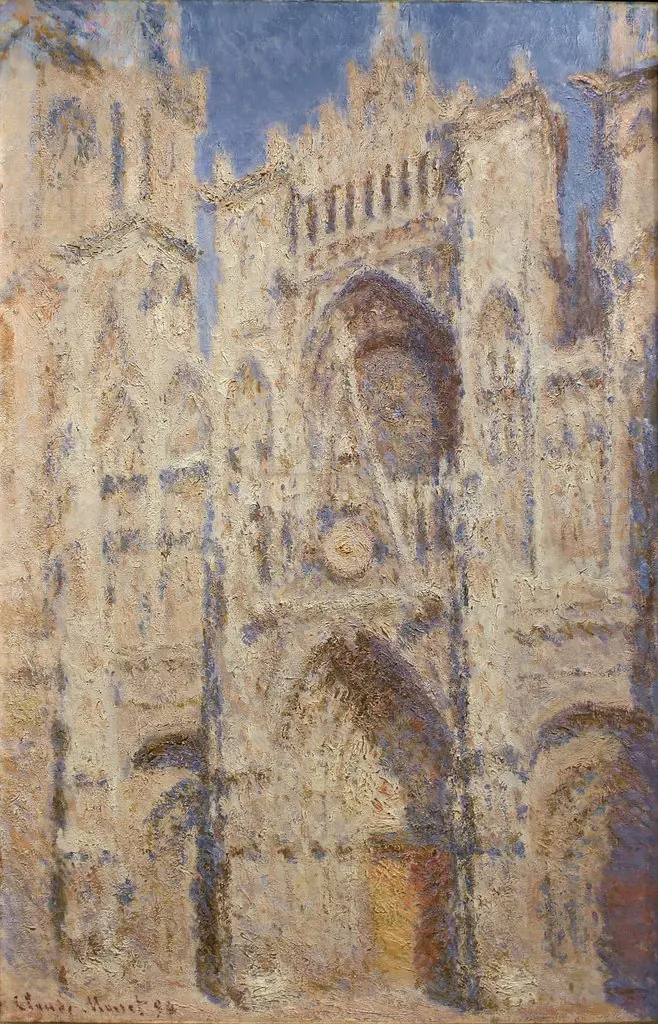 Rouen Cathedral: The Portal (Sunlight)
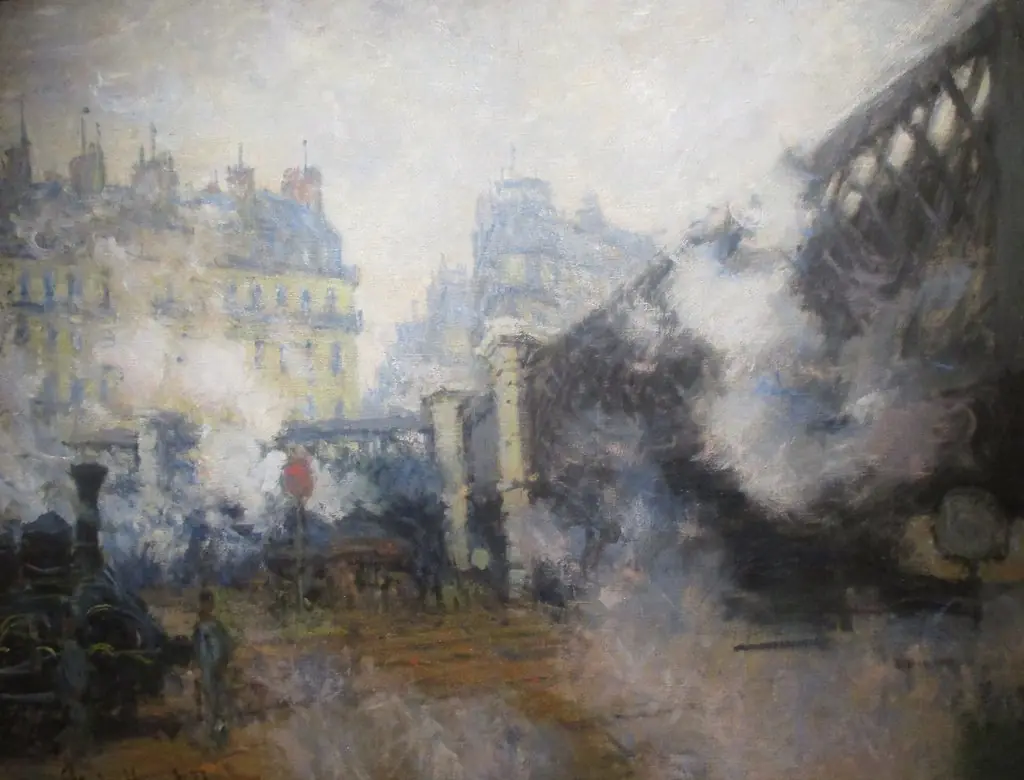 Pont de l'Europe, gare Saint-Lazare
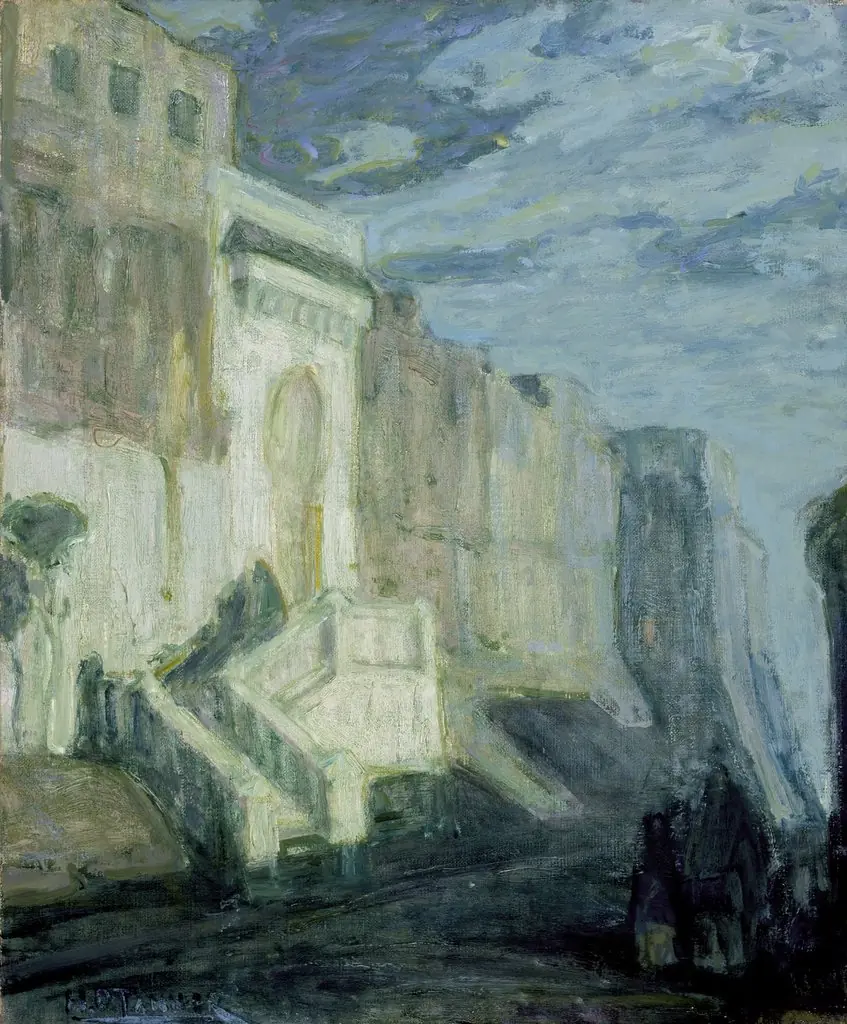 Moonlight, Walls of Tangiers
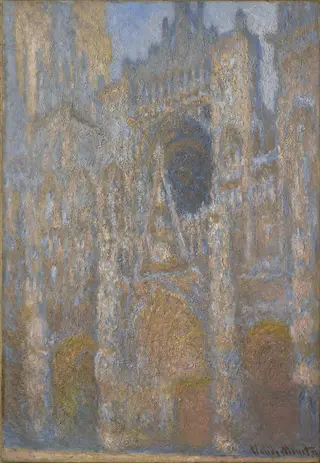 Rouen Cathedral, the Façade in Sunlight