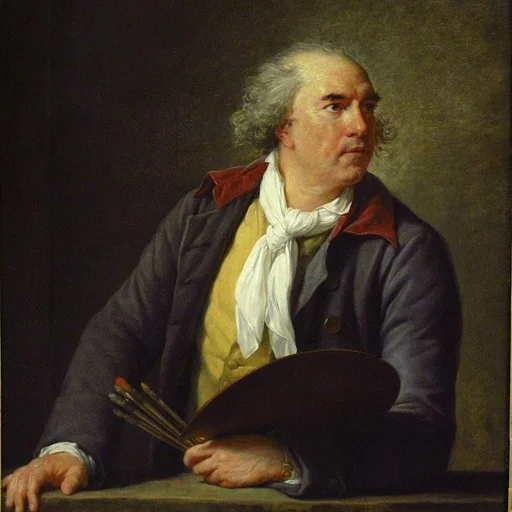
Subject
Monument
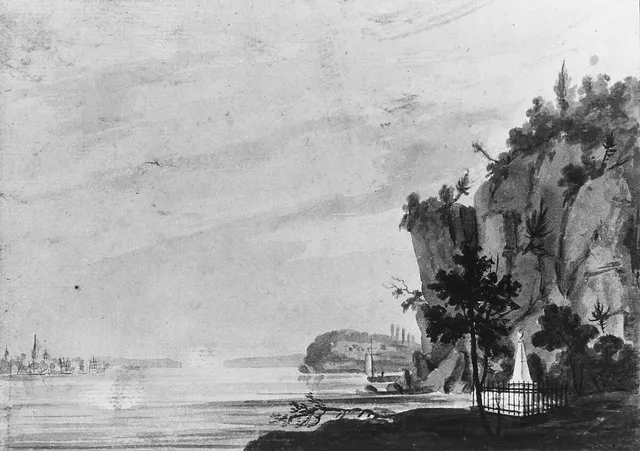
Monument is a subject in art. The gallery holds 26 works in this subject in art, including works by Hubert Robert, Giovanni Paolo Panini and Pavel Petrovich Svinin.
A monument is a type of structure created to commemorate a person or event, or which has become relevant to a social group as a part of their remembrance of historic times or cultural heritage, due to its artistic, historical, political, technical or architectural importance. Examples of monuments include statues, (war) memorials, historical buildings, and cultural assets.
Key artists
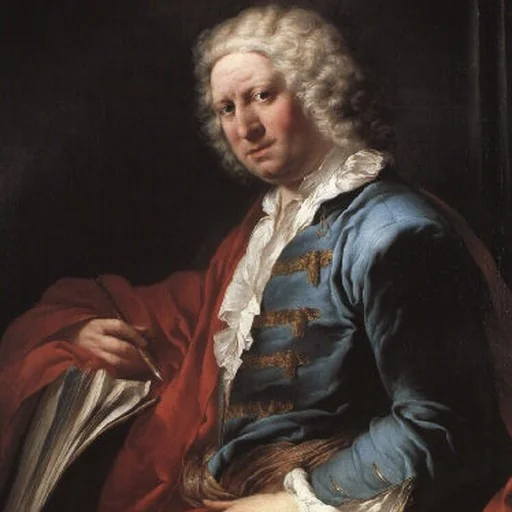

Overview
A monument is a structure created to commemorate a person or event, or an object that has become relevant to a social group as a part of their remembrance of historic times or cultural heritage. The term derives from the Latin monumentum, originating from the verb monere, meaning to remind or to warn, reflecting the function of keeping the past present to help visualize the future. While commonly associated with extraordinary size and power, as in monumental sculpture, the word equally applies to any work of funerary art made to commemorate the dead. Examples of monuments encompass statues, war memorials, historical buildings, and cultural assets, and structures of public interest in their preservation can be listed as protected heritage sites.
Iconography & meaning
Monuments function as physical manifestations of memory, designed to convey historical or political information and develop active socio-political potency. In pre-democratic societies, they served as a connective link between the ruling class and the citizenry, propagating the ruling ideas and leading personalities of the era. The social meanings of monuments are rarely fixed and are frequently contested by different social groups. For instance, Confederate monuments in the American South stand as tokens of ancestral honor for one group, while representing the remembrance of slavery and continued systemic racism for another. Because of this shifting reception, the original message of a monument may be ritually repeated, rededicated, overthrown, or forgotten, leaving only the aesthetic quality of the object. To fulfill their informative and educative functions, monuments must be open to the public, experienced spatially, and sustained through material durability or collective cultural memory.
Across movements & periods
The origins of monuments trace back to prehistory, where megaliths, tumuli, and structures like the menhirs of Carnac and Stonehenge held significant cultic importance. Archaeologists like Gordon Childe viewed these ancient monuments as symbols of power, while historians like Lewis Mumford proposed they began as Paleolithic landmarks for communication with ancestral spirits. The advent of Christianity led to the abandonment of many antique monuments in favor of new churches and basilicas, though some structures like the Roman Pantheon were transformed. A formal distinction between intentional commemorative monuments and structures that retrospectively acquired heritage significance was formulated by the art historian Alois Riegl in 1903. Françoise Choay emphasized that the concept of the historic monument is a precisely datable invention of the West, exported beyond Europe beginning in the late nineteenth century. The eighteenth century saw a return to neoclassical forms, while the nineteenth century embraced both symbolic, allegorical works and realistic representations, such as the Statue of Liberty.
Notable depictions
Notable historical monuments and their artistic representations span millennia and diverse cultures. The Vulture Stele from Sumer, dating to 2525 BCE, is considered one of the earliest historical monuments. Ancient Egypt produced obelisks, pyramids, and statues, while the Greco-Roman era established the primary types of modern monuments, including large-scale funerary monuments, mausoleums, and triumphal arches. The Arc de Triomphe de l'Etoile in Paris, completed in 1836, directly referenced the antique Arch of Titus. In the modern era, monuments have been utilized to reinforce the primacy of contemporary political power, such as Trajan's Column in Rome or the numerous statues of Lenin in the Soviet Union. Conversely, the destruction of monuments has carried deep symbolic weight, from Charlemagne's destruction of the Irminsul in 772 during the Saxon Wars, to the toppling of statues of Stalin and Saddam Hussein.
Legacy
The legacy of monuments extends beyond their physical presence into legal protection, urban planning, and ongoing cultural afterlife. Many countries have established legal frameworks to protect these structures, such as the French law of 1913 on historic monuments, which established the principle that public interest in conservation justifies state intervention in property rights. In urban planning, planned cities like Washington, D.C., New Delhi, and Brasilia have been built around monuments to organize public space, as seen when Pierre L'Enfant conceived the location of the Washington Monument before its design. Furthermore, the concept of the counter-monument has emerged as a special typological category, providing an antithesis to existing politically controversial monuments. Following political upheavals, such as the end of the Weimar Republic, World War II, and the fall of the German Democratic Republic, many monuments have been contested, removed, or destroyed, demonstrating that the reception and relevance of monuments are continually renegotiated by society.
Works
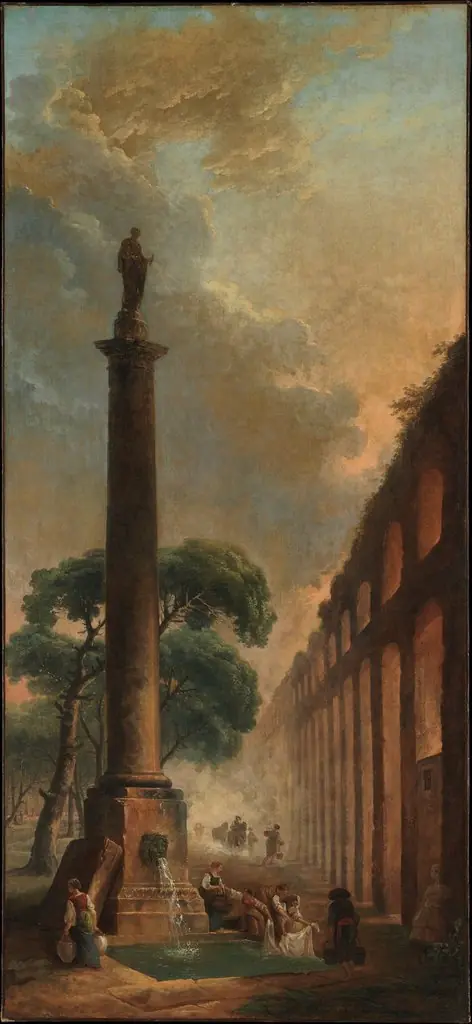 The Fountain
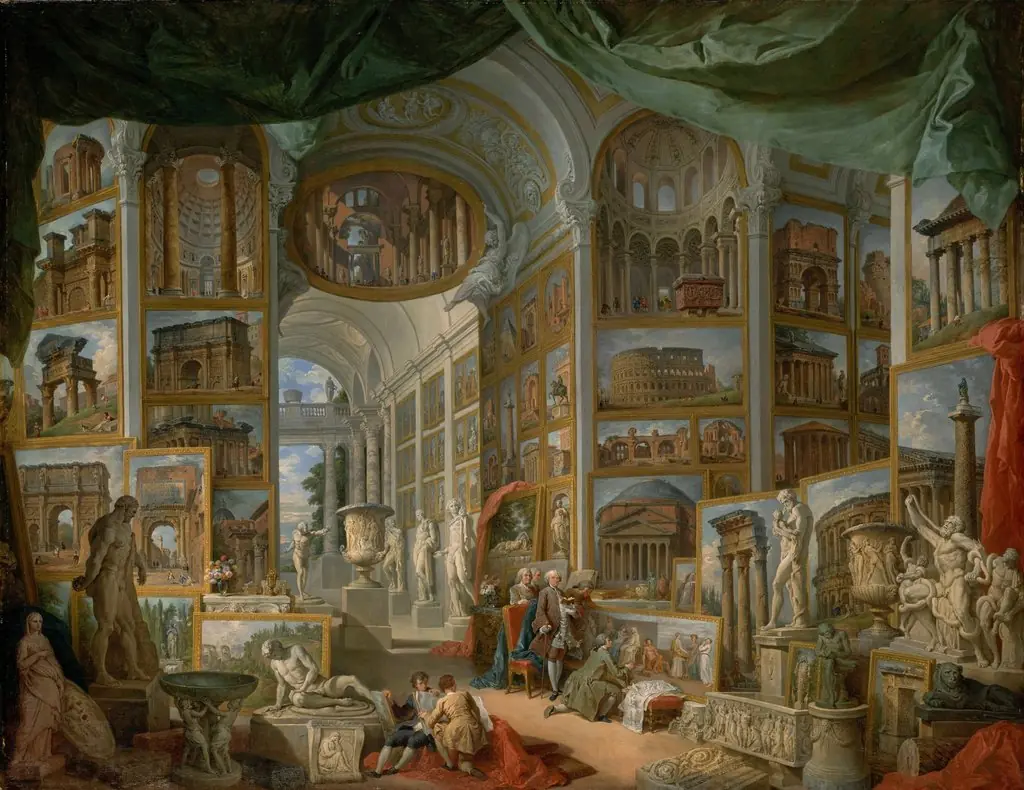 Ancient Rome
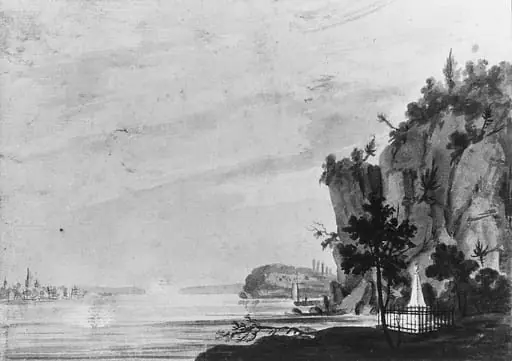 The Monument to Alexander Hamilton at Weehawken
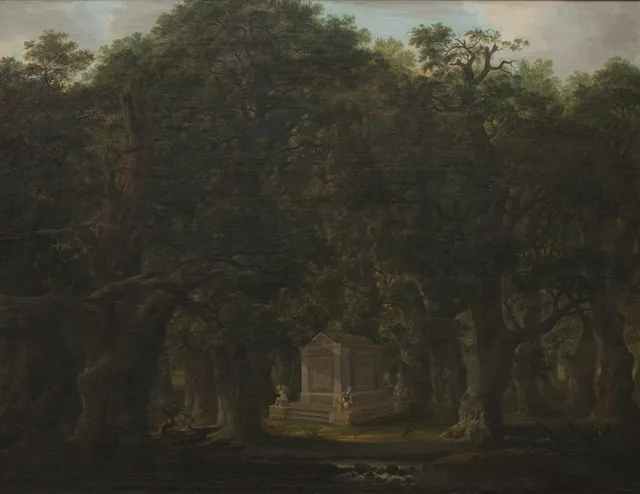
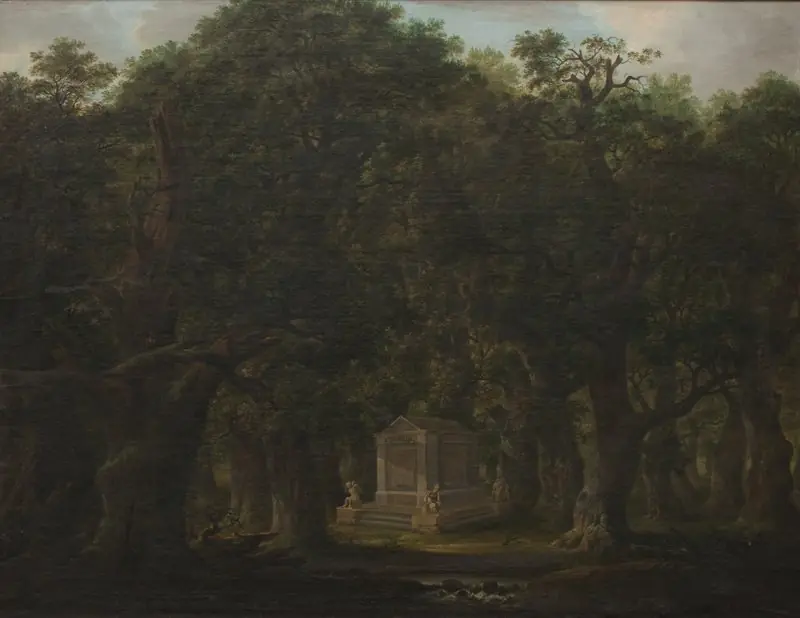 Monument in an Oak Wood
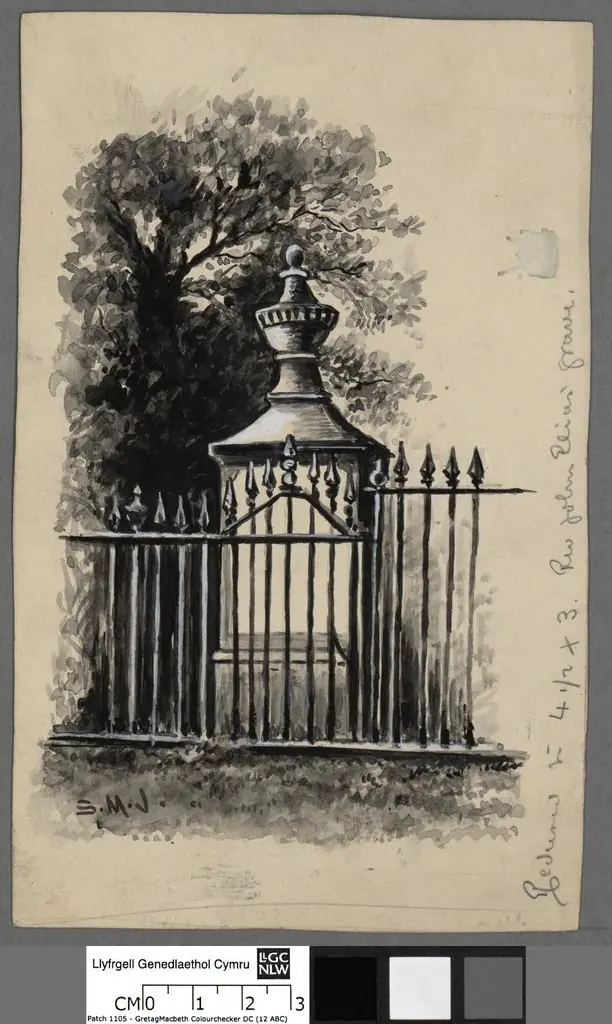 John Elias' grave
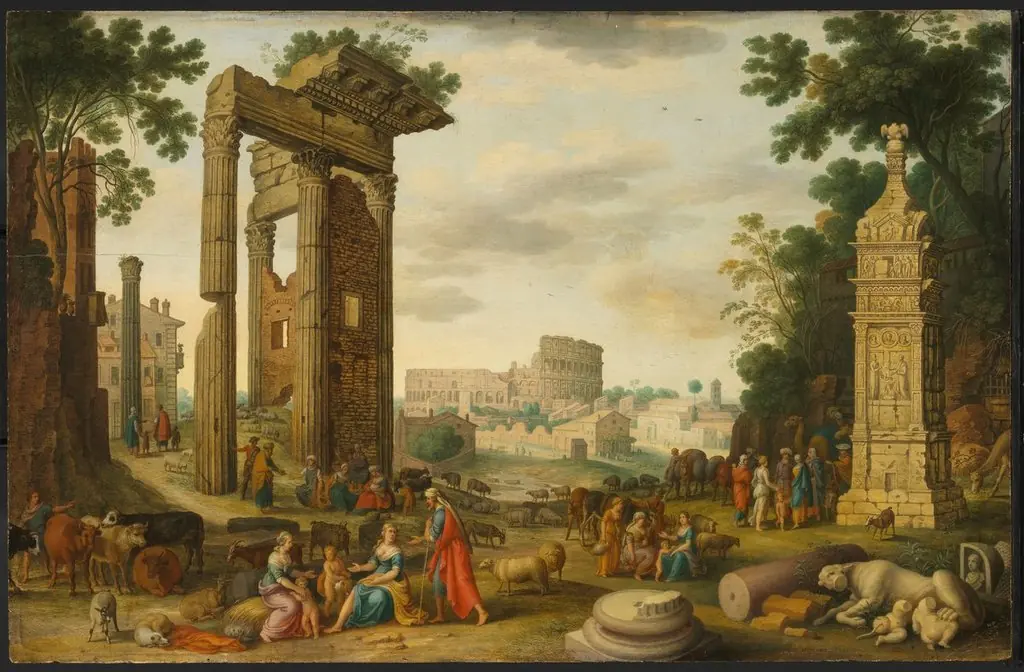 Roman Ruins and the Monument of Igel
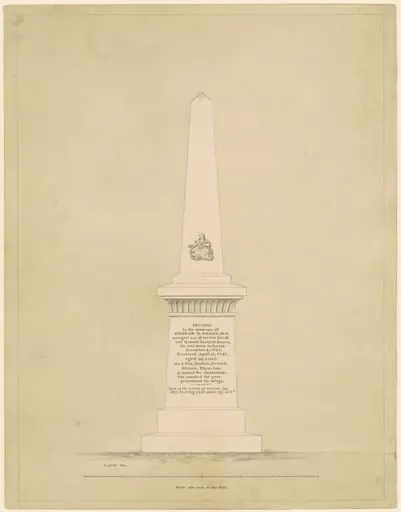 Design for a Monument in Memory of George B. Doane
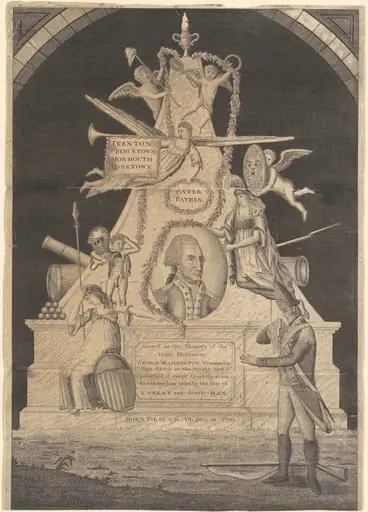 Memorial for George Washington
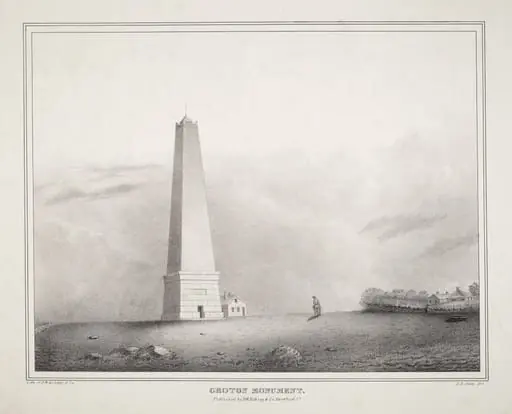 Groton Monument
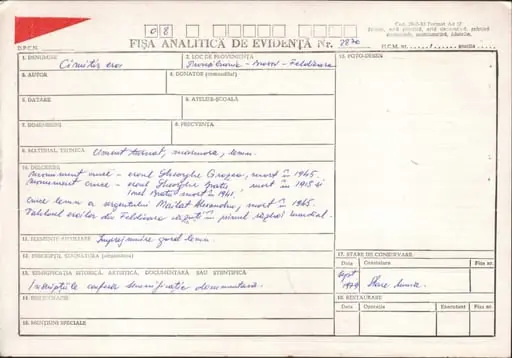 Monument al eroilor căzuți în Primul Război Mondial și în Al Doilea Război Mondial
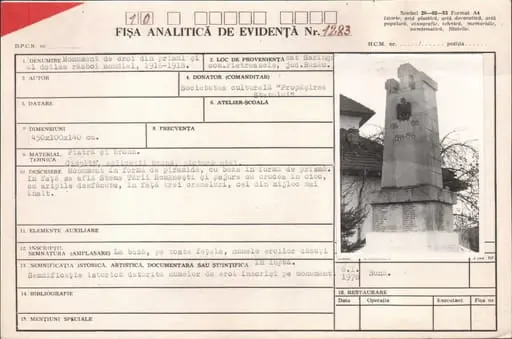 Monument de eroi din Primul și Al Doilea Război Mondial
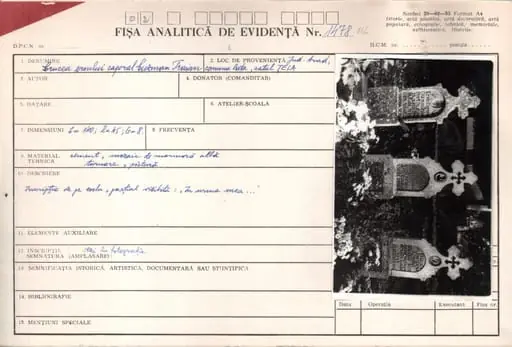 Monument al eroului Cuzman Traian căzut în Al Doilea Război Mondial
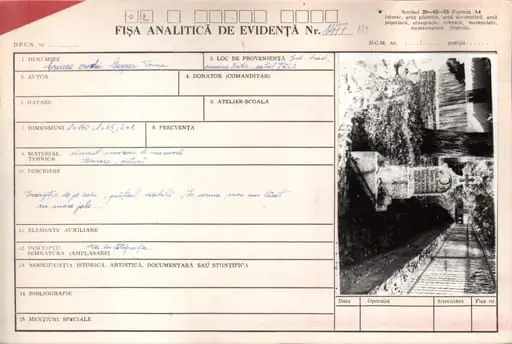 Monument al eroilor căzuți în Al Doilea Război Mondial
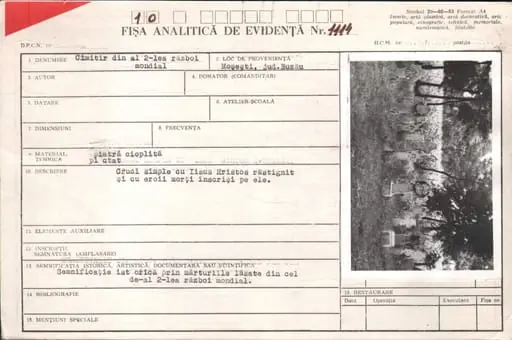 Cimitir din Al Doilea Război Mondial
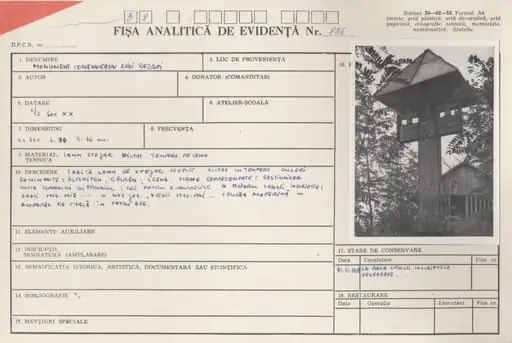 Monument al eroilor căzuți în Primul Război Mondial
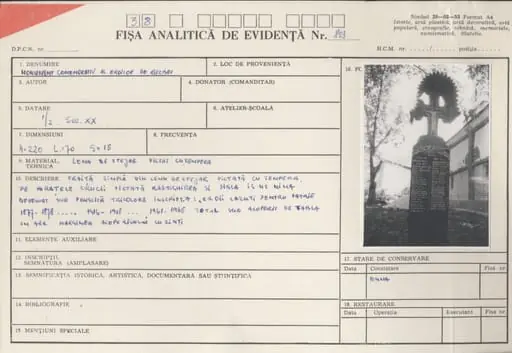 Monument al eroilor căzuți în Războiul de Independență, în Primul Război Mondial și în Al Doilea Război Mondial
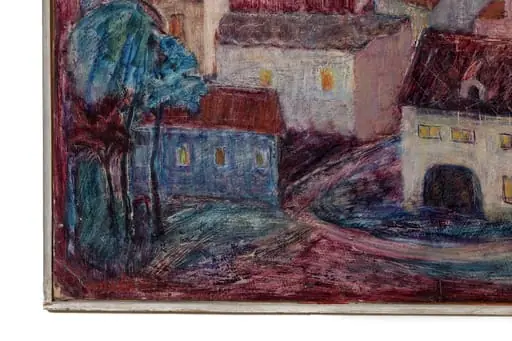 Peisaj urban
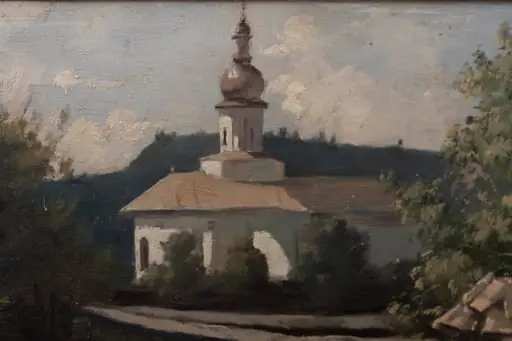 Mănăstirea Neamț
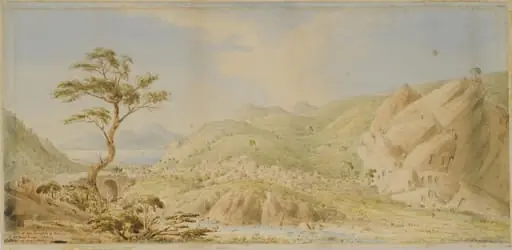 Αρχαία ερείπια κοντά στο Δαφνί
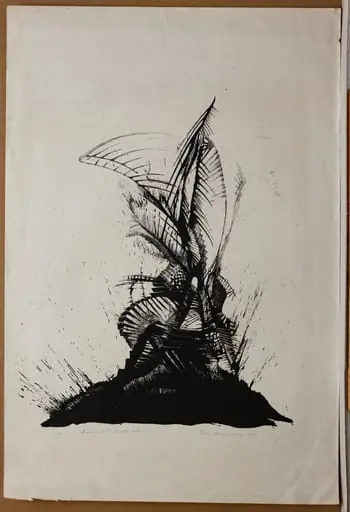 Monumentul treptelor distruse
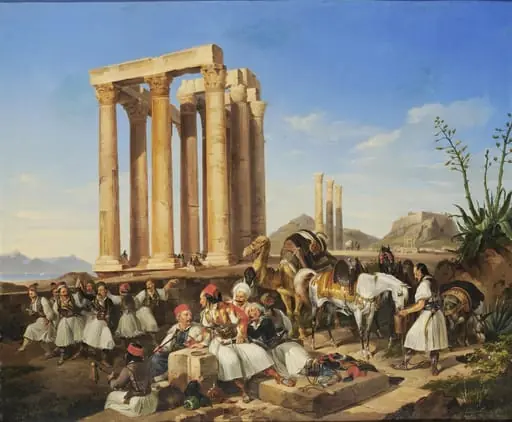 Εορτασμός της Καθαράς Δευτέρας στους στύλους του Ολυμπίου Διός στην Αθήνα
 Din catedrala Brașov
 Tulcea Veche
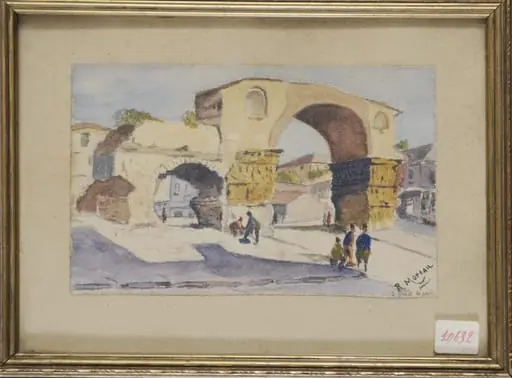 Η Αψίδα του Γαλέριου στη Θεσσαλονίκη
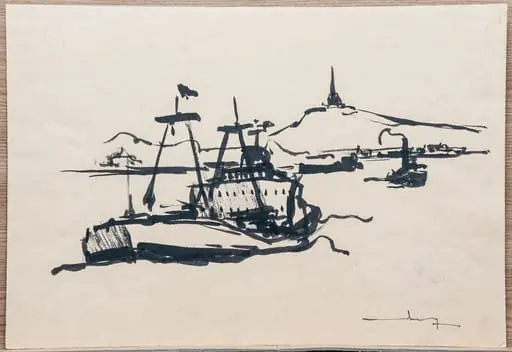 Pe firul Dunării
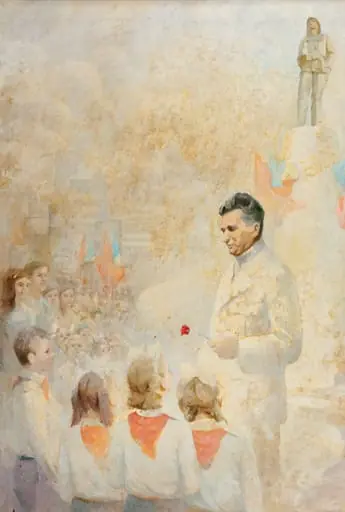 Tablou, ulei pe pânză, „Dezvelirea monumentului ostașului român din Sf. Gheorghe în prezența lui Nicolae Ceaușescu”. Nicolae Ceaușescu ținând o garoafă roșie în mână, înconjurat de pionieri și UTC - iști, în spatele său monumentul proaspăt dezvelit. Comandat și oferit de Comitetul Județean de Partid Covasna, 21 ianuarie 1978.
Frequently asked questions
What is Monument?
Monument is a subject in art. A monument is a type of structure created to commemorate a person or event, or which has become relevant to a social group as a part of their remembrance of historic times or cultural heritage, due to its artistic, historical, political, technical or architectural importance.
How many Monument works does Artifact World Gallery have?
Artifact World Gallery holds 26 public-domain Monument works, all free to view and download.
Who are the key Monument artists?
Key Monument artists in the collection include Hubert Robert, Giovanni Paolo Panini and Pavel Petrovich Svinin.
Where can I see Monument works?
Monument works in the collection are held by National Heritage Institute, Bucharest, National Gallery of Art and Moldova National Museum Complex.