Artwork
Portrait of Henrietta van Pee (1692-1741)
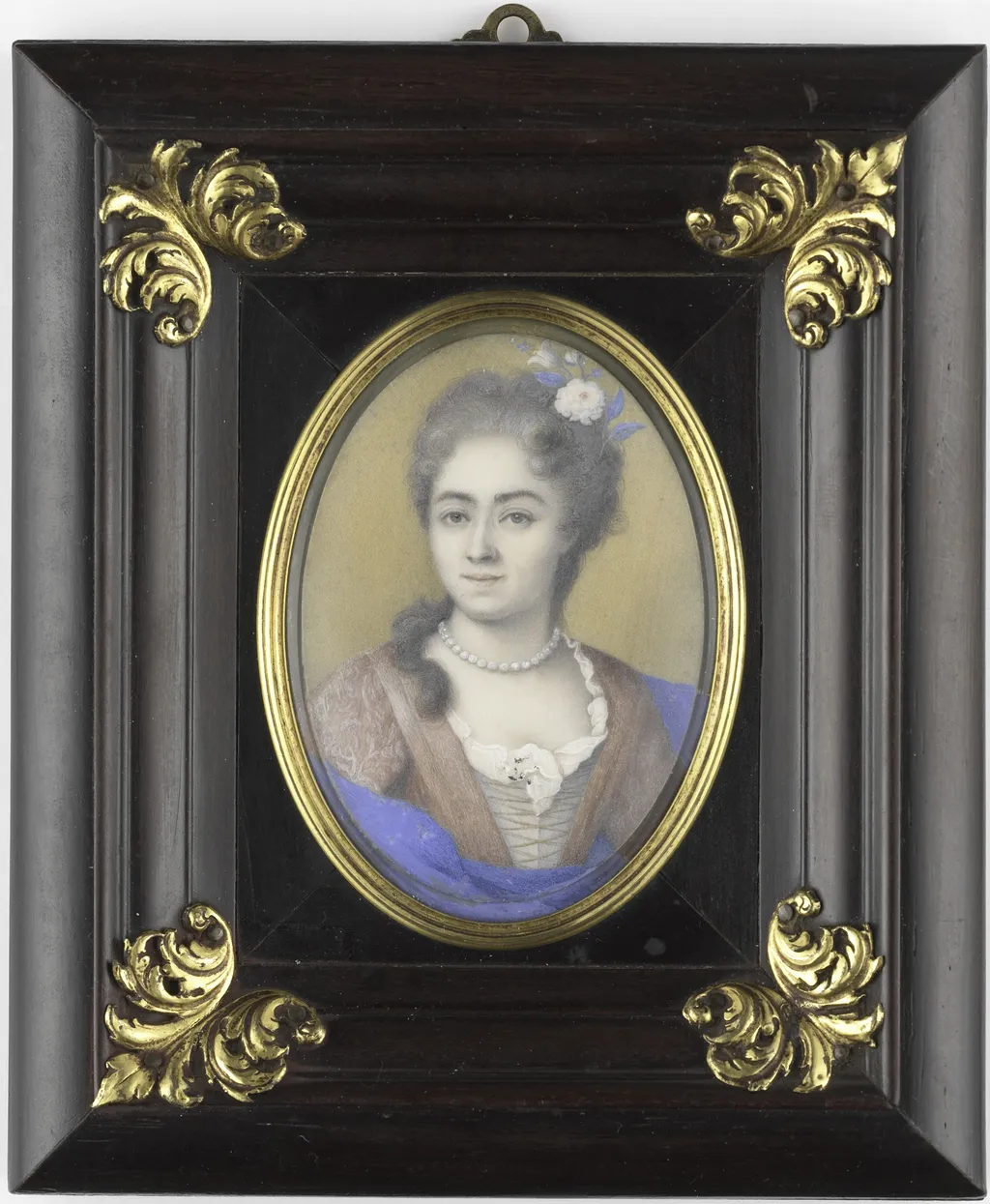
Portrait of Henrietta van Pee (1692-1741) is an ivory painting by the Rococo painting artist Herman Wolters. It dates from 1719 and is held in the collection of the Rijksmuseum. This portrait, executed on ivory, depicts Henrietta van Pee.
About this work
Technique & Style
The portrait is a miniature executed on an ivory support, a material prized for its smooth, luminous surface that enhances the delicate rendering of the sitter.
The portrait is a miniature executed on an ivory support, a material prized for its smooth, luminous surface that enhances the delicate rendering of the sitter. The work measures 8 by 5.5 cm, consistent with the intimate scale of portrait miniatures of the period. Wolters employs fine, precise brushwork to capture the details of Henrietta van Pee’s costume and features, while the ivory ground subtly influences the cool, pale tonality of the flesh.
The composition is tightly framed, focusing attention on the sitter’s face and upper body, and the overall handling reflects the refined, polished finish typical of early 18th-century miniature painting.
History & Provenance
The portrait of Henrietta van Pee was created in 1719 by the artist Herman Wolters. Executed as a miniature painting on ivory, the work measures 8 cm in height and 5.5 cm in width. The subject is identified as Henriette Wolters-van Pee, who lived from 1692 to 1741.
While the specific commission details are not recorded in the available sources, the work has been part of the Rijksmuseum collection in Amsterdam since at least the time of its cataloging.
Overview
This portrait, executed on ivory, depicts Henrietta van Pee. Created in 1719 by Herman Wolters, it is now housed at the Rijksmuseum.
Subject & Meaning
The subject, Henrietta van Pee, is shown in an oval portrait wearing a dark blue dress with a high collar and pearls. A small flower tucked behind her ear adds a touch of elegance to her restrained attire.
Own this work as a print
Artist & collection

- Portrait of a Noblewoman
 Portrait of a Noblewoman
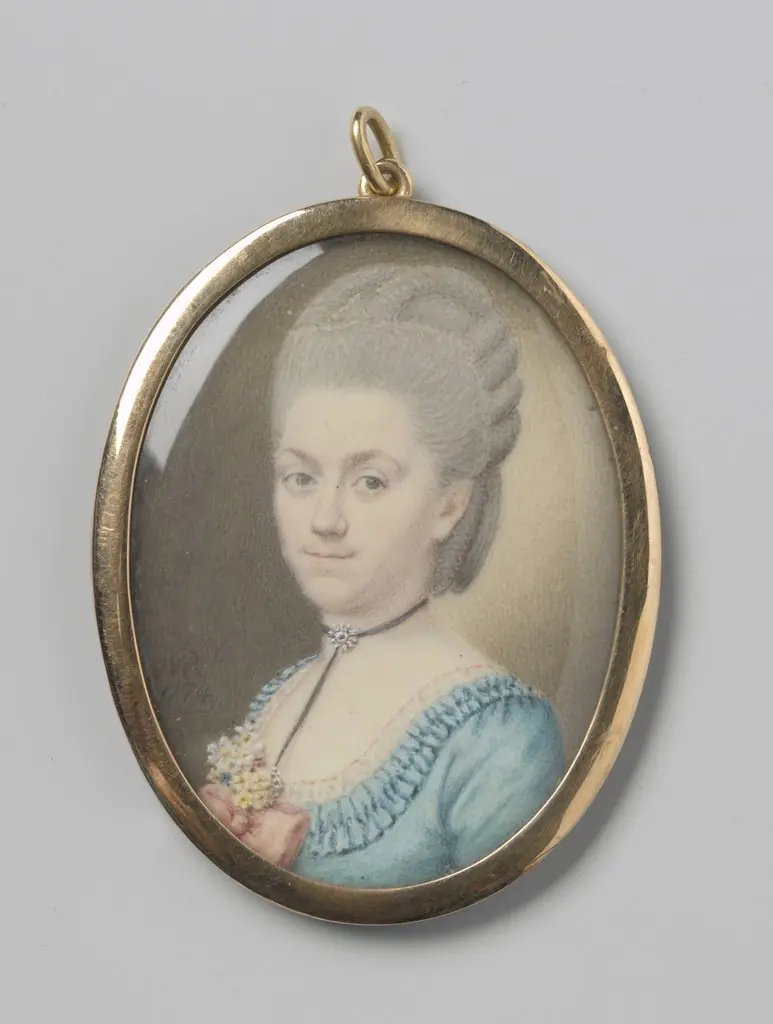 Portret van een vrouw
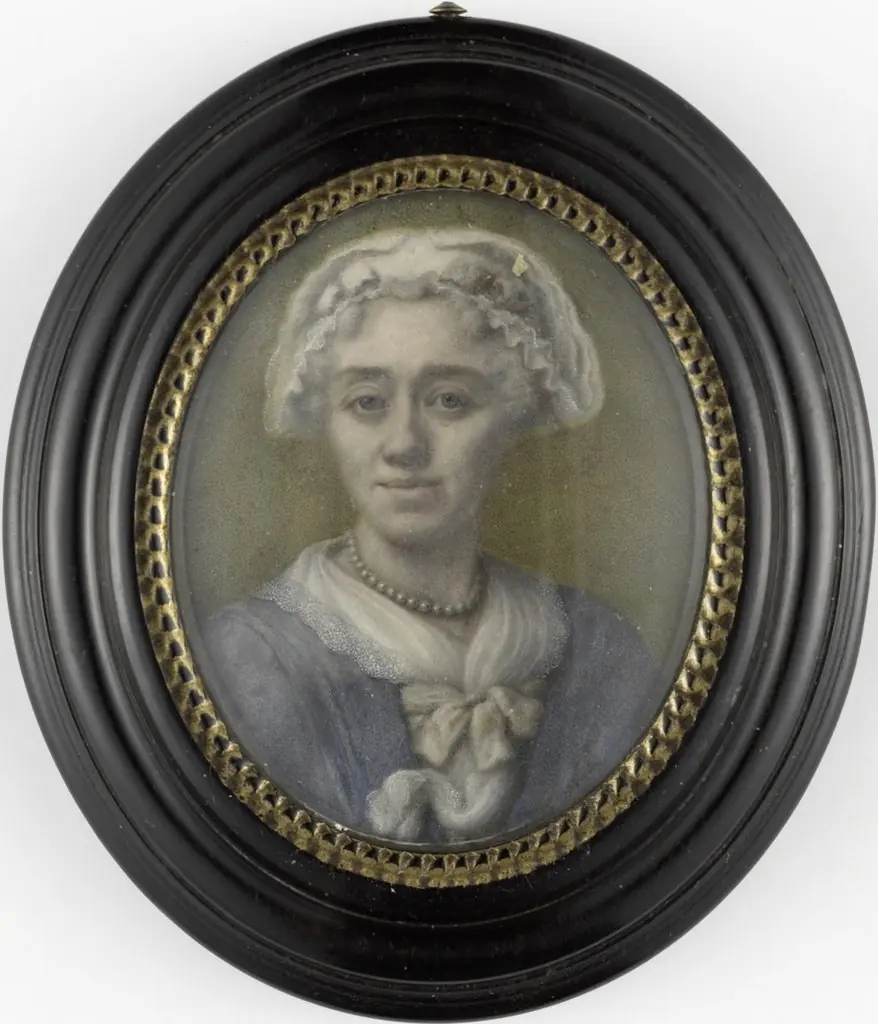 Self-portrait
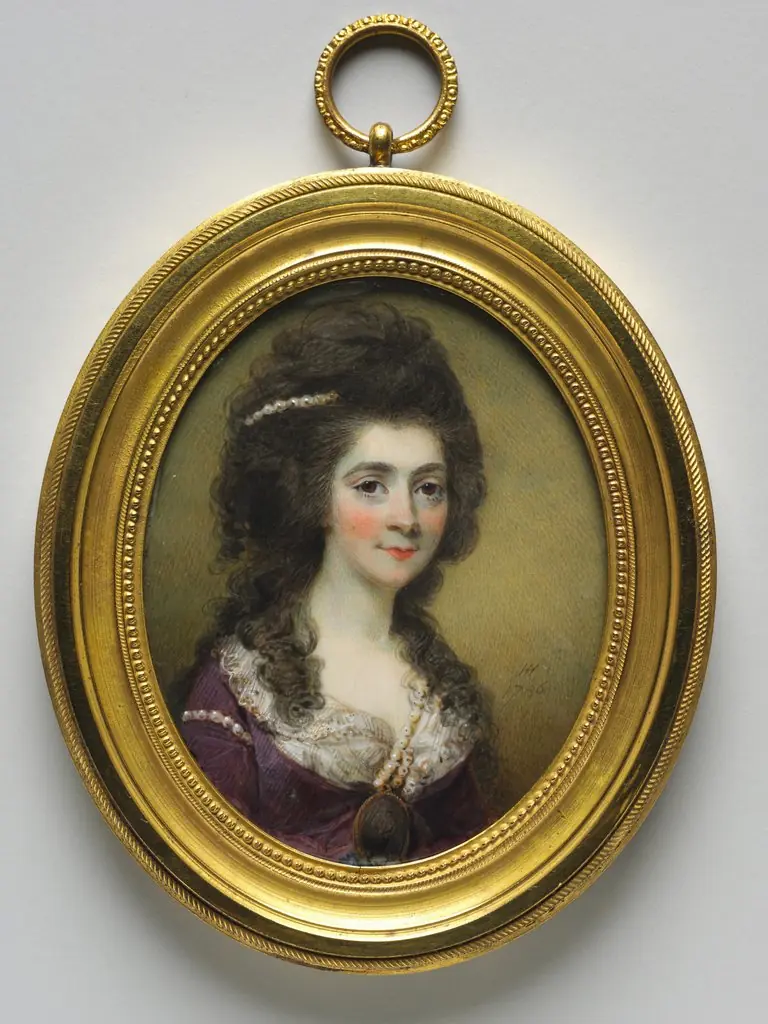 Portrait of a Woman, called Mrs. Close
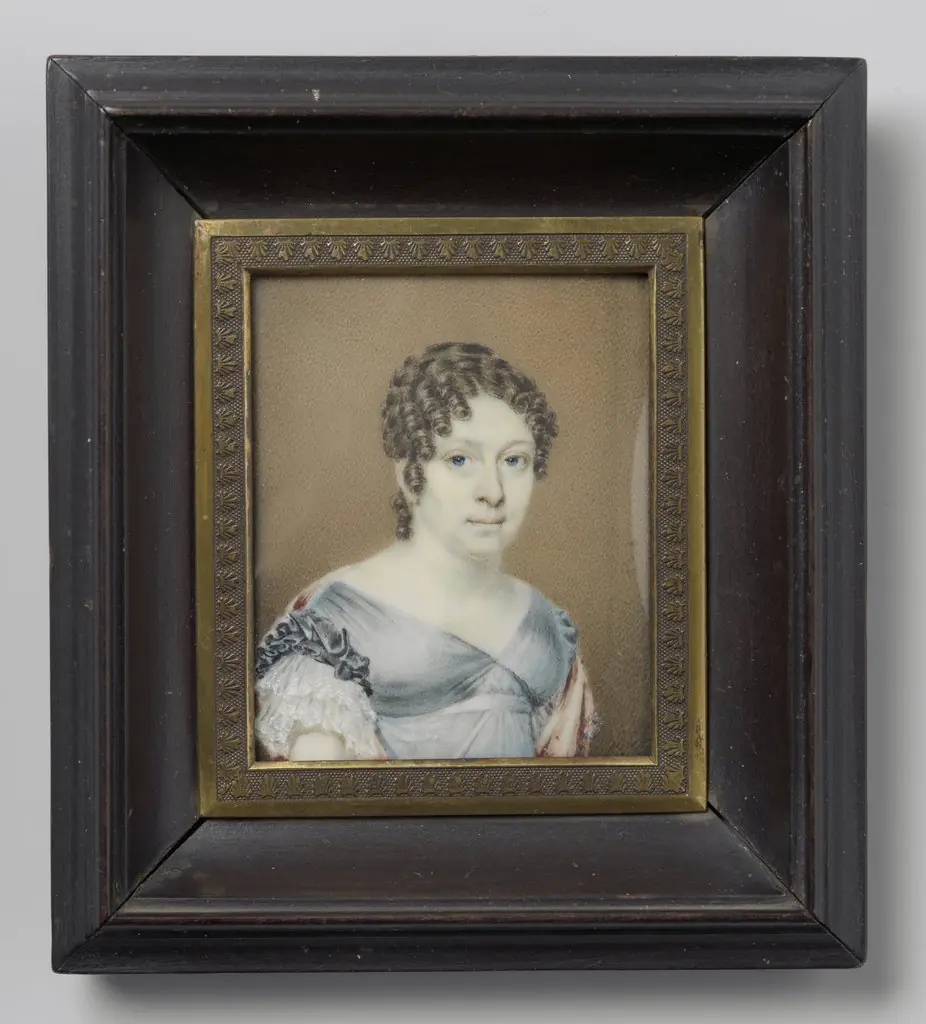 Portrait of a woman
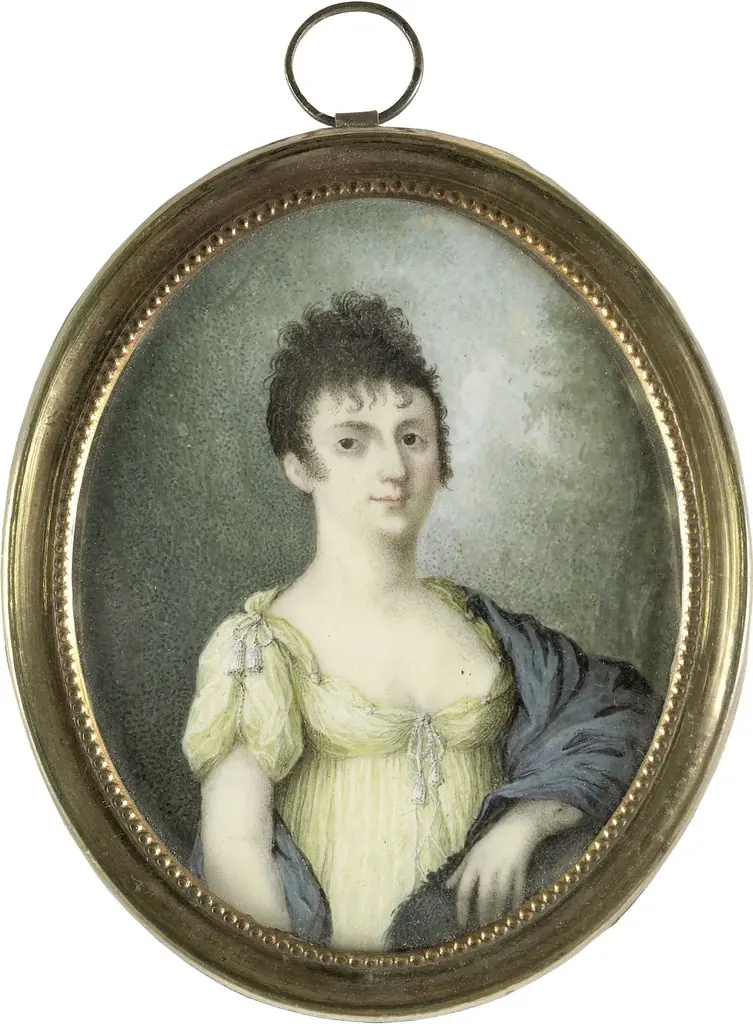 Portrait of a woman
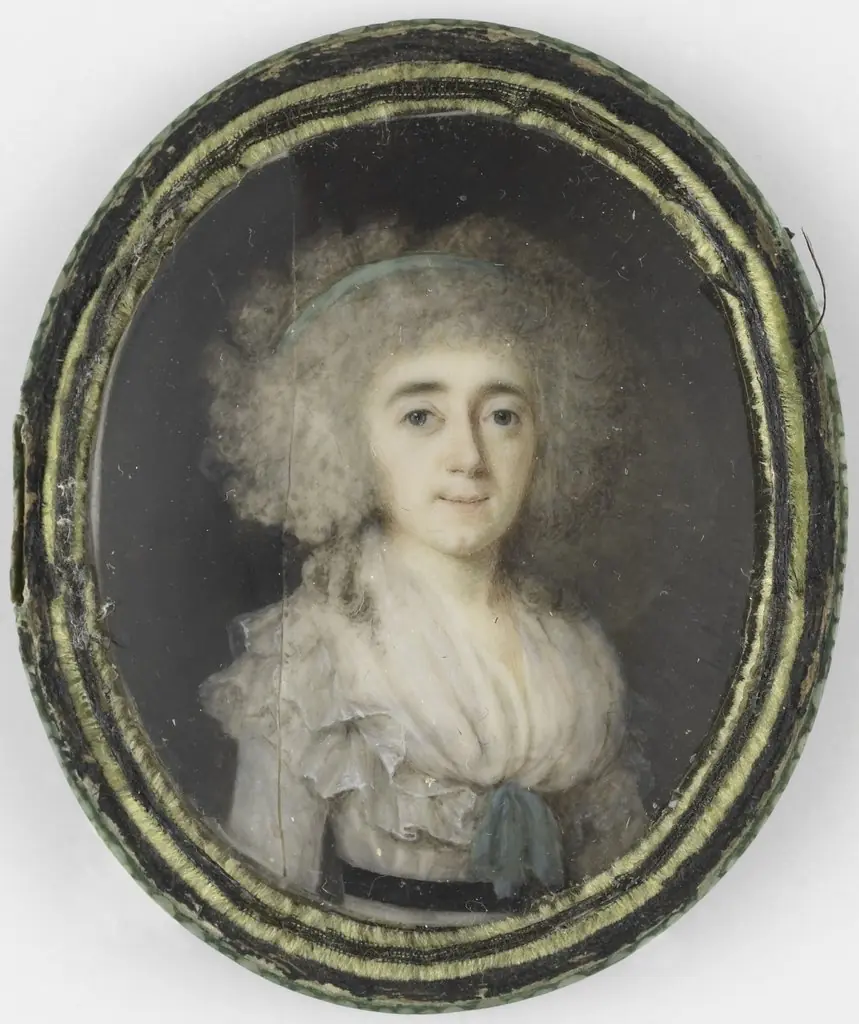 Portrait of a woman
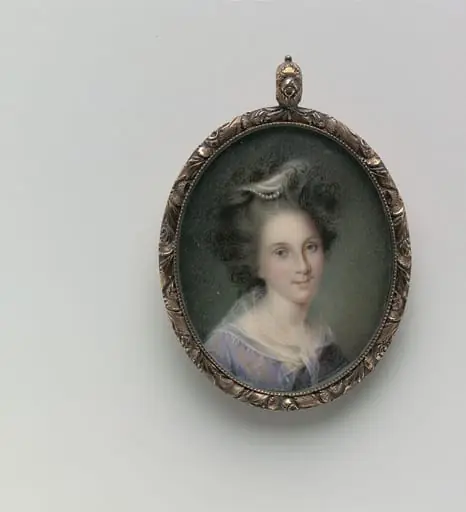 Mrs. Charles Willson Peale (Rachel Brewer)
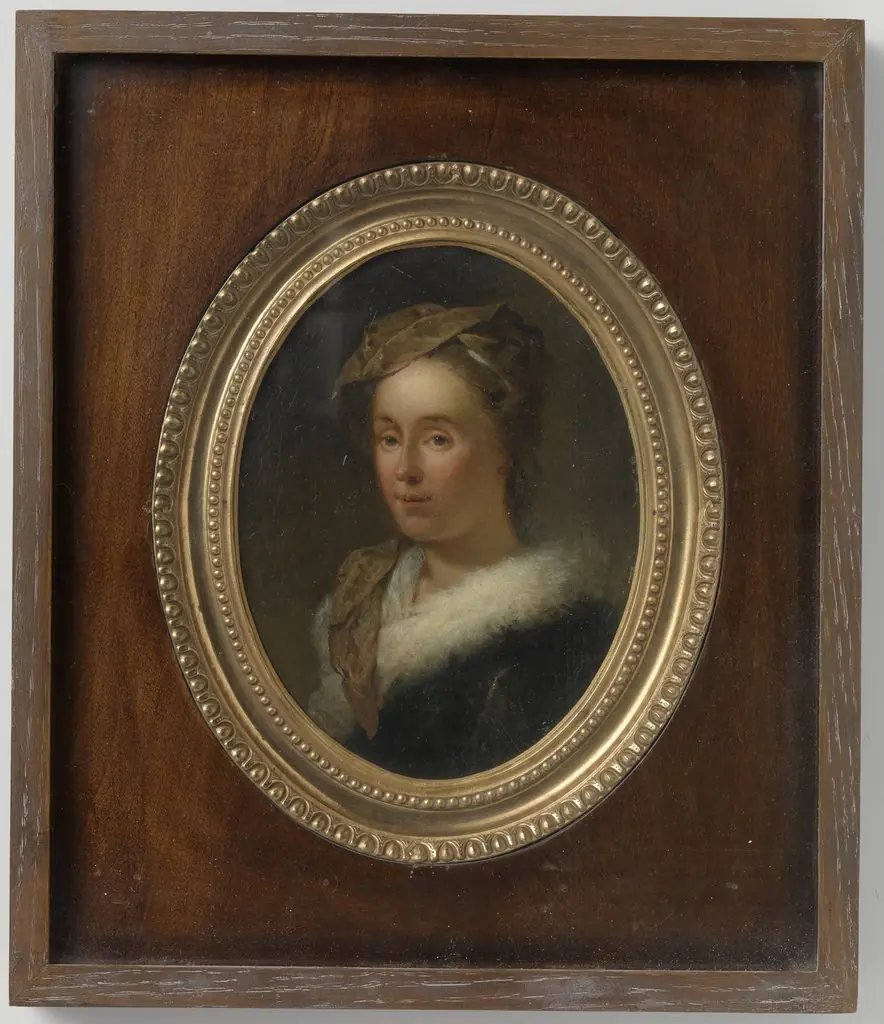 Portrait of Sara Stiermans, the Artist's Wife
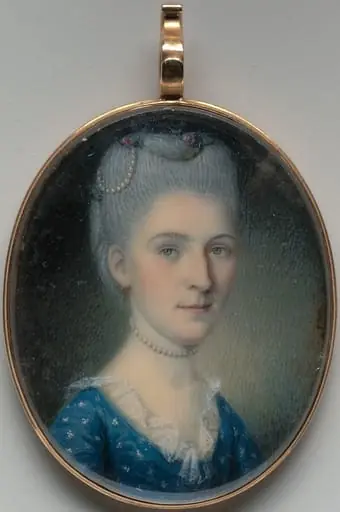 Mrs. Joseph Donaldson (Frances Johnston)
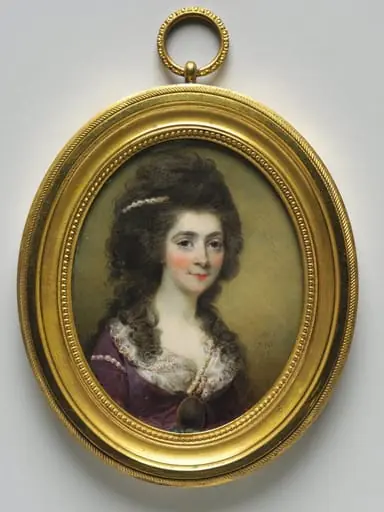 Portrait of a Woman, called Mrs. Close