Artwork
Charlot arrête toi je t'en supplie, jai jambres brisées
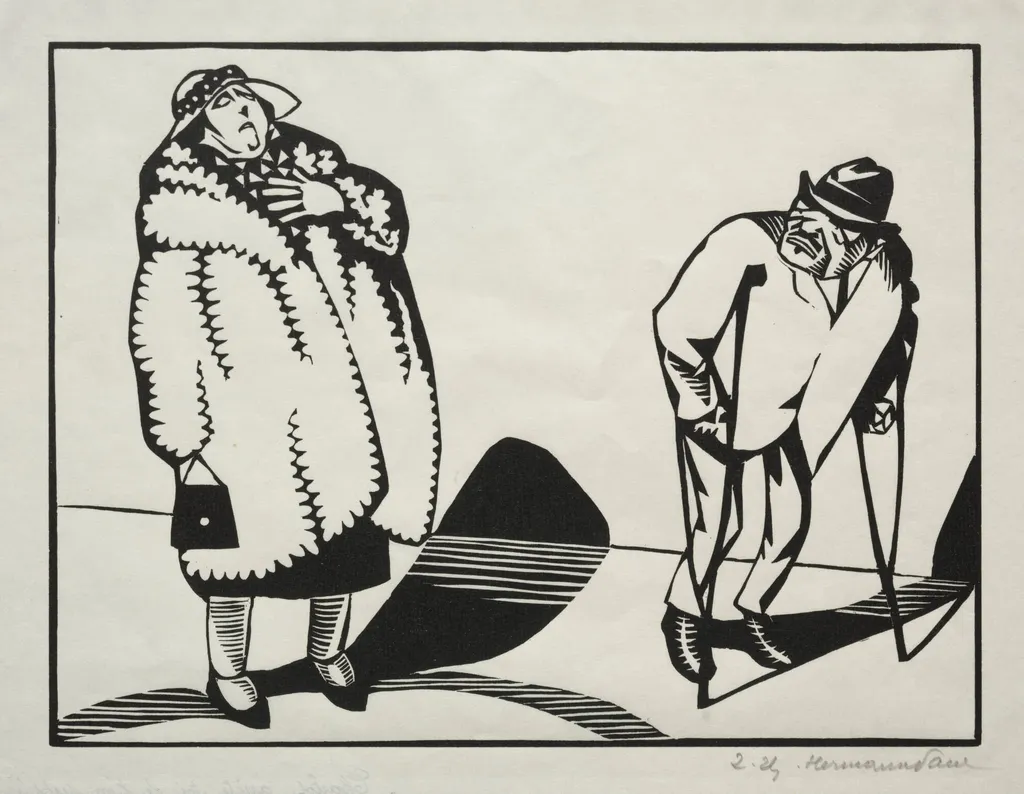
Charlot arrête toi je t'en supplie, jai jambres brisées is a print by Hermann Paul. It dates from 1924 and is held in the collection of the Cleveland Museum of Art.
- Accession no.
- 1925.1041
- Credit line
- Dudley P. Allen Fund
About this work
Overview
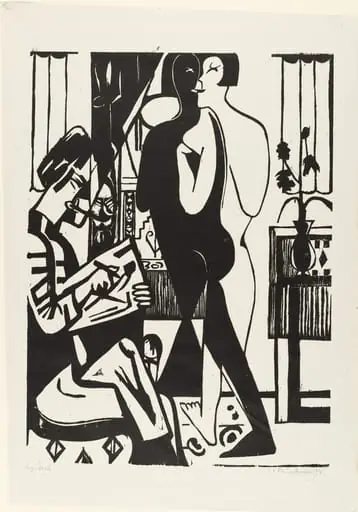
The composition emphasizes emotional tension through simplified forms and strong contrasts, avoiding naturalistic detail in favor of expressive abstraction.
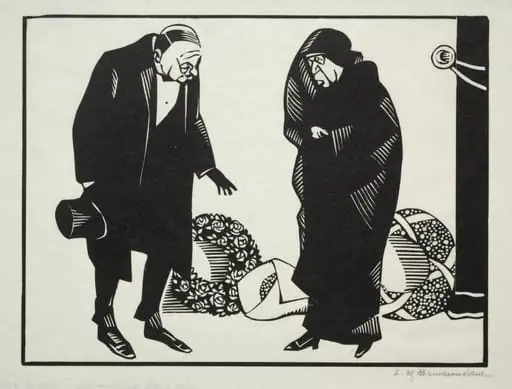
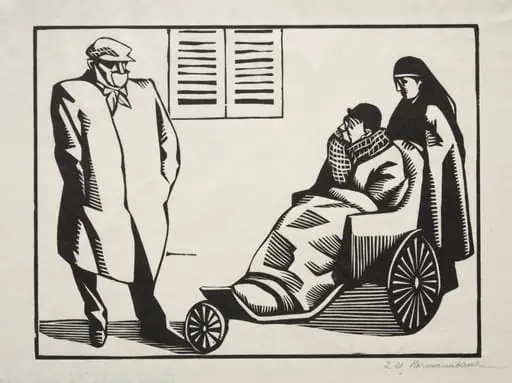
Created around 1924 by Hermann Paul, this print is part of the collection at The Cleveland Museum of Art. It presents a moment of urgent confrontation between two figures, rendered with the stark, linear qualities typical of woodcut techniques. The composition emphasizes emotional tension through simplified forms and strong contrasts, avoiding naturalistic detail in favor of expressive abstraction.
Subject & Meaning
The title, translated as 'Charlot, stop, I beg you, my legs are broken,' suggests a plea from one figure to another. The figures' postures, one reaching out, the other leaning heavily on a cane, imply physical vulnerability and emotional desperation. The scene evokes a personal crisis, possibly symbolic of broader societal fractures in post-war Europe, though no specific narrative is confirmed by the artist.
Technique & Style
Paul employed a woodcut aesthetic, using bold, angular lines and high-contrast tonal shifts to define form and movement. The figures are outlined sharply against a pale, unmodeled background, enhancing their isolation. Color is limited and deliberately flat, reinforcing the print’s graphic intensity and distancing it from painterly realism, aligning it with early 20th-century expressionist print traditions.
History & Provenance
The work entered The Cleveland Museum of Art’s collection as part of its holdings of modern European prints. While little is documented about its early ownership, its inclusion in the museum’s collection by the mid-20th century reflects institutional interest in Germanic expressionist printmaking. No exhibition history or prior provenance beyond the museum’s records is publicly detailed.
Context
Produced in the early 1920s, the print emerged amid the cultural upheaval following World War I. Expressionist artists across Germany and neighboring regions turned to printmaking for its accessibility and emotional directness. Paul’s work aligns with this trend, using simplified forms and psychological intensity to convey human distress, a common theme among artists responding to war’s aftermath.
Legacy
Though Hermann Paul is not widely known today, this print remains a representative example of interwar Germanic expressionist printmaking. Its inclusion in a major American museum underscores its significance as a document of emotional expression through minimalist form. It contributes to broader scholarly understanding of lesser-known artists who engaged with the visual language of social and personal crisis.
Own this work as a print
Artist & collection

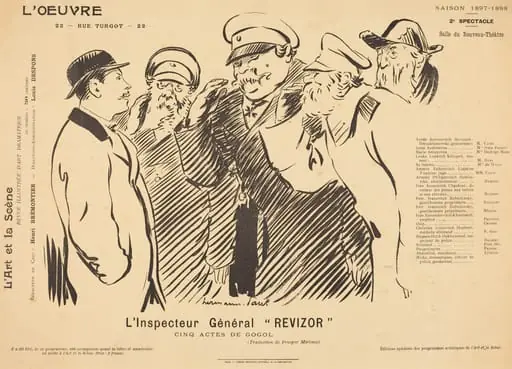 L'Inspecteur Général Revizor
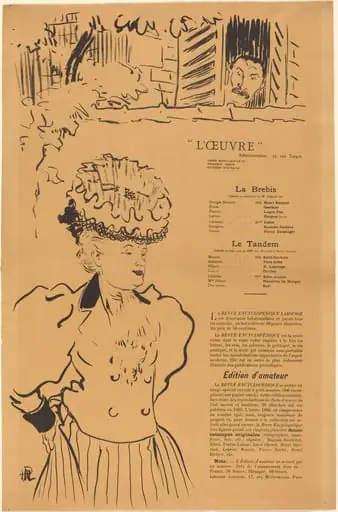 La Brebis; Le Tandem
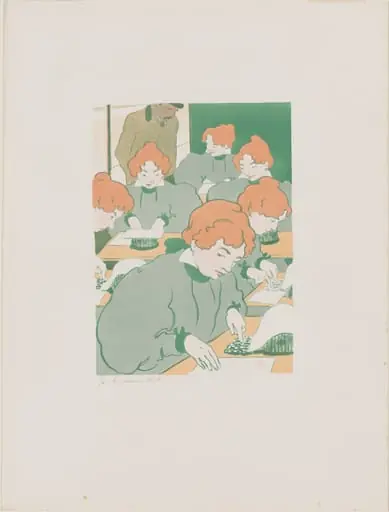 Les petits machines à écrire
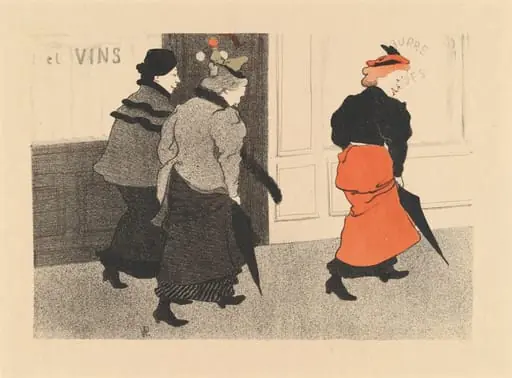 Milliners (Modistes)
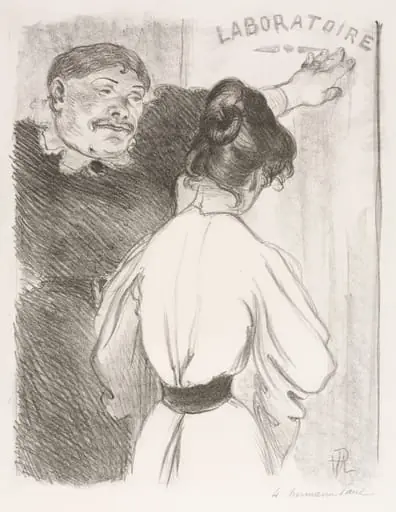 Laboratoire
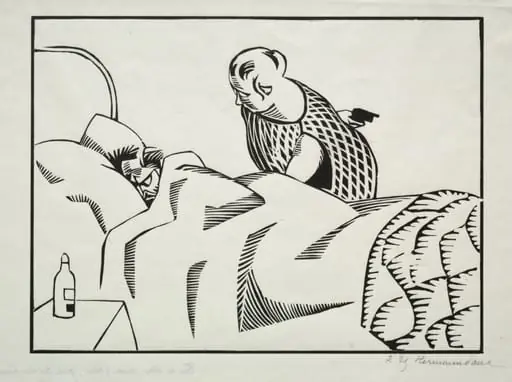 You are sure my dear that you cannot think of anything more to help the pain?
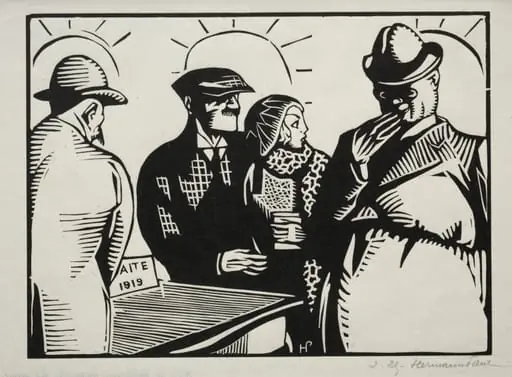
- It is the Table on Which the Treaty of Versailles was Signed
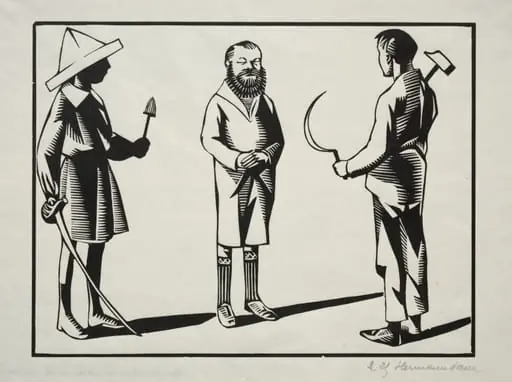 Moi! je tiens le sabre, et le goupillon; toi la faucille, le marteau et ler pastel. C'est la barbe.
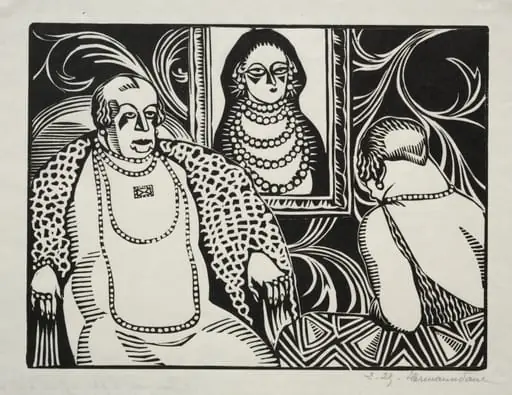 Pour moi le plus diffile c'est de m'habituer à porter un chapeau
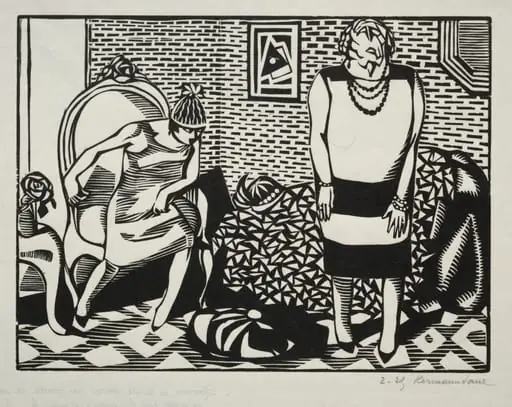 Mama, si tu ne peux pas garder de souliers ce n'est pas la peine d'avoir fait fortune
 Vous voulez accompagner à pied le corps de votre - Oui c'est une occasion de marche un peu.
 Toujours pacifiste? la guerre t'a pourtant reussi!
 Et cela vaut! 100,000! et tout le monde le sait.
 It's about your father...
 Untitled