Artwork
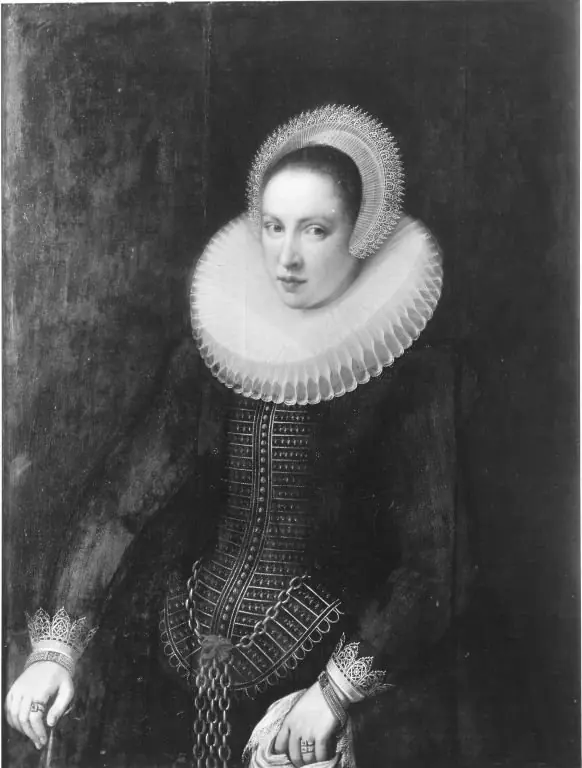
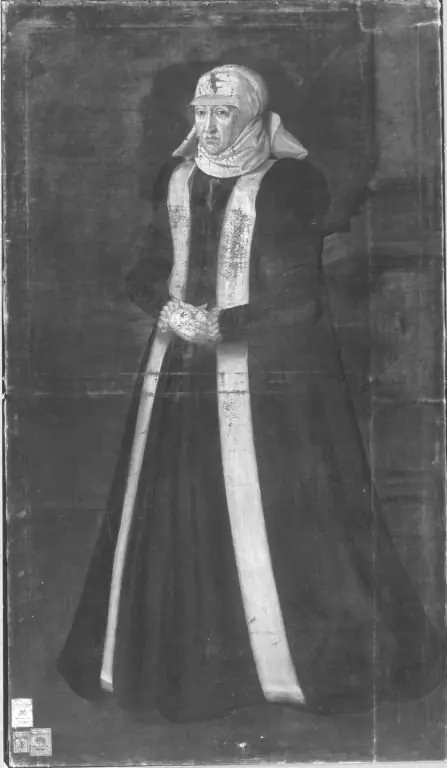
Erzherzogin Eleonore von Österreich (1582-1620) als Stiftsdame des Königlichen Damenstifts in Hall/Tirol
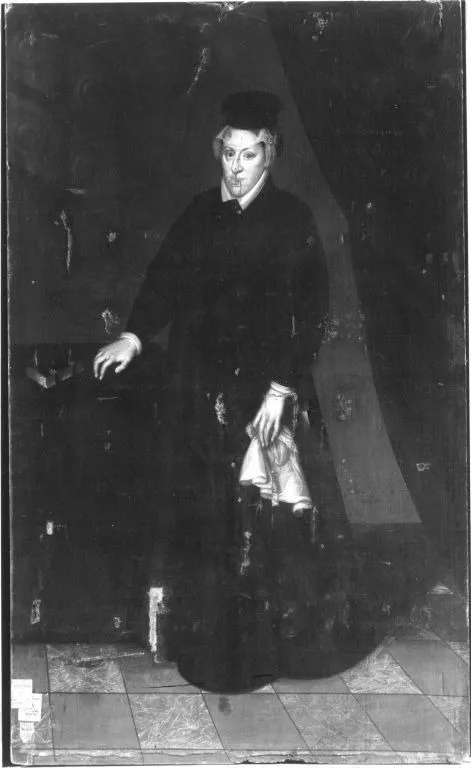
Erzherzogin Eleonore von Österreich (1582-1620) als Stiftsdame des Königlichen Damenstifts in Hall/Tirol is an unspecified painting by the Flemish Baroque painting artist Hieronymus van Kessel. It dates from 1608 and is held in the collection of the Alte Pinakothek.
About this work
Technique & Style
Created in 1608 by Hieronymus van Kessel, the work is an oil painting on canvas depicting Archduchess Eleonore of Austria.
Created in 1608 by Hieronymus van Kessel, the work is an oil painting on canvas depicting Archduchess Eleonore of Austria. The portrait measures 199.4 cm in height and 121.5 cm in width, presenting a full-length figure typical of formal court portraiture from the early 17th century. As a genre portrait, the piece emphasizes the sitter's status and identity through precise rendering of her attire and posture as a canoness of the Royal Canonry in Hall/Tirol. The painting is currently held within the Bavarian State Painting Collections at the Alte Pinakothek.
History & Provenance
The portrait of Archduchess Eleonore of Austria as a canoness of the Royal Damenstift in Hall/Tirol was painted by Hieronymus van Kessel in 1608. The work entered the holdings of the Bavarian State Painting Collections and is today housed at the Alte Pinakothek in Munich, where it is recorded as part of that institution's collection.
No further details about the original commission, the circumstances under which the portrait was produced, or the chain of ownership between its creation and its accession by the Bavarian State Painting Collections are documented in the available sources.
The portrait is held in the collection of the Bavarian State Painting Collections and is displayed at the Alte Pinakothek in Munich. The work, created in 1608, depicts Archduchess Eleonore of Austria in her role as a canoness at the Royal Ladies' Foundation in Hall, Tyrol.
No specific inventory number or record of past exhibitions for this painting is provided in the available sources.
Overview
This portrait, painted in 1608 by Hieronymus van Kessel, is a representation of Archduchess Eleonore of Austria. It is a significant work held in the Alte Pinakothek.
Subject & Meaning
The subject is depicted as a canoness of the Royal Ladies' Convent in Hall/Tirol, wearing a long black robe and a wide-brimmed hat, holding a folded cloth. The attire and setting convey her religious affiliation and status.
Artist & collection

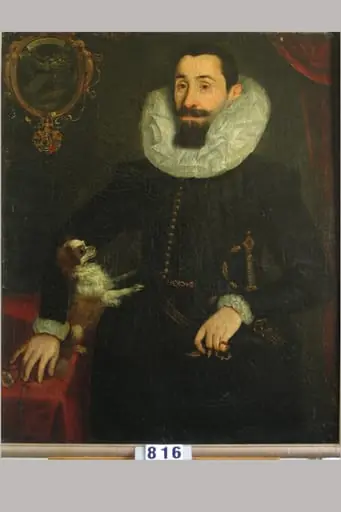
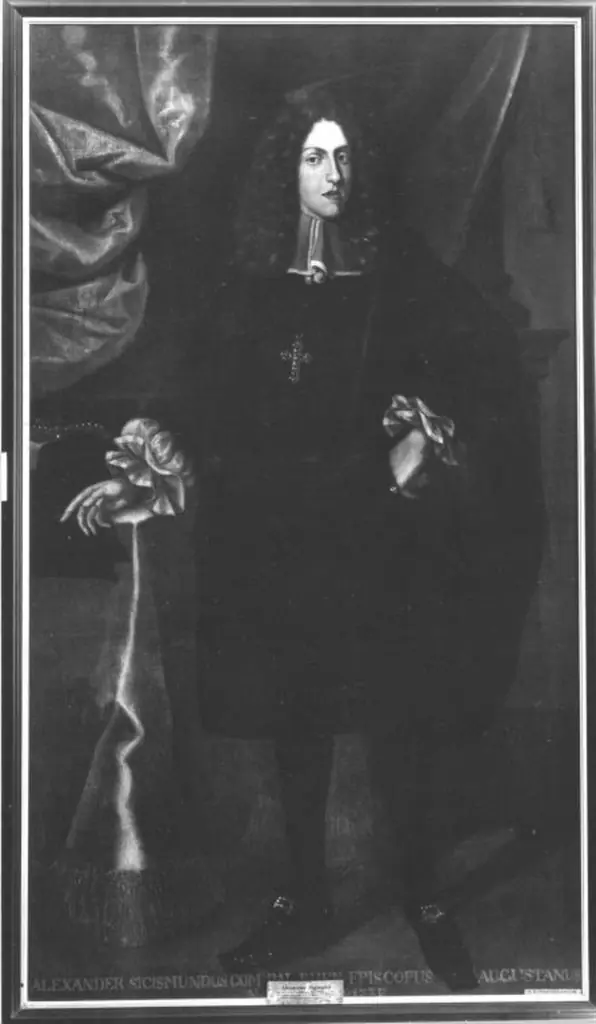
- Bildnis des Alexander Sigismund von Pfalz-Neuburg, Fürstbischof von Augsburg (1663-1737)
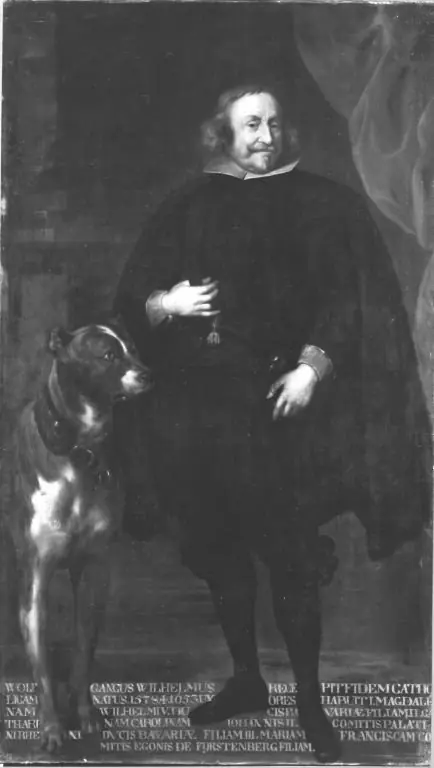
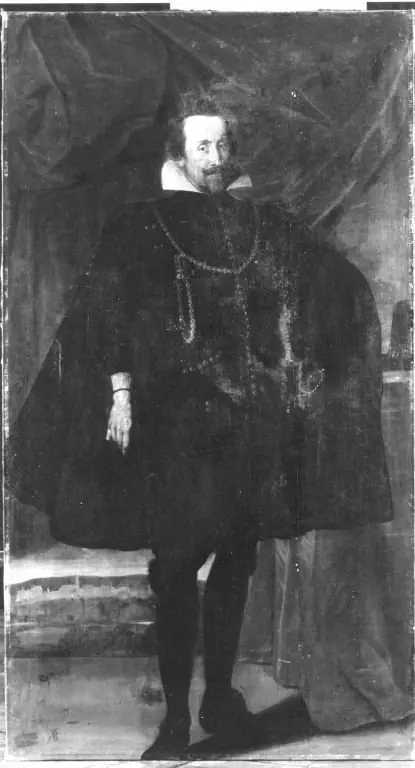 Portrait of Wolfgang Wilhelm van Wittelsbach
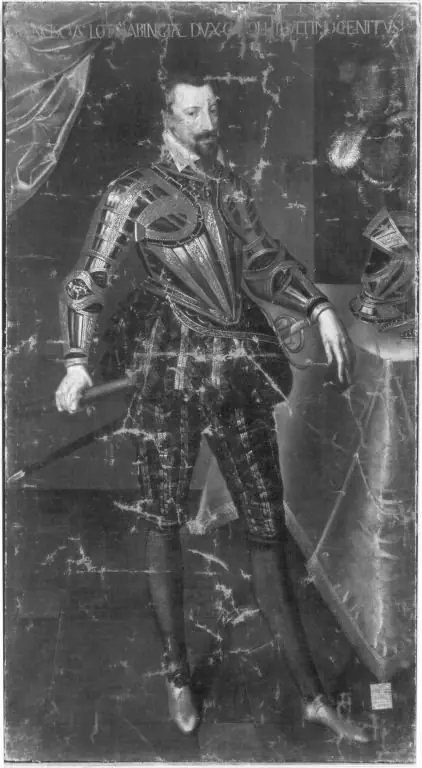
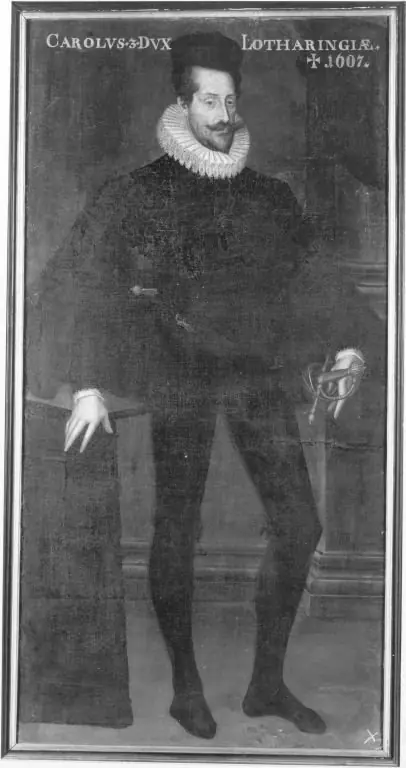 Karl III., Herzog von Lothringen
 Alte Dame
 Wolfgang Wilhelm von der Pfalz-Neuburg
 Franz II., Herzog von Lothringen
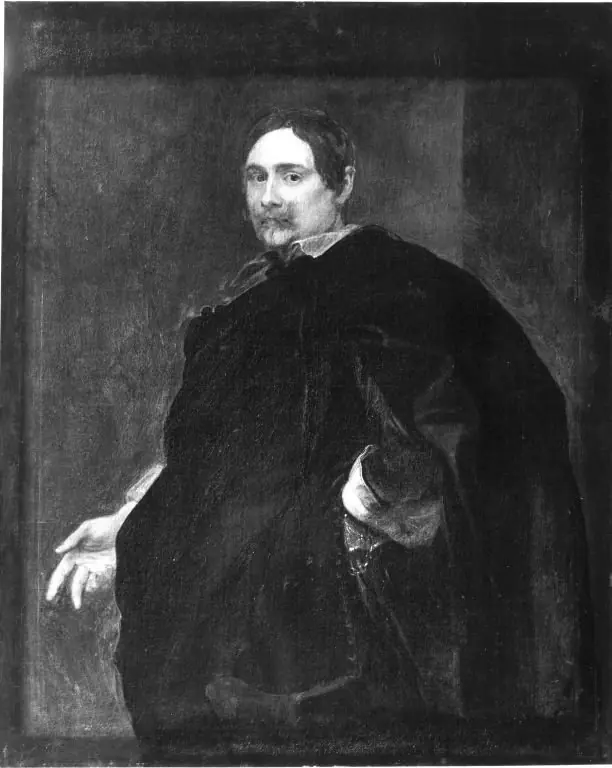 Portrait of Filippo Spinola
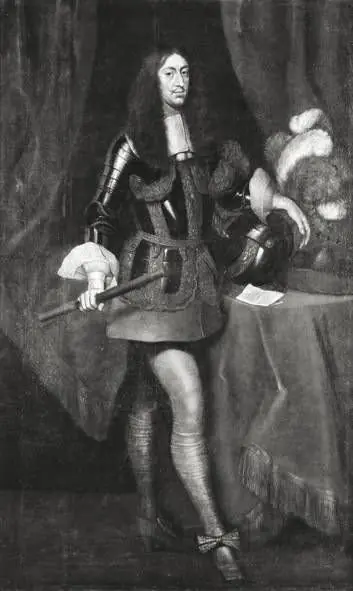 Kurfürst Ferdinand Maria von Bayern
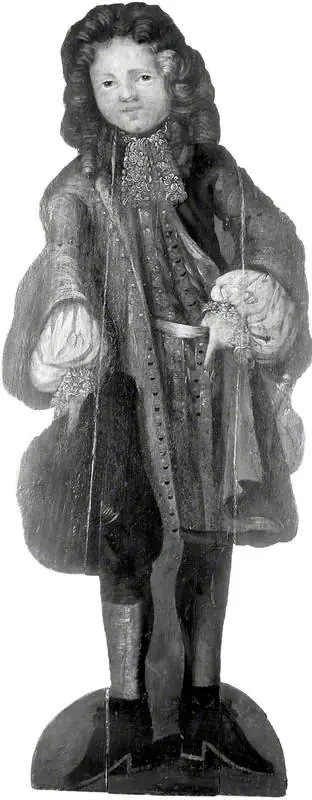 Boy with a Lace Collar (dummy board)
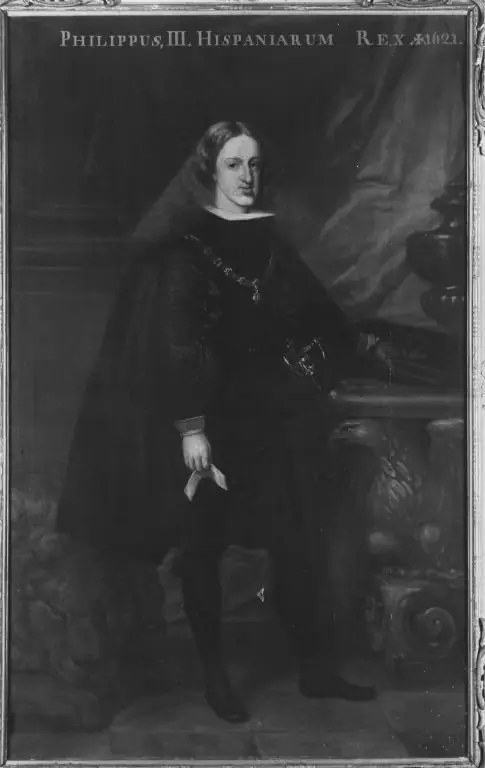 Karl II., König von Spanien (Werkstatt)
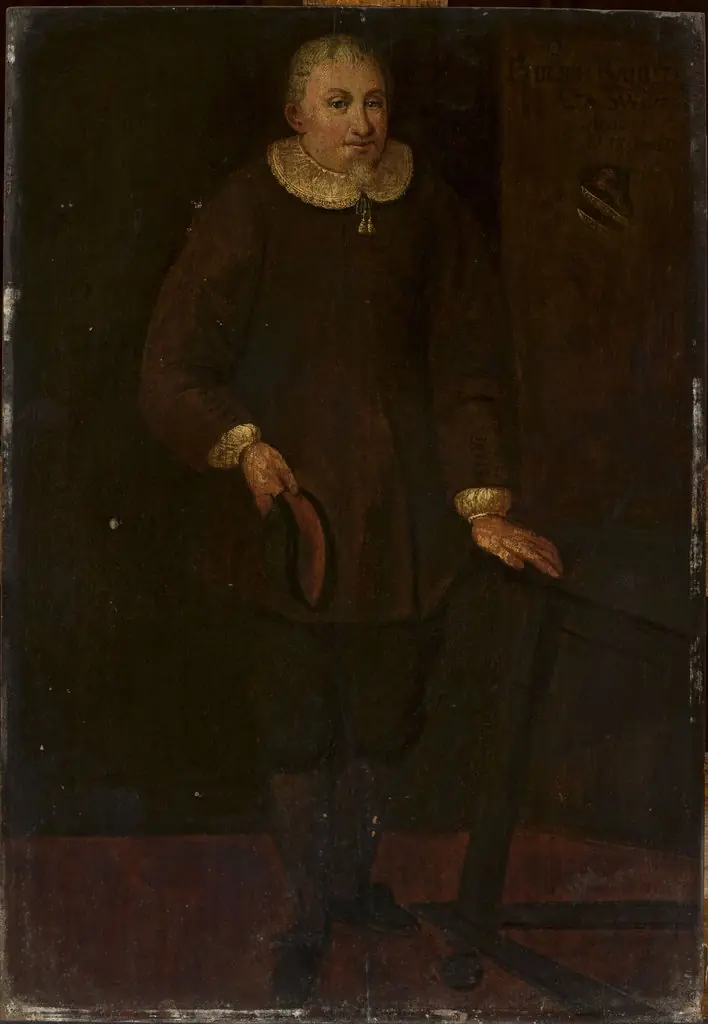 Portrait of Paulo Bardti