Artwork
Plate 36: Red-Breasted Merganser, Shoveler, and Mallard, and Duck with Artichokes
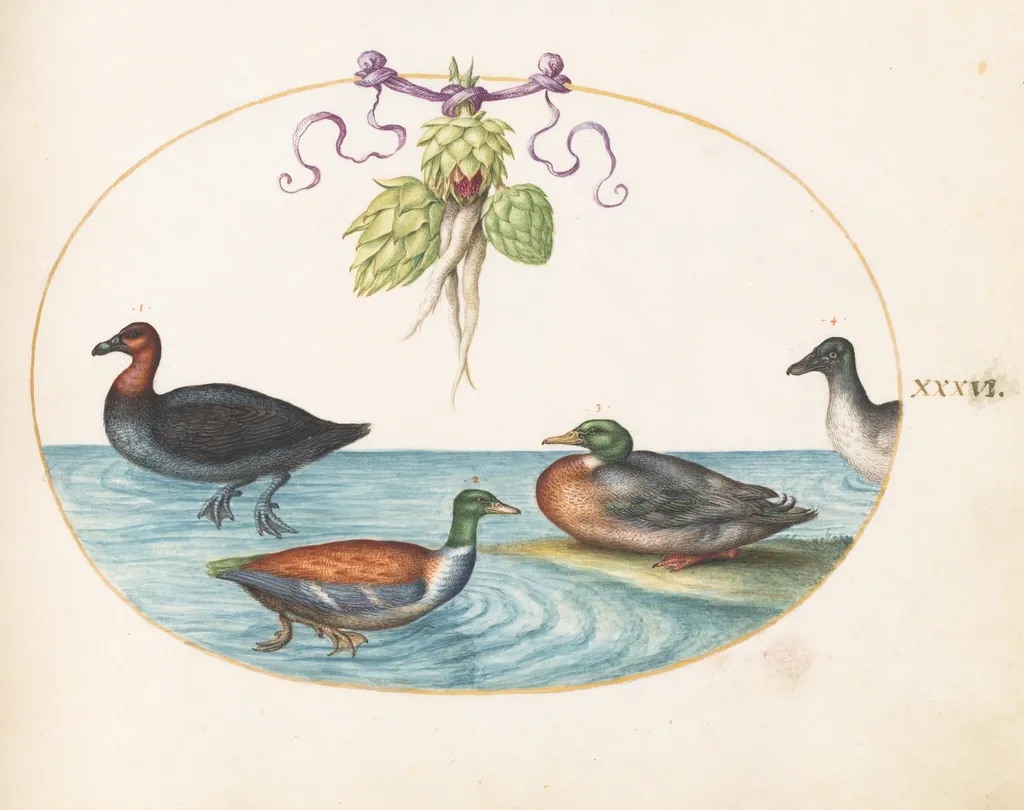
Plate 36: Red-Breasted Merganser, Shoveler, and Mallard, and Duck with Artichokes is a gouache drawing by the Renaissance artist Joris Hoefnagel. It dates from 1594 and is held in the collection of the National Gallery of Art. Executed on parchment around 1594, this circular composition combines watercolor with gold leaf.
- Inscription
- Inscribed:Center right in (gold?): XXXVI.; birds in image numbered .1., .2., .3., and .4., in red ink Facing page: Upper center in black ink: Plausitat arborea clamans de fronde Palumbes: / In fluminisq[ue] natans forte tetrinit Anas.; lower center in violet ink: Videbo COELOS tuos opera digitorum tuorum, / Lunam, et stellas, quae tu fundasti.ps.8. ("For I will behold the heavens, the works of your fingers, the moon and the stars, which you have founded.” Psalms 8:4 (Latin Vulgate Bible)
About this work
Overview
Executed on parchment around 1594, this circular composition combines watercolor with gold leaf. Joris Hoefnagel, a Flemish draftsman active in natural-history illustration, rendered three species of waterfowl, red-breasted merganser, shoveler, and mallard, beside a flowering artichoke. The work exemplifies late-sixteenth-century interest in precise, observational depiction of flora and fauna.
Subject & Meaning
The sheet juxtaposes four labeled ducks with a single artichoke plant. Each bird is shown in profile or three-quarter view, swimming across a blue expanse that suggests a pond. The botanical element, positioned above the waterfowl, serves both as a decorative counterpoint and as a nod to the period’s growing enthusiasm for systematic botanical recording.
Technique & Style
Hoefnagel applied translucent watercolor washes to build subtle gradations of feather and leaf, reserving gold paint for the surrounding border. His brushwork remains fine enough to distinguish individual barbs on wing covert feathers and the serrated edges of artichoke bracts. The circular format and gold edging echo manuscript illumination conventions of the era.
History & Provenance
The drawing originates from Hoefnagel’s broader project of natural-history studies undertaken during his travels across Europe. It survives as one folio among a series of similar waterfowl and botanical sheets, though the exact sequence of ownership before modern institutional acquisition remains fragmentary.
Context
Created at the intersection of commerce and science, the work reflects Hoefnagel’s dual background as a merchant and artist. Northern European courts and collectors increasingly valued illustrated inventories of nature, and Hoefnagel’s output helped establish still-life and natural-history genres within the region’s artistic repertoire.
Legacy
The sheet contributes to the evolution of scientific illustration by merging artistic refinement with taxonomic clarity. Later naturalists and illustrators drew on such models, while art historians cite Hoefnagel’s meticulous approach as a bridge between medieval manuscript traditions and the empirical studies of the seventeenth century.
Own this work as a print
Artist & collection

Artist
Joris Hoefnagel or Georg Hoefnagel (1542 – 24 July 1601) was a Flemish painter, printmaker, miniaturist, draftsman and merchant.

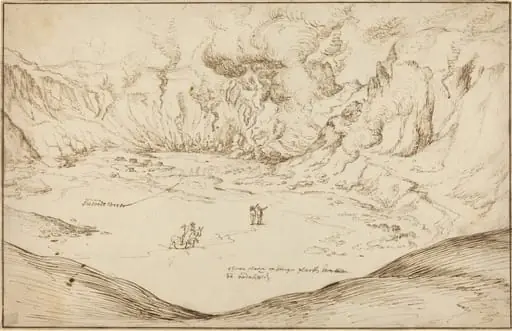 Forum Vulcani: The Hot Springs at Pozzuoli
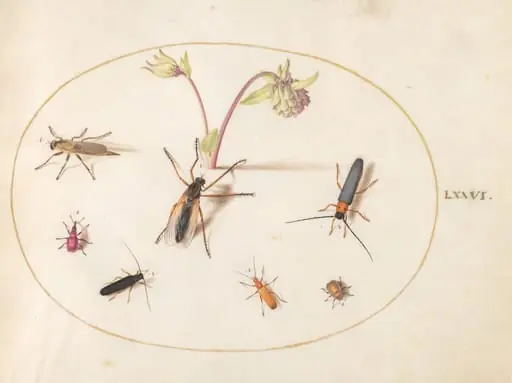 Plate 76: Insects with a Pink and Cream Columbine
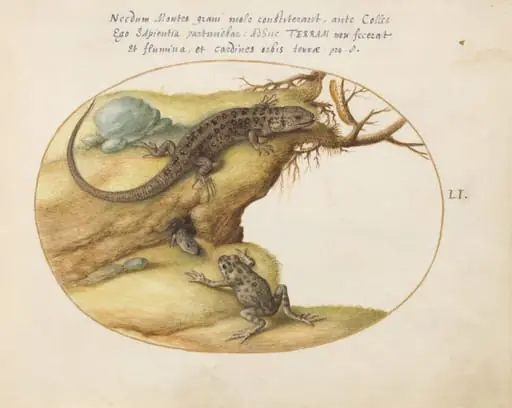 Plate 51: Two Sand Lizards, a Common Parsley Frog(?), and a Caterpillar
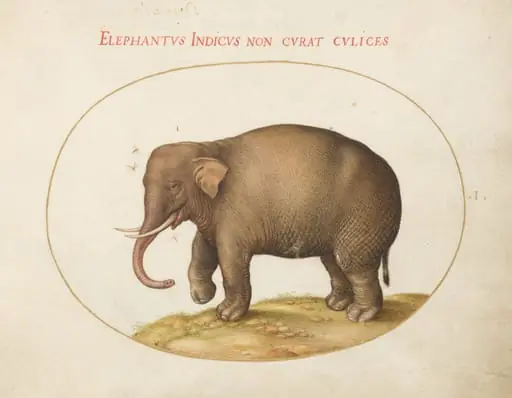 Plate 1: Elephant with Insects
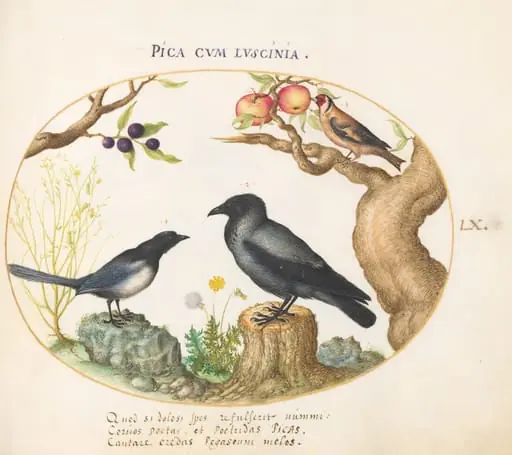 Plate 60: Magpie, Crow, and Goldfinch
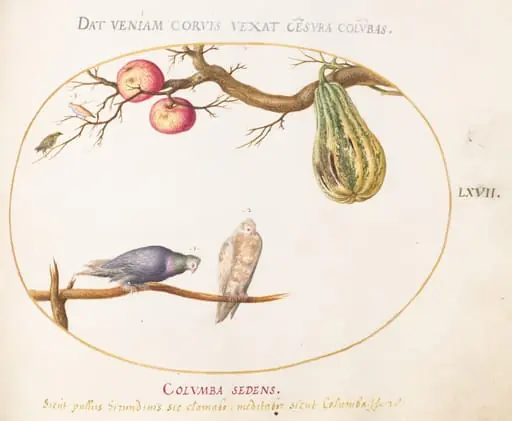 Plate 67: Two Doves beneath a Gourd and Apples
 Plate 31: Seven Moths
 Plate 21: Swamp Hen and Woodcock with a Streaked Rosefinch, a Finch, and Oak Galls
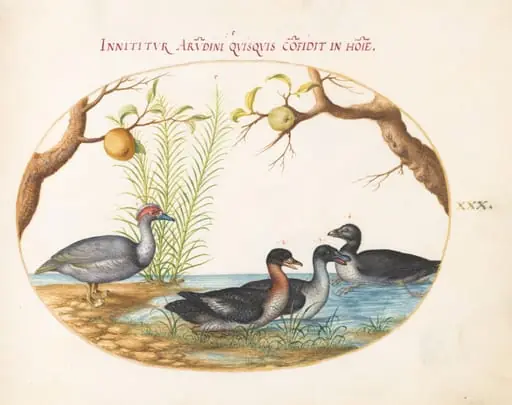
- Plate 30: A Muscovy(?) Duck, a Four-Legged Duck, and Two Other Birds
 Plate 28: Barnacle Goose with Shrikes and Other Birds
 Plate 38: Merganser with Two Other Waterfowl and a Garland of Melons and Gourds
 Plate 31: Duck, Merganser, and Three Goldfinches
 Plate 35: Female Green-Winged Teal, Red-Breasted Merganser(?), Sparrow, and a Greenfinch(?)
 Plate 64: Two Partridges, a Wren, and Other Birds
 Plate 33: A Pair of Bohemian Waxwings, a Shelduck(?), and a Brant Goose with a Ginger Plant
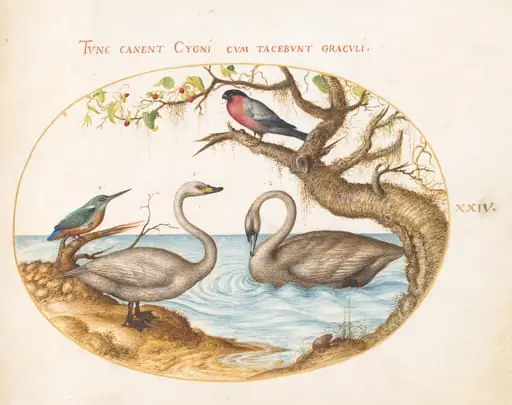 Plate 24: Two Swans, a Kingfisher, and a Bullfinch
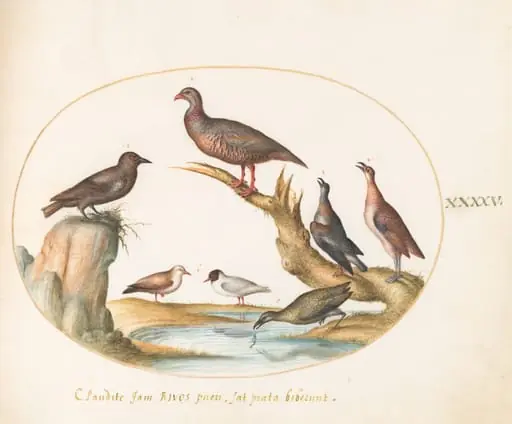 Plate 45: Spotted Nutcracker and Shore Birds