Artwork
Plate 56: Water Scorpion, Water Measurer, Pond Skater, Red Water Mite, Leech(?), and Other Water Insects
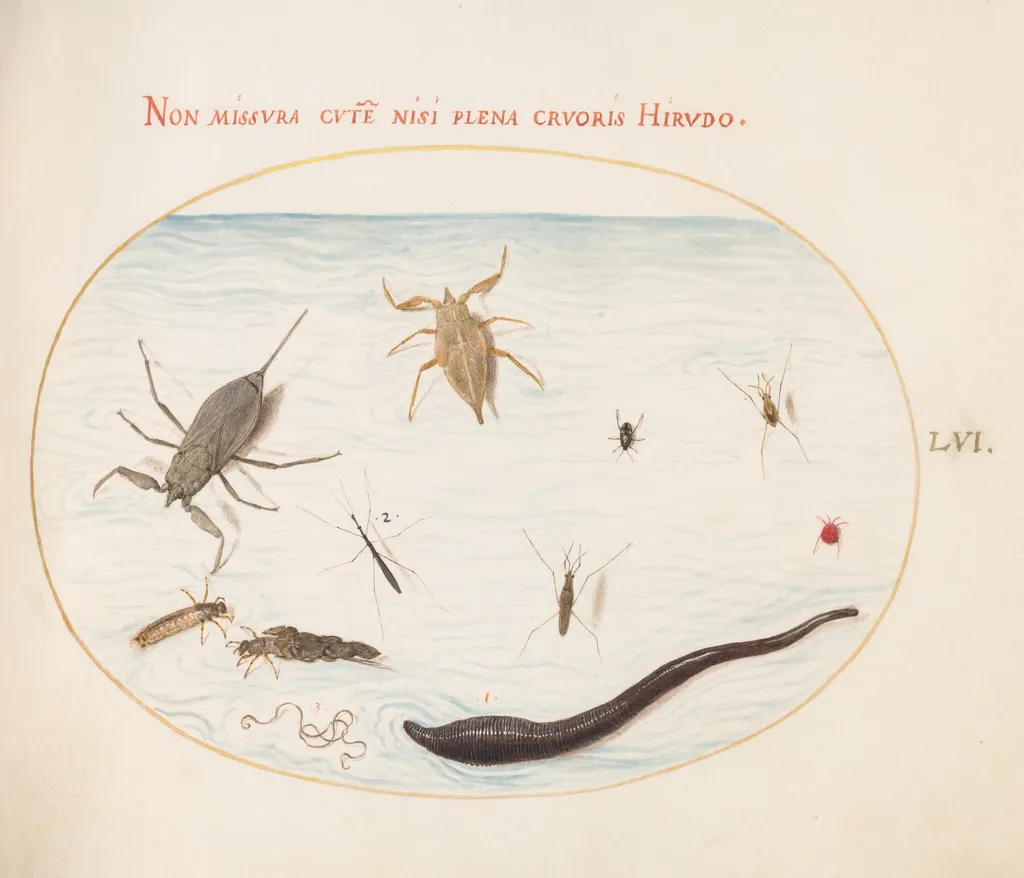
Plate 56: Water Scorpion, Water Measurer, Pond Skater, Red Water Mite, Leech(?), and Other Water Insects is a gouache drawing by the Renaissance artist Joris Hoefnagel. It dates from 1594 and is held in the collection of the National Gallery of Art.
- Inscription
- Inscribed:center right in red ink: NON MISSVRA CVTE[M] NISI PLENA CRVORIS HIRVDO.; creatures in image numbered .1. and .3., in red ink; creature in image number .2., in black ink; center right in brown ink: LVI. Facing page: upper center in blue ink: Sanguisugae du[a]e sunt filiae, dicentes: / Affer, Affer. proverb.30. (“The horseleech has two daughters that say: Bring, bring.” Proverbs 30:15) (Latin Vulgate Bible); lower center in black ink: Innitium vitae hominis AQVA, et panis, et vestimentu[m], / Et domus protegens turpitudinem Ecc[us].29. (“The chief thing for man’s life is water and bread, and clothing, and a house to cover shame.” Ecclesiasticus 29:27) (Latin Vulgate Bible)
About this work
Overview
Created circa 1594, this watercolor and gold‑painted illustration on parchment presents a circular arrangement of aquatic insects and other small water‑dwelling creatures. The composition is set against a pale blue field, bounded by a thin gold line, and includes numbered labels that identify individual specimens.
Subject & Meaning
The image gathers a variety of water insects, a water scorpion, a water measurer, a pond skater, a red water mite, and a leech, offering a comparative study of their forms and habitats. A Latin caption at the top, translating roughly to “Do not measure the cuttlefish unless it is full of blood,” hints at a cautionary or observational note typical of natural‑history texts.
Technique & Style
Joris Hoefnagel employed fine watercolor washes to render translucency and texture, while delicate gold accents outline the circular frame and highlight details. The meticulous rendering reflects the precision of manuscript illumination, combining scientific observation with the decorative elegance of Flemish miniature painting.
History & Provenance
Hoefnagel, a Flemish painter and draftsman noted for his contributions to natural‑history illustration, produced this work as part of a larger series of plates documenting flora and fauna. The piece exemplifies his role in the emergence of topographical drawing and the early development of floral still‑life as a distinct genre in northern Europe.
Context
During the late 16th century, interest in cataloguing the natural world grew among scholars and collectors. Hoefnagel’s plates, including this one, were intended for inclusion in illuminated manuscripts or printed compendia, serving both educational and aesthetic purposes within the broader scientific and artistic currents of the period.
Own this work as a print
Artist & collection

Artist
Joris Hoefnagel or Georg Hoefnagel (1542 – 24 July 1601) was a Flemish painter, printmaker, miniaturist, draftsman and merchant.

 Forum Vulcani: The Hot Springs at Pozzuoli
 Plate 76: Insects with a Pink and Cream Columbine
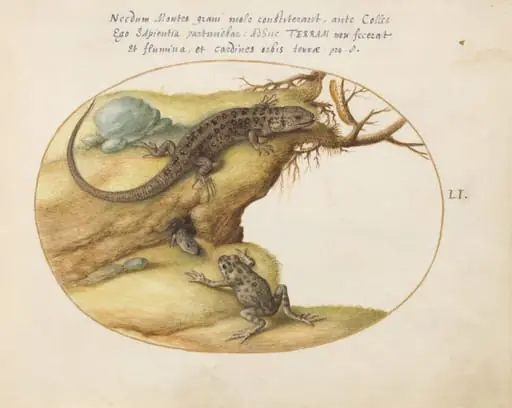 Plate 51: Two Sand Lizards, a Common Parsley Frog(?), and a Caterpillar
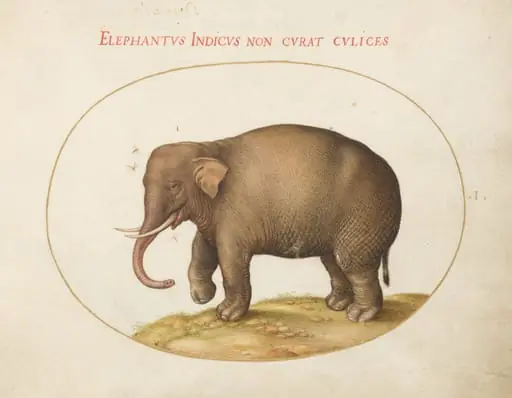 Plate 1: Elephant with Insects
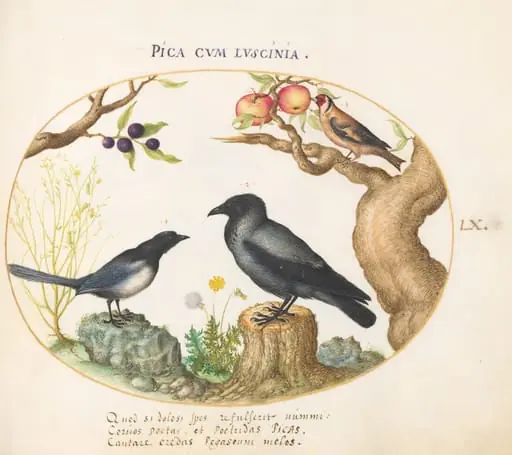 Plate 60: Magpie, Crow, and Goldfinch
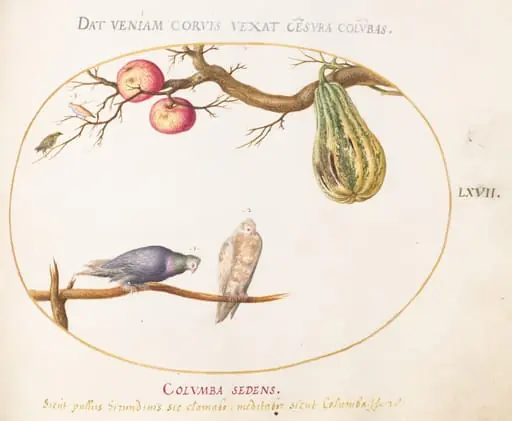 Plate 67: Two Doves beneath a Gourd and Apples
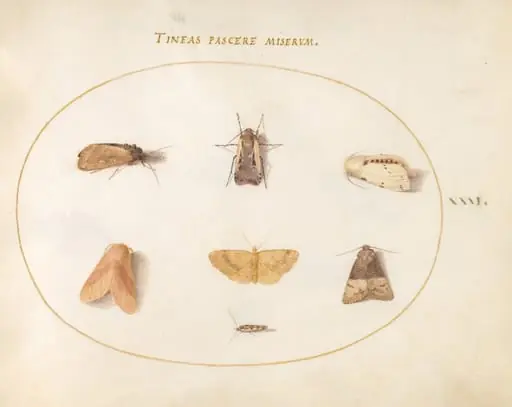 Plate 31: Seven Moths
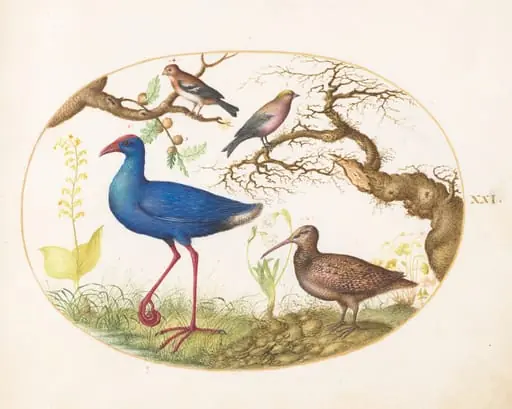 Plate 21: Swamp Hen and Woodcock with a Streaked Rosefinch, a Finch, and Oak Galls
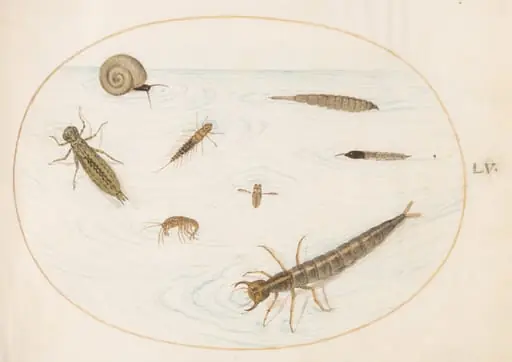
- Plate 55: Aquatic Insects and Invertebrates, Including a Snail
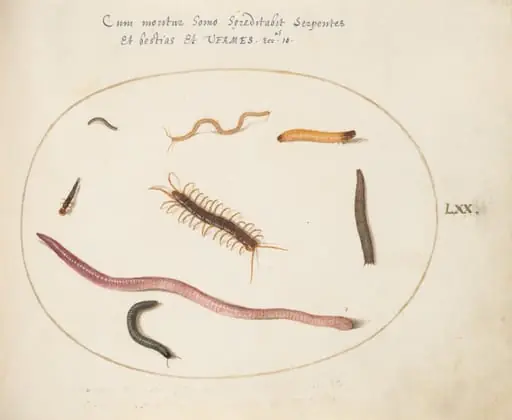 Plate 70: Worm, Centipede, Millipede, and Other Long Creatures
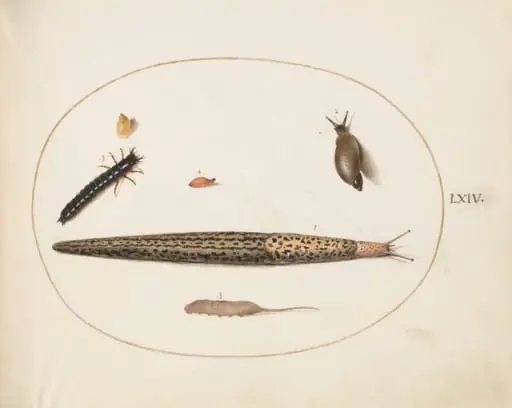 Plate 64: Leopard Slug, Ground Beetle Larva, a Rat-tailed Maggot, and Other Creatures
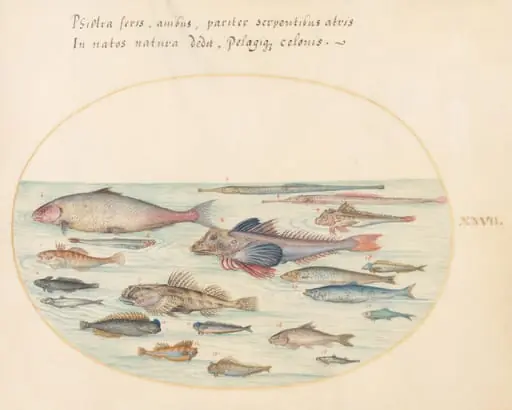 Plate 27: Blennies, Scorpion Fish, and Other Fish
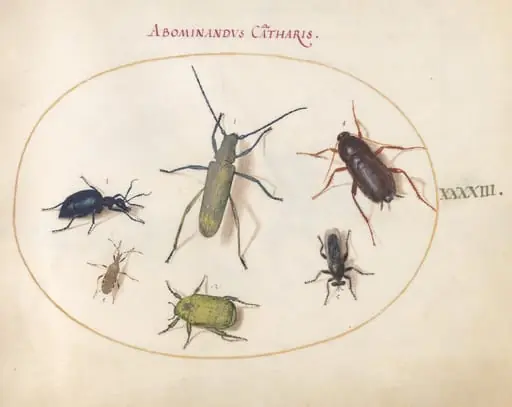 Plate 43: Musk Beetle, Oil Beetle, Tansy Beetle(?), Cockroach, Leaf-Footed Bug, and Other Insects
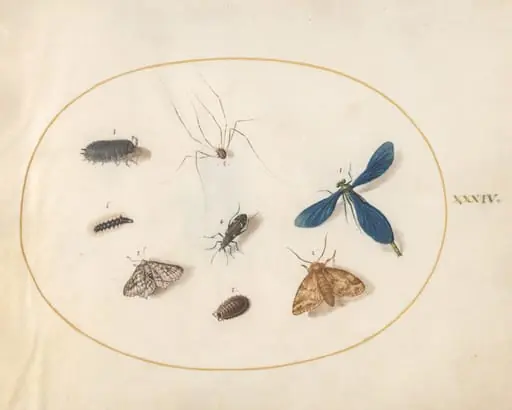 Plate 34: Two Moths with a Spider, a Caterpillar, a Damselfly, and Other Insects
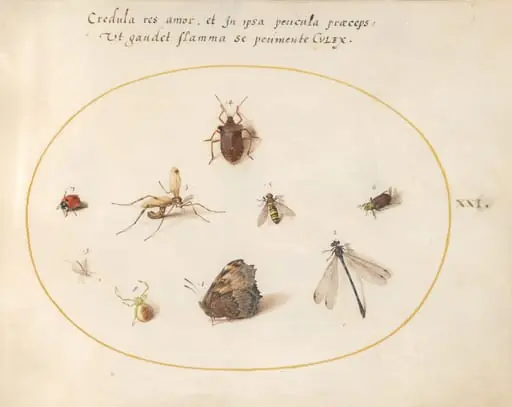 Plate 21: A Butterfly with a Dragonfly, a Ladybug, and Five other Insects
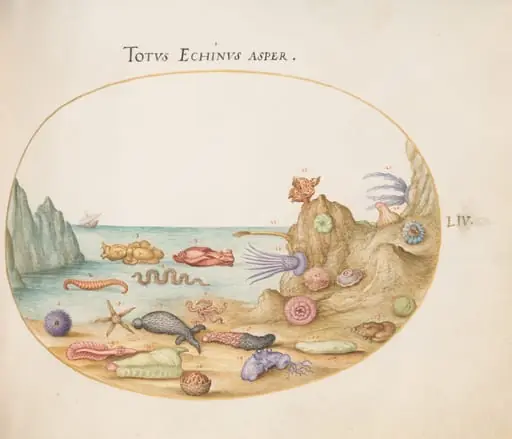 Plate 54: Sea Cucumbers, Sea Urchins, Starfish, a Sea Nettle, a "Sea Hare," and Other Marine Life
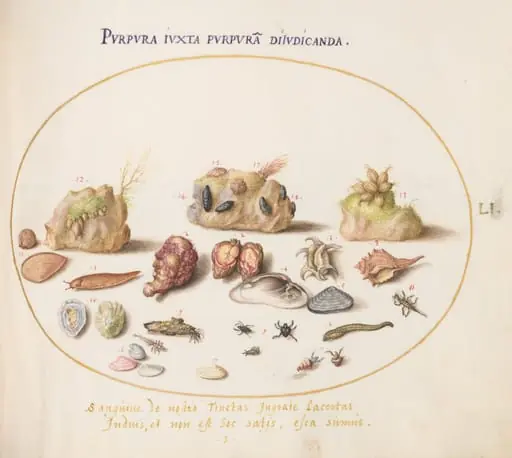 Plate 51: Murex Mollusks, Shells, Hermit Crabs, a Slug, Insects, and Other Sea Life
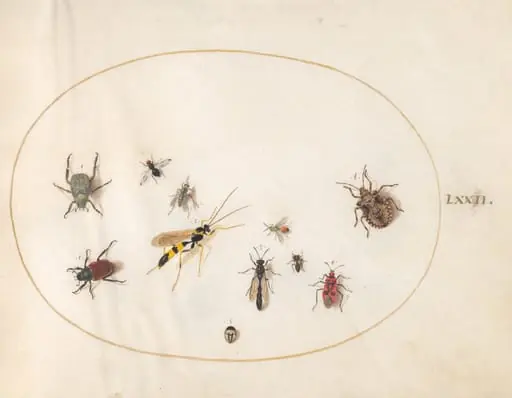 Plate 72: Shield Bug, Cinnamon Bug, Wasp, and Other Insects
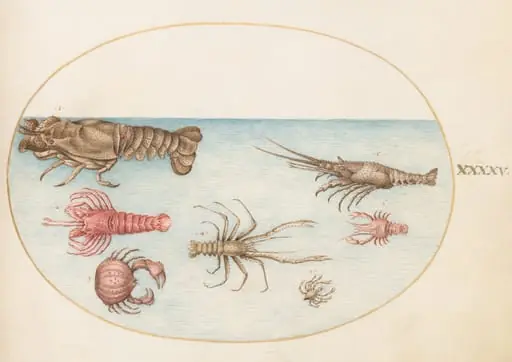 Plate 45: Lobster, Squilla Mantis, and Other Crustaceans