Artwork
The Lottery
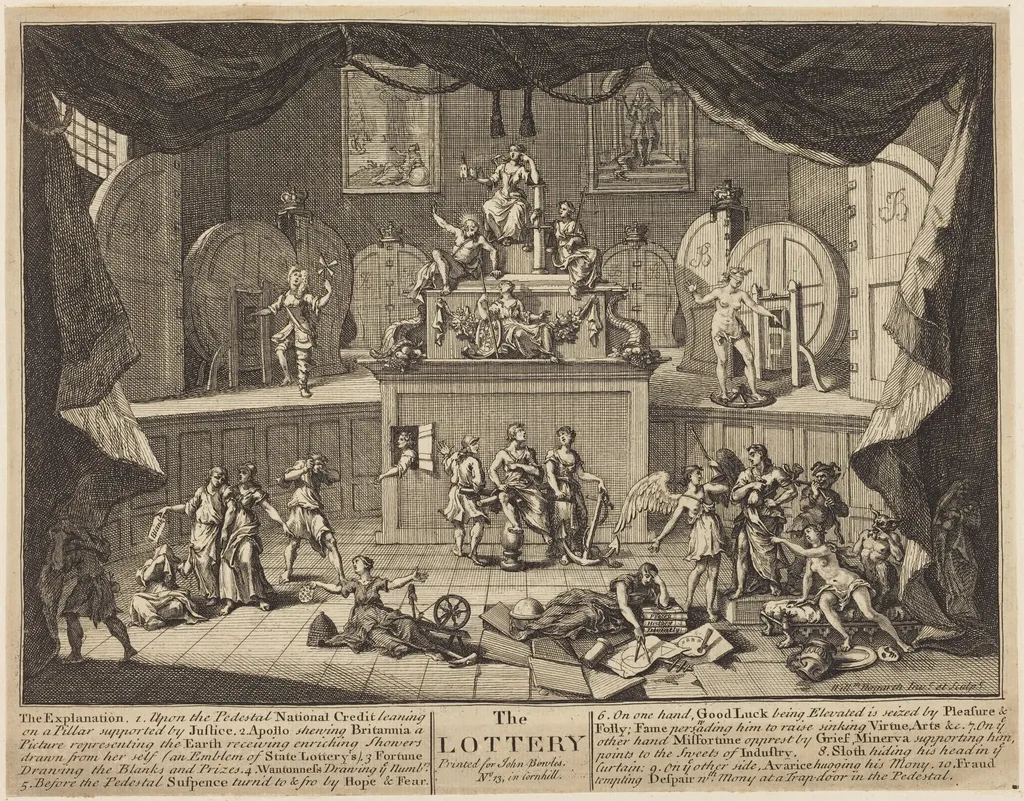
The Lottery is an ink print by the Baroque artist William Hogarth. It dates from 1721 and is held in the collection of the National Gallery of Art.
About this work
Overview
The work reflects Hogarth’s emerging voice as a critic of public behavior through art.
Created in 1721, The Lottery is an etching and engraving by William Hogarth that captures the frenzy surrounding state-sponsored lotteries in early 18th-century England. As one of his earliest satirical prints, it combines intricate detail with narrative clarity, using visual storytelling to expose the illusions of chance and the desperation of participants. The work reflects Hogarth’s emerging voice as a critic of public behavior through art.
Subject & Meaning
The print depicts a lottery draw as a chaotic social spectacle, with figures personifying abstract forces like Fortune and Fraud. Each character is labeled, transforming the scene into an allegory of human gullibility. The elevated globe, crowned by a woman representing Fortune, contrasts with the scramble below, where individuals clutch tickets or collapse in despair. The composition critiques the false promise of wealth through gambling, framing it as a collective delusion.
Technique & Style
Hogarth employed fine etching lines and precise engraving to render dense, dynamic compositions. Sharp contrasts of light and shadow heighten the sense of motion, while tightly packed figures create visual overload, mirroring the frenzy of the event. The clarity of each figure’s expression and gesture, combined with explanatory labels, demonstrates his skill in merging detailed observation with didactic intent.
History & Provenance
Produced early in Hogarth’s career, The Lottery was among his first independent prints, made before he gained fame for later series like A Harlot’s Progress. It was published in London and circulated widely among the middle class, reflecting growing public interest in satirical prints. Though not his most famous work, it established his reputation for combining moral commentary with accessible imagery.
Context
In 1720s England, state lotteries were popular fundraising tools, often marketed as benign games of chance. Yet they disproportionately attracted the poor, fueling social anxiety. Hogarth’s print responds to this trend, tapping into contemporary debates about morality, class, and exploitation. His work aligns with broader Enlightenment critiques of irrational behavior and the misuse of public trust.
Legacy
The Lottery helped define the visual language of social satire in British print culture. Its use of labeled allegory and sequential narrative influenced later artists and cartoonists. Though overshadowed by Hogarth’s later series, it remains a foundational example of how printmaking could serve as both art and civic commentary, bridging fine art and popular media.
Own this work as a print
Artist & collection
Artist
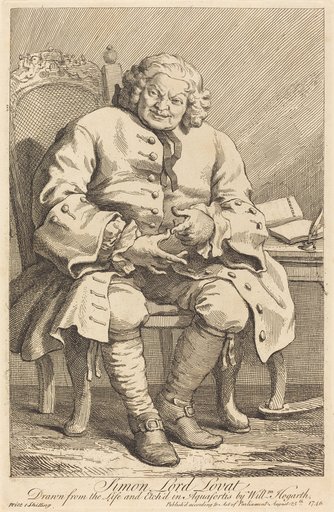
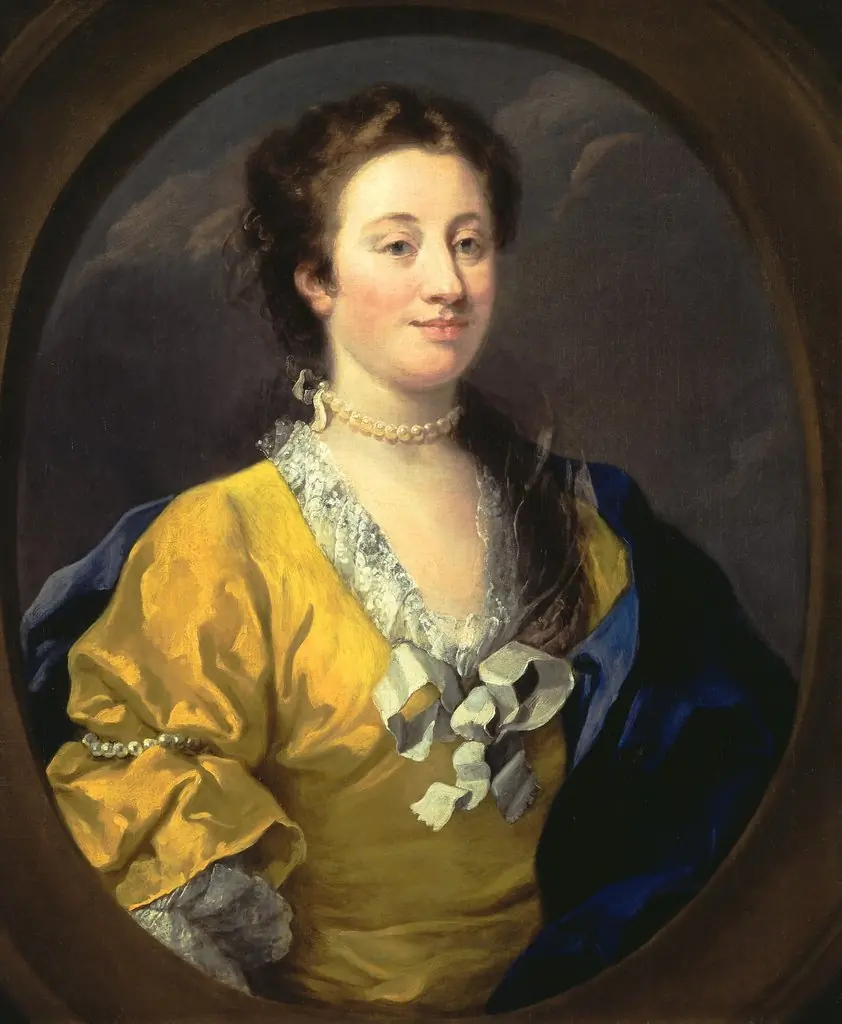
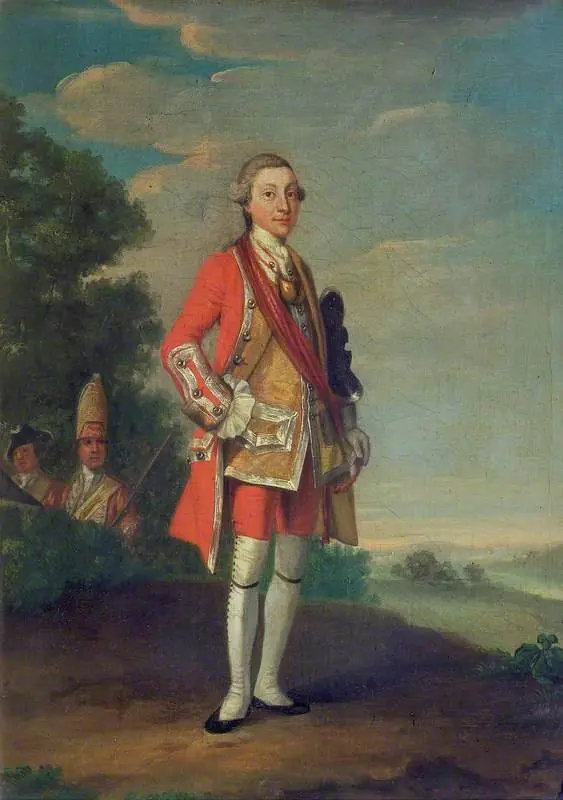
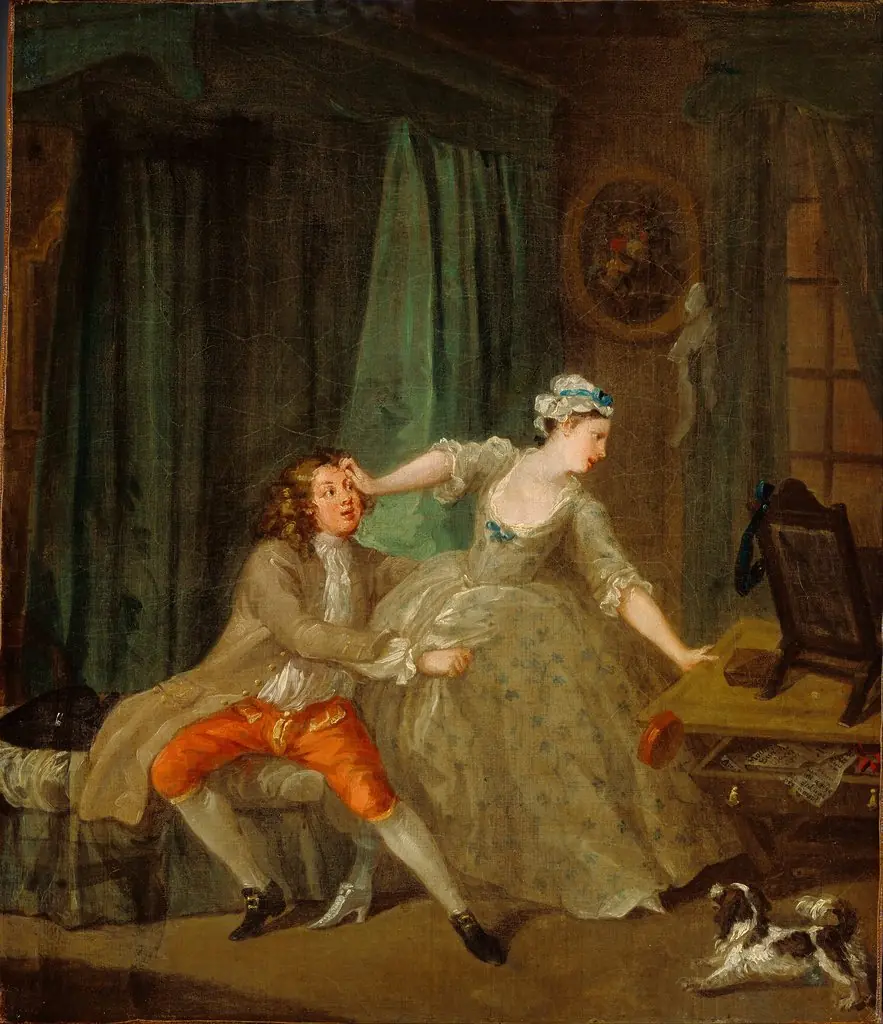
William Hogarth (; 10 November 1697 – 26 October 1764) was an English painter, engraver, satirist, cartoonist and writer.

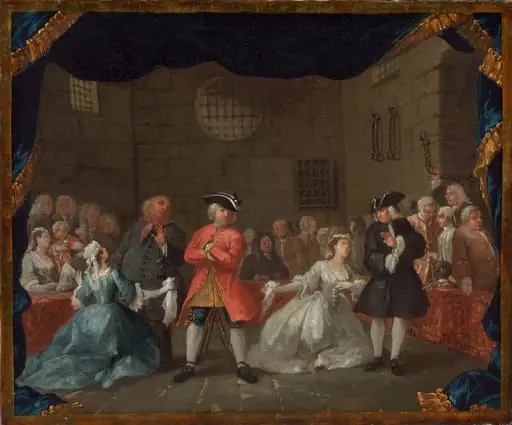
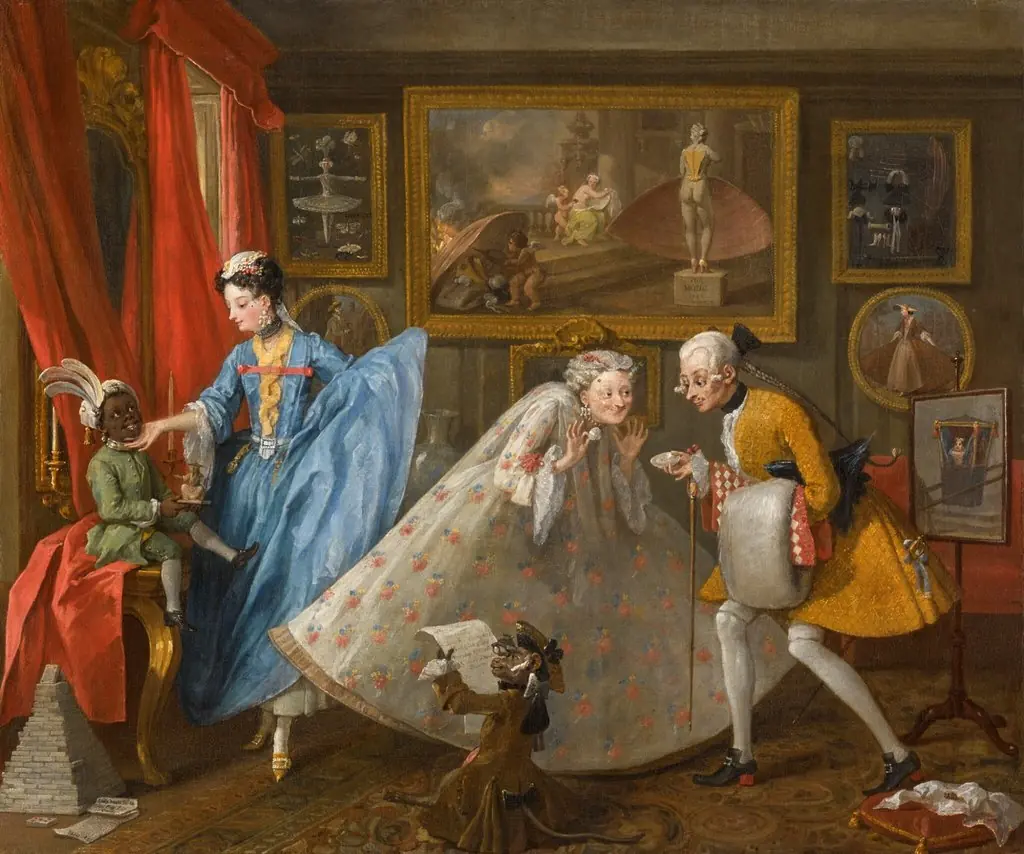
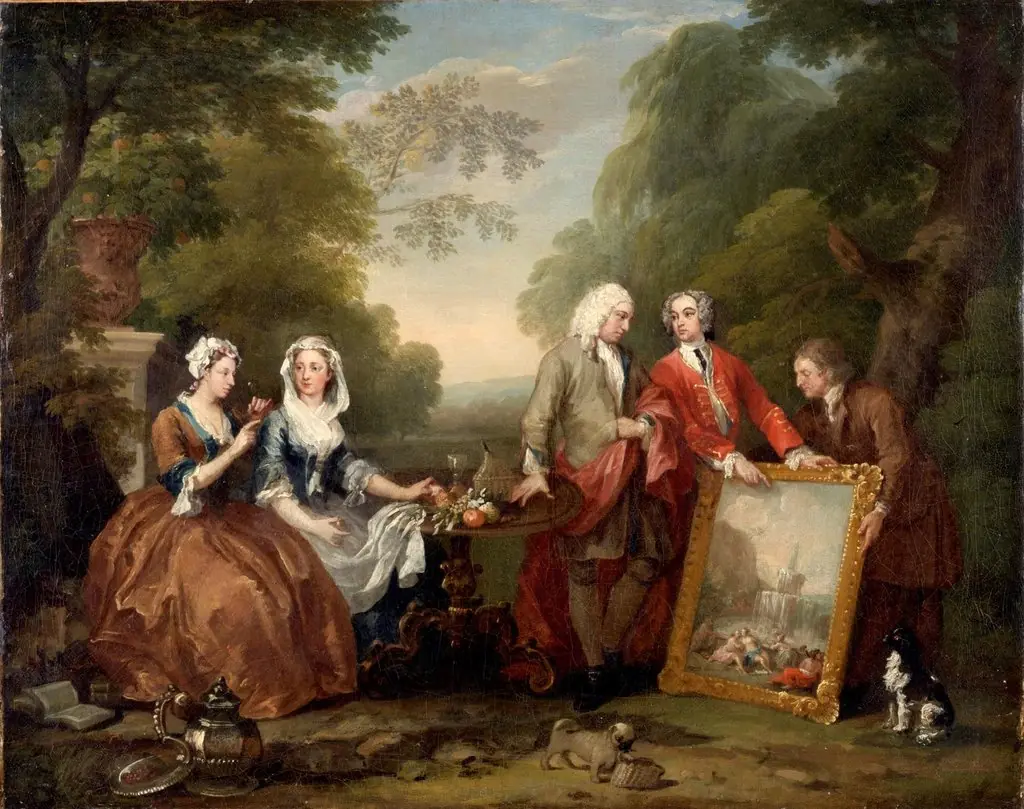
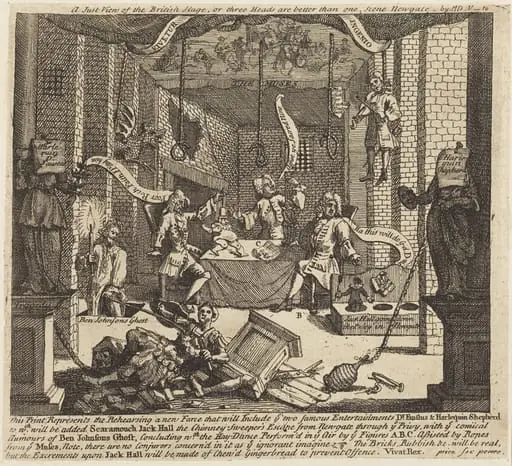
- A Just View of the British Stage
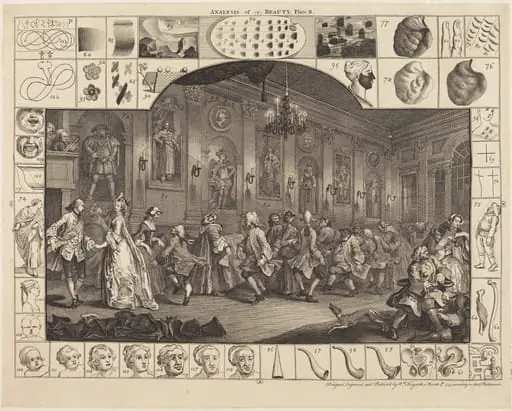 Analysis of Beauty: pl.2
 A Just View of the British Stage
 The Laughing Audience
 The Laughing Audience
 Couronnement de Voltaire (The Crowning of Voltaire)
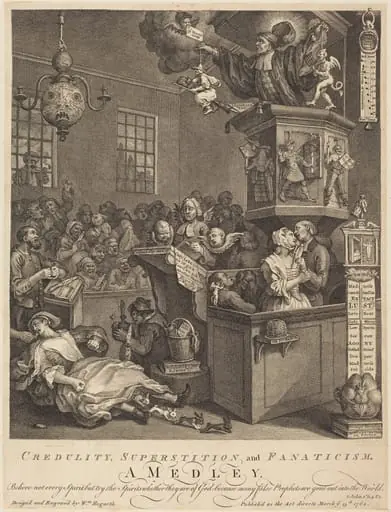 Credulity, Superstition, and Fanaticism
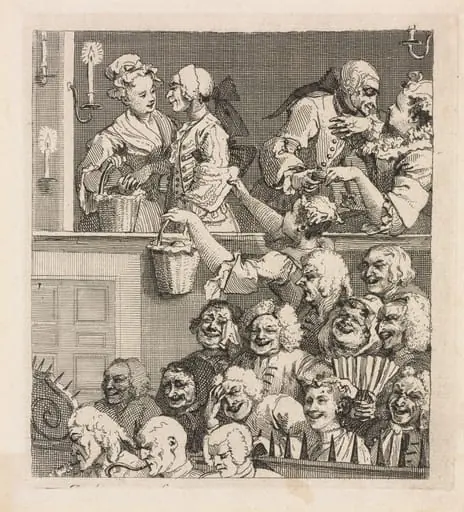 The Laughing Audience
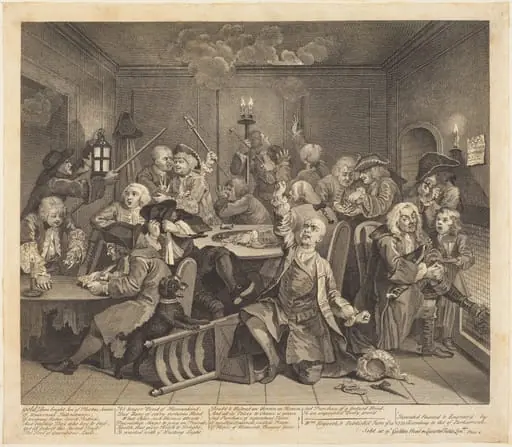 A Rake's Progress: pl.6
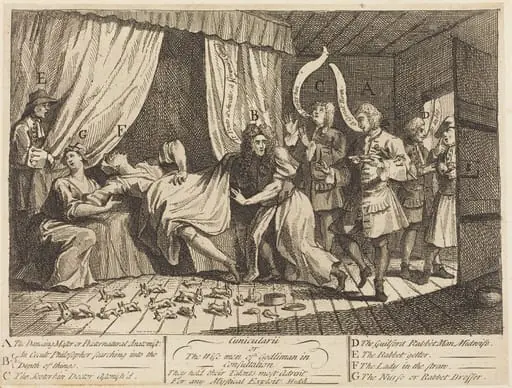 Cunicularii, or The Wise Men of Godliman in Consultation
 The Reward of Cruelty
 The Laughing Audience