
Artist
Subject
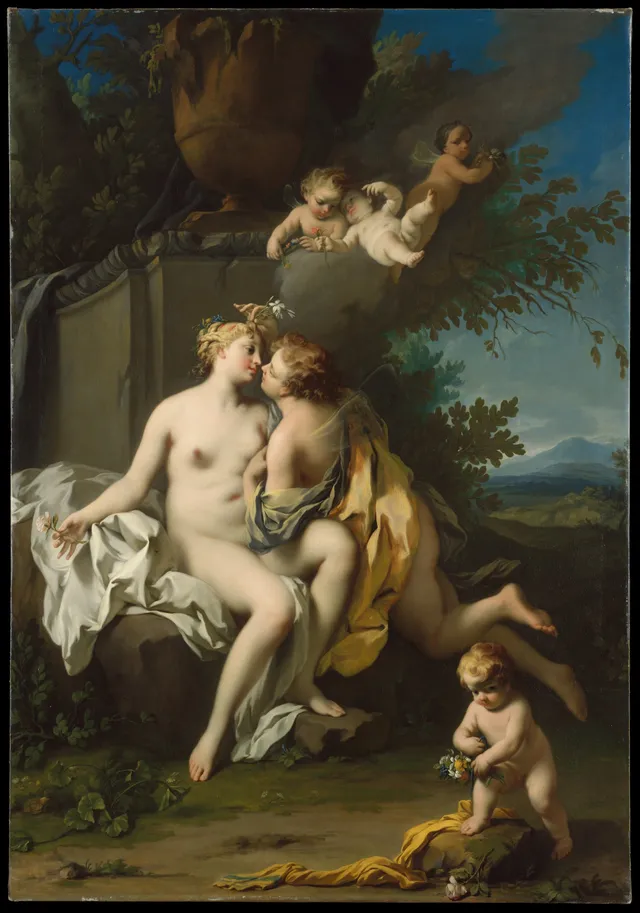
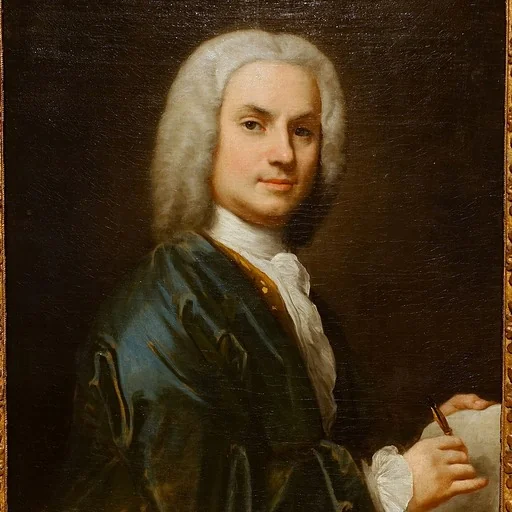
Goddess is a subject in art. The gallery holds 26 works in this subject in art, including works by Rembrandt van Rijn, Giovanni Battista Tiepolo and Jacopo Amigoni.
A deity or god is a supernatural being considered to have authority over some aspect of the universe and/or life, with many also being considered as sacred and worthy of worship. The Oxford Dictionary of English defines deity as a god or goddess, or anything revered as divine.
Artist


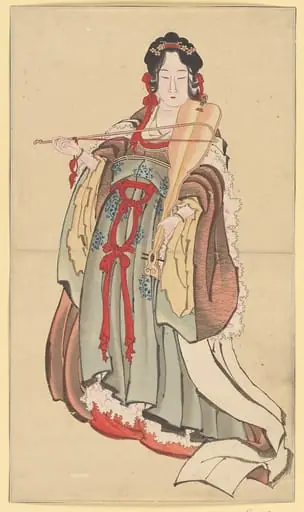
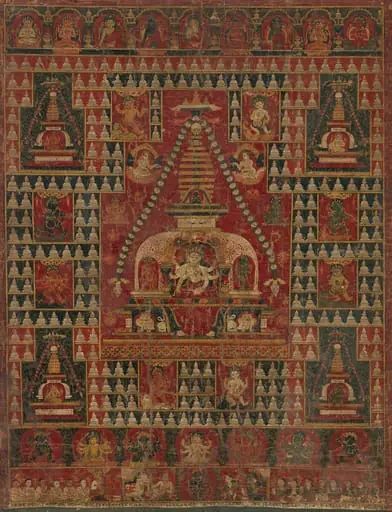
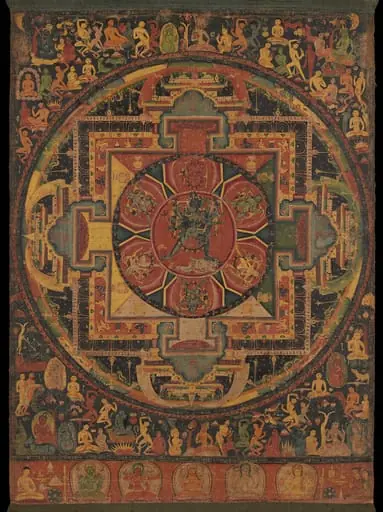
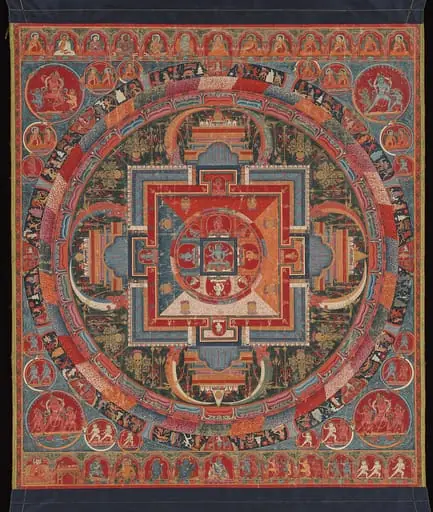
The goddess is a supernatural female deity, a divine being vested with authority over aspects of the universe, nature, or human life, and typically regarded as sacred and worthy of worship. As a motif in art, the goddess recurs across virtually every culture and period, embodying forces of nature, moral principles, fertility, wisdom, and cosmic order. The concept derives from the Proto-Indo-European root *deiwos, meaning "to shine," yielding Latin dea and Greek thea as feminine counterparts to deus and theos. Unlike the singular masculine God of monotheistic traditions, goddesses most often appear within polytheistic pantheons, though they also persist as diminished figures in monotheistic iconography and experience revival in modern spiritual movements. The goddess motif offers artists a vehicle for exploring beauty, power, sexuality, maternity, and the sacred, making it one of the most enduring subjects in visual culture.
Goddess iconography varies enormously by cultural context, yet certain patterns recur. Deities are frequently anthropomorphized, rendered with human or animal forms, and endowed with personalities, intellects, and emotions analogous to humans. Attributes signal domain: fertility goddesses may carry sheaves of grain or display exaggerated maternal features; warrior goddesses bear arms; celestial goddesses are accompanied by astral symbols. Natural phenomena, lightning, floods, and storms commonly attend their depiction. In Indian religions, deities manifest within the temple of the living body, as sensory organs and mind, suggesting an interior, embodied divinity. The Wicca movement of the twentieth century developed a distinctive iconography for the Goddess as Earth itself, source of all life, paired with a Horned God representing sky and seasonal cycle. Color, gesture, and attribute thus construct a visual language through which viewers recognize divine feminine power, whether benevolent, destructive, or ambiguous.
The treatment of the goddess shifts markedly across movements and cultures. Ancient Mesopotamian, Egyptian, Greek, Roman, and Germanic cultures personified natural phenomena through deities, establishing iconographic conventions that persisted for millennia. In these contexts, goddesses controlled specific domains, fertility, death, wisdom, war, and were worshipped through cult images and temple rituals. The transition to monotheism in Judaism, Christianity, and Islam marginalized goddess veneration, though Marian devotion in Catholicism preserved certain feminine sacred functions. The Renaissance and Baroque periods witnessed extensive revival of classical goddess imagery, now filtered through humanist learning and aesthetic idealization, as evidenced by the collection's Aurora and Flora subjects. Neoplatonic philosophy complicated divine hierarchies, with thinkers such as Proclus structuring reality through graduated levels of divinity. Modern movements from the nineteenth century onward variously embraced, critiqued, or ironized the goddess: Pre-Raphaelite painters invested her with medievalizing spirituality, while Symbolists explored her as a vehicle for interior states. The twentieth-century Wicca movement, particularly its Dianic feminist strand founded by Zsuzsanna Budapest in the 1960s, deliberately reconstructed goddess worship as political and spiritual practice, demonstrating the motif's capacity for reinvention.
The goddess motif retains significant cultural afterlife, extending far beyond traditional religious iconography. Feminist spirituality movements of the late twentieth and early twenty-first centuries reclaimed the goddess as symbol of female empowerment and ecological consciousness, drawing on prehistoric figurines and cross-cultural pantheons to construct what critics such as Stéphane François have termed an invented, universalist paganism. In popular visual culture, goddess imagery circulates through advertising, fashion photography, and cinema, often stripped of specific cultic meaning yet retaining associations with beauty, power, and transcendence. The collection's thirty-three works, spanning named mythological subjects and untitled compositions, participate in this enduring tradition, preserving historical iterations of divine femininity while remaining available for contemporary reinterpretation. The scholarly study of goddess iconography continues to illuminate how cultures construct gender, nature, and the sacred through visual means, making the motif as productive for analysis as it has been for devotion.
 Untitled
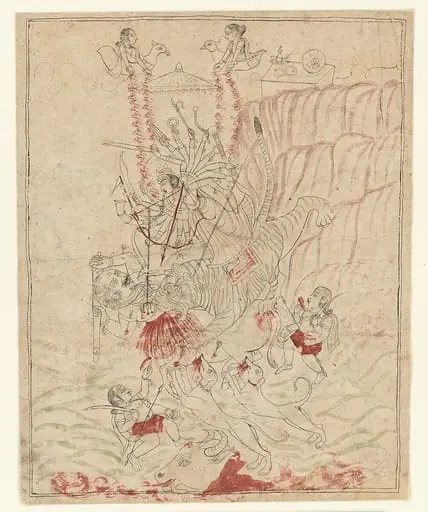 Untitled
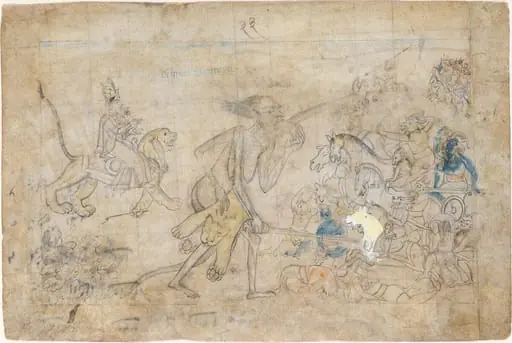 Untitled
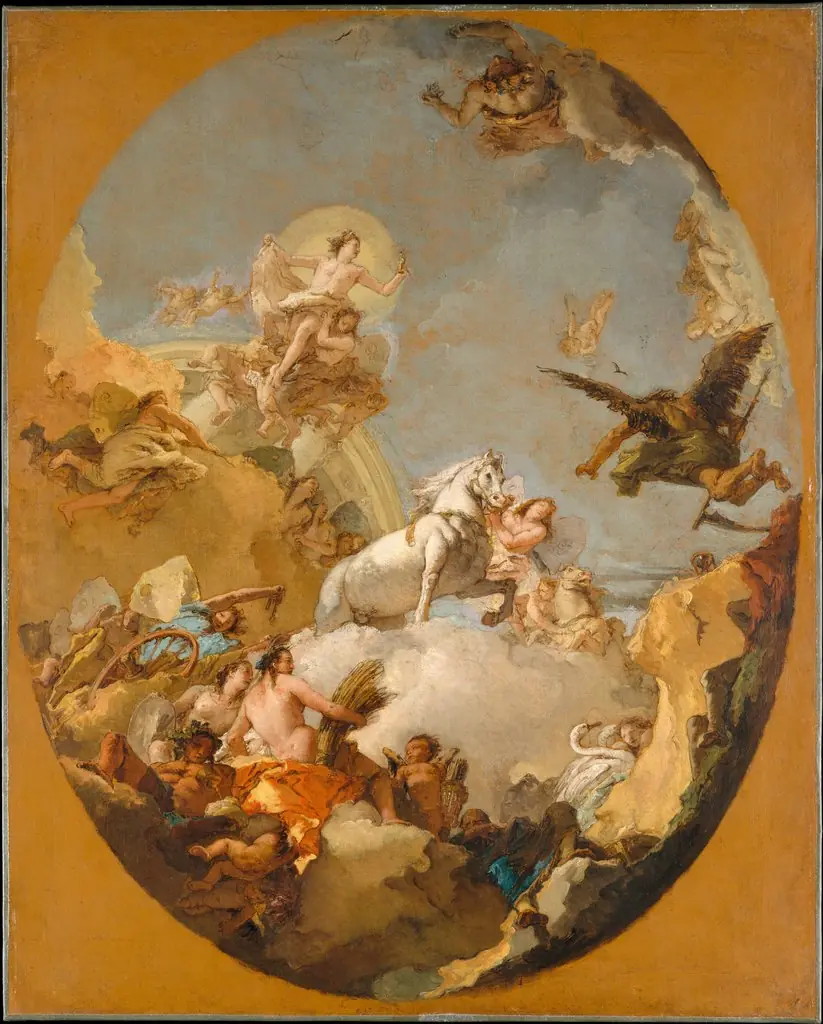 The Chariot of Aurora
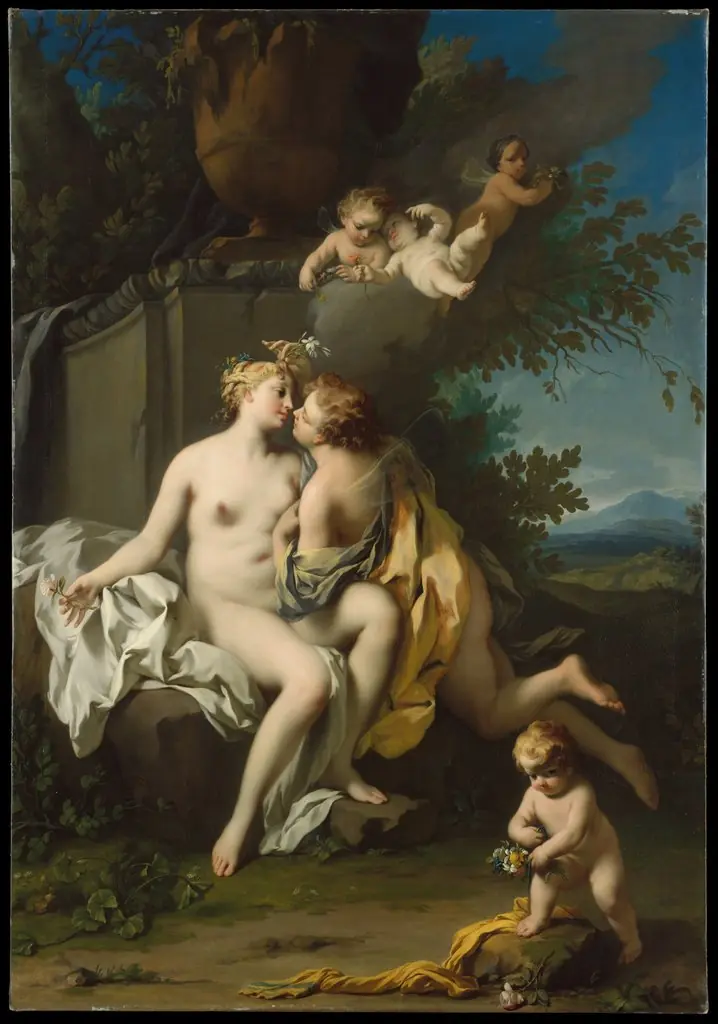 Flora and Zephyr
 Untitled
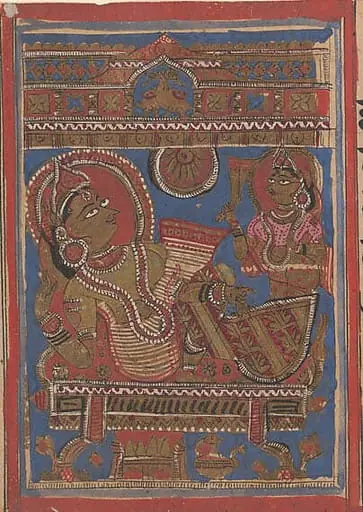 Untitled
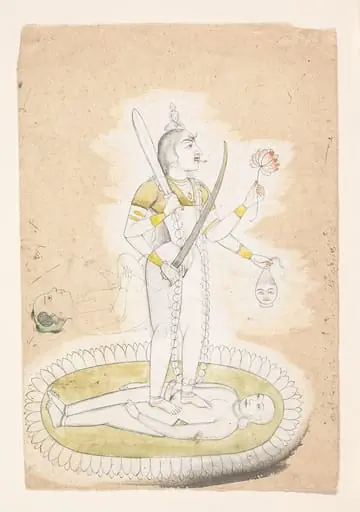 Untitled
 Untitled
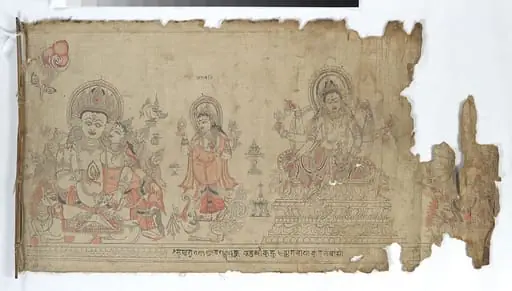 Untitled
 Untitled
 Bellona
 Untitled
 Untitled
 Untitled
 Untitled
 Untitled
 Untitled
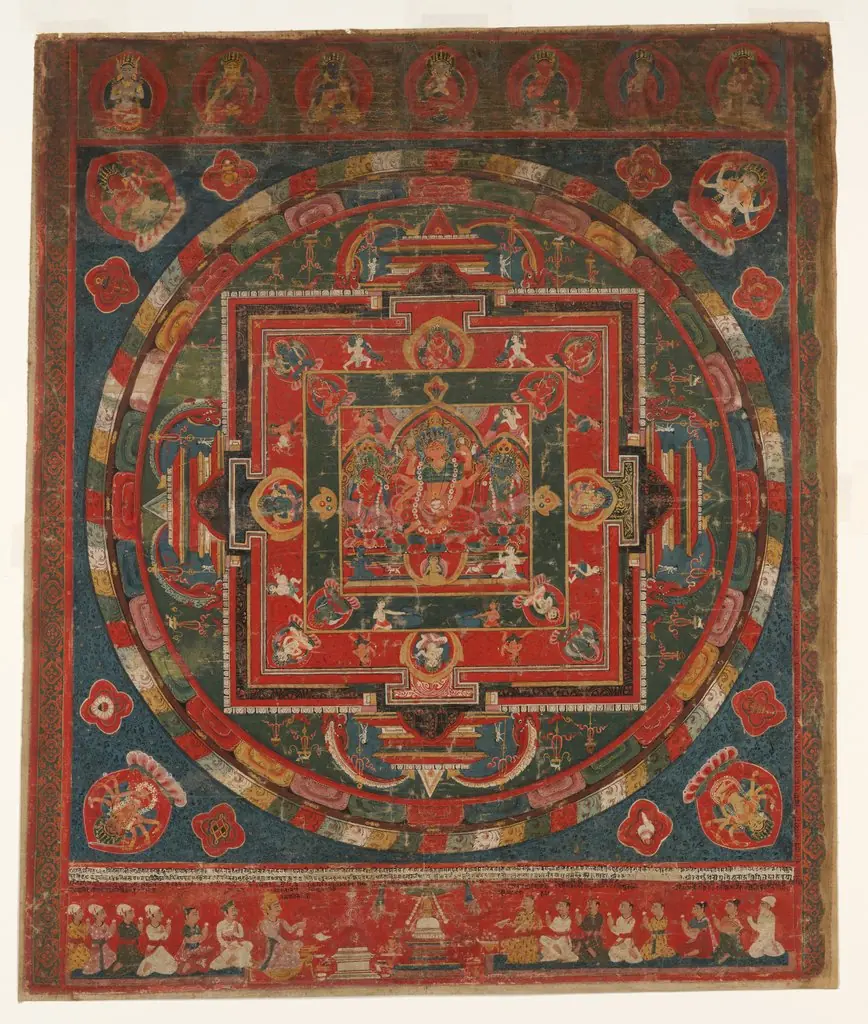 Vasudhara Mandala
 Untitled
 Untitled
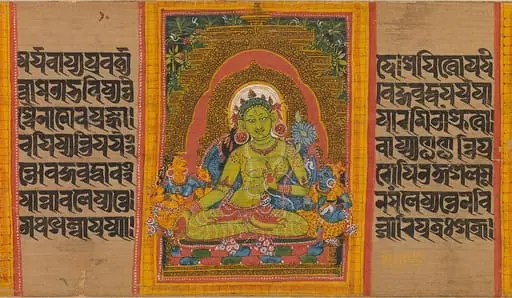 Untitled
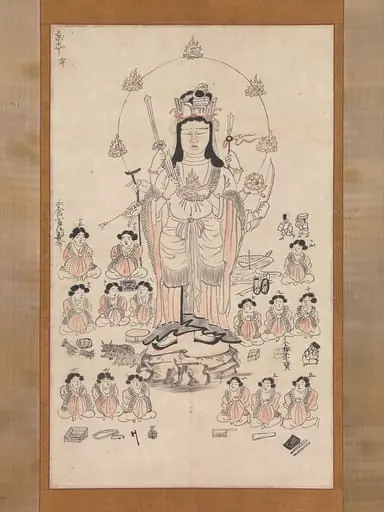 弁財天十五童子像|Benzaiten and Fifteen Attendants
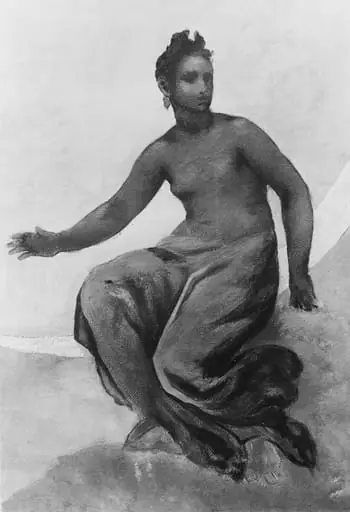 Anahita: A Study for "The Flight of Night"
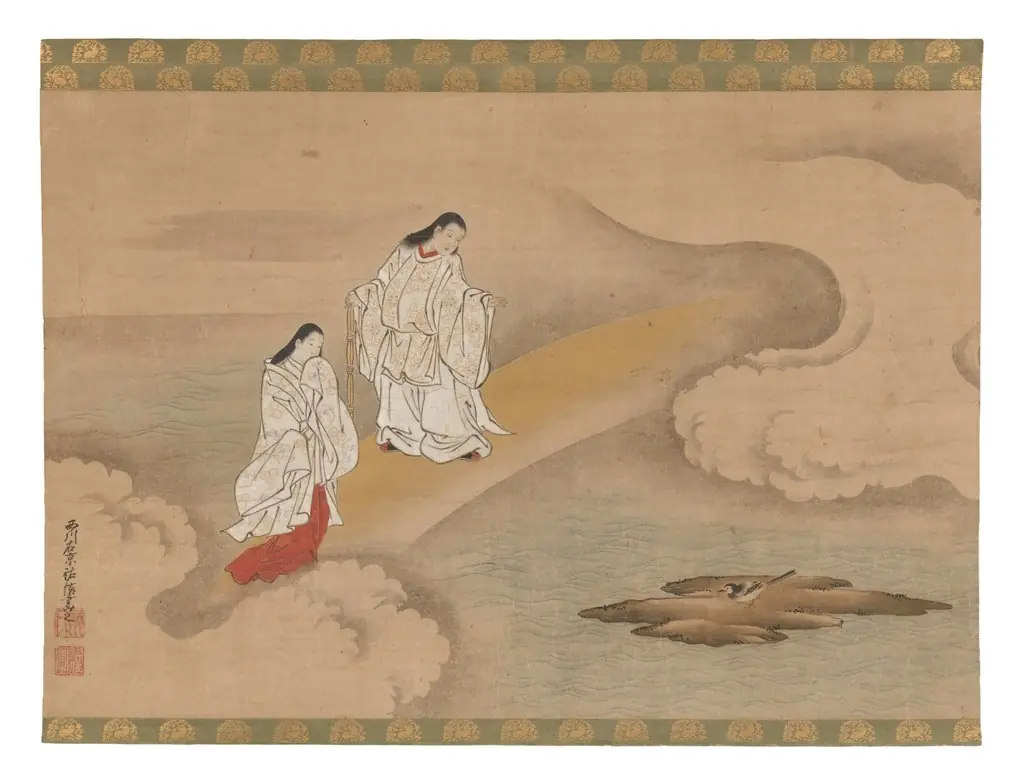 The God Izanagi and Goddess Izanami
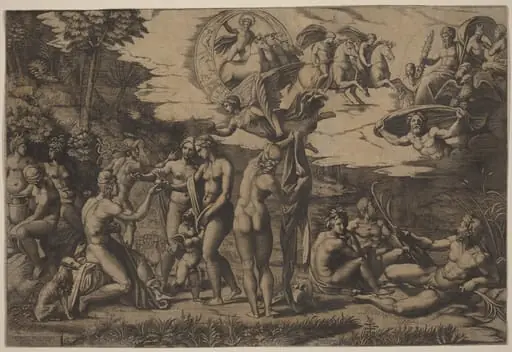 The Judgment of Paris
Goddess is a subject in art. A deity or god is a supernatural being considered to have authority over some aspect of the universe and/or life, with many also being considered as sacred and worthy of worship.
Artifact World Gallery holds 26 public-domain Goddess works, all free to view and download.
Key Goddess artists in the collection include Rembrandt van Rijn, Giovanni Battista Tiepolo and Jacopo Amigoni.
Goddess works in the collection are held by Metropolitan Museum of Art.
Your cart is empty
Browse artworks →