Artwork
Hawes Water
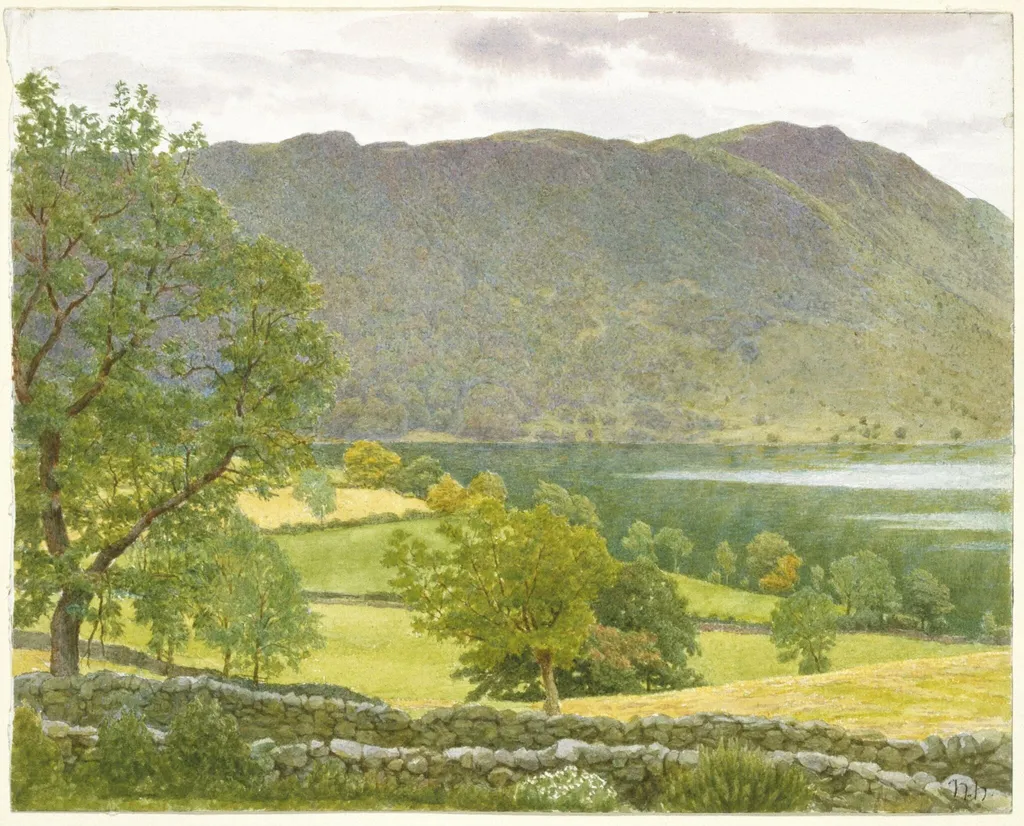
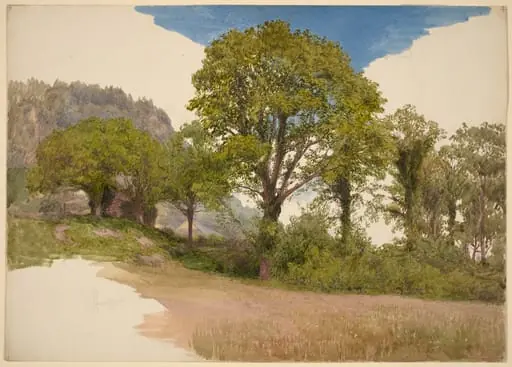
Hawes Water is a watercolor work on paper by the British Romanticist artist Henry George Alexander Holiday. It dates from 1862 and is held in the collection of the Victoria and Albert Museum.
About this work
Overview
Hawes Water, a tranquil lake in eastern Cumbria, England, is rendered in watercolor by Henry George Alexander Holiday (1839–1927). Though Holiday is primarily remembered for decorative commissions, stained‑glass, mosaics and mural work for municipal buildings such as the town halls of Bradford and Rochdale, this painting demonstrates his capacity for detailed natural observation.
Subject & Meaning
The composition captures the lake’s surface shimmering beneath a gentle, diffused light, evoking the crisp atmosphere of the Cumbrian landscape. The quiet scene invites contemplation of the natural environment, reflecting a reverence for the locale that aligns with the 19th‑century emphasis on fidelity to nature.
Technique & Style
Executed in watercolor, the work employs delicate washes and fine brushwork to convey the subtle play of light on water. The luminous quality and precise rendering echo the principles of the Pre‑Raphaelites, a mid‑Victorian group that advocated ‘truth to nature’ and favored bright, honest coloration.
History & Provenance
Created during Holiday’s later career, the piece resides in the collection of the Victoria and Albert Museum in London. Its acquisition underscores the museum’s interest in works that bridge decorative arts and fine‑art landscape traditions of the late 19th century.
Own this work as a print
Artist & collection
Artist
Henry George Alexander Holiday
Holiday painted delicate watercolours of the Lake District, where open-air sketching was a common pastime after the railway arrived in 1846.

- A Misty Morning at Tal-y-Llyn, North Wales
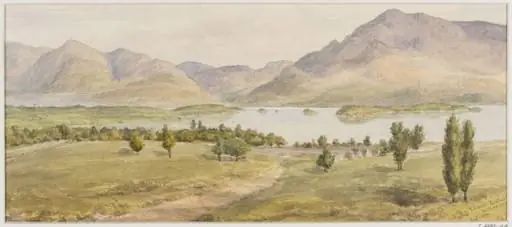 Lower Lake, Killarney
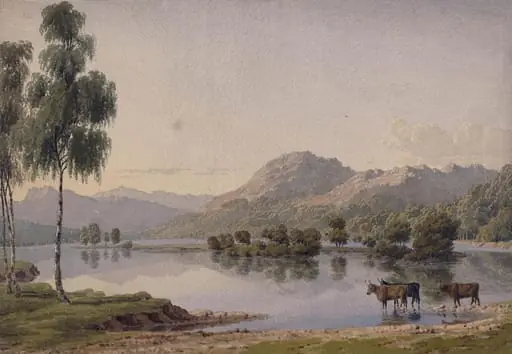 Loch Esteltre(e), Ross-shire
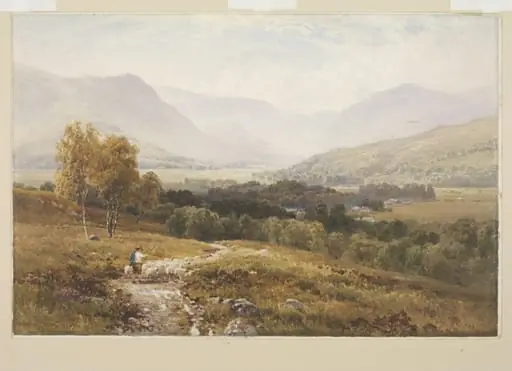 Landscape with distant mountains
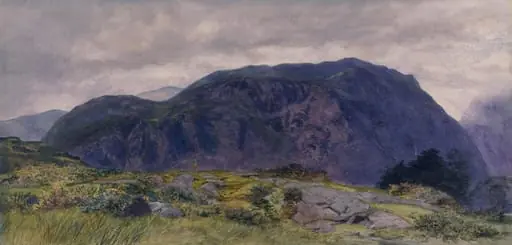 Mountain ridge, near Gowborrow Park, Yorkshire
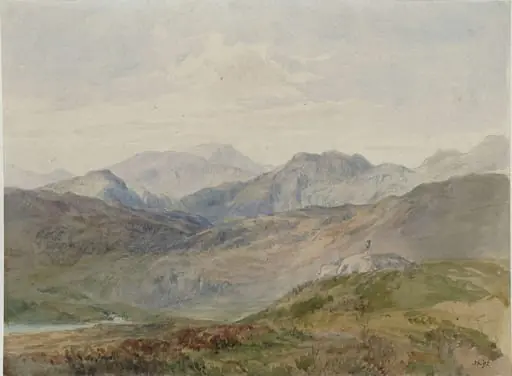 Llanrhychwyn, near Trefriw, North Wales
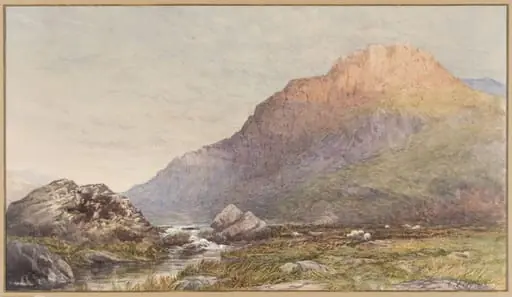 The Trifaen, Llyn Ogwen
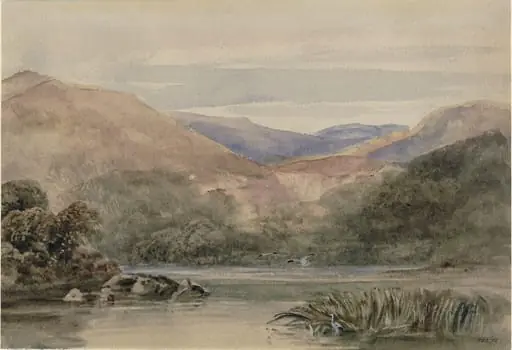 A Mountain Tarn
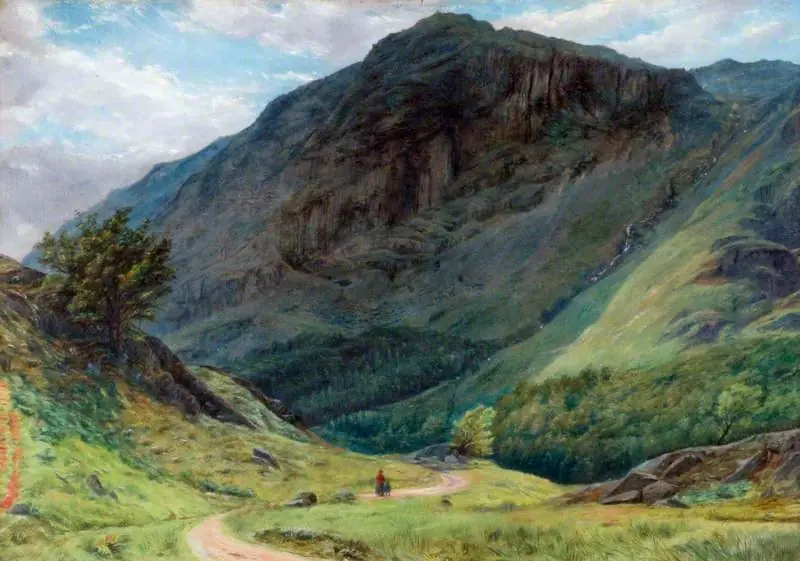 Jack's Crag, Borrowdale, Cumberland
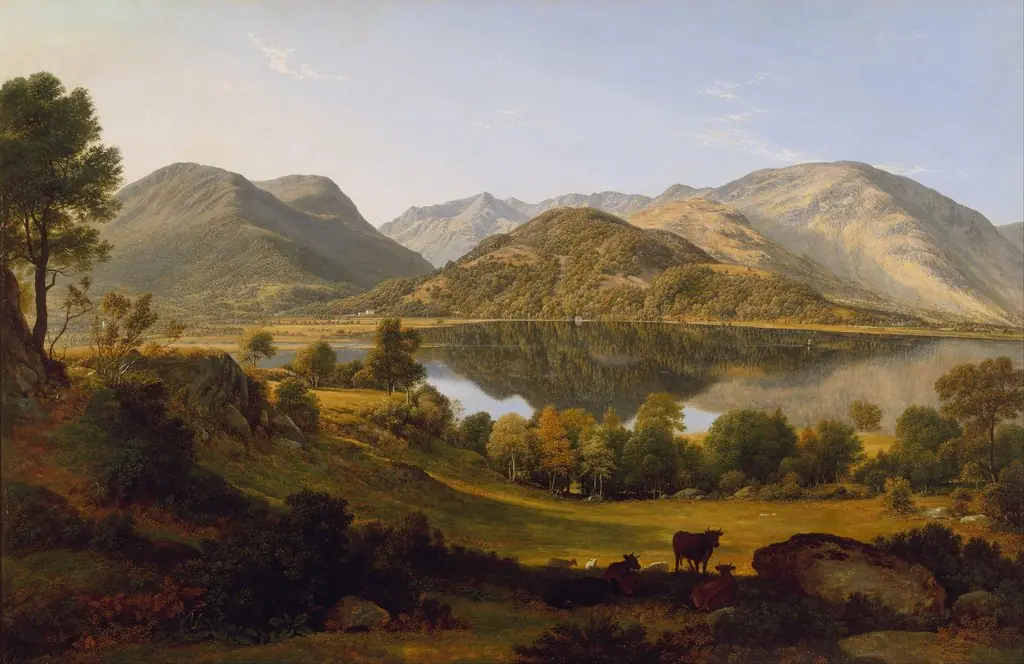 Ullswater, early morning
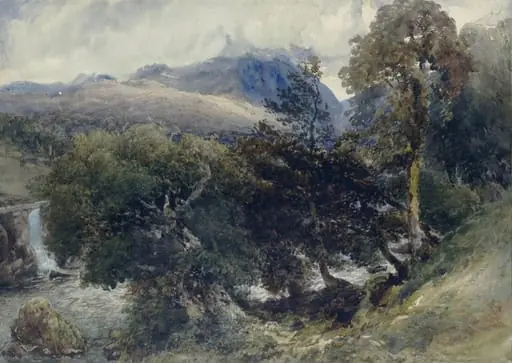 In the Wharfe Valley
 Trees Profiled against the Sky