Artwork
The Legend of San Augustine
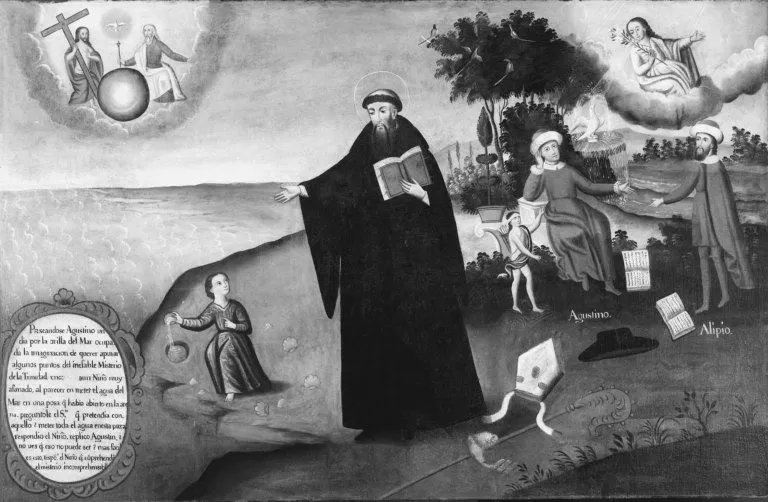
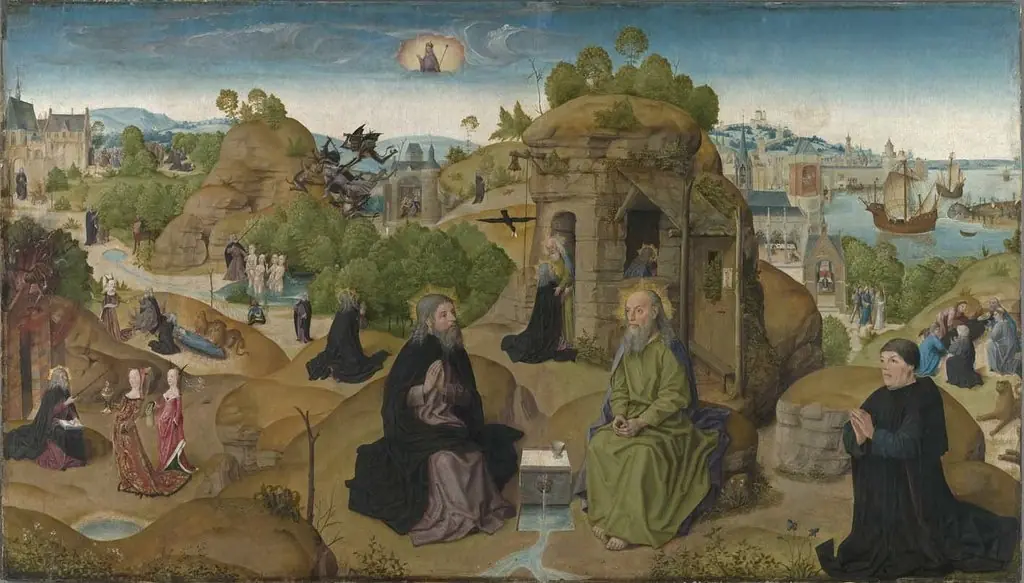
The Legend of San Augustine is an oil painting by the Rococo painting artist Unknown. It dates from 1750 and is held in the collection of the Brooklyn Museum.
About this work
The figure is surrounded by various scenes, including a woman in a boat, a man and woman sitting together, and a figure in the clouds.
This painting, "The Legend of San Augustine," is a vibrant oil on canvas work from 1750. It features a central figure in a long black robe, holding a book and standing on a cliff's edge. The figure is surrounded by various scenes, including a woman in a boat, a man and woman sitting together, and a figure in the clouds. In the foreground, a small dog is depicted, while the background showcases a lush landscape with trees and a body of water. The painting's use of color and composition creates a sense of depth and narrative.
Overview
Painted in 1750, this oil on canvas work depicts a narrative scene centered on San Augustine, a figure traditionally associated with spiritual revelation. The composition is structured around a solitary man in a dark robe standing at a cliff’s edge, holding a book. Surrounding him are multiple smaller episodes, arranged to suggest a sequence of events rather than a single moment, creating a layered storytelling effect within a single frame.
Subject & Meaning
The central figure represents San Augustine, often linked to moments of divine insight. The book he holds symbolizes sacred knowledge, while the surrounding vignettes—such as the woman in a boat and the seated couple—may illustrate episodes from his life or allegorical representations of temptation, solitude, and grace. The figure in the clouds suggests heavenly intervention, reinforcing the theme of spiritual transcendence amid earthly concerns.
Technique & Style
The artist employs rich, saturated pigments to distinguish figures from the lush natural backdrop. Depth is achieved through atmospheric perspective, with cooler tones receding into the distance and warmer hues dominating the foreground. The dog at the lower right adds a touch of domestic realism, contrasting with the otherworldly elements above. Brushwork is precise in figures but looser in landscape, suggesting a blend of academic discipline and regional decorative traditions.
History & Provenance
The painting originates from a colonial religious context, likely commissioned by a church or monastic order in Latin America or the Spanish Philippines. Its date, 1750, places it within a period of heightened ecclesiastical patronage. While its early ownership is undocumented, its style aligns with local workshops influenced by European engravings and devotional imagery brought by missionaries, indicating a fusion of imported iconography and indigenous artistic sensibilities.
Context
In the mid-18th century, religious narratives were commonly depicted in public and private devotional spaces to reinforce Catholic doctrine among diverse populations. This painting reflects the broader trend of visual storytelling in colonial art, where complex theological ideas were rendered through accessible, multi-scene compositions. The inclusion of natural elements like water and cliffs may also echo local geography, grounding sacred stories in familiar landscapes.
Legacy
Though not widely known outside regional collections, the painting exemplifies how colonial artists adapted European religious themes to local visual languages. Its layered composition influenced later devotional works in the region, where narrative complexity became a hallmark of ecclesiastical art. Today, it remains a testament to the syncretic nature of colonial-era painting, bridging European iconography and New World artistic practice.
Artist & collection

 Domestic Scene
 Giacomo and Cardinal Marco, investing Andrea, Abbot of San Zeno, with his Benefice
 The Nymph of Fontainebleau
 Portrait of a Woman
 Madonna and Child with Saints in the Enclosed Garden
 Venus and Minerva
 Family Group of Four on Sofa
 Wall painting from Room H of the Villa of P. Fannius Synistor at Boscoreale
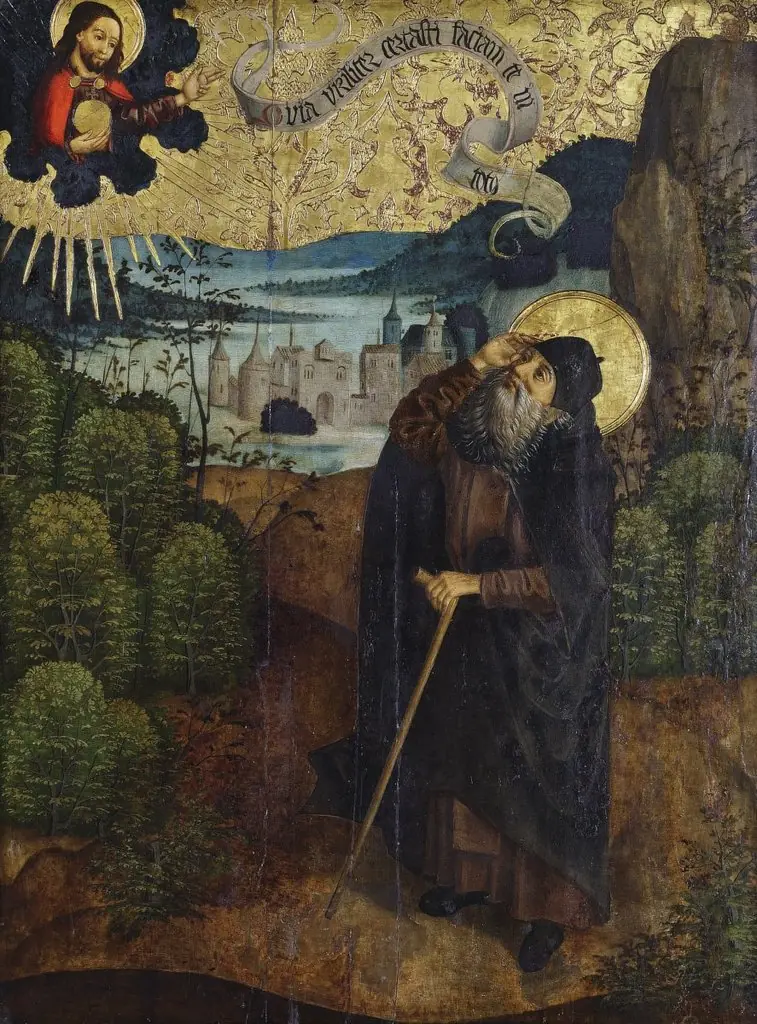 Vision of St. Anthony the Hermit, detail of an altar wing from the Church of Saint Anthony in Szepesbéla (today Spišská Belá, Slovakia)
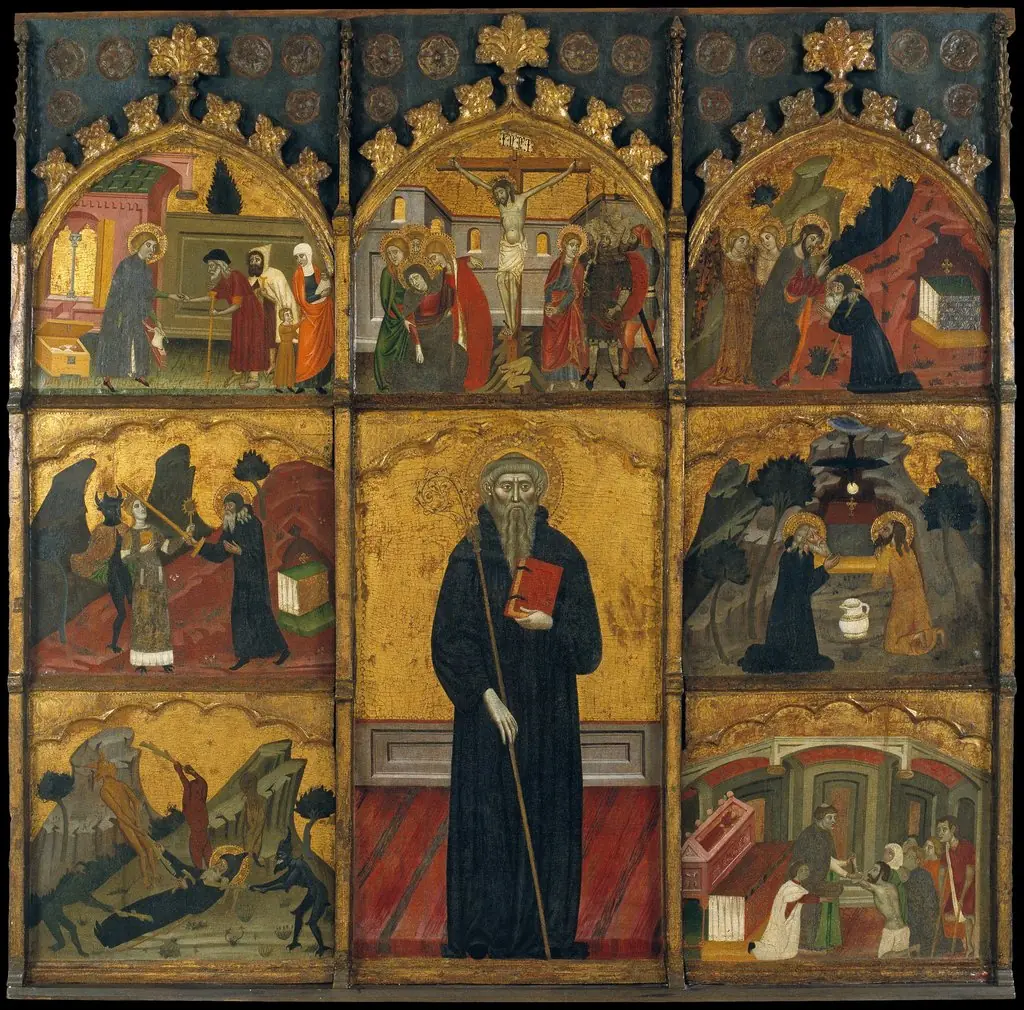 Altarpiece of Saint Anthony the Abbot
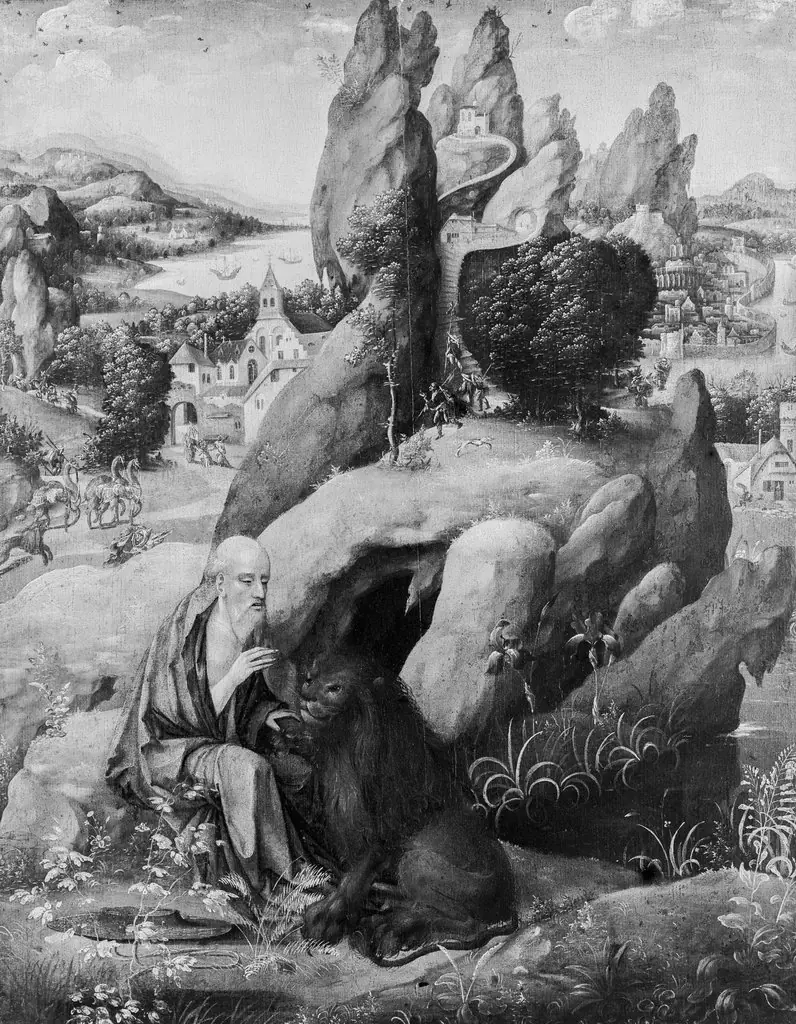 St. Jerome
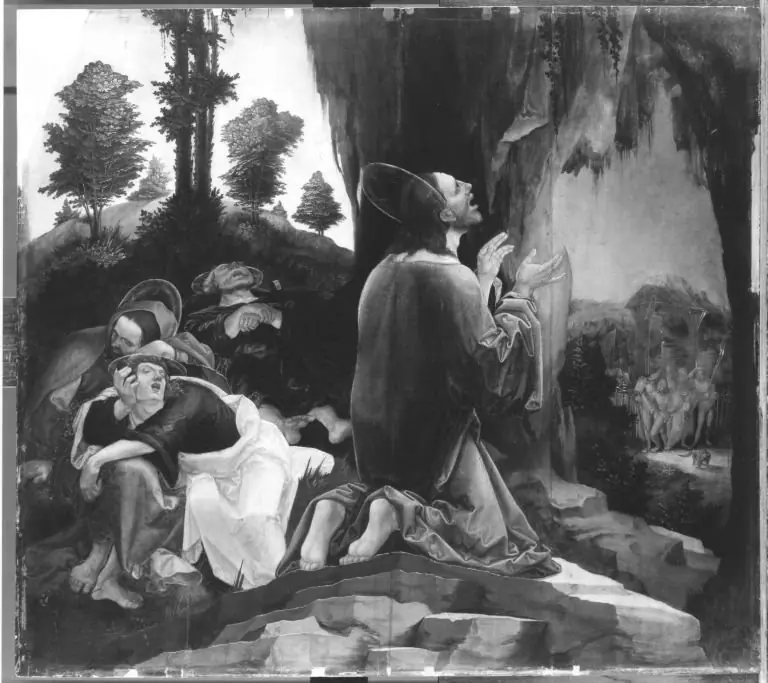 Christus am Ölberg
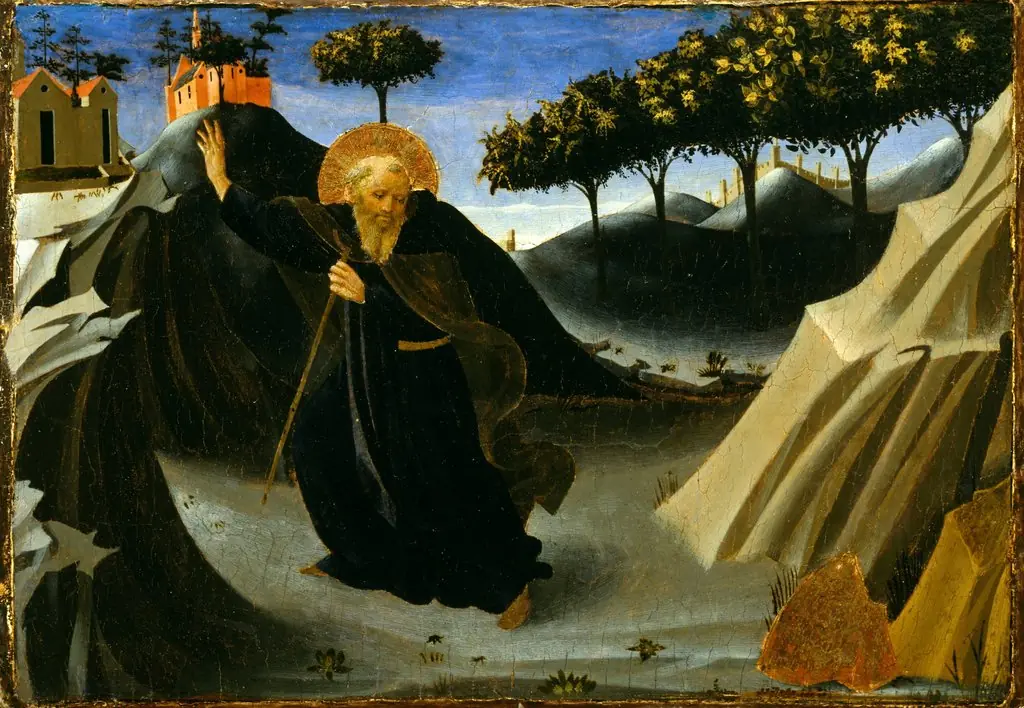 Saint Anthony Abbot Shunning the Mass of Gold
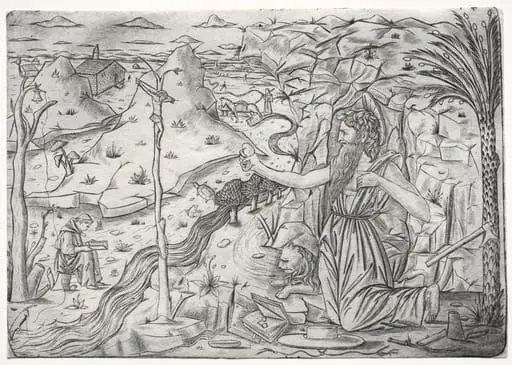 Saint Jerome in Penitence
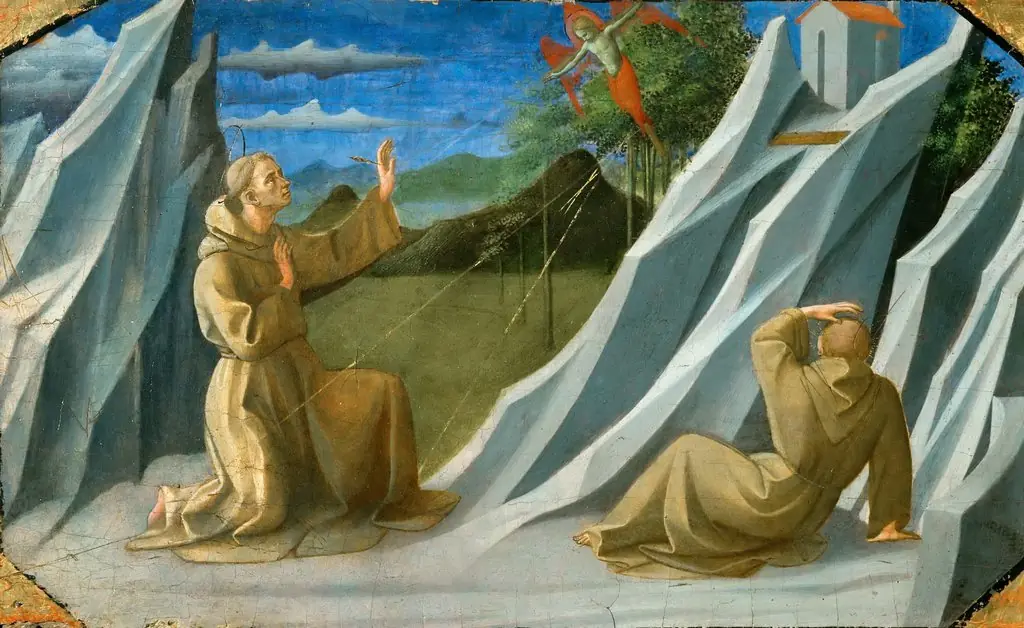 Stigmata of St. Francis
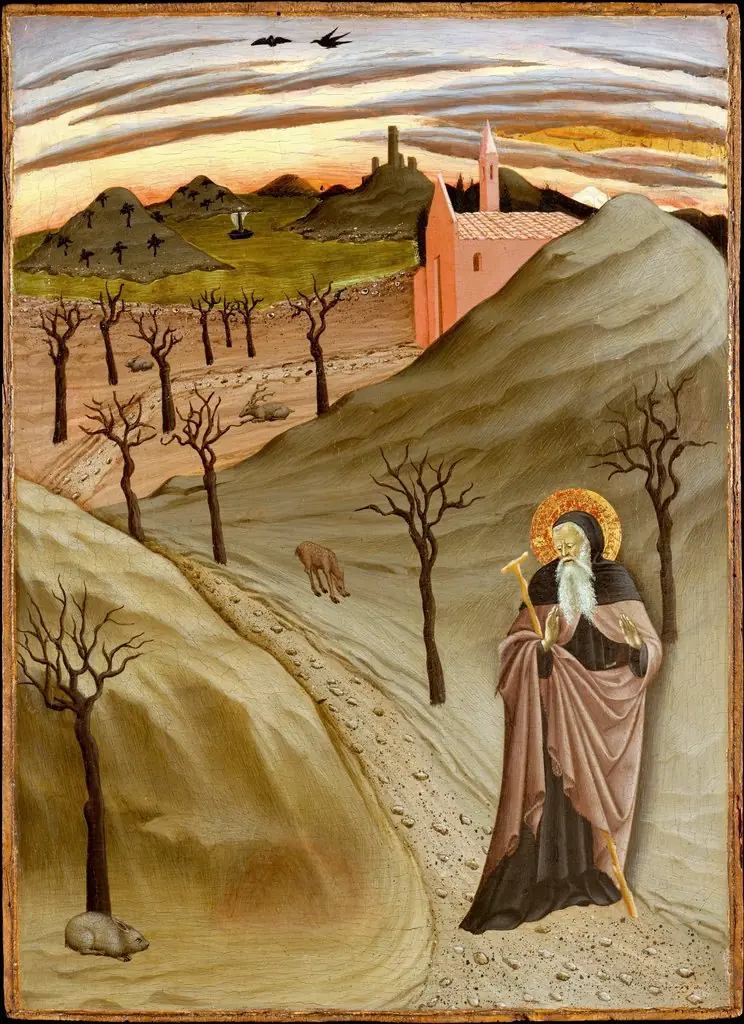 Saint Anthony Abbot Tempted by a Heap of Gold
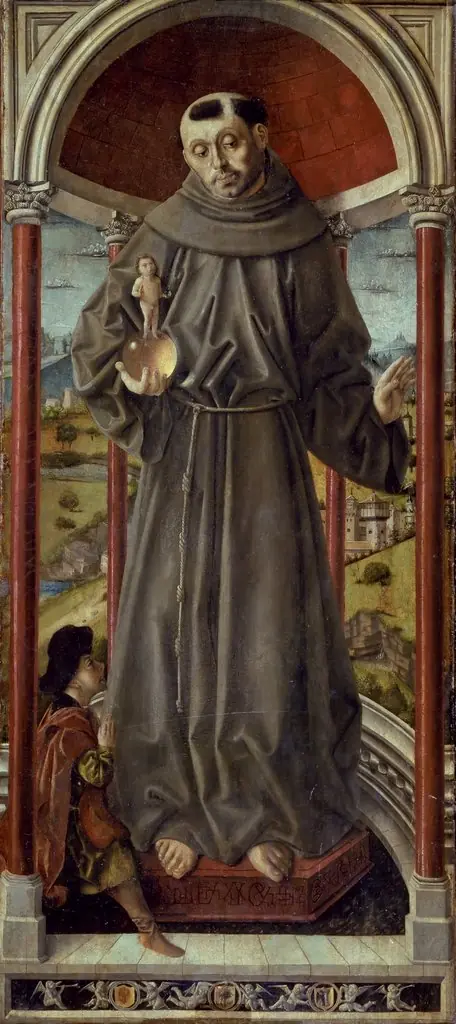 Saint Anthony of Padua
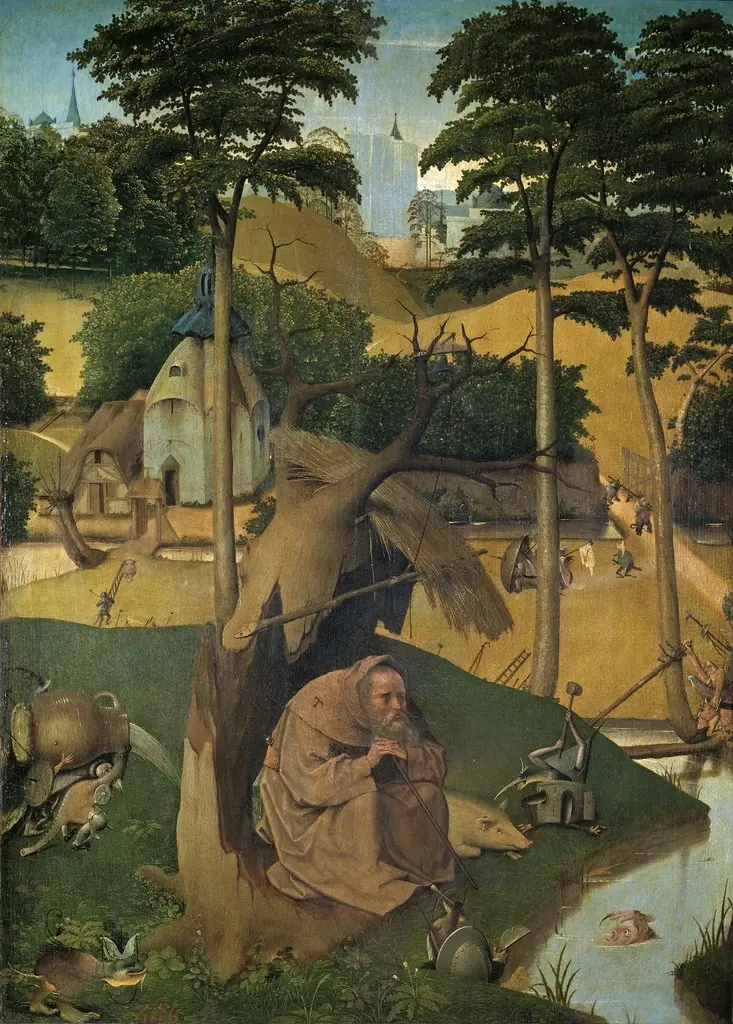 The Temptation of St Anthony
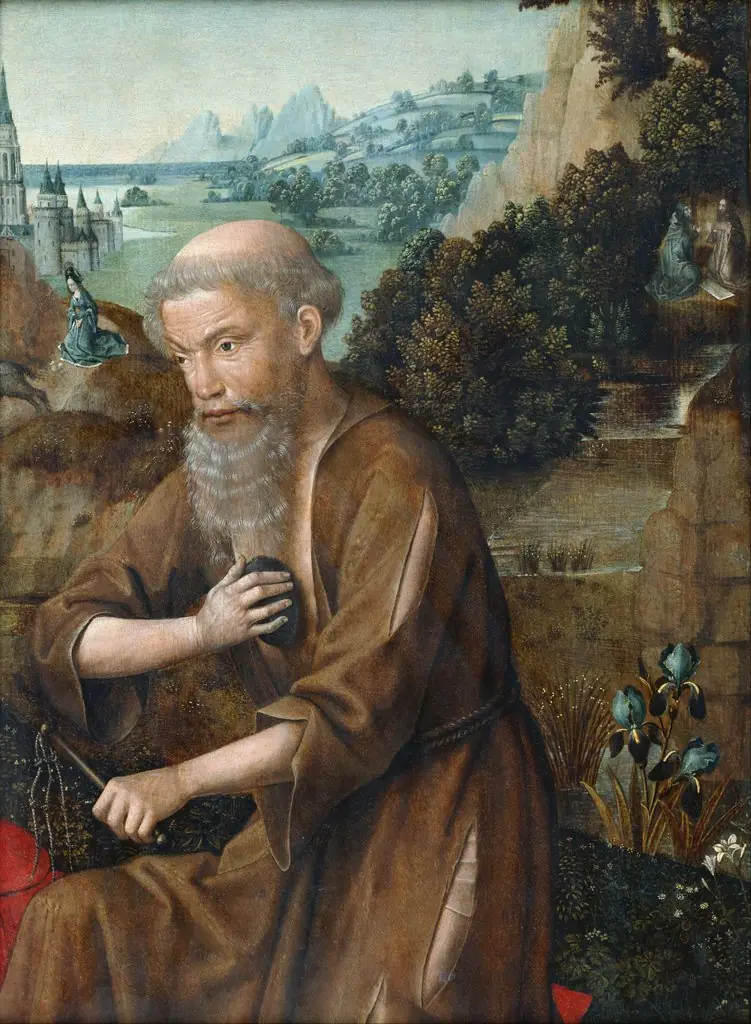 St. Jerome
 Legend of the Holy Ermite Anthony