Artwork
Portrait of Lieutenant Richard Mansergh Saint George (1756/9-1798)
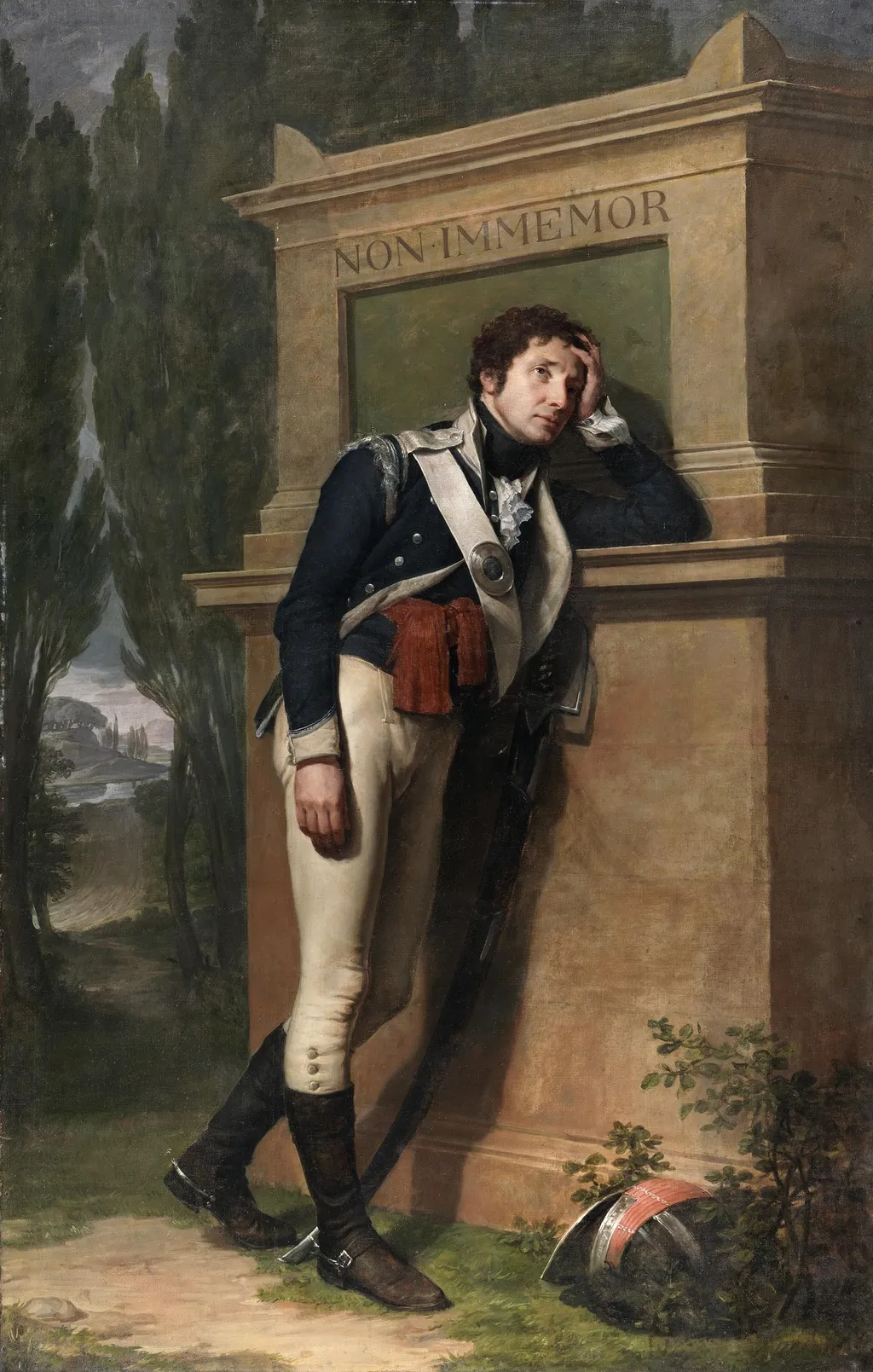
Portrait of Lieutenant Richard Mansergh Saint George (1756/9-1798) is an oil painting by the Neoclassicist artist Hugh Douglas Hamilton. It dates from 1798 and is held in the collection of the National Gallery of Ireland.
About this work
Overview
The Portrait of Lieutenant Richard Mansergh Saint George (1756/9-1798) is an oil on canvas painting by the Irish artist Hugh Douglas Hamilton, dated 1796.
The Portrait of Lieutenant Richard Mansergh Saint George (1756/9-1798) is an oil on canvas painting by the Irish artist Hugh Douglas Hamilton, dated 1796. Measuring 228 by 146.2 cm, this full-length portrait is held by the National Gallery of Ireland in Dublin, where it is catalogued as NGI.4585. The work stands as one of Hamilton's most psychologically complex commissions, merging personal memorial, military identity, and landscape conventions into a single ambitious composition. It was purchased by the gallery in 1992, partly through the Lane Fund, after having remained in the sitter's family for nearly two centuries.
Subject & Meaning
The painting depicts Lieutenant Richard Mansergh Saint George, a career soldier from Headford Castle, County Galway, who had suffered a severe head wound during the American War of Independence that permanently affected his behaviour and obliged him to wear a silk cap at all times. Hamilton portrays him leaning against a stone monument inscribed "NON IMMEMOR" (not forgotten), his left elbow resting on the tomb and his hand touching his forehead in a gesture of grief. The monument commemorates his wife Anne, who died in 1792, and the portrait was commissioned explicitly to memorialise her and express his sorrow. Iconographic details reinforce this meaning: cypress trees, traditional emblems of mourning, rise to the left, while his discarded helmet with red and silver trim lies on the grass, signifying the abandonment of military concerns for private grief. The red sash, white cross-belt with circular plate, and silver epaulettes on his dark blue coat nevertheless assert his military rank, creating tension between public identity and private loss.
Technique & Style
Hamilton executed the portrait in oil on canvas with a smooth, highly finished technique on the face and uniform that contrasts with looser, more expressive brushwork in the foliage and background. The figure is illuminated by soft natural light from the left, casting shadows across the monument and lower body to suggest late afternoon. The palette is restrained, consisting of muted earth tones, deep greens, and the dark blue of the uniform. The composition draws upon Hamilton's experience of Italian art, particularly in the exacting description of the tomb and the landscape setting, which recalls classical and Renaissance funerary traditions. The artist idealised his subject, giving him a full head of hair and a more physically robust appearance than contemporary accounts suggest was accurate, thereby transforming a damaged man into a dignified mourner.
History & Provenance
The portrait was commissioned by Mansergh Saint George himself in 1795-96. The sitter was convinced he would not live to see the work completed, and instructed that it should be placed in a room to which his sons would have access only when old enough. He was killed two years later, in January 1798, while investigating rebel activity on his land in Cork. The painting descended through his family to Frances Jane Edith Mansergh St George, later Mrs Edmund John Winn; then to Sophie Edith Winn, later Mrs Goring Apsley Treherne; and remained in the Treherne family until it was offered at Sotheby's on 18 November 1992 in the British Paintings 1500-1850 sale as lot 52, where it was bought in. It was subsequently purchased from a private collection in 1992 and entered the National Gallery of Ireland. The work was exhibited at the Society of Artists of Ireland annual exhibition in Dublin in 1801, at Tate Britain in London for "Art and National Identity" from July 2004 to July 2005, and at the Galeries nationales du Grand Palais for "Citizens and Kings" from October 2006 to January 2007.
Context
Hugh Douglas Hamilton (1740-1808) was the leading Irish portrait painter of his generation, and this work represents the intersection of several important strands in his career: his Irish patronage, his exposure to Italian art during his continental sojourn, and his ability to infuse portraiture with narrative and emotional depth. The painting belongs to a period of intense political and social upheaval in Ireland, though its focus on private grief rather than public allegiance distinguishes it from more overtly political contemporary portraiture. The work has attracted scholarly attention for its unusual combination of full-length portraiture with memorial and landscape elements, and for what it reveals about attitudes to mourning, masculinity, and military identity in late eighteenth-century Ireland. The National Gallery of Ireland's acquisition in 1992 brought this long-private work into public ownership and scholarly discourse.
Legacy
The portrait has become a significant work within Hamilton's oeuvre and in the collection of the National Gallery of Ireland, representing both the artist's mature style and a distinctive example of Irish memorial portraiture. Its exhibition history since 1992, including major shows at Tate Britain and the Grand Palais, has secured its place in discussions of Irish art and national identity. The painting's power derives partly from the uncanny prescience of the sitter's own death so soon after its completion, transforming what was intended as a memorial to his wife into a double monument. It remains a compelling document of how eighteenth-century portraiture could negotiate between idealisation and truth, public duty and private feeling, life and death.
Own this work as a print
Artist & collection
Artist
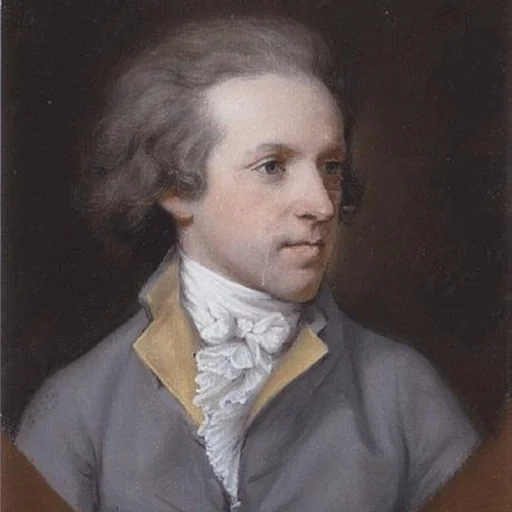
Hugh Douglas Hamilton RHA (c. 1739 – 10 February 1808) was an Irish painter who specialised in portrait painting. He spent considerable periods in London and Rome before returning to Dublin in the early 1790s. Until the…

 Cupid and Psyche in the Nuptial Bower
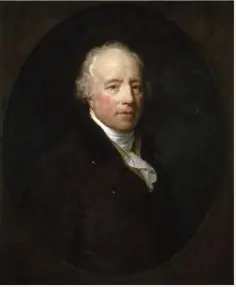 Portrait of Richard Lovell Edgeworth (1744-1817)
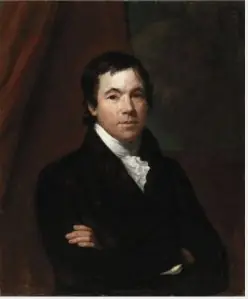 Portrait of John Philpot Curran (1750-1817)
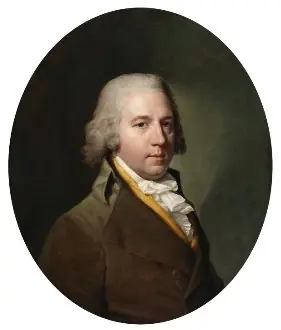 Portrait of a Gentleman
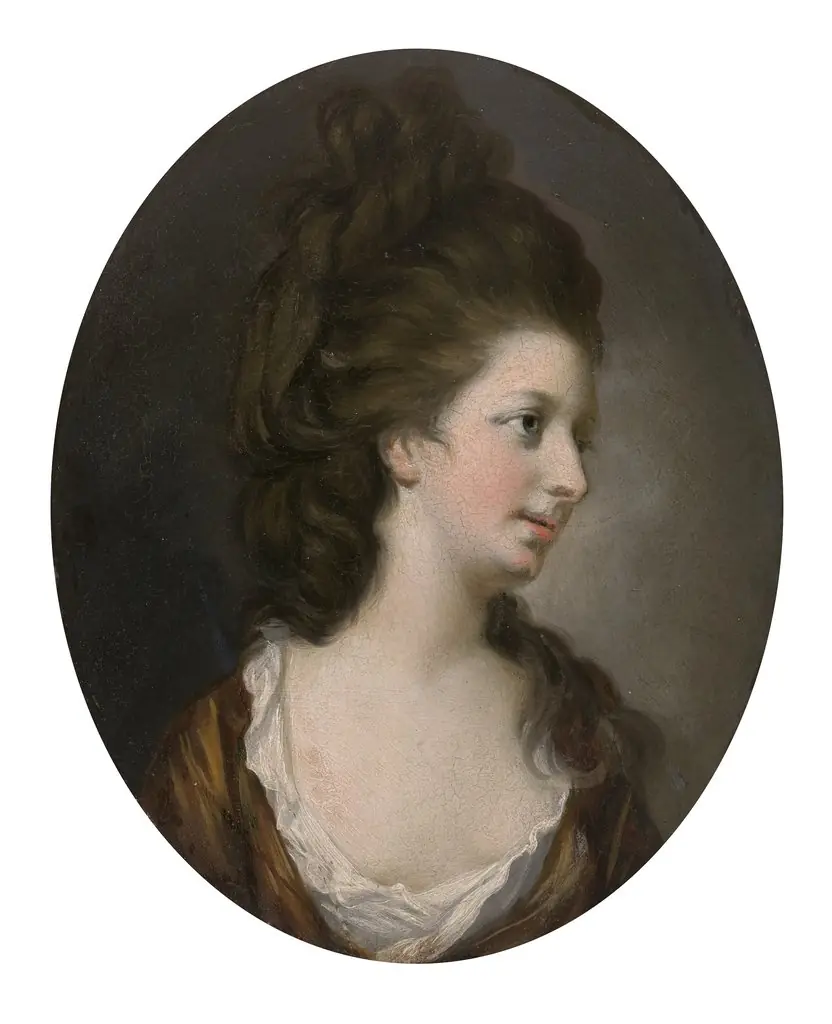 Portrait of The Hon. Mrs John Beresford (née Montgomery) (?1757-1788)
 Portrait of William Cusack-Smith, later 2nd Bt (1766-1836)
 Portrait of Lord Edward FitzGerald (1763-1798)
 Portrait of the Rt Hon. David La Touche of Marlay (1729-1817)
- A Footman Sleeping
 Napoléon harangue les troupes bavaroises et wurtembourgeoises à Abensberg, 20 avril 1809
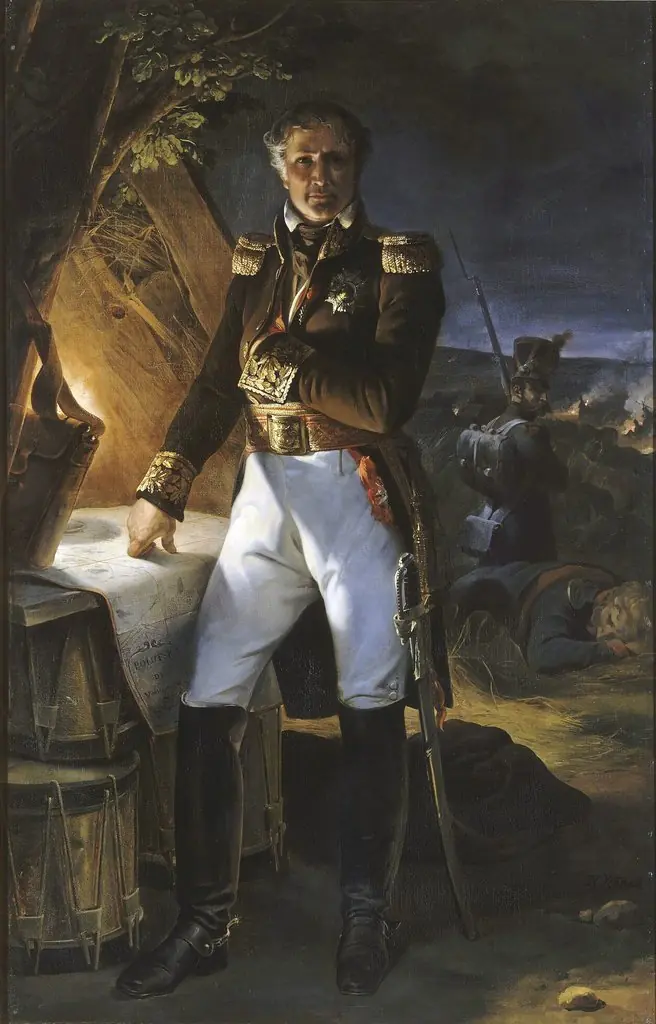 Laurent, Marquis of Gouvion Saint-Cyr
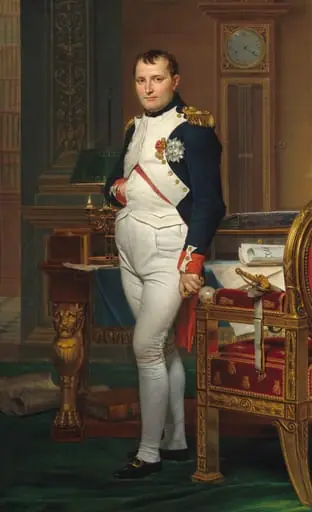 The Emperor Napoleon in His Study at the Tuileries
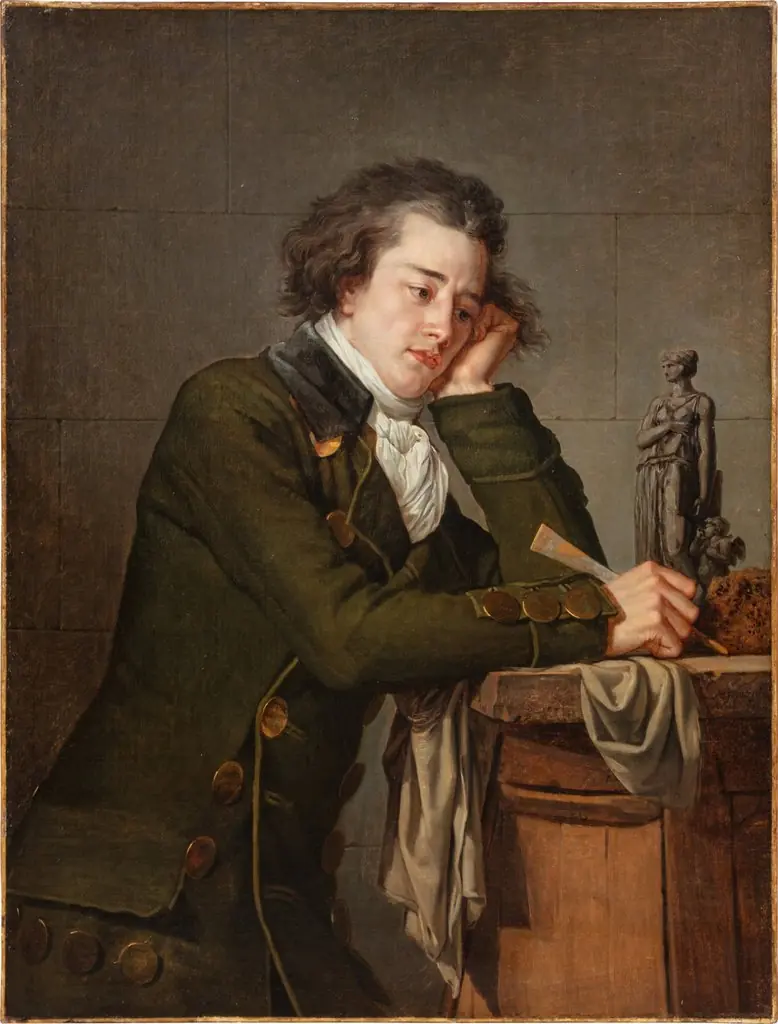 Portrait of Antoine-Denis Chaudet
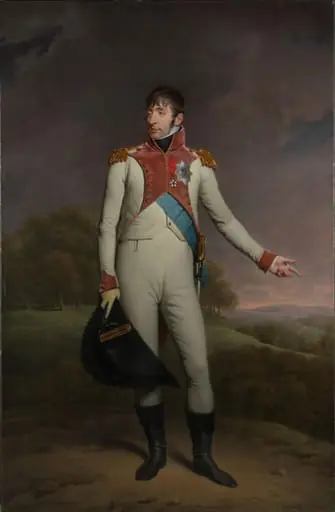 Portrait of Louis Napoleon, King of Holland
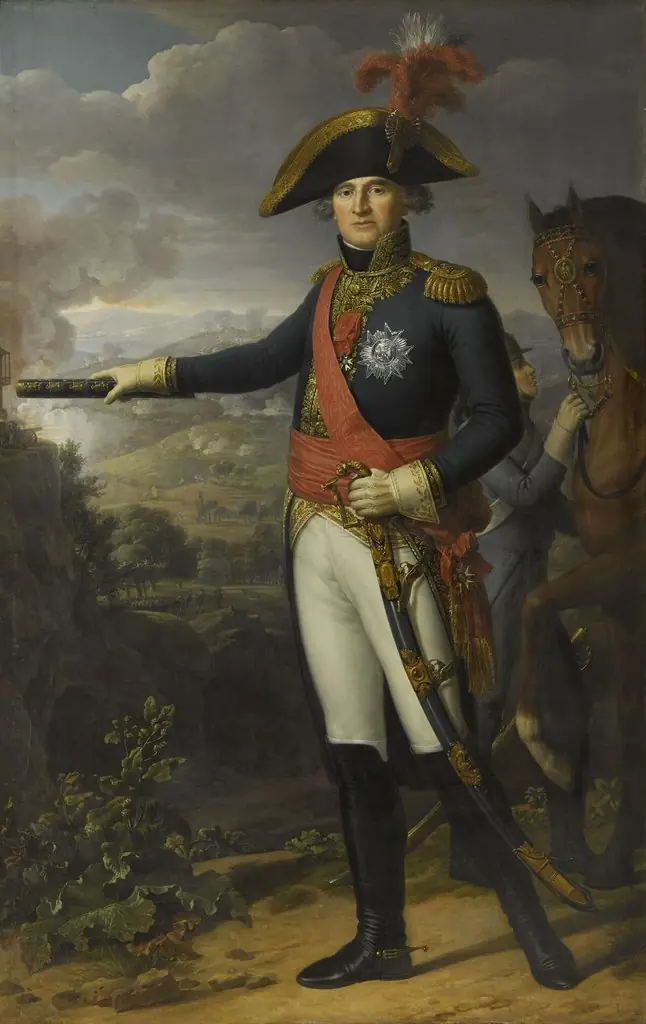 Jean Mathieu Philibert Serurier (1742-1819)
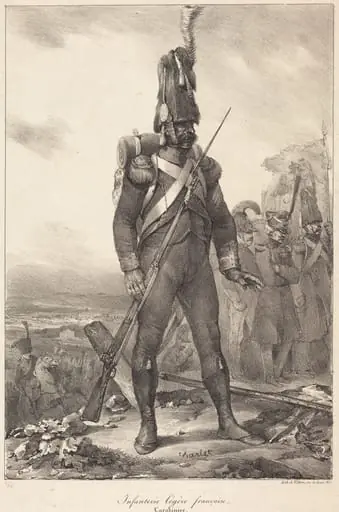 Infanterie legère française, Carabinier
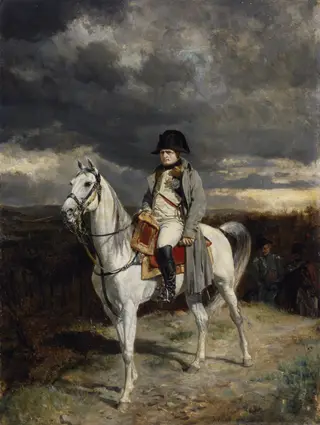 1814
1814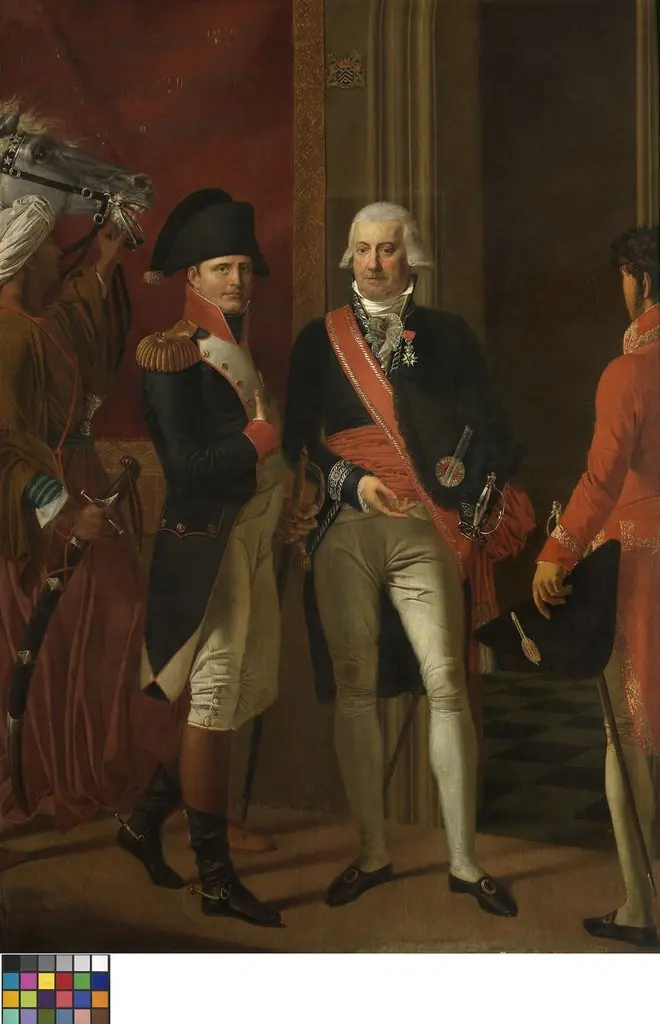 Burgemeester De Croeser ontvangt Napoleon Bonaparte op het Brugse stadhuis in 1803
 Napoleon bids farewell to his Guard at Fontainebleau on 20 April 1814
 The Wounded Cuirassier, study