Artwork
Laurent, Marquis of Gouvion Saint-Cyr
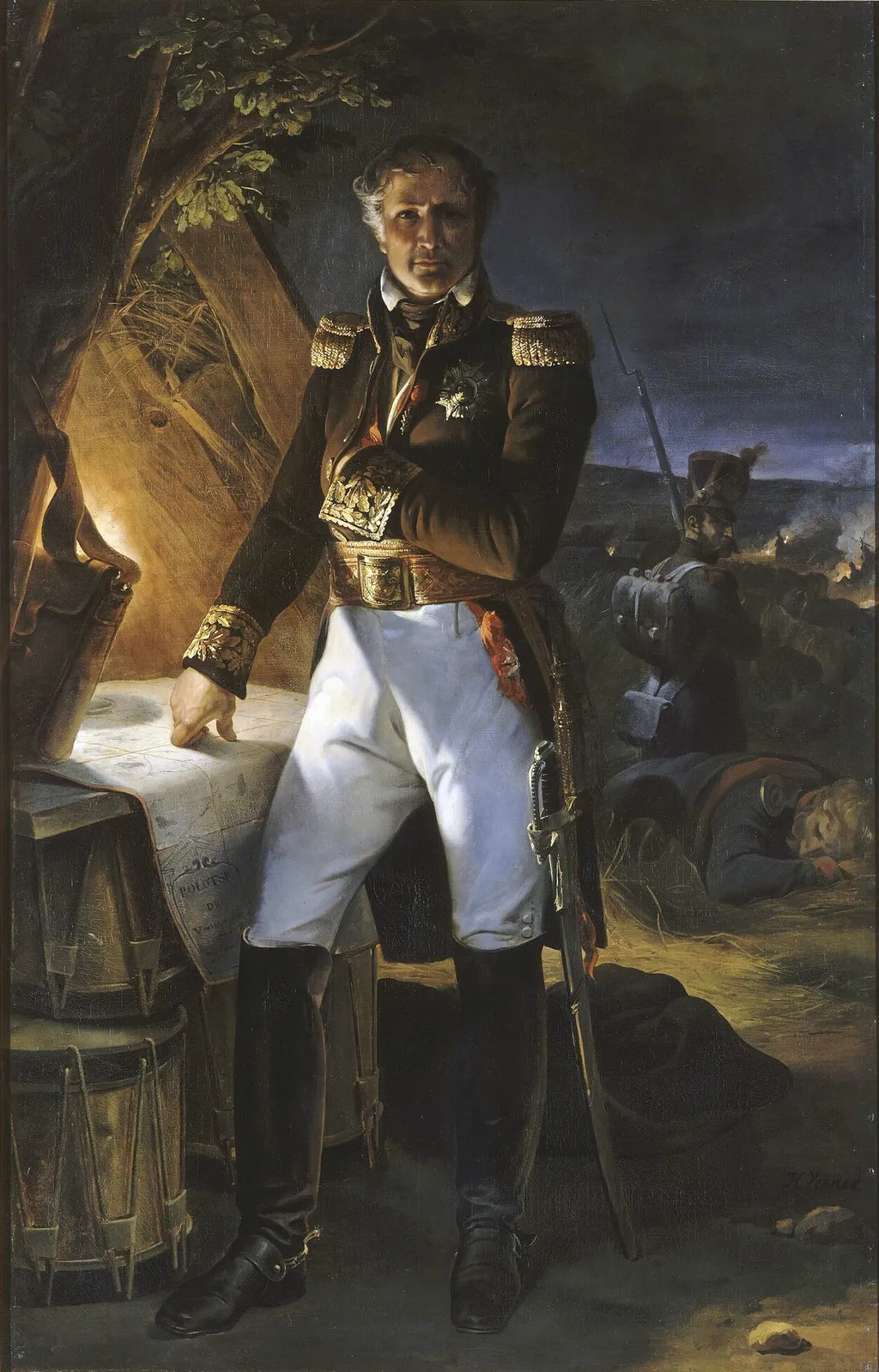
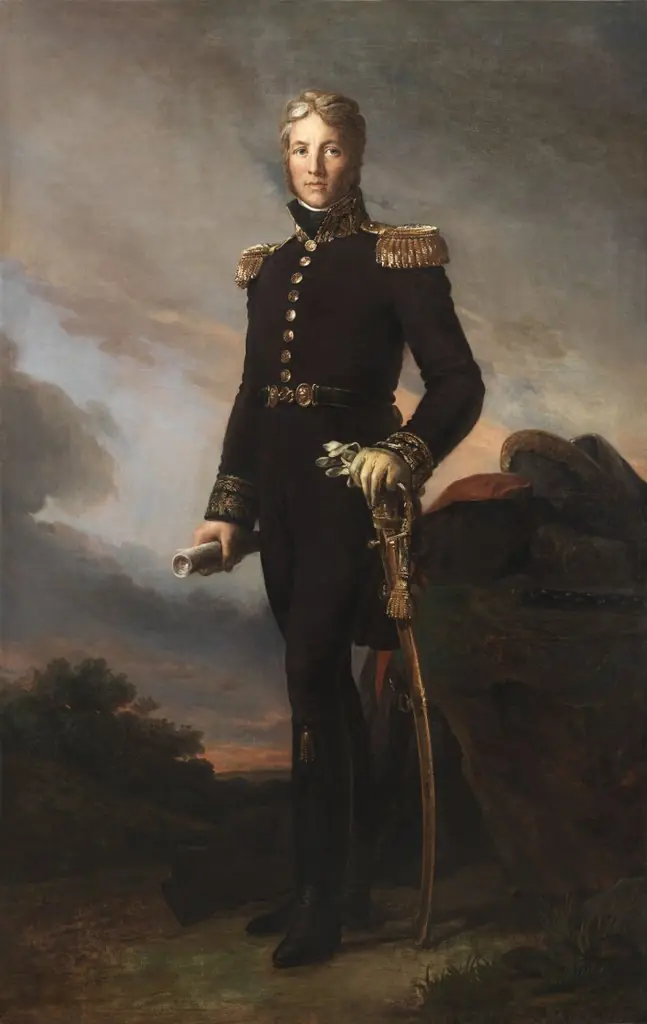
Laurent, Marquis of Gouvion Saint-Cyr is an oil painting by the French Romanticist artist Horace Vernet. It dates from 1821 and is held in the collection of the Palace of Versailles.
About this work
Horace Vernet painted Laurent, Marquis of Gouvion Saint-Cyr, who served as a marshal under Napoleon.
This is a formal portrait made with oil paint in 1821. Horace Vernet painted Laurent, Marquis of Gouvion Saint-Cyr, who served as a marshal under Napoleon. After that, Saint-Cyr became France’s Minister of War during the early 1800s.
The painting shows a military leader in a time of change, switching from empire to monarchy. It’s a quiet record of someone who shaped France’s army later in life.
Look up the artist Horace Vernet next.
Overview
Painted in 1821 by Horace Vernet, this oil portrait captures Laurent de Gouvion Saint-Cyr, a former Marshal of the Empire who later served as France’s Minister of War under the Bourbon Restoration. Unlike traditional state portraits, the work avoids ceremonial grandeur, instead presenting Saint-Cyr in a moment of quiet preparation within a military encampment, emphasizing his role as a pragmatic leader during a turbulent political transition.
Subject & Meaning
Saint-Cyr is depicted not in uniformed pomp, but in civilian attire, illuminated by lamplight as he studies maps and plans. This choice reflects his transition from imperial commander to administrator under the restored monarchy. The scene suggests contemplation over combat, underscoring his influence on military reform rather than battlefield glory. The painting frames him as a figure of institutional continuity amid France’s shifting regimes.
Technique & Style
Vernet employs a restrained palette and focused chiaroscuro to draw attention to Saint-Cyr’s face and hands, the centers of action and thought. The background dissolves into shadowy tents and equipment, avoiding distraction. Brushwork is precise yet unobtrusive, favoring clarity over drama. The composition avoids theatricality, aligning with the sitter’s reputation for methodical leadership rather than flamboyant heroism.
History & Provenance
Completed in 1821, the portrait was exhibited at the Paris Salon in 1824, where Vernet’s reputation as a painter of military subjects was solidified. It entered the collection of the Palace of Versailles in the 19th century, likely as part of efforts to document key figures of the Napoleonic and Restoration eras. Its preservation there reflects its role as a historical record rather than a celebratory monument.
Context
Painted during the Bourbon Restoration, the portrait emerges in a period when France was reconciling its revolutionary and imperial past with monarchical rule. Saint-Cyr, who had served Napoleon and then the king, embodied this duality. Vernet’s depiction avoids political allegiance, instead highlighting the enduring role of military leadership in state stability, a theme resonant in post-Napoleonic Europe.
Legacy
The portrait remains a quiet testament to the transition of military authority from imperial command to bureaucratic governance. It stands apart from the heroic tropes of Napoleonic imagery, offering a more subdued vision of leadership. As one of Vernet’s early significant works, it helped define a new genre of military portraiture focused on responsibility over spectacle.
Own this work as a print
Artist & collection
Artist
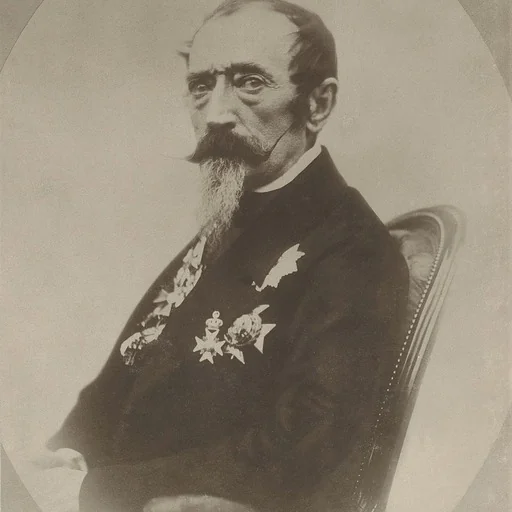
Émile Jean-Horace Vernet (French pronunciation:; 30 June 1789 – 17 January 1863), better known as Horace Vernet, was a French painter of battles, portraits, and Orientalist subjects.

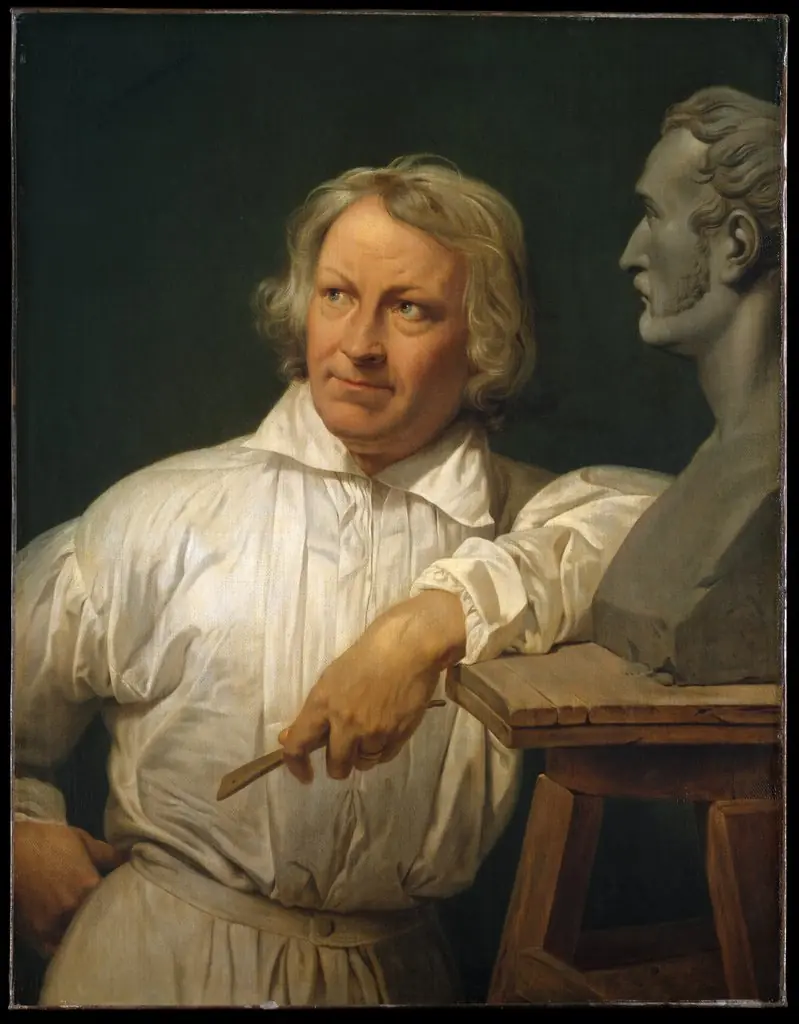 Bertel Thorvaldsen (1768–1844) with the Bust of Horace Vernet
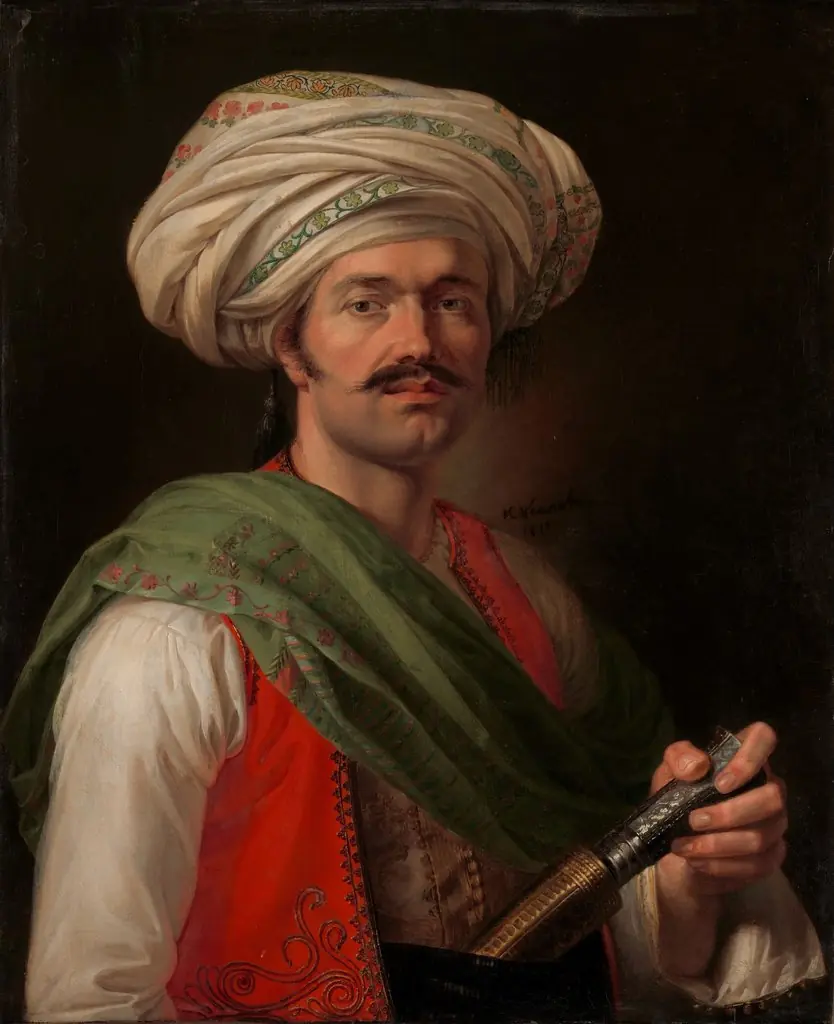 Portrait of a Mameluke, said to be Roustam Raza
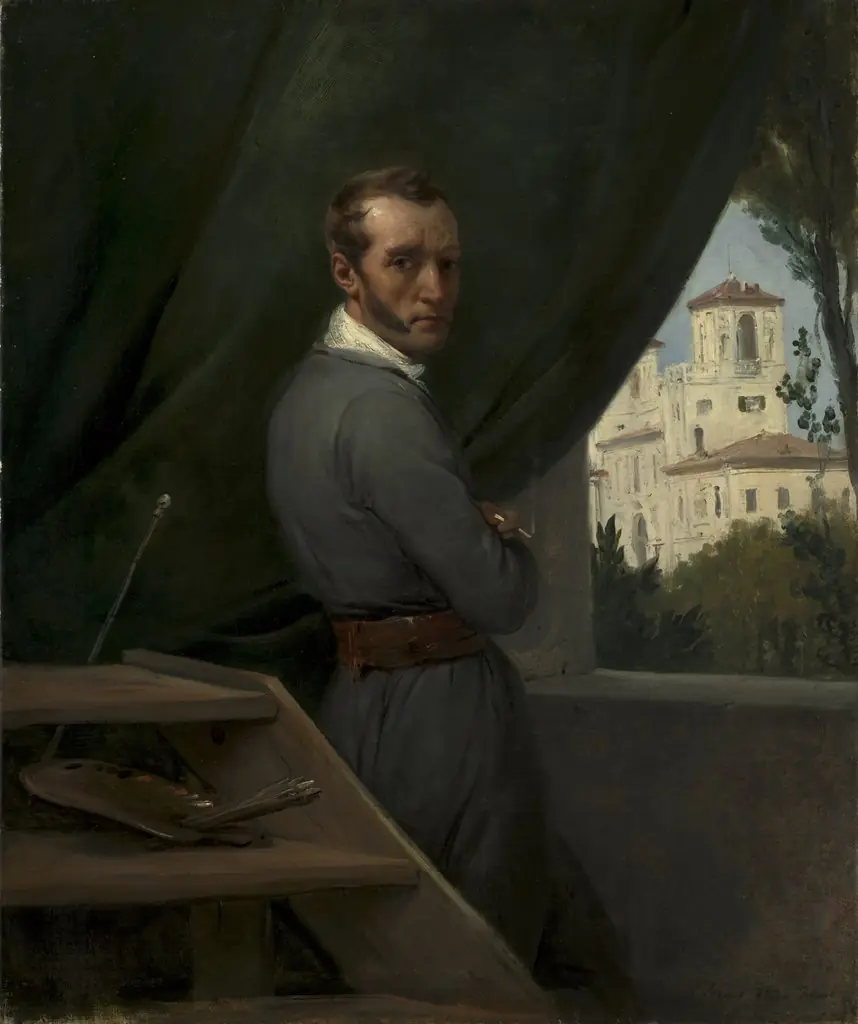 Self-Portrait in Rome
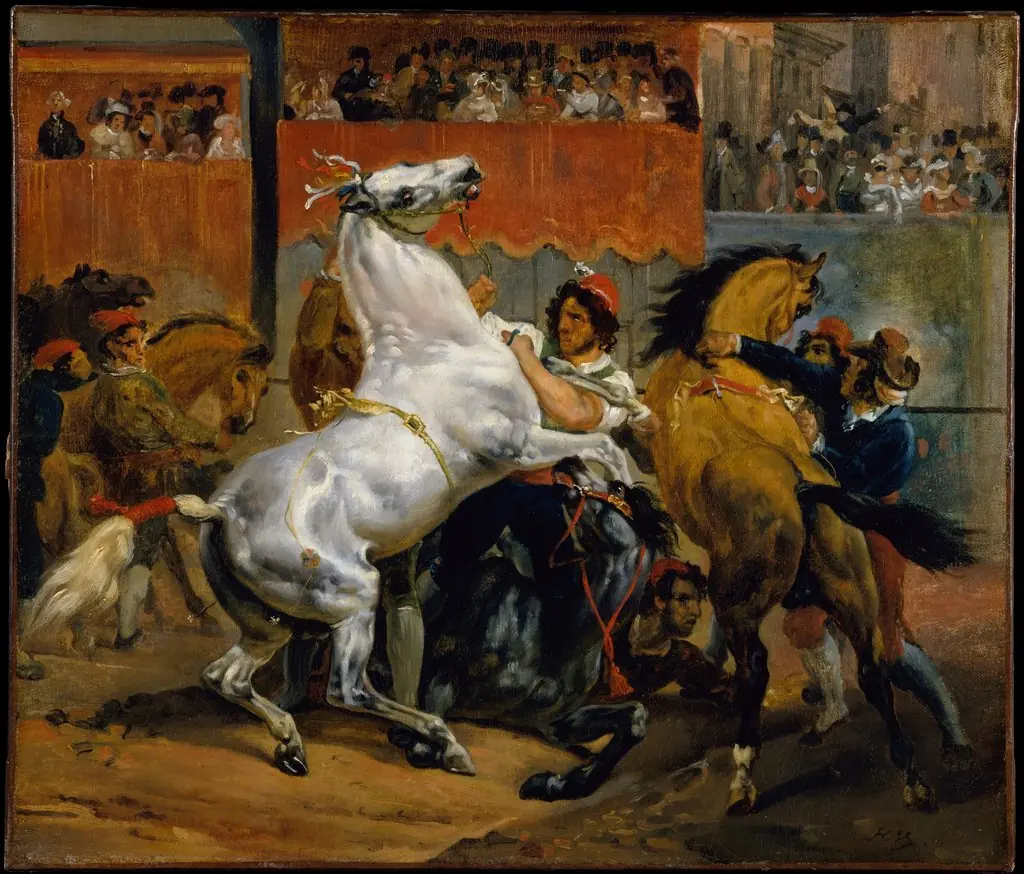 The Start of the Race of the Riderless Horses
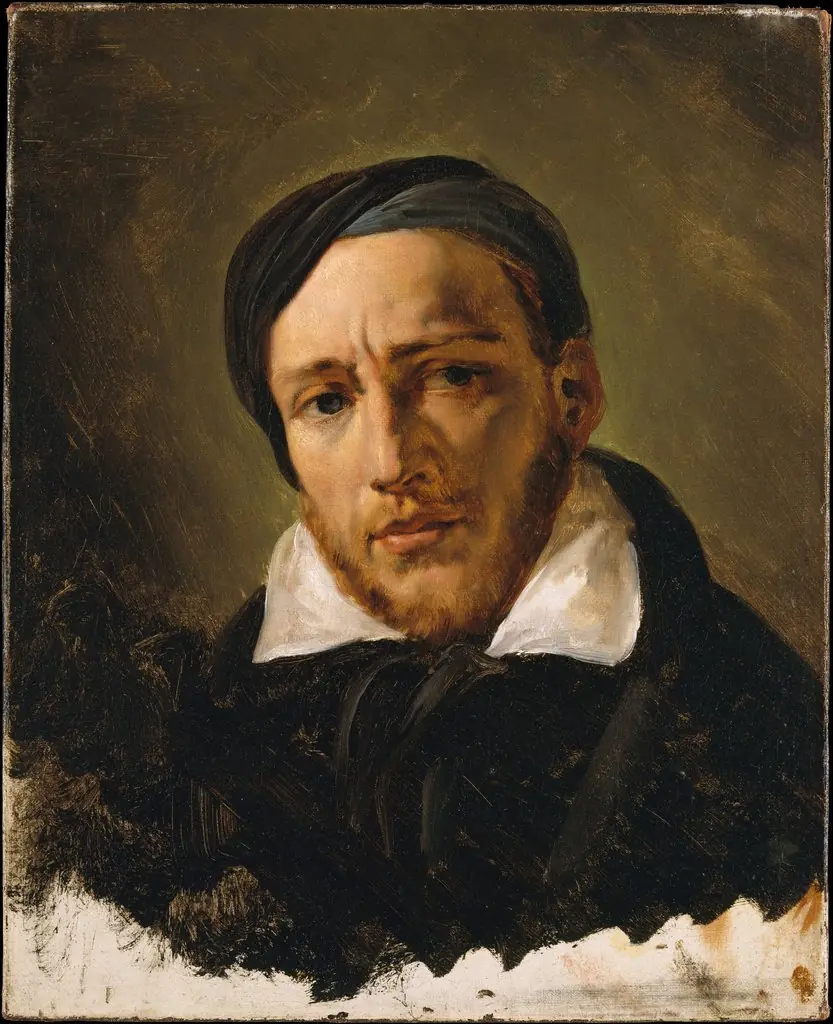 Jean-Louis-André-Théodore Gericault (1791–1824)
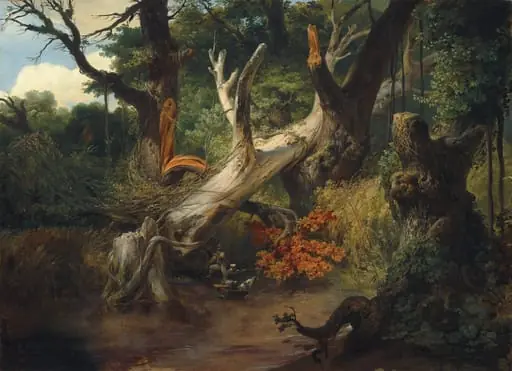 Hunting in the Pontine Marshes
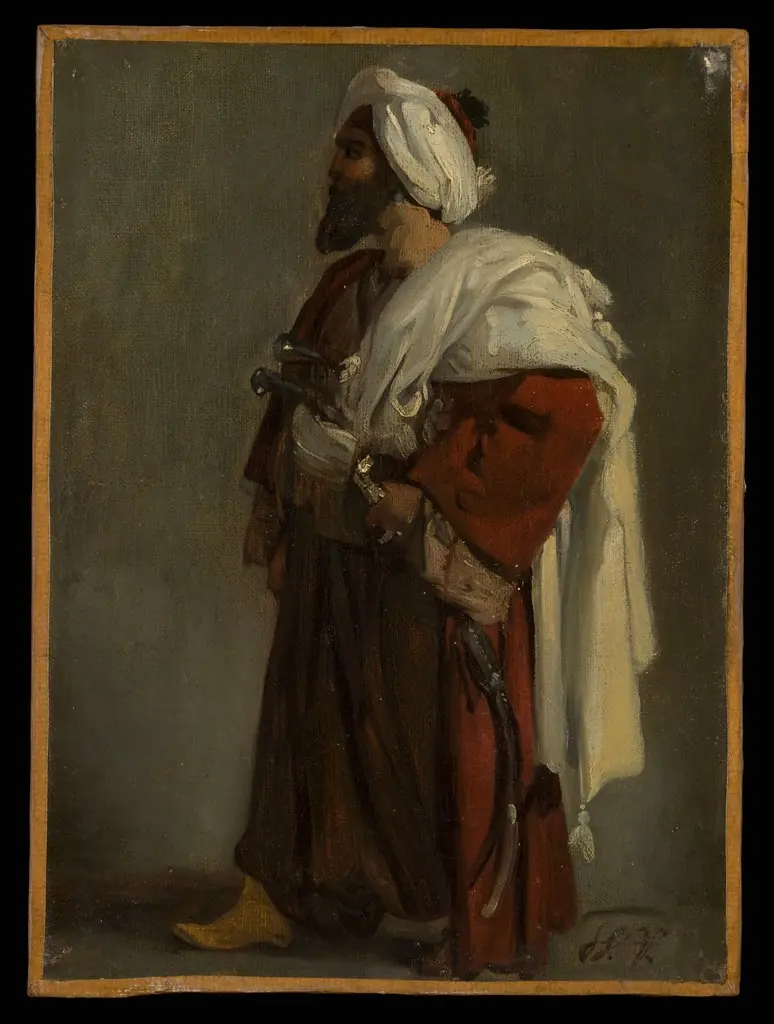 Arab Warrior
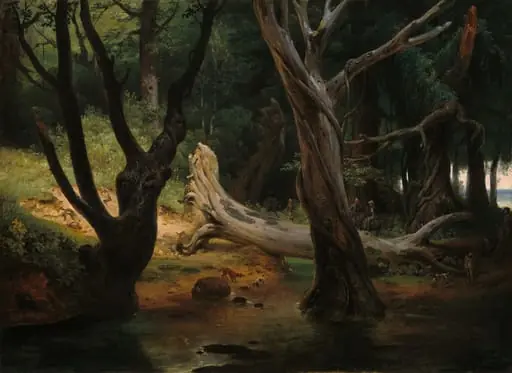 Departure for the Hunt in the Pontine Marshes
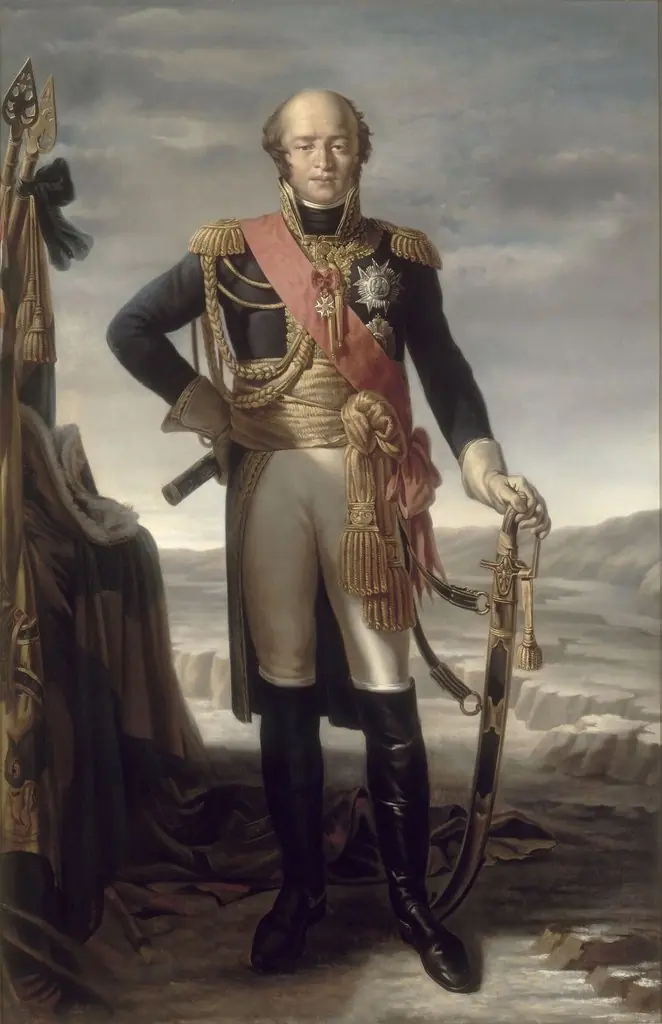
- Portrait de Louis Nicolas Davout
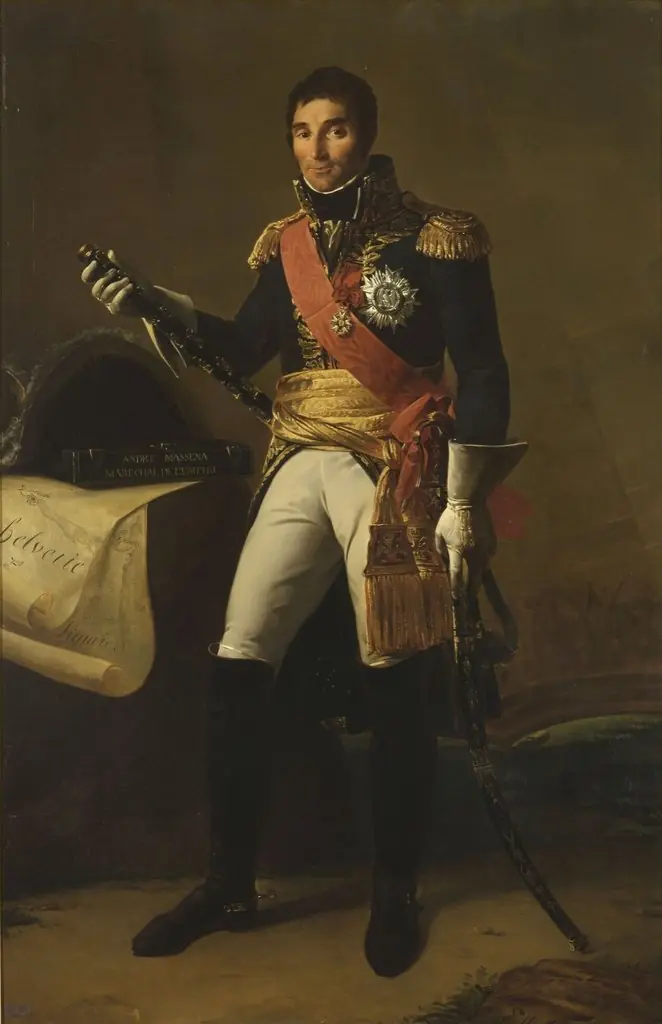 Le maréchal André Masséna (1758-1817), duc de Rivoli et prince d'Essling.
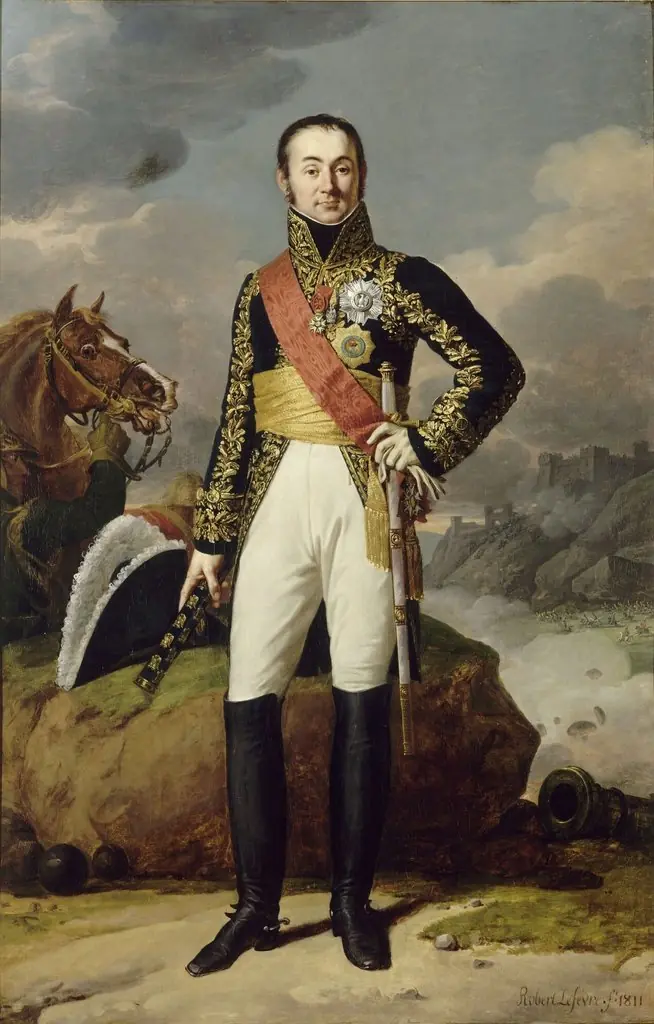 Nicolas-Charles Oudinot, Duke of Reggio, Marshal of France (1767-1847)
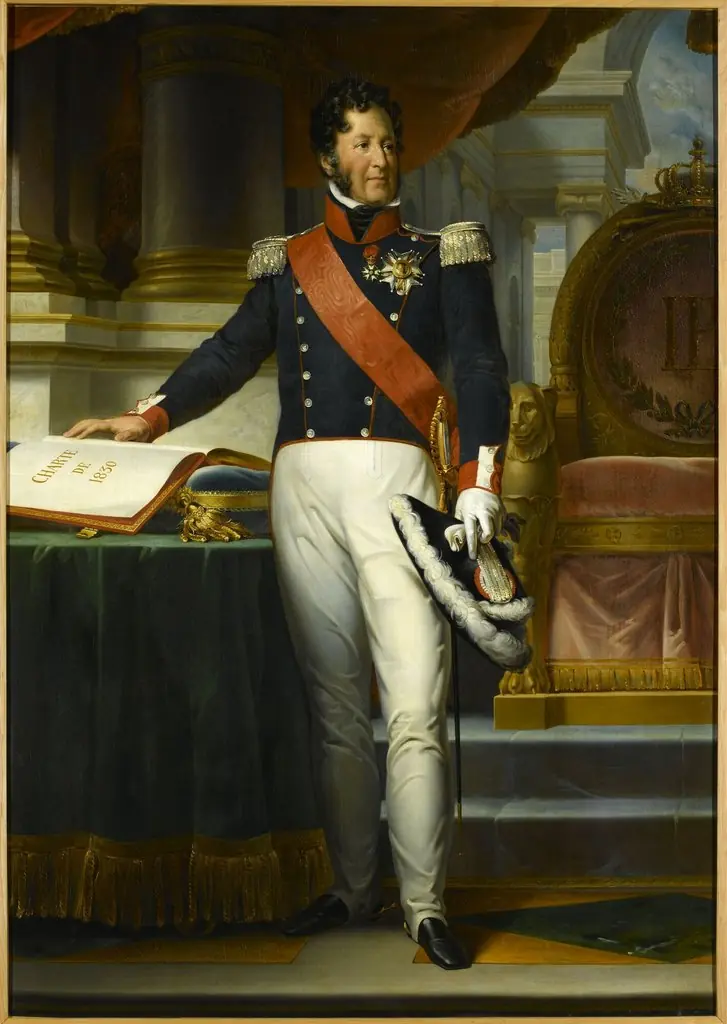 Portrait of Louis Philippe I
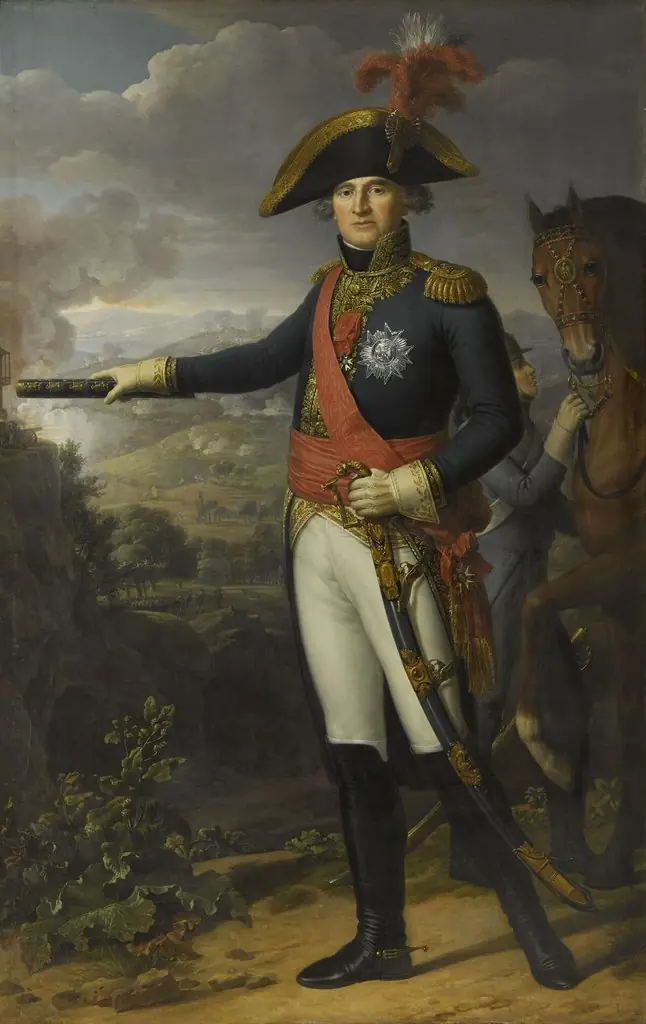 Jean Mathieu Philibert Serurier (1742-1819)
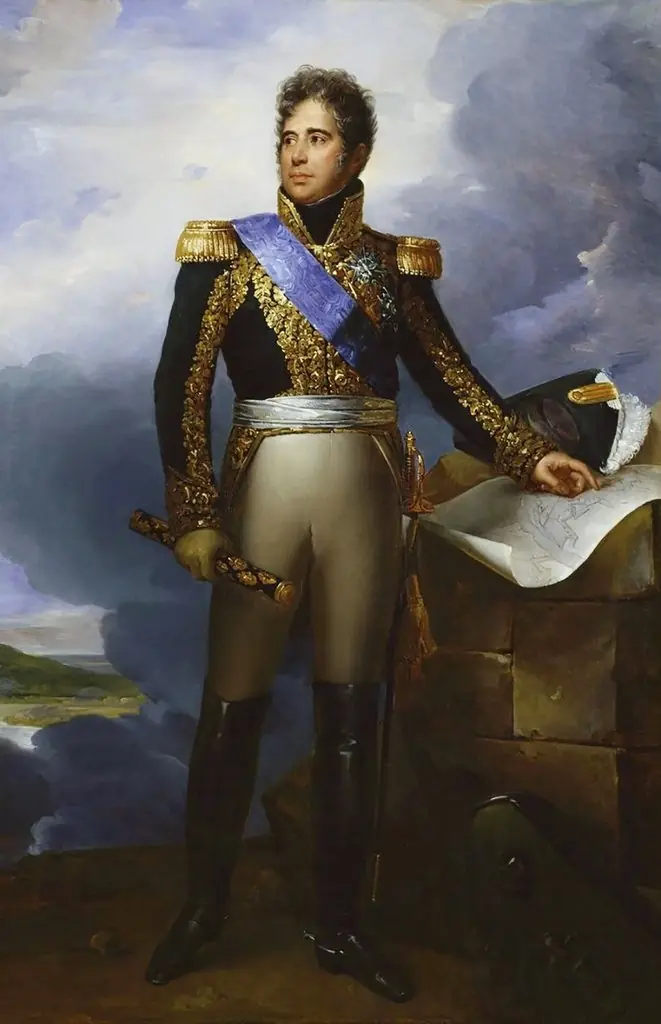 Jacques-Alexandre-Bernard Law de Lauriston
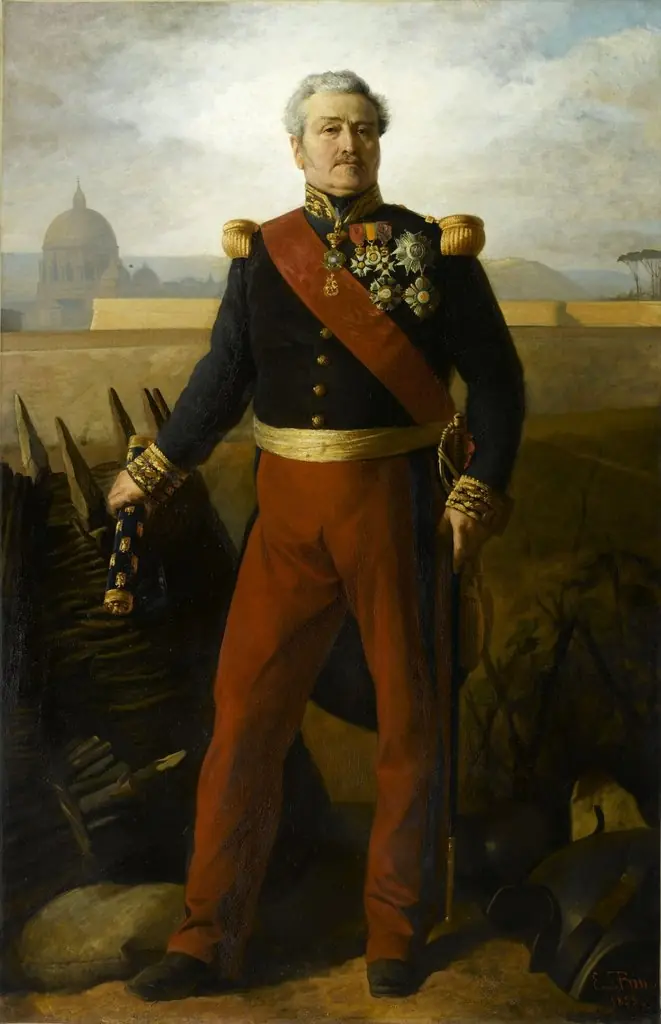 Jean-Baptiste-Philibert Vaillant, Marshal of France
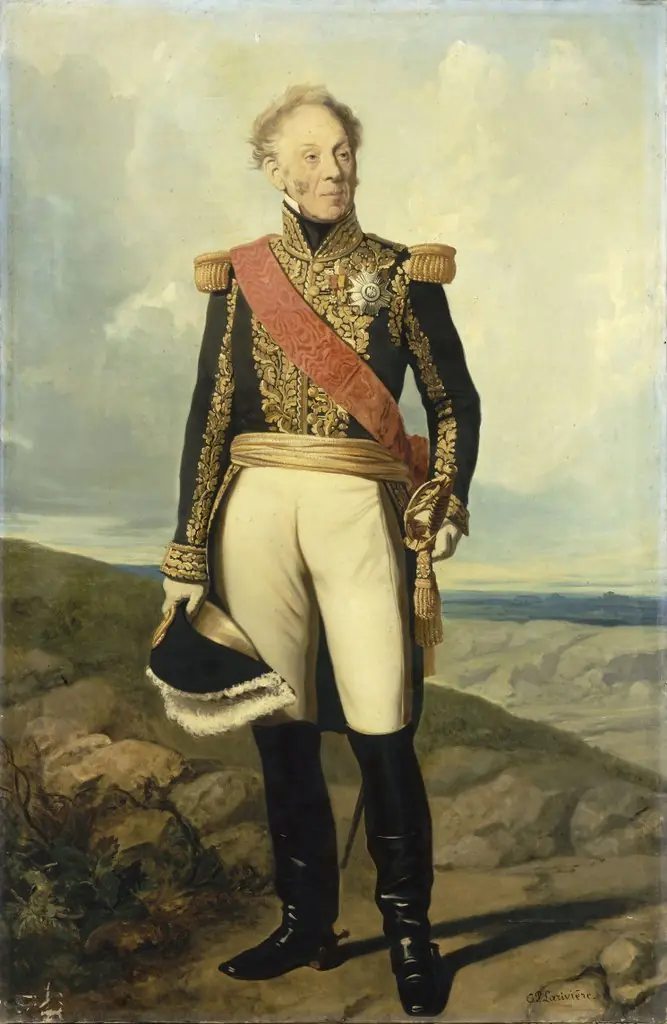 Porträt des Rémi Joseph Isidore Exelmans, Marechal De France (1775-1852)
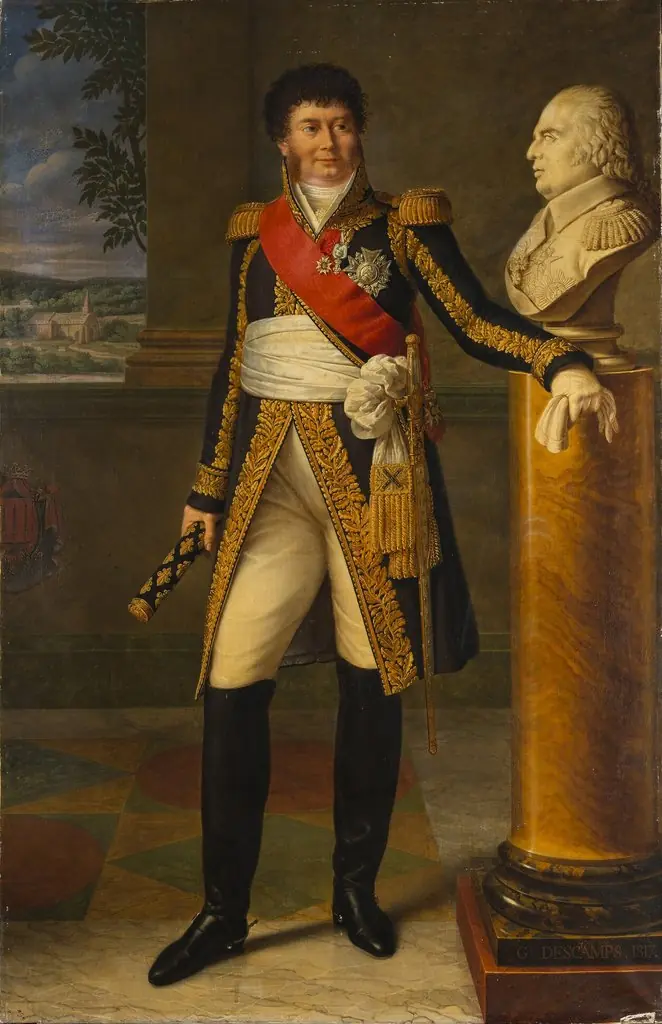 Henri-Jacques-Guillaume Clarke, Count of Hunebourg, Duke of Feltre, Marshal of France (1765-1818)
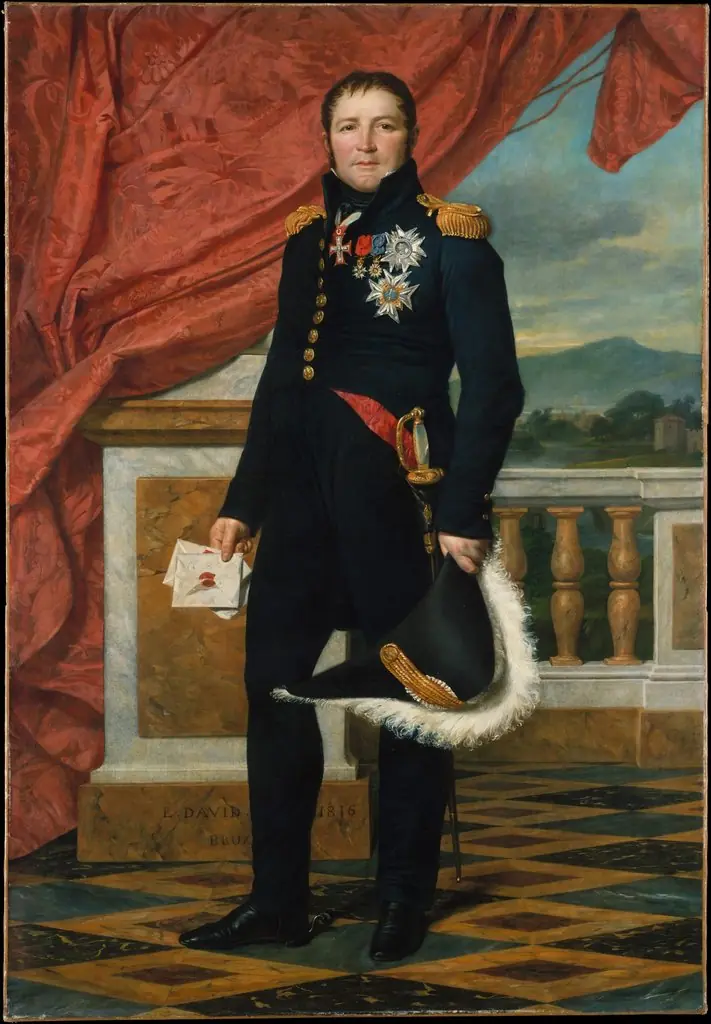 General Étienne-Maurice Gérard (1773–1852), Marshal of France
 Jean-Victor Moreau (1763-1813), général en chef de l'armée du Rhin
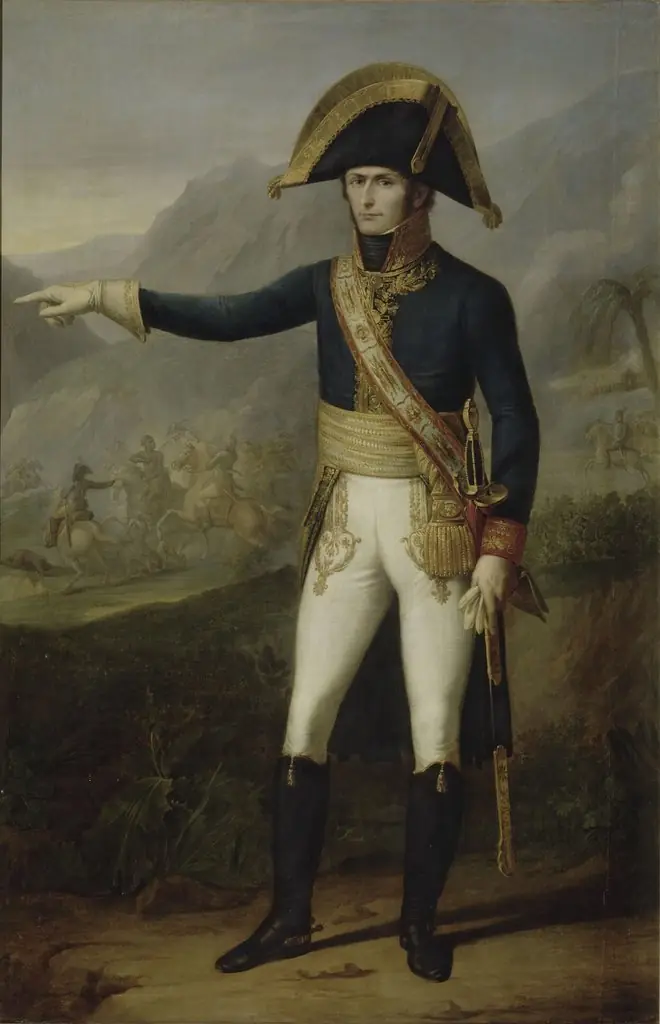 Charles-Emmanuel Leclerc, general-in-chief of the army of Saint-Domingue (1772-1802)