Artwork
Octavian Goga
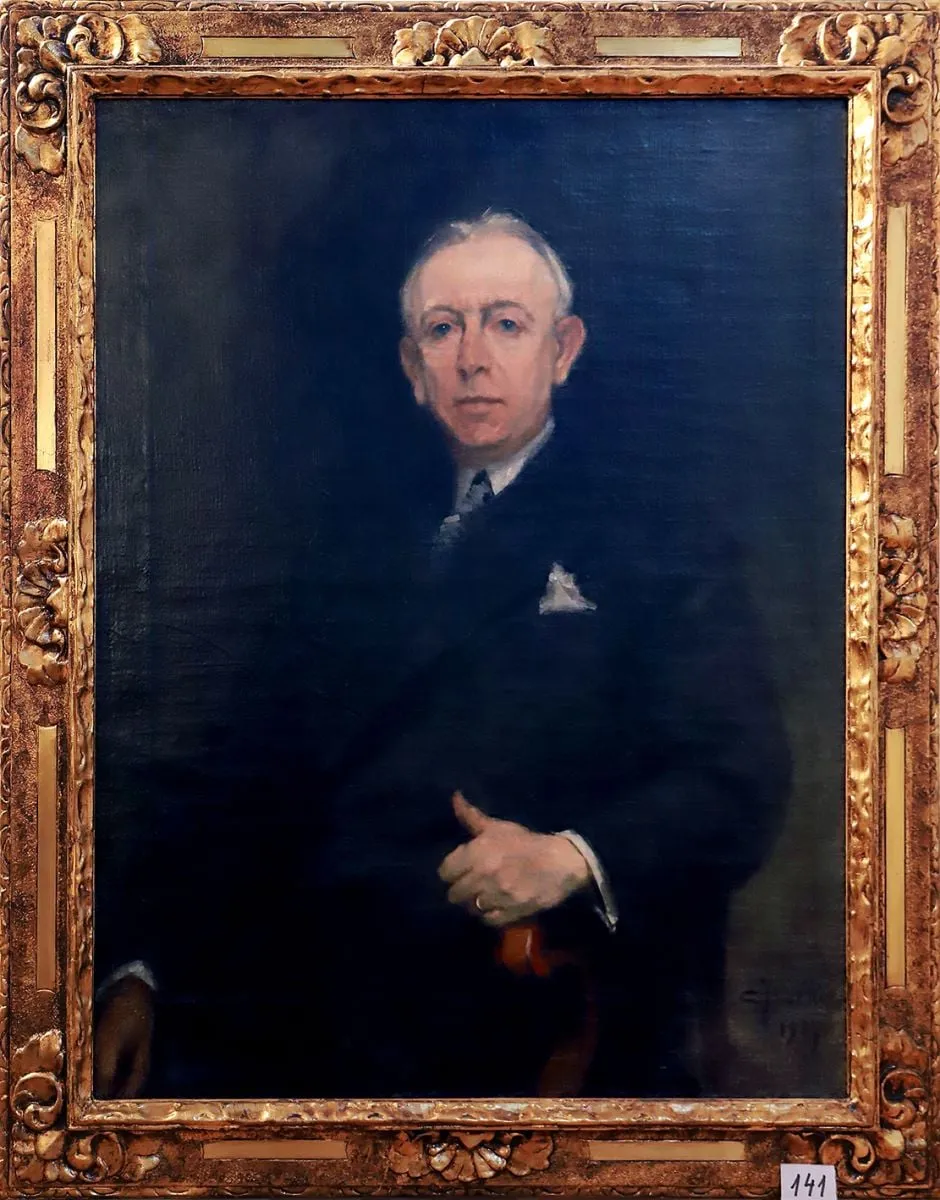
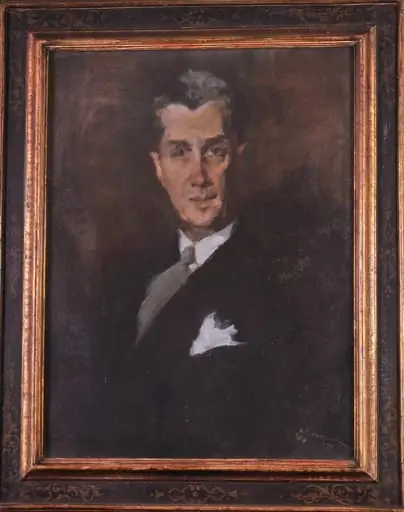
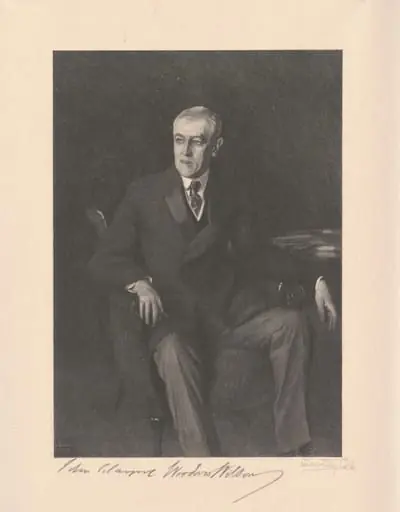
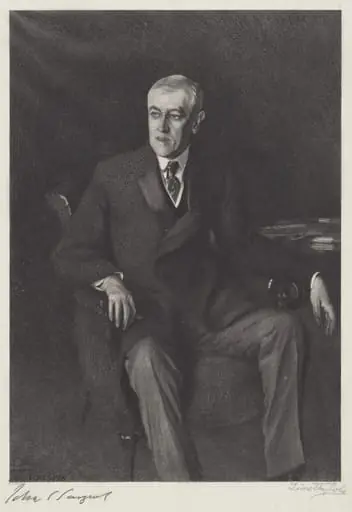
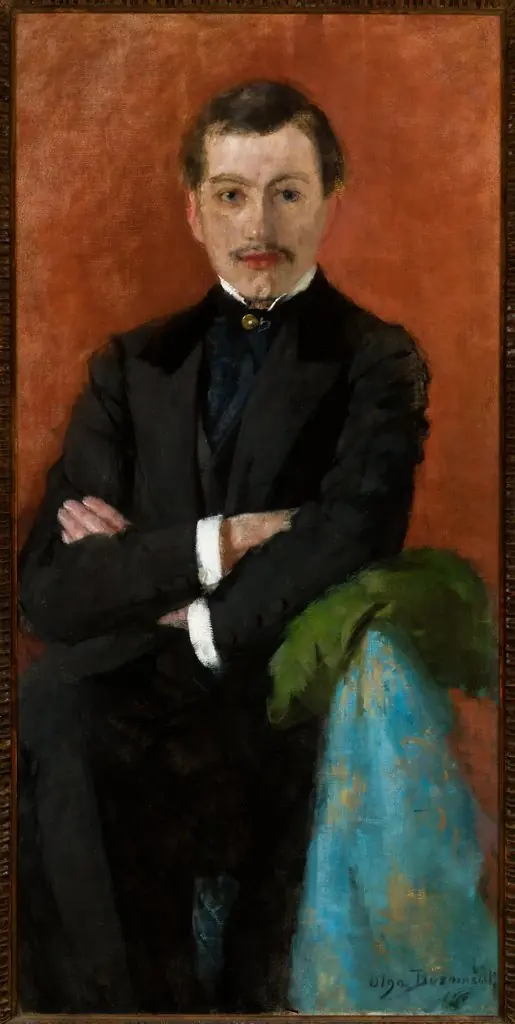
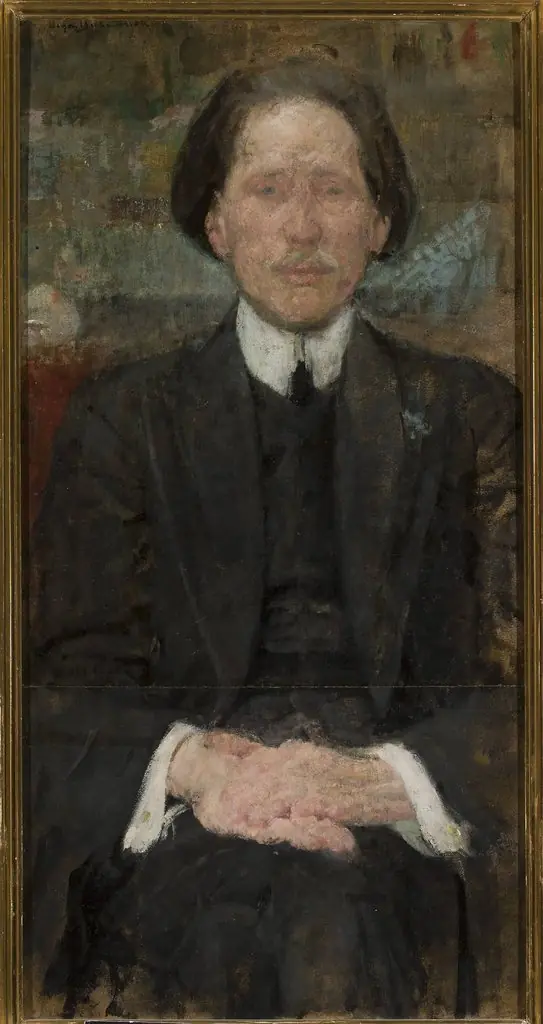
Octavian Goga is an unspecified painting by the Romanesque artist Constantin Isachie. It dates from 1937 and is held in the collection of the National Museum of Romanian Literature.
About this work
Overview
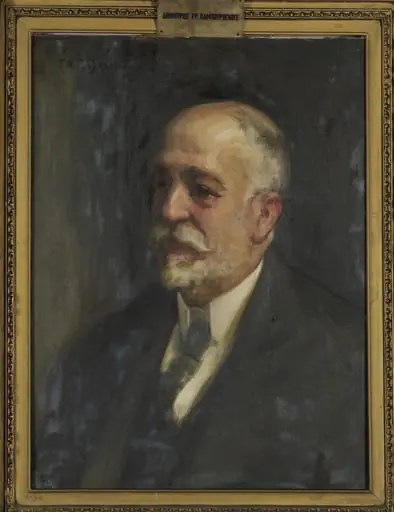
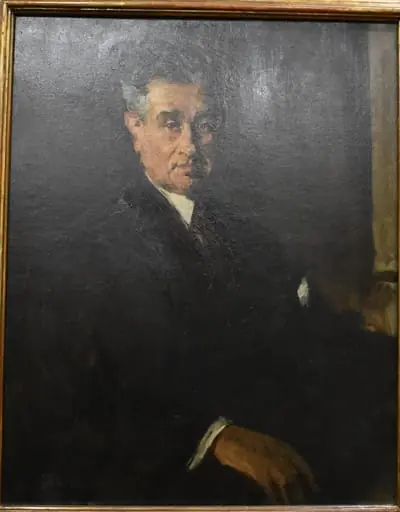
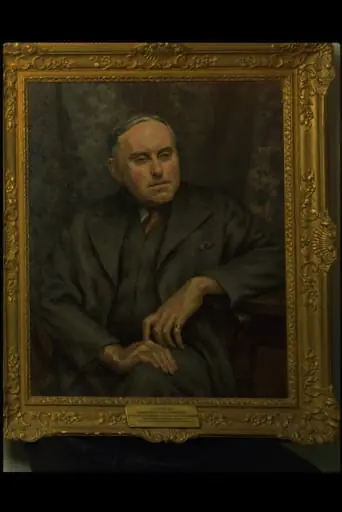
Constantin Isachie's 1937 work, Octavian Goga, is a portrait of a man rendered in formal attire against a somber, deep blue background, with the frame adorned in gold leaf and intricate designs.
Subject & Meaning
The subject, identified as Octavian Goga, is depicted with a serious expression, pale complexion, and a neatly trimmed mustache. His downward-pointing right hand implies an explanatory or directive gesture towards something outside the viewer's sight, suggesting a moment of emphasis or instruction.
Technique & Style
The painting employs dramatic lighting effects, characteristic of chiaroscuro, to accentuate the subject's features and attire. The overall composition conveys a sense of formality, underscored by meticulous attention to the subject's clothing and facial expression.
History & Provenance
Created in 1937 by Constantin Isachie, specific details regarding the artwork's history, ownership, or exhibition record prior to its current status are not provided.
Context
The work reflects early 20th-century portraiture trends, emphasizing the subject's personality and potential authority through pose and expression. The somber yet ornate setting may allude to the subject's significance or the artist's aesthetic preferences of the time.
Legacy
The enduring impact or influence of Octavian Goga on subsequent art or its recognition within Isachie's oeuvre is not detailed in the provided information.
Artist & collection
Artist
Constantin Isachie painted portraits and winter scenes in the mid-20th century. His brush captured faces like Octavian Goga in 1937 and quiet snowy roads such as Peisaj de iarnă. You’ll also find his etched bridges,…

Museum
National Museum of Romanian Literature
Continue through works from the same source collection.