Artwork
Portrait of an Old Woman
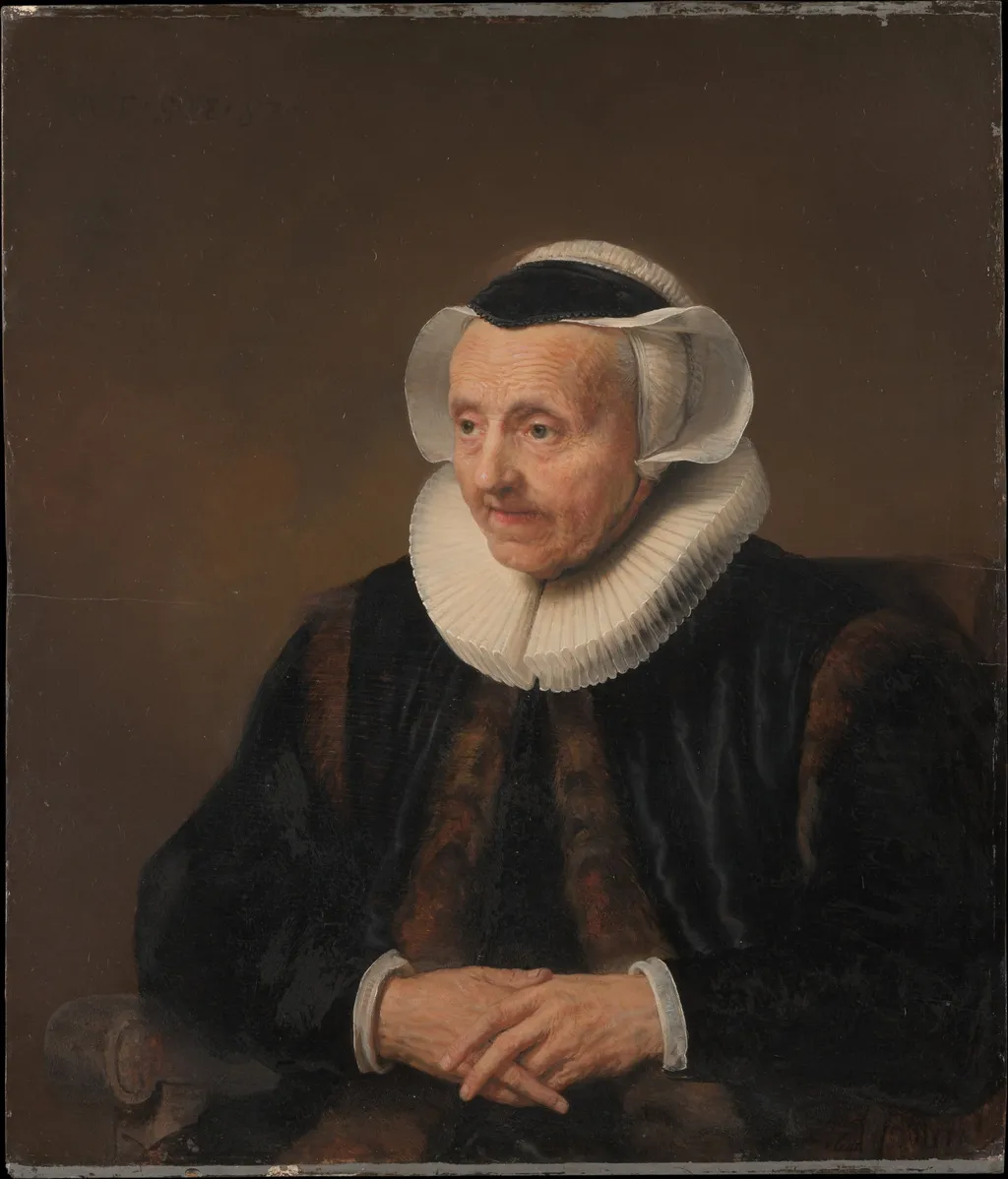
Portrait of an Old Woman is an oil painting by the Dutch Golden Age artist Jacob Adriaensz Backer. It dates from 1640 and is held in the collection of the Metropolitan Museum of Art.
About this work
Subject & Meaning
The work depicts an unidentified eighty-seven-year-old woman from seventeenth-century Amsterdam, likely of privileged status, seated with folded hands.
The work depicts an unidentified eighty-seven-year-old woman from seventeenth-century Amsterdam, likely of privileged status, seated with folded hands. Her advanced age, explicitly inscribed on the panel, signifies a long and fortunate life. Visual markers of her wealth include a fur-lined vlieger and a black jacket trimmed with fur.
The sitter wears a distinctive white cap shaped like a mussel shell beneath a small black cap, accompanied by a soft ruff. While the precise identity remains unknown, the black band on her attire may indicate mourning, and her small wrist collars could suggest an affiliation with the Mennonite faith. The composition, with the subject looking toward an empty space, implies the existence of a pendant portrait, though the painting may have originally served as a memorial for a hofje or similar institution.
Technique & Style
The work is executed in oil paint on an oak panel support, with the ground visible through the thinly applied translucent glazes typical of Dutch portraiture of the 1640s. The figure is rendered in a restrained, evenly lit frontality, her hands folded at the waist and turned slightly toward the viewer, while the head inclines left in a studied contrapposto. A softly modeled ruff and a black vlieger trimmed with fur at the shoulders define the sitter's social standing, while her white cap with mussel-shell wings and narrow wristbands suggest Mennonite dress.
The palette is limited to earthy browns, black, white, and muted flesh tones, with delicate highlights on the cap and ruff. The background is a neutral brown, allowing the figure's presence to dominate. The handling combines fine linear definition in the costume details with broader, atmospheric transitions in the face and hands, producing a lifelike yet dignified presence.
History & Provenance
The work is dated to circa 1640 and attributed to the circle of Jacob Adriaensz. Backer, with its sitter's age inscribed as 87. It entered the Metropolitan Museum of Art through the bequest of H. O. Havemeyer.
Earlier ownership included François de Robiano (Brussels, 1837) and D. Nieuwenhuys, followed by Anatoly Nikolaievich Demidov, Prince of San Donato (Paris, 1868). The painting passed through Narischkine (Paris, 1883), Baron de Beurnonville (Paris, 1884–85), and Rodolphe Kann before arriving in the Havemeyer collection in New York. Previously exhibited in Manchester (1857), London (1890, 1899), and New York (1909), it was once considered a Rembrandt and later associated with Amsterdam's 17th-century portrait tradition.
The painting is currently held in the collection of the Metropolitan Museum of Art in New York, having entered via the bequest of Mrs. H. O. Havemeyer. Its exhibition history includes displays at Manchester in 1857 and the Royal Academy in London in both 1890 and 1899. It was also featured during the Hudson-Fulton Celebration at the Metropolitan Museum in 1909.
Context
For over a century, the work was misattributed to Rembrandt, a classification that persisted until 20th-century scholarship re-evaluated it as a piece executed in the style of Jacob Adriaensz. Backer. Current consensus places the creation around 1640, though the specific artist remains unidentified.
The painting is significant for its documentation by Hofstede de Groot in 1914 and its inclusion in major catalogues by Liedtke. Art historians note its potential relationship to a lost pendant or a second version by Backer held in the Gemäldegalerie, which was likely lost after World War II. The work's iconography, including the sitter's fur-lined vlieger and inscribed age of 87, situates it within the tradition of 17th-century Amsterdam portraiture, possibly created for a charitable institution or hofje to commemorate a privileged life.
Overview
This oil painting, titled Portrait of an Old Woman, dates to approximately 1640. It depicts an elderly woman seated, her hands gently folded in her lap. The artwork is characterized by its focused portrayal of the sitter, emphasizing her features and attire against a subdued backdrop. It is currently held within the collection of the Metropolitan Museum of Art.
Own this work as a print
Artist & collection
Artist
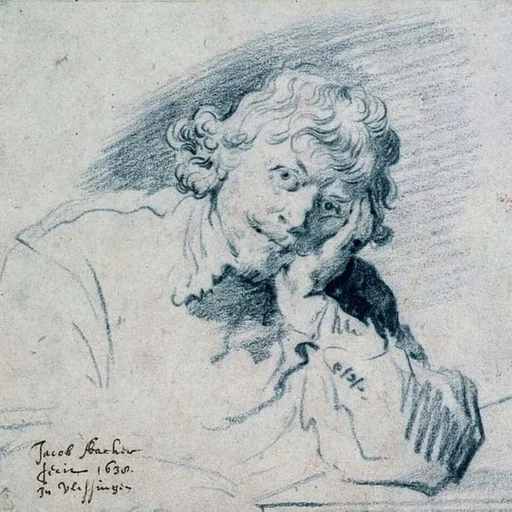
Jacob Adriaensz Backer (1608 – 27 August 1651) was a Dutch Golden Age painter. He produced about 140 paintings in twenty years, including portraits, religious subjects, and mythological paintings. In his style, he was…

 Old Woman in an Armchair
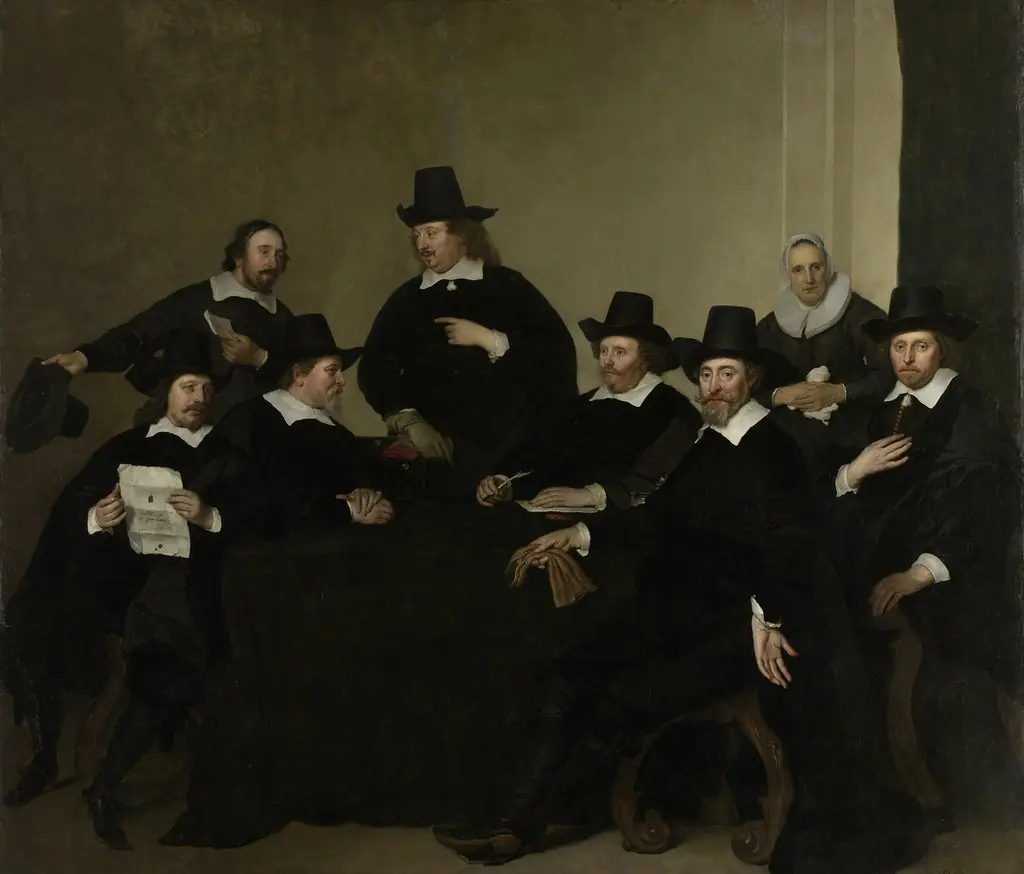 The regents of the Nieuwe Zijds institute for the outdoor relief of the poor, Amsterdam, ca 1650
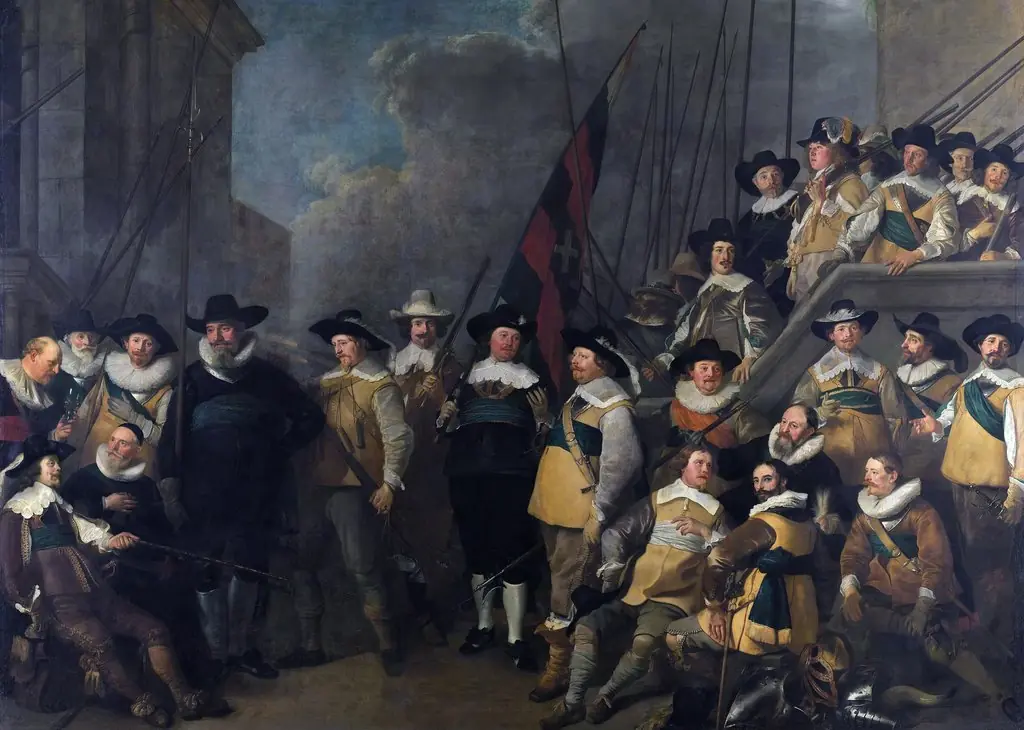 Officers and other Civic Guardsmen of the V District in Amsterdam under the command of Captain Cornelis de Graeff and Lieutenant Hendrick Lauwrensz
 The Garden of Eden
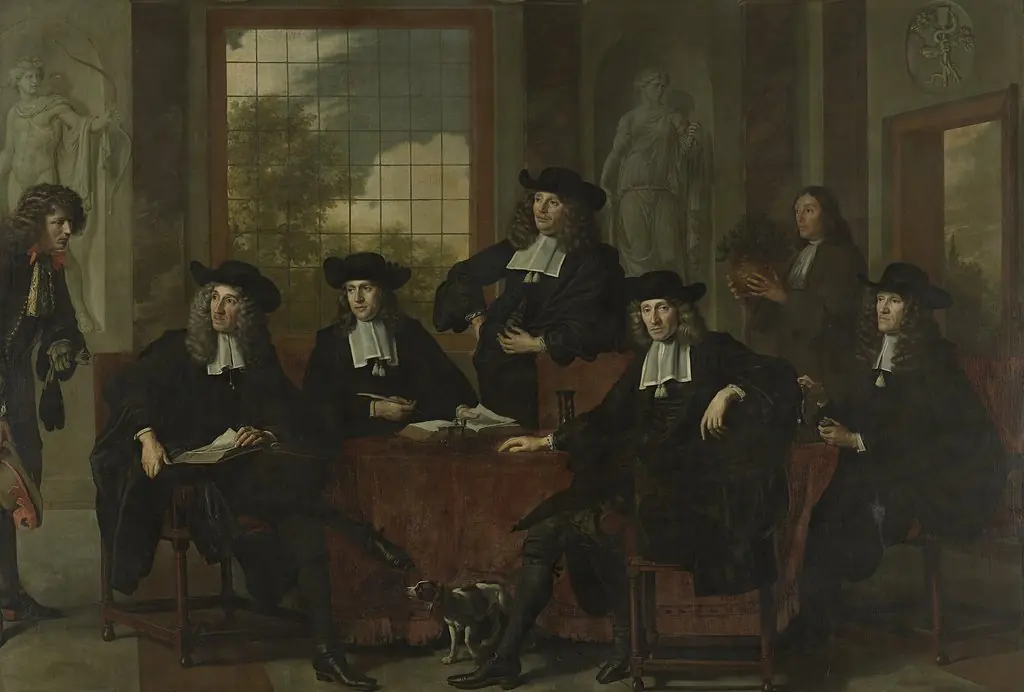 The superintendents of the Collegium Medicum in Amsterdam
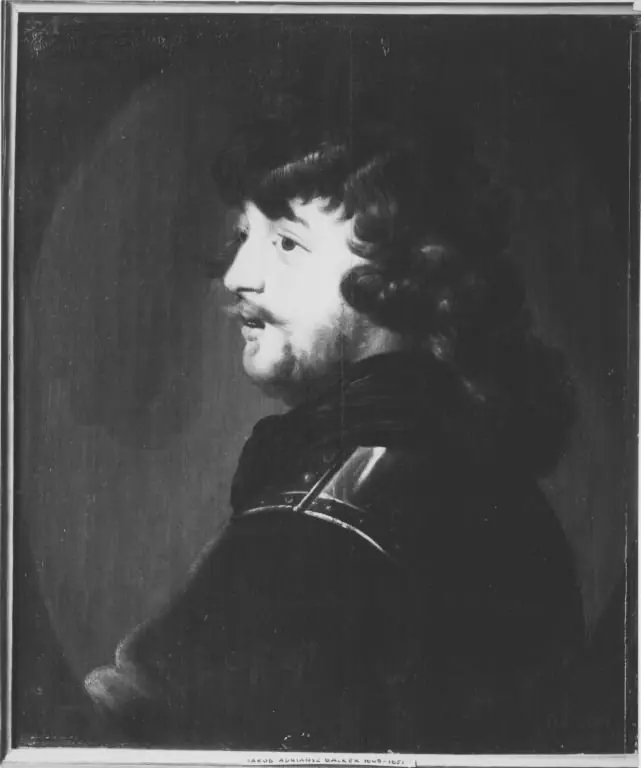 Portrait of a man in armor (self-portrait)
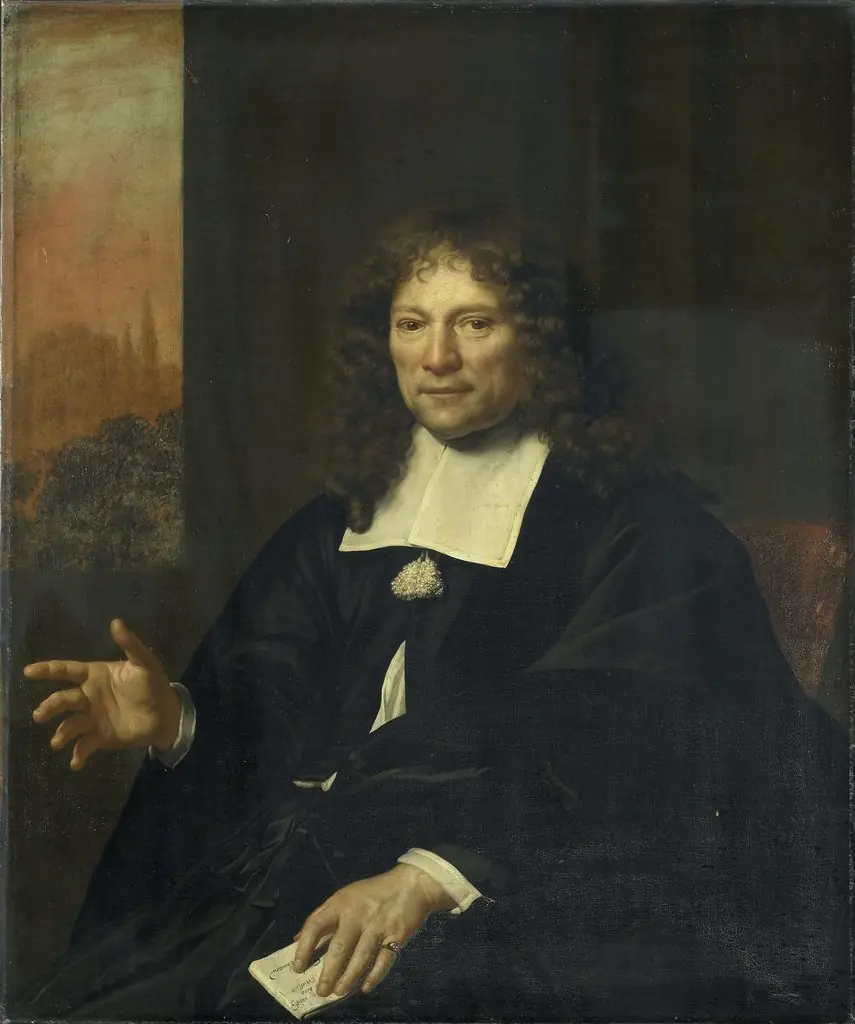 Portrait of Daniel Nellius, elder of the Remonstrant church and sampling official of Alkmaar
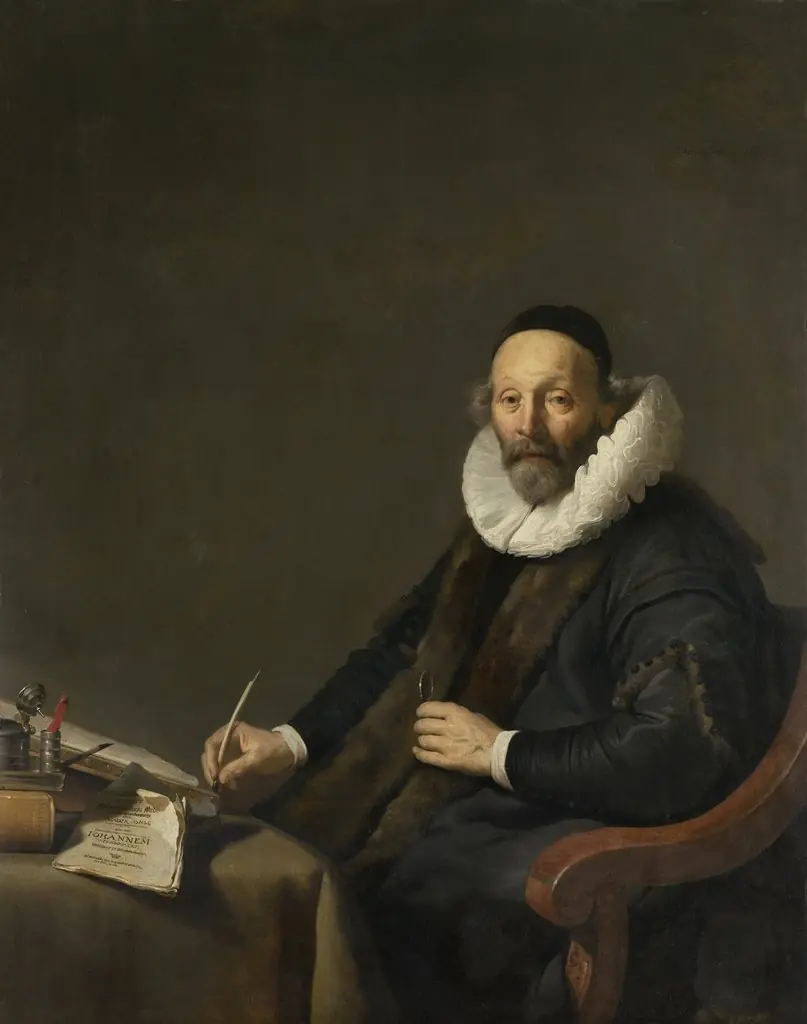 Johannes Uyttenbogaert (1557-1644). Remonstrant minister in The Hague
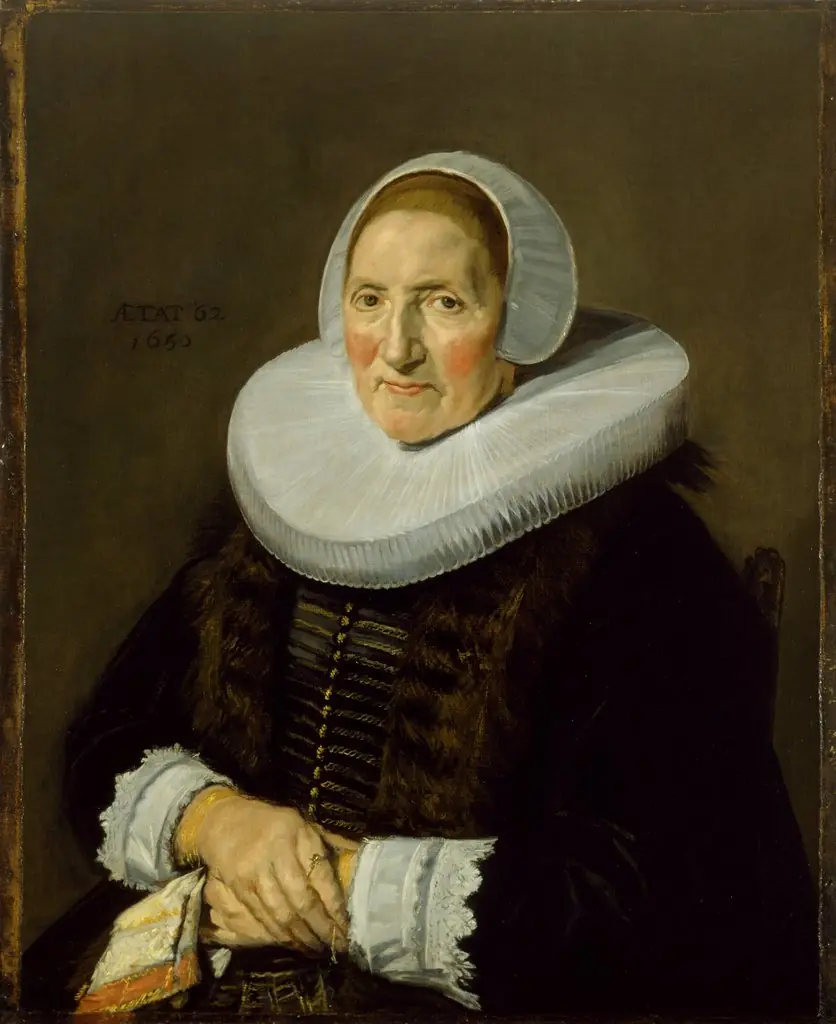 Portrait of a Woman
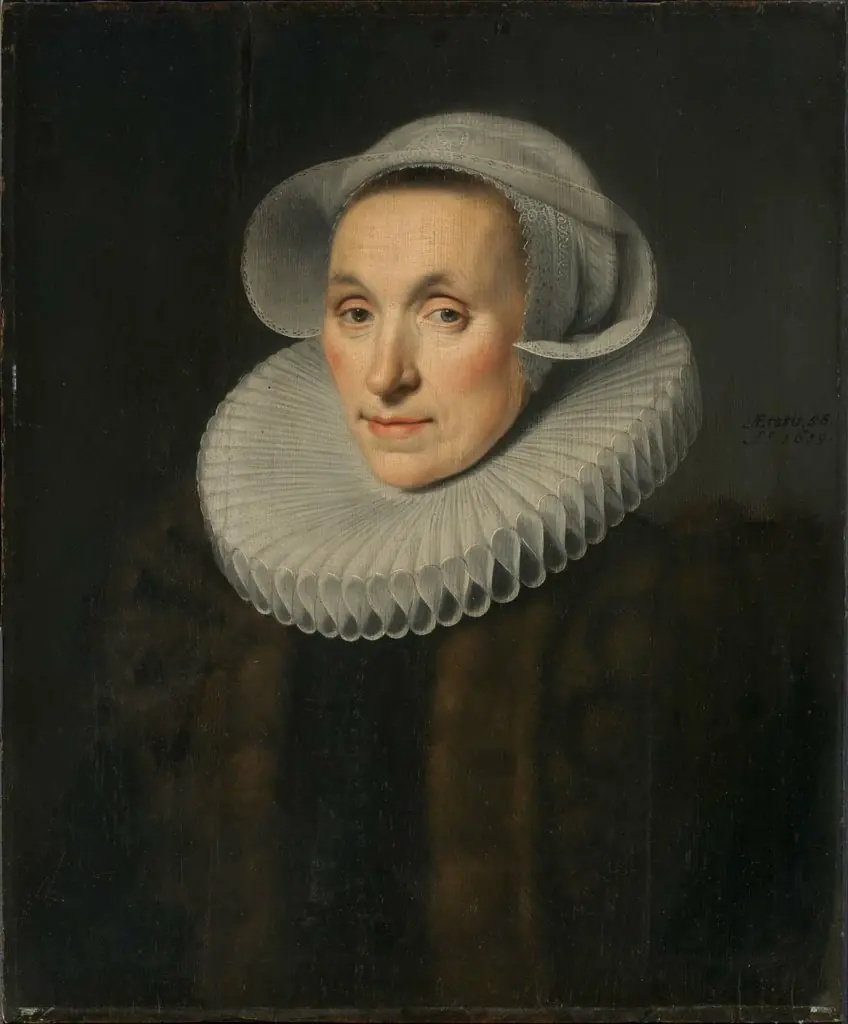 Sara van Bosschaert (version of 1/2-length portrait in the Prinsenhof, Delft)
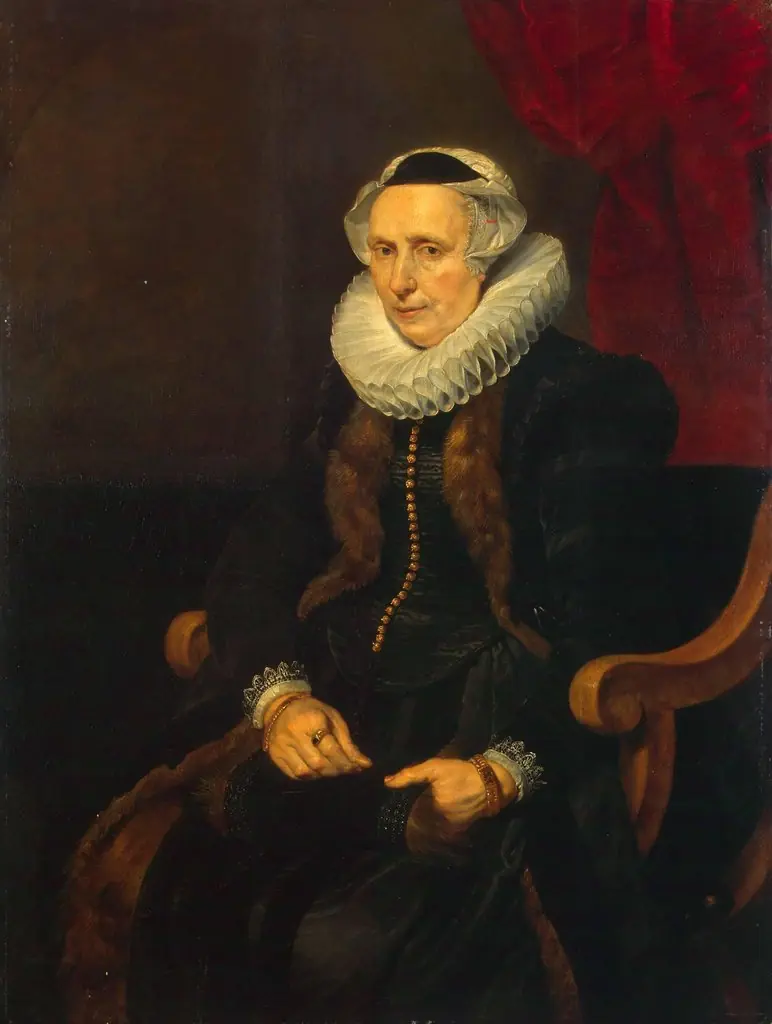 Portrait of an Old Lady Sitting in an Arm-Chair
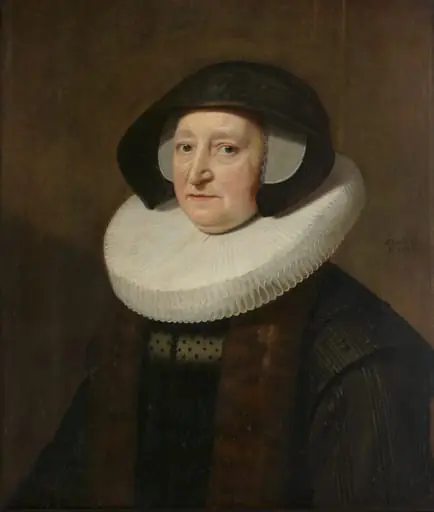 Portrait of Maria Petitpas, second Wife of Johannes Wttenbogaert (Jan Uytenbogaert)
 Portrait of Maria Petitpas (?-1640)
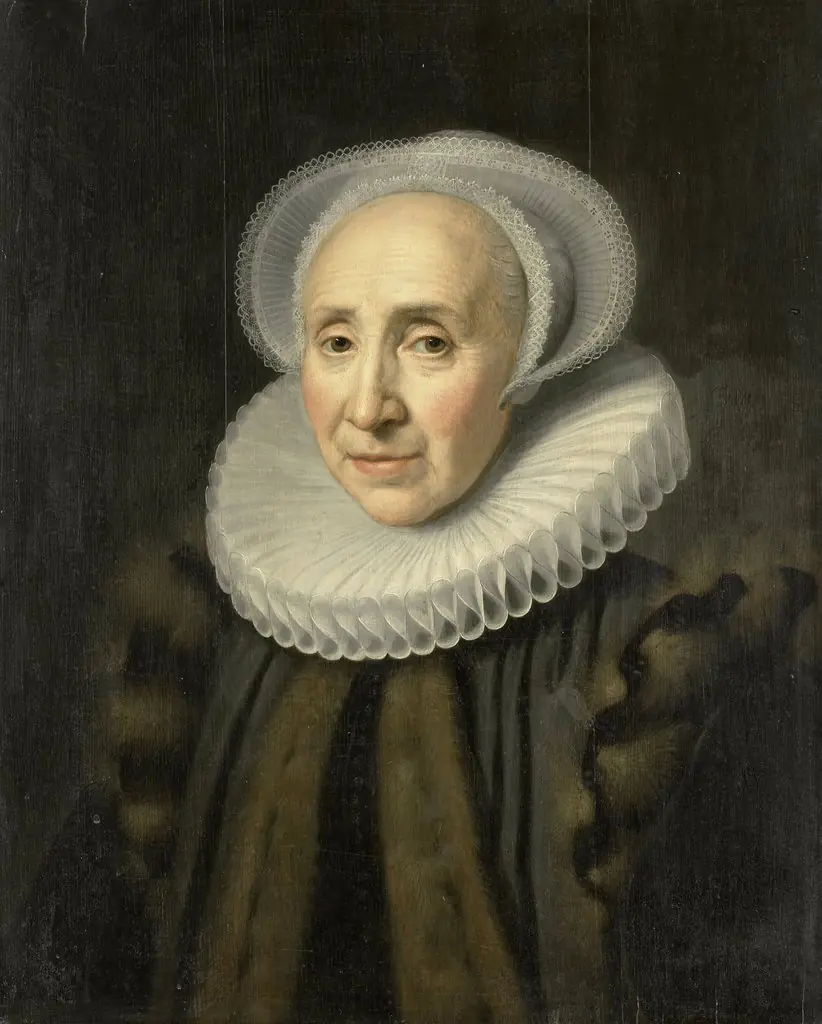 Portrait of Volckera Claesdr Knobbert (1554-1634)
 Adriana van Ijlen
 Portrait of Maria van Utrecht (c. 1552/53-1629)
 Untitled
 Margaretha van Clootwijk (born about 1580/81, died 1662), Wife of Jacob van Dalen
- Portrait of a 60-year-old Woman