Artwork
The Garden of Eden
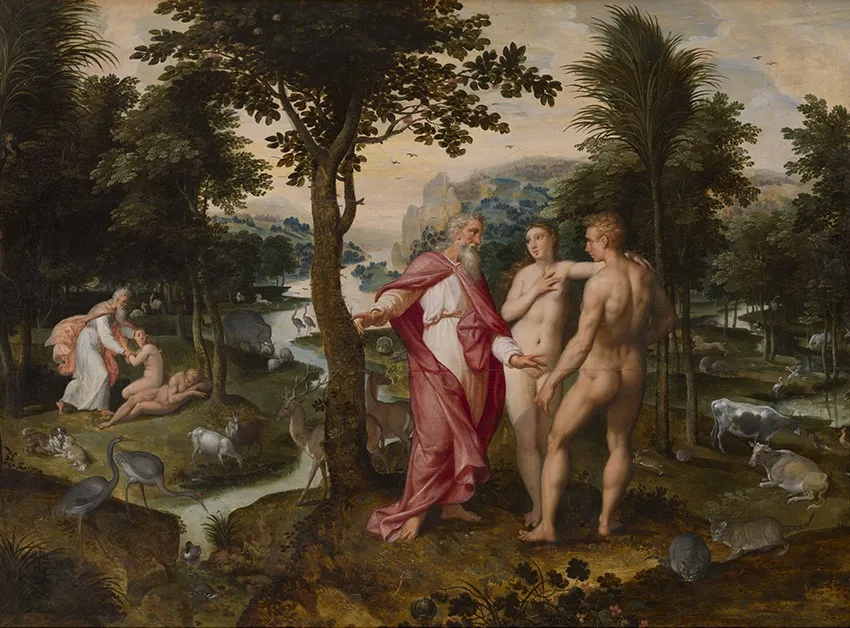
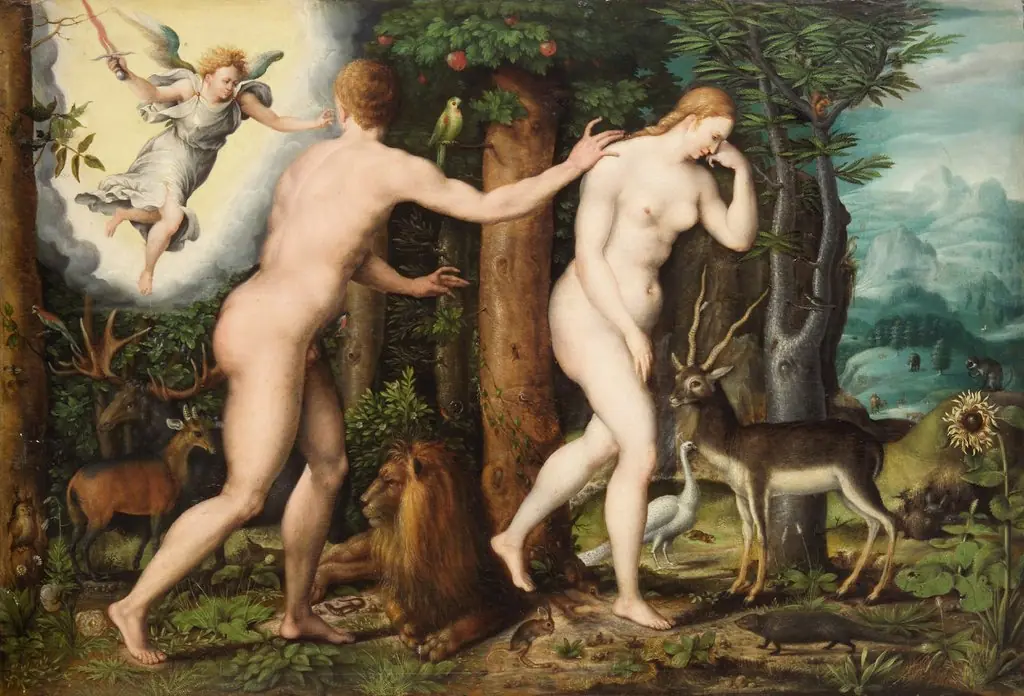
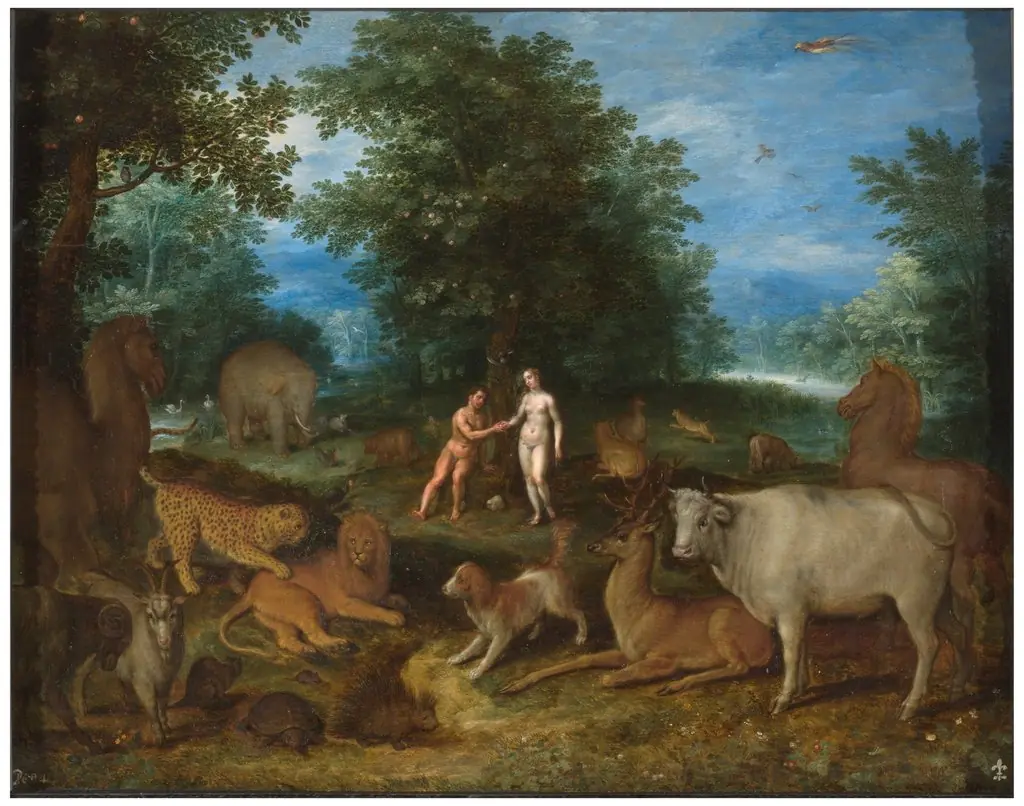
The Garden of Eden is an oil painting by the Mannerist artist Jacob Adriaensz Backer. It dates from 1570 and is held in the collection of the Groeningemuseum.
About this work
Subject & Meaning
The work is part of the Groeningemuseum's collection in Bruges, where it is displayed as a key example of Flemish Renaissance religious art.
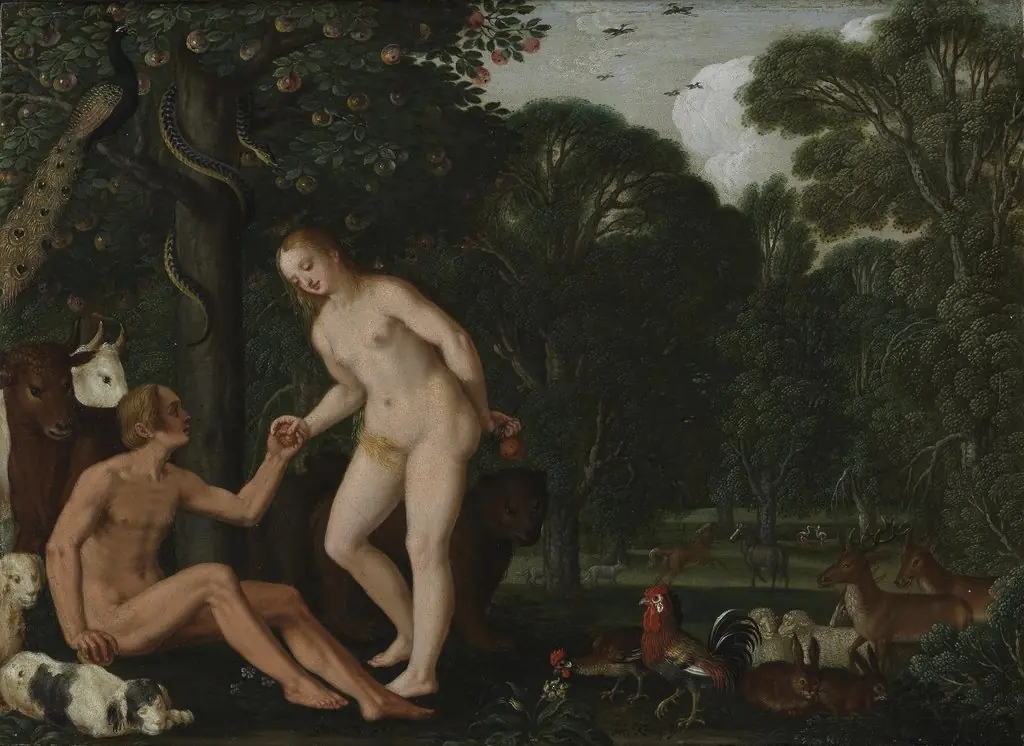
The painting depicts the biblical scene of the Fall of Man, illustrating Adam and Eve's expulsion from Eden. Symbolic elements include a serpent, a tree of knowledge, a rock formation, and various animals such as a cat and deer, reflecting themes of temptation and original sin. The composition emphasizes the moment of transgression, with Adam reaching for the forbidden fruit while Eve looks on, surrounded by creatures that underscore the narrative of disobedience and its consequences.
The work is part of the Groeningemuseum's collection in Bruges, where it is displayed as a key example of Flemish Renaissance religious art.
The painting measures 77.5 cm in height and 107.5 cm in width, rendered in oil on panel.
The subject is interpreted as a visual allegory of humanity's loss of innocence, with the surrounding fauna and natural elements reinforcing theological and moral symbolism.
The depiction aligns with Counter-Reformation ideals, emphasizing divine order and moral instruction through vivid narrative scenes.
Technique & Style
Jacob de Backer's 'The Garden of Eden' is an oil painting executed on panel, measuring 77.5 cm by 107.5 cm. The work depicts the biblical fall of man with figures including Adam and Eve alongside symbolic elements such as a tree, cattle, a cat, a rock formation, birds, and a river. It is classified as religious art and is housed in the Groeningemuseum within the Flemish Art Collection. The painting's composition and iconography reflect the stylistic conventions of late Renaissance religious imagery.
The artwork's material composition includes oil paint applied to a wooden panel support, consistent with techniques used in 16th-century Flemish painting. Its formal qualities are defined by the intricate detailing of narrative elements and the arrangement of figures within the Edenic landscape, contributing to its symbolic portrayal of humanity's transgression.
History & Provenance
The painting The Garden of Eden was created by Jacob de Backer in 1570. Executed in oil on panel, the work measures 77.5 cm in height and 107.5 cm in width. It currently resides in the collection of the Groeningemuseum in Bruges, which is part of the Vlaamse Kunstcollectie.
The artwork depicts the biblical narrative of the fall of man, featuring figures such as Adam and Eve alongside various animals and landscape elements.
Overview
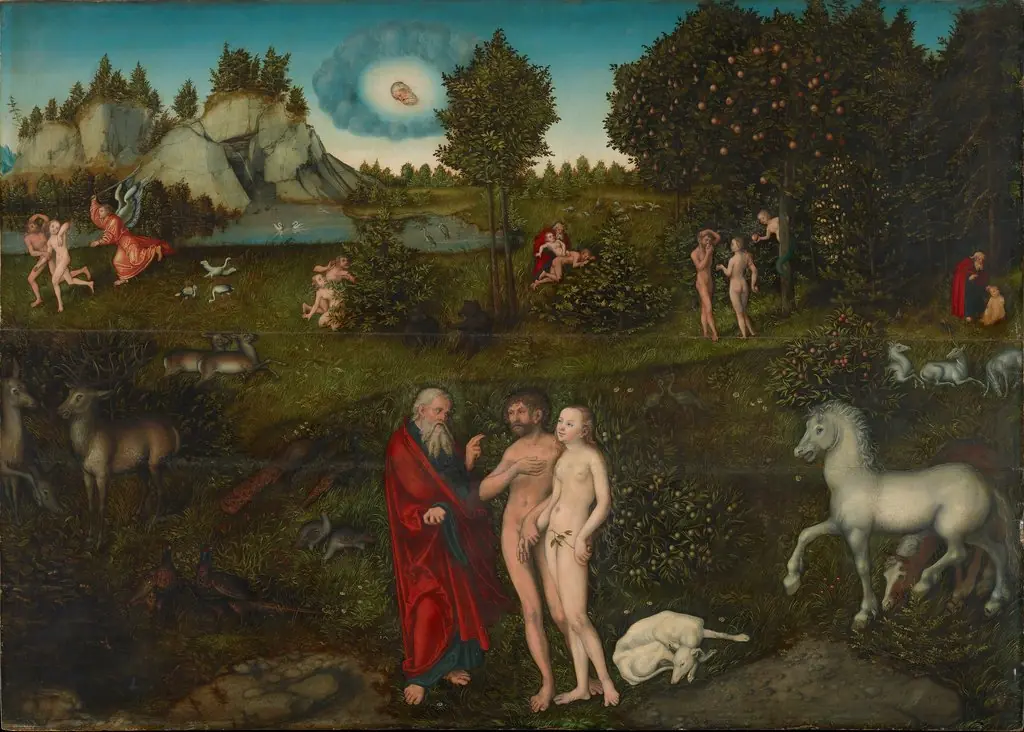
Created circa 1570, The Garden of Eden is an oil on canvas that presents a verdant landscape populated by human figures and wildlife. Central to the composition are two nude figures, traditionally identified as Adam and Eve, accompanied by a bearded man in a red robe. The scene unfolds amid trees, shrubs, and a winding river, evoking the biblical paradise.
Context
The painting reflects the broader Mannerist fascination with biblical subjects rendered in elaborate, artificial compositions. During the period, artists often combined narrative clarity with decorative excess, employing vivid coloration and exaggerated poses. De Backer’s treatment of the Eden theme aligns with contemporary theological interests and the period’s taste for intricate, allegorical visual storytelling.
Artist & collection
Artist
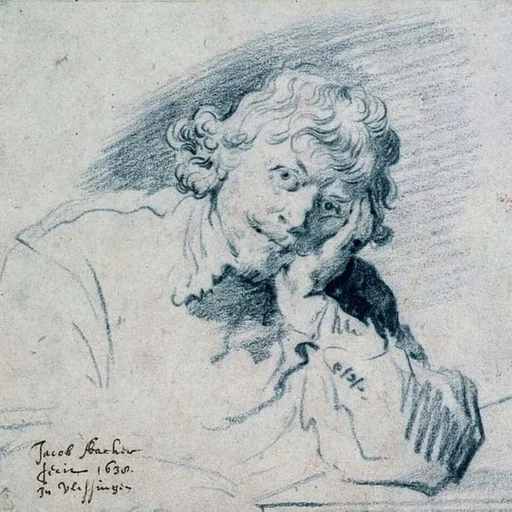
Jacob Adriaensz Backer (1608 – 27 August 1651) was a Dutch Golden Age painter. He produced about 140 paintings in twenty years, including portraits, religious subjects, and mythological paintings. In his style, he was…

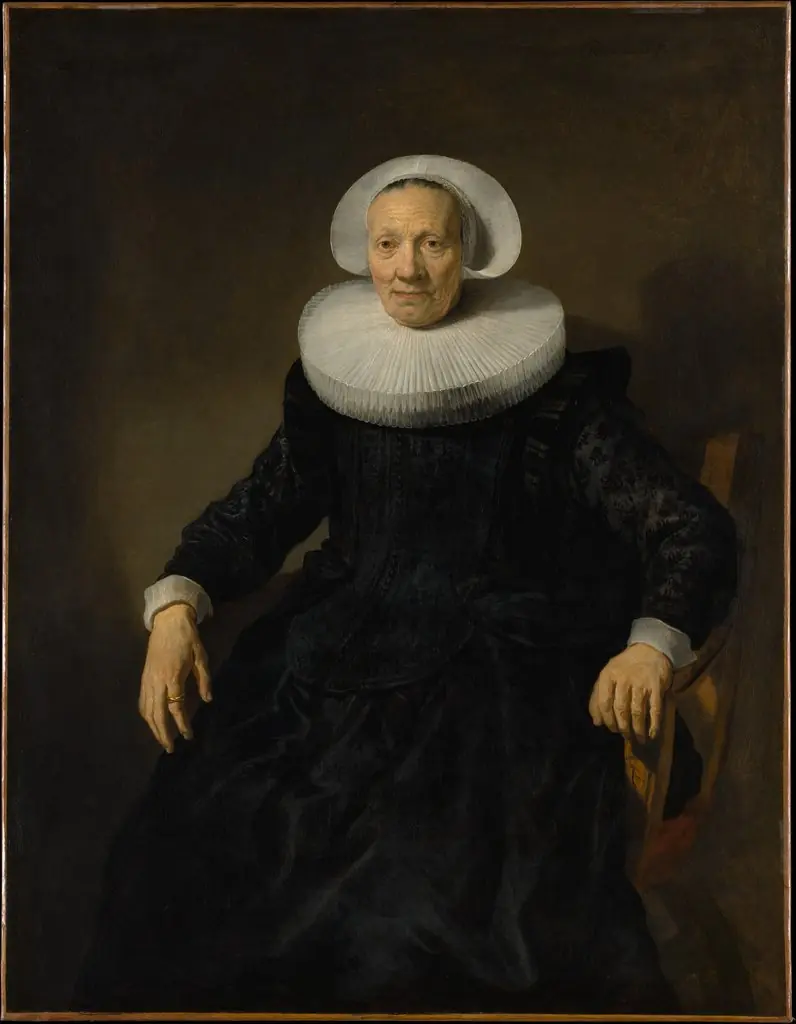 Old Woman in an Armchair
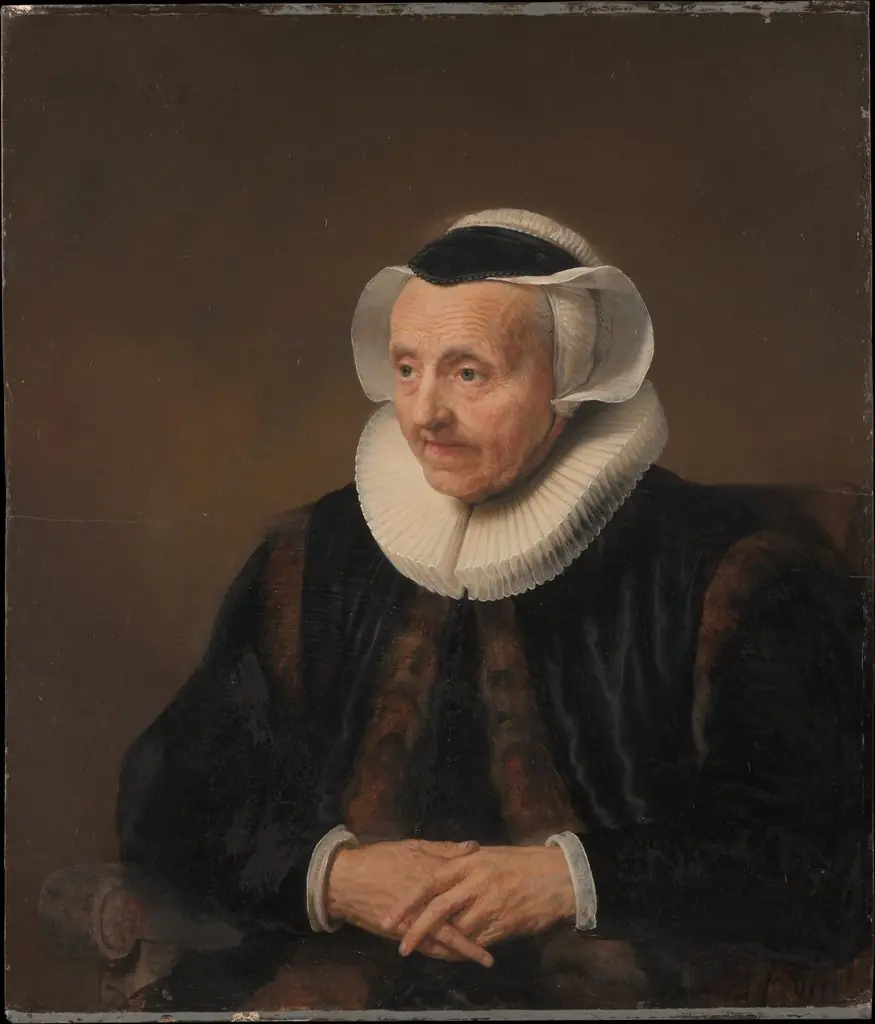 Portrait of an Old Woman
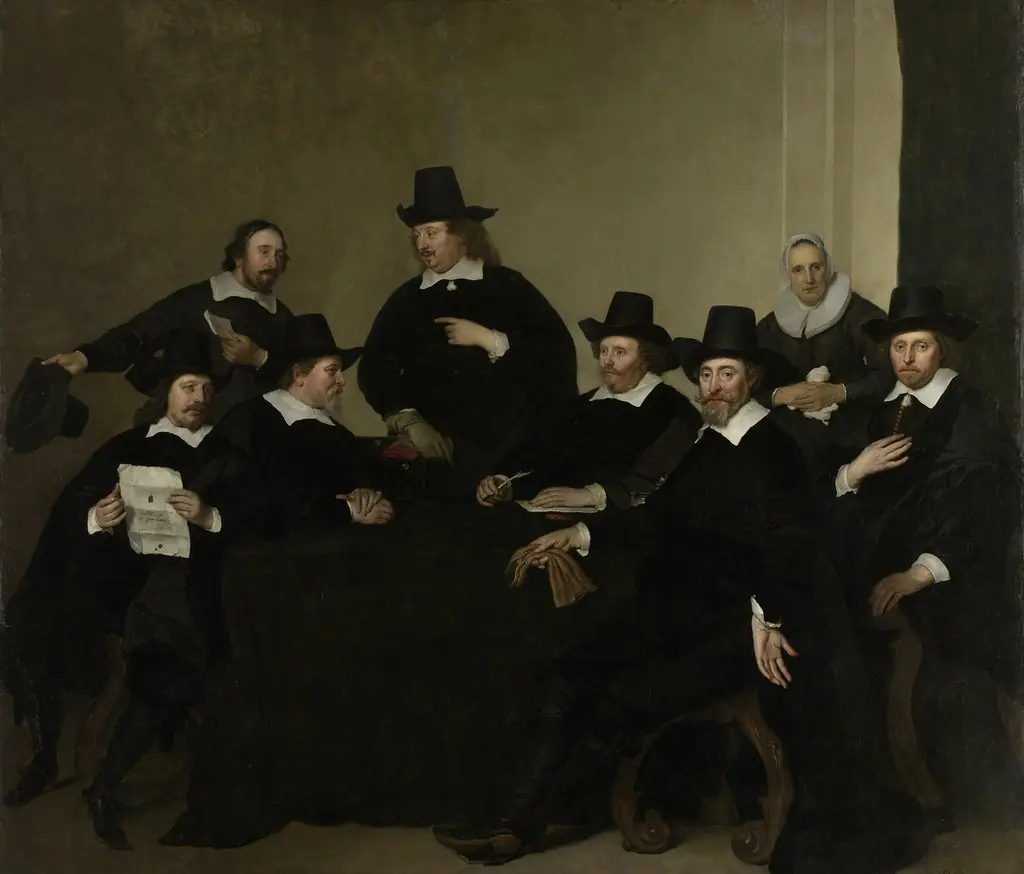 The regents of the Nieuwe Zijds institute for the outdoor relief of the poor, Amsterdam, ca 1650
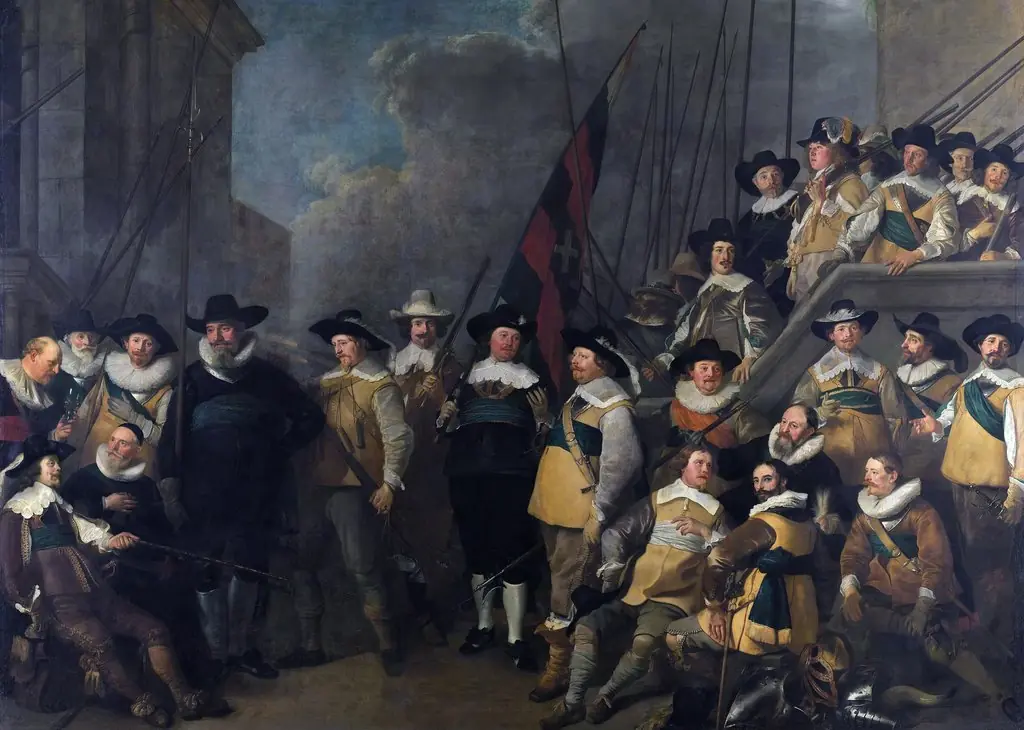 Officers and other Civic Guardsmen of the V District in Amsterdam under the command of Captain Cornelis de Graeff and Lieutenant Hendrick Lauwrensz
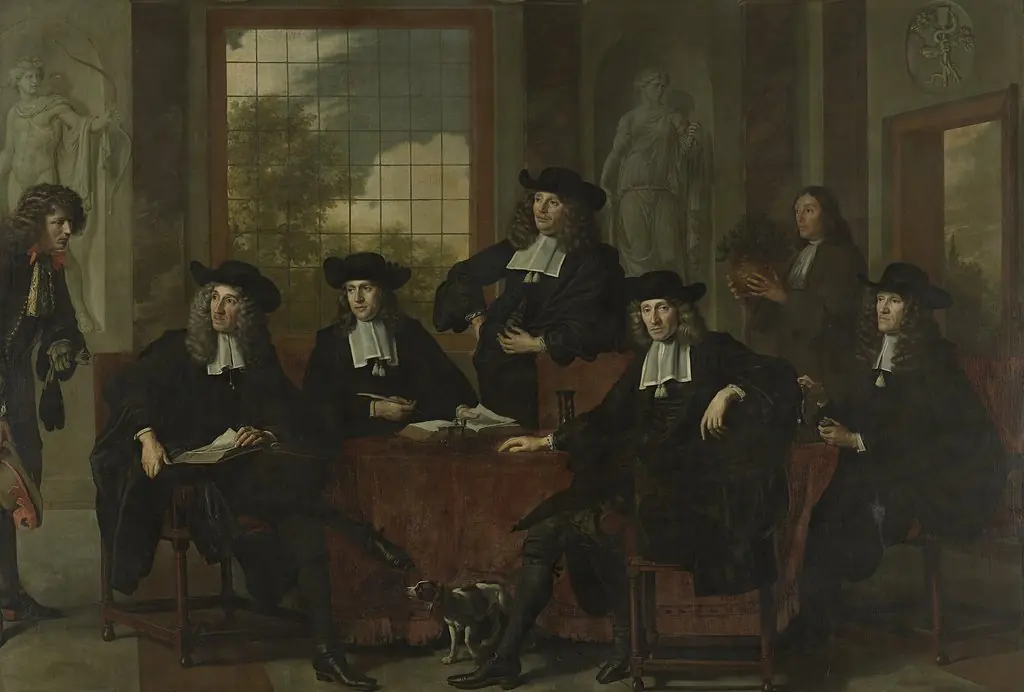 The superintendents of the Collegium Medicum in Amsterdam
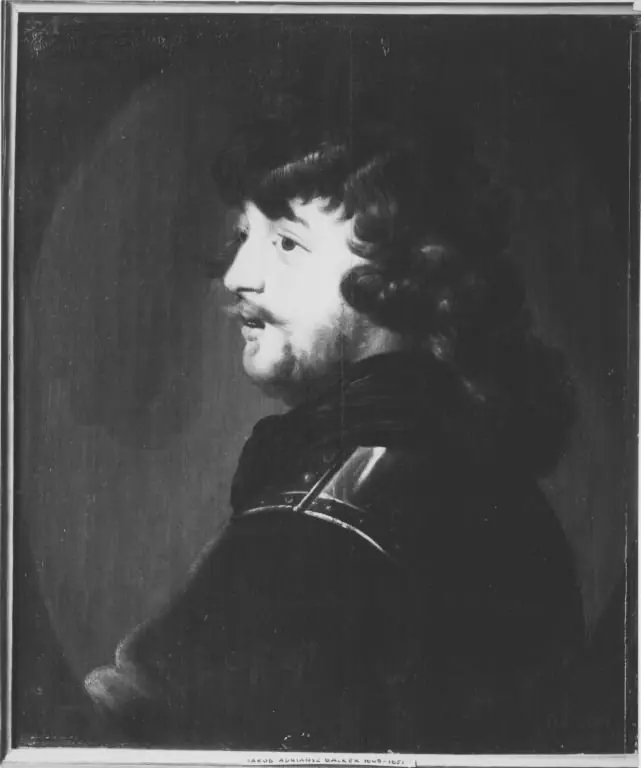 Portrait of a man in armor (self-portrait)
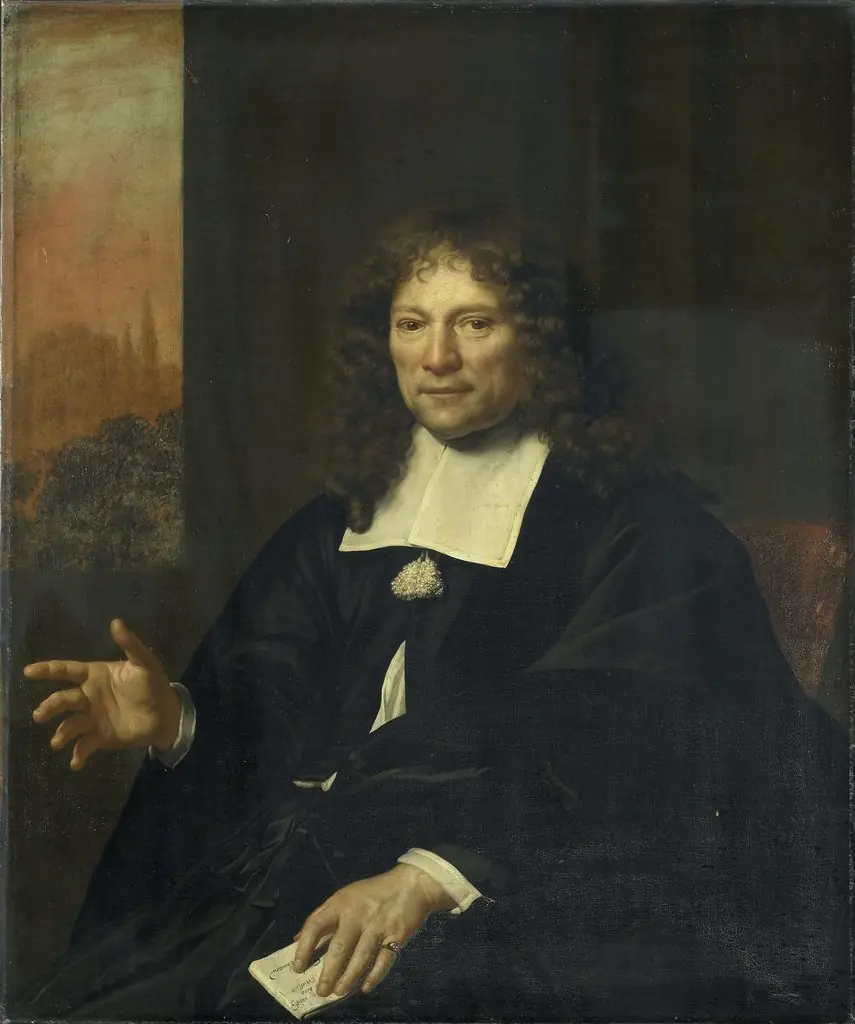 Portrait of Daniel Nellius, elder of the Remonstrant church and sampling official of Alkmaar
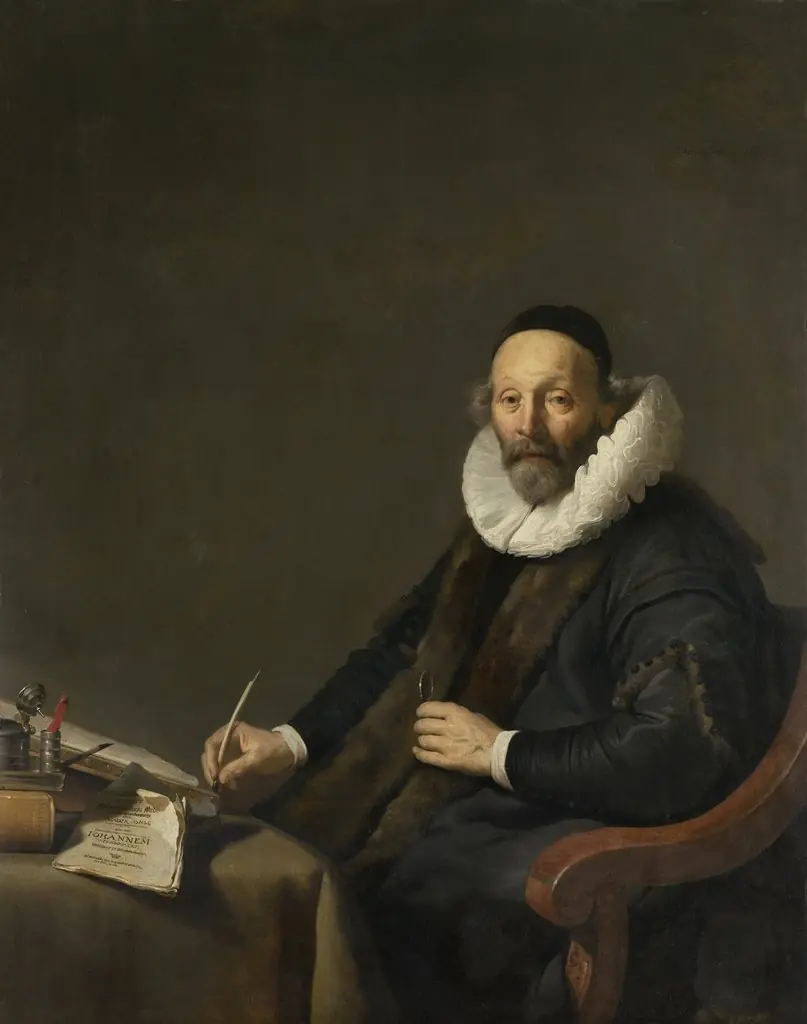 Johannes Uyttenbogaert (1557-1644). Remonstrant minister in The Hague