Artwork
The Twelve Sons of Jacob
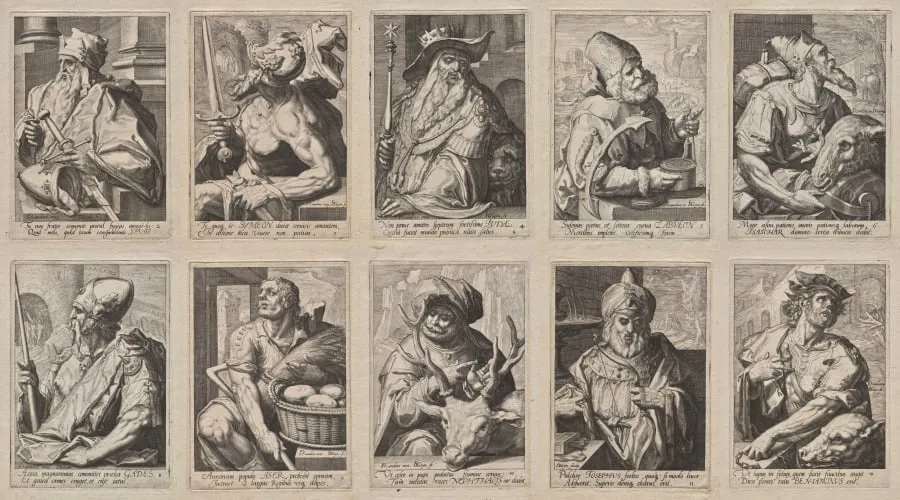
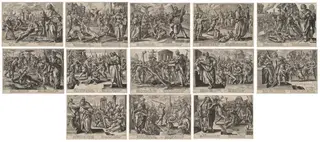
The Twelve Sons of Jacob is a print by the Renaissance artist Jacob de Gheyn II. It dates from 1589 and is held in the collection of the Cleveland Museum of Art.
- Accession no.
- 2024.145
About this work
Overview
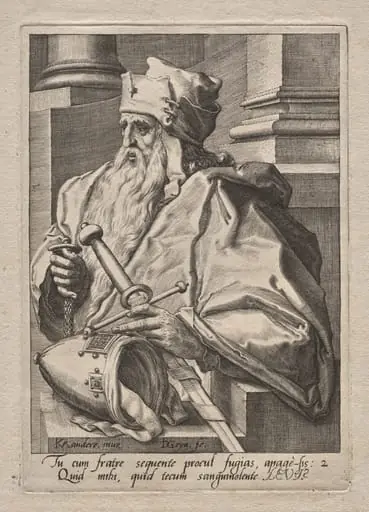
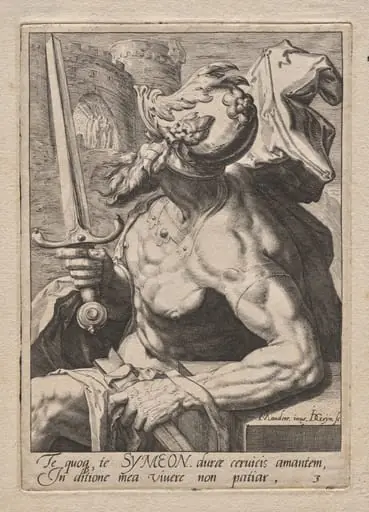
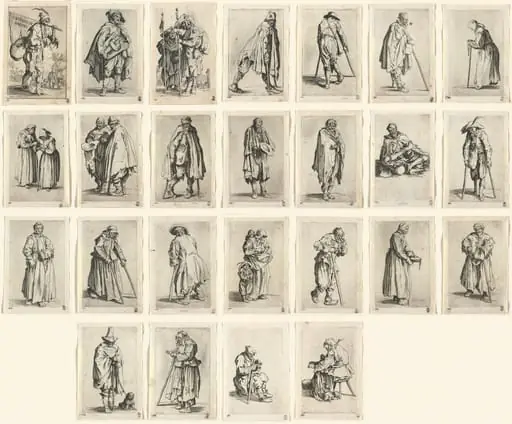
The work is a series of twelve woodcut prints depicting the biblical sons of Jacob, each rendered with a distinctive attribute and costume that allude to his tribal character. The figures stand side by side, each clutching an emblem, such as a staff, sword, or lamb, that serves as a visual cue to his identity. The set is incomplete, lacking the plates for Dan and Reuben.
Subject & Meaning
Rooted in the Old Testament narrative, the prints illustrate the blessings Jacob bestowed on his sons, which foretold the future fortunes and territories of the twelve tribes of Israel. In the 16th‑century Dutch context, these biblical exemplars were invoked as symbols of endurance and moral fortitude amid the period’s political and religious turbulence.
Technique & Style
Executed in the late 1500s, the series employs traditional woodcut engraving, a medium favored for its capacity to produce multiple copies. The figures are outlined in bold lines with limited shading, characteristic of Northern Renaissance printmaking, while the individualized costumes and accessories convey each son’s symbolic role through a straightforward, didactic visual language.
History & Provenance
Created in the Netherlands during a time of intense socio‑political conflict, the prints were likely intended for a devotional or instructional audience. The collection now held by the Cleveland Museum of Art comprises ten of the original twelve plates; the missing Dan and Reuben sheets have not survived or remain unidentified in other holdings.
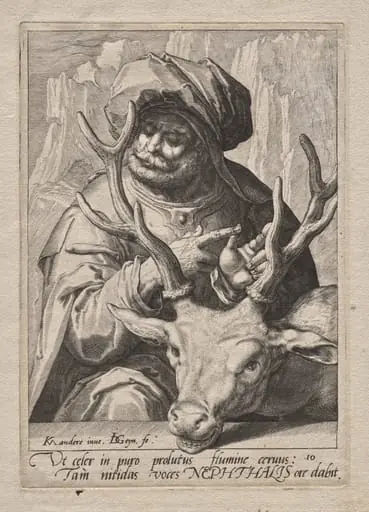
Artist & collection

Artist
Jacob de Gheyn II was a Dutch painter and engraver, whose work shows the transition from Northern Mannerism to Dutch realism over the course of his career.