Artwork
Portrait of a Lady
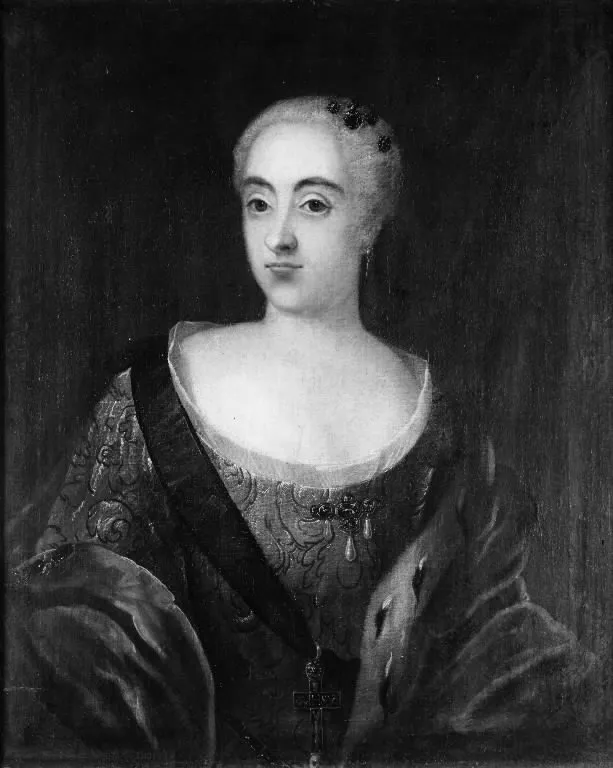
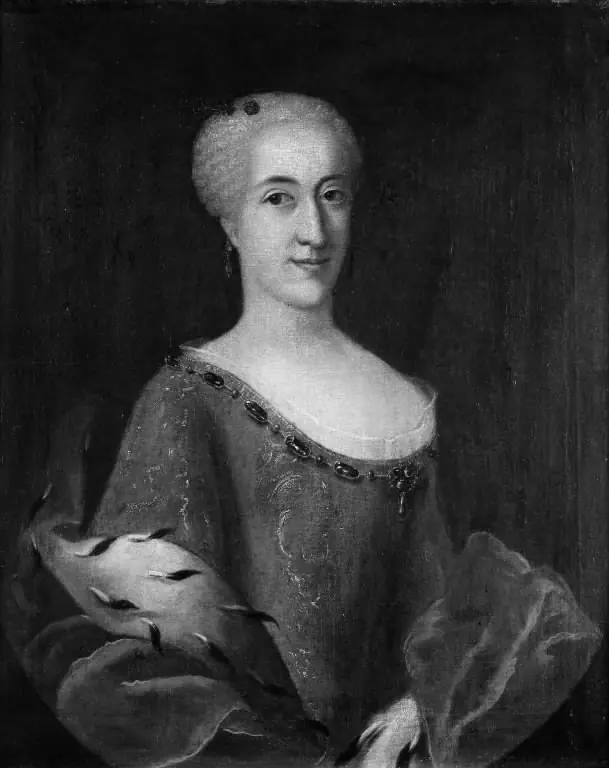
Portrait of a Lady is an oil painting by the Rococo painting artist Jacob Heinrich Helbigk. It dates from 1734 and is held in the collection of the Statens Museum for Kunst.
About this work
History & Provenance
It is currently held in the collection of the Statens Museum for Kunst in Copenhagen, where it is catalogued as part of the museum’s holdings.
The painting was created in 1734 by Jacob Heinrich Helbigk as a portrait of a woman in oil on canvas, measuring 76.0 cm in height and 63.0 cm in width.
It is currently held in the collection of the Statens Museum for Kunst in Copenhagen, where it is catalogued as part of the museum’s holdings.
The Portrait of a Lady by Jacob Heinrich Helbigk is held in the collection of the Statens Museum for Kunst. The painting, created in 1734, is an oil on canvas work measuring 76 cm in height and 63 cm in width. The provided sources do not list a specific inventory or accession number for the work, nor do they record any exhibition history.
Overview
Jacob Heinrich Helbigk’s oil portrait, dated 1734, presents a solitary female figure rendered with restrained elegance. The canvas is owned by Denmark’s national gallery, the Statens Museum for Kunst, where it remains part of the museum’s early‑18th‑century collection.
Subject & Meaning
The sitter is shown in a dark, patterned robe with a high collar, her hair gathered back and a modest necklace bearing a cross pendant resting at her throat. The presence of the cross hints at a possible religious affiliation or noble lineage, while the unadorned background directs attention to her expression and demeanor.
Technique & Style
Helbigk employs a subdued chiaroscuro, allowing a focused beam of light to illuminate the woman’s face and shoulders against a deep, uniform backdrop. The delicate handling of the fabric’s texture and the subtle gradations of tone demonstrate the artist’s skill in creating volume through contrast rather than elaborate detail.
Context
The work reflects the broader European trend of intimate, single‑figure portraits that emphasized personal virtue and status through restrained attire and symbolic accessories. In the 1730s, such depictions were common among the bourgeois and aristocratic classes, serving both as commemorative pieces and as visual affirmations of piety or rank.
Artist & collection

- Portrait of a Lady
 Portrait of a Lady
 Portrait of a Lady
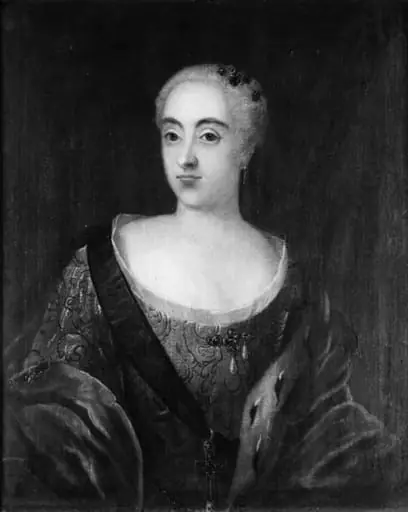 Portrait of a Lady
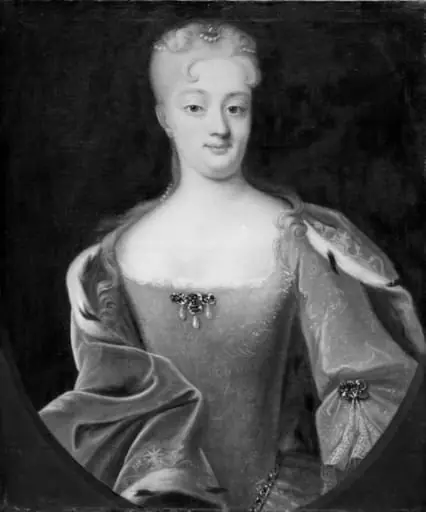 Dronning Sophie Magdalene
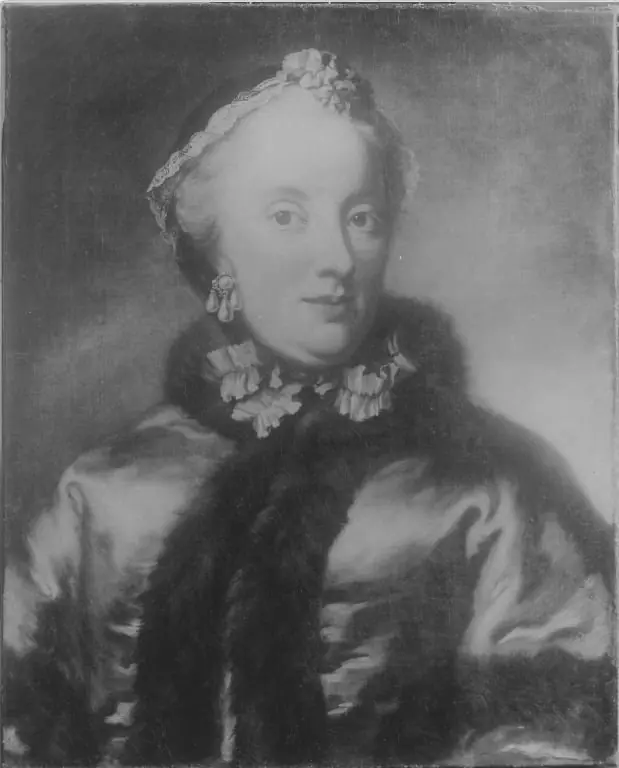 Bildnis der Maria Anna, Gemahlin des Kurfürsten Max III. Joseph (Werkstatt)
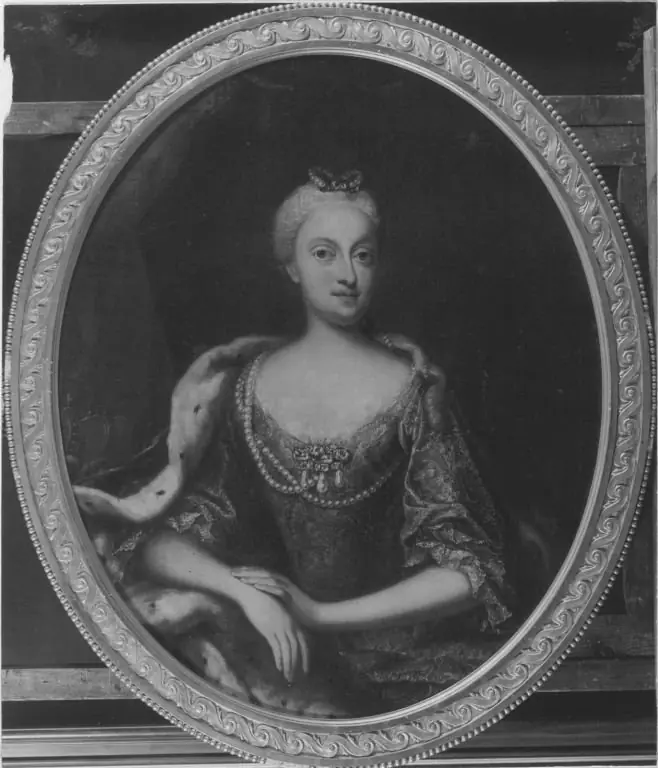 Kaiserin Maria Amalia, Gemahlin Kaiser Karls VII.
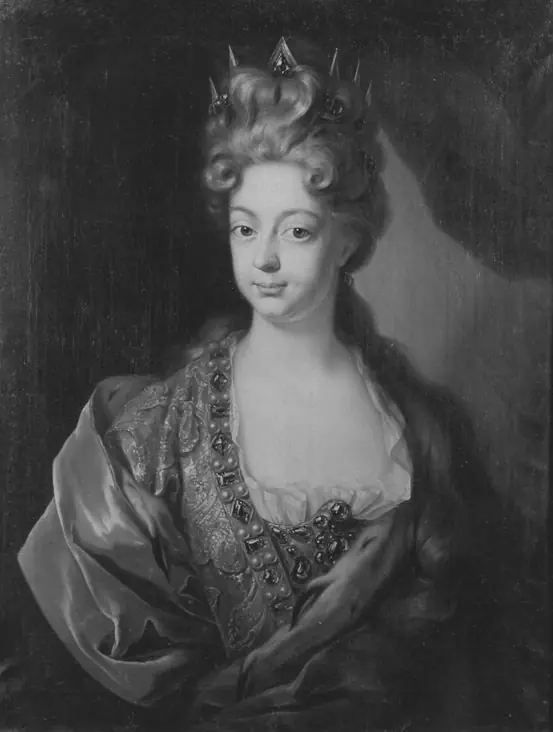 Portrait of Wilhelmine Amalie of Braunschweig-Lüneburg
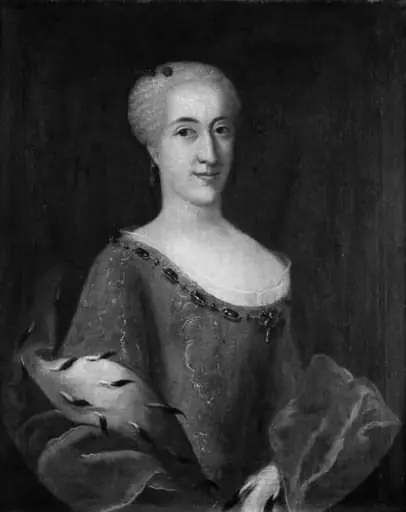 Portrait of a Lady
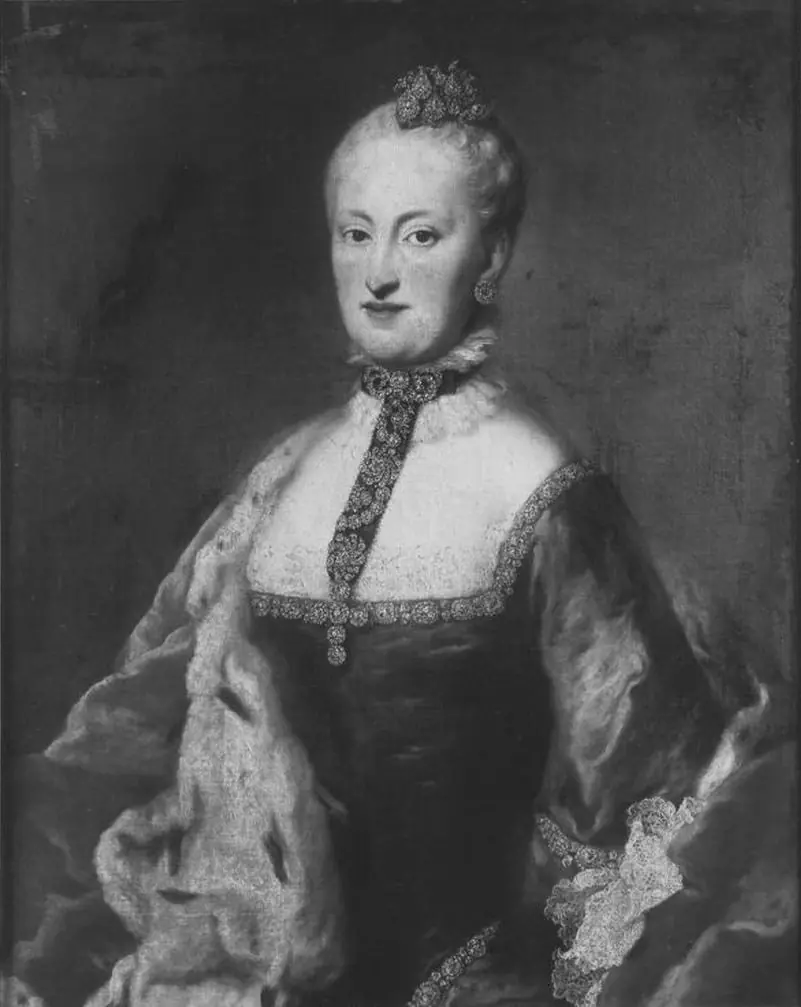 So-called portrait of Maria Anna Sophia of Saxony (1728–1797)
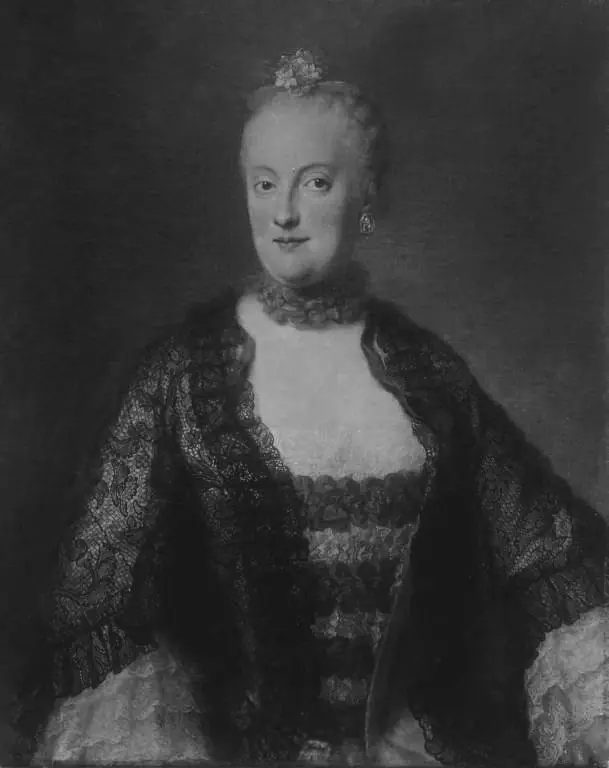 Maria Anna, Gemahlin des Kurfürsten Max III. Joseph von Bayern
 Portrait of a Lady