Artwork
A Bleaching Field
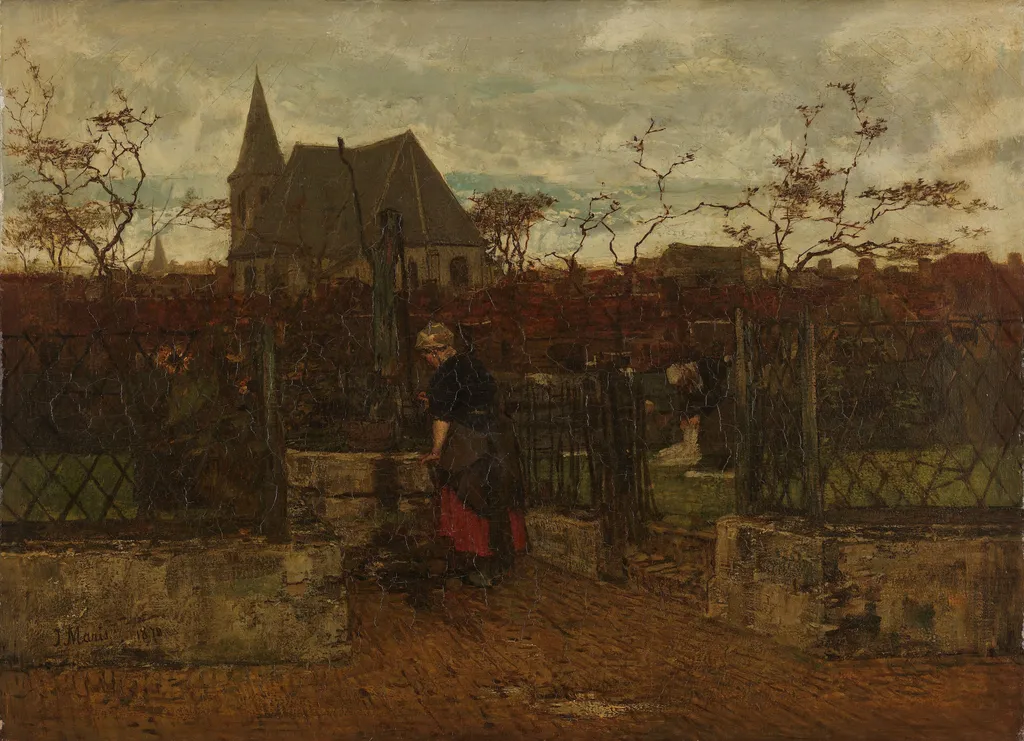
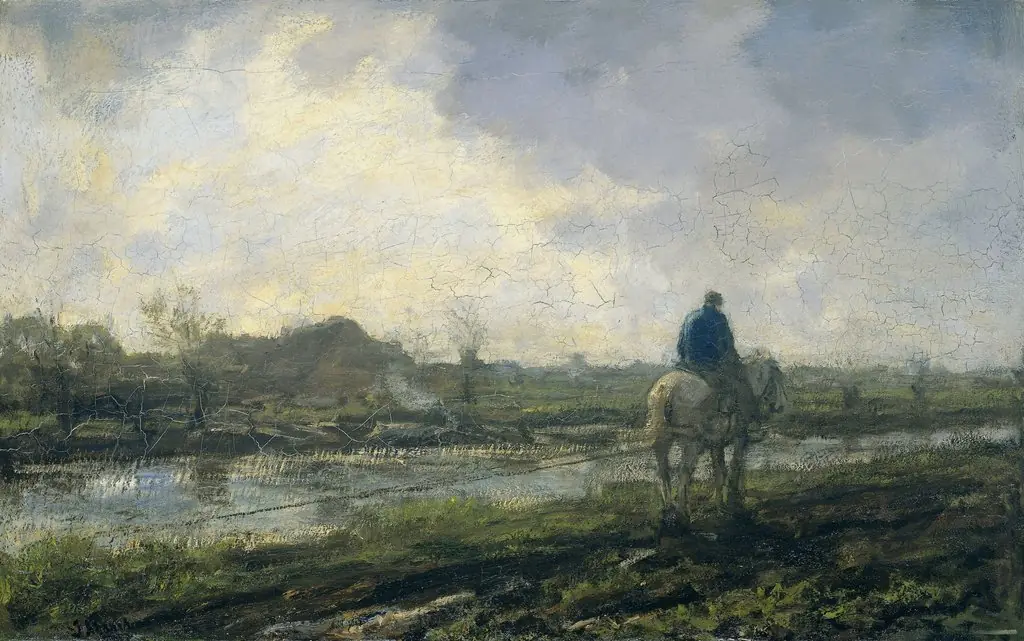
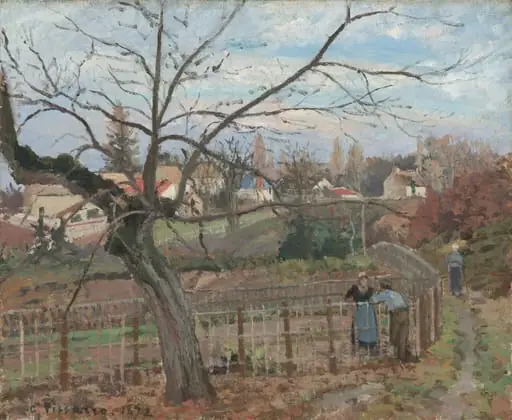
A Bleaching Field is an oil painting by the Realist artist Jacob Maris. It dates from 1870 and is held in the collection of the Rijksmuseum.
About this work
Subject & Meaning
The inclusion of the lavoir and the specific activity of the washerwomen highlights the manual processes involved in textile maintenance during this period.
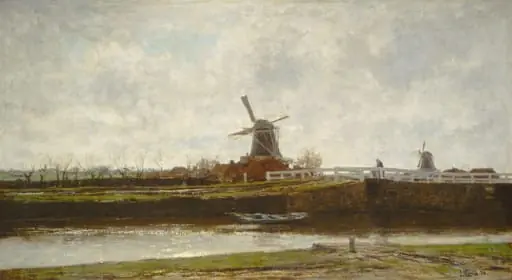
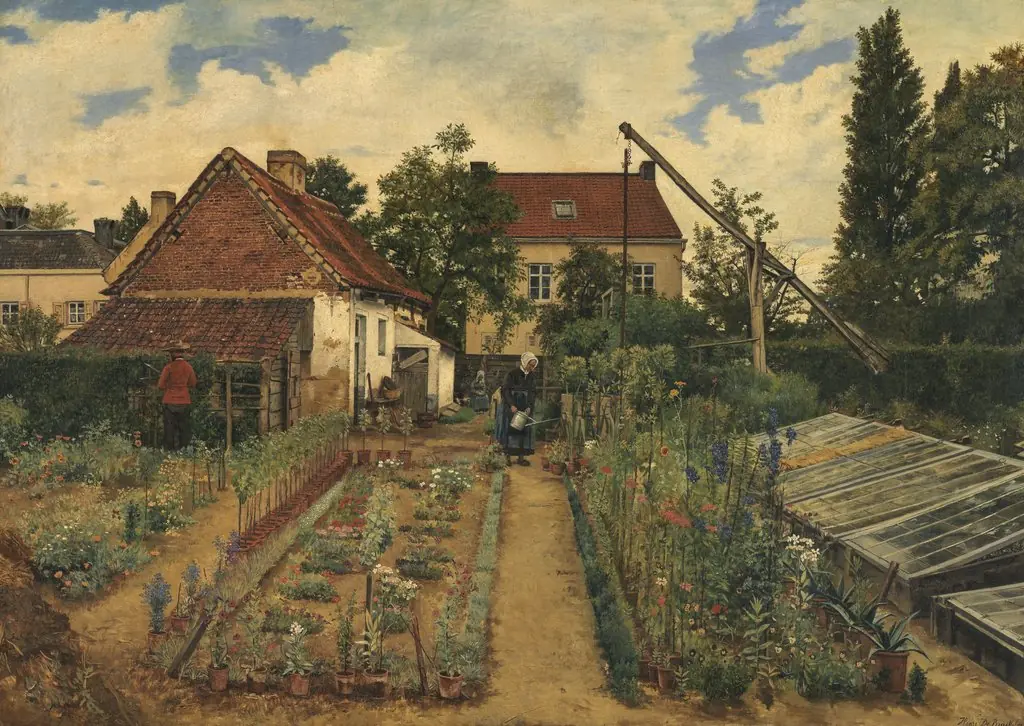
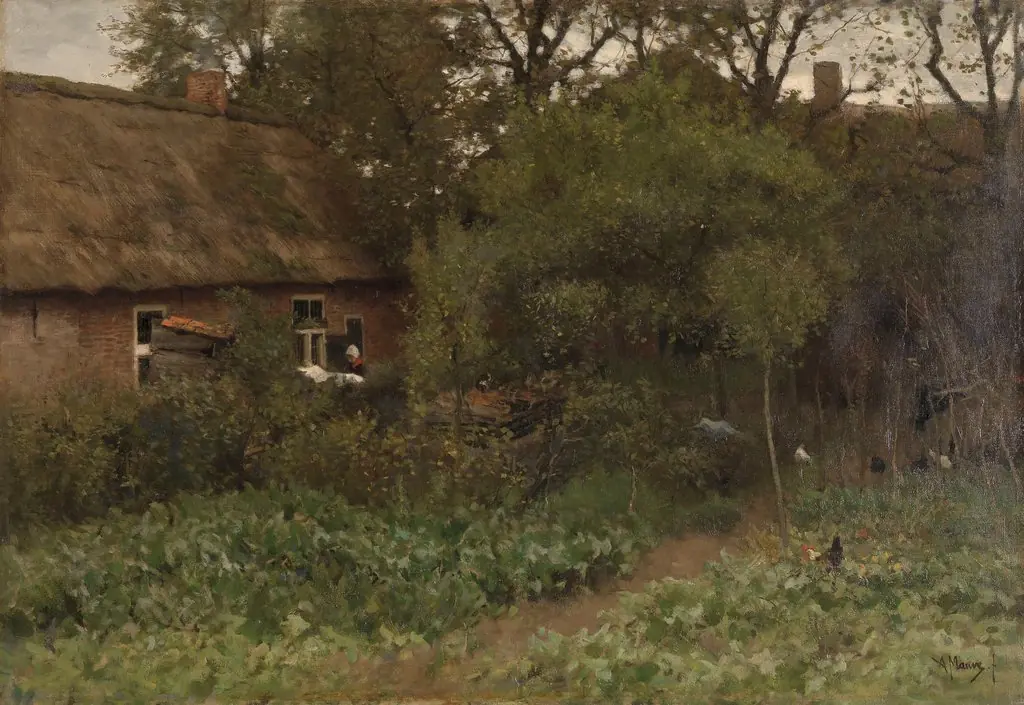
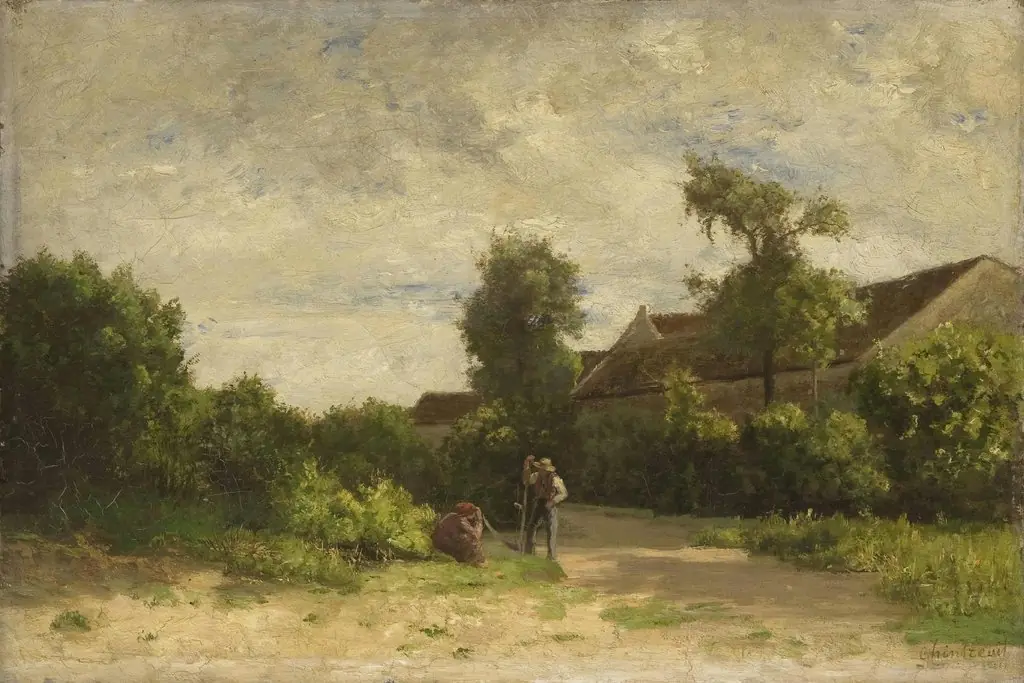
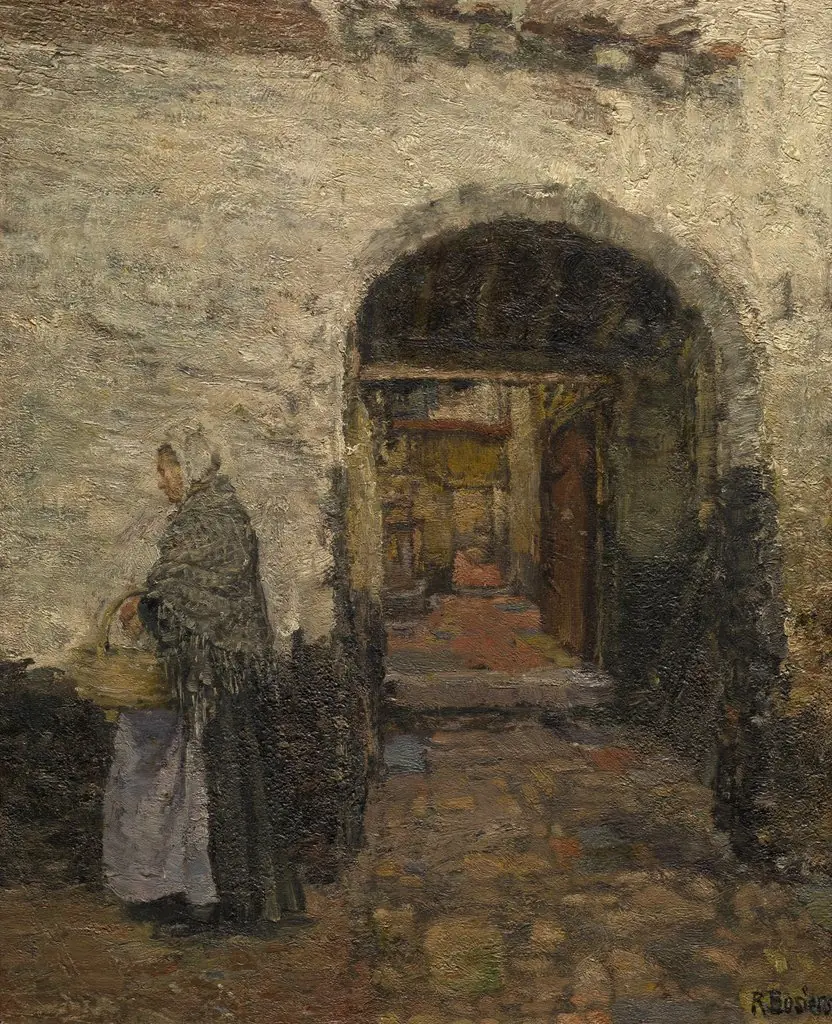
Jacob Maris's 1870 oil painting depicts a bleachfield, an open area traditionally used for drying and whitening linen. The composition features washerwomen engaged in their labor, set against a backdrop defined by an expansive sky filled with clouds. As a work of genre art, the piece focuses on the representation of everyday rural industry and the figures who sustain it.
The inclusion of the lavoir and the specific activity of the washerwomen highlights the manual processes involved in textile maintenance during this period. The atmospheric treatment of the sky serves as a dominant visual element, framing the human activity below within a naturalistic landscape.
Technique & Style
Jacob Maris created A Bleaching Field in 1870 as an oil painting on canvas. The work measures 41 cm in height and 57 cm in width. As a genre scene, it depicts a bleachfield populated by washerwomen, a lavoir, and a sky filled with clouds. The painting is currently held in the collection of the Rijksmuseum.
History & Provenance
Jacob Maris executed the oil painting A Bleaching Field in 1870. The work was created on canvas and depicts a scene featuring a bleachfield, washerwomen, and a cloudy sky. Following its creation, the painting entered the collection of the Rijksmuseum, where it remains held today.
A Bleaching Field (1870) by Jacob Maris is held in the collection of the Rijksmuseum. The painting, executed in oil on canvas, measures 41 by 57 cm and depicts a bleachfield with lavoirs, washerwomen, sky, and clouds.
No specific inventory or accession number for the work is recorded in the available sources, and no exhibition history is documented.
Context
Jacob Maris’s A Bleaching Field (1870) has been situated within the Dutch luminist tradition for its atmospheric rendering of light and space across the flat, expansive landscape. Scholars emphasize the work’s alignment with the Hague School’s focus on everyday rural life, using subdued tonalities to evoke quiet industriousness rather than dramatic incident. The painting entered the Rijksmuseum’s collection, reflecting its recognition as a representative example of Dutch genre painting of the period.
Within art history, the work is often discussed alongside Maris’s broader output of atmospheric landscapes, underscoring his contribution to the late-19th-century shift toward plein-air observation and light-infused naturalism in the Netherlands.
Overview
Jacob Maris, a prominent Dutch painter of the Hague School, completed A Bleaching Field in 1870. This oil painting exemplifies the Realism movement through its depiction of an ordinary rural scene. Maris focused on capturing the subtle qualities of light and the prevailing atmosphere, presenting a quiet moment from daily life.
The work is recognized for its evocative portrayal of a commonplace Dutch landscape, reflecting the artistic interests of his contemporaries.
Own this work as a print
Artist & collection
Artist
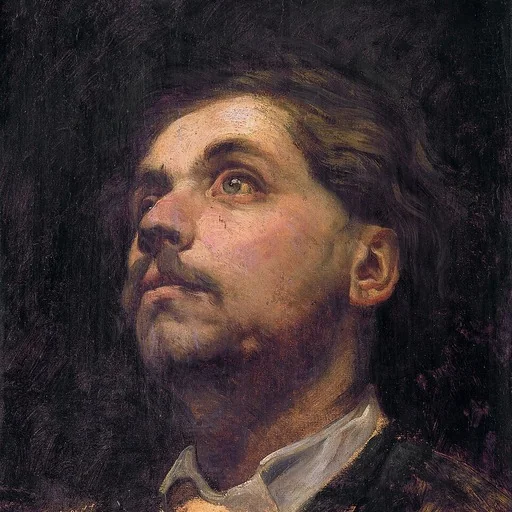
Jacob Henricus Maris (August 25, 1837 – August 7, 1899) was a Dutch painter, who with his brothers Willem and Matthijs belonged to what has come to be known as the Hague School of painters.