Artwork
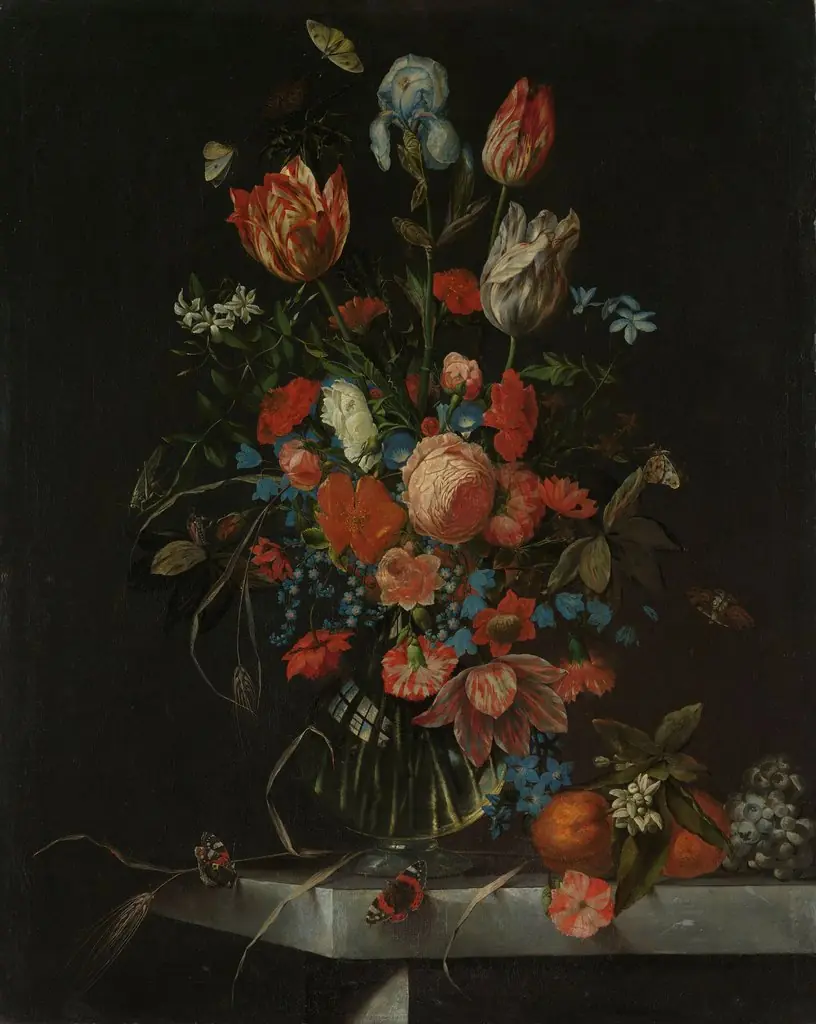
Still Life with a Vase of Flowers and a Dead Frog
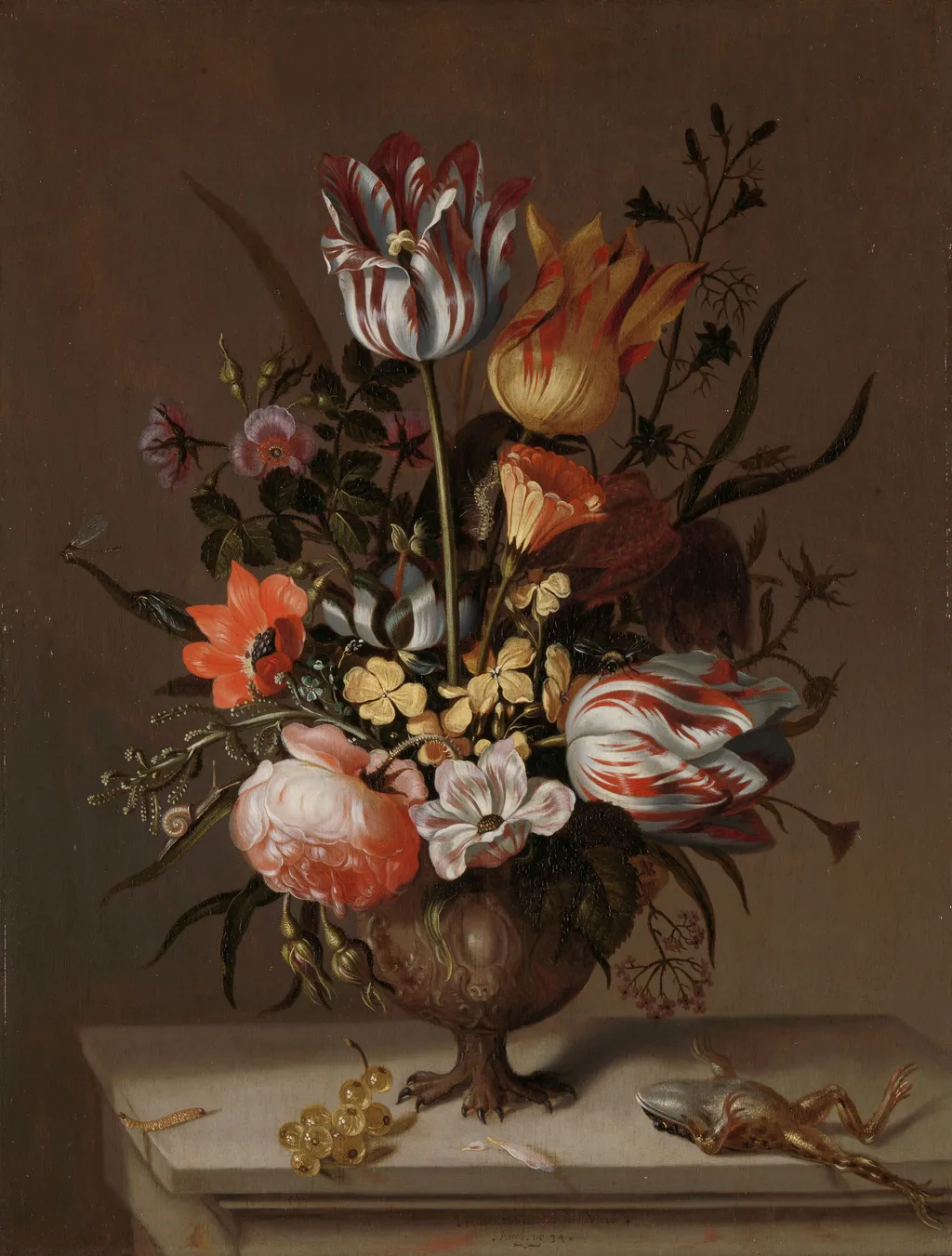
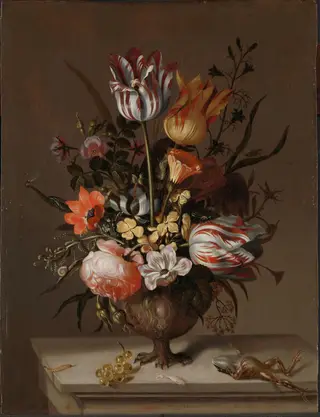
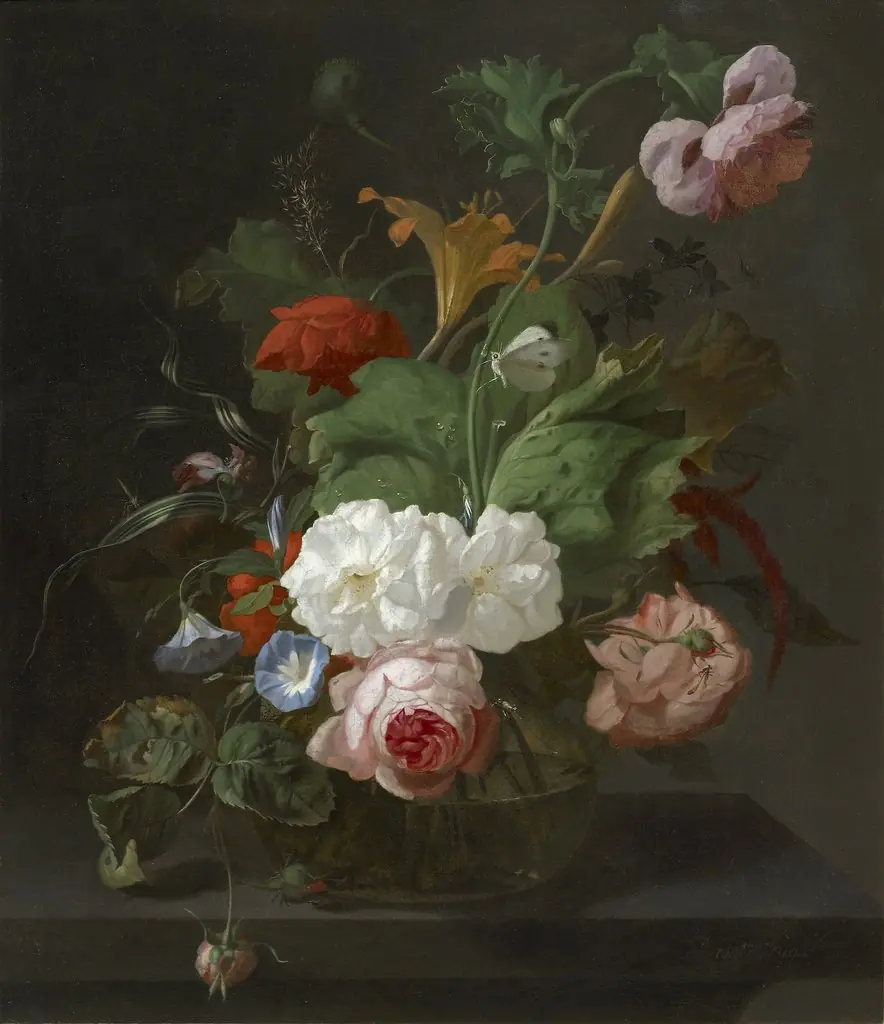
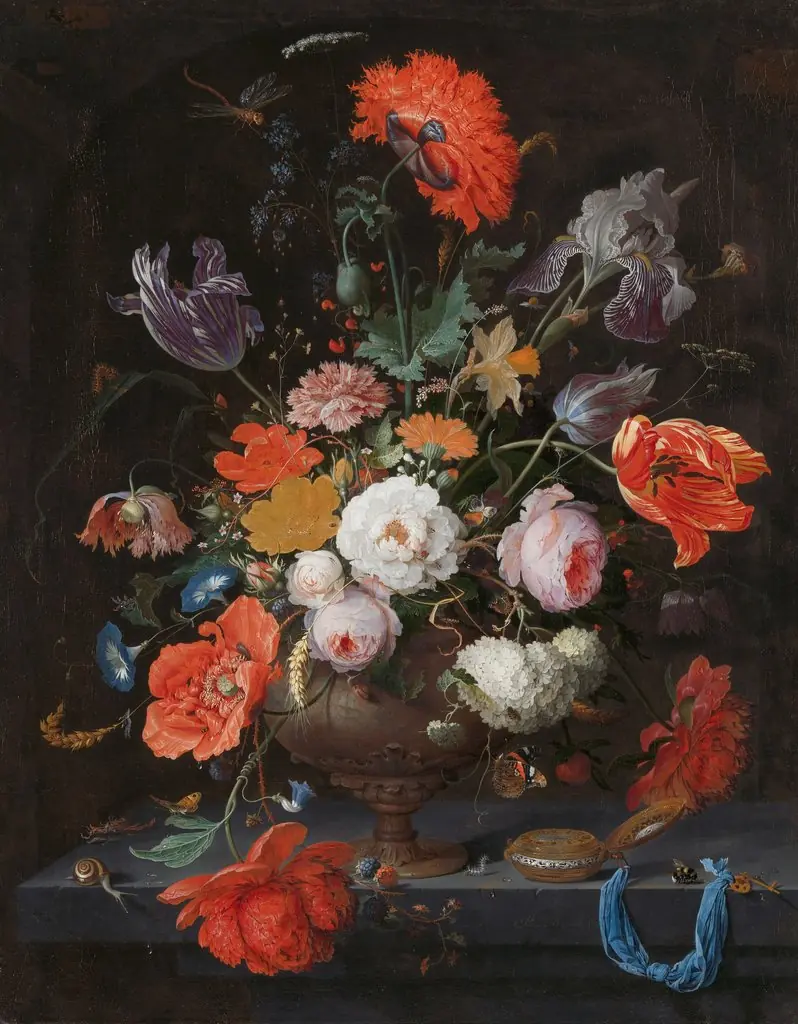
Still Life with a Vase of Flowers and a Dead Frog is an oil painting by the Dutch Golden Age artist Jacob Marrel. It dates from 1634 and is held in the collection of the Rijksmuseum.
About this work
Subject & Meaning
While the composition features the vibrant blooms typical of the genre, the presence of the dead frog introduces a contrasting element of decay.
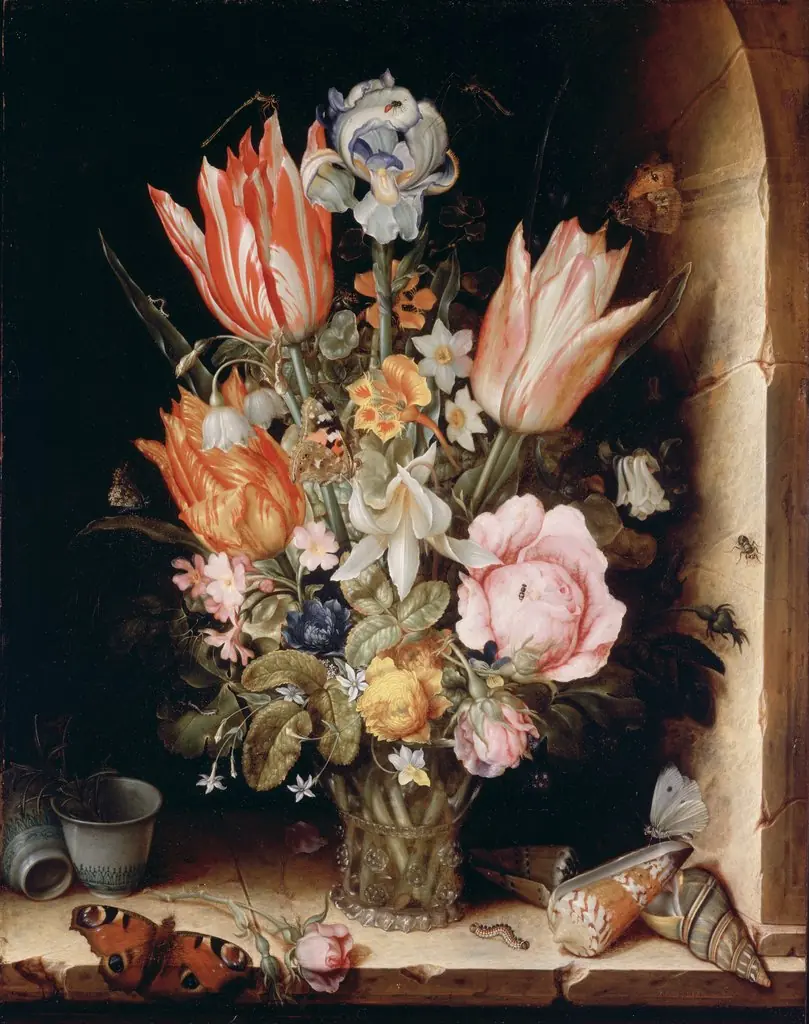
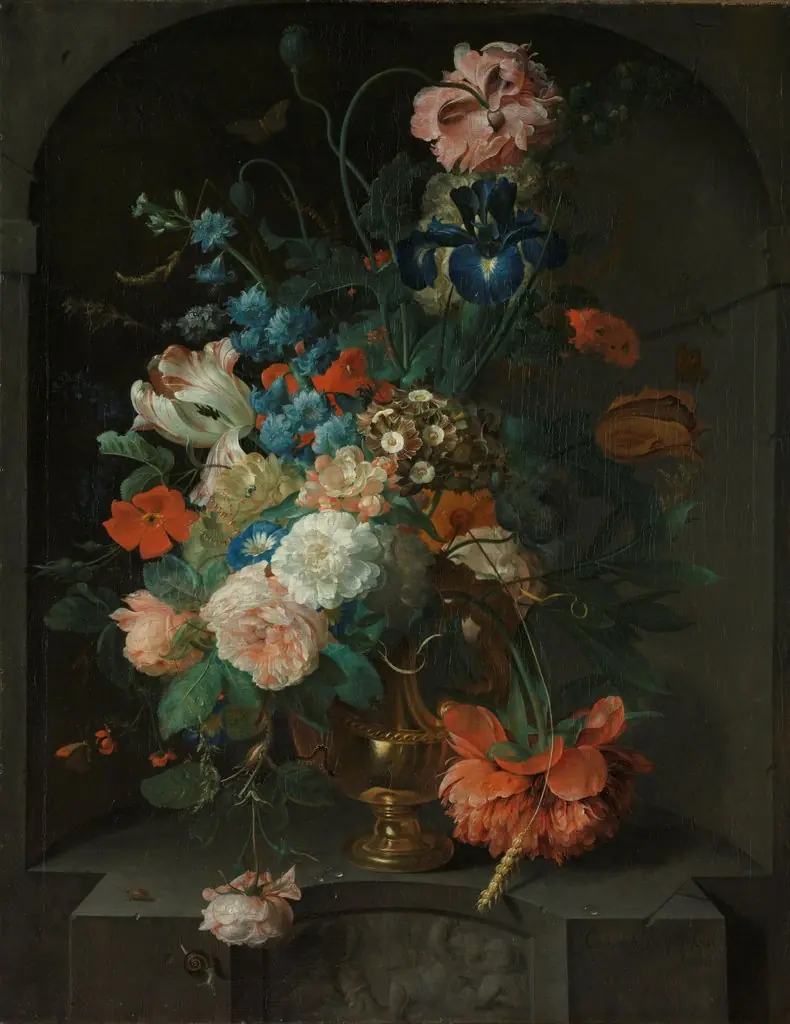
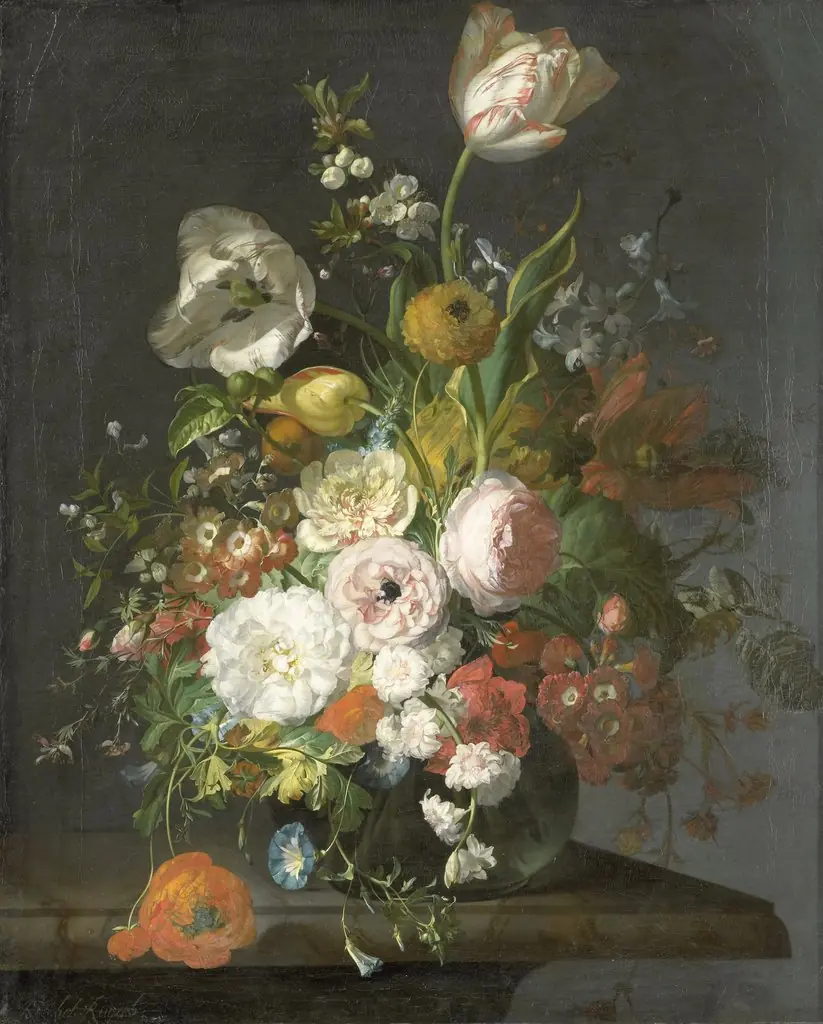
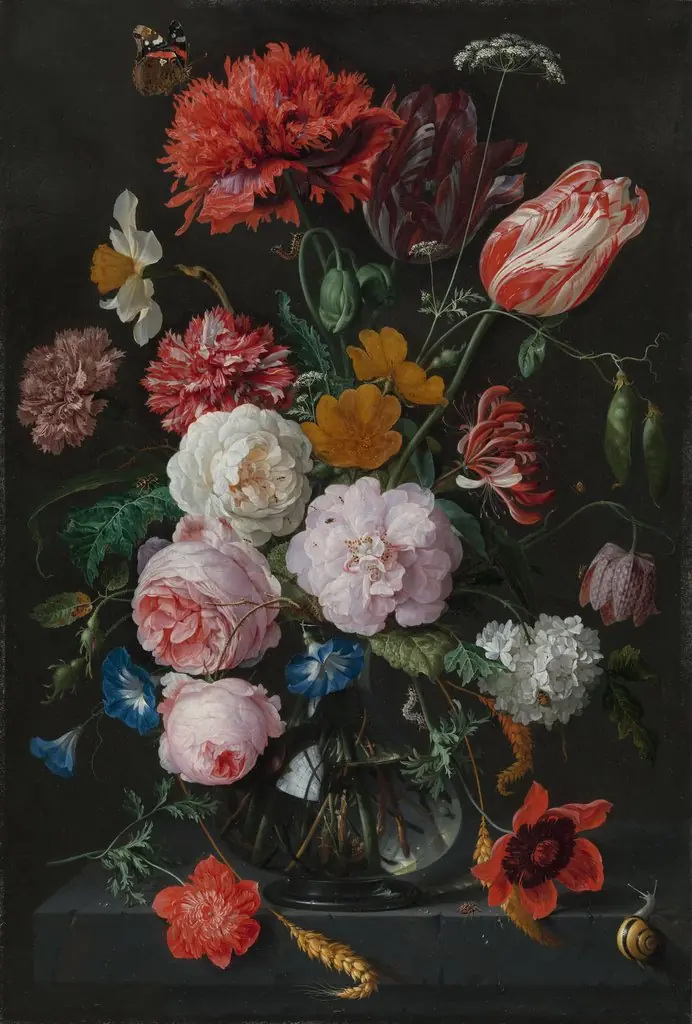
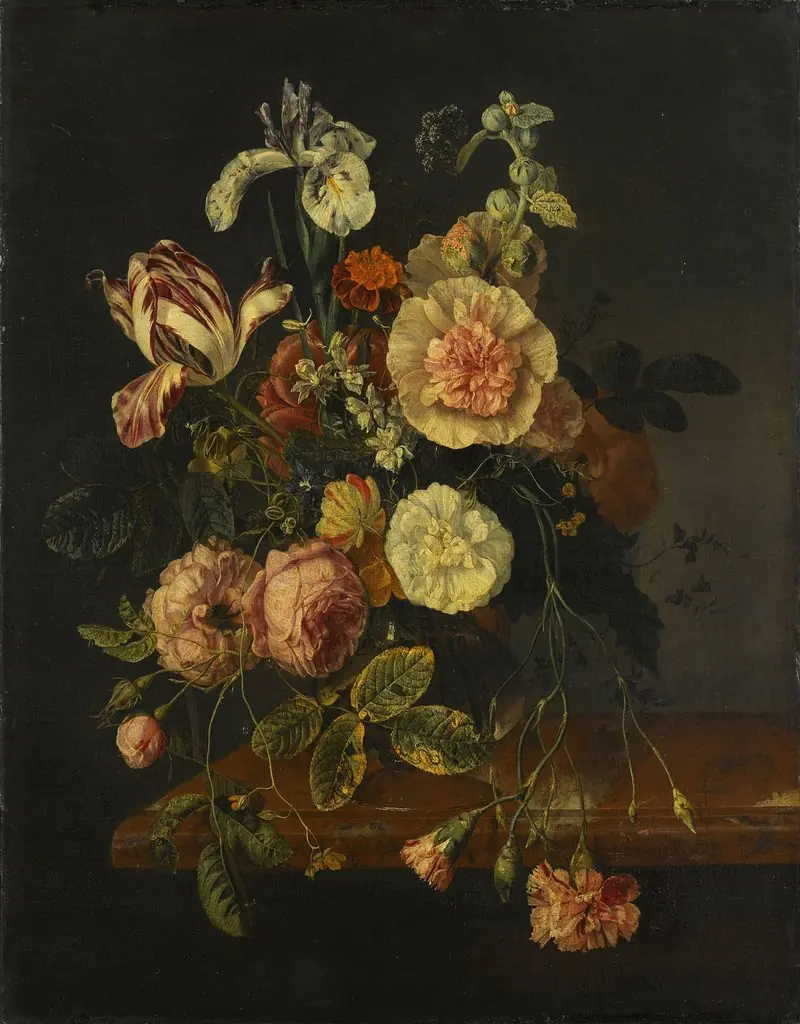
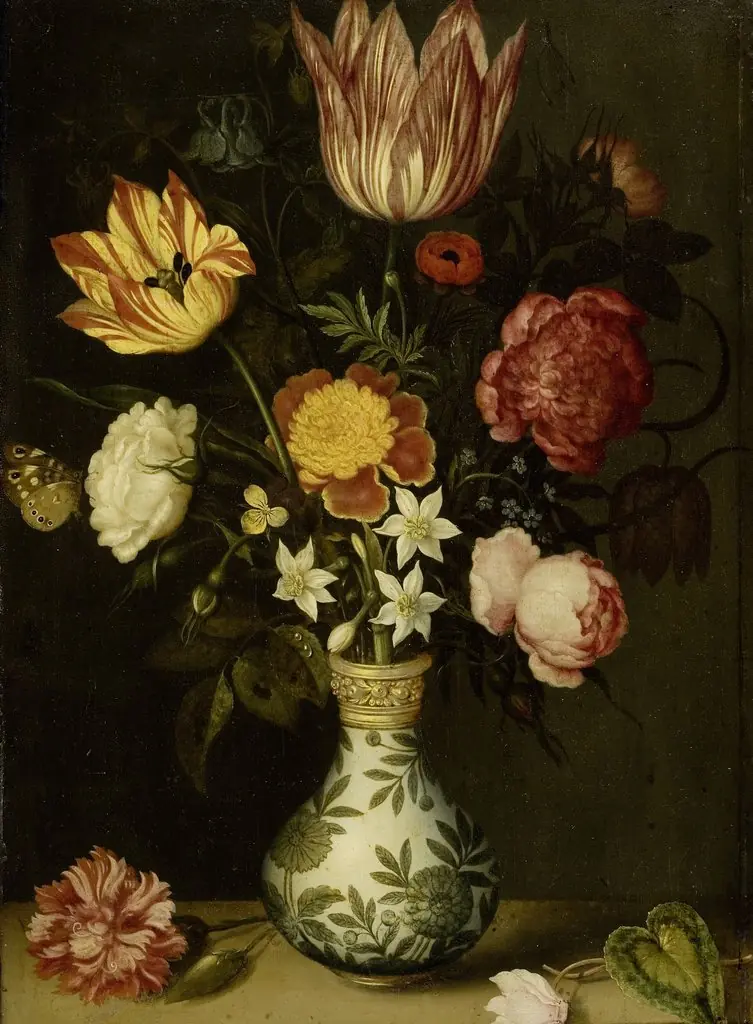
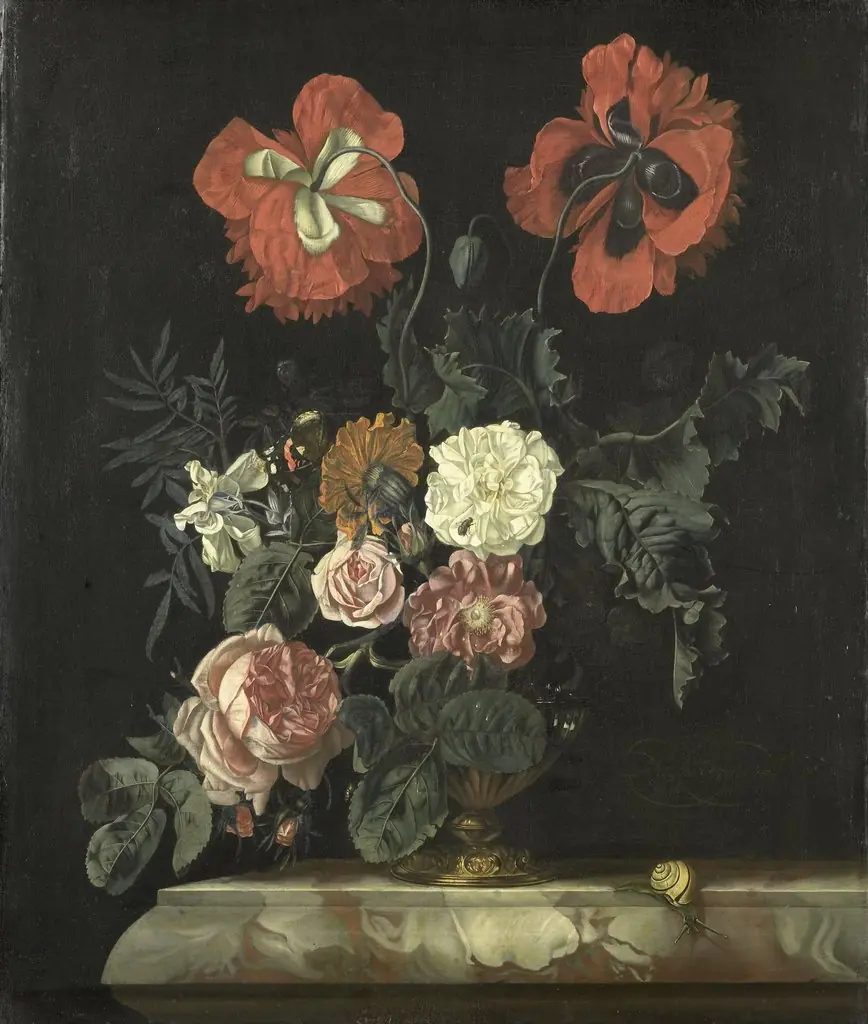
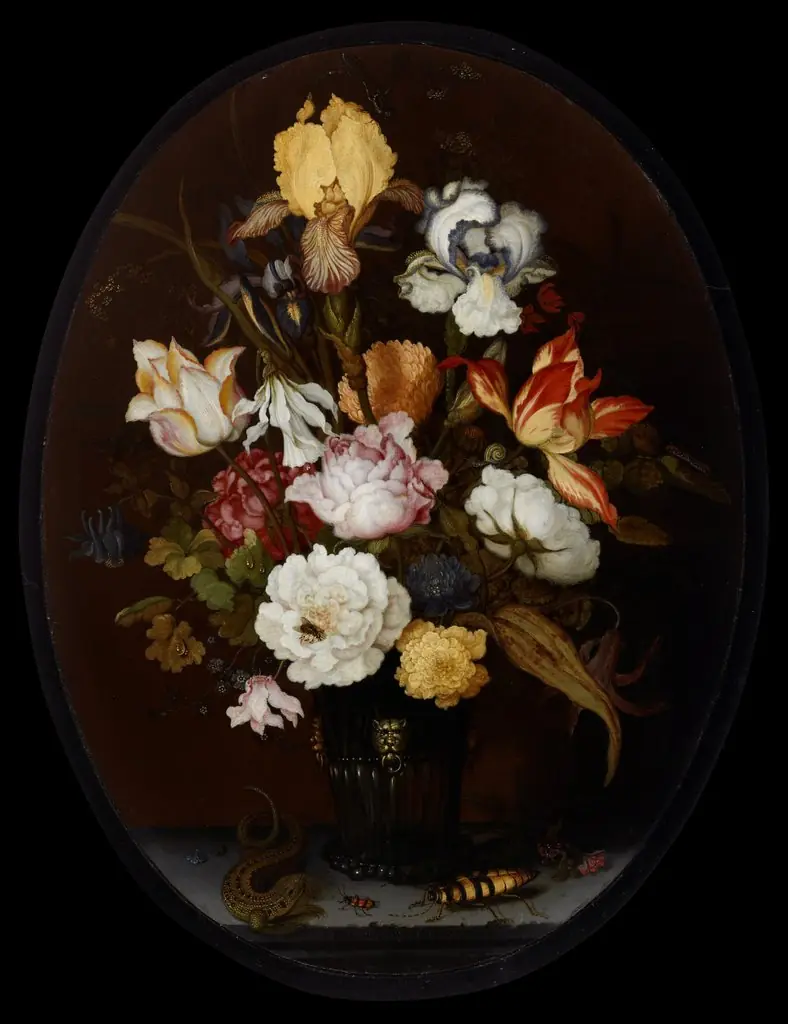
Executed in 1634 by Jacob Marrel, this oil painting on panel presents a floral still life centered on a bouquet of flowers arranged in a vase. The work's specific title, Still Life with a Vase of Flowers and a Dead Frog, indicates the inclusion of a deceased amphibian alongside the botanical elements, a detail that distinguishes it from standard floral depictions. While the composition features the vibrant blooms typical of the genre, the presence of the dead frog introduces a contrasting element of decay.
This juxtaposition of living flora and a lifeless creature likely serves a symbolic function, characteristic of Dutch Golden Age still lifes that often meditate on the transience of life and the inevitability of death.
Technique & Style
Executed in oil on a wooden panel in 1634, the work measures 40 × 30 cm. Marrel's handling combines smooth, blended passages in the petals and leaves with more deliberately textured strokes in the frog's skin and foliage, emphasizing tactile contrast. The still-life vocabulary is typical of the period: a centrally placed vase of varied blooms rendered with botanical fidelity, balanced by an incidental dead frog whose muted tones and limp posture introduce a memento-mori note.
The composition's clarity and the crisp definition of forms suggest careful underdrawing and a restrained, layered build-up of glazes.
History & Provenance
The painting was created in 1634 by Jacob Marrel, as indicated by the artist's inscription on the work.
Its early provenance traces to a private collection before entering the holdings of Hendrik Willem Mesdag, the Dutch painter and collector, who owned it by 1903. It later passed to the Centraal Museum in Utrecht and subsequently to the Rijksmuseum, Amsterdam, where it remains in the permanent collection.
No specific inventory or accession number is recorded in the available sources, and no exhibition history is documented.
Overview
Created in 1634 by Jacob Marrel, a German artist who worked in Utrecht, this oil painting belongs to the Dutch Golden Age tradition of still life. It presents a carefully arranged bouquet in a tall vase, accompanied by a lifeless frog and a few snail shells, all set against a dark backdrop that heightens the vividness of the blossoms.
Own this work as a print
Artist & collection
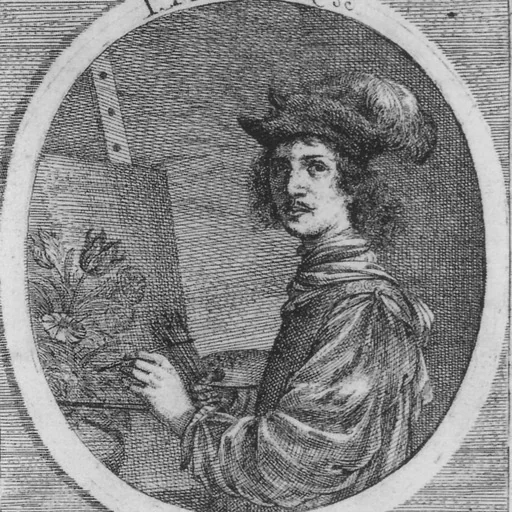
Artist
Jacob Marrel (1613/1614 – 11 November 1681) was a German still life painter active in Utrecht during the Dutch Golden Age.