Artwork
Portrait of a Woman
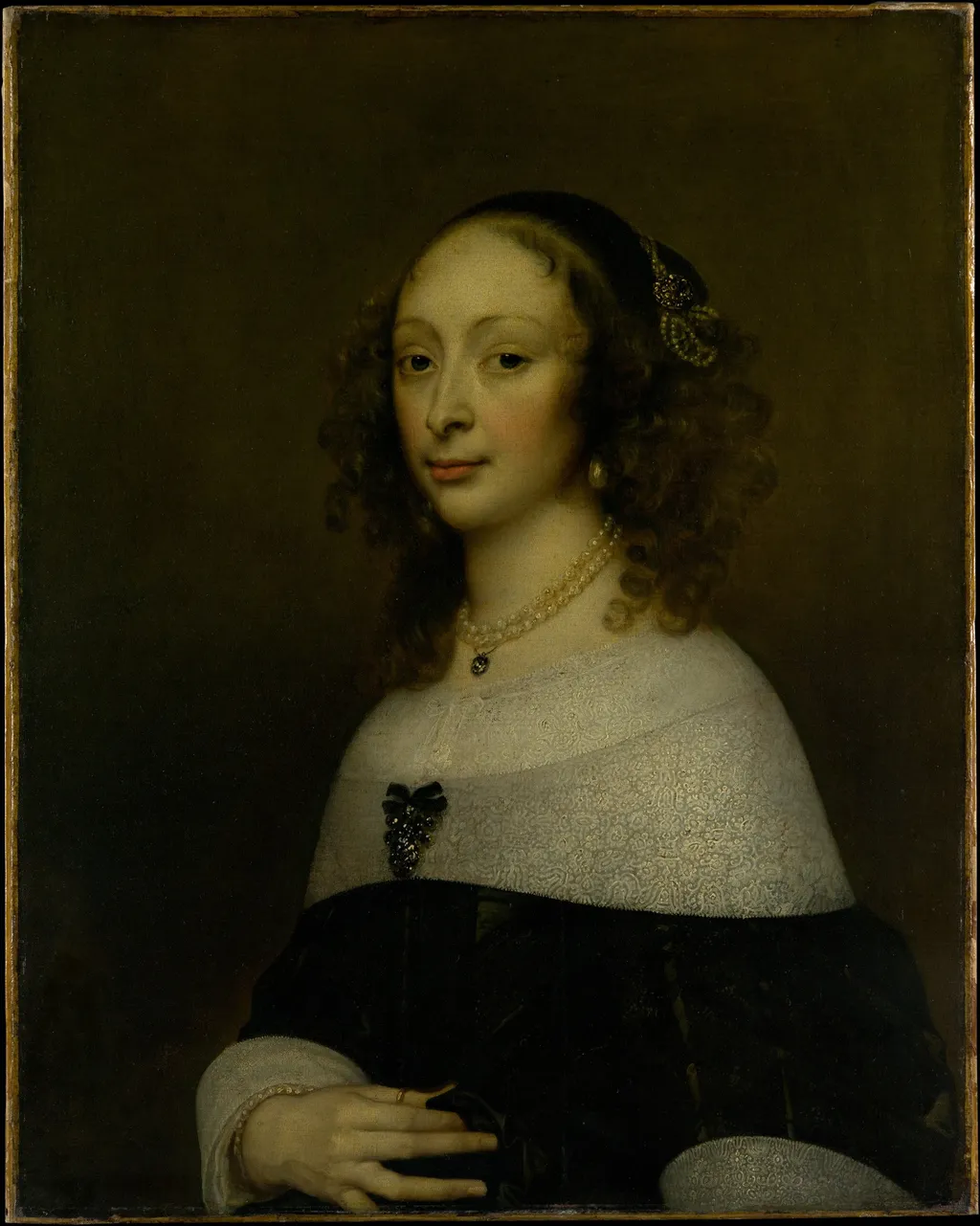
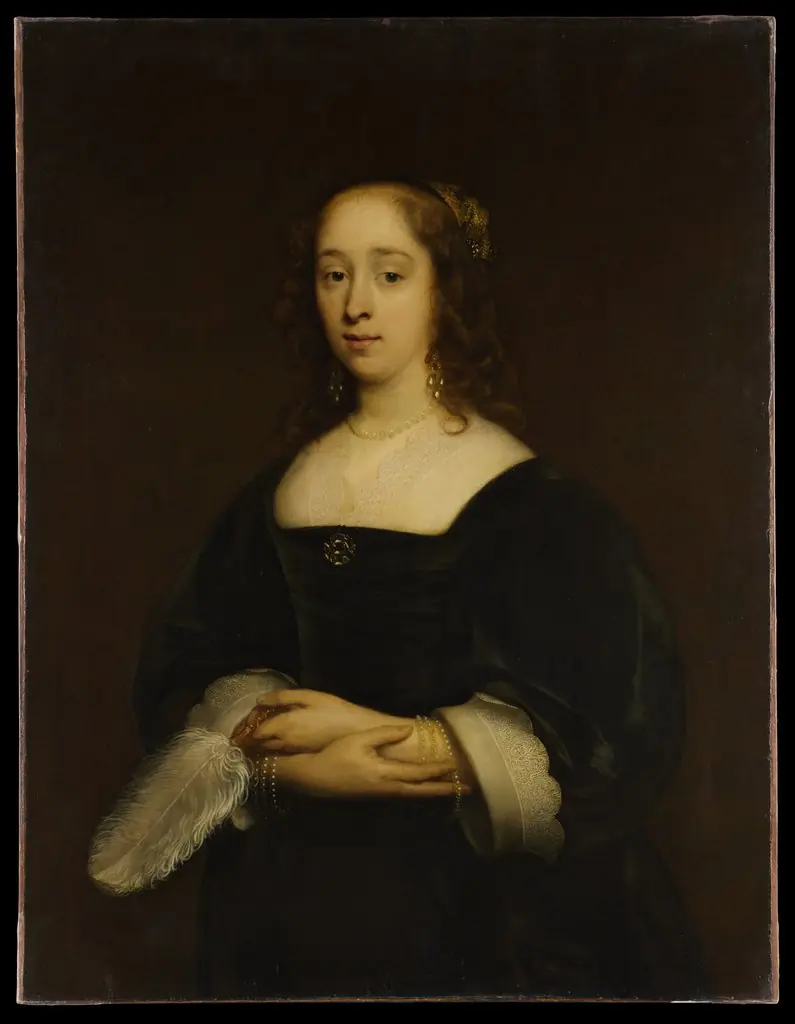
Portrait of a Woman is an oil painting by the Dutch Golden Age artist Adriaen Hanneman. It dates from 1653 and is held in the collection of the Metropolitan Museum of Art.
About this work
Subject & Meaning
Produced in 1653 by Adriaen Hanneman, the work belongs to the genre of portraiture, a category in which Hanneman specialized during the mid-seventeenth century.
The painting depicts an unnamed woman, identified in cataloguing records simply as the portrait's main subject. Produced in 1653 by Adriaen Hanneman, the work belongs to the genre of portraiture, a category in which Hanneman specialized during the mid-seventeenth century. The subject is rendered in oil on canvas, a format well suited to the careful rendering of facial features, costume, and bearing typical of Hanneman's sitters.
Because the painting is catalogued only as a generic "Portrait of a Woman" with no identified sitter, the work functions as a study of female likeness rather than a commemoration of a named historical individual. Its meaning therefore resides in the conventions of seventeenth-century Dutch portrait practice, where the dignified presentation of an anonymous woman served as both a personal memento and a demonstration of the artist's skill in capturing character and status through pose and attire.
History & Provenance
The portrait was painted by Adriaen Hanneman in 1653, as indicated by both the artist’s documented work and the Metropolitan Museum of Art’s records. The work entered the Metropolitan Museum of Art’s collection as part of its holdings in portraiture, where it remains located. No record of a specific commission or early provenance prior to its inclusion in the museum’s collection is provided by the cited sources.
The work is held by the Metropolitan Museum of Art, New York, where it is inventoried as accession number 1975.1.209. It entered the collection through the Rogers Fund in 1975. The painting was exhibited at the Royal Academy of Arts, London, in 1982–1983 as part of the exhibition "Dutch Portraits: The Age of Rembrandt and Vermeer," and again at the Museum of Fine Arts, Houston, in 2002–2003 in the show "Dutch and Flemish Portraits: Masterpieces from the Collection of the Metropolitan Museum of Art."
Overview
Adriaen Hanneman's Portrait of a Woman, painted in 1653, is an oil-on-canvas work characteristic of the Dutch Golden Age. This painting exemplifies the period's focus on individual likenesses. Hanneman, a prominent artist of his time, created this piece, which is now part of The Metropolitan Museum of Art's collection, showcasing his skill in capturing human presence.
Technique & Style
Hanneman employed smooth brushstrokes to render the woman's skin with a warm and lifelike quality. The artist masterfully utilized light, illuminating her face to create a striking contrast against the shadowy background. This dramatic illumination, often referred to as chiaroscuro, emphasizes her features and adds depth to the composition. Hanneman's stylistic approach also reflects the influence of Flemish painter Anthony van Dyck.
Context
Active during the mid-17th century, Adriaen Hanneman was a notable figure in Dutch Golden Age portraiture. His career included significant commissions, particularly for members of the exiled British royal court. This specialization contributed to his distinct style, which often blended Dutch realism with the more refined elegance associated with courtly portraiture, as seen in this representation of an unnamed sitter.
Own this work as a print
Artist & collection

Artist
Adriaen Hanneman (c. 1603 – buried 11 July 1671) was a Dutch Golden Age painter best known for his portraits of the exiled British royal court. His style was strongly influenced by his contemporary, Anthony van Dyck.

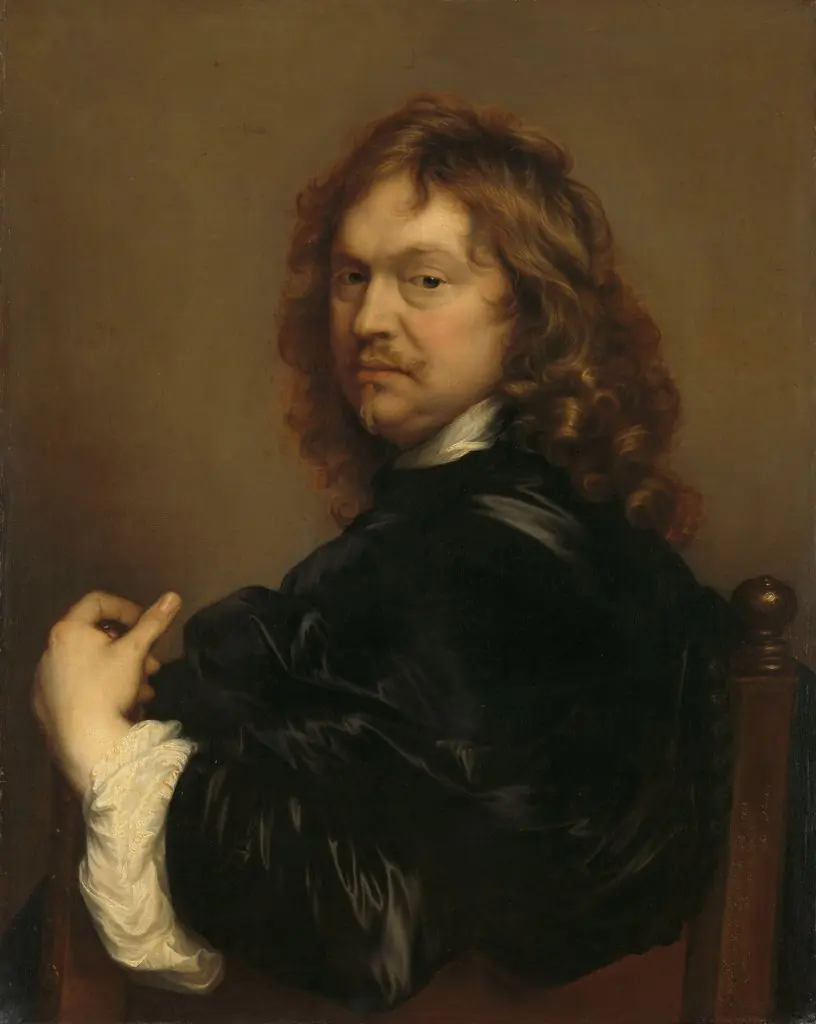
- Portrait of a Woman
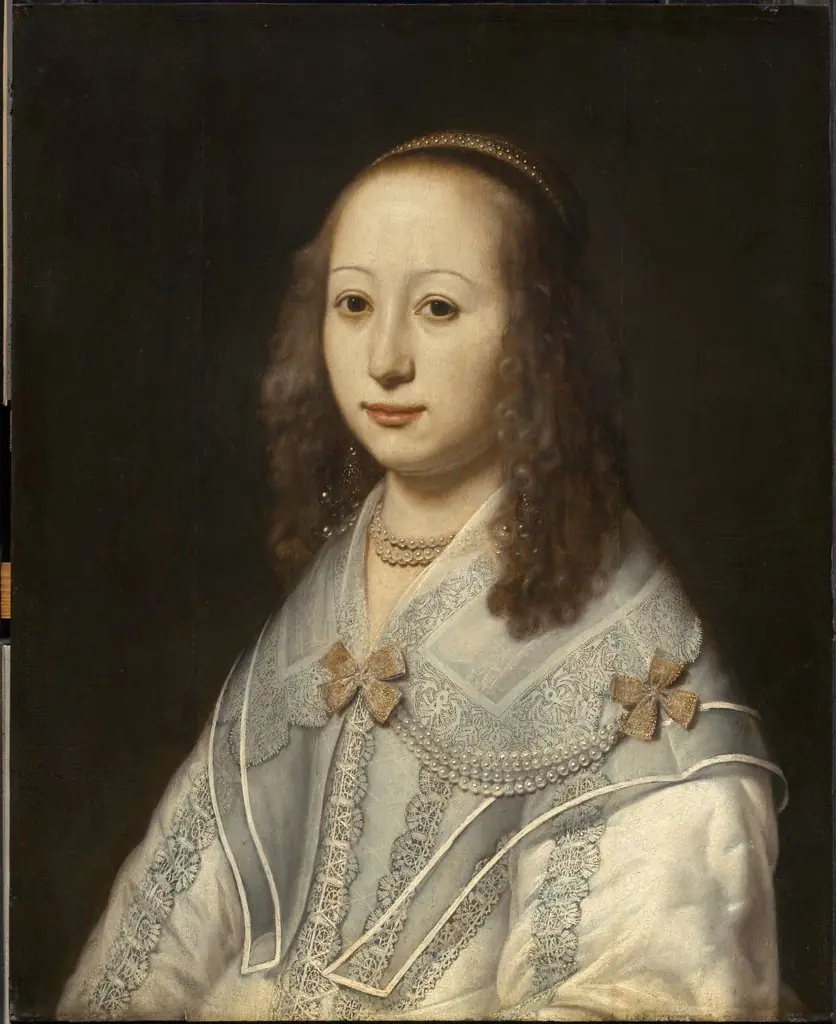 Portrait of a Woman
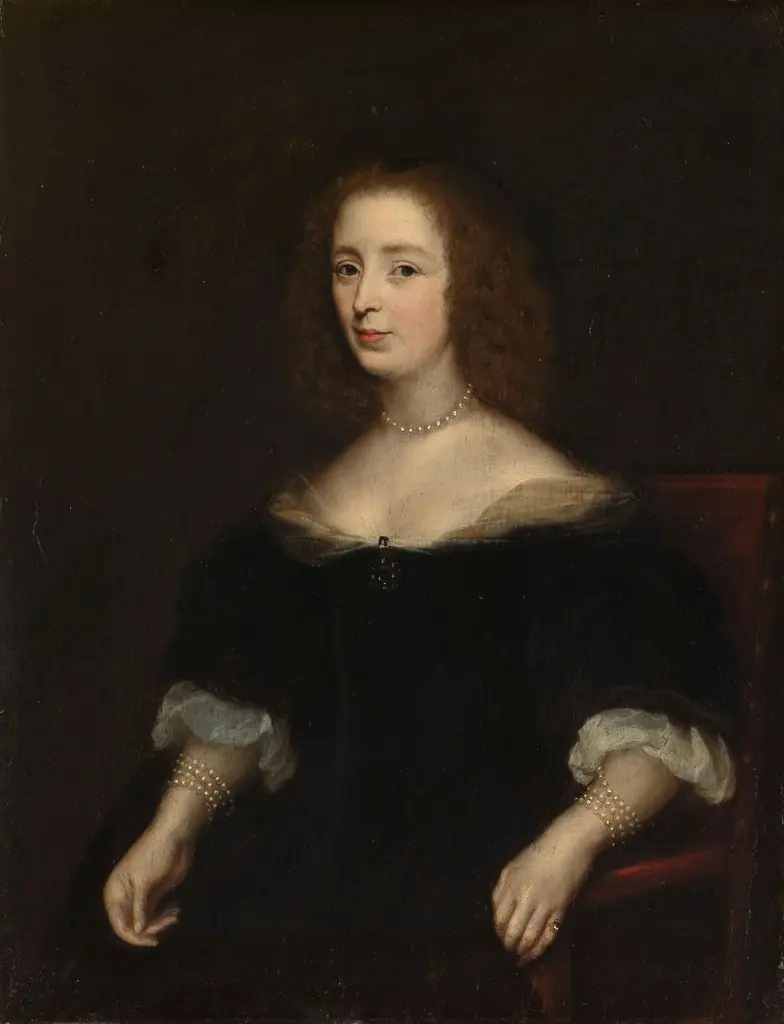 Portrait of Anna van den Corput, Wife of Jacob de Witt
 Portrait of a Woman
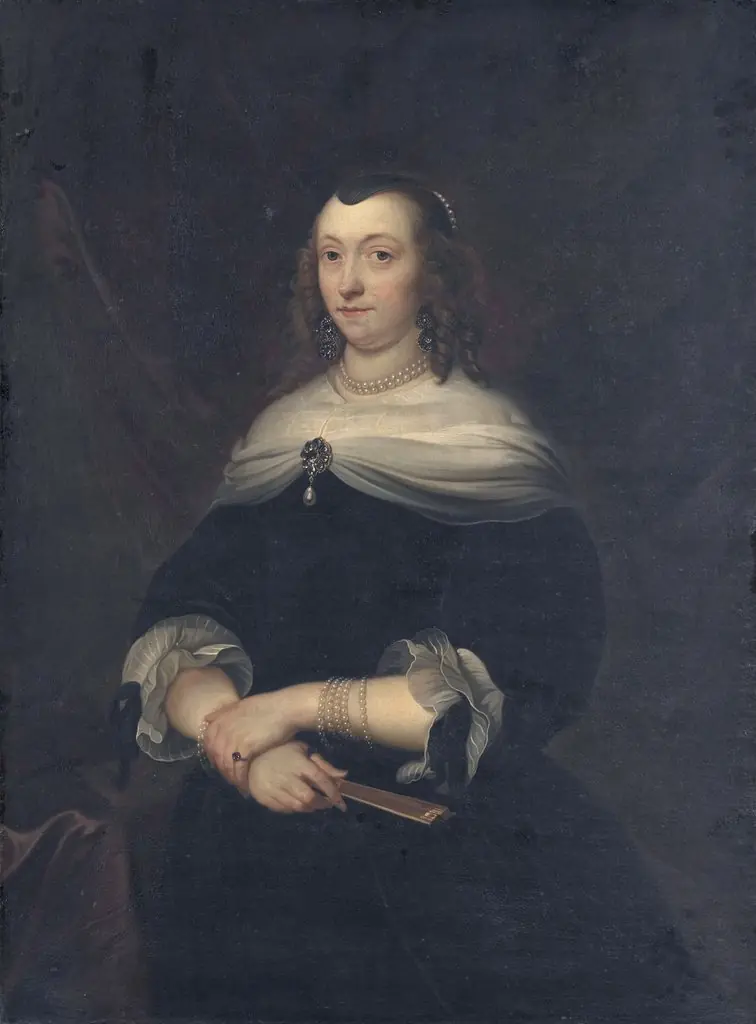 Portrait of a woman, thought to be Lucretia Boudaen
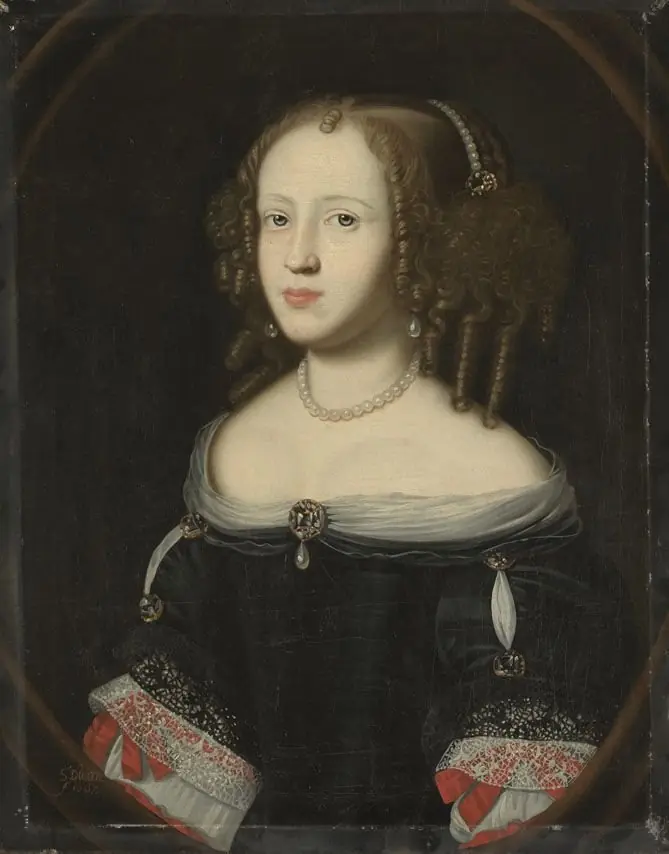 Maria Elisabeth von Schleswig-Holstein-Gottorf (?)
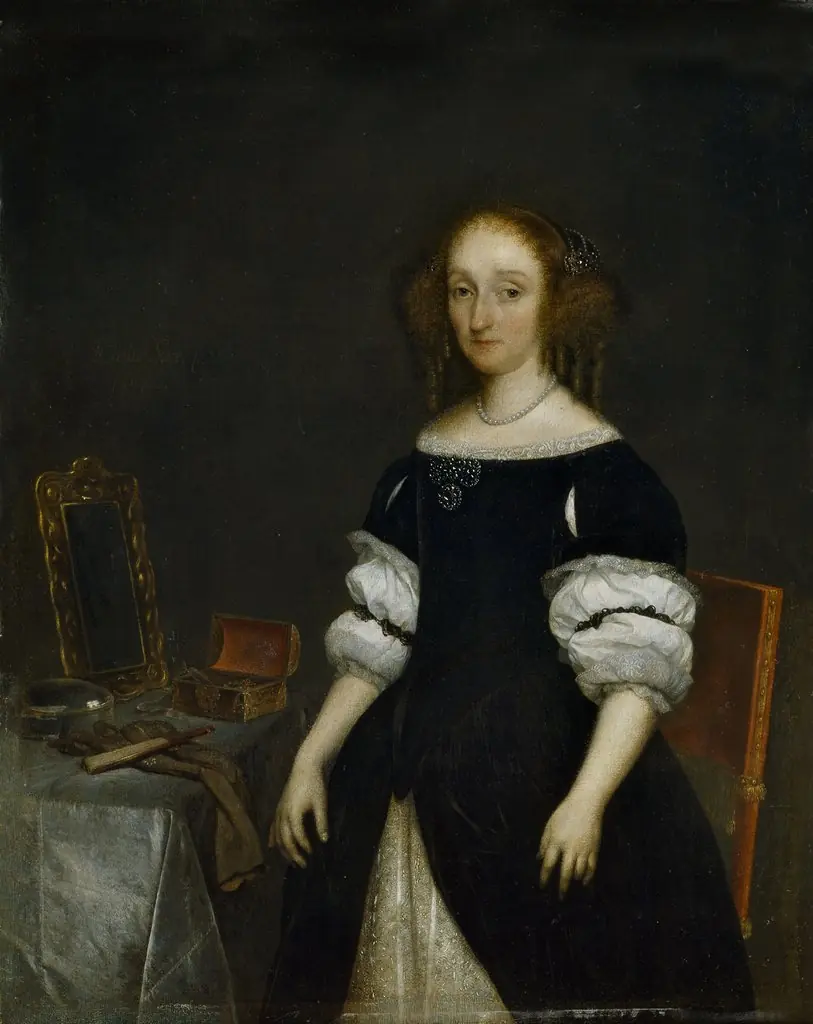 Portrait of Petronella de Waert
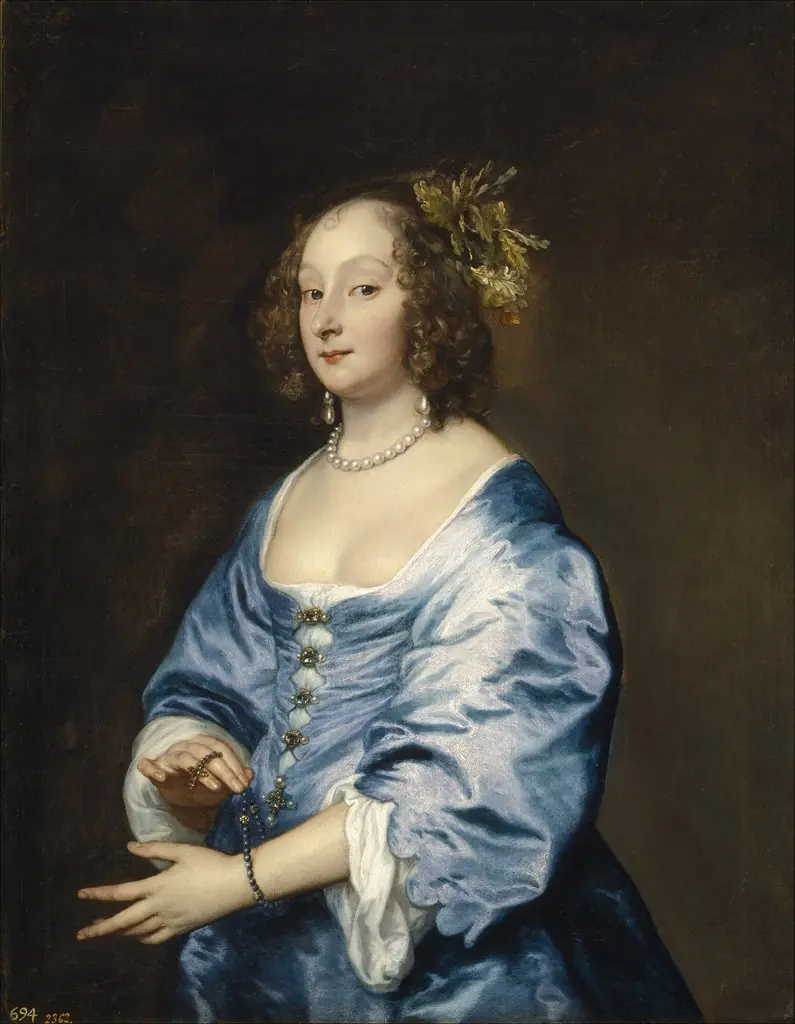 Mary, Lady Van Dyck
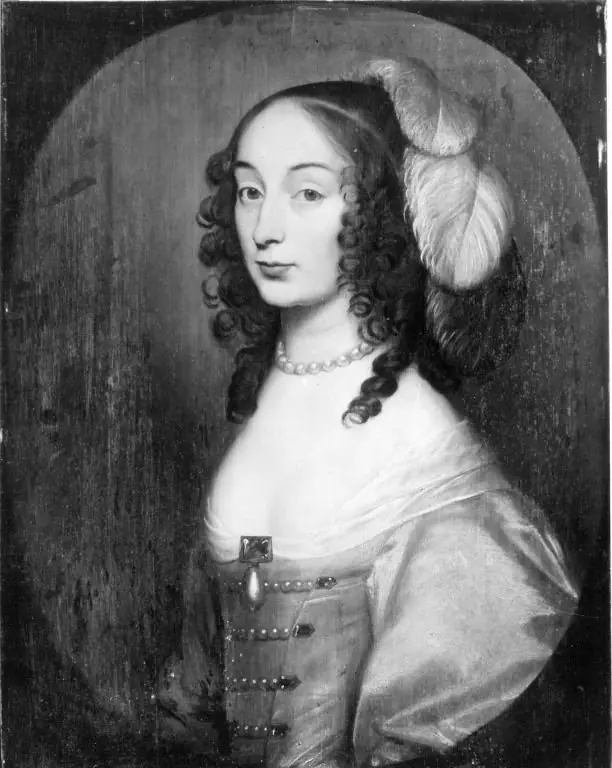 Bildnis der Louise Hollandine, Prinzessin von der Pfalz
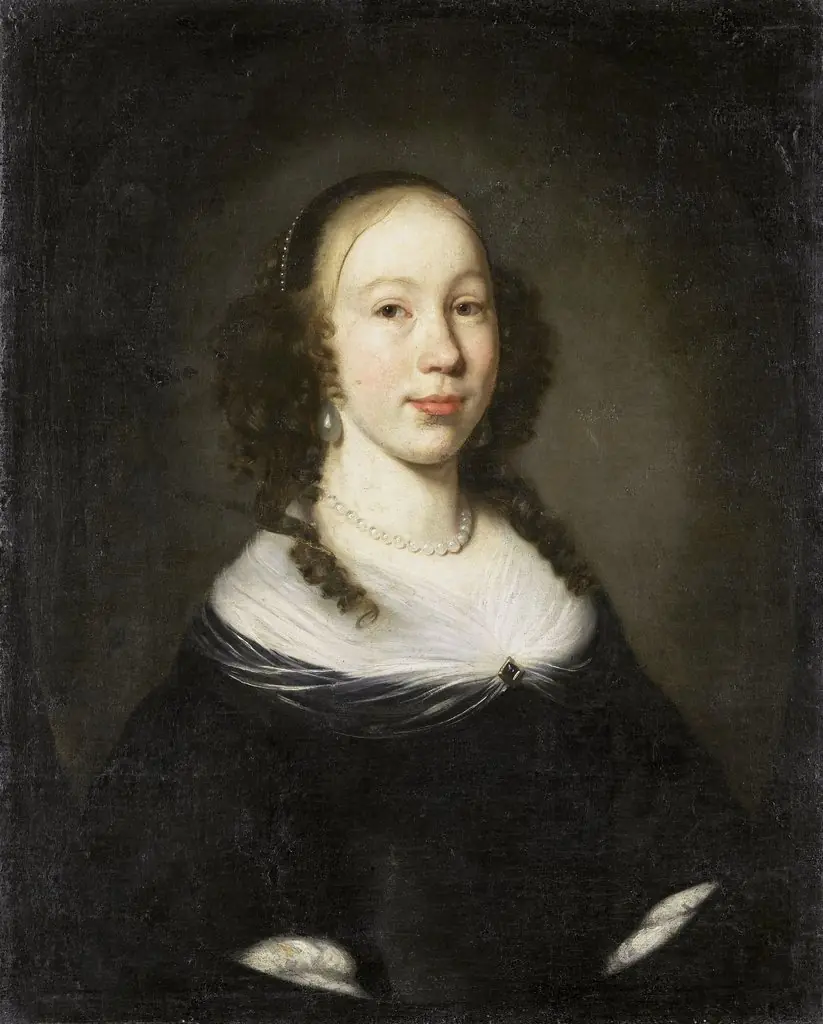 Portrait of a young woman
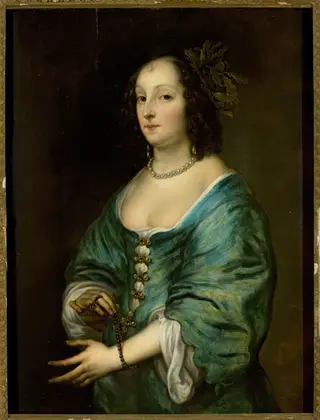 Portrait of Anthony van Dyck's wife Mary Ruthven
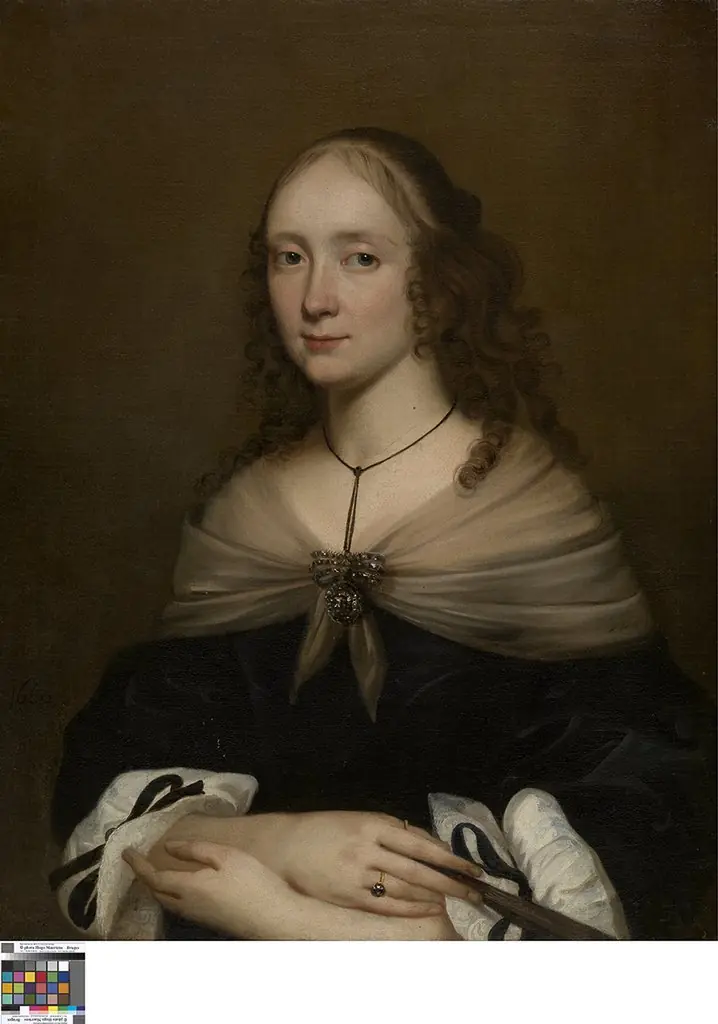 Portret van een vrouw