Artwork
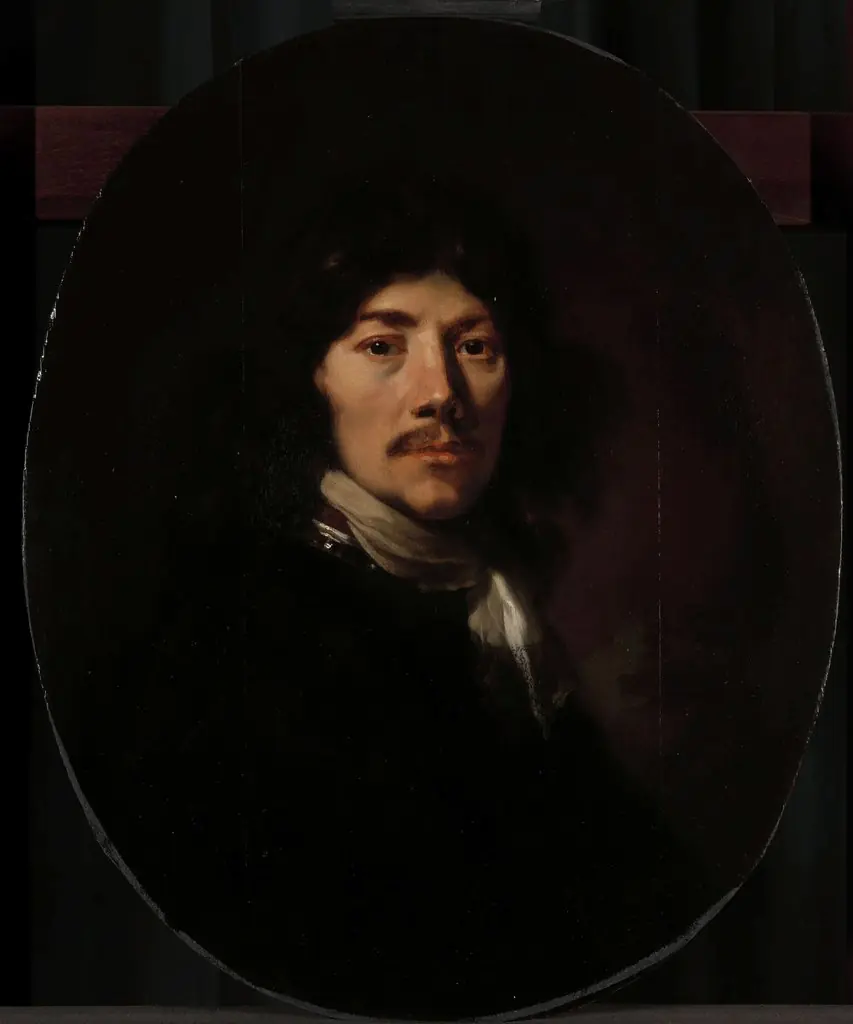
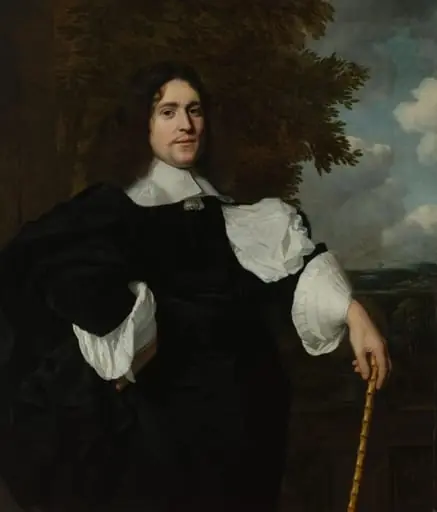
Portrait of a man, thought to be Christoffel van Gangelt
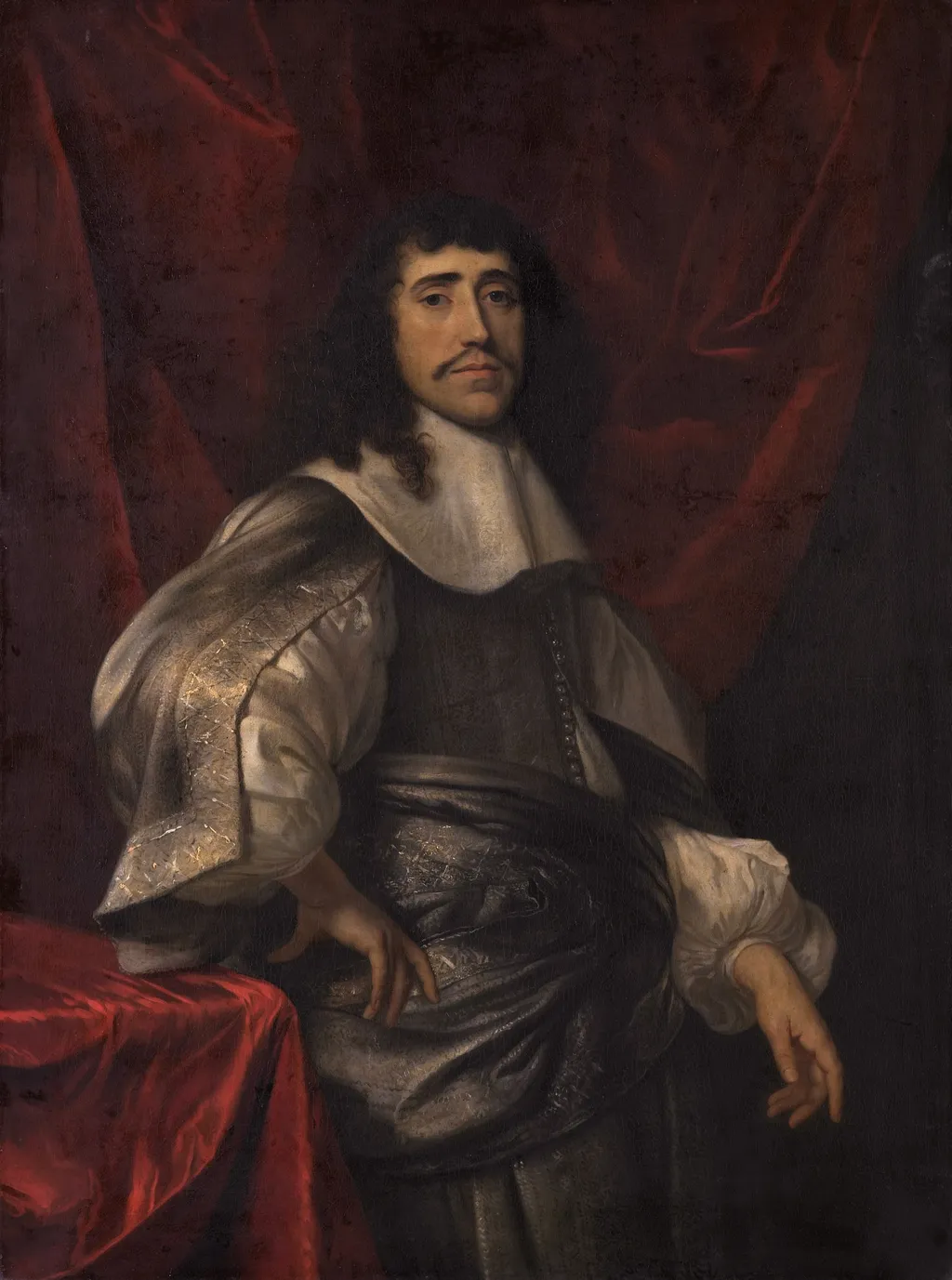
Portrait of a man, thought to be Christoffel van Gangelt is an oil painting by the Dutch Golden Age artist Jacob van Loo. It dates from 1650 and is held in the collection of the Rijksmuseum.
About this work
Subject & Meaning
No further symbolic elements or specific iconographic details beyond the depiction of the man are recorded in the available sources.
The work depicts a man, identified in its title as being thought to represent Christoffel van Gangelt. As a portrait created in 1650 by Jacob van Loo, the painting focuses on the individual likeness of this male sitter rather than illustrating a specific narrative scene or complex allegorical program. The subject is presented directly to the viewer, consistent with the conventions of mid-17th-century portraiture where the primary meaning lies in the representation of the person's identity and status.
No further symbolic elements or specific iconographic details beyond the depiction of the man are recorded in the available sources.
Technique & Style
The painting is executed in oil on canvas, with the support measuring 128 cm in height and 95.5 cm in width.
The handling is characteristic of Jacob van Loo’s mid-seventeenth-century Dutch portrait practice, combining smooth transitions in the face with more deliberately modeled passages in the costume and accessories. The brushwork is refined, with subtle glazes used to articulate the sitter’s facial features, while the black costume and white ruff receive more direct, controlled strokes. The overall tonality is restrained, emphasizing the three-dimensional modeling of the figure against a dark, undefined background that directs focus to the sitter’s expression and attire.
The condition appears stable, with no reported structural damages in the source documentation.
History & Provenance
Jacob van Loo executed this oil-on-canvas portrait in 1650. The work depicts a male sitter identified in tradition as Christoffel van Gangelt. Measuring 128 cm in height and 95.5 cm in width, the painting entered the collection of the Rijksmuseum, where it remains housed.
The work is held in the collection of the Rijksmuseum, where it is catalogued under the accession number SK-C-4. It was exhibited in the Rijksmuseum's 1951 exhibition of 17th-century Dutch portraiture and later featured in the 1976 retrospective of Jacob van Loo's oeuvre at the same institution.
Legacy
The attributed portrait of Christoffel van Gangelt by Jacob van Loo, painted in 1650, has been cited in scholarly discussions of Dutch Golden Age portraiture for its stylistic influence within 17th‑century Dutch portrait conventions. Its presence in the Rijksmuseum collection has contributed to renewed interest in van Loo’s role in shaping portrait conventions of the period.
The work is part of the Rijksmuseum’s holdings, where it is catalogued as a portrait from 1650.
Overview
Created circa 1650 by Jacob van Loo, a Dutch painter active in Amsterdam before moving to Paris, this oil-on-canvas portrait depicts a formally dressed gentleman. The work belongs to the Rijksmuseum’s collection and exemplifies van Loo’s engagement with portraiture alongside his more celebrated history paintings.
Context
During the Dutch Golden Age, portraiture served both as a record of individual identity and as a display of social standing. Van Loo’s work reflects this dual purpose, integrating the refined elegance of courtly dress with the realistic treatment of light and material that characterized the era’s artistic practice.
Own this work as a print
Artist & collection
Artist
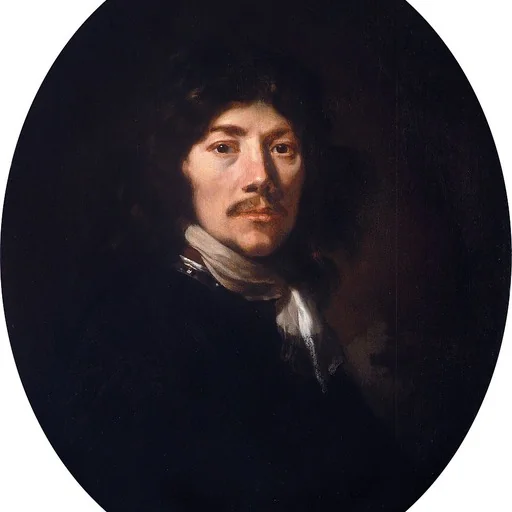
Jacob van Loo (1614 – 26 November 1670) was a painter of the Dutch Golden Age, chiefly active in Amsterdam and, after 1660, in Paris.

- Portrait of Jean-Baptiste Colbert
 Portrait of a Man
 Hieronymus van Beverningk
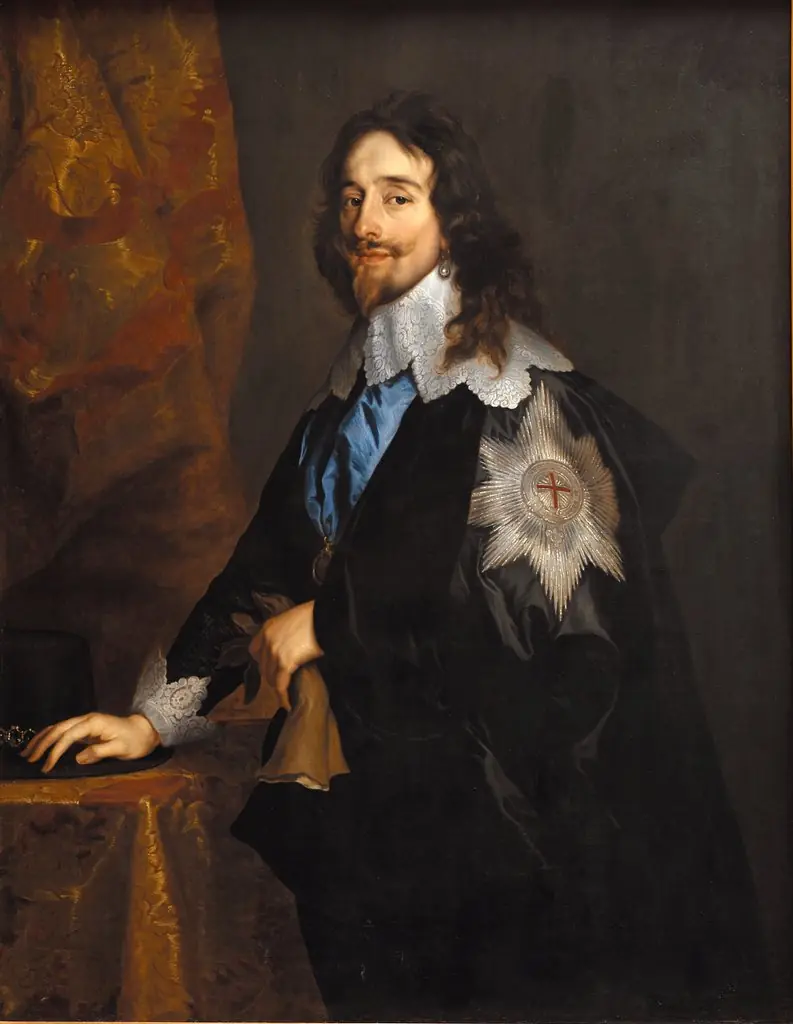 King Charles I of England
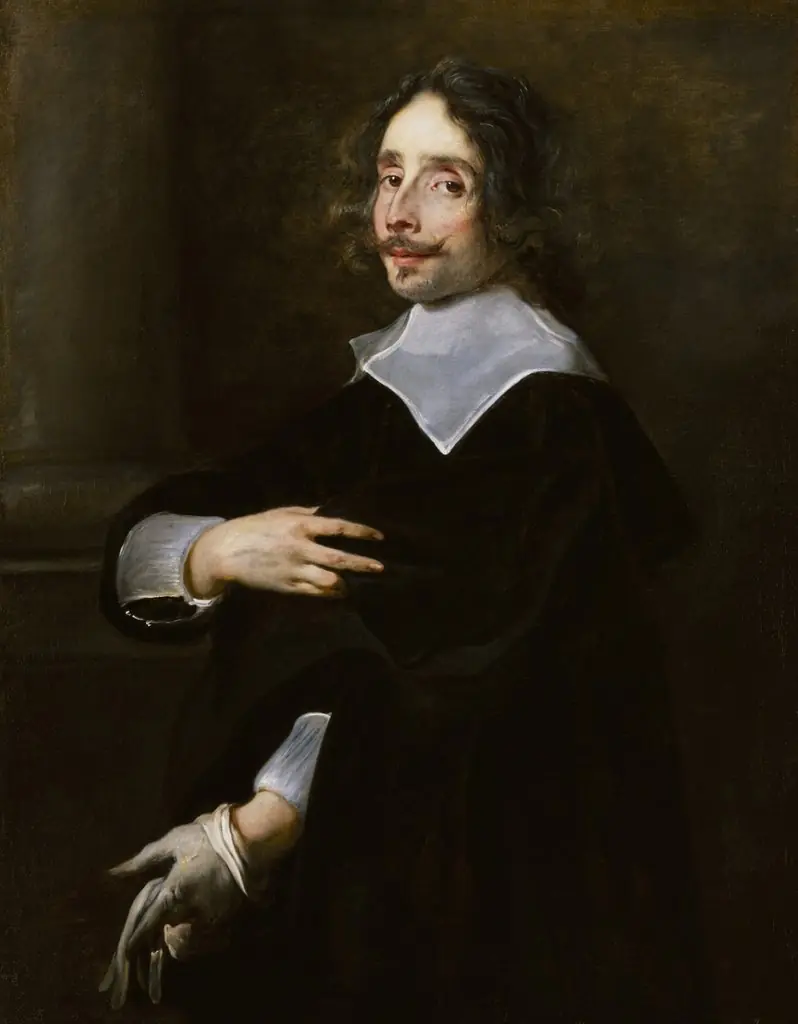 Young Man
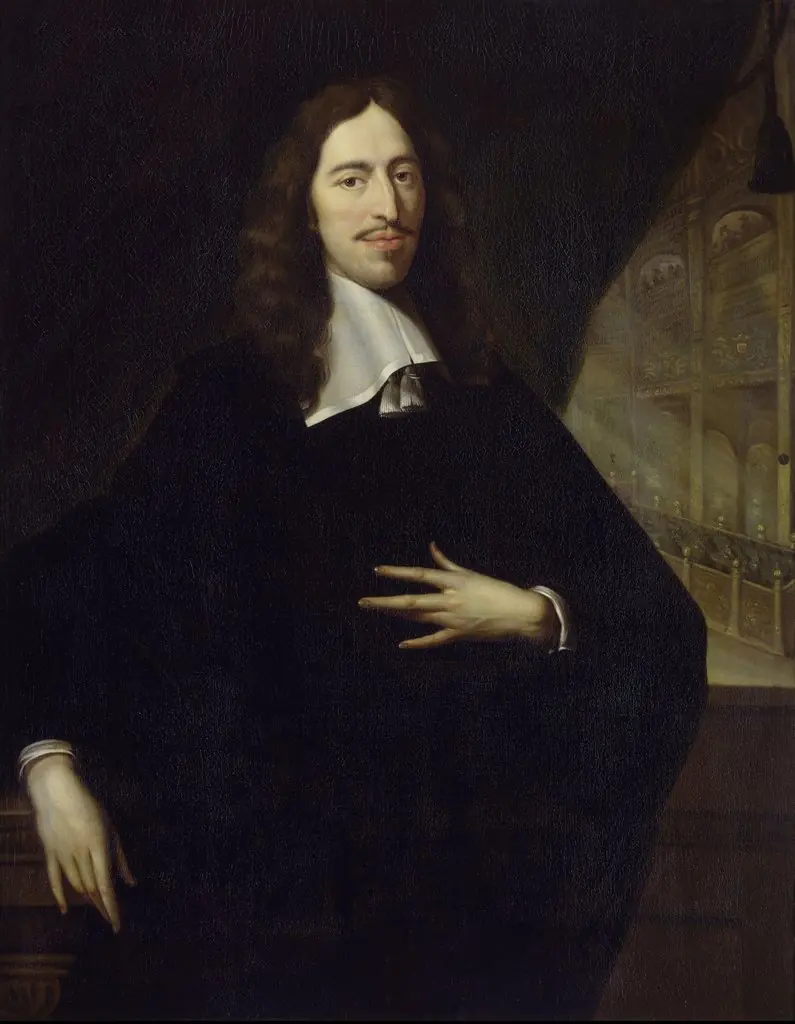 Portrait of Johan de Witt (1625-72), Grand Pensionary of Holland
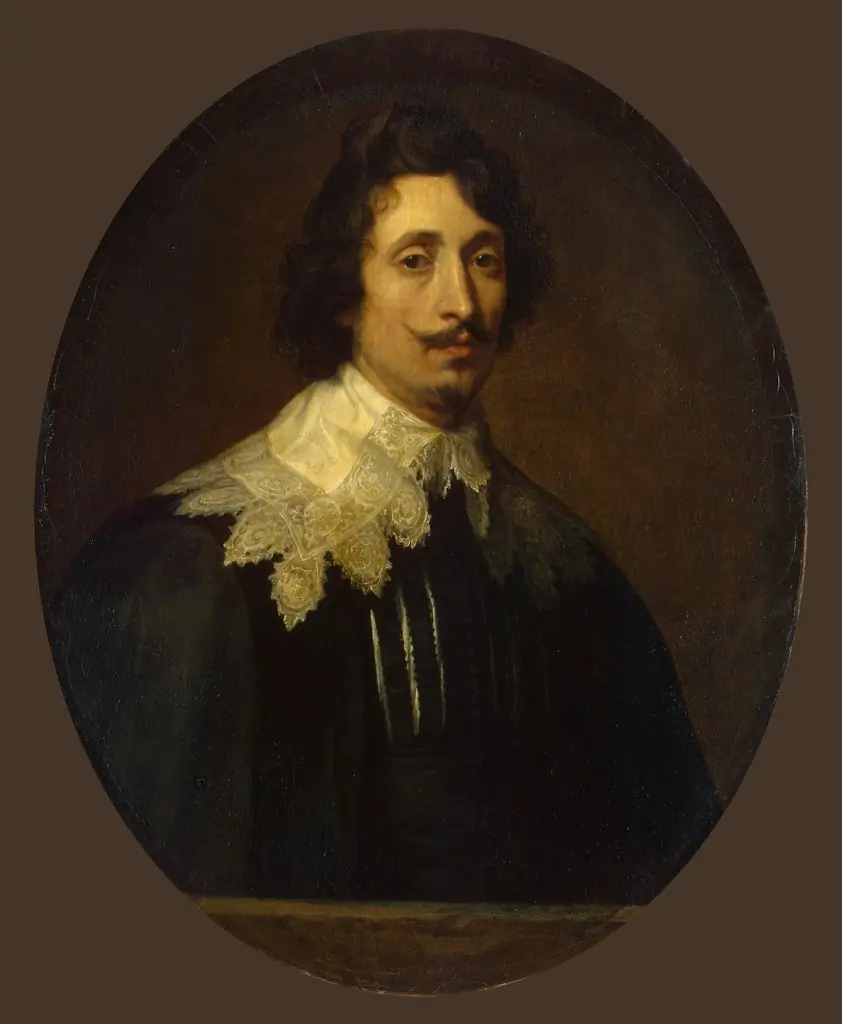 Portrait of a Young Man
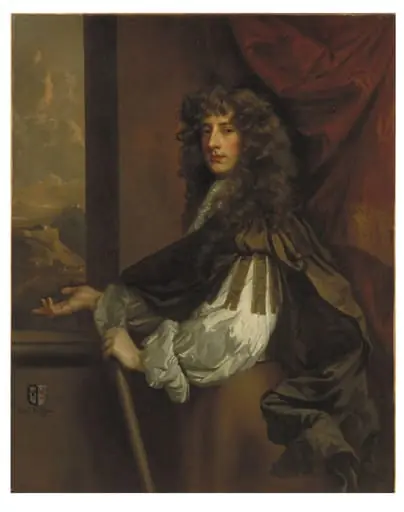 Charles Killigrew
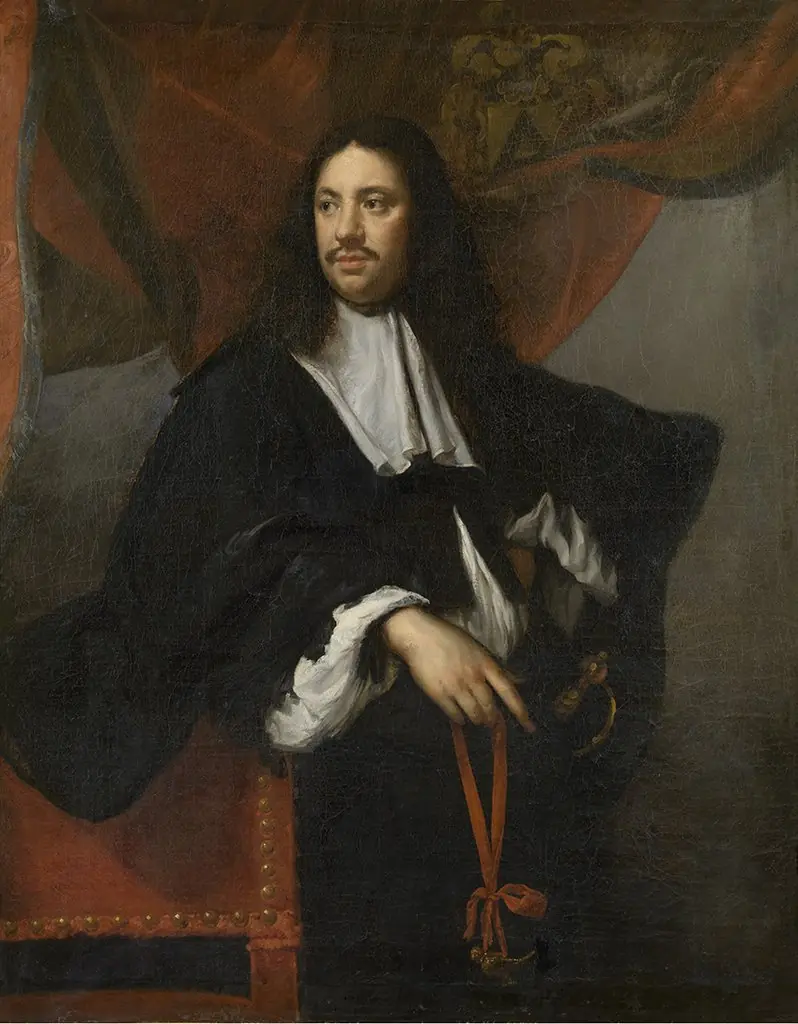 Portrait of Jan-Filips van Boonem, Dean of the Guild of St. George in Bruges
 King Charles I of England
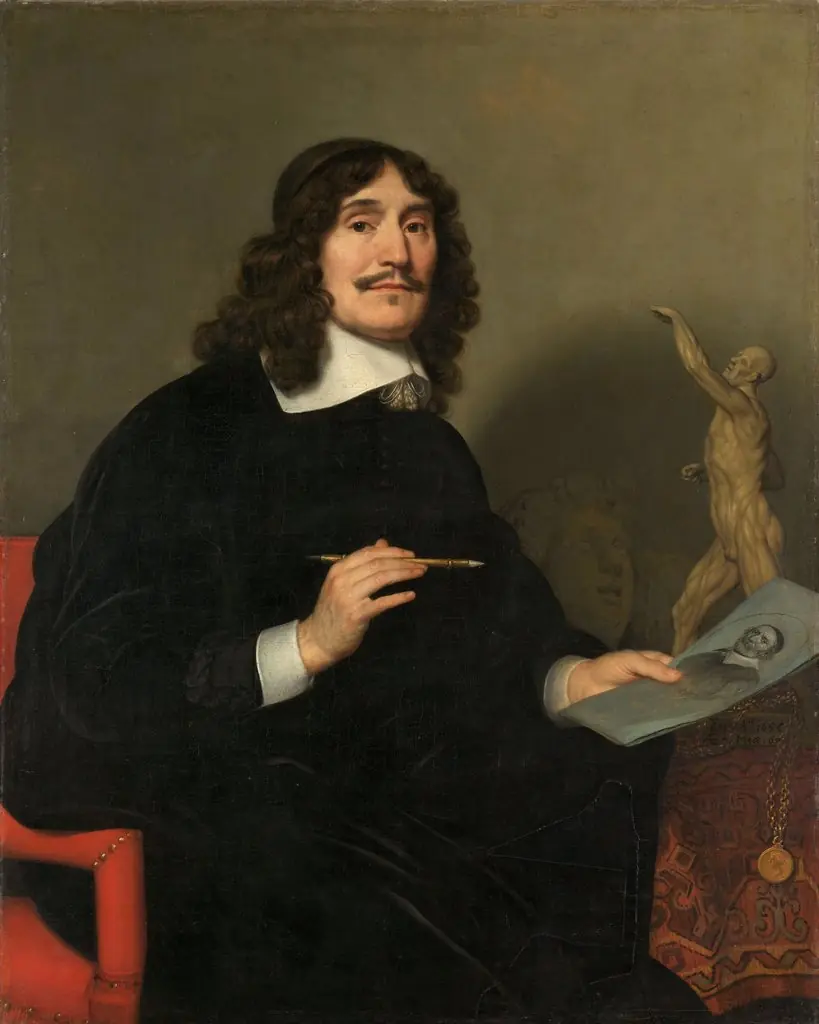 Portrait of an artist
 Jacobus Trip (1627-70), Armaments Dealer of Amsterdam and Dordrecht