Artwork
Bacchic scene
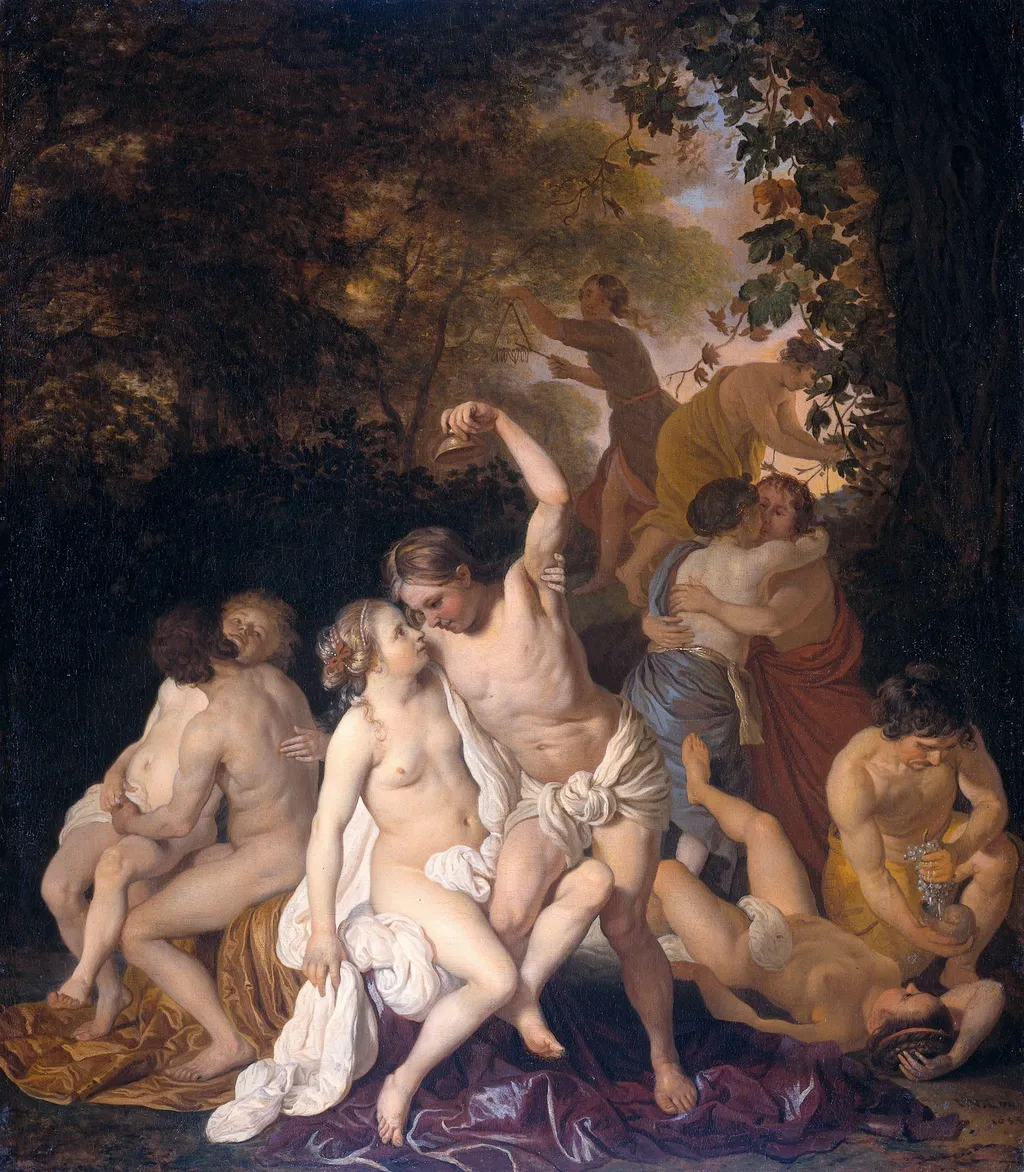
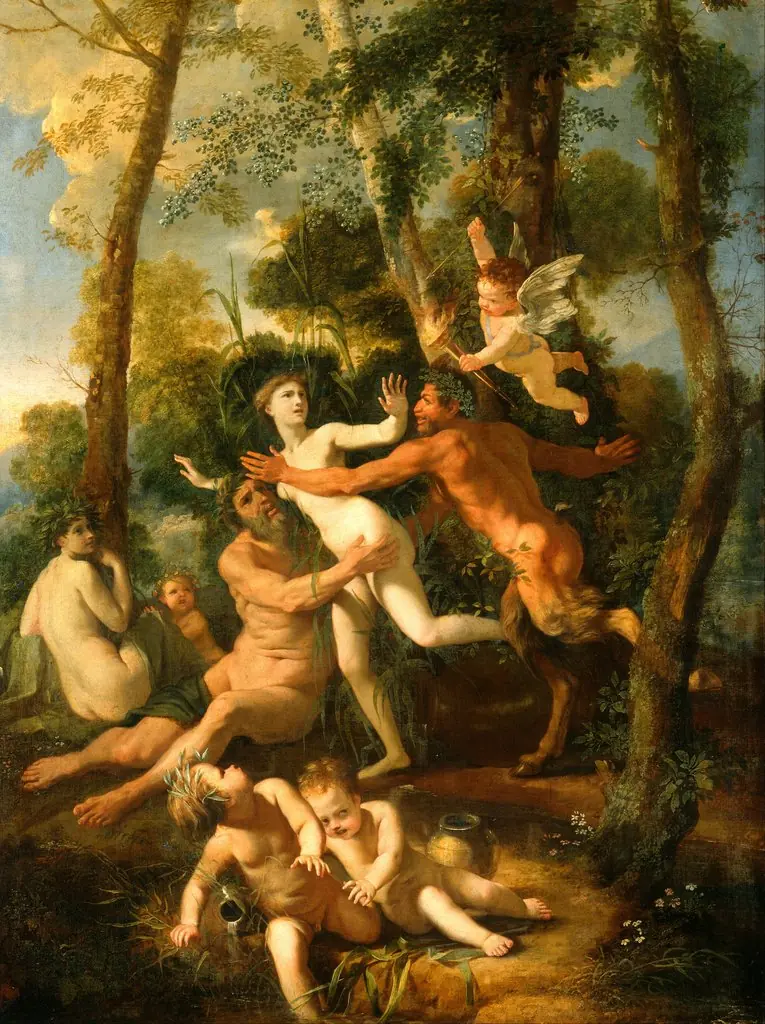
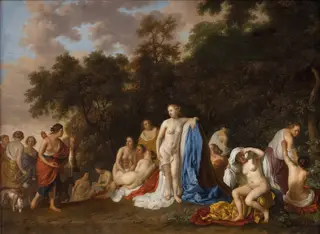
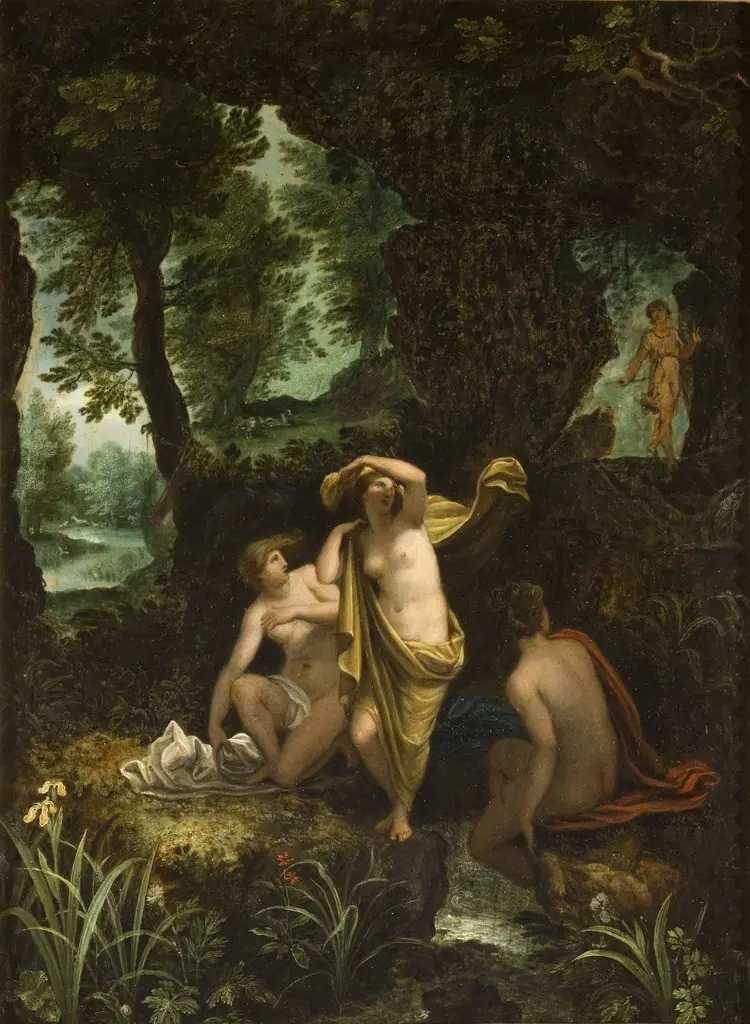
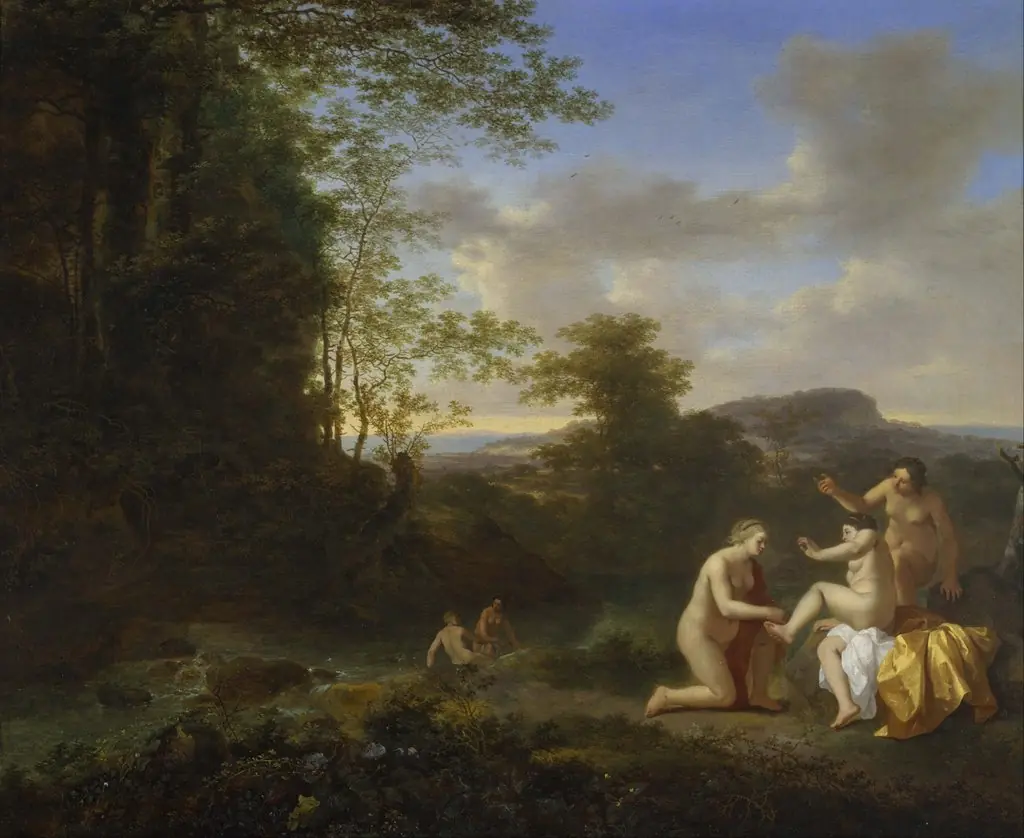
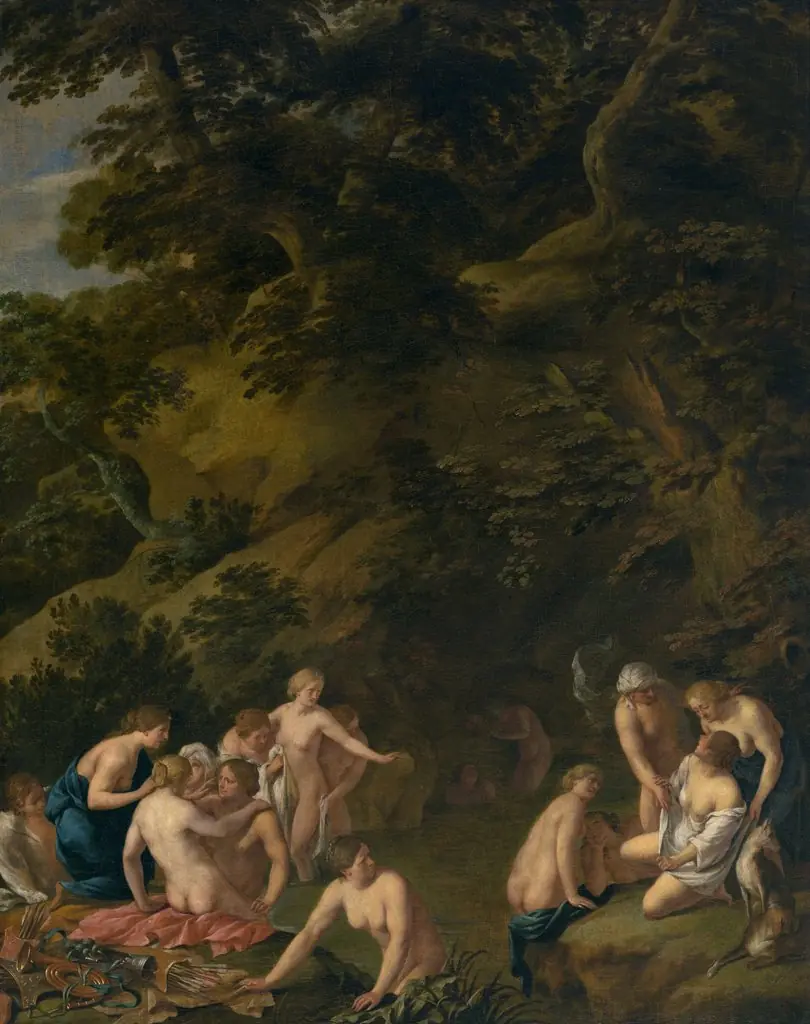
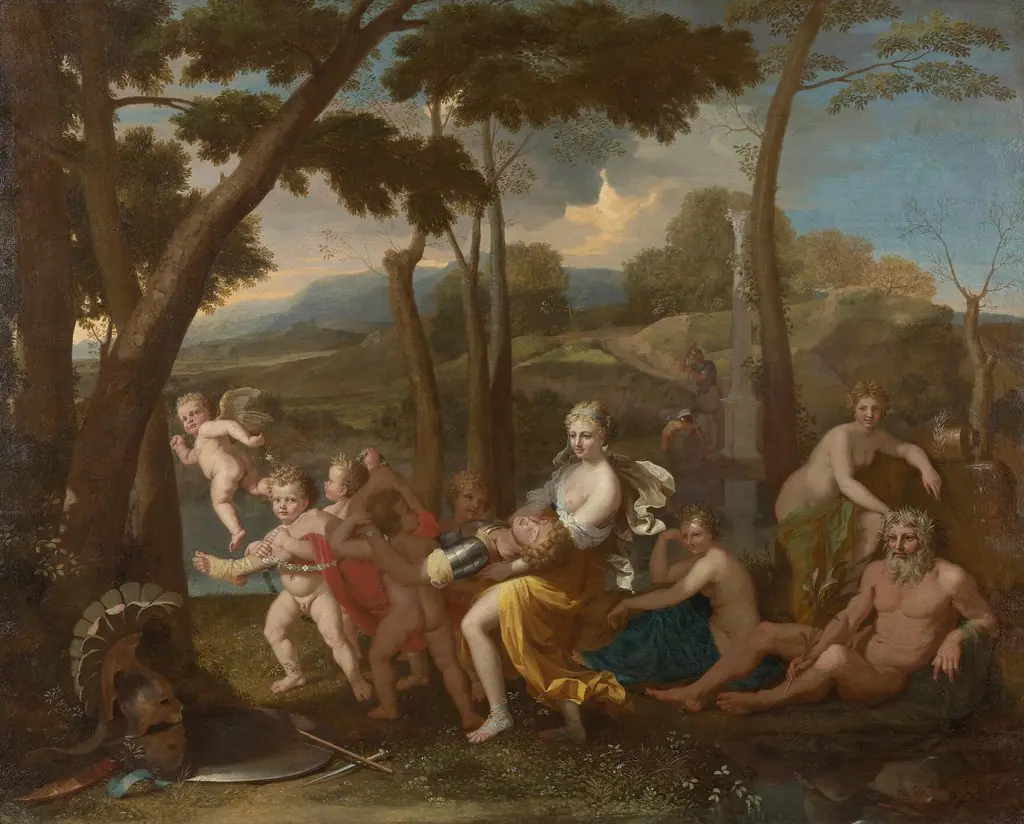
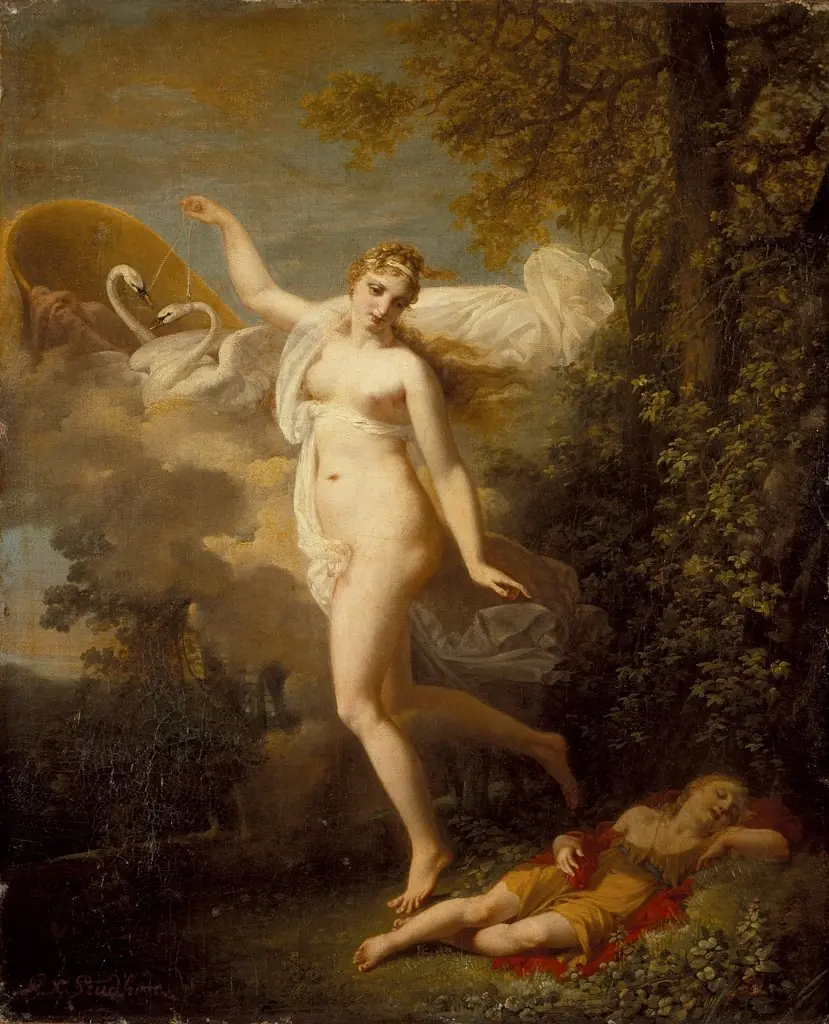
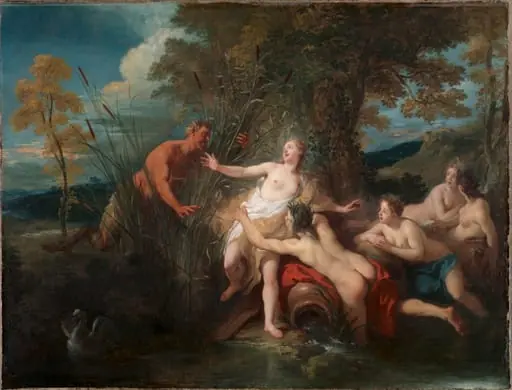
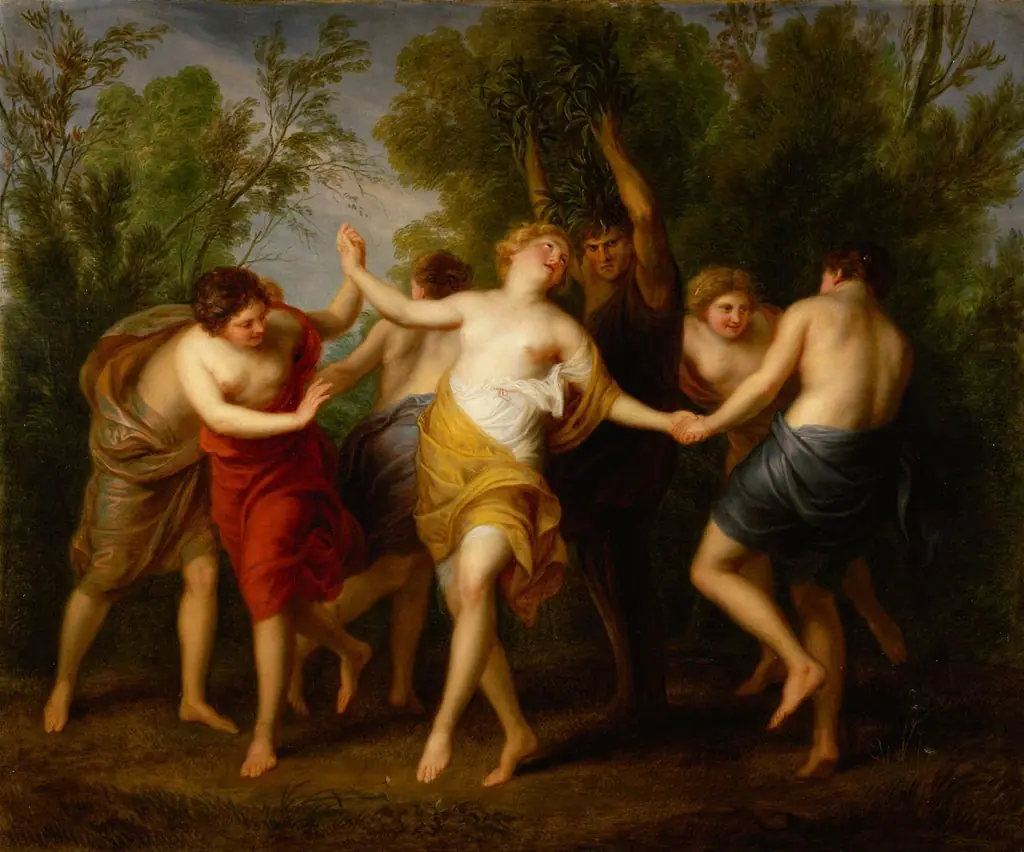
Bacchic scene is an oil painting by the Dutch Golden Age artist Jacob van Loo. It dates from 1653 and is held in the collection of the Rijksmuseum.
About this work
Technique & Style
The brushwork and coloration convey movement and sensuality, reflecting the stylistic traits of the Dutch Golden Age.
The work is an oil painting executed on canvas, measuring 63 cm in height by 55.5 cm in width. Jacob van Loo applied oil paint to render a dynamic bacchic scene, employing a composition that blends mythological narrative with a nude figure, characteristic of 17th-century Dutch genre painting. The brushwork and coloration convey movement and sensuality, reflecting the stylistic traits of the Dutch Golden Age. The painting is housed in the Rijksmuseum collection.
The composition features a lively assembly of figures engaged in revelry, with a central focus on a draped woman and a cherub, illustrating the artist's mastery of chiaroscuro and fluid drapery. The canvas support provides a smooth surface that enhances the luminous quality of the oil medium, while the handling of light and shadow accentuates the three-dimensionality of the forms.
History & Provenance
Jacob van Loo painted the Bacchic scene in 1653, an oil on canvas work now held by the Rijksmuseum. The painting entered the museum's collection shortly after its creation and has remained part of its permanent holdings. Its dimensions are 63 cm in height and 55.5 cm in width, reflecting the original size produced in the mid-17th century.
The provenance is straightforward, with the artwork documented in the Rijksmuseum's catalog as part of its core collection since acquisition. No record of private sales or intermediate owners is noted in the available documentation, indicating a direct transfer from the artist to the institution.
The painting is held in the collection of the Rijksmuseum, Amsterdam, inventoried as SK-C-1837.
It was exhibited at the exhibition "Gods and Heroes: Dutch Painting of the Golden Age" held at the Rijksmuseum from October 17, 2009 to January 17, 2010.
Overview
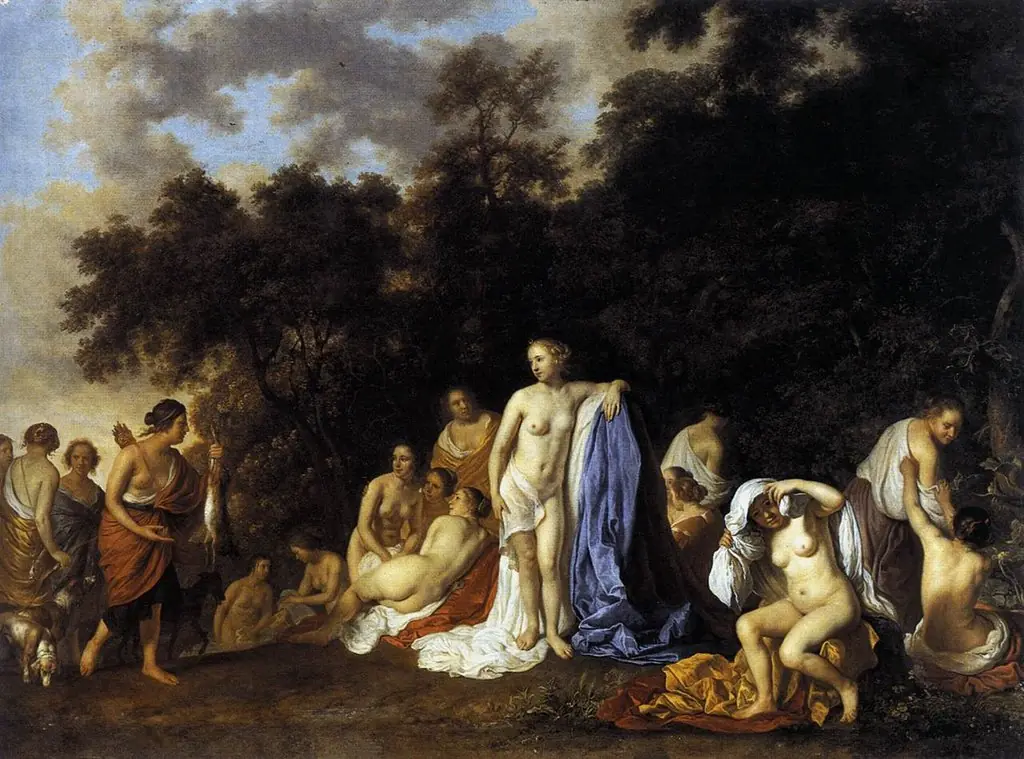
Jacob van Loo’s Bacchic scene (1653) is an oil painting that depicts a nocturnal gathering of nude figures in a forested setting. Central to the composition is a man supporting a woman who leans against him, while other participants sit or embrace nearby. A distant, torch‑bearing figure adds a faint source of light, creating a dramatic contrast between illuminated skin and deep shadow.
Subject & Meaning
The work draws on the mythological tradition of Bacchic revelry, suggesting a celebration of the god of wine and ecstasy. The arrangement of bodies, the intimate embraces, and the torch’s flicker evoke the sensual abandon associated with Dionysian rites, leaving the precise narrative open to interpretation while emphasizing themes of pleasure and communal indulgence.
Context
Bacchic scene belongs to the broader category of history painting, a genre that encompassed mythological and biblical subjects in the 17th‑century Netherlands. Van Loo’s focus on mythic narratives aligns with the period’s fascination with classical antiquity, while his treatment of the human form parallels the work of peers such as Rembrandt and Gerard Dou, who also explored dramatic lighting and narrative ambiguity.
Own this work as a print
Artist & collection
Artist
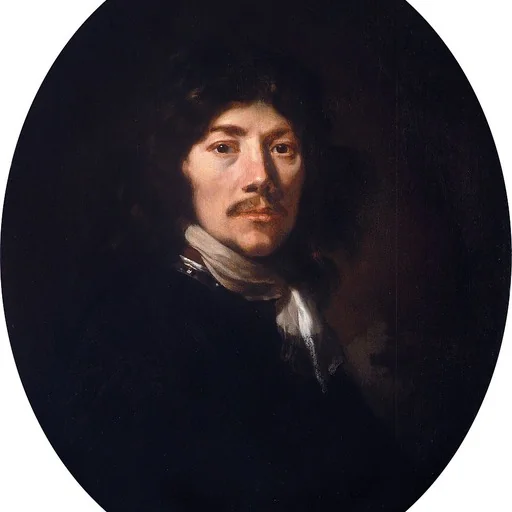
Jacob van Loo (1614 – 26 November 1670) was a painter of the Dutch Golden Age, chiefly active in Amsterdam and, after 1660, in Paris.