Artwork
The assumption
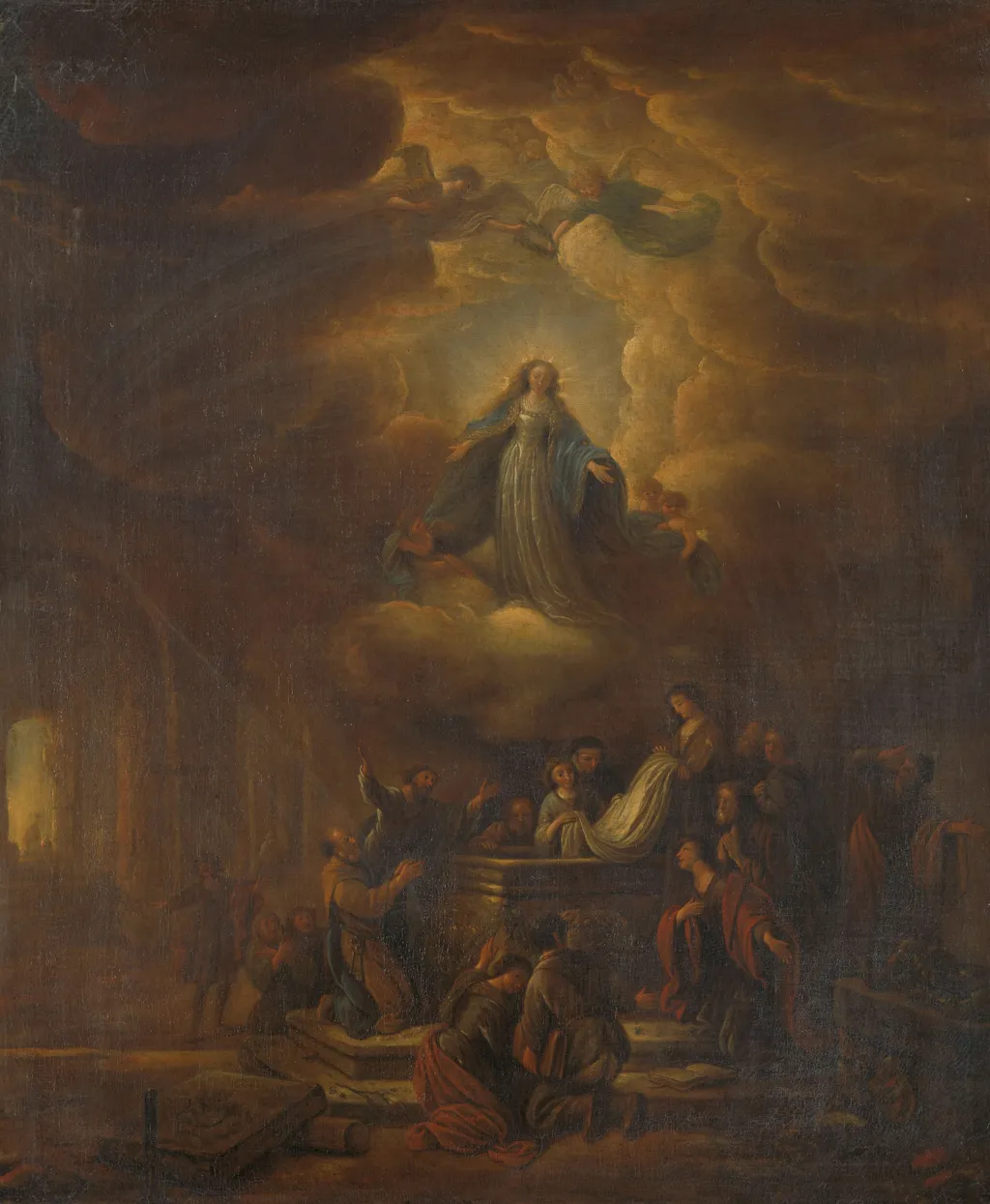
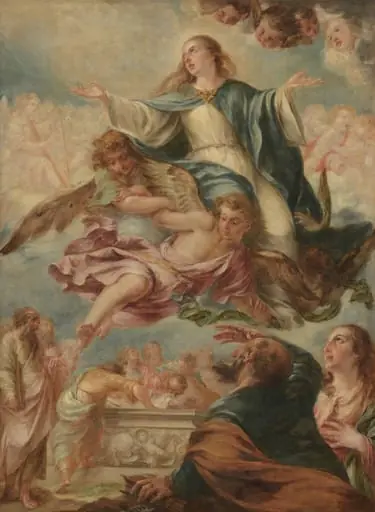
The assumption is an oil painting by the Dutch Golden Age artist Jacob Willemsz de Wet. It dates from 1650 and is held in the collection of the Rijksmuseum.
About this work
Subject & Meaning
The canvas portrays the Assumption of Mary, the central figure elevated amid celestial light, symbolizing her divine ascent and triumph over earthly suffering.
The canvas portrays the Assumption of Mary, the central figure elevated amid celestial light, symbolizing her divine ascent and triumph over earthly suffering. The composition emphasizes heavenly transcendence through radiant drapery and a luminous sky, reflecting Counter-Reformation emphases on Marian intercession. Rendered in oil on canvas, the work measures 76.5 cm by 62.5 cm and resides in the Rijksmuseum collection.
Technique & Style
The Assumption is an oil painting on canvas by Jacob Willemsz de Wet, dated 1650. The work measures 76.5 by 62.5 cm. As a religious painting depicting the Assumption of Mary, it belongs to the genre of religious art. The artist's handling of the subject in oil on canvas reflects the conventions of Dutch Golden Age painting, though specific details of brushwork and stylistic approach are not recorded in the available sources.
History & Provenance
The Assumption was created by Jacob Willemsz de Wet in 1650, executed in oil paint on canvas. The work entered the collection of the Rijksmuseum, where it is currently held, and is also associated with the holdings of the Our Lord in the Attic Museum. No further details regarding commission, prior ownership, or acquisition history are documented in the available sources.
The painting measures 76.5 cm in height by 62.5 cm in width.
Overview
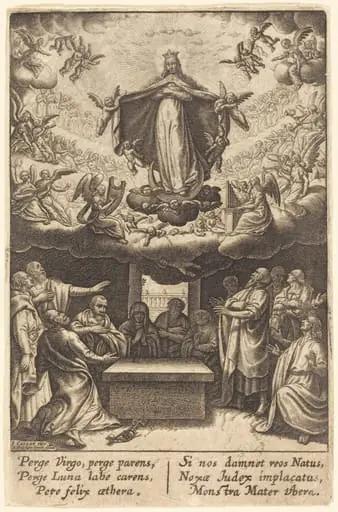
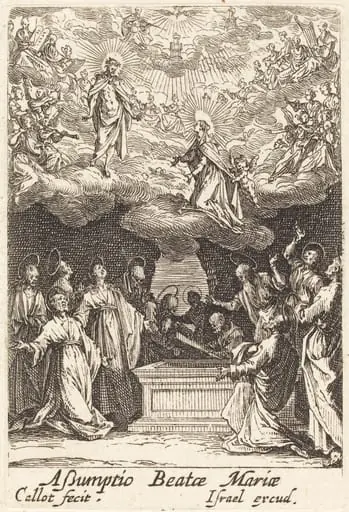
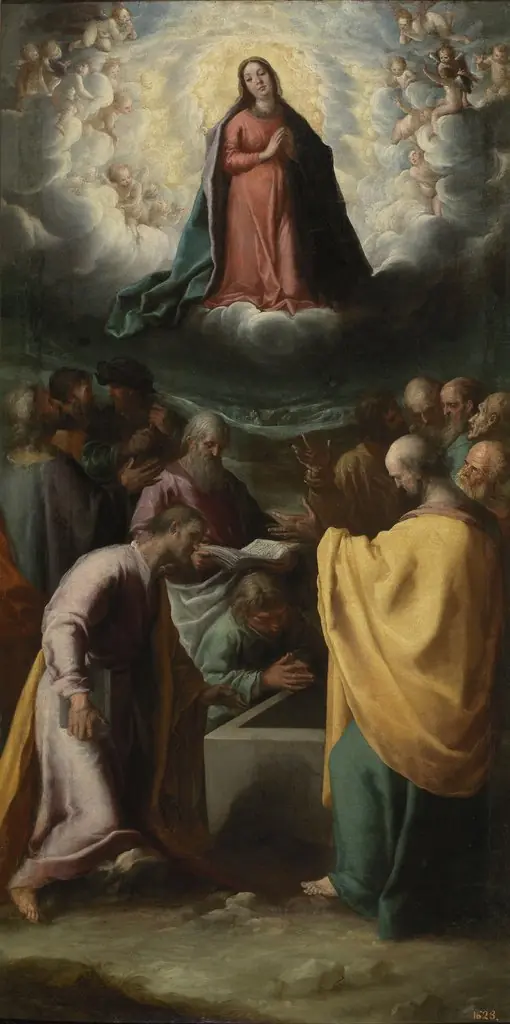
Created circa 1650 by Dutch painter Jacob Willemsz de Wet, this oil on canvas portrays the biblical episode of the Virgin Mary's ascent to heaven. The composition centers on a serene, veiled figure rising amid billowing clouds, while a congregation of onlookers below watches with varied expressions of awe and devotion. The work is part of the Rijksmuseum’s collection.
Context
Although the Dutch Republic favored secular themes, de Wet’s choice of a Catholic narrative reflects the lingering influence of earlier religious art and the artist’s personal admiration for Rembrandt’s dramatic treatment of sacred topics. The painting thus illustrates a cross‑currents of devotional content within a predominantly market‑driven artistic environment.
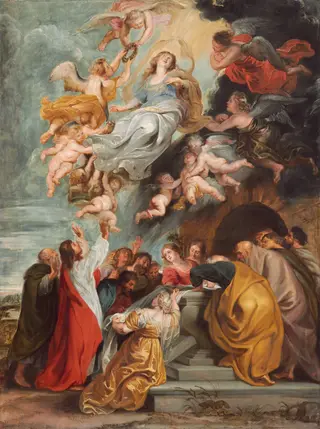
Own this work as a print
Artist & collection
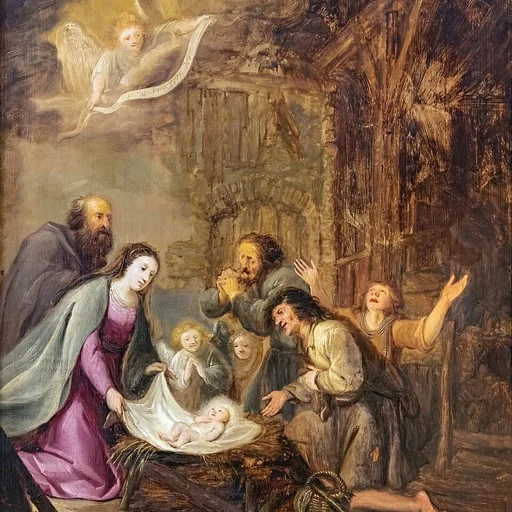
Artist
Jacob Willemszoon de Wet or Jacob Willemsz. de Wet the Elder (c. 1610 – between 1675 and 1691) was a Dutch Golden Age painter whose works were largely influenced by Rembrandt.

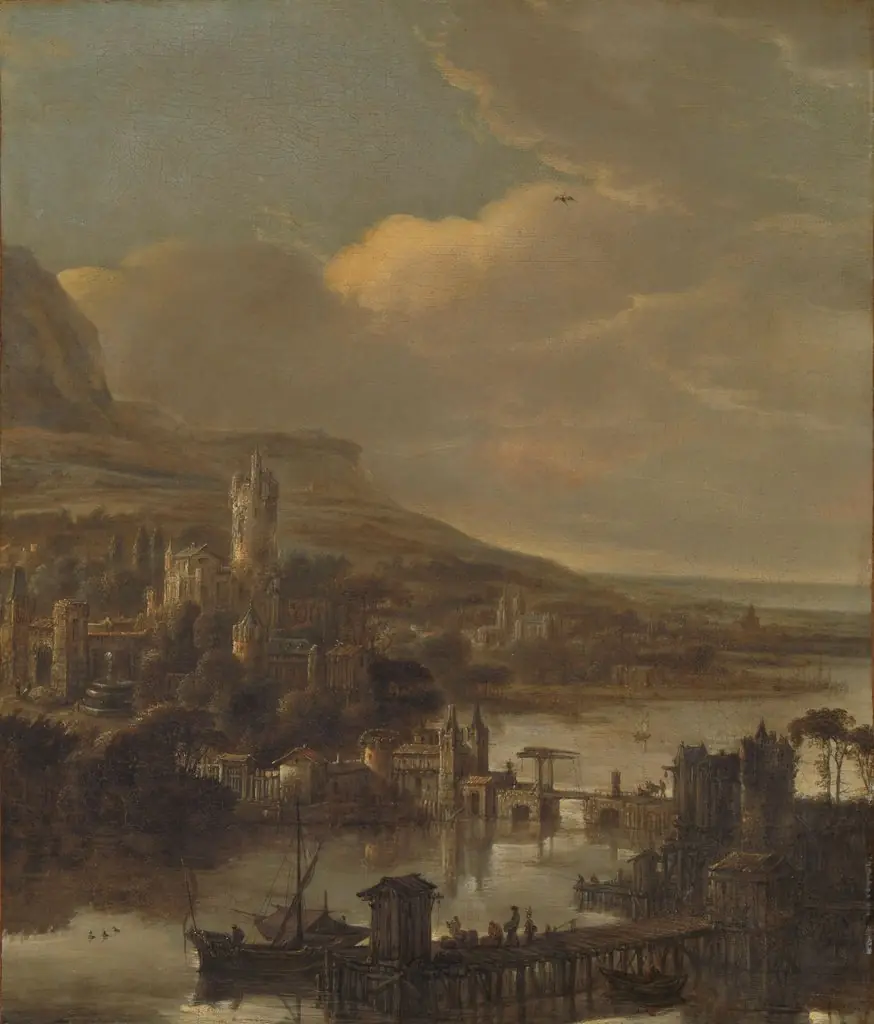
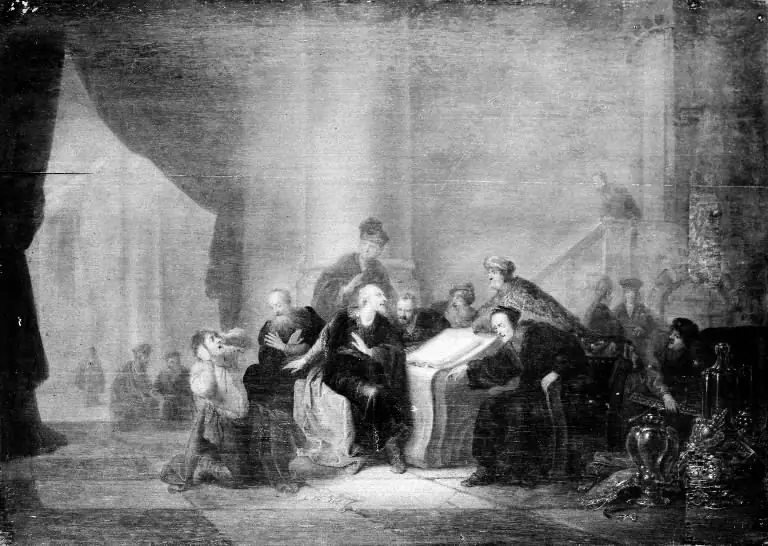
- The Assumption of the Virgin
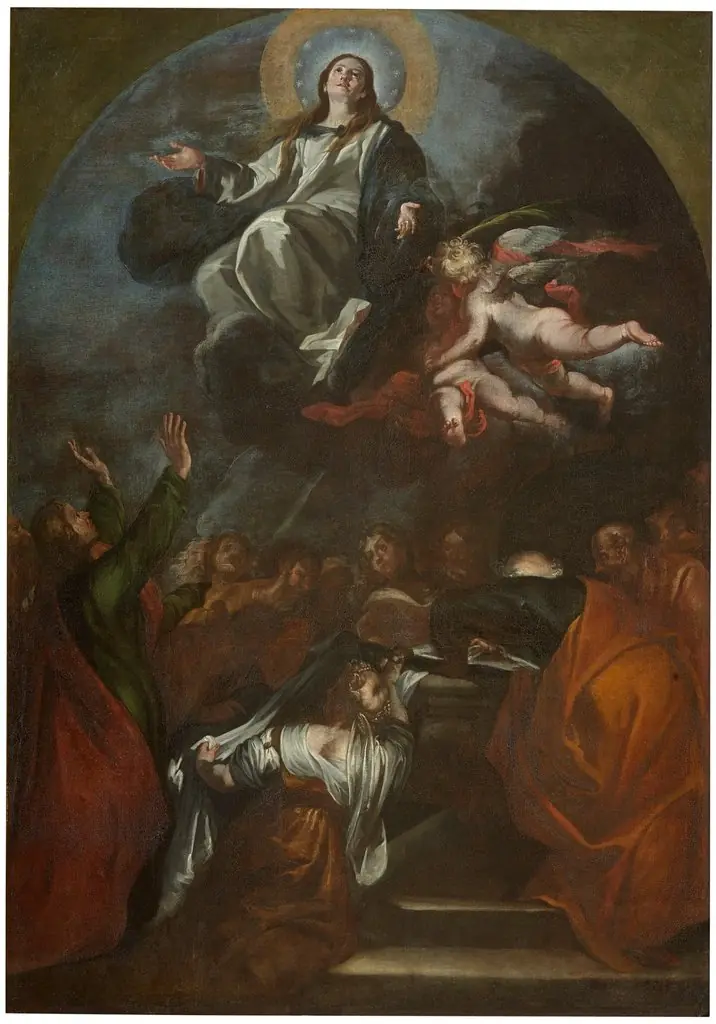 The Assumption of the Virgin
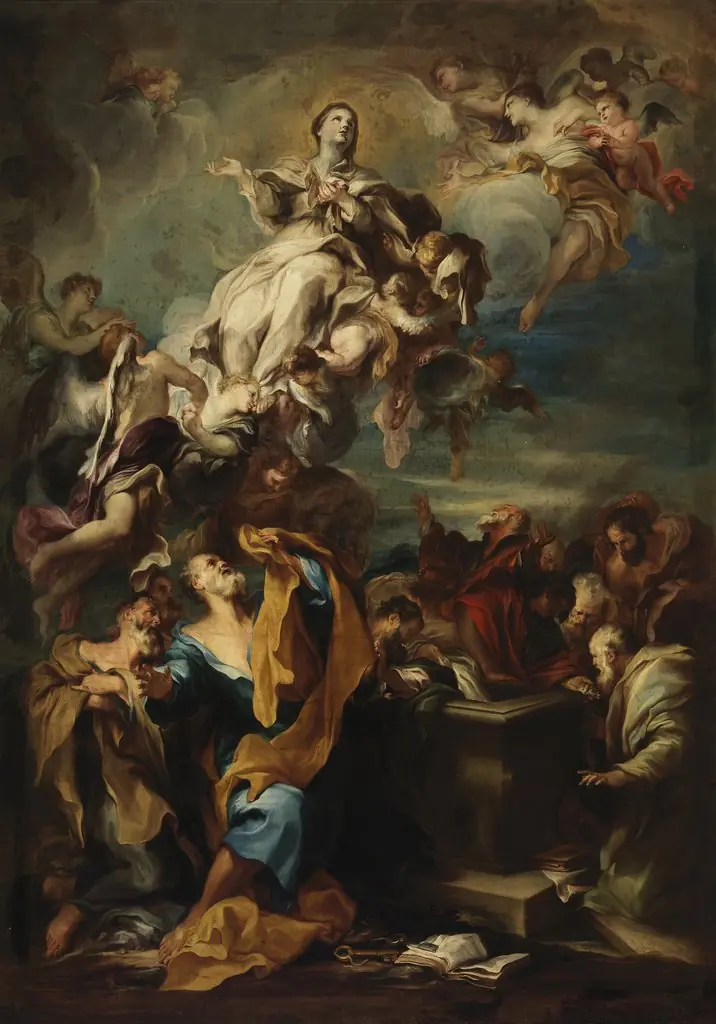 The Assumption of the Virgin
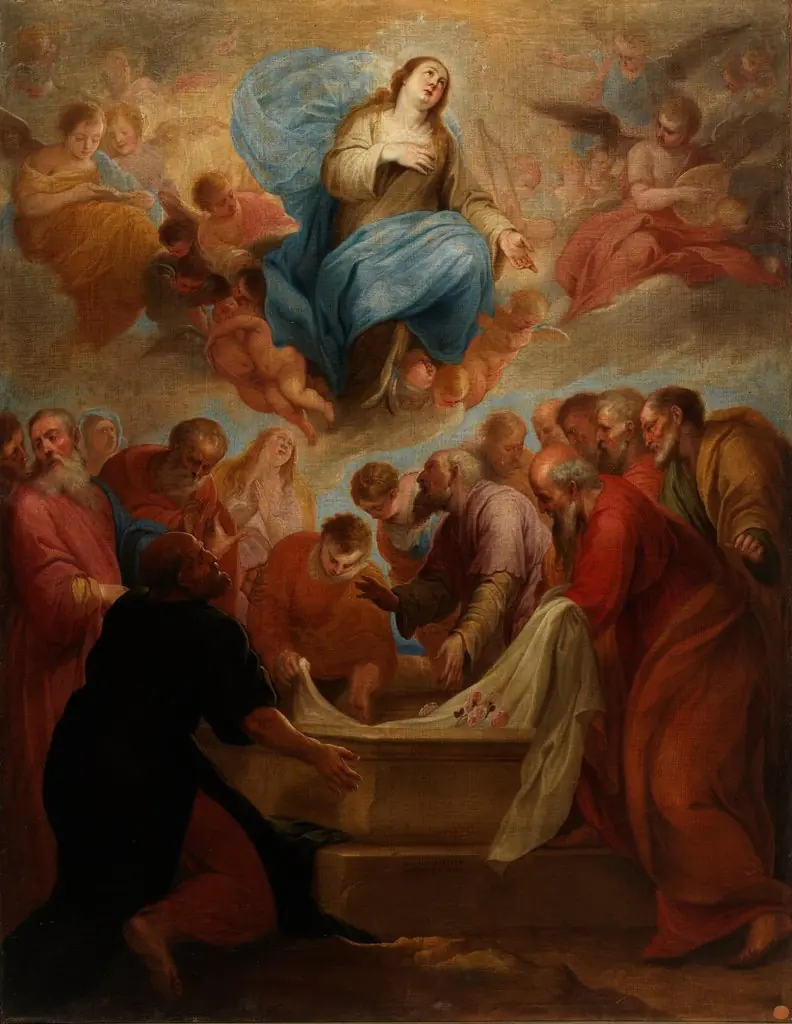 The Assumption of the Virgin
 The Assumption of the Virgin
 The Assumption of the Virgin
 The Assumption of the Virgin
 The Assumption of the Virgin
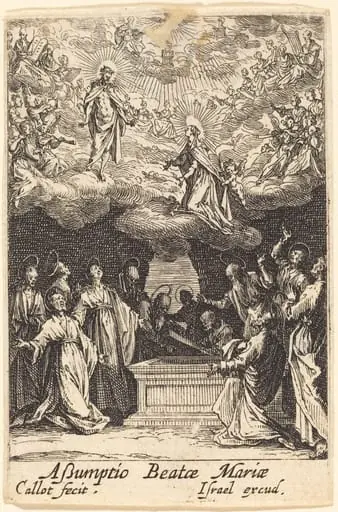 The Assumption of the Virgin
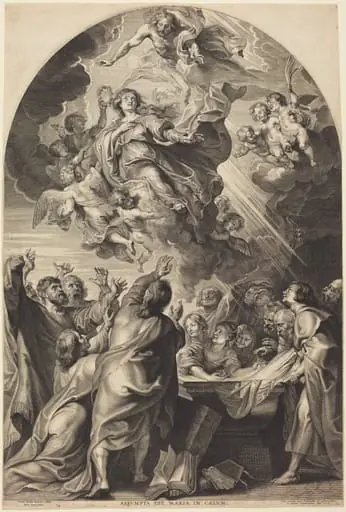 The Assumption of the Virgin
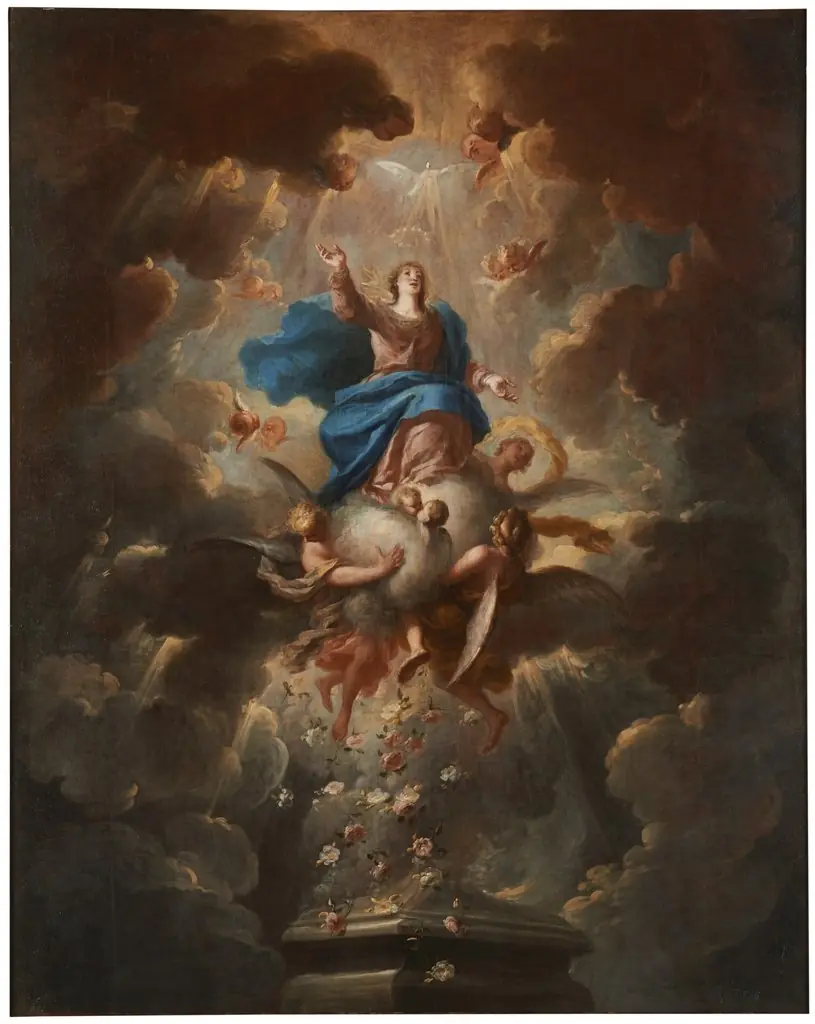 The Assumption of the Virgin