Artwork
La Sagrada Familia
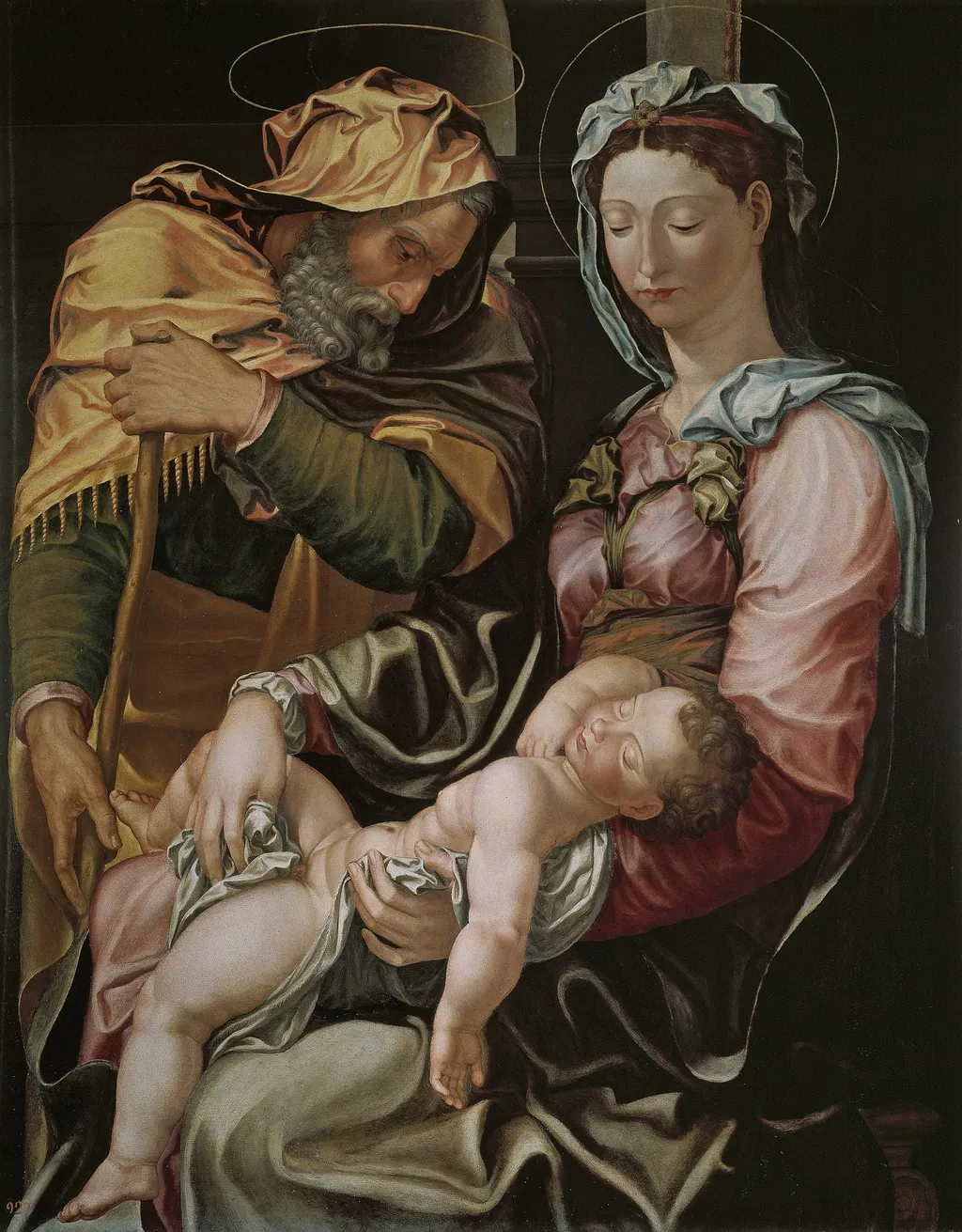
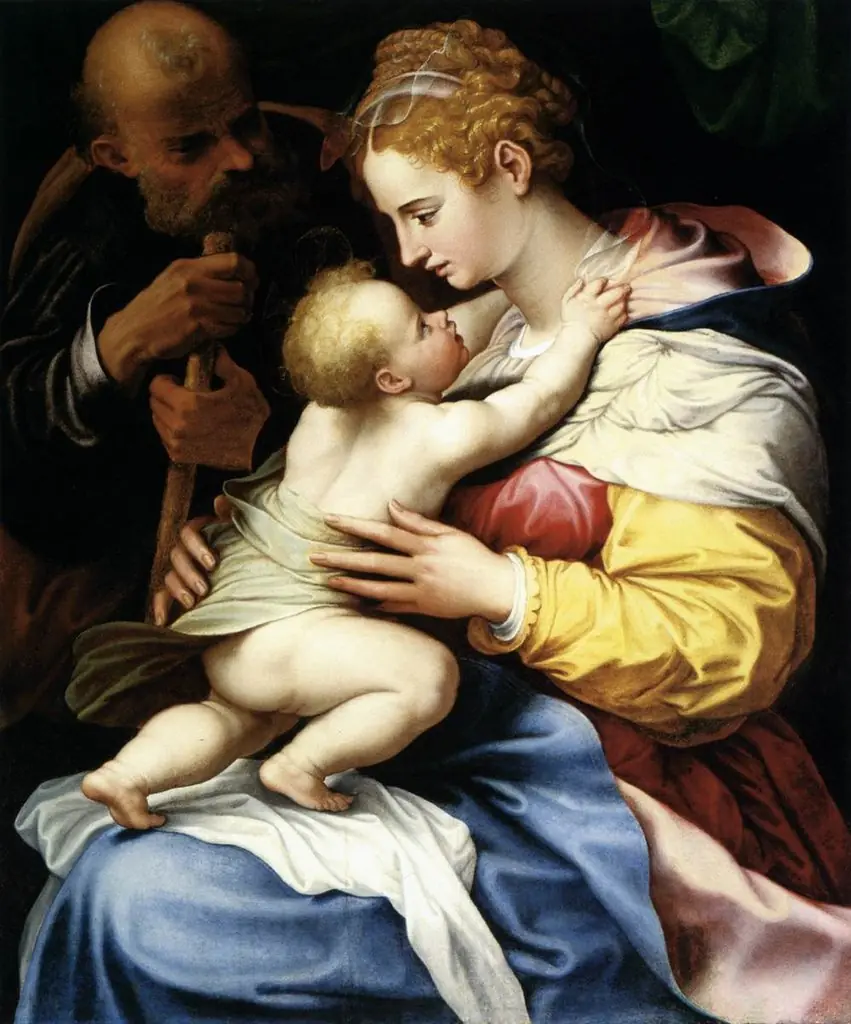
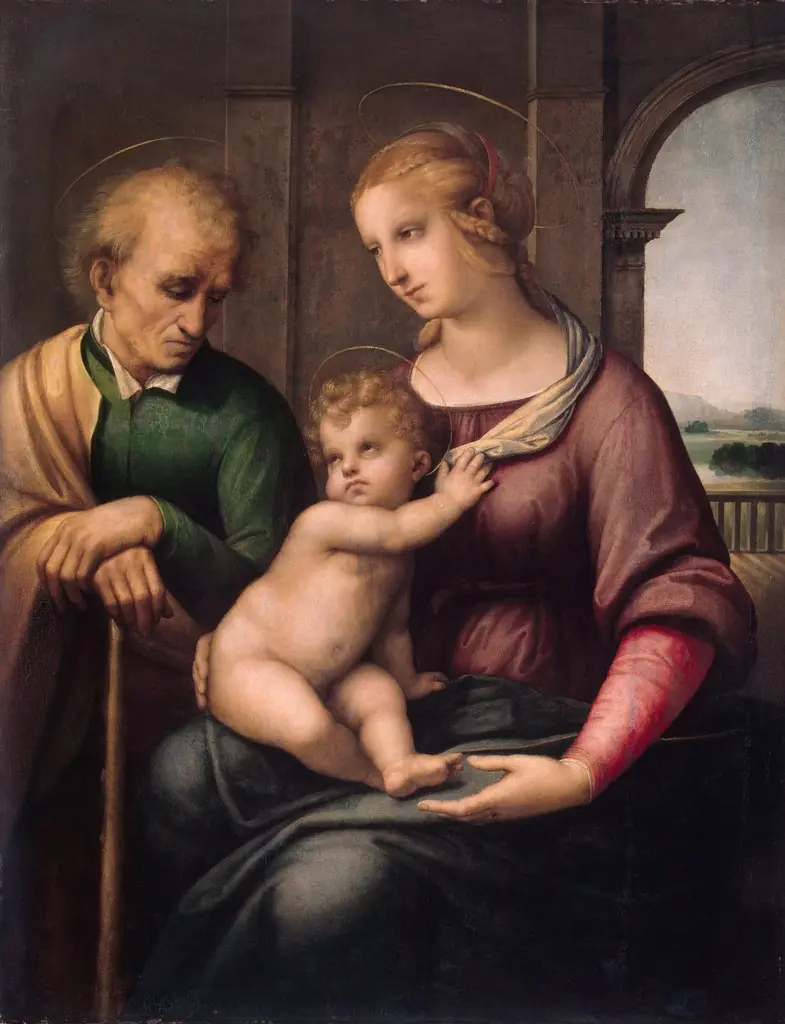
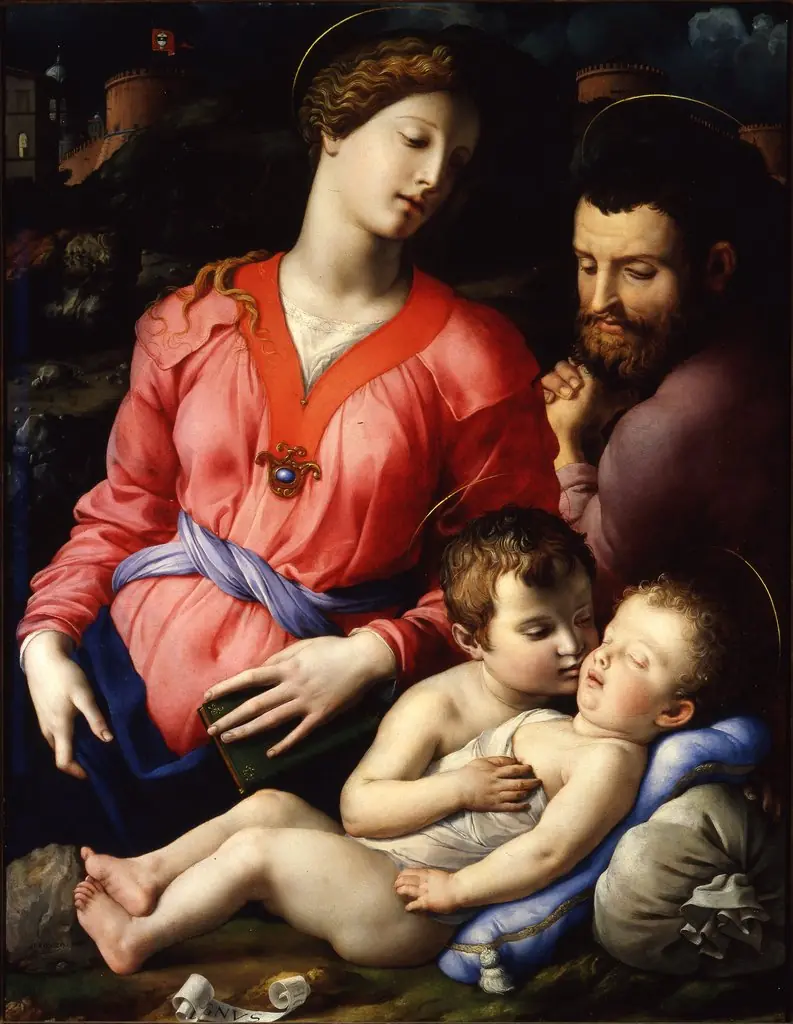
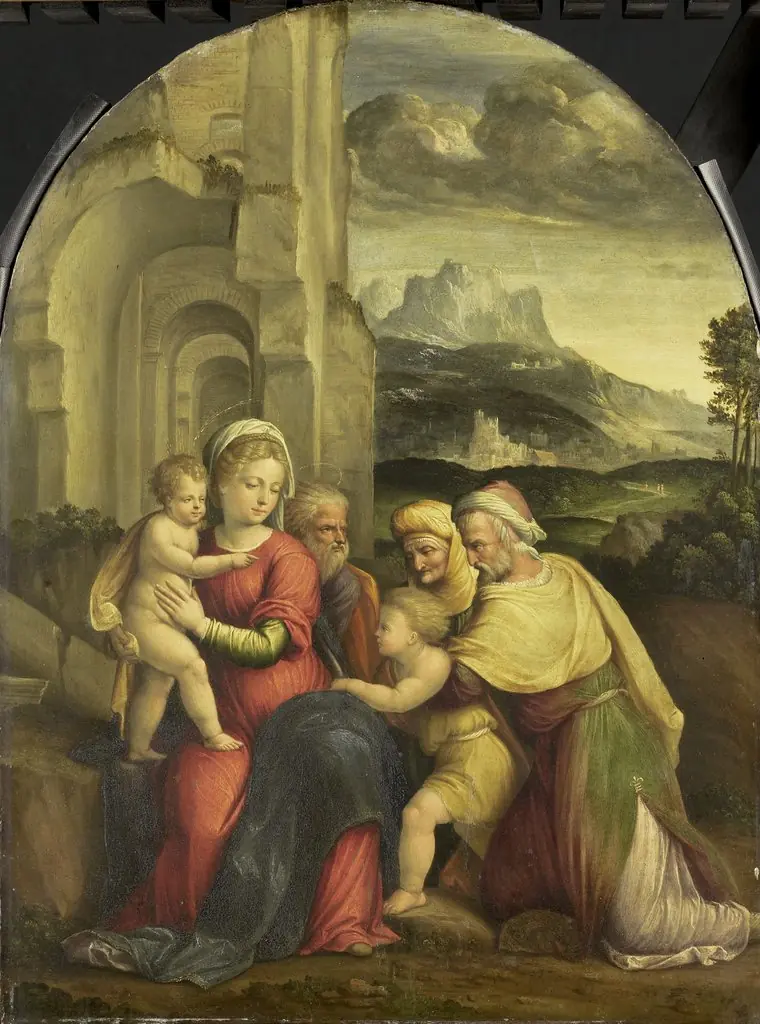
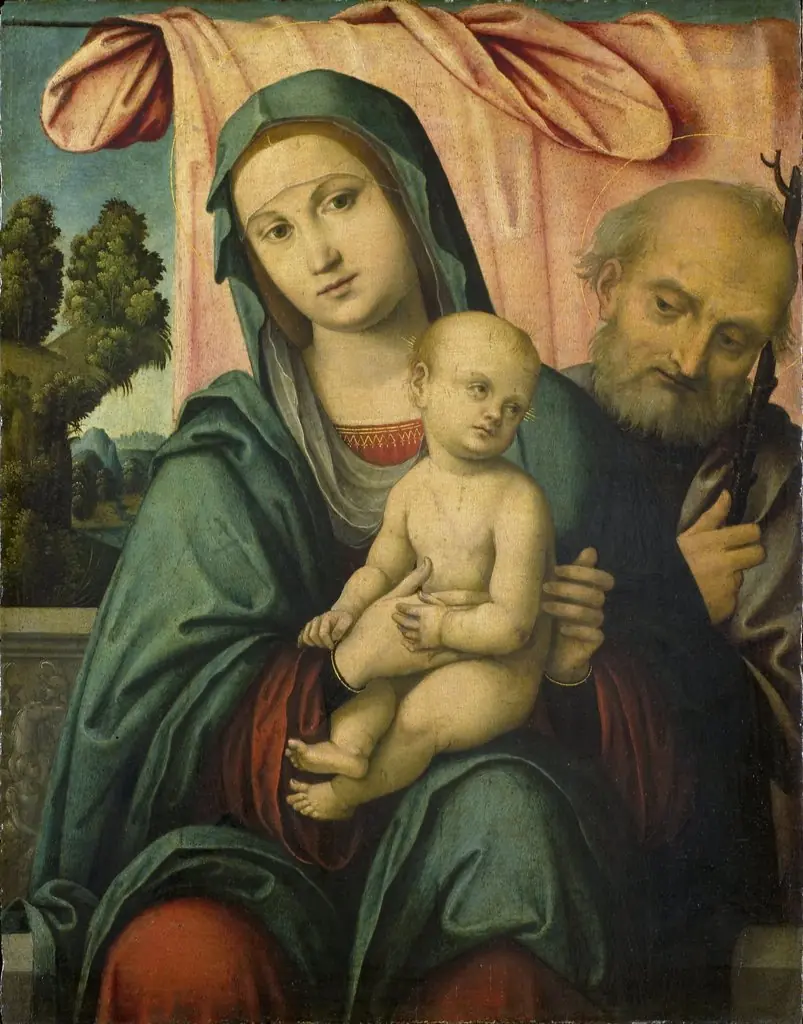
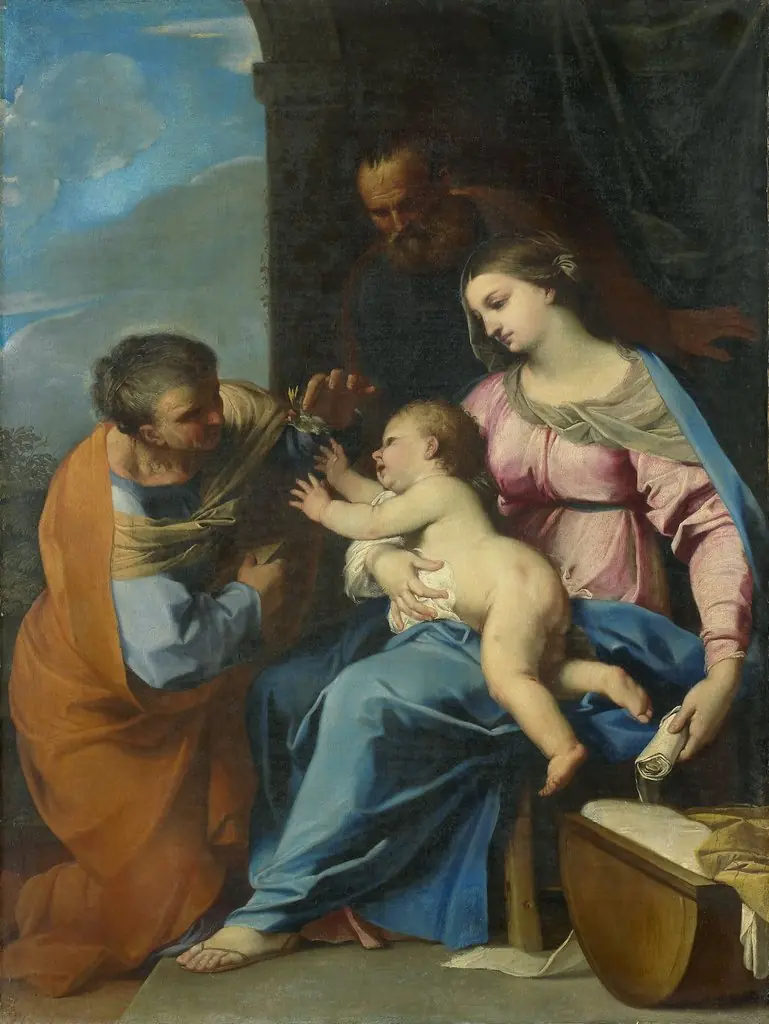
La Sagrada Familia is an oil painting by the Mannerist artist Jacopino del Conte. It dates from 1550 and is held in the collection of the Museo del Prado.
About this work
Subject & Meaning
The composition focuses on the tender interaction among the three figures, underscoring themes of protection, devotion, and divine humanity.
The painting portrays the Holy Family, Mary, the infant Christ Child, and Saint Joseph, rendered in oil on panel. It was created by Jacopino del Conte in 1550 and is part of the collection at the Museo del Prado, where it remains on display.
Symbolically, the work emphasizes the intimate domestic bond of the family unit within a religious context, reflecting the devotional practices of the Renaissance period. The composition focuses on the tender interaction among the three figures, underscoring themes of protection, devotion, and divine humanity.
The iconography aligns with traditional depictions of the Holy Family, highlighting Mary's maternal role, Joseph's guardianship, and Christ's incarnation, all central to Christian theological narratives.
Technique & Style
Executed in 1550, this religious painting by Jacopino del Conte utilizes oil paint applied to a wooden panel support. The work measures 105 cm in height and 100 cm in width. Stylistically, the composition focuses on the Holy Family, depicting the figures of Mary, the Christ Child, and Joseph within the frame.
The piece is classified as a painting and remains part of the collection at the Museo del Prado.
History & Provenance
Created in 1550, this oil painting on panel was executed by the artist Jacopino del Conte. The work depicts the Holy Family, featuring the Virgin Mary, the Christ Child, and Saint Joseph. Throughout its history, the painting has been held in the collection of the Museo del Prado, where it remains located. The piece measures 105 cm in height and 100 cm in width.
La Sagrada Familia, an oil-on-panel work by Jacopino del Conte dated 1550, is held in the collection of the Museo del Prado. The painting's location is recorded as the Museo del Prado, with the institution also listed as its collection. No inventory or accession number is provided in the available sources, and no exhibition history is documented.
The work measures 105 cm in height and 100 cm in width, and depicts the Holy Family, Mary, the Christ Child, and Joseph, within the religious genre.
Legacy
The painting has been studied for its role in shaping Counter-Reformation visual narratives, particularly in its portrayal of the Holy Family as a model of domestic devotion. Its composition influenced later interpretations of sacred intimacy in European religious art, though its attribution and stylistic nuances continue to inform scholarly debate. The work remains part of the Museo del Prado's collection, where it is examined in the context of 16th-century devotional practices.
Overview
Created around 1550, this oil on canvas by Jacopino del Conte presents a quiet devotional scene now in the collection of the Museo del Prado. The work features three central figures, Mary, the infant Jesus, and an older male figure identified as Joseph, arranged within a modestly illuminated interior.
Context
The painting reflects the Counter‑Reformation’s emphasis on intimate, accessible depictions of holy figures, aligning with contemporary devotional practices that favored personal piety over grandiose public altar pieces. Its modest scale and focus on domestic tenderness exemplify the period’s shift toward private religious contemplation.
Own this work as a print
Artist & collection