Artwork
Vanitas still life
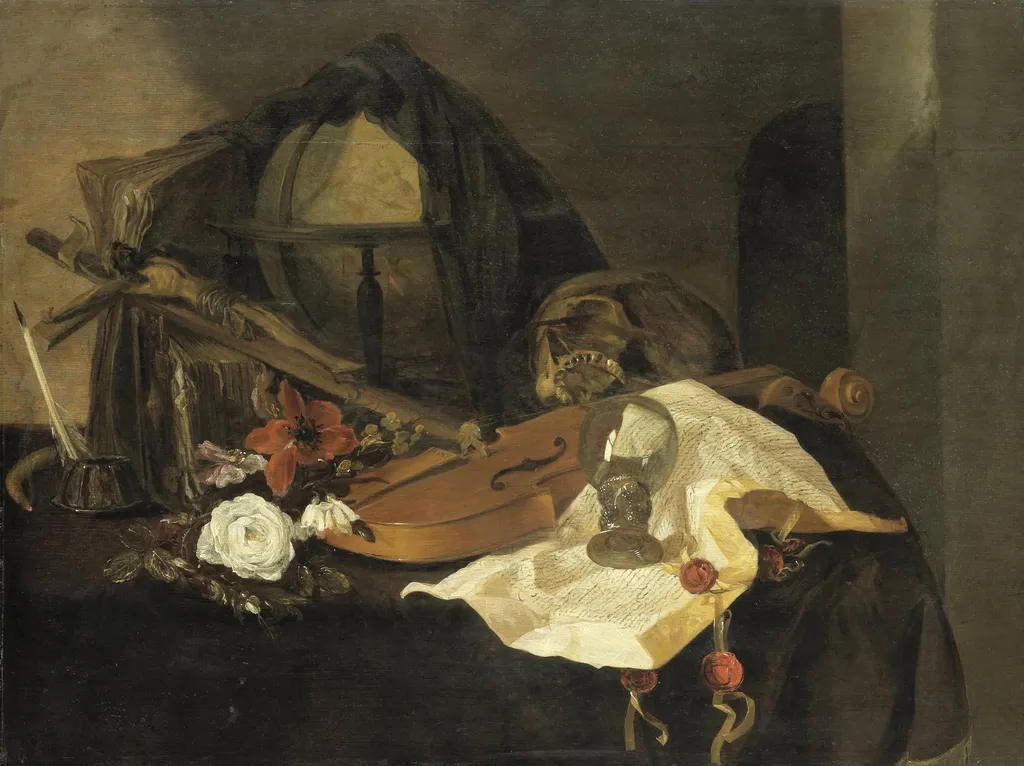
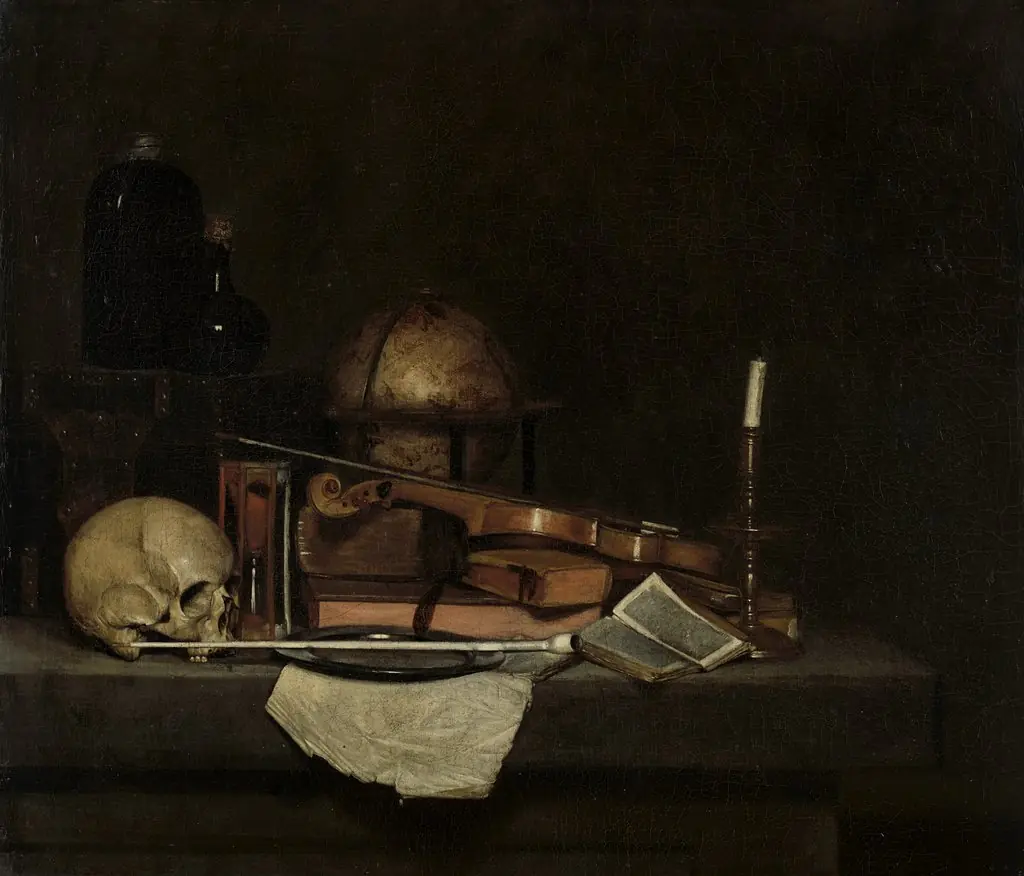
Vanitas still life is an oil painting by the Dutch Golden Age artist Jacques de Claeuw. It dates from 1650 and is held in the collection of the Rijksmuseum.
About this work
Subject & Meaning
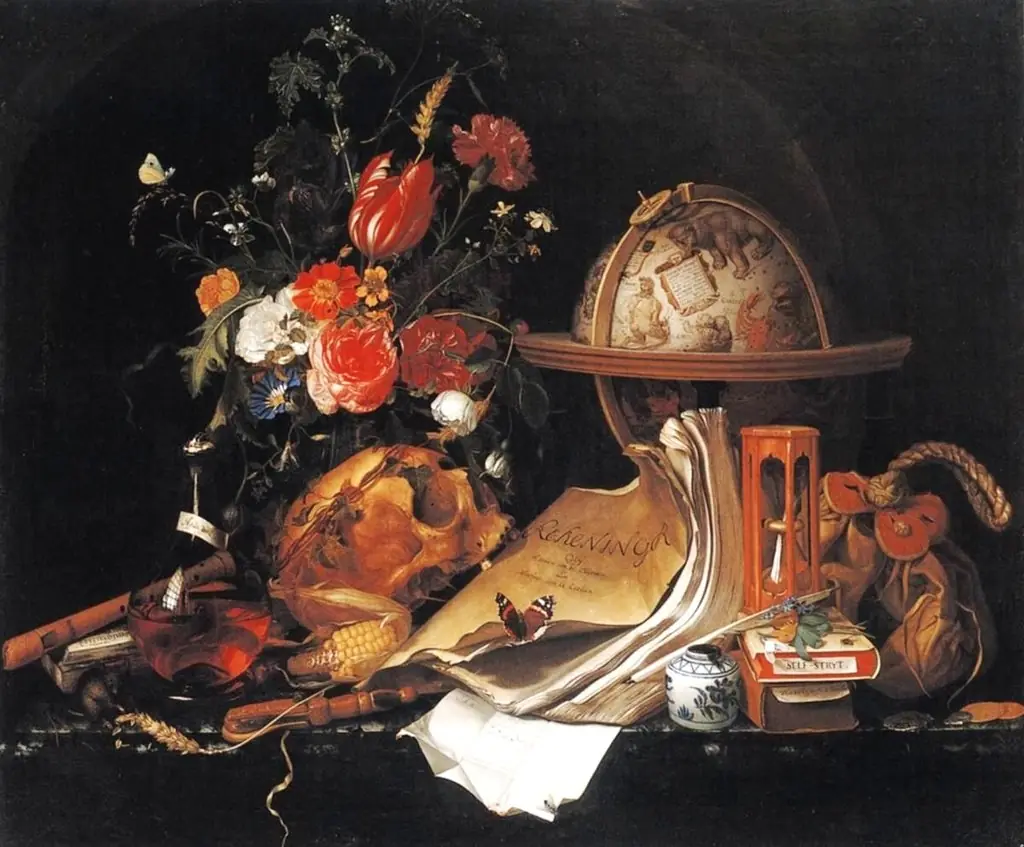
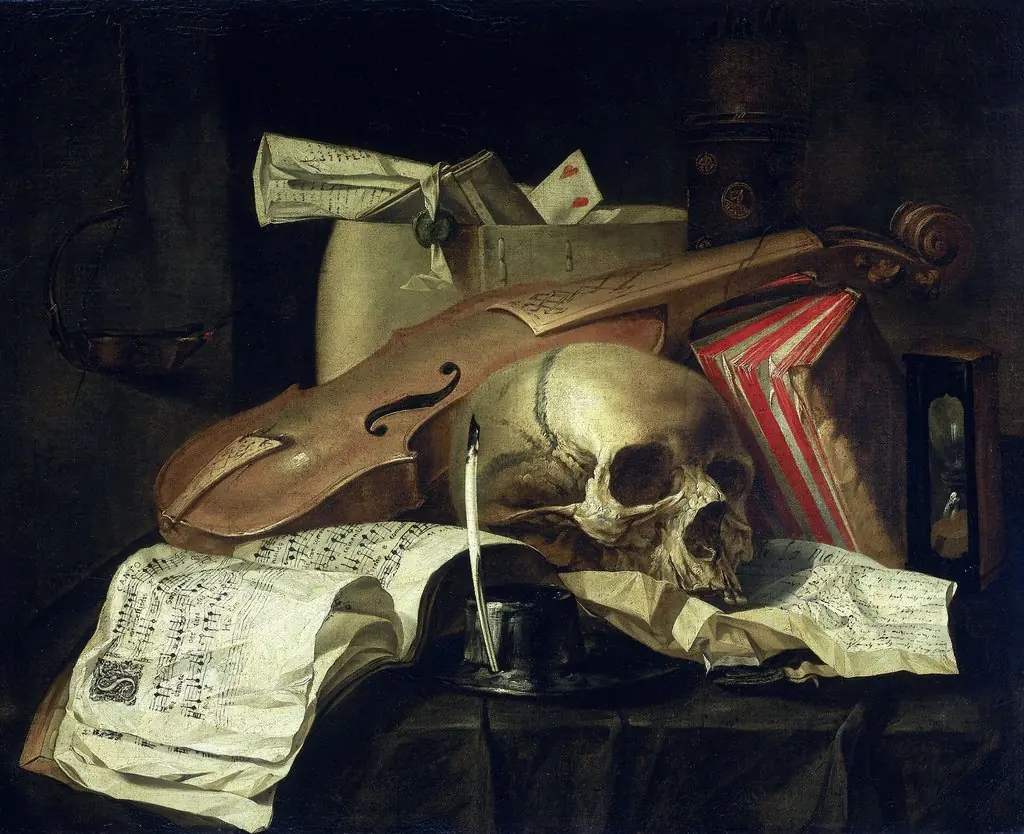
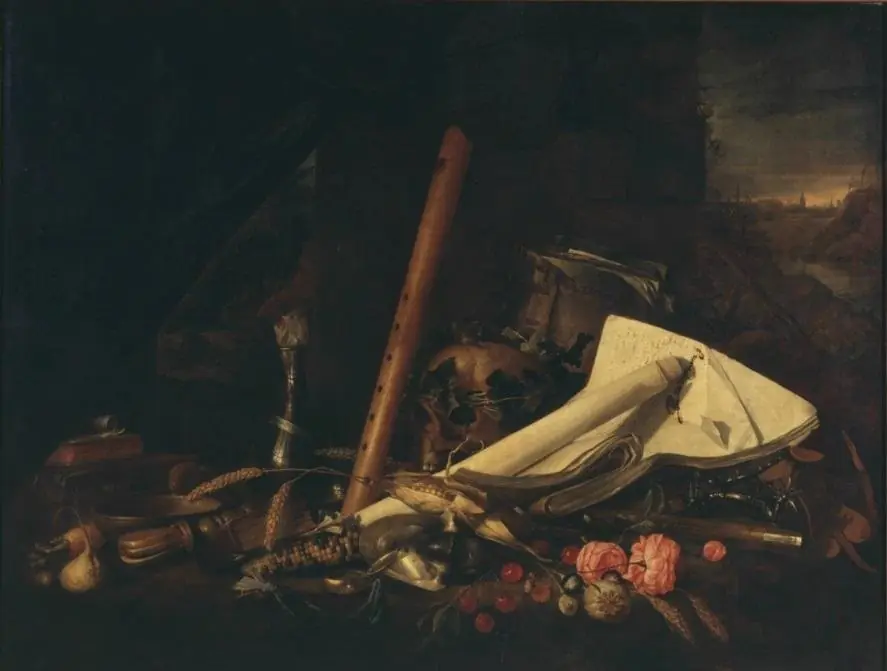
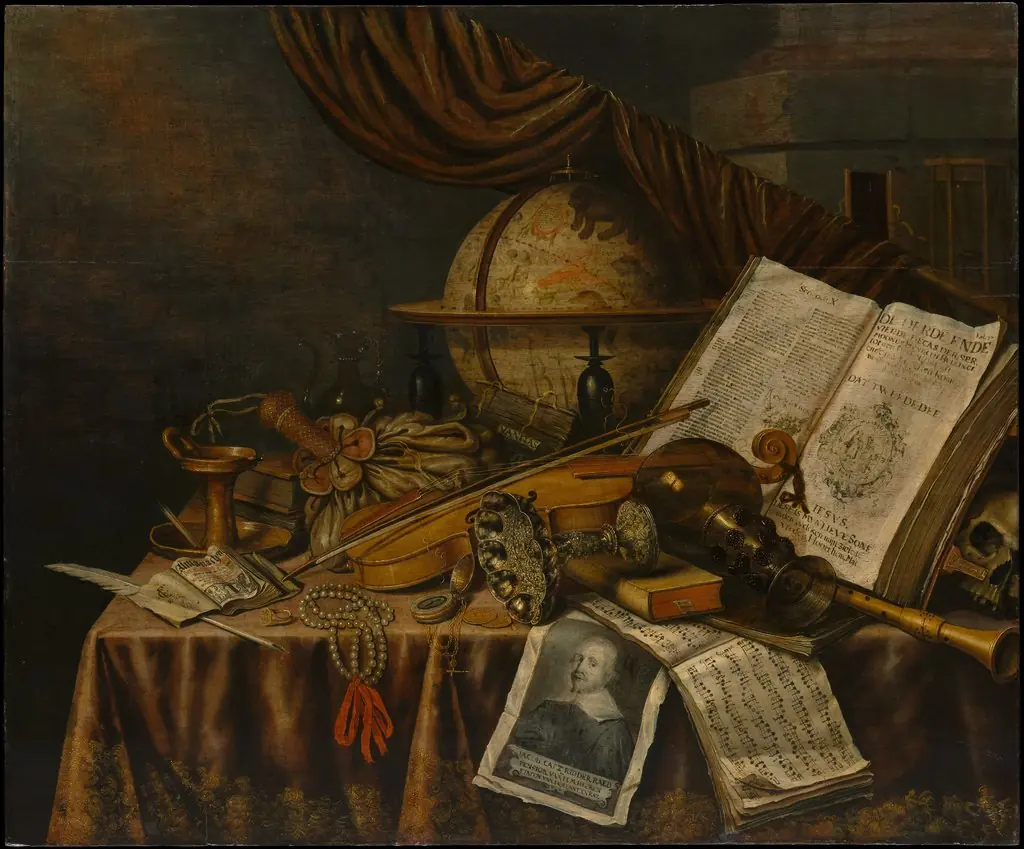
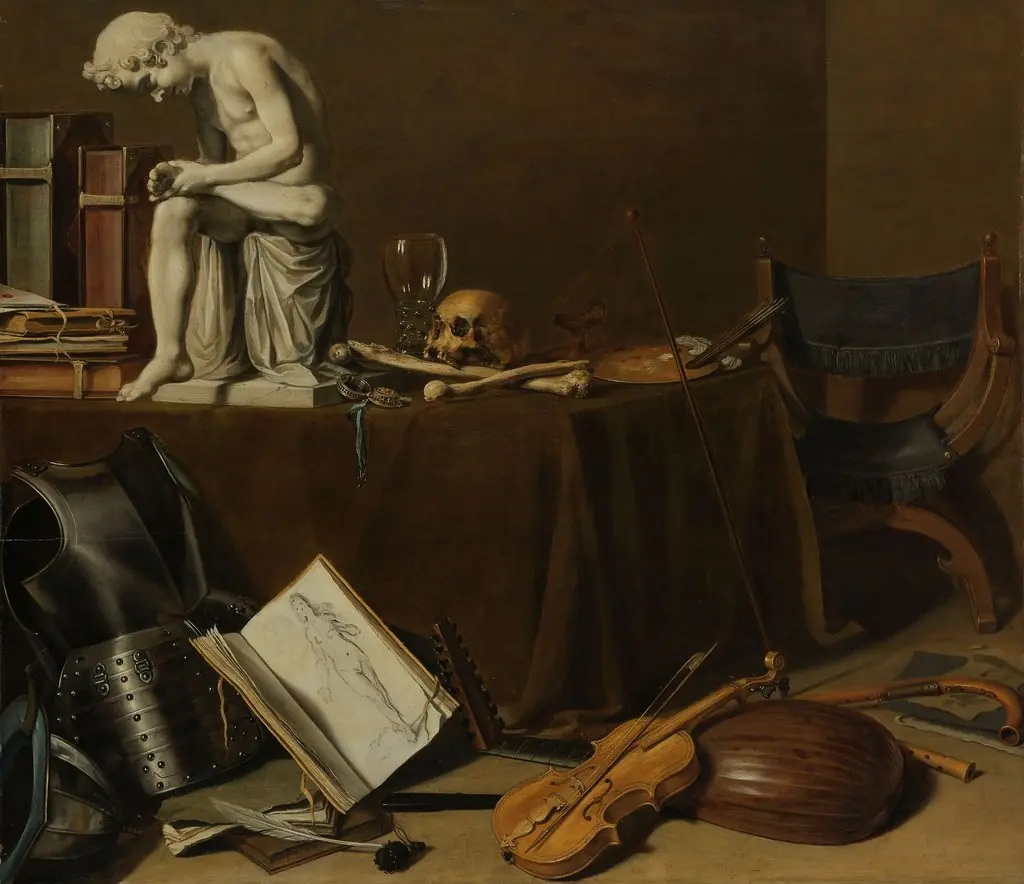
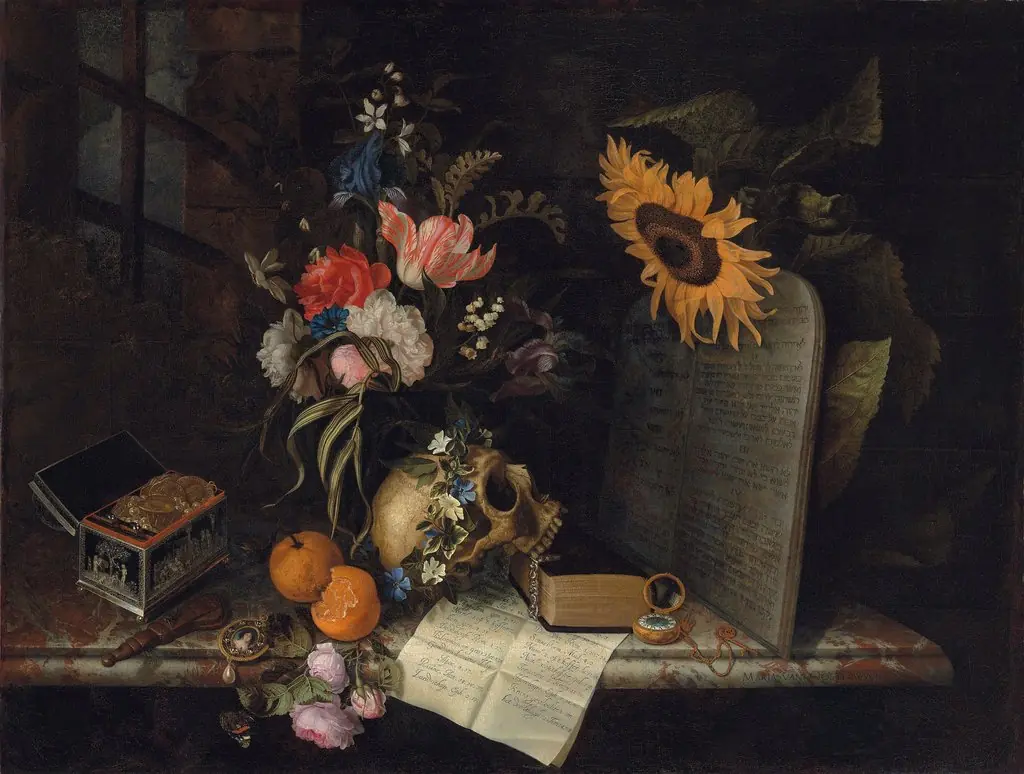
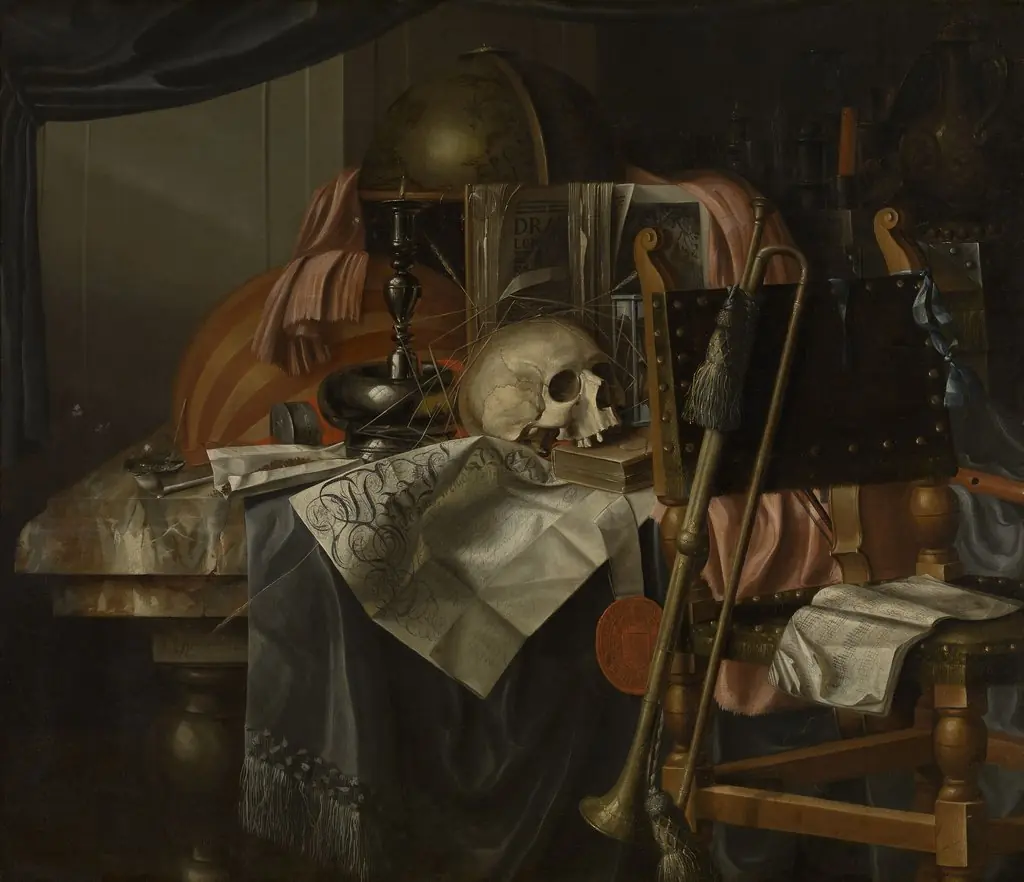
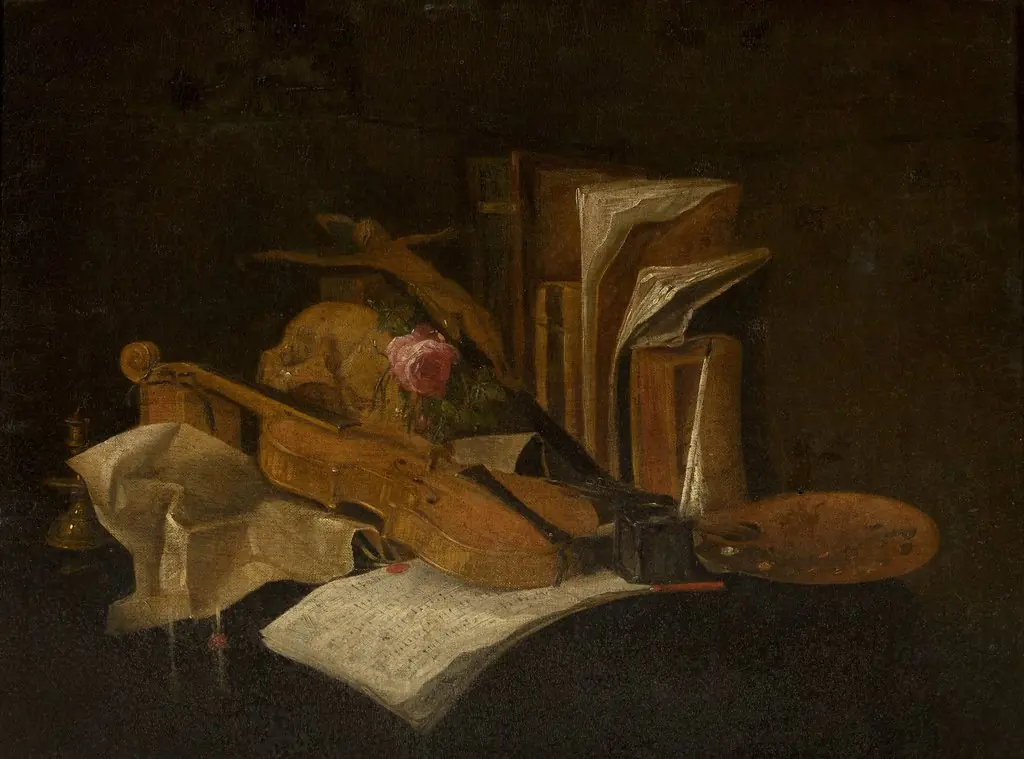
The 1650 oil painting by Jacques de Claeuw belongs to the vanitas genre, a category of still life that uses symbolic objects to comment on the fleeting nature of existence. The composition shows a skull, a rummer, a violin, a globe and a flower, each chosen for its conventional association with mortality, the transience of pleasure, the limits of material knowledge and the inevitability of death. By juxtaposing these items, the work suggests that earthly achievements and sensory delights are ultimately temporary, urging viewers to contemplate the impermanence of life.
Technique & Style
Stylistically, the composition arranges symbolic objects including a human skull, a rummer glass, a violin, a globe, and flowers to convey themes of mortality.
Executed in 1650 by Jacques de Claeuw, this vanitas still life is an oil painting created on a wooden panel support. The work measures 54 centimeters in height and 71 centimeters in width. Stylistically, the composition arranges symbolic objects including a human skull, a rummer glass, a violin, a globe, and flowers to convey themes of mortality.
The handling of the oil medium allows for the detailed rendering of varied textures, from the smoothness of the glassware to the organic forms of the floral elements and the bone structure of the skull.
History & Provenance
The vanitas still life was painted by Jacques de Claeuw in 1650, executed in oil on panel. After its creation, the work entered the collection of Dutch art historian Abraham Bredius, who is recorded as its owner. It is now housed in the Rijksmuseum, where it remains part of the museum's permanent holdings. No specific commission or patronage details are documented in the available sources.
Overview
Jacques de Claeuw’s Vanitas still life, painted around 1650, is an oil painting that exemplifies the genre of vanitas. This work, currently housed at the Rijksmuseum, presents a collection of objects carefully arranged to evoke contemplation on the ephemeral nature of human existence and worldly possessions. It serves as a visual reminder of mortality and the fleeting passage of time.
Context
The vanitas genre flourished in the Netherlands during the 17th century, a period marked by significant cultural and religious introspection. These still lifes served as moralizing allegories, encouraging viewers to reflect on the vanity of earthly pursuits and the importance of spiritual contemplation. Artists like De Claeuw meticulously arranged everyday objects to convey profound philosophical messages about life's brevity and the transient nature of material wealth and beauty.
Own this work as a print
Artist & collection