Artwork
The Madonna and Child
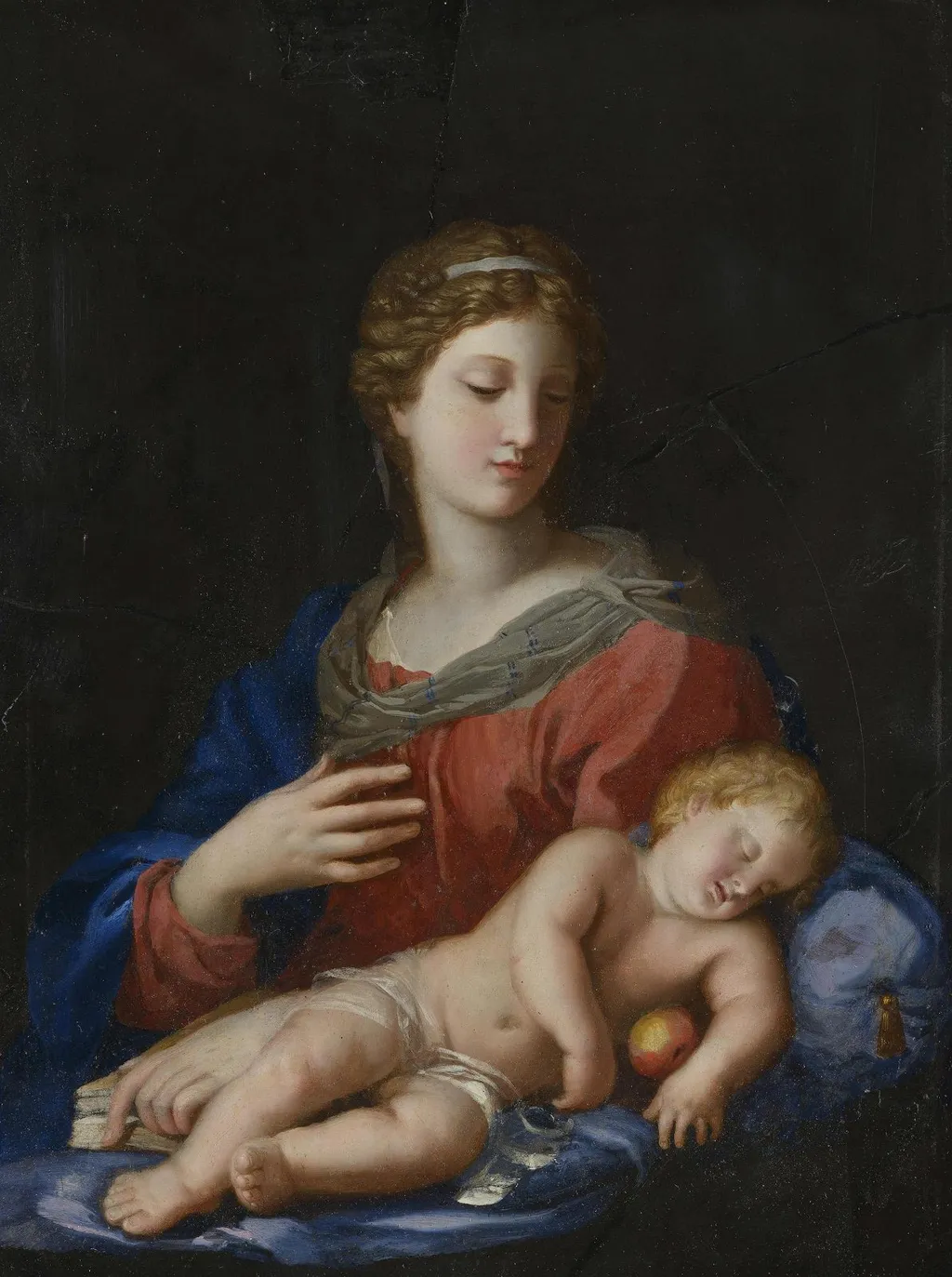
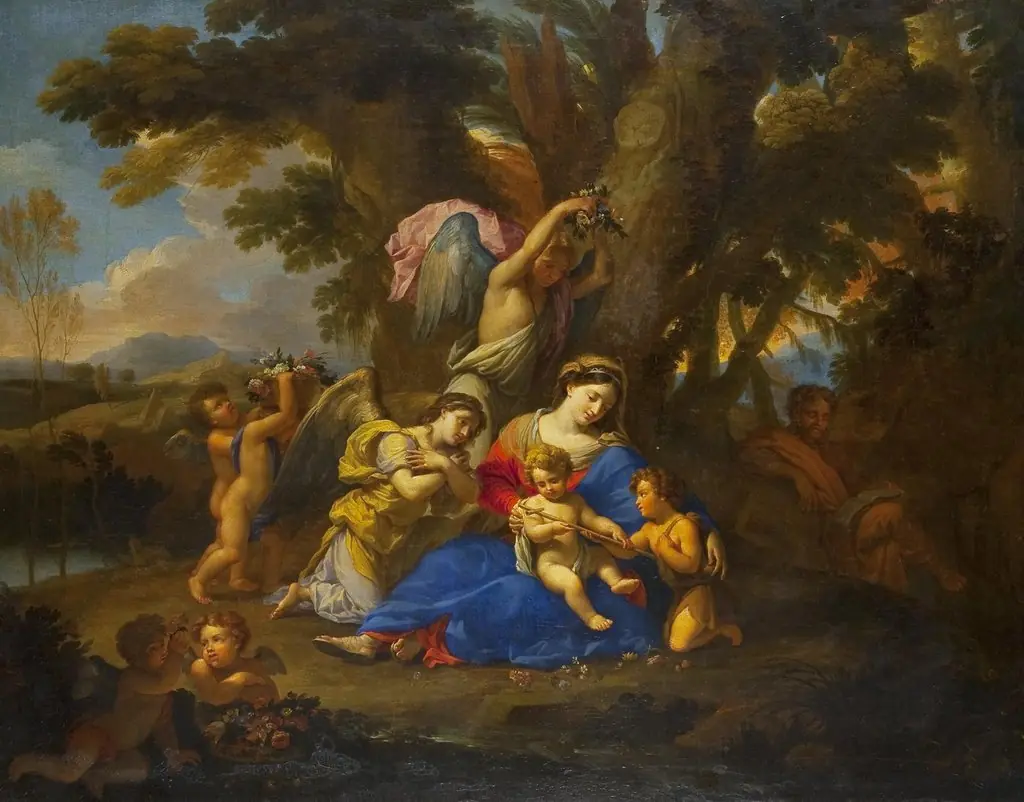
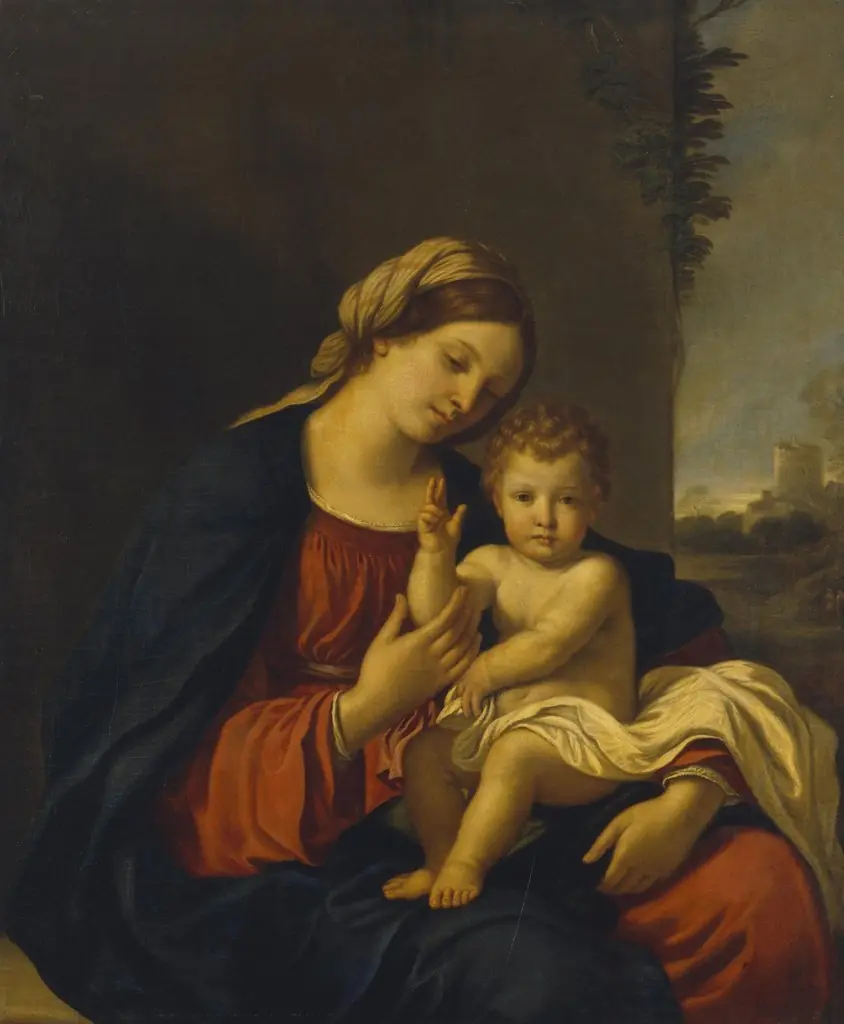
The Madonna and Child is an unspecified painting by the French Classical Baroque artist Jacques Stella. It dates from 1642 and is held in the collection of the Hermitage Museum.
About this work
History & Provenance
The Madonna and Child by Jacques Stella is held in the collection of the Hermitage Museum, where it remains part of the institution's holdings.
The work titled The Madonna and Child was painted by Jacques Stella in 1642. It entered the collection of the Hermitage Museum, where it remains on display. The painting was created in France and depicts Mary with the infant Christ Child. Its inception is recorded as 1642‑01‑01, confirming the year of its creation.
The Madonna and Child by Jacques Stella is held in the collection of the Hermitage Museum, where it remains part of the institution's holdings. The painting, dated 1642, was created in France and entered the Hermitage as a religious work depicting the Virgin Mary and the Christ Child. No specific inventory or accession number is recorded in the available documentation, and no exhibition history beyond its presence in the Hermitage collection is documented in the sources reviewed.
Legacy
The Madonna and Child by Jacques Stella, painted in 1642, established a influential model of devotional imagery that resonated with later French religious painters and contributed to the evolving iconography of Marian devotion. Its presence in the Hermitage Museum collection has allowed sustained scholarly attention to its compositional innovations and its role in shaping devotional practices, reinforcing its reputation as a key example of 17th-century French religious art.
The work's legacy persists in both academic discourse and museum displays, cited for its technical mastery and its impact on subsequent interpretations of the Madonna and Child motif.
Overview
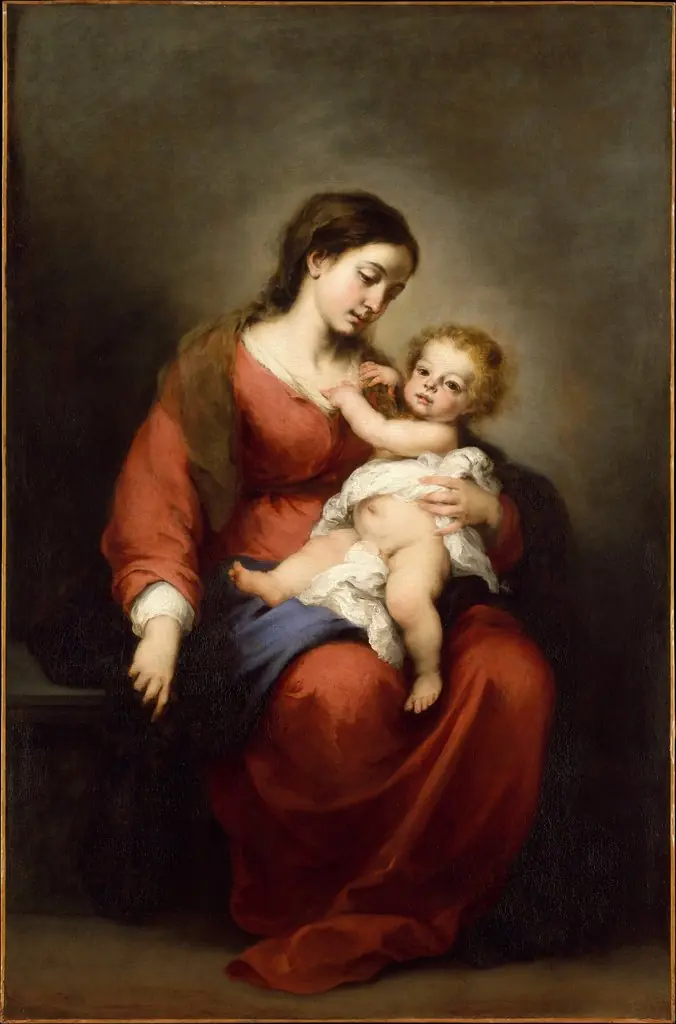
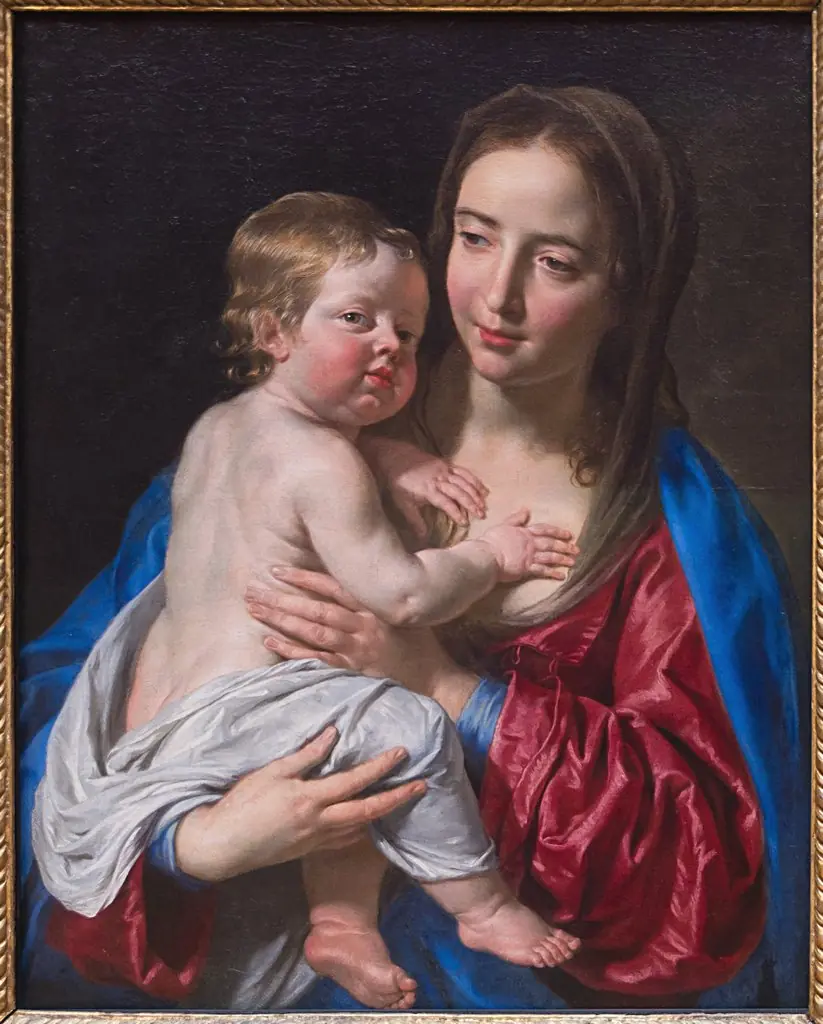
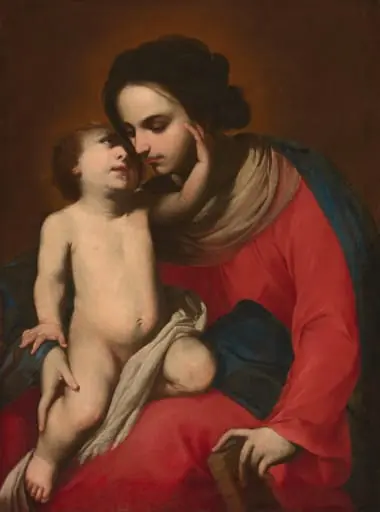
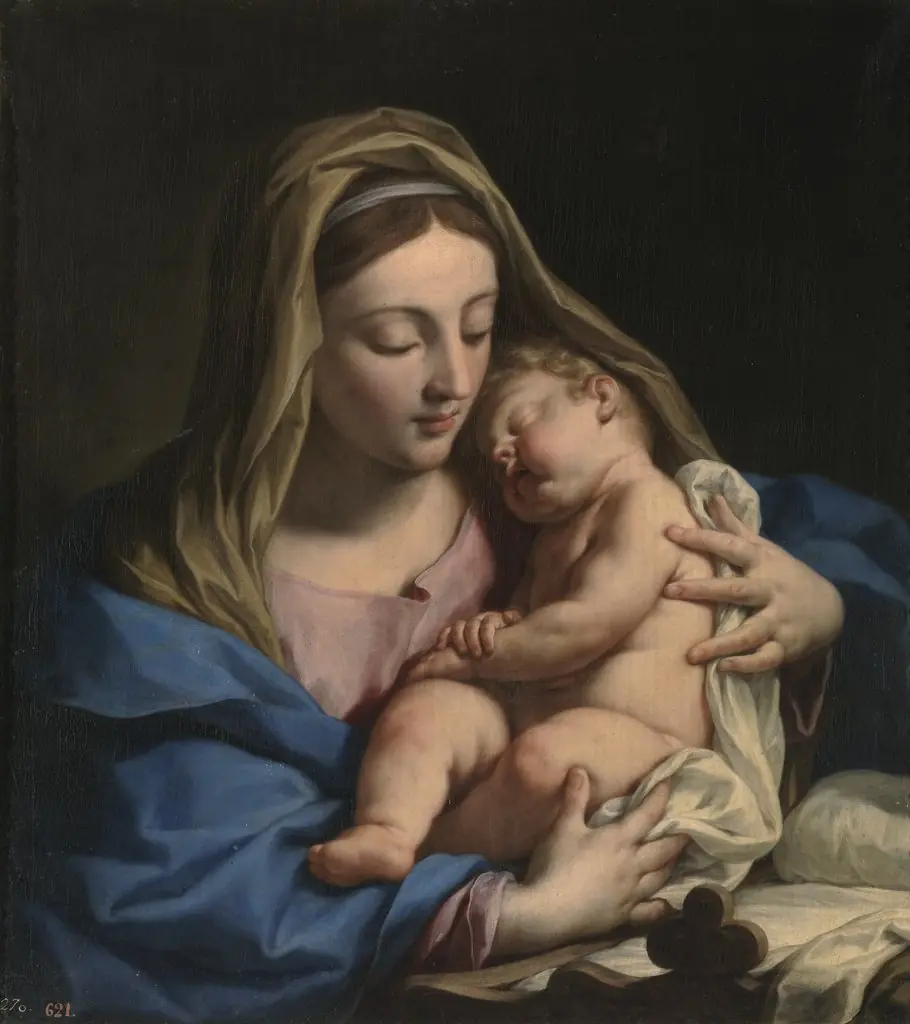
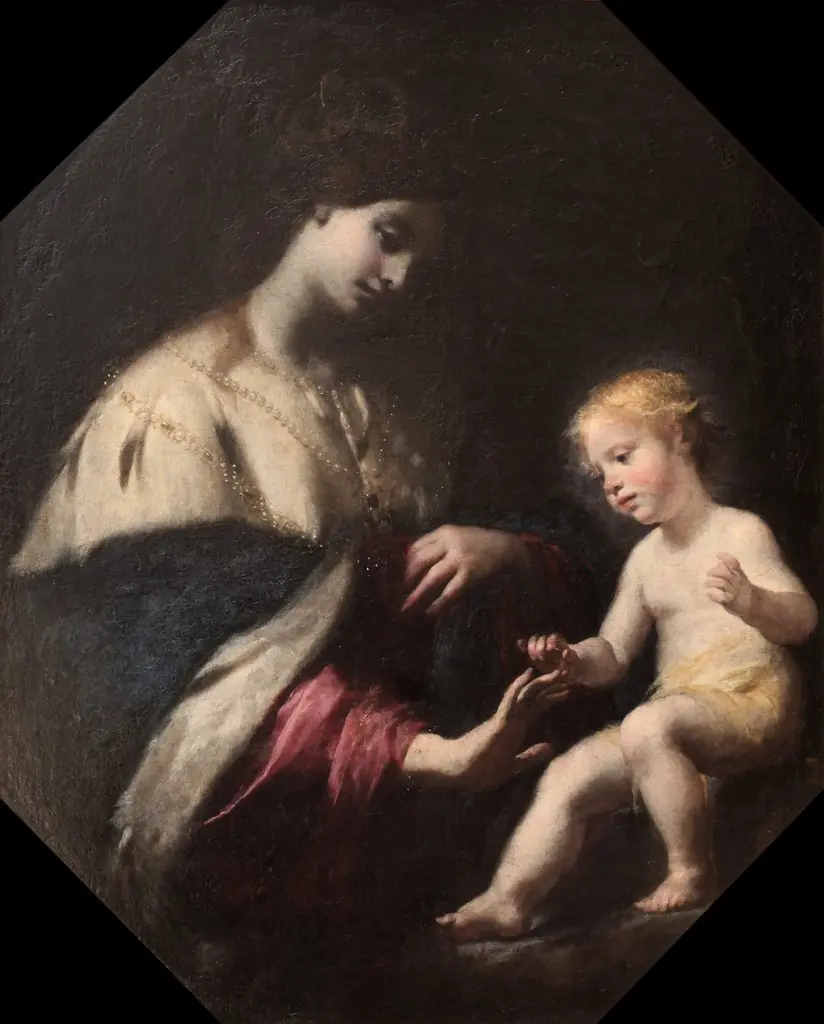
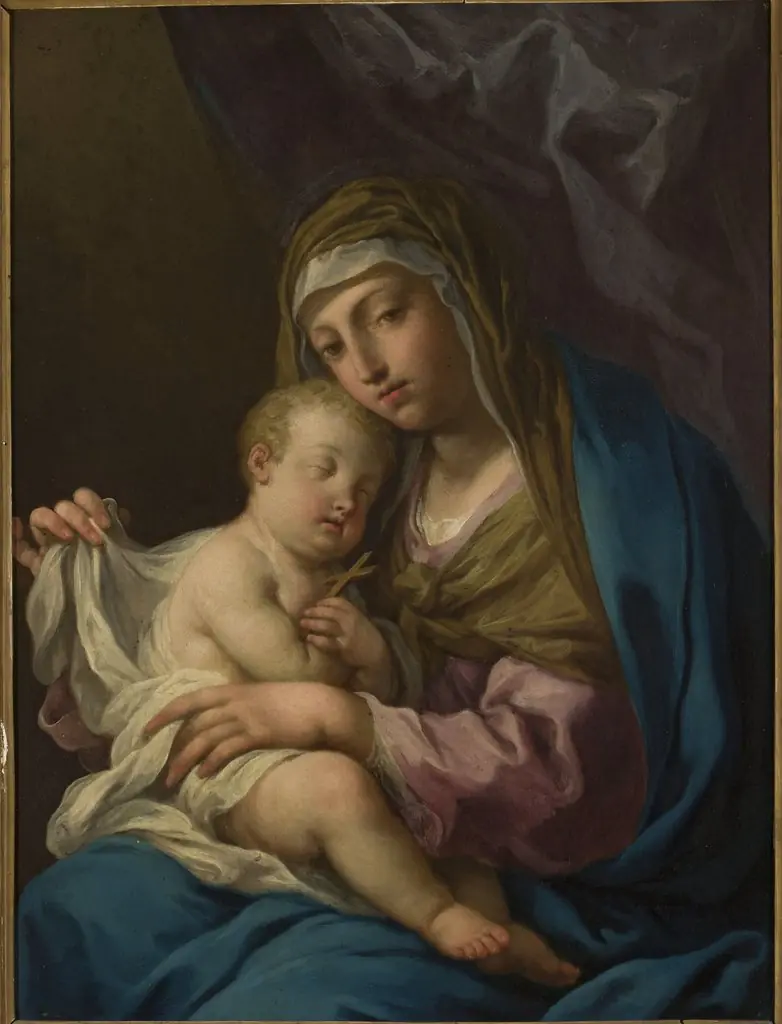
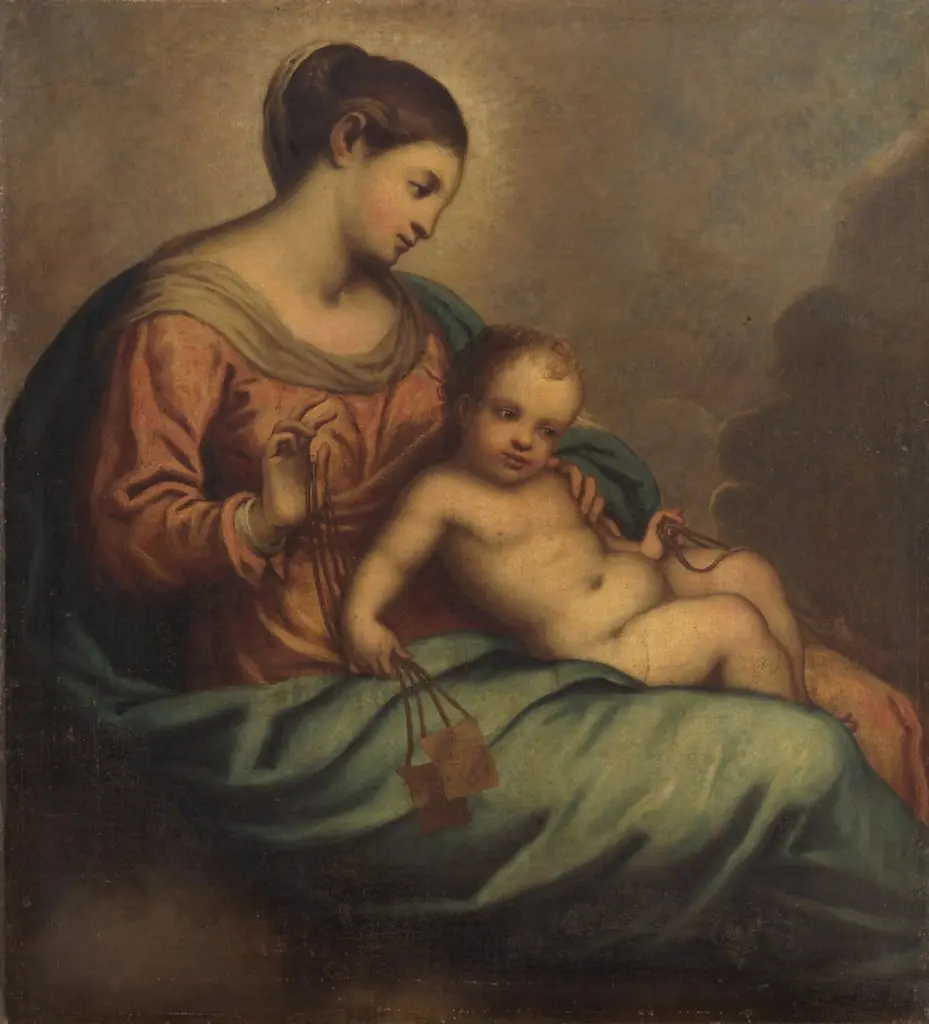
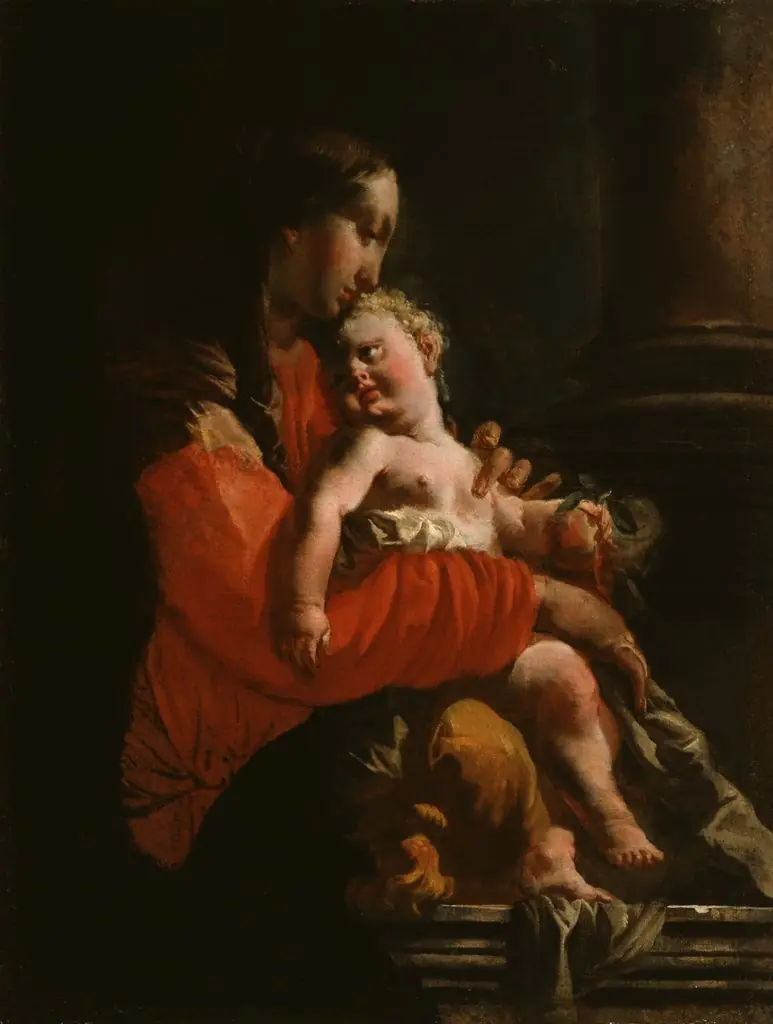
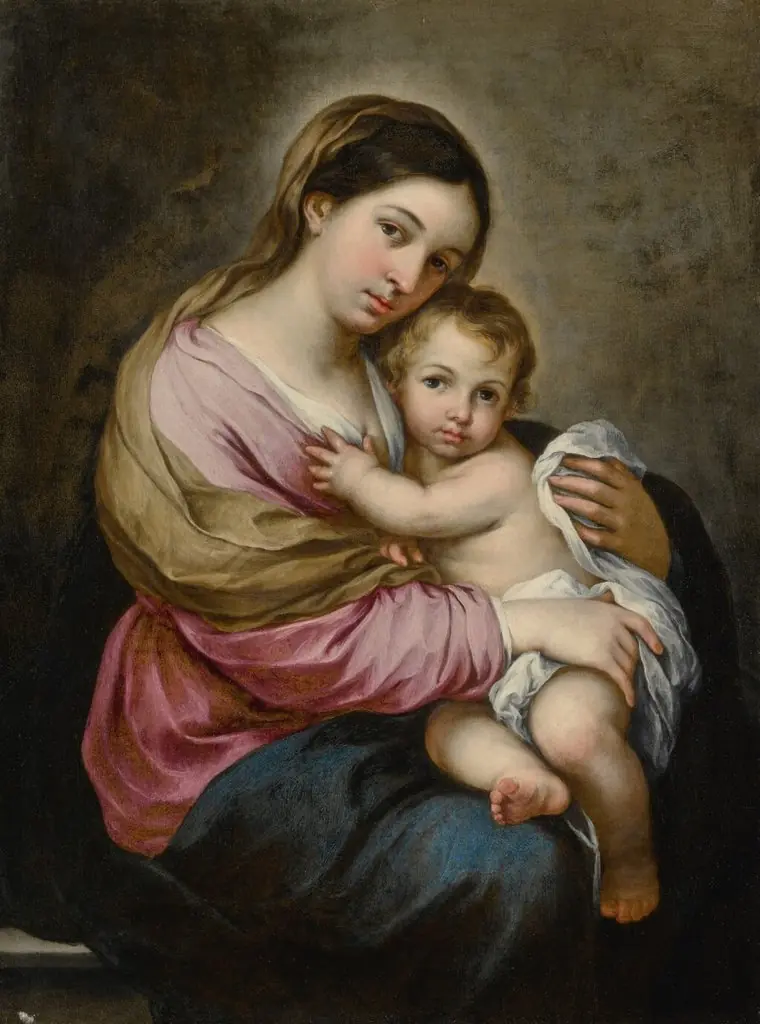
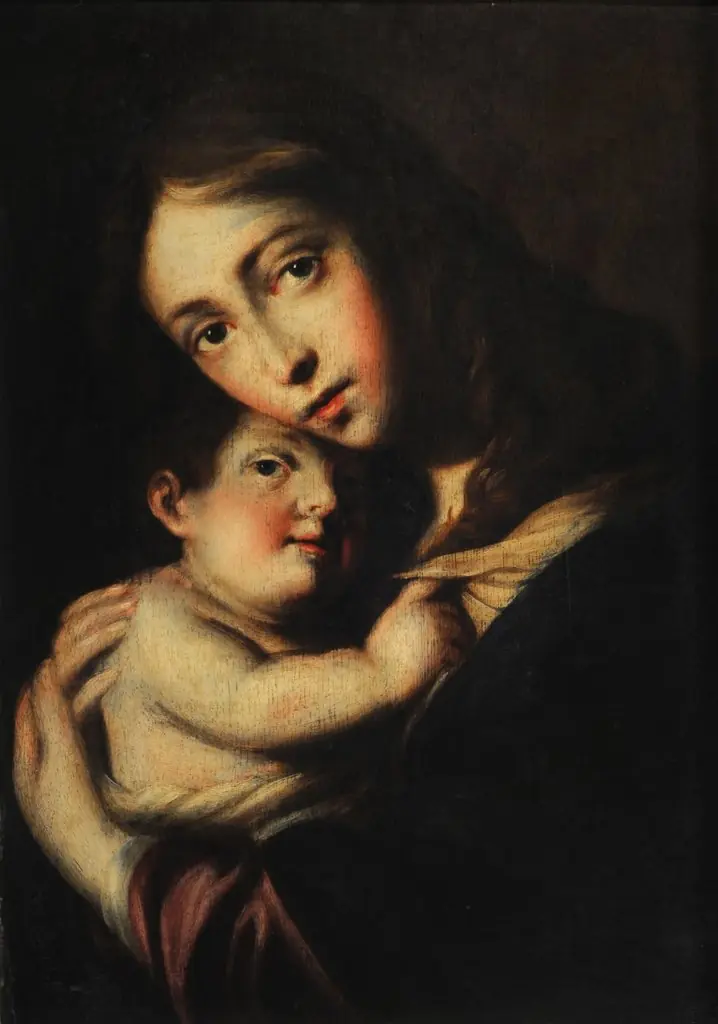
Jacques Stella’s Madonna and Child (1642) presents the Virgin Mary seated upon a cloud, cradling the infant Christ. The child, nude except for a modest cloth, clutches a small red apple, while Mary’s calm expression and loose hair convey serenity. A dark, almost black, backdrop accentuates the illuminated figures, creating a striking visual focus.
Subject & Meaning
The painting depicts the traditional Christian motif of the Virgin with the infant Jesus, the apple symbolizing the original sin that Christ is destined to redeem. Mary’s downward‑pointing hand suggests a protective gesture, guiding the viewer’s attention toward the divine narrative of salvation embodied in the sleeping child.
Technique & Style
Stella employs a pronounced chiaroscuro, juxtaposing a luminous, softly lit foreground against a deep blue‑black sky. The clear, refined modeling of forms reflects the neoclassical clarity of Parisian Atticism, while the composition’s dramatic lighting aligns with the French Classical Baroque aesthetic prevalent in mid‑17th‑century religious art.
Context
Stella, a French painter active in Paris, was known for integrating classical restraint with Baroque dynamism. Madonna and Child exemplifies his synthesis of neoclassical compositional order and the emotive intensity of Baroque religious imagery, reflecting the artistic currents that shaped French painting in the early 1640s.
Artist & collection

Artist
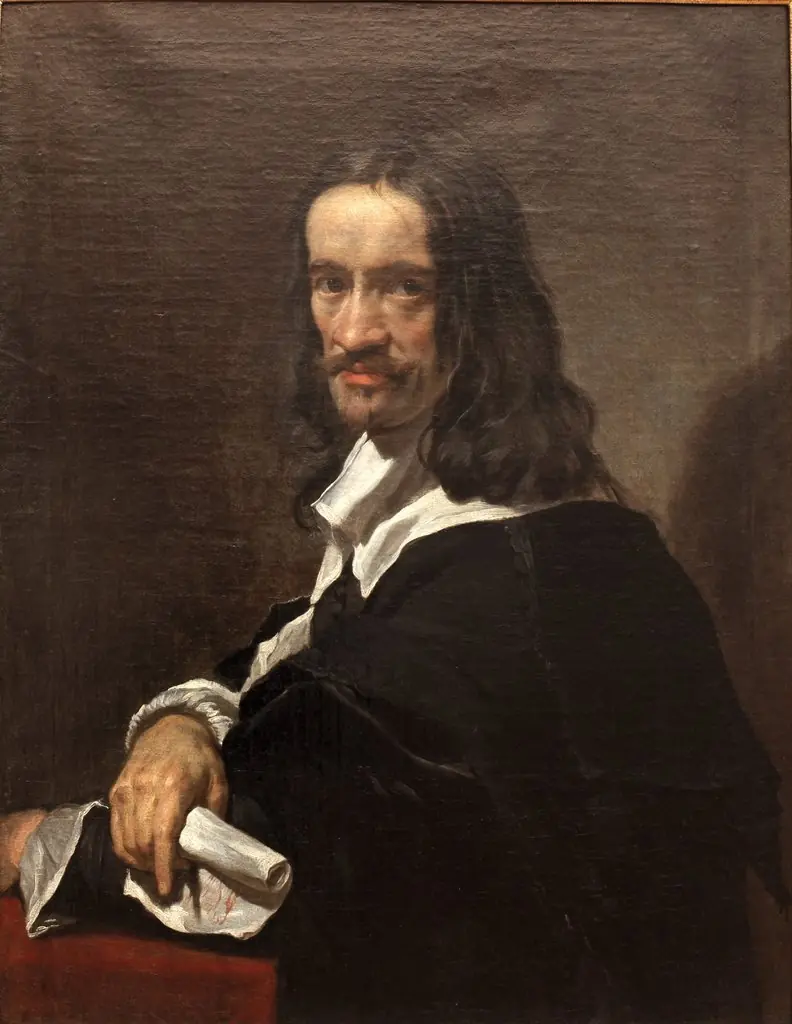
Jacques Stella (1596 – 29 April 1657) was a French painter, a leading exponent of the neoclassical style of Parisian Atticism.