Artwork
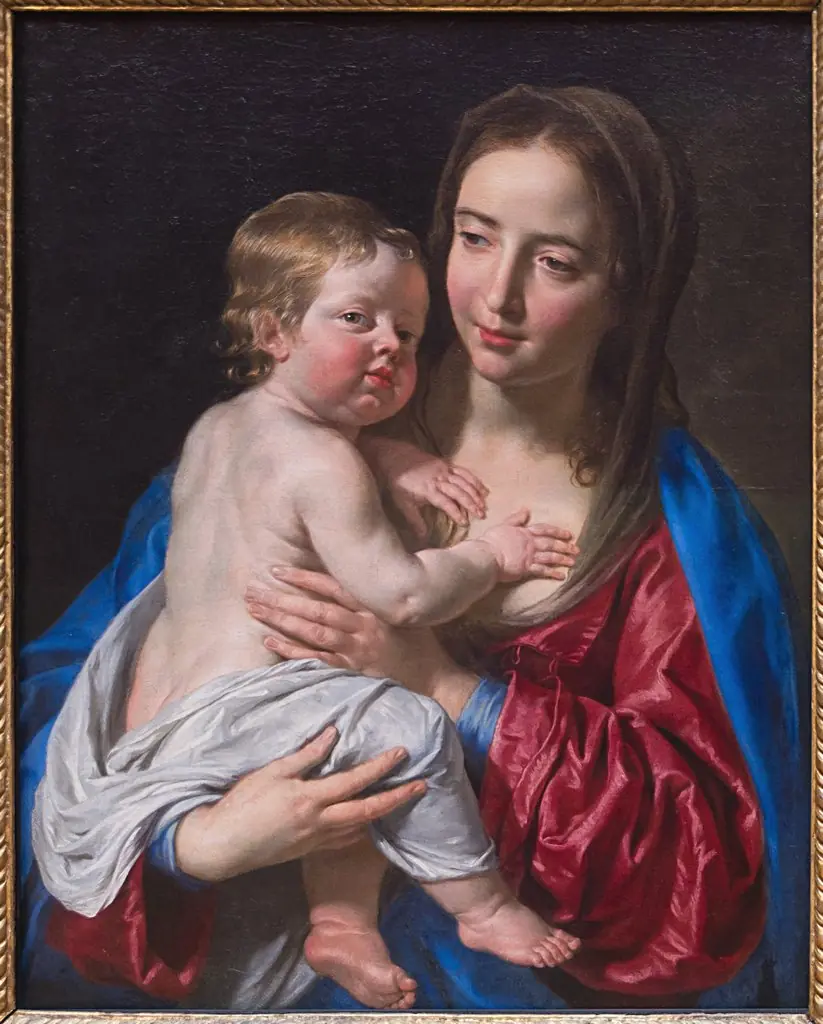
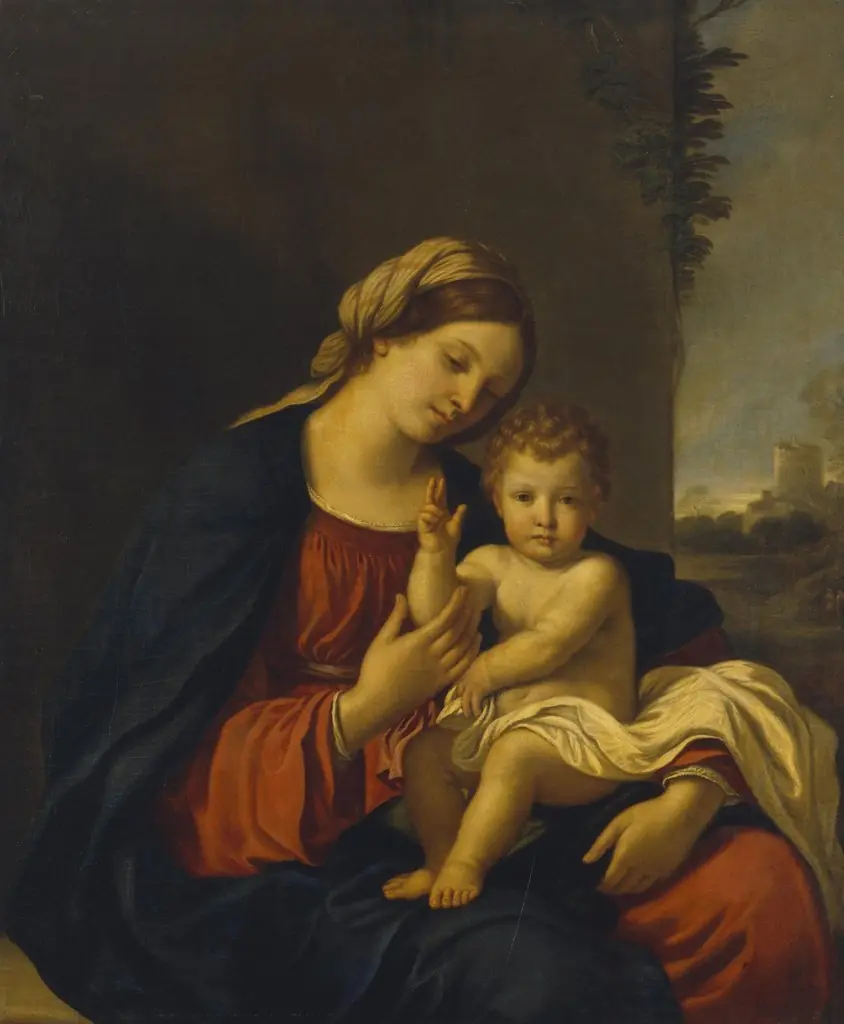
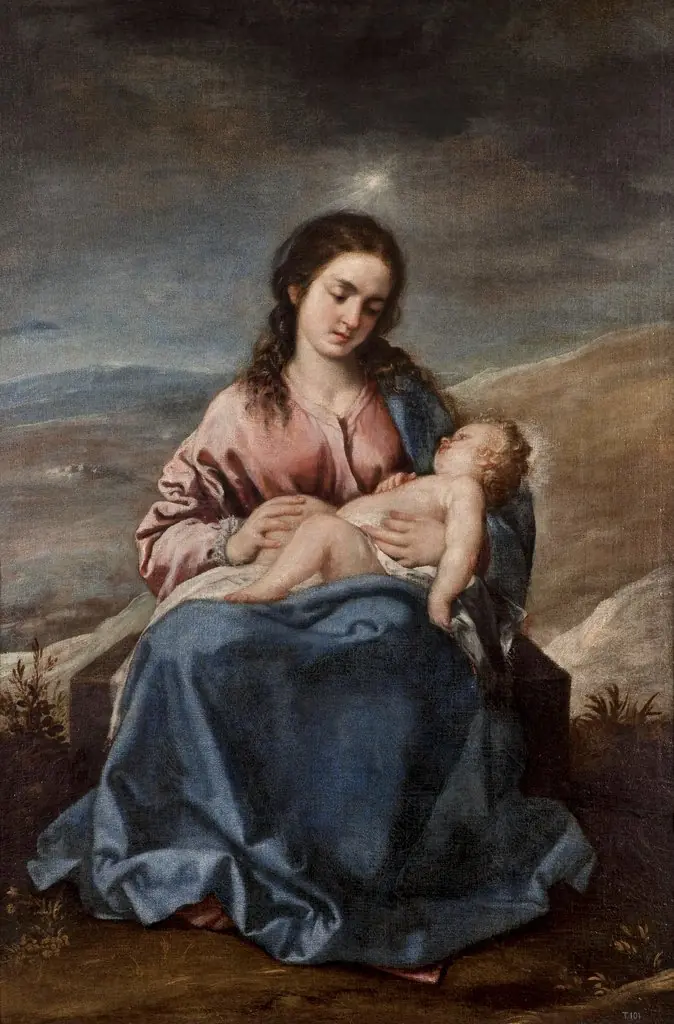
The Virgin and Child
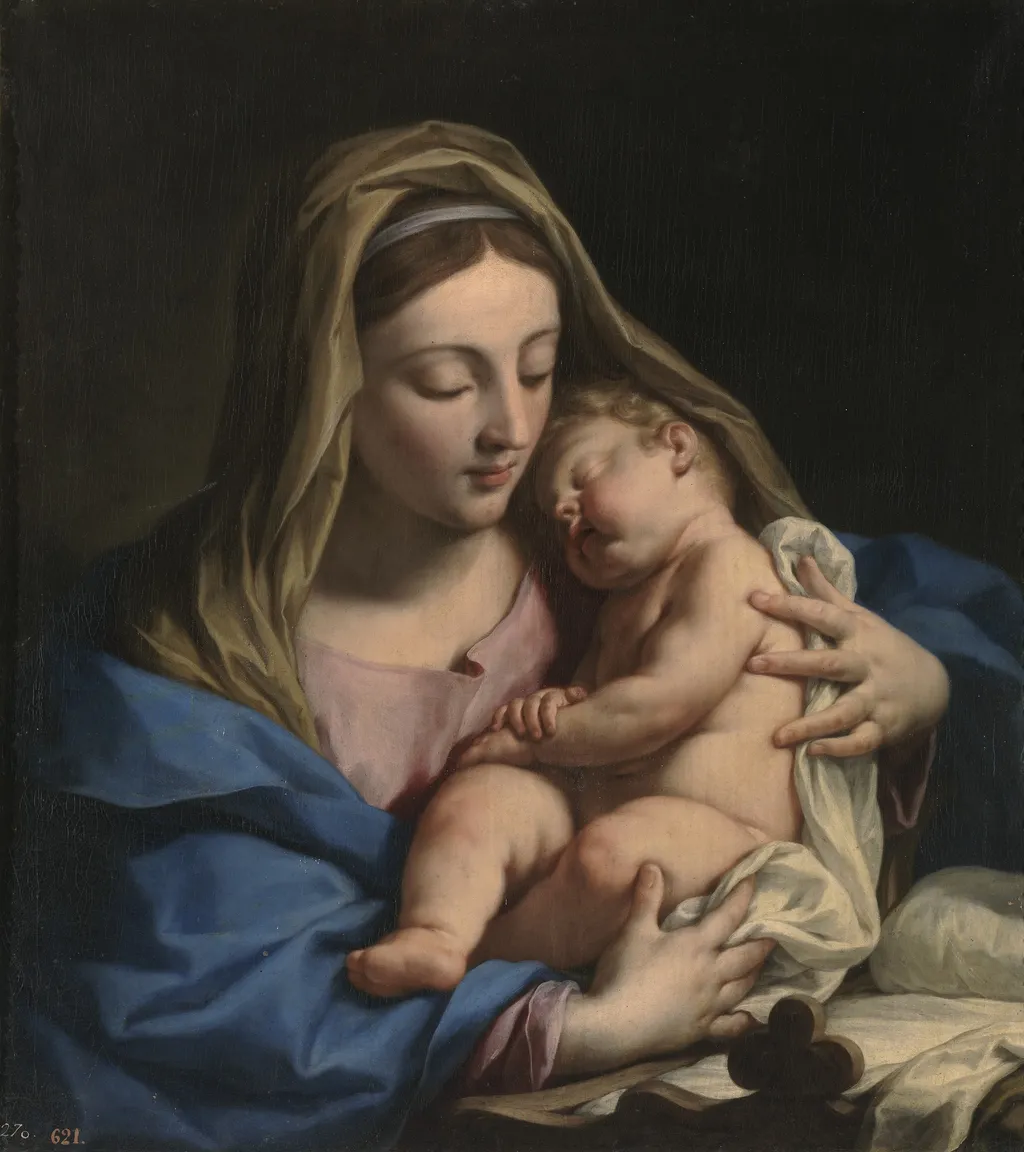
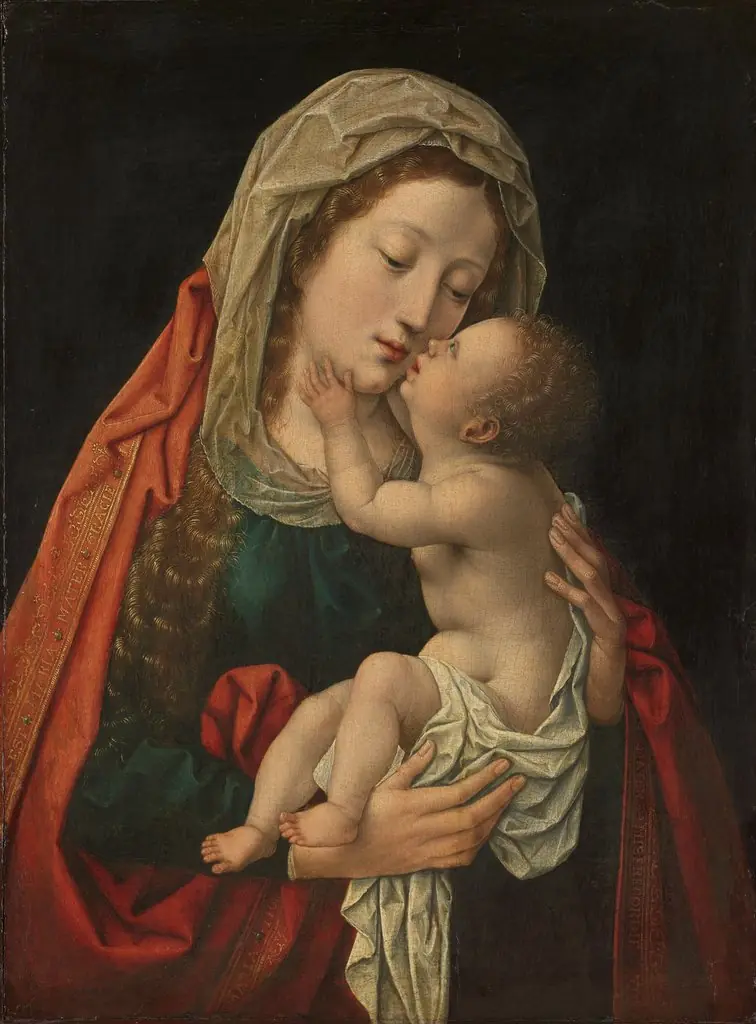
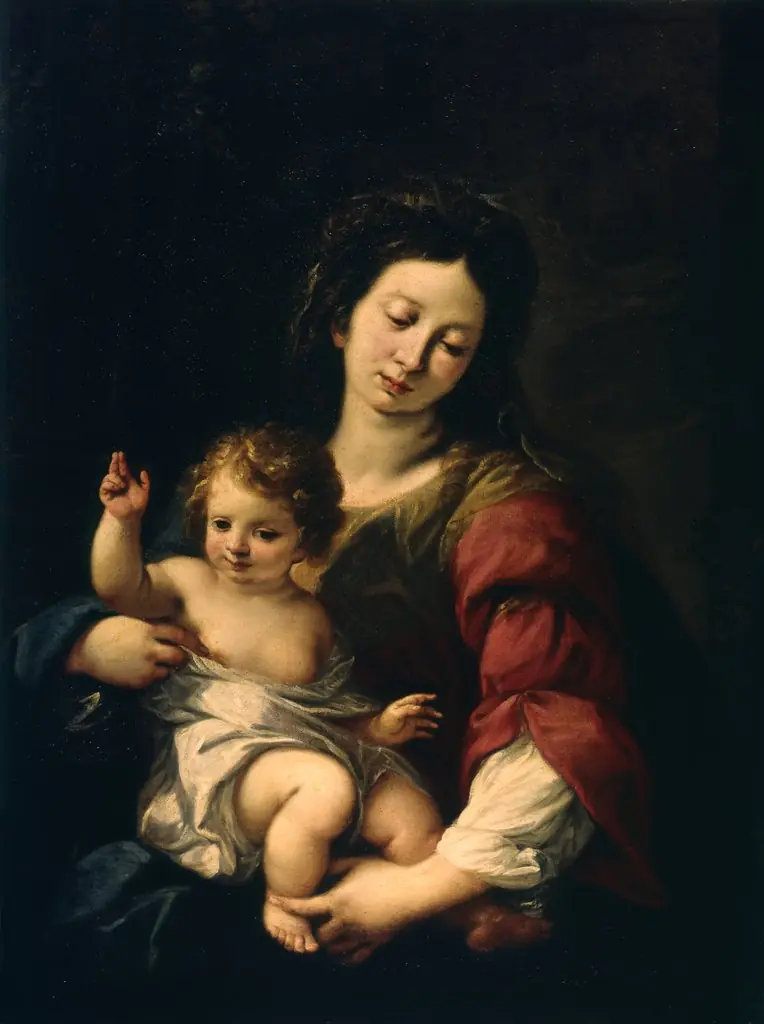
The Virgin and Child is an oil painting by the High Baroque Italian artist Francesco Trevisani. It dates from 1708 and is held in the collection of the Museo del Prado.
About this work
Subject & Meaning
This subject represents the Virgin Mary as the mother of Christ and embodies ideals of maternal devotion, divine motherhood, and the Incarnation.
The painting depicts the Madonna and Child, a central subject in Christian religious art. Mary is shown with the infant Jesus, a traditional iconographic theme known as the Madonna and Child. This subject represents the Virgin Mary as the mother of Christ and embodies ideals of maternal devotion, divine motherhood, and the Incarnation.
As a religious work from the early eighteenth century, it participates in a long tradition of Catholic devotional imagery intended to inspire piety and contemplation of the sacred bond between mother and child.
Technique & Style
Francesco Trevisani executed The Virgin and Child as an oil painting on canvas. The work measures 76 cm in height and 68 cm in width. Stylistically, the composition focuses on the religious subject of the Madonna and Child, depicting Mary with the Christ Child. The piece is classified within the genre of religious art.
History & Provenance
The work was created in 1708 by Francesco Trevisani as an oil on canvas painting depicting the Madonna and Child. It entered the collection of the Museo del Prado, where it remains on display. The painting was produced in Rome, likely commissioned for private devotional use, and its creation is documented within the artist’s documented oeuvre for that year. The work measures 76 cm by 68 cm.
The work is held in the collection of the Museo del Prado, where it is catalogued under the inventory number P009604. It has been exhibited at the Prado in several retrospectives of Trevisani's output, most recently in the 2015 exhibition 'Francesco Trevisani: Life and Work.'
Overview
Francesco Trevisani’s Virgin and Child (1708) is an oil painting that presents the biblical figures of Mary and the infant Jesus in a quiet, intimate setting. Executed during the artist’s mature period, the work resides in the Museo del Prado and exemplifies the transitional aesthetic between the late Baroque and early Rococo.
Own this work as a print
Artist & collection
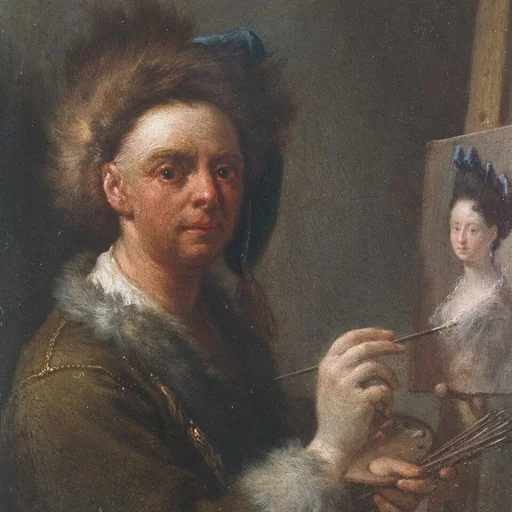
Artist
Francesco Trevisani (April 9, 1656 – July 30, 1746) was an Italian painter, active in the period called either early Rococo or late Baroque (barochetto).