Artwork
Madonna and Child
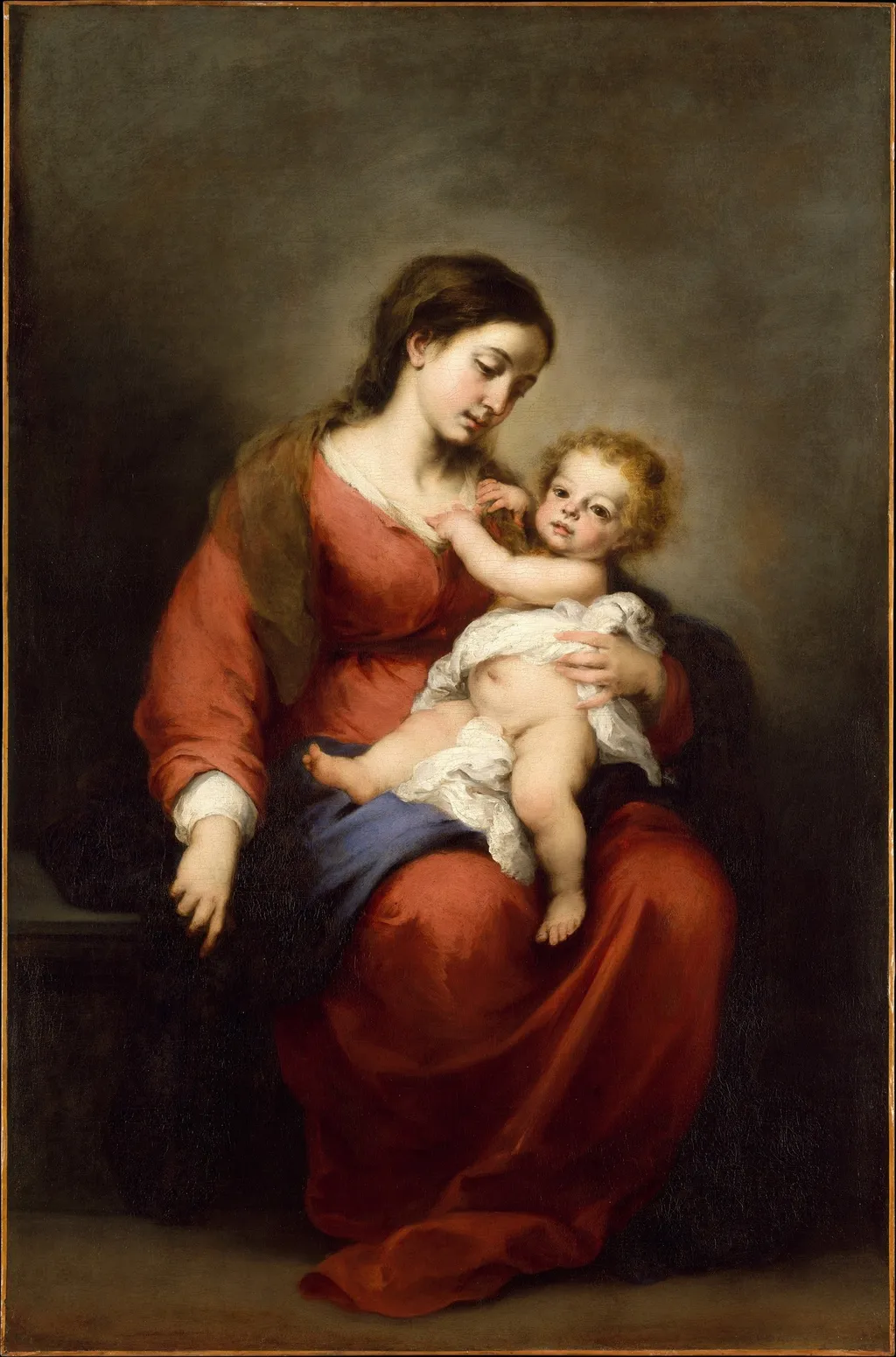
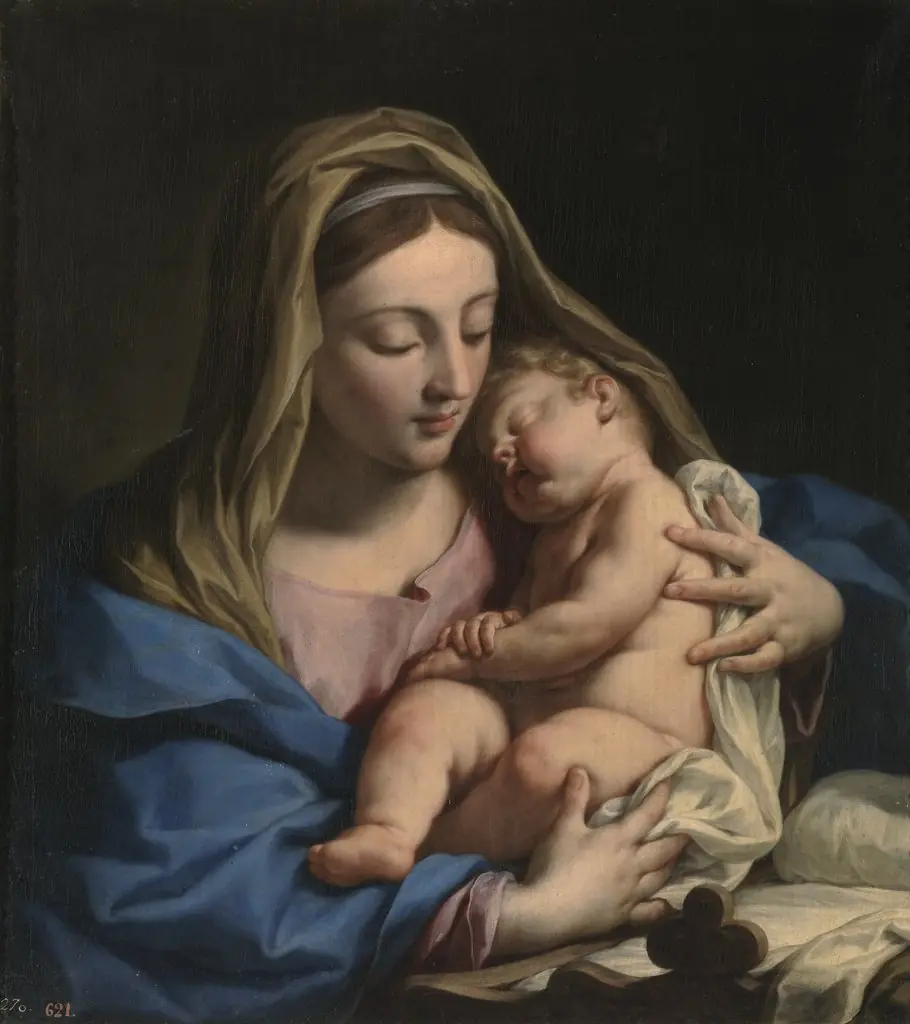
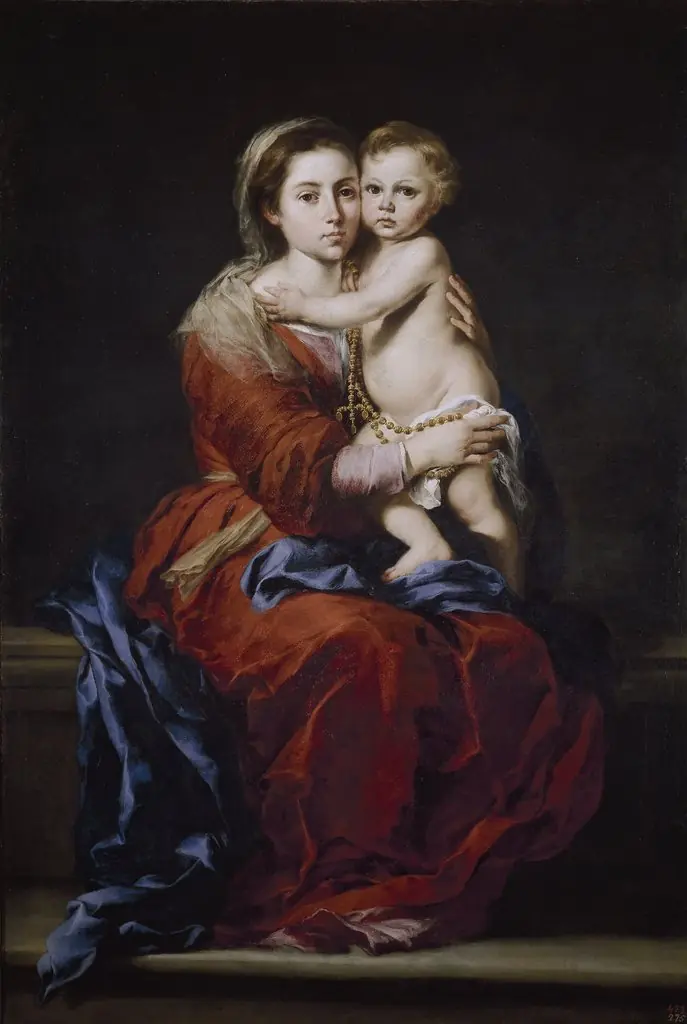
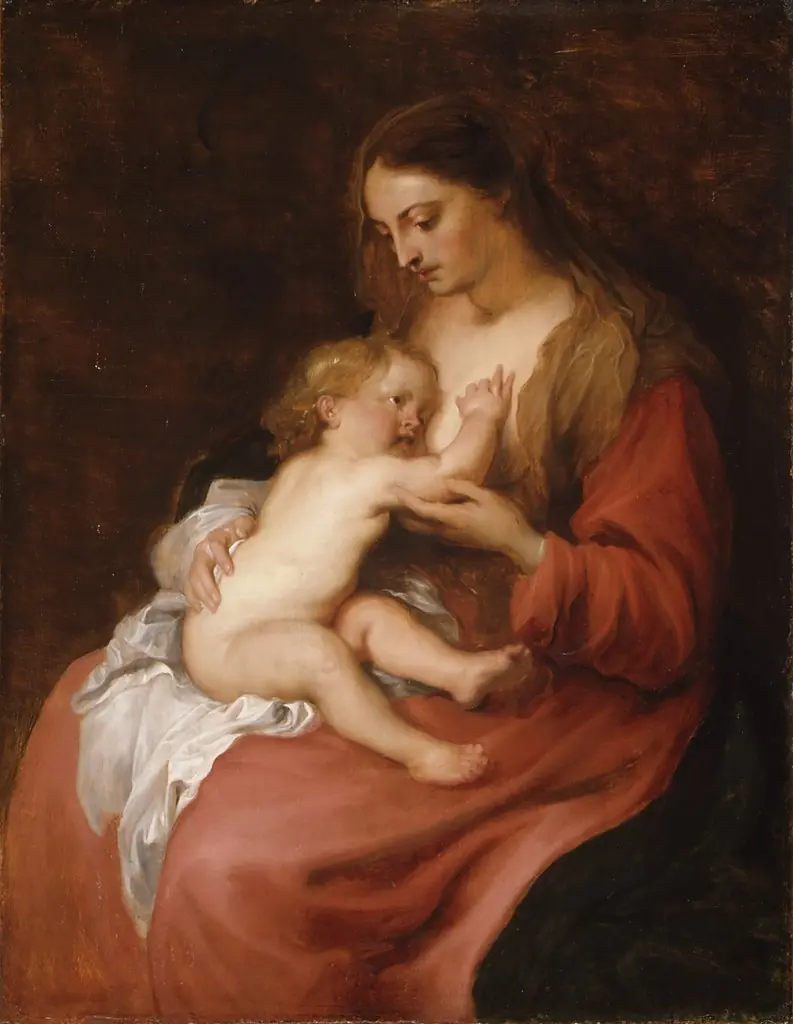
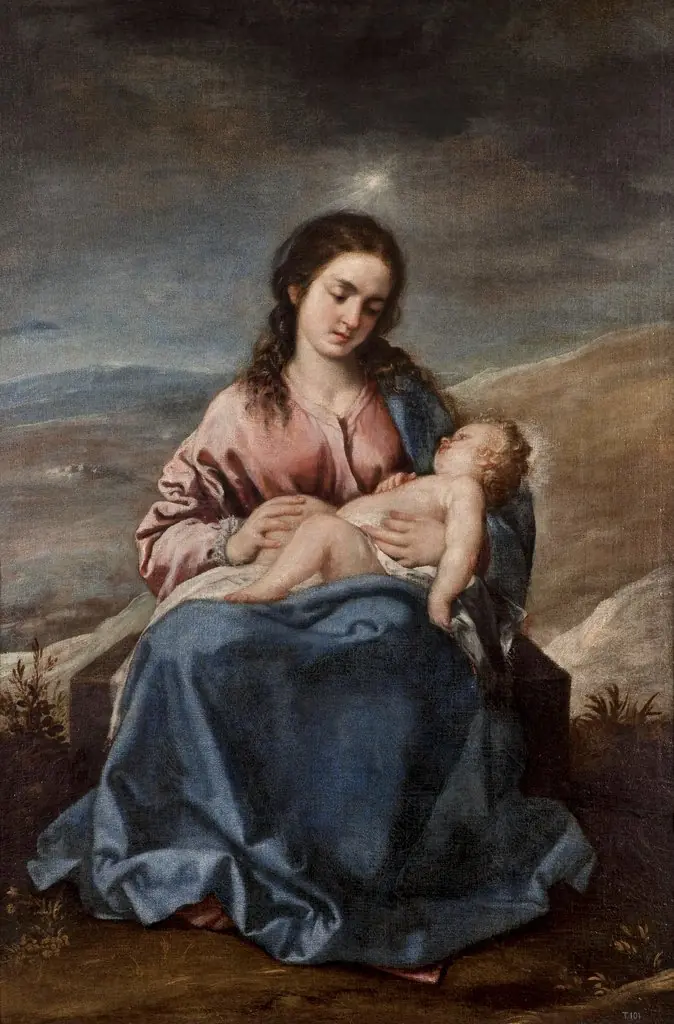
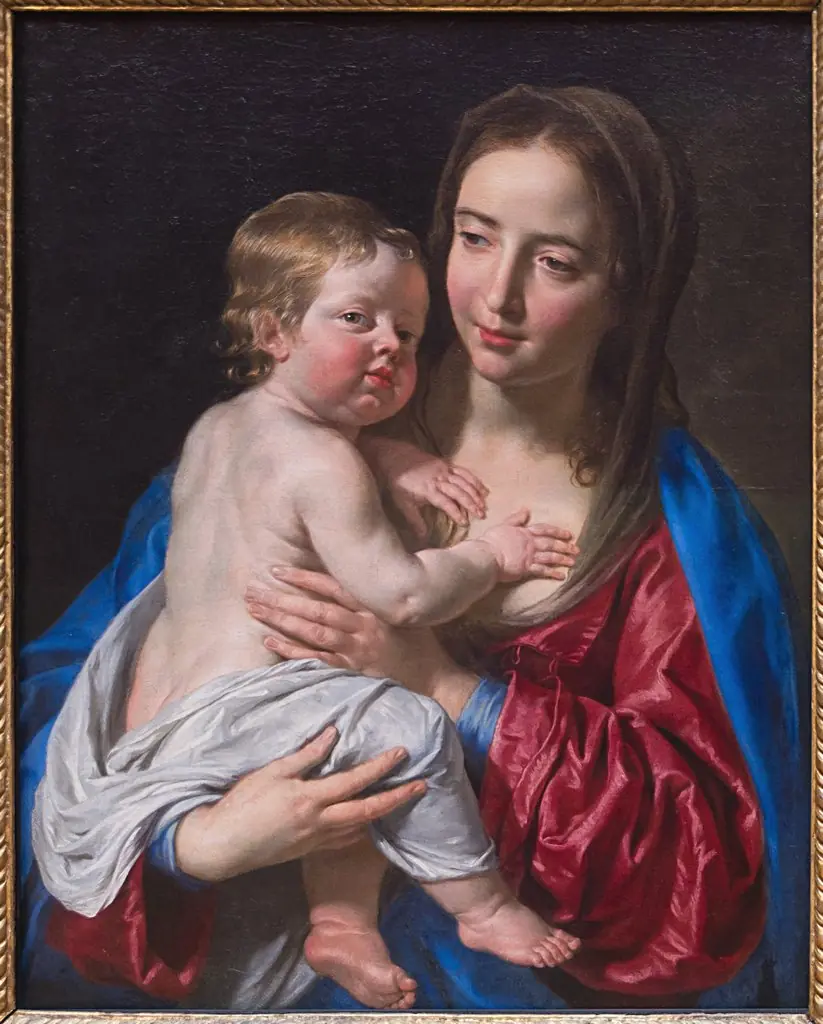
Madonna and Child is an oil painting by the Spanish Baroque Tenebrist artist Bartolomé Esteban Murillo. It dates from 1671 and is held in the collection of the Metropolitan Museum of Art.
About this work
Subject & Meaning
The composition emphasizes the theological bond between the divine mother and her son, without additional narrative elements beyond the two sacred figures.
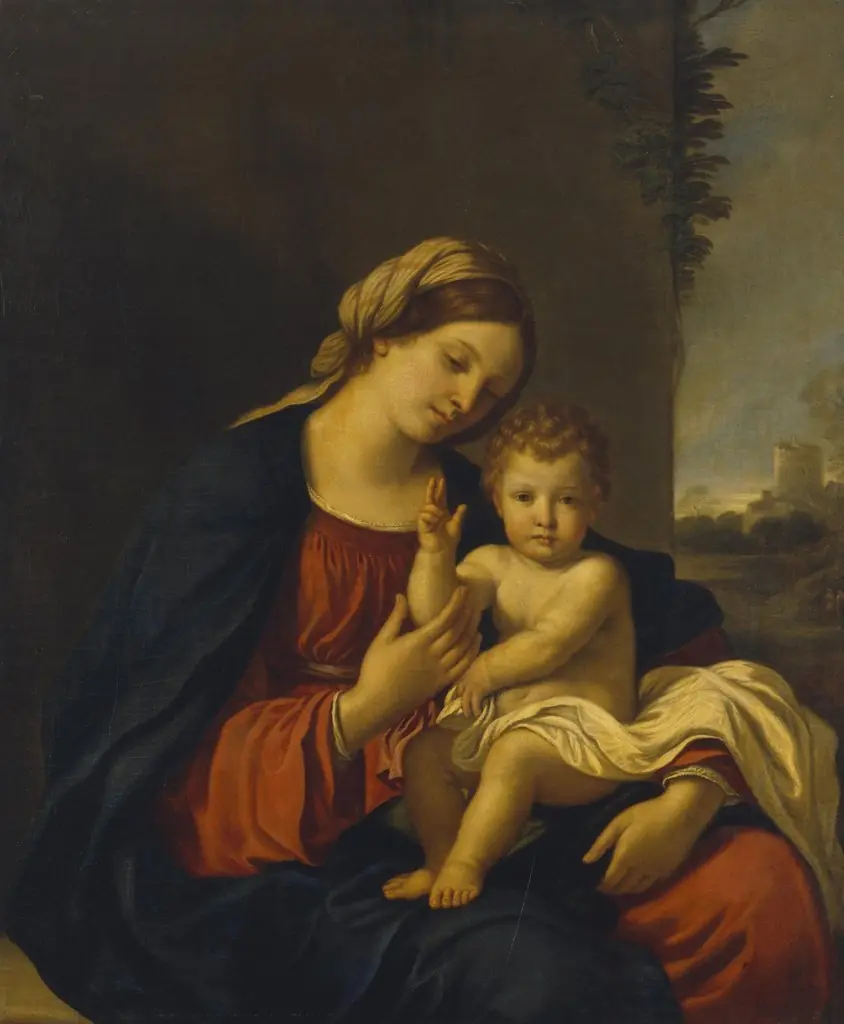
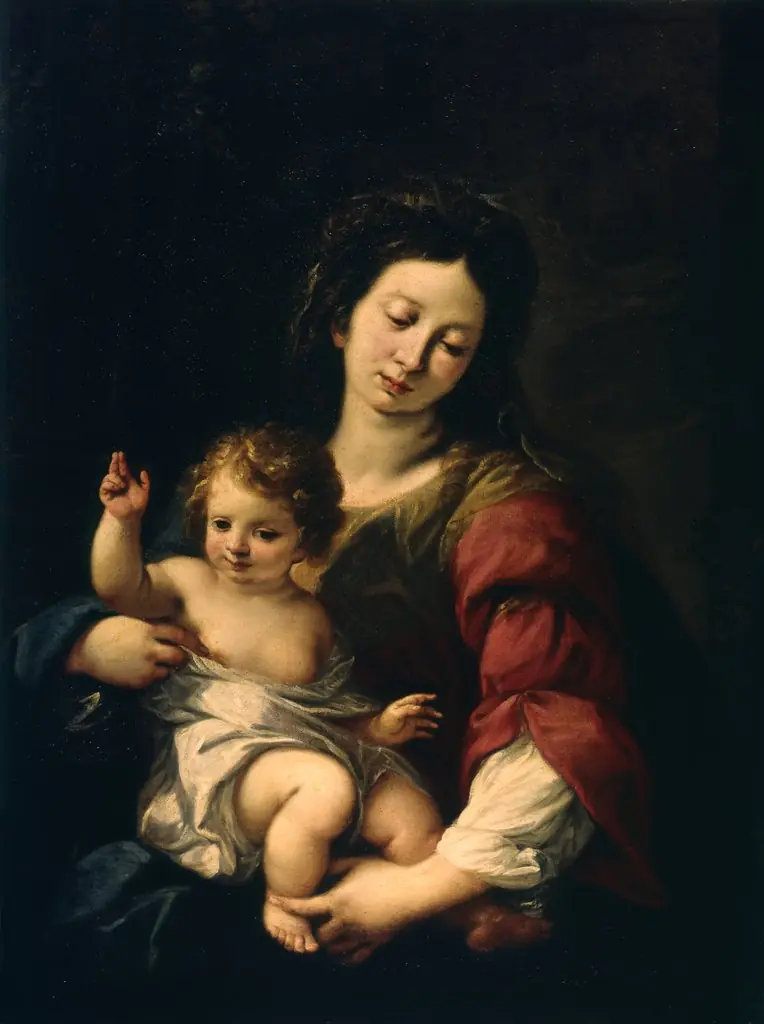
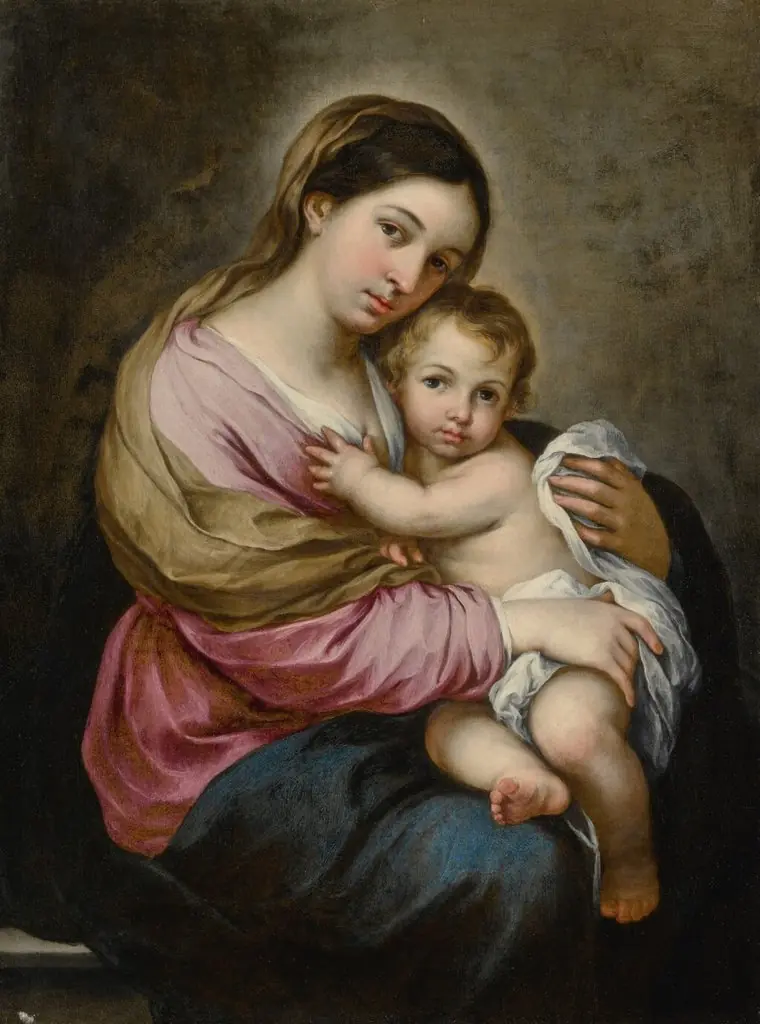
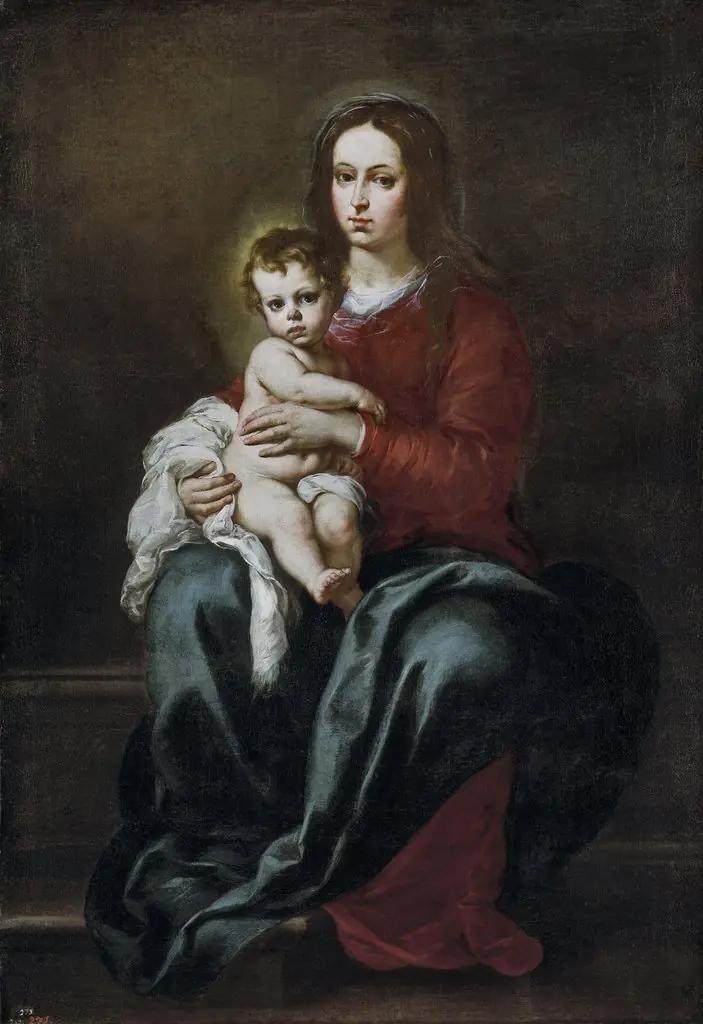
Created in 1671 by Bartolomé Esteban Murillo, this oil painting depicts the Virgin Mary holding the Christ Child, a central subject in Christian religious art known as the Madonna and Child. The work adheres to traditional iconography where the mother and son are presented together, serving as a visual focus for devotion. The composition emphasizes the theological bond between the divine mother and her son, without additional narrative elements beyond the two sacred figures. This depiction aligns with Murillo's broader oeuvre of religious subjects intended for spiritual contemplation.
Technique & Style
Bartolomé Esteban Murillo's Madonna and Child (1671) is executed in oil paint on canvas, a medium and support typical of seventeenth-century Spanish religious painting. The work measures 165.7 by 109.2 centimetres, providing a substantial vertical format suited to devotional imagery. Murillo's handling is characterized by a luminous, blended technique that softens contours and imparts a delicate sfumato effect, particularly evident in the figures' flesh tones and drapery.
The composition adheres to Counter-Reformation ideals, emphasizing tenderness and intimacy through the close interaction of the Virgin and Child, with a warm and harmonious palette and subtle tonal gradations enhancing volumetric modeling.
History & Provenance
Bartolomé Esteban Murillo painted the Madonna and Child in 1671 in oil on canvas. The work subsequently entered the collection of Harriet Loyd-Lindsay and is now held by the Metropolitan Museum of Art. No further exhibition history is documented in the available sources beyond its current placement in the museum's holdings.
Context
The work is an oil painting on canvas created by Bartolomé Esteban Murillo in 1671, classified as a religious painting depicting the Madonna and Child. It is part of the Metropolitan Museum of Art's collection, originally owned by Harriet Loyd-Lindsay, and is catalogued with dimensions of 165.7 × 109.2 cm. As a representative example of Murillo's devotional output, the piece is frequently referenced in studies of seventeenth-century Spanish Baroque art, illustrating the artist's role in shaping religious imagery for both private devotion and public exhibition.
Overview
Bartolomé Esteban Murillo, a prominent Spanish Baroque artist, painted Madonna and Child in 1671 using oil paint. This work presents a traditional religious theme, depicting the Virgin Mary with the infant Christ. It exemplifies Murillo's skill in rendering devotional subjects, a common focus of his oeuvre alongside scenes of everyday life. The painting is a significant example of Spanish Baroque art from the late 17th century.
Own this work as a print
Artist & collection
Artist
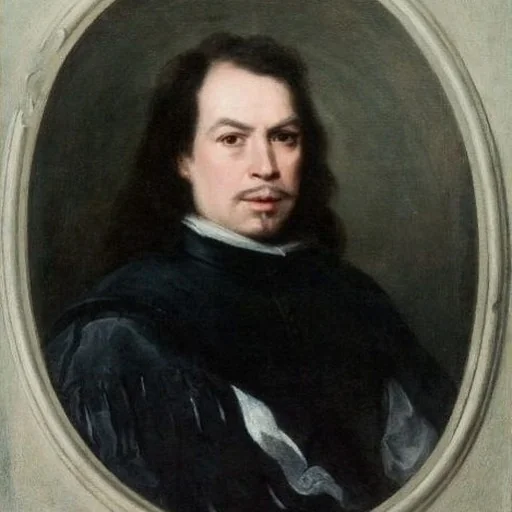
Bartolomé Esteban Murillo ( mure-IL-oh, m(y)uu-REE-oh, Spanish:; late December 1617, baptised 1 January 1618 – 3 April 1682) was a Spanish Baroque painter.