Artwork
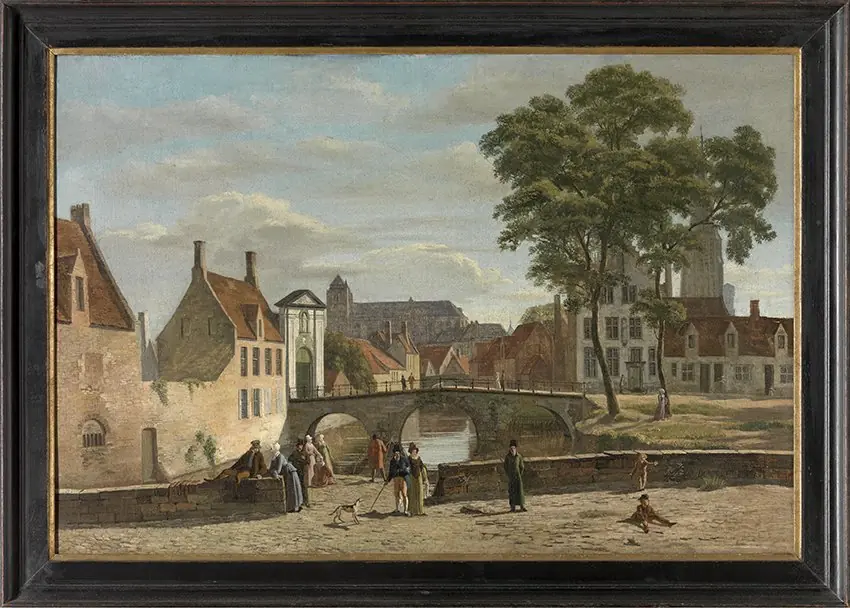
De tuin van de familie Willaeys-Vleys in Groeninge, Brugge
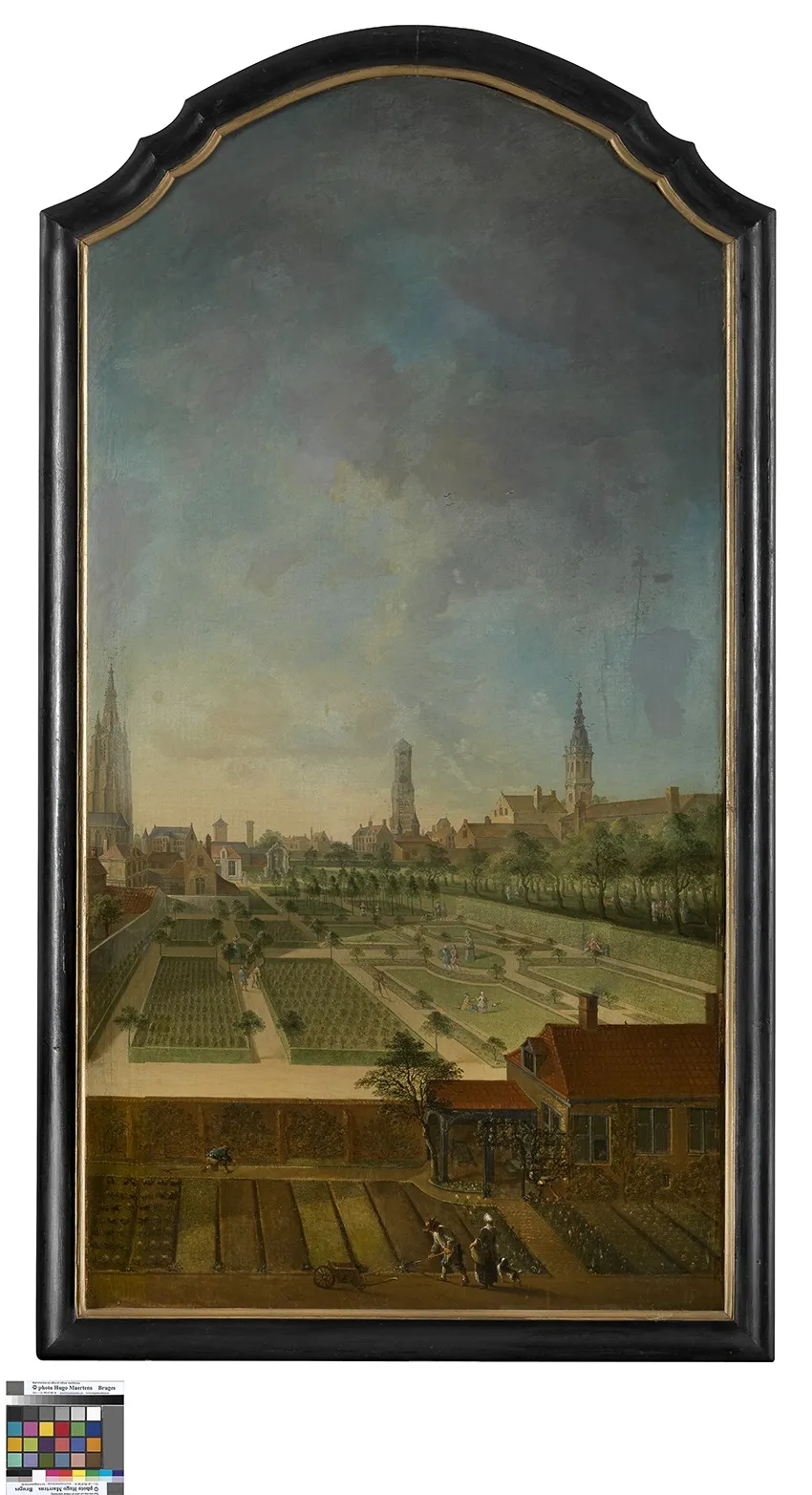
De tuin van de familie Willaeys-Vleys in Groeninge, Brugge is an oil painting by the Rococo painting artist Jan Anton Garemyn. It dates from 1759 and is held in the collection of the Groeningemuseum.
About this work
Subject & Meaning
The painting shows the private garden of the Willaeys-Vleys family within Bruges, featuring a domestic interior opening onto a cultivated courtyard with a tree, a dog, a wheelbarrow and the visible outlines of the Eekhout Abbey and the Church of Our Lady. The composition blends a cityscape view of recognizable Bruges landmarks with an intimate garden scene, creating a symbolic representation of bourgeois domestic tranquility and civic pride. The work reflects the cultural emphasis on horticulture and the visibility of elite domestic spaces in 18th‑century Flanders, where gardens served as displays of taste and social standing.
Technique & Style
The work depicts a domestic garden scene with architectural and horticultural elements, including a house, tree, Eekhout Abbey, Church of Our Lady, and Belfry of Bruges, alongside figures such as a gardener and a dog. Executed in oil paint on canvas, the piece measures 178.1 cm in height and 92.5 cm in width, reflecting the material and formal concerns of mid-18th century cityscape painting.
History & Provenance
The work depicts the garden of the Willaeys-Vleys family in Groeninge, Bruges, and is executed in oil on canvas.
Jan Anton Garemyn painted this cityscape in 1759. The work depicts the garden of the Willaeys-Vleys family in Groeninge, Bruges, and is executed in oil on canvas. The painting is held in the collection of the Groeningemuseum (Gruuthusemuseum) in Bruges.
The painting is held in the collection of the Groeningemuseum, part of the Gruuthusemuseum in Bruges.
It is inventoried under accession number 1759 in the museum’s holdings.
The work has not been recorded in any documented exhibition history in the provided sources.
Overview
Jan Anton Garemyn’s 1759 oil painting presents a cultivated garden belonging to the Willaeys‑Vleys family, set against a panoramic view of Bruges. The composition balances a tranquil foreground of cultivated rows and a distant urban skyline, integrating recognizable landmarks such as the Belfry, the Church of Our Lady and the former Eekhout Abbey.
Context
During the mid‑1700s Bruges experienced a modest revival of artistic production, and Garemyn’s paintings reflect the period’s interest in portraying everyday life within recognizable urban settings. The inclusion of specific landmarks anchors the scene in a recognizable civic landscape.
Artist & collection
Artist
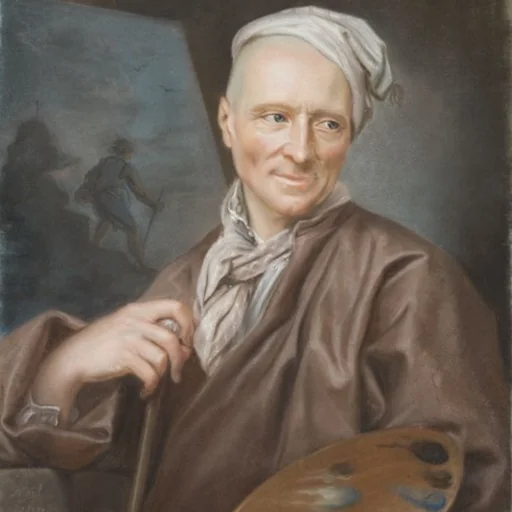
Jan Anton Garemijn or Jan Anton Garemyn (15 April 1712, Bruges – 23 June 1799, Bruges) was a Flemish painter and engraver and draftsman.