Artwork
Portrait of Franciscan Monk Gregory Simpernel
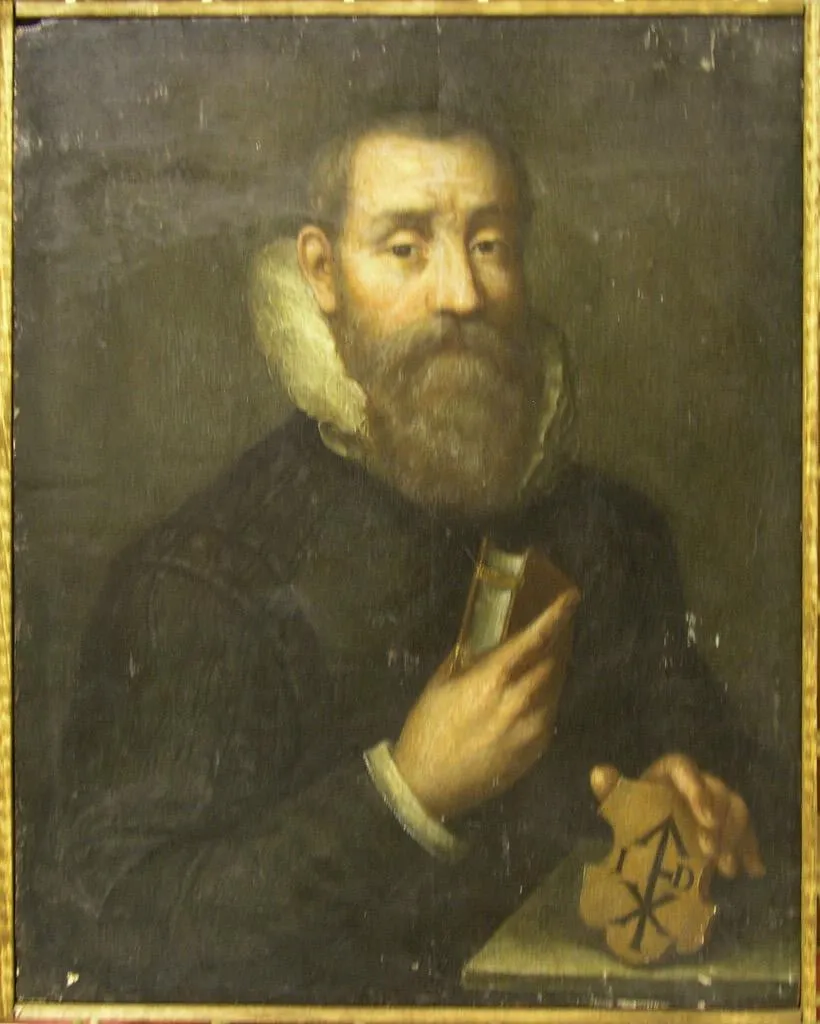
Portrait of Franciscan Monk Gregory Simpernel is an oil painting by Jan Ariens Duif. It dates from 1643 and is held in the collection of the Hermitage Museum.
About this work
Overview
Painted around 1643 by Jan Ariens Duif, this oil portrait captures Gregory Simpernel, a Franciscan monk, in a quiet, introspective pose.
Painted around 1643 by Jan Ariens Duif, this oil portrait captures Gregory Simpernel, a Franciscan monk, in a quiet, introspective pose. The work is part of the State Hermitage Museum’s collection and reflects the Dutch tradition of individualized religious portraiture during the mid-seventeenth century. Its restrained palette and focused composition emphasize the subject’s inner life rather than external grandeur.
Subject & Meaning
Gregory Simpernel is depicted with a full beard and mustache, dressed in the dark habit of the Franciscan order, marked by a white collar that draws attention to his face. He holds a book in his left hand, signaling scholarly engagement, while his right hand cradles a small, unidentified object bearing a dark emblem. The object’s symbolism remains ambiguous, possibly hinting at personal devotion or ritual practice, deepening the portrait’s contemplative tone.
Technique & Style
Duif employs subtle tonal gradations to model the monk’s face and robe, using soft transitions between light and shadow. The brushwork is precise yet unobtrusive, particularly in rendering the texture of fabric and hair. The muted brown background isolates the figure, reinforcing the portrait’s intimate character. The object in the monk’s hand is rendered with careful detail, inviting scrutiny without clarification.
History & Provenance
The painting entered the State Hermitage Museum’s collection in the 19th century, though its earlier ownership is undocumented. It was likely acquired during a period of increased interest in Northern European religious portraiture. No records confirm its commission or original location, suggesting it may have been painted for private devotion or as part of a broader series of monastic portraits.
Context
In the Dutch Republic of the 1640s, religious imagery persisted despite Protestant reforms, often in private or non-liturgical forms. Franciscan monks, though rare in the region, were known through Catholic networks and scholarly circles. Duif’s portrait aligns with a trend of depicting clerics as individuals of learning and piety, avoiding overt symbolism in favor of psychological presence.
Legacy
Though Jan Ariens Duif is not widely known today, this portrait stands as a rare example of his work and offers insight into the quiet dignity afforded to religious figures in Dutch art. The ambiguity of the object in the monk’s hand continues to invite scholarly interest, preserving the portrait’s resonance beyond its immediate historical moment.
Artist & collection

 Portrait of a man
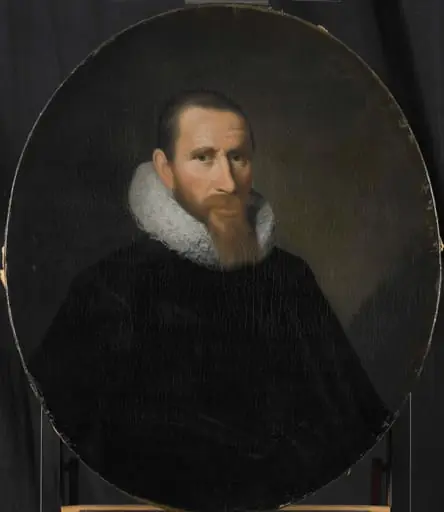 Portrait of Joost van Coulster, Director of the Rotterdam Chamber of the Dutch East India Company, elected 1630
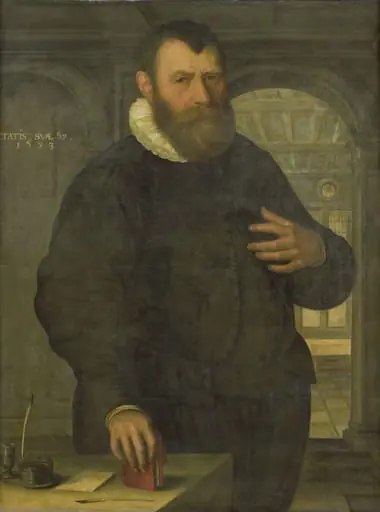 Portrait of Bartholomeus van der Wiere (1534-1603)
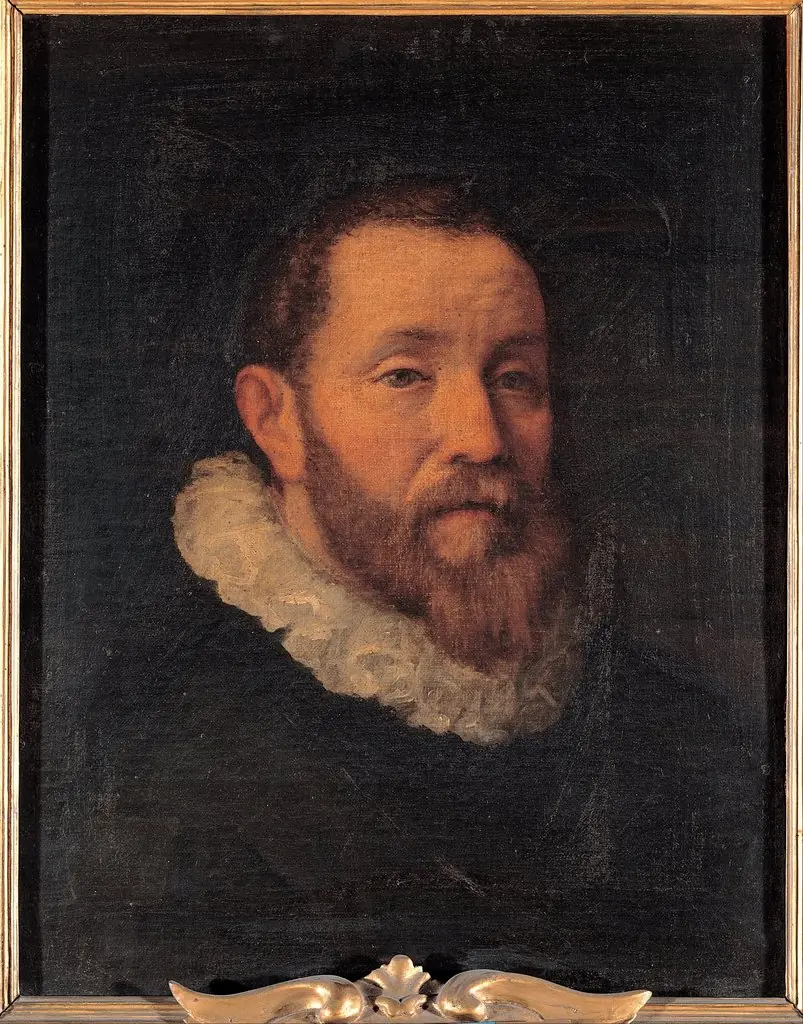 Self-portrait
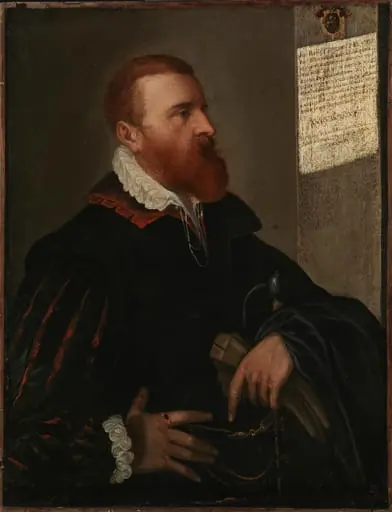 Giovanni Battista Fichetti
 Männliches Bildnis
 Portrait of Antonio Galli
 Portrait of Bartholomeus van der Wiere (1534-1603)
 Portrait of Antonio Galli
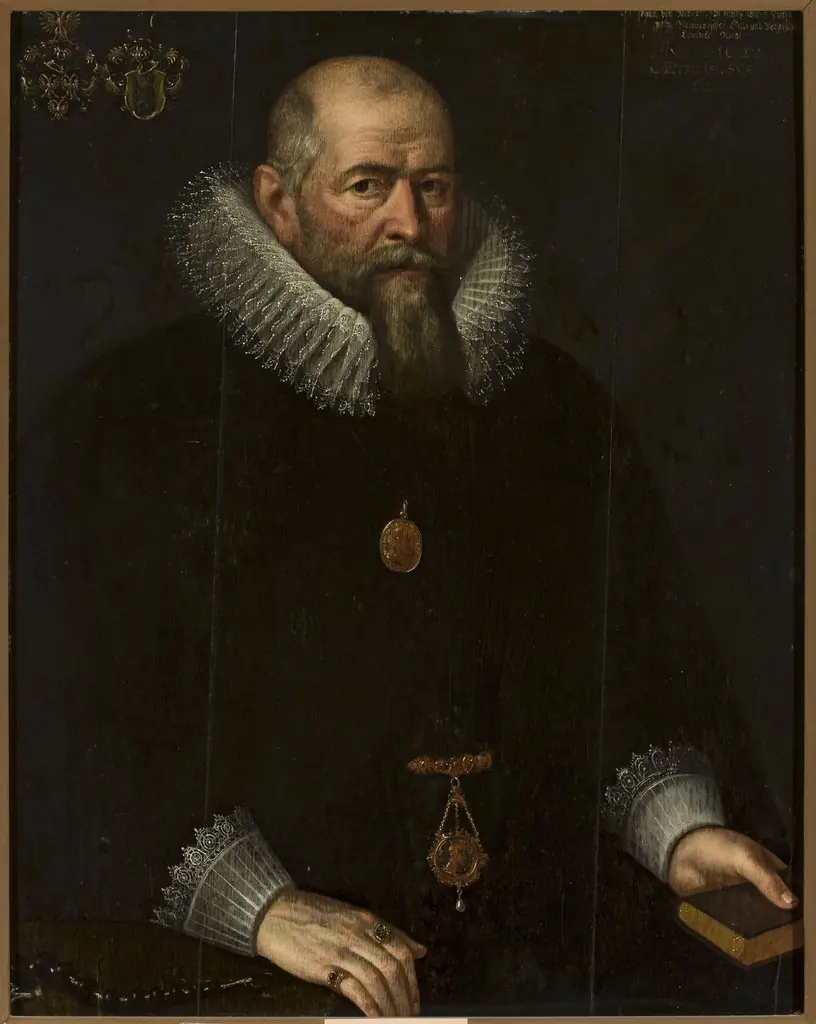 Portrait of Johan von Megen
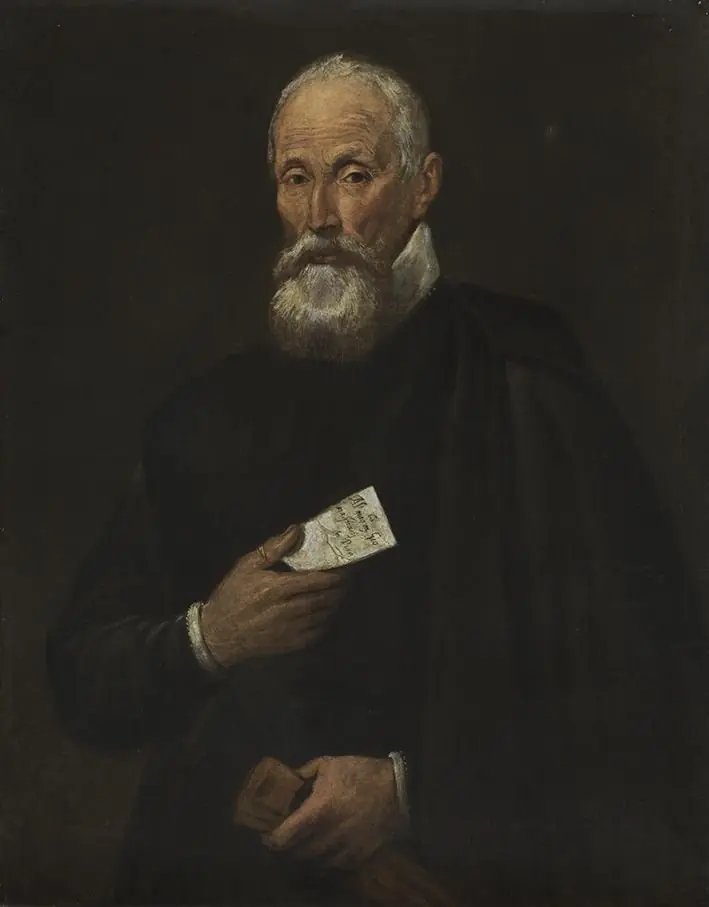 Bildnis des Pisaners Giovanni Magnani
- Portrait of a clergyman