Artwork
Portrait of Bartholomeus van der Wiere (1534-1603)
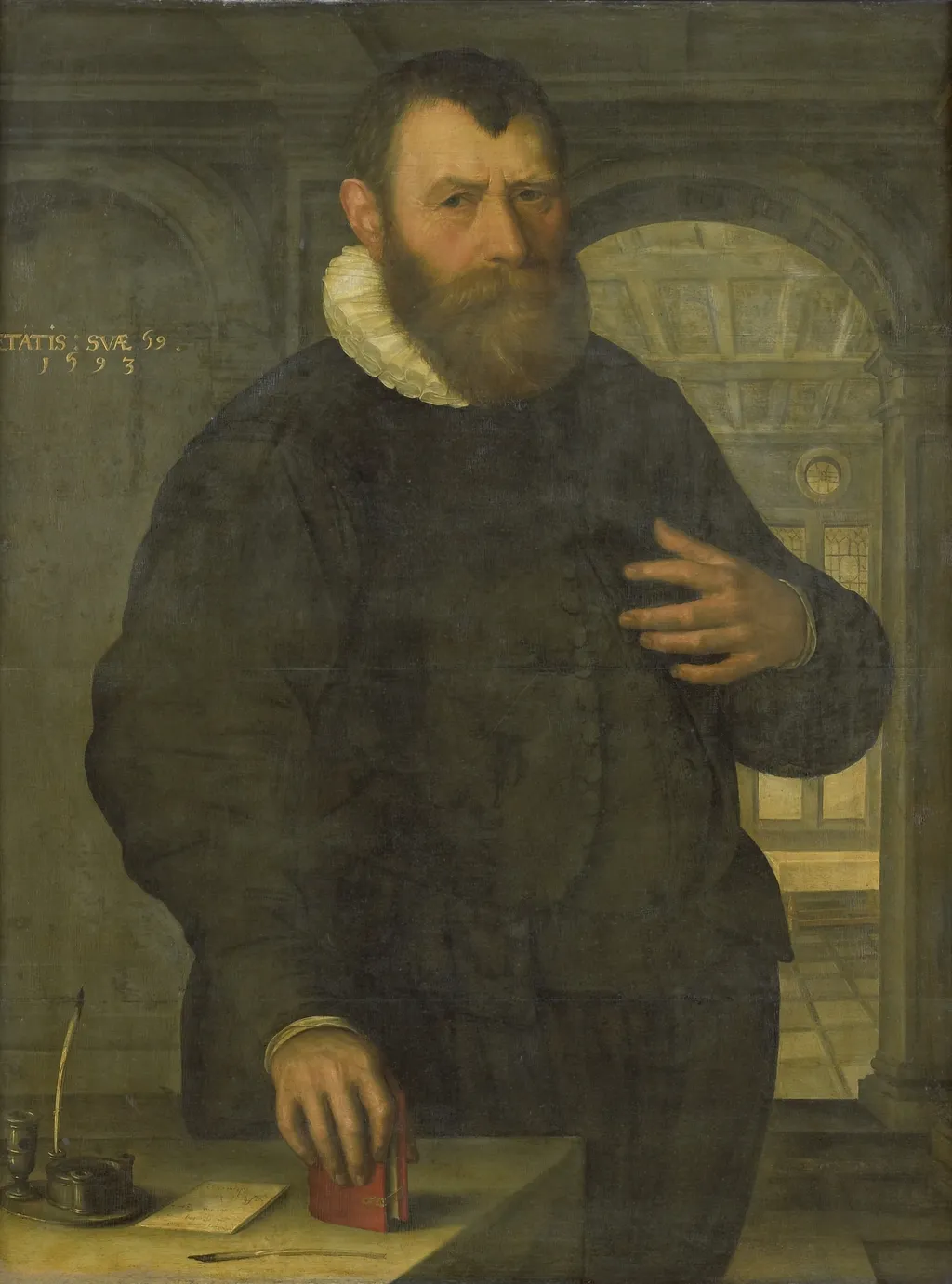
Portrait of Bartholomeus van der Wiere (1534-1603) is an oil painting by the Northern Renaissance artist Jan Claesz.. It dates from 1597 and is held in the collection of the Rijksmuseum.
About this work
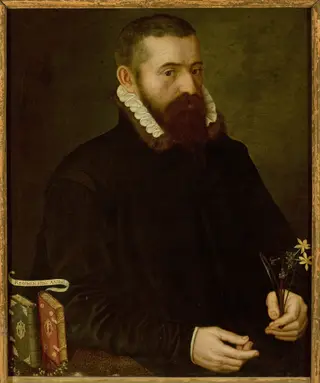
The painting features a man with a thick, brown beard and dark hair, dressed in a black, long-sleeved shirt with a high collar.
The painting features a man with a thick, brown beard and dark hair, dressed in a black, long-sleeved shirt with a high collar. He stands behind a table with his right hand resting on a red book, while his left hand is raised, palm facing outward. The background consists of a stone archway with a clock on the right side and a wall with an inscription on the left.
The man's attire and the style of the painting suggest a formal portrait from the 16th century. The use of dark colors and the subject's serious expression contribute to a somber atmosphere.
To learn more about the artist's technique, explore the use of chiaroscuro.
Subject & Meaning
The painting portrays the Amsterdam merchant Bartholomeus van der Wiere, a prominent civic figure of the late 16th century. His upright posture and direct gaze convey authority and respectability, reflecting the sitter's status within the city's commercial elite. The work functions as a conventional portrait emphasizing individual identity and social standing in the Dutch Renaissance context.
Technique & Style
The work is an oil painting executed on a wooden panel, measuring 107 cm in height and 82 cm in width. It was created in Amsterdam in 1593 and depicts the merchant Bartholomeus van der Wiere. The composition and execution reflect the portrait conventions of late 16th‑century Dutch art, with a focus on accurate likeness and subtle modeling of facial features.
History & Provenance
The portrait of Bartholomeus van der Wiere was created in Amsterdam in 1593 as an oil painting on panel. It entered the collection of the Rijksmuseum in Amsterdam, where it remains accessioned and publicly displayed. The work was commissioned to depict the merchant and civic leader Bartholomeus van der Wiere, reflecting his status within the Dutch Golden Age urban elite.
The painting measures 107 cm by 82 cm and is classified as a portrait genre work, executed in oil paint.
The artwork's provenance is anchored in its continuous ownership by the Rijksmuseum since its creation, with no documented private sales or transfers between collectors. Its inception date of 1593-01-01 is recorded in the Rijksmuseum's catalog, and the piece has been part of the museum's permanent holdings since acquisition, ensuring its preservation and scholarly study within the institution's collection.
Legacy
The portrait of Bartholomeus van der Wiere by Jan Claesz. was acquired by the Rijksmuseum in Amsterdam and later by the Amsterdam Museum, ensuring its preservation and public access. It remains a representative example of Dutch Renaissance portraiture and is frequently referenced in scholarship on 16th-century Amsterdam civic identity. The work is reproduced in major art historical surveys of Dutch Golden Age painting, underscoring its enduring significance.
Overview
Jan Claesz., an active painter in the Dutch Republic between 1594 and 1618, executed this oil portrait in 1597. The work, now part of the Rijksmuseum’s holdings, presents a single male sitter rendered in the Northern Renaissance style.
Context
The background includes a stone archway with a clock on the right and a wall bearing an inscription on the left, elements that situate the portrait within an interior setting common to Dutch civic and private commissions of the period.
Own this work as a print
Artist & collection
Artist
Jan Claesz. (c. 1570 – 1618) was a painter from the Dutch Republic. Claesz was probably born in Enkhuizen, where he was active during the years 1594–1618.

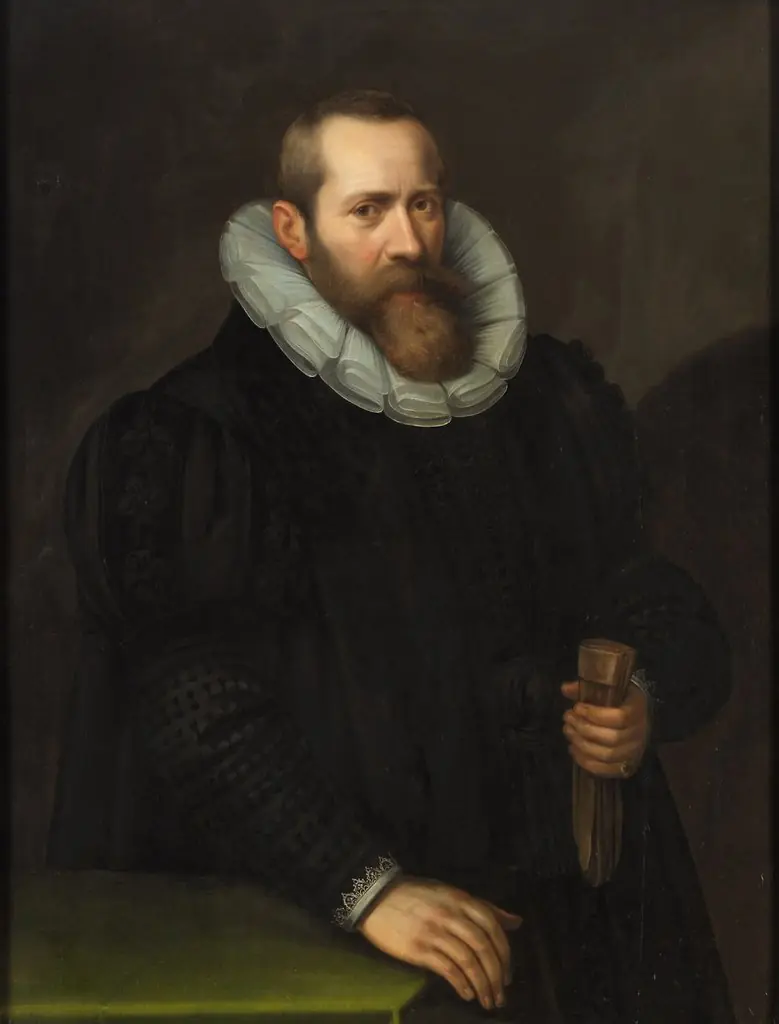 Portrait of a man
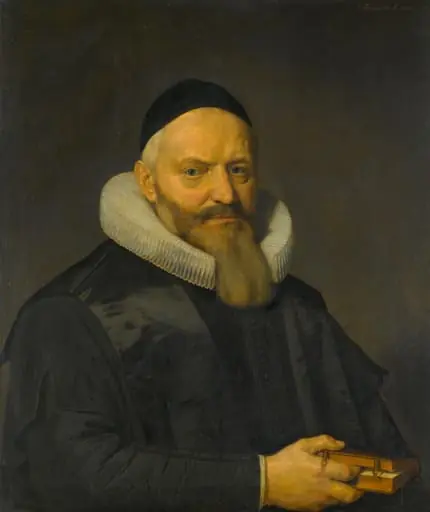 Untitled
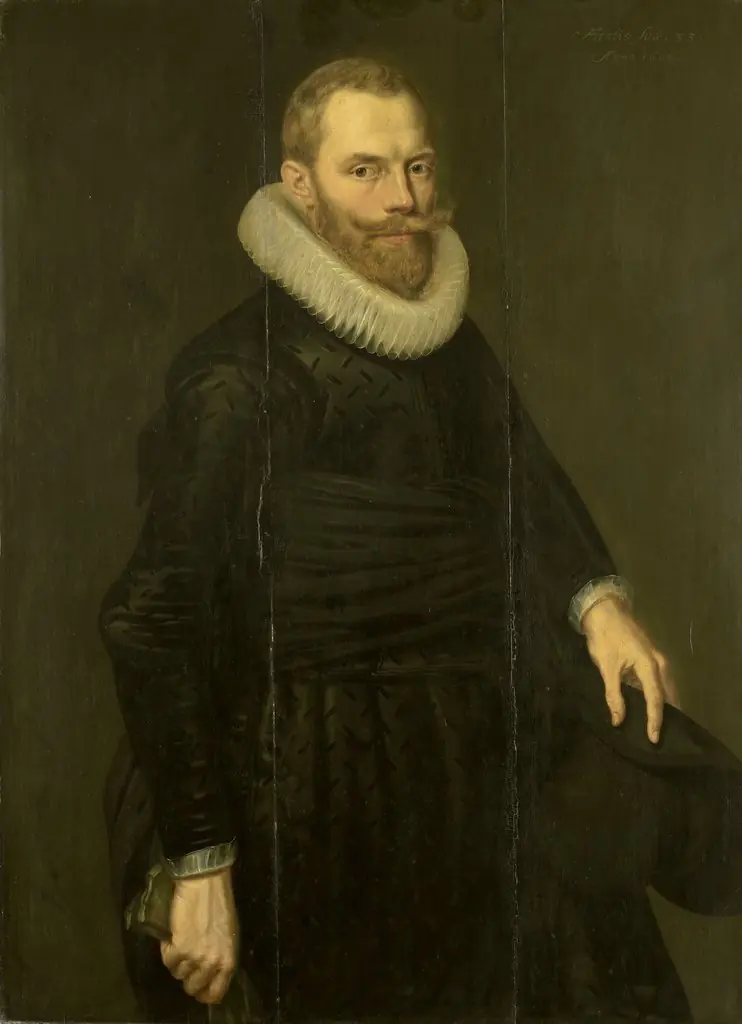 Portrait of Dirck Hasselaer (1581-1645)
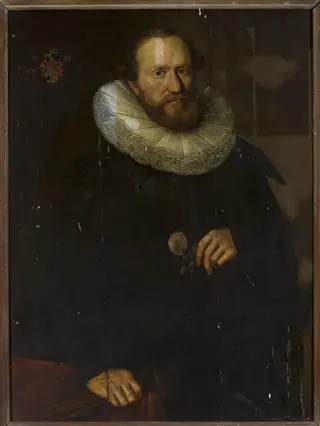 Portrait of a man with a rose in his hand
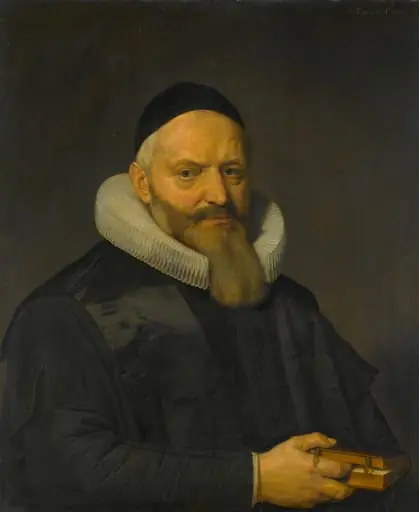 Portrait of Anthony de Wale (1573-1639). Professor of Theology at the University in Leiden
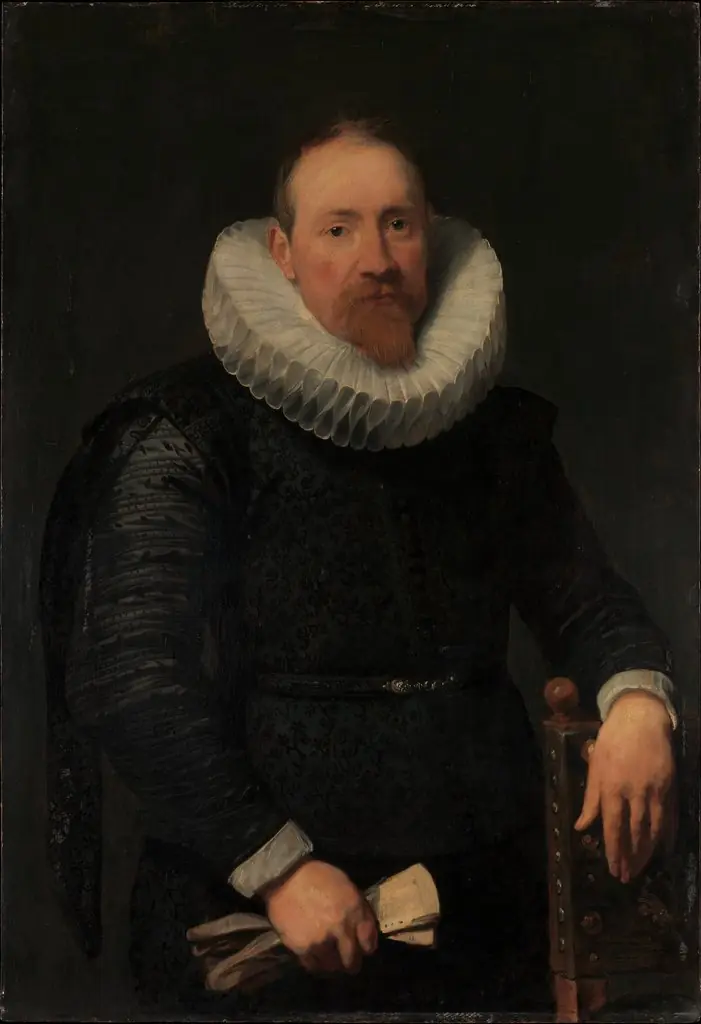 Portrait of a Man
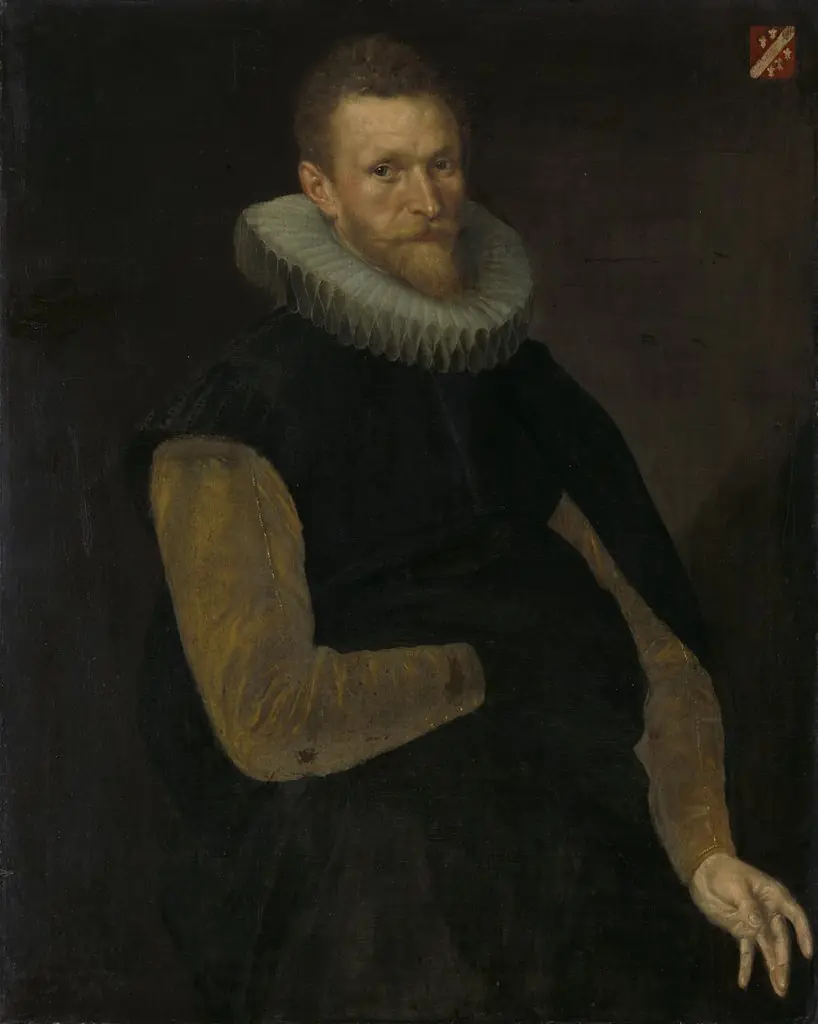 Portrait of Jacob Cornelisz Banjaert, called van Neck (1564-1638). Admiral & mayor of Amsterdam
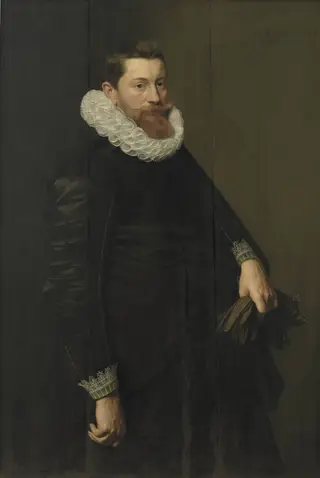 Portrait of a Gentleman
 Portrait of a man