Artwork
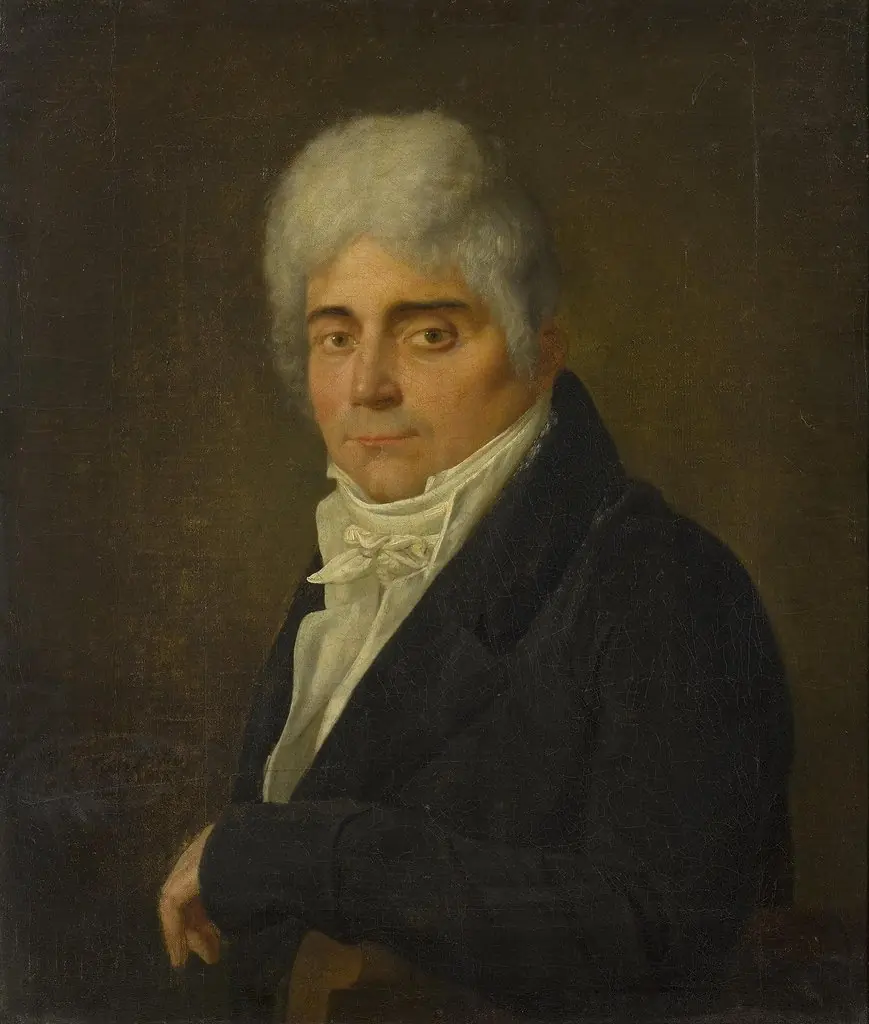
Portrait of John O'Connor (1760-1802), professor at the University of Vilnius
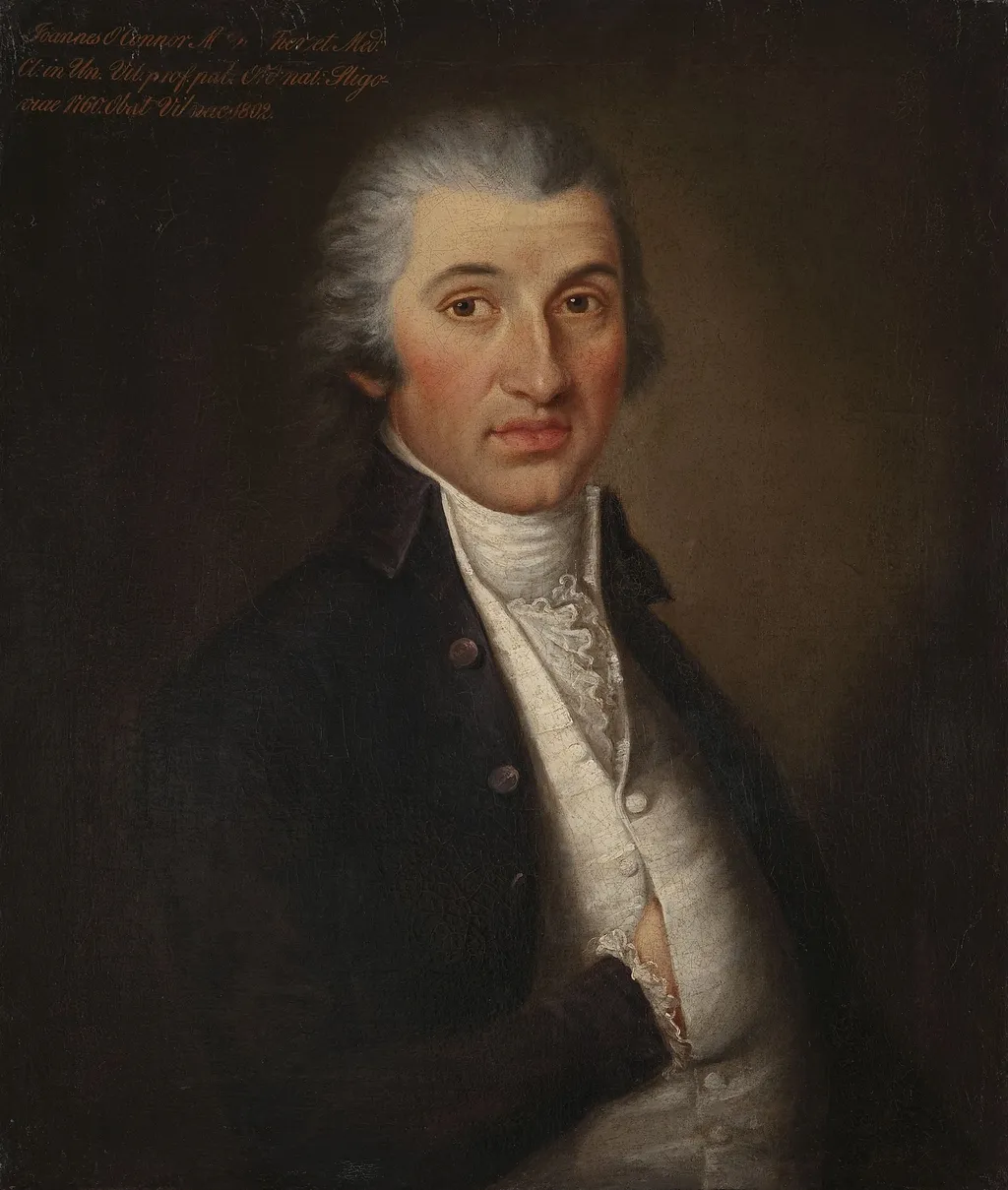
Portrait of John O'Connor (1760-1802), professor at the University of Vilnius is an oil painting by the Biedermeier artist Jan Damel. It dates from 1812 and is held in the collection of the National Museum in Warsaw.
About this work
Overview
The work is held in the collection of the National Museum in Warsaw, where it is counted among fifteen paintings by Damel in that institution.
The Portrait of John O'Connor (1760-1802), professor at the University of Vilnius is an oil on canvas painting by the Polish neoclassicist Jan Krzysztof Damel, dated 1812. Measuring 70 by 59 centimeters, the half-length portrait depicts the late Irish-born professor in a formal posthumous commemoration, executed with the restrained palette and polished finish characteristic of academic portraiture. The work is held in the collection of the National Museum in Warsaw, where it is counted among fifteen paintings by Damel in that institution. It stands as a significant document of the intellectual culture of Vilnius University during the age of Partitions, as well as a representative example of Damel's portraiture from his mature period in Vilnius.
Subject & Meaning
The painting depicts John O'Connor, an Irish-born scholar who served as professor at the University of Vilnius and died in 1802. The portrait is posthumous, painted a decade after the sitter's death, which shapes its commemorative function. O'Connor is presented in the dress of a gentleman-scholar of the late Enlightenment: powdered gray hair swept back in the fashion of the late eighteenth century, a dark coat with high collar and visible buttons, a white waistcoat, and a white cravat with delicate lace ruffles at throat and cuff. His right hand is partially visible, tucked into the coat at waist level, a conventional pose suggesting composure and social standing. In the upper left corner, handwritten text in a light coppery color gives the sitter's name and dates, explicitly identifying the portrait as a memorial record. The direct eye contact and forward-facing posture create an impression of intellectual presence and authority, while the overall sobriety of the composition reflects the neoclassical preference for dignity over ostentation.
Technique & Style
Damel executed the portrait in oil on canvas, employing a technique of smooth, blended brushwork in the face that achieves a polished, almost enamel-like surface, while allowing more visible texture in the lace and fabric details. The palette is deliberately restrained, dominated by deep browns and blacks in the background and coat, set against the bright white of the linen and the warm flesh tones of the face. Light falls from the left, illuminating the left side of the face, the lace cravat, and the hand, while the right side of the figure recedes into shadow, creating a subtle modeling that gives volume to the form without dramatic chiaroscuro. The paint surface shows fine craquelure throughout, consistent with its age and medium. The overall finish is formal and academic, reflecting Damel's training under Jan Rustem and Franciszek Smuglewicz at Vilnius University, where neoclassical principles of clarity, order, and idealized naturalism prevailed.
History & Provenance
The portrait was painted in 1812, during Damel's residence in Vilnius, where he had established himself after receiving his degree from Vilnius University in 1809. The work entered the collection of the National Museum in Warsaw, where it is now held; the specific date and circumstances of acquisition are not recorded in the available sources. The painting has been documented in the museum's holdings as part of a group of fifteen works by Damel, and it has been reproduced in stock photography since at least 2010, when it was photographed for Alamy's archive on 19 July 2010. No exhibition history beyond its presence in the National Museum's collection is attested in the provided sources.
Context
Jan Krzysztof Damel (1780-1840), also known as Jonas Damelis and Johann Damehl, was a Polish neoclassicist artist of the age of Partitions, born in Mitau in the Duchy of Courland and Semigallia (now Jelgava, Latvia). His training under Jan Rustem and Franciszek Smuglewicz at Vilnius University placed him within the circle of artists who sustained the university's School of Art during a period of political upheaval. Damel's oeuvre encompassed history paintings of events such as the Kościuszko Uprising and Napoleon's army in Vilnius, as well as portraits, drawings, and religious compositions. The O'Connor portrait belongs to his Vilnius period, before his deportation to Siberia in 1820, after which he resided in St. Petersburg and Minsk. The work exemplifies the function of portraiture in the university milieu, where images of professors served to commemorate intellectual lineages and institutional prestige. Damel is now considered one of the most prominent historical artists of the neoclassicist genre working in present-day Belarus, and his portrait of O'Connor contributes to this reputation as a document of cultural transmission across the Polish-Lithuanian Commonwealth's educational networks.
Legacy
The portrait's afterlife is primarily institutional and scholarly rather than widely public. As part of the National Museum in Warsaw's collection, it preserves the memory of Vilnius University's international faculty and the Irish diaspora's contribution to Enlightenment education in Eastern Europe. Damel's own legacy, carried forward by students such as Michał Kulesza, ensured the continuation of neoclassical portraiture in the region. The painting's reproduction in commercial stock photography since 2010 has extended its visibility beyond specialist audiences, though with restrictions on alteration or cropping that reflect the complexities of public domain image rights. The work remains a touchstone for understanding the visual culture of Vilnius University during the early nineteenth century and the broader patterns of commemorative portraiture in partitioned Poland-Lithuania.
Own this work as a print
Artist & collection
Artist
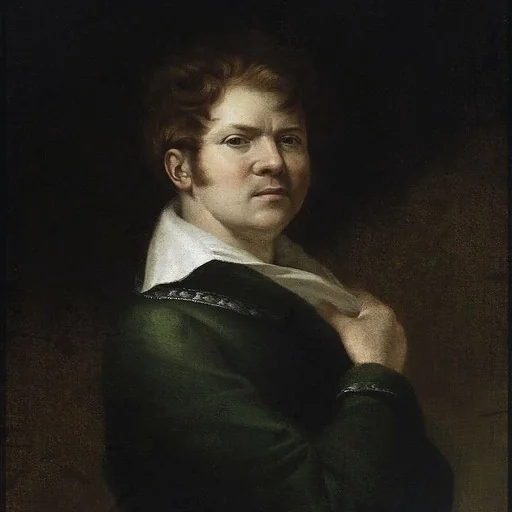
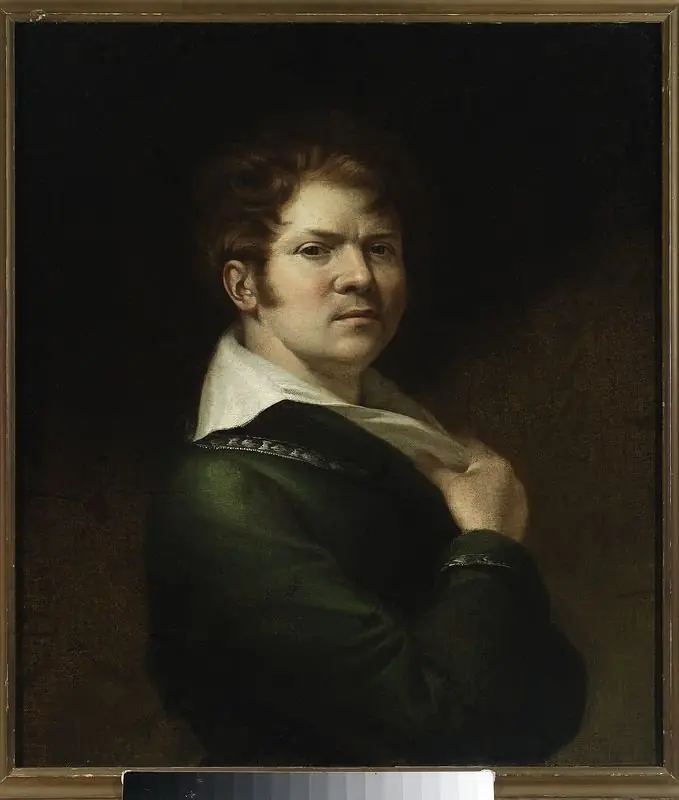
Jan Krzysztof Damel, also known as Jonas Damelis and Johann Damehl in other languages (1780 – 30 August 1840) was a Polish neoclassicist artist in the age of Partitions, associated with the School of Art at Vilnius University (modern-day…

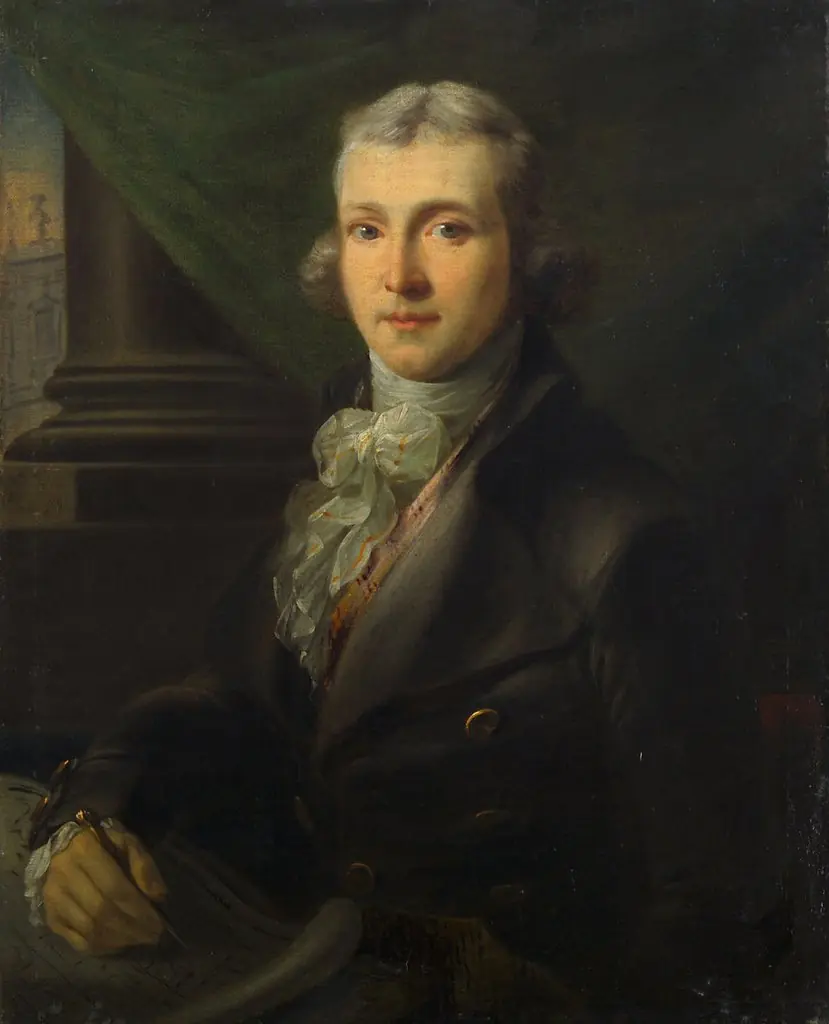
- Bildnis eines jungen Architekten
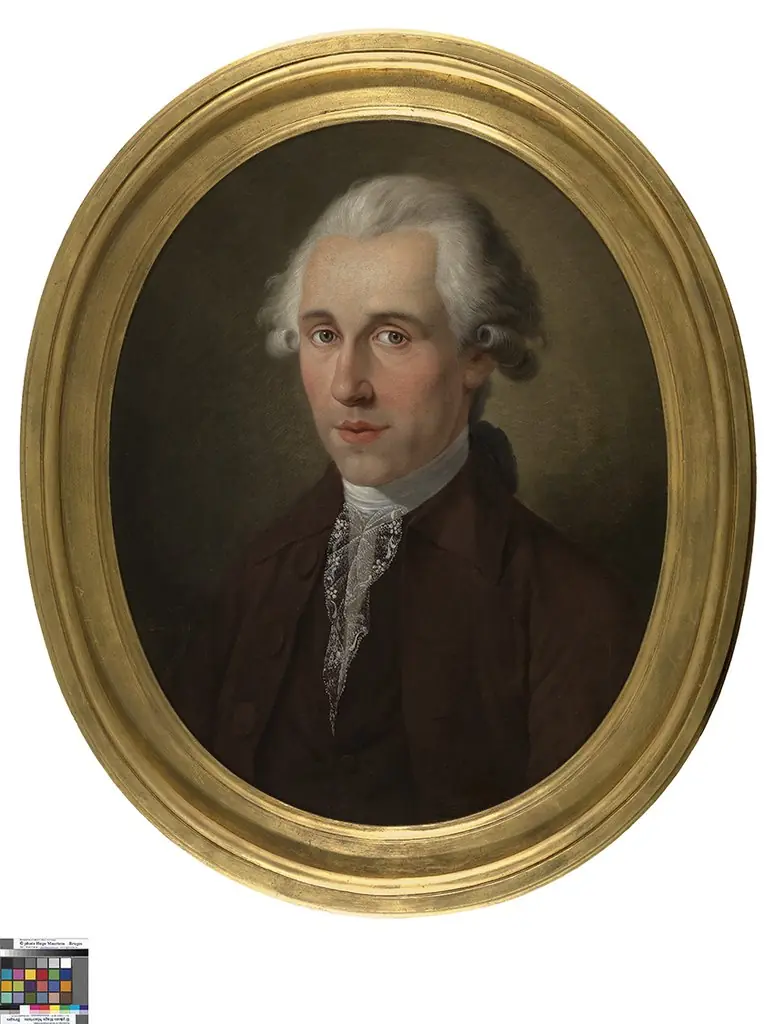 Portret van een man
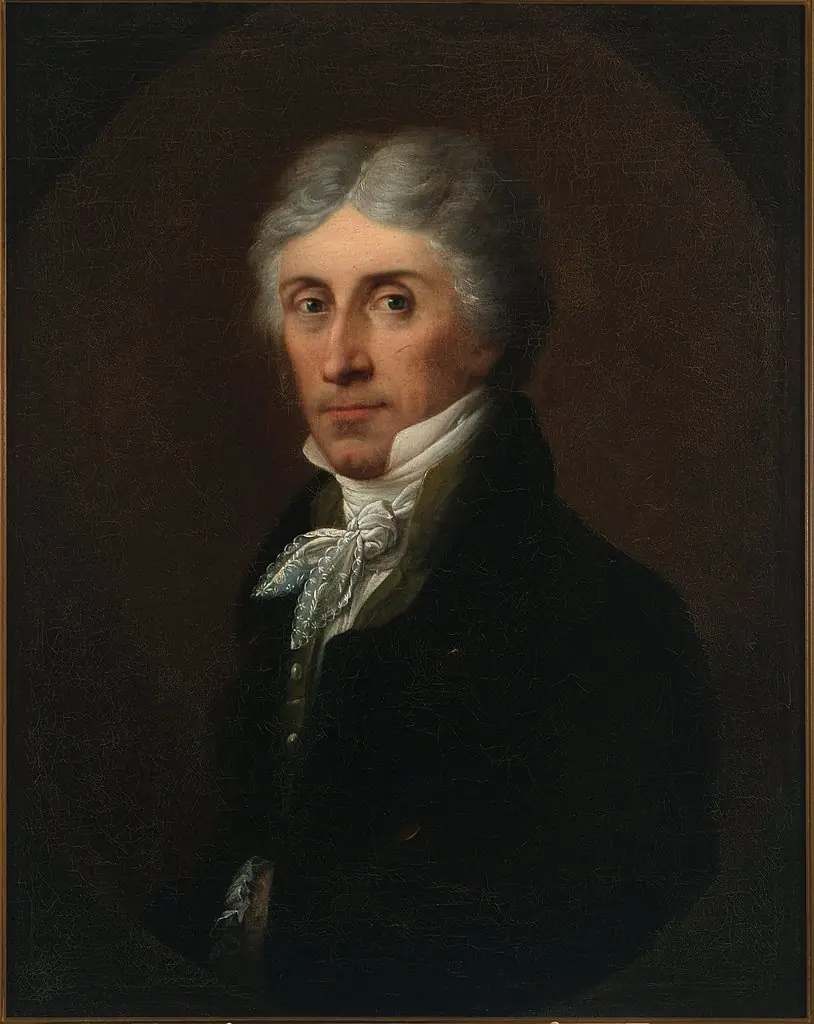 Portrait of Józef Michałowski, senator
 Portrait of Albertus Henricus Wiese, Governor-General of the Dutch East Indies
 Johann Jacob Frølich d.æ.
 Herr Dristel
 Bernhard von Tschoffen (died 1802)
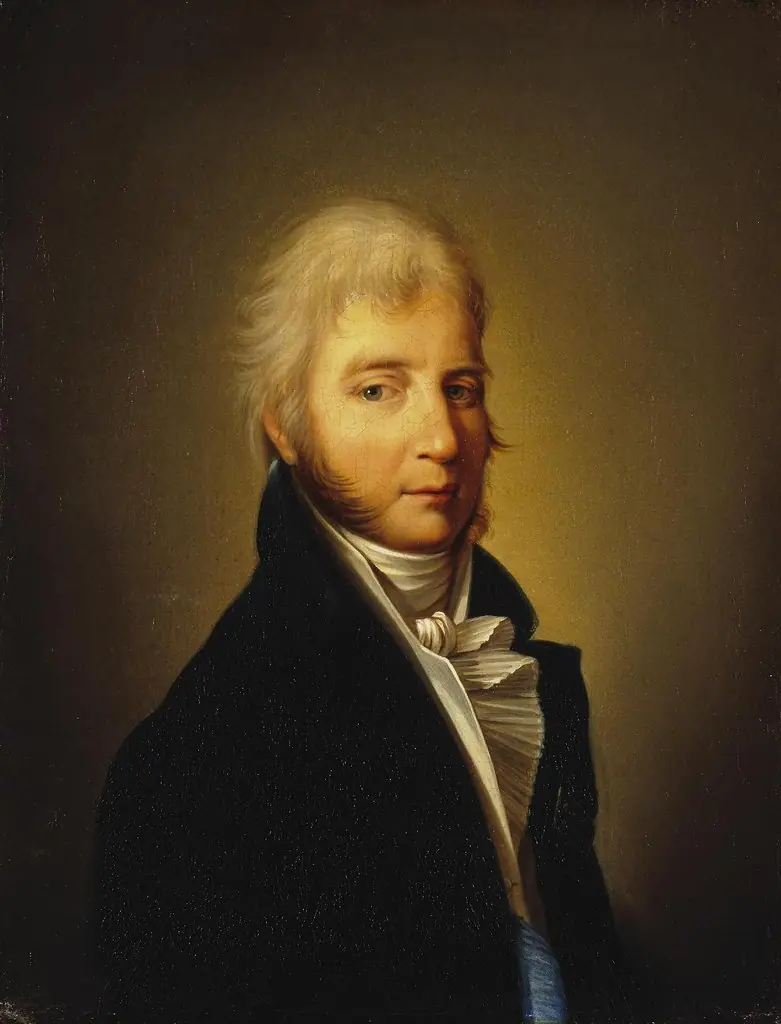 Portrait of Prince Sergei Golitsyn
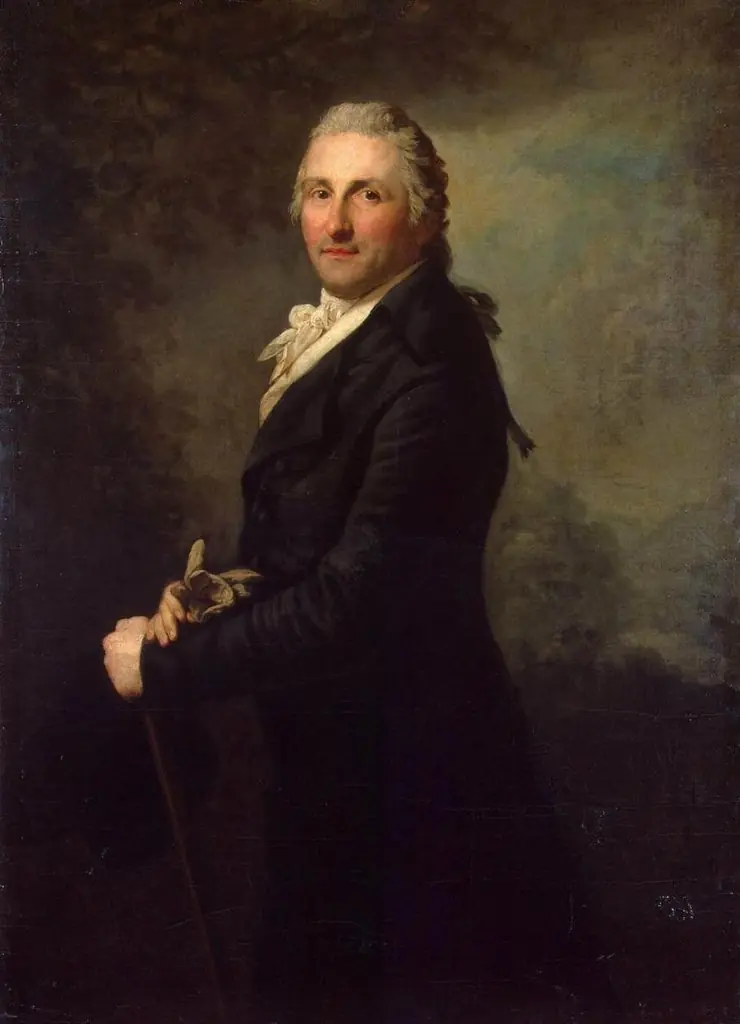 Portrait of Georg Leopold Goguel
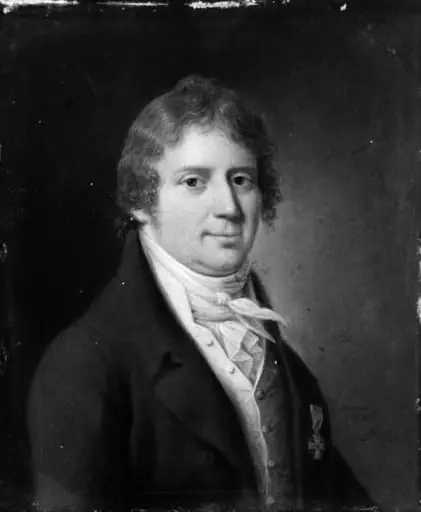 Lensgreve Adam Wilhelm Moltke til Bregentved
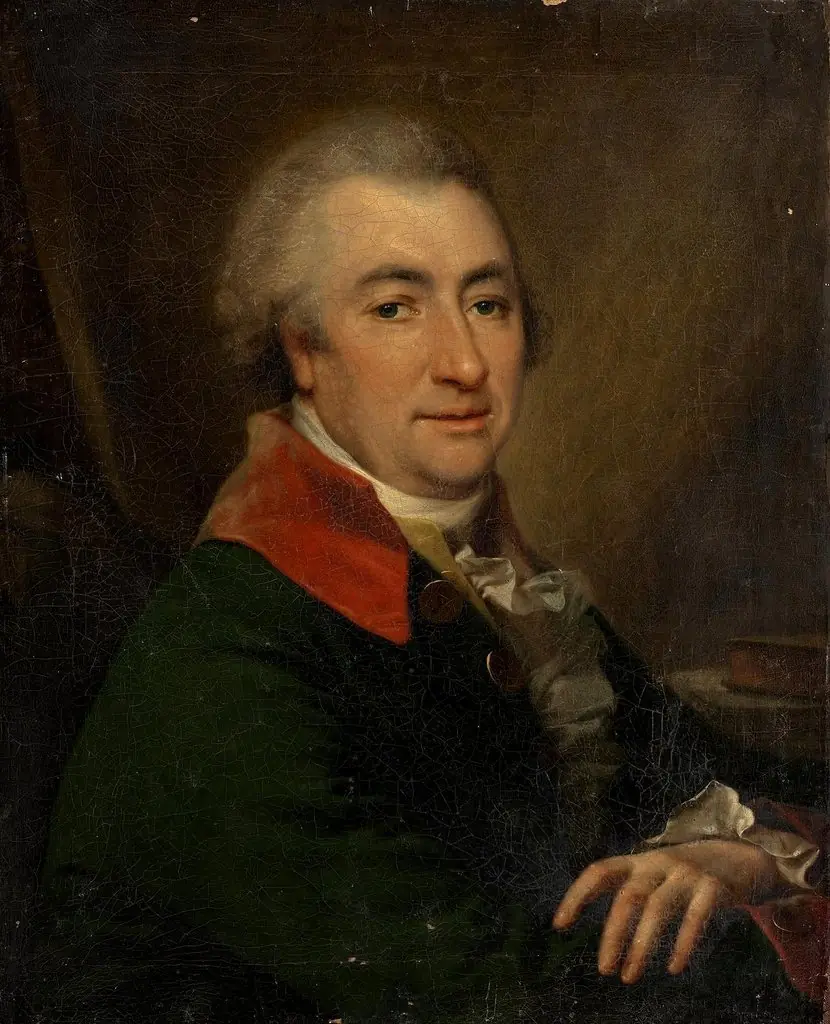 Portrait of A.I. Novikova (? )
 Portrait of a Civilian