Artwork
Portrait of Cornelis de Witt (1623-72), Burgomaster of Dordrecht and lord lieutenant of Putten
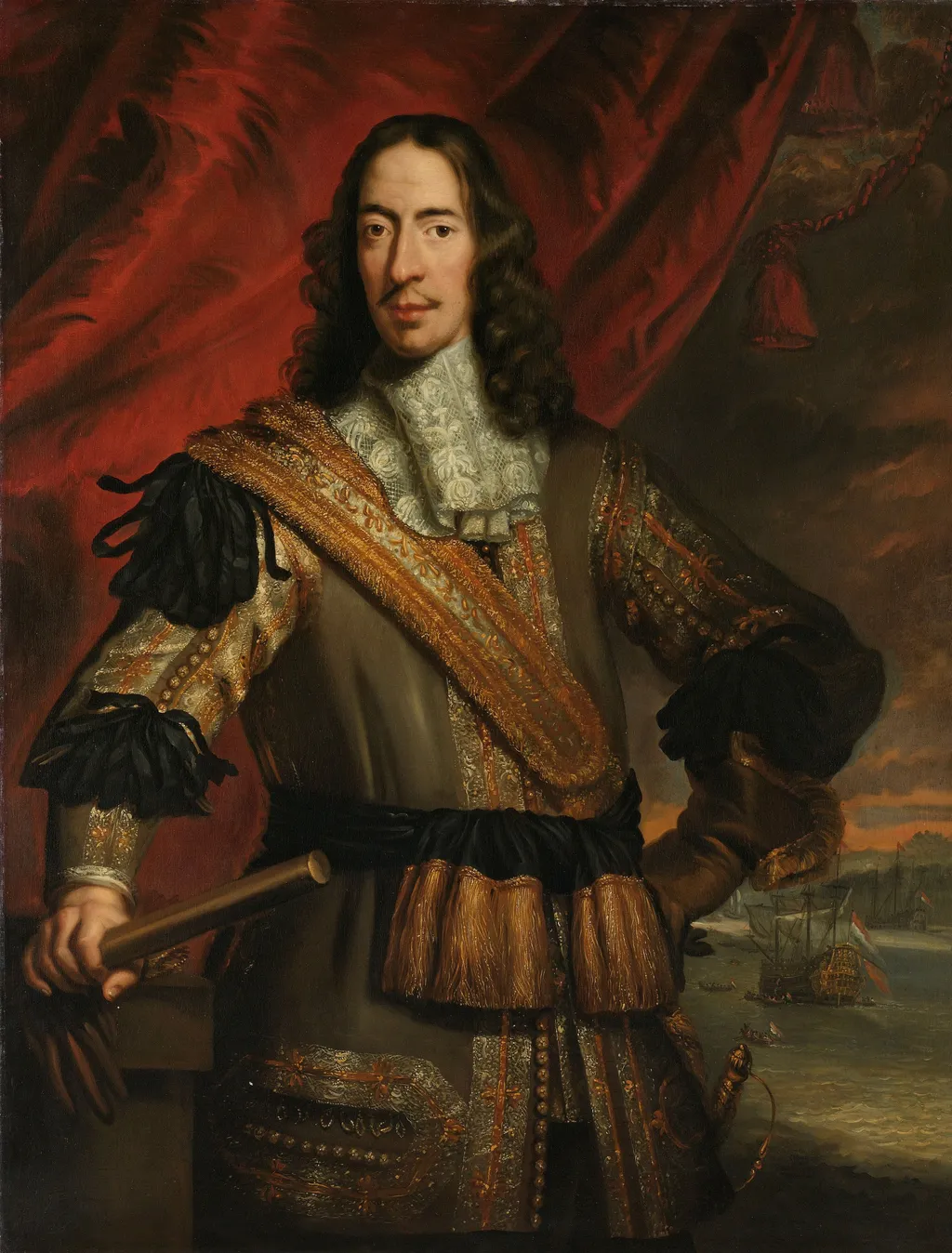
Portrait of Cornelis de Witt (1623-72), Burgomaster of Dordrecht and lord lieutenant of Putten is an oil painting by the Dutch Golden Age artist Jan de Baen. It dates from 1669 and is held in the collection of the Rijksmuseum.
About this work
Subject & Meaning
The painting depicts Cornelis de Witt (1623–1672), a prominent Dutch politician who served as burgomaster of Dordrecht and lord lieutenant of Putten.
The painting depicts Cornelis de Witt (1623–1672), a prominent Dutch politician who served as burgomaster of Dordrecht and lord lieutenant of Putten. He is shown as a man in formal attire, consistent with his civic and political status. The portrait functions as a straightforward representation of a notable figure from the Dutch Golden Age, emphasizing his dignity and public role.
The work’s iconography is limited to the sitter’s identity and office, without overt allegorical or symbolic elements beyond the conventions of formal portraiture of the period.
Technique & Style
Executed in oil paint on canvas in 1669, the portrait employs a restrained, linear handling typical of Jan de Baen’s late works, with smooth transitions across the face and sharply defined edges in the costume details.
The composition centers on a three-quarter view of Cornelis de Witt, rendered with subdued modeling that emphasizes the sitter’s dignified bearing. Dark, even backgrounds isolate the figure, while the restrained palette, dominated by blacks, whites, and earth tones, conveys the sober gravitas expected of Dutch official portraits.
No specific condition issues are recorded in the cited sources.
History & Provenance
The portrait of Cornelis de Witt was created in 1669 by the artist Jan de Baen. Executed in oil paint on canvas, the work measures 124 cm in height and 97 cm in width. The painting depicts the subject as a man and is classified as a portrait genre piece.
It is currently held in the collection of the Rijksmuseum in Amsterdam, also known as the National Art Gallery of the Netherlands.
Overview
Jan de Baen’s 1669 oil portrait presents Cornelis de Witt, a leading civic official of Dordrecht, in a dignified half‑length pose. The work belongs to the Rijksmuseum’s collection and exemplifies Dutch portraiture of the late seventeenth century, combining a restrained composition with a striking use of light and dark.
Context
The painting reflects the Dutch Republic’s emphasis on civic virtue and modesty among its elite. Portraits of municipal leaders like de Witt were common, serving both as personal commemoration and as visual affirmation of the stability of local governance during a period of commercial prosperity.
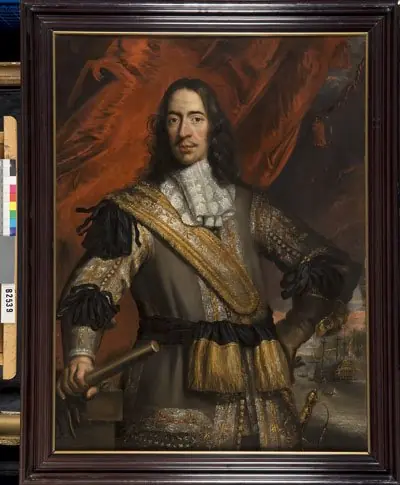
Own this work as a print
Artist & collection
Artist
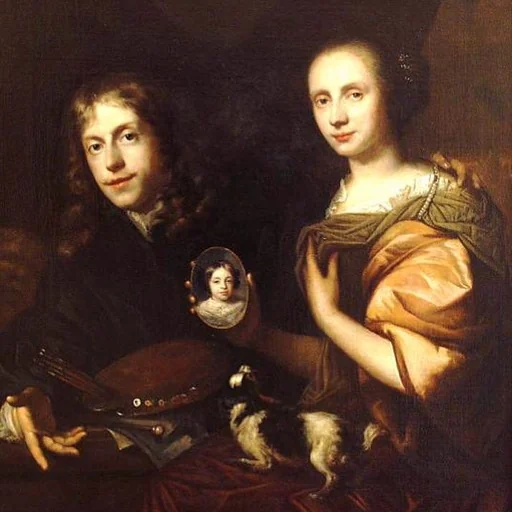
Jan de Baen (20 February 1633 – 1702) was a Dutch portrait painter who lived during the Dutch Golden Age.

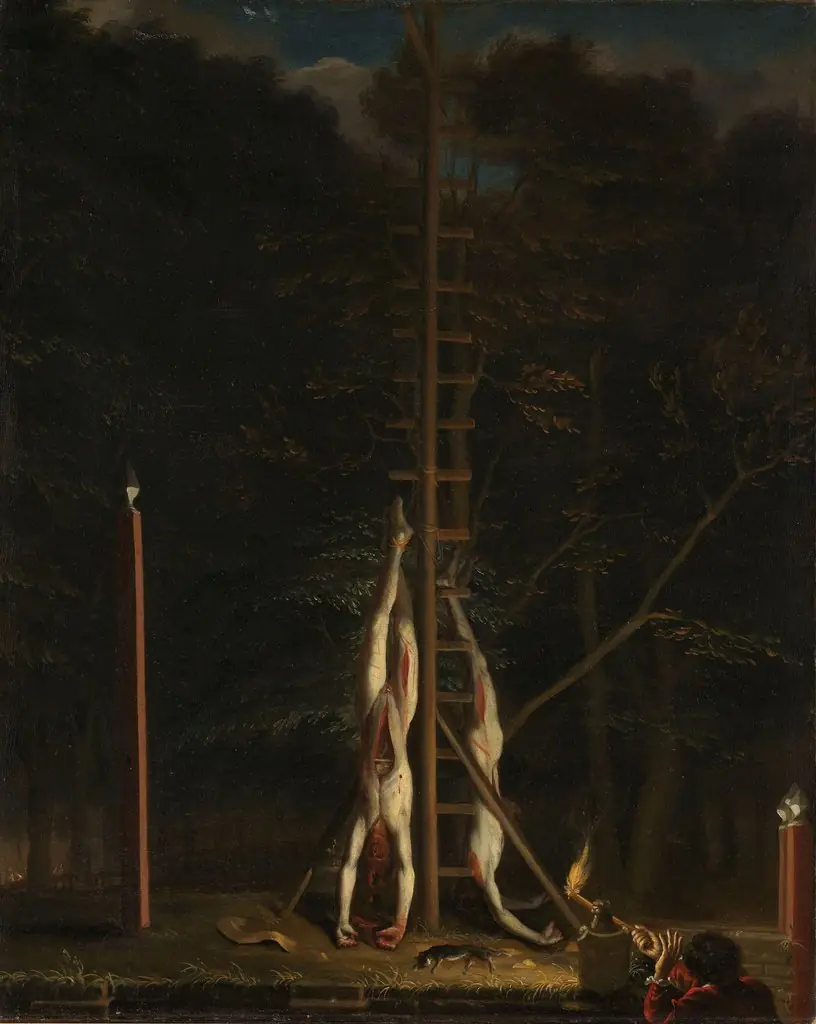 The Corpses of the De Witt Brothers
- Portrait of Cornelis de Witt (1623-1672)
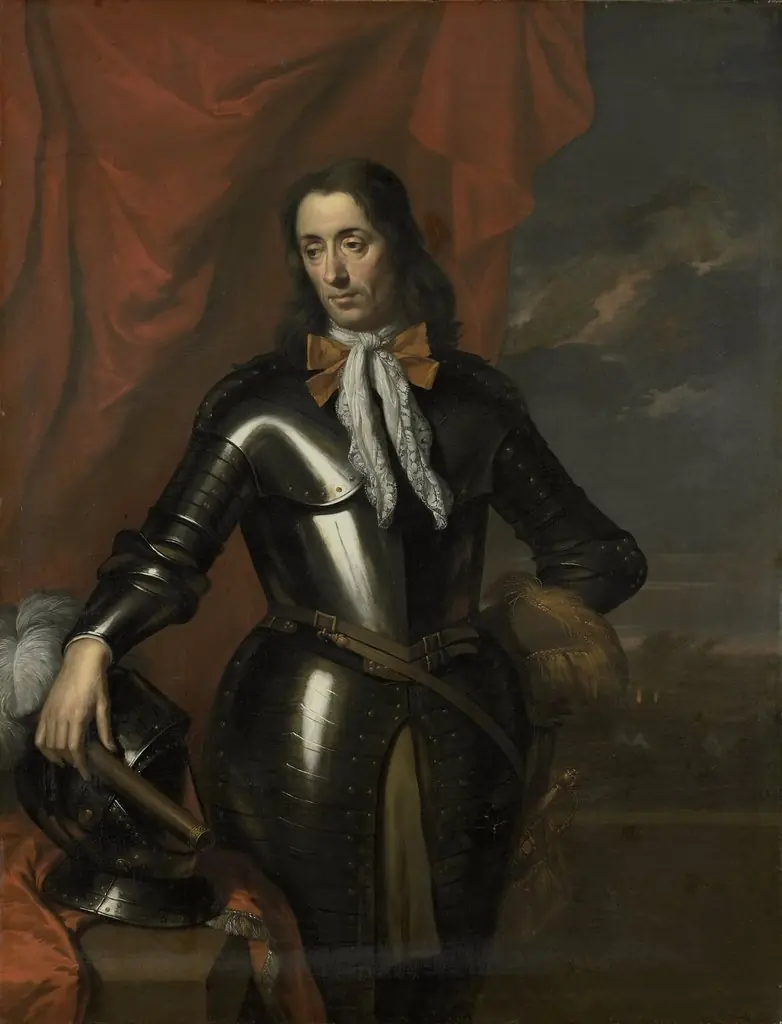 Portrait of Isaac de l'Ostal de Saint-Martin (ca 1629-96), governor of the Dutch East Indies and commander of the garrison at Batavia
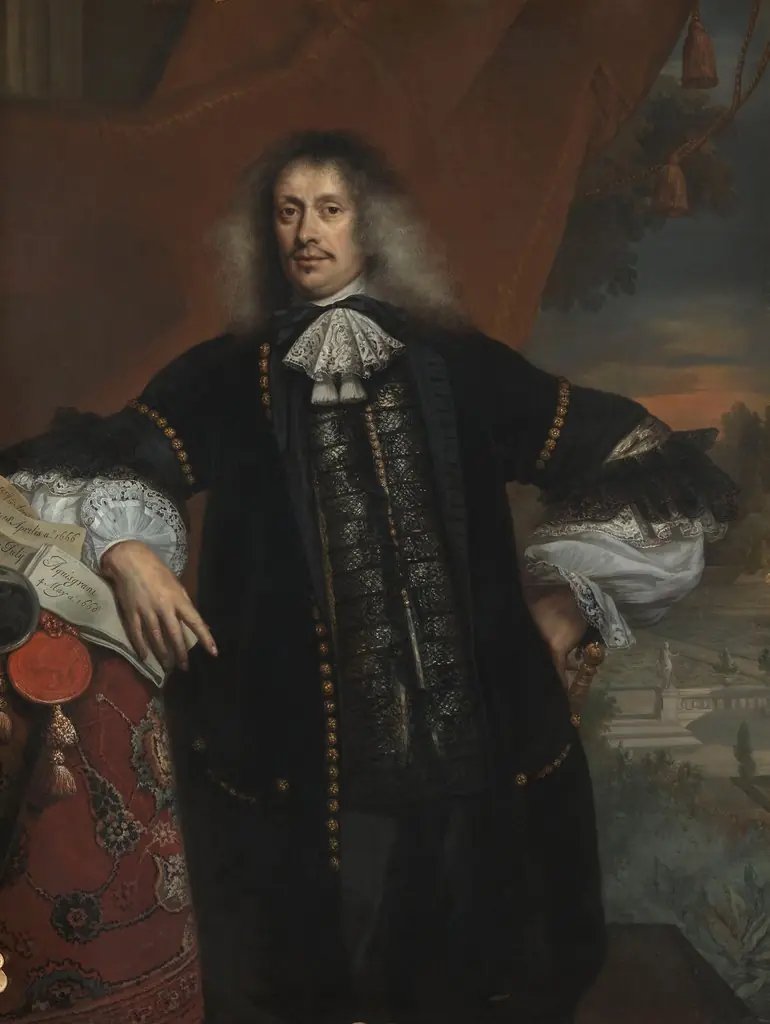 Hieronymus van Beverningk
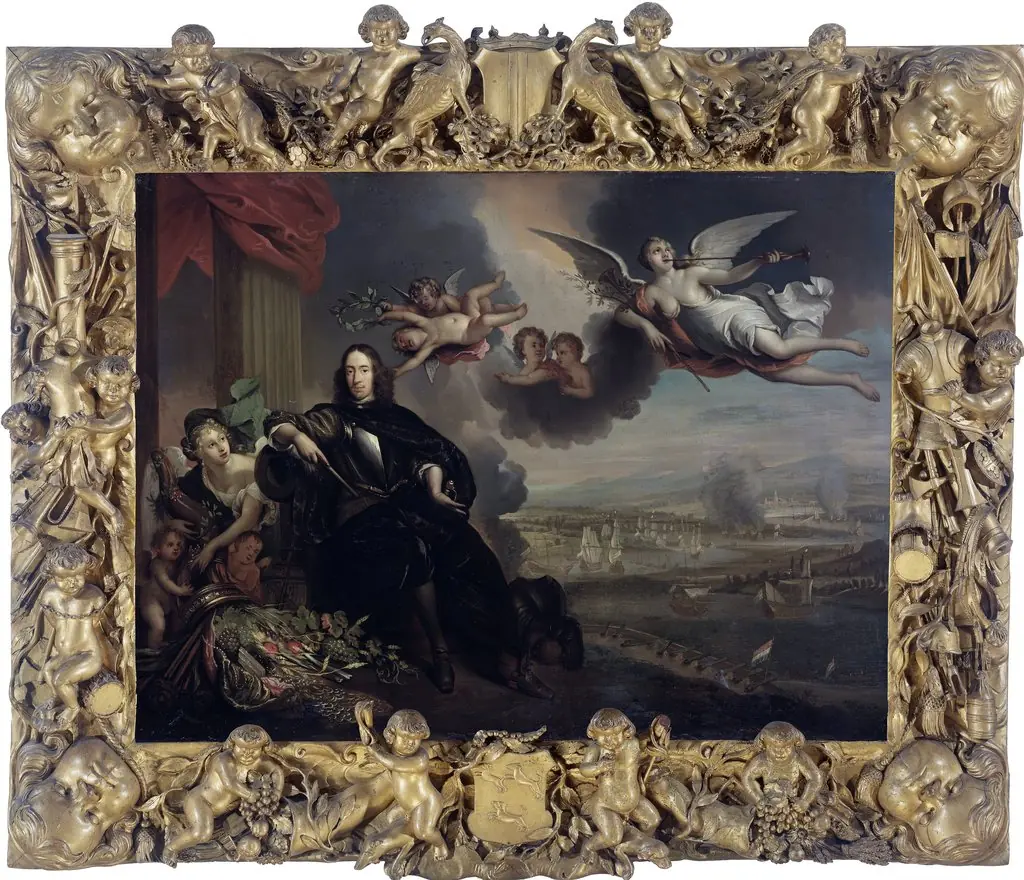 The apotheosis of Cornelis de Witt, with the raid on Chatham in the background
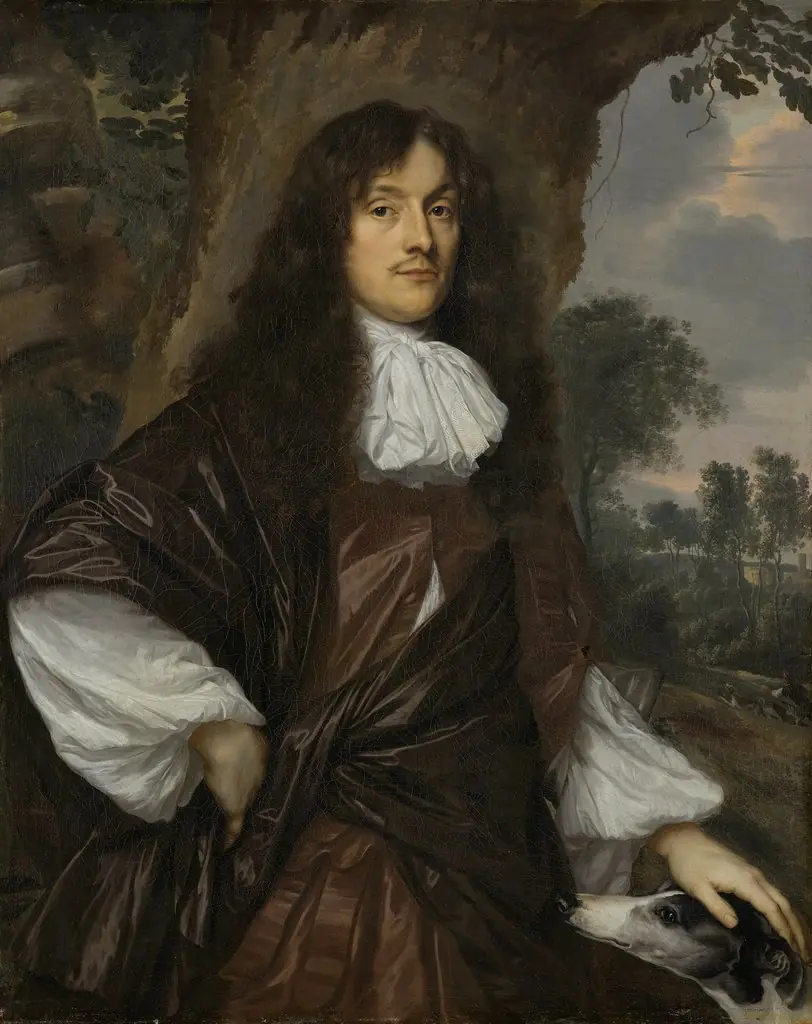 Jacob de Witte (1628-79), lord of Haamstede
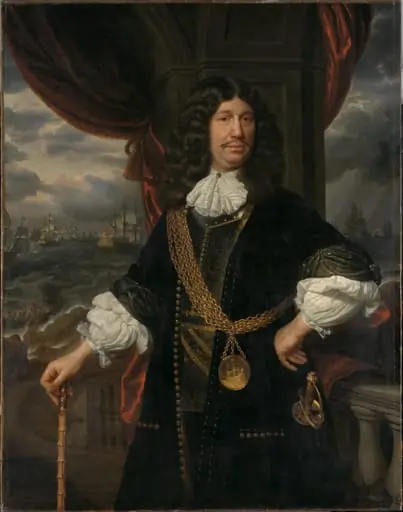 Portrait of Mattheus van den Broucke (1620-1685). Councillor of the Indies
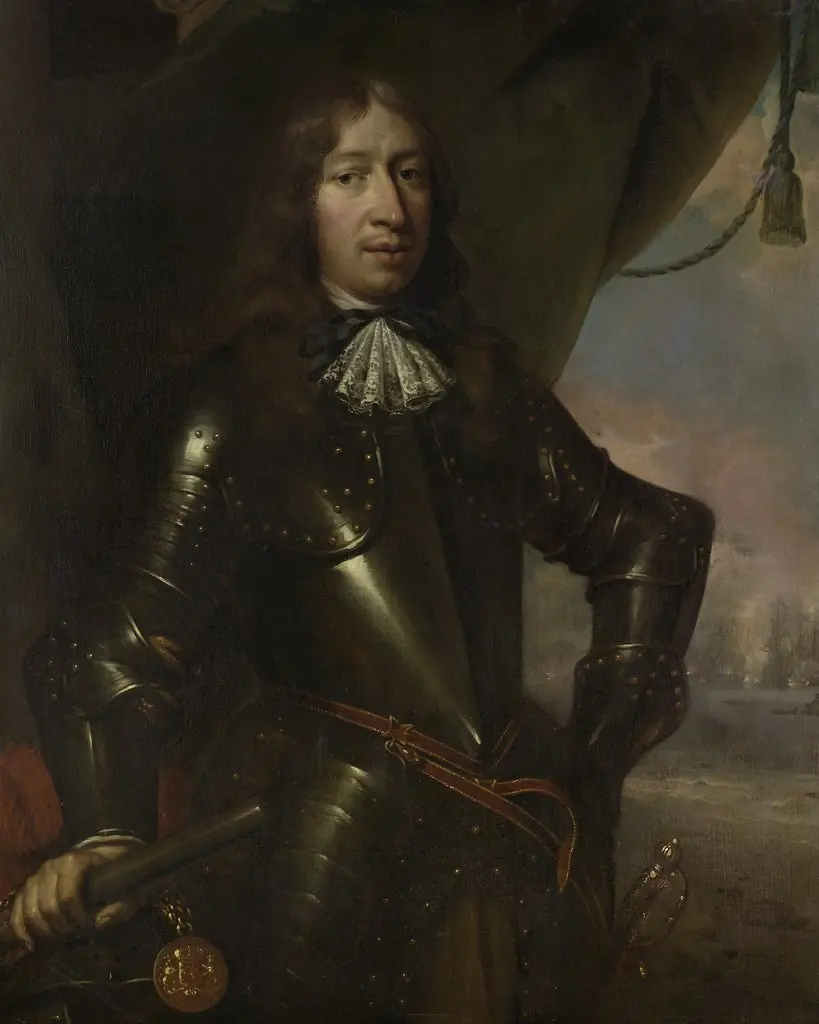 Portrait of Willem Joseph Baron van Ghent (1626-72), vice-admiral
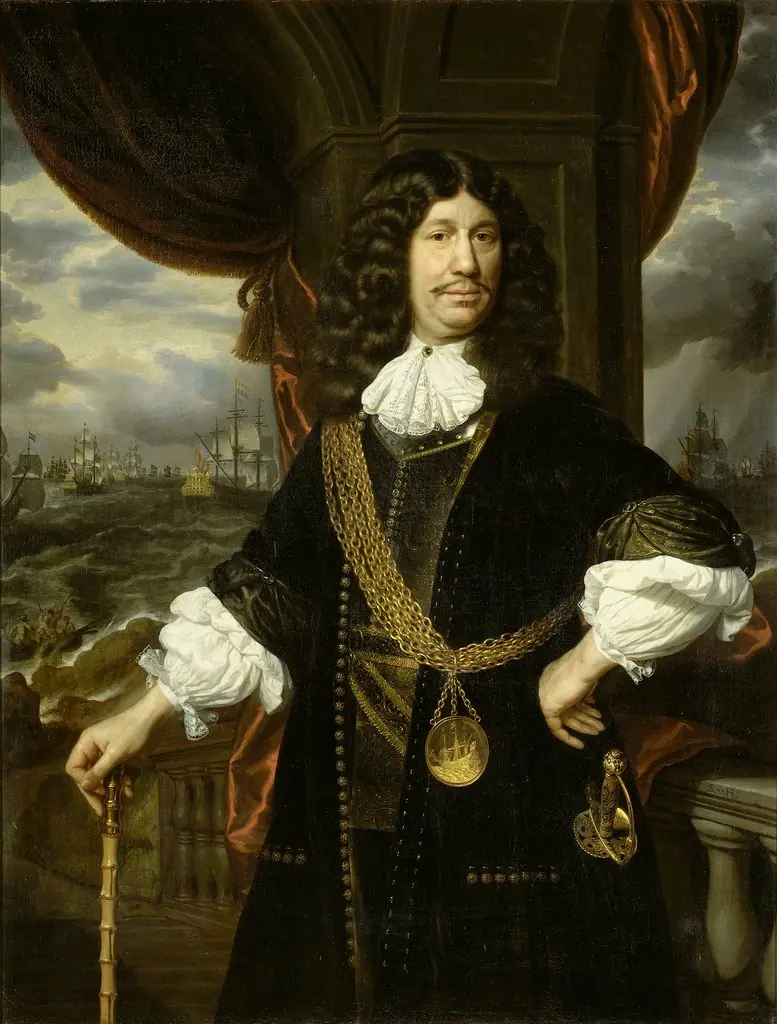 Portrait of Mattheus van den Broucke (1620-85), Governor of the Indies, with the gold chain and medal presented to him by the Dutch East India Company in 1670
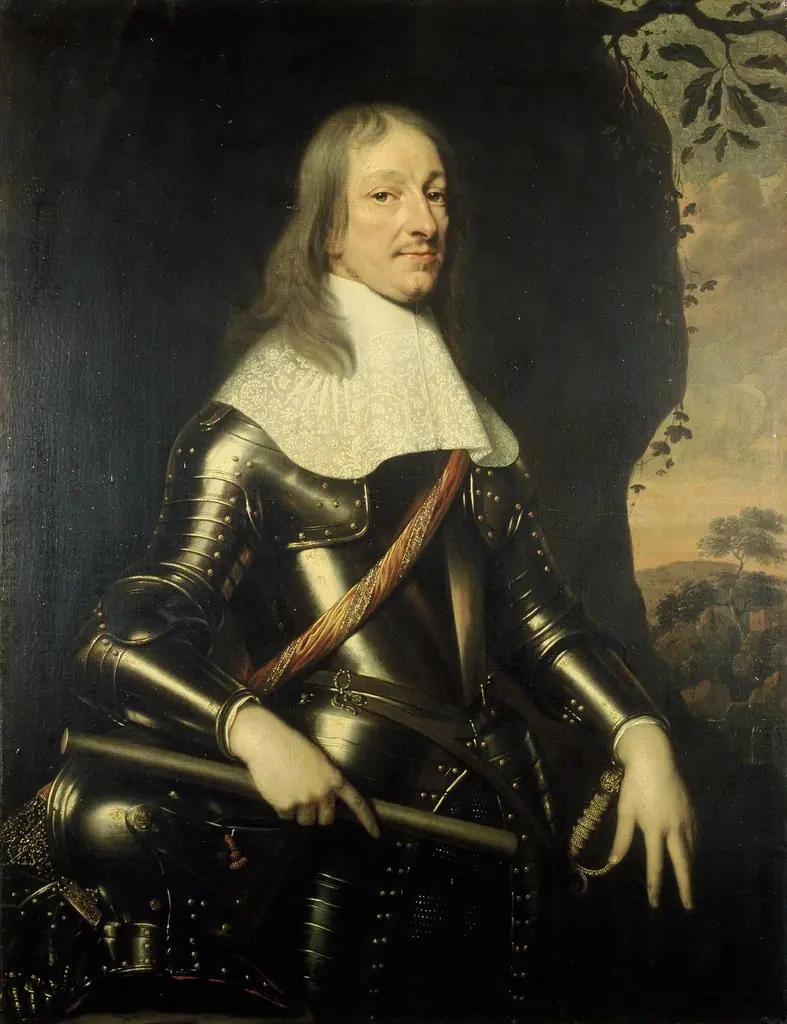 Portrait of Stadholder Willem Frederik (1613- 1664)
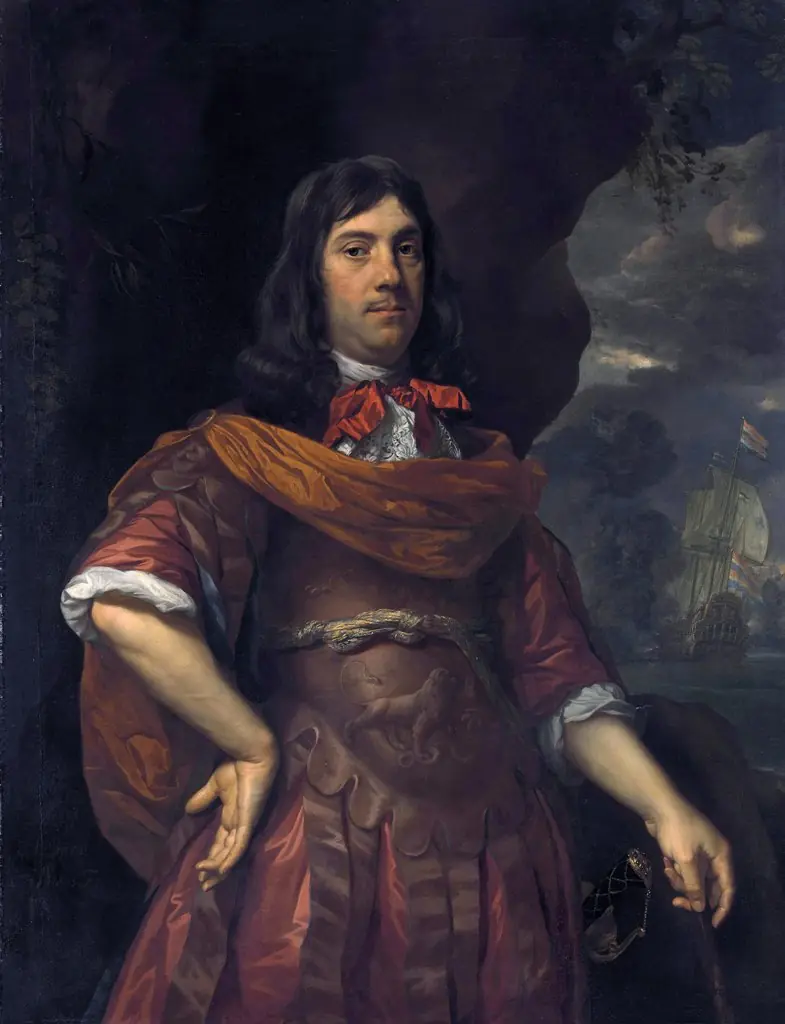 Cornelis Tromp (1629-91). Lieutenant-admiral general
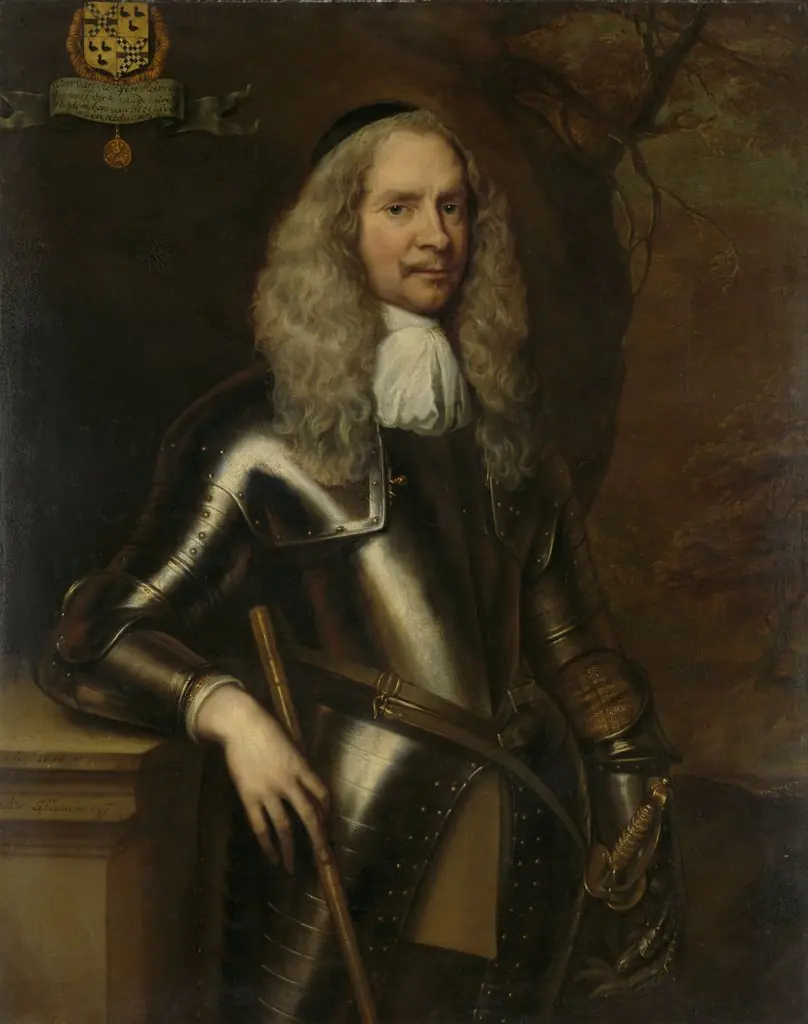 Cornelis van Aerssen (1600-62), lord of Sommelsdijk. Colonel of cavalry
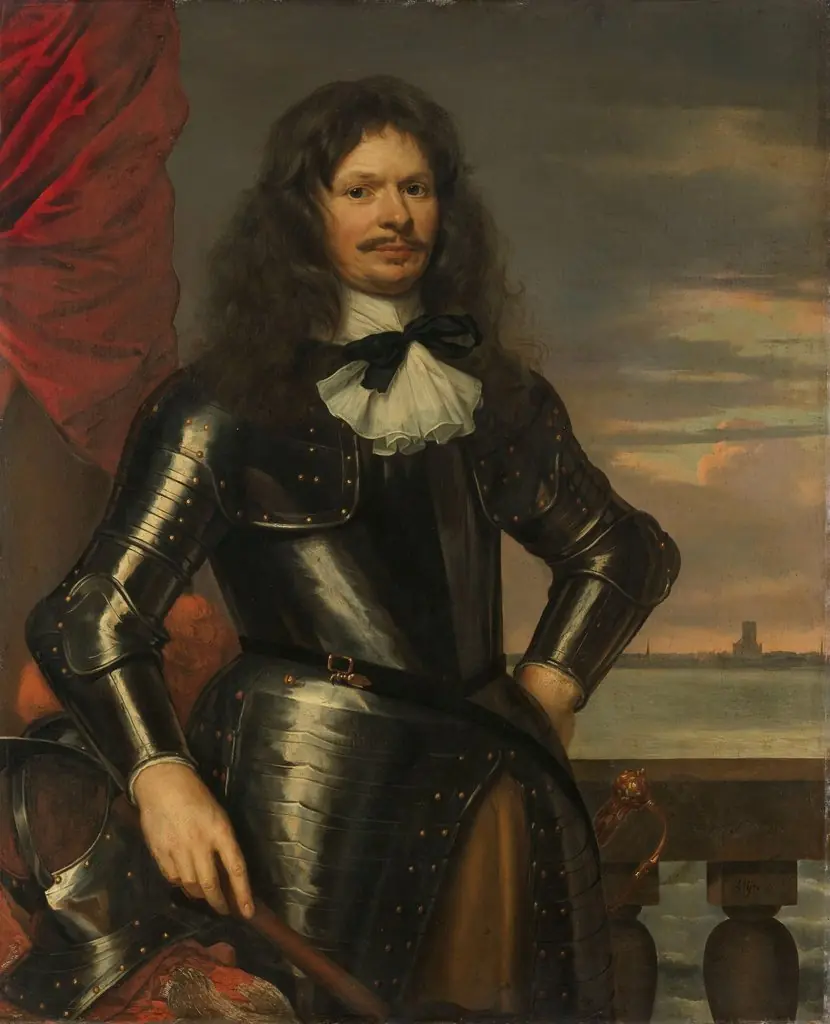 Portrait of Johan van Beaumont. Colonel in the Holland guards and commander of Den Briel
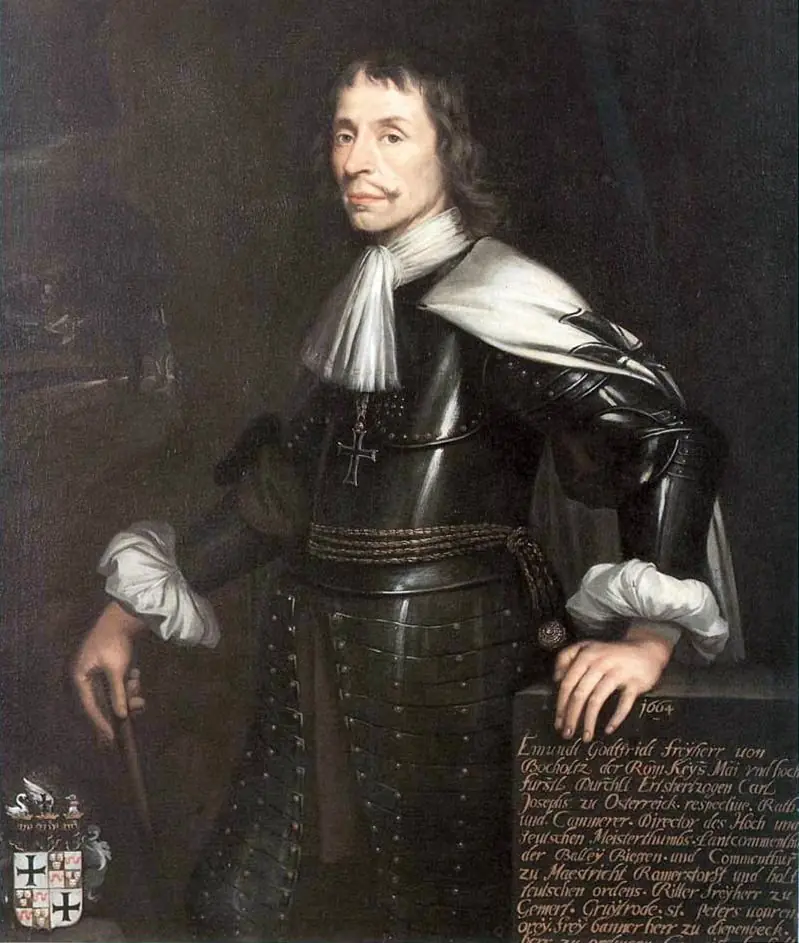 Portret van Edmund-Godefried van Bocholtz