Artwork
Cornelis van Aerssen (1600-62), lord of Sommelsdijk. Colonel of cavalry
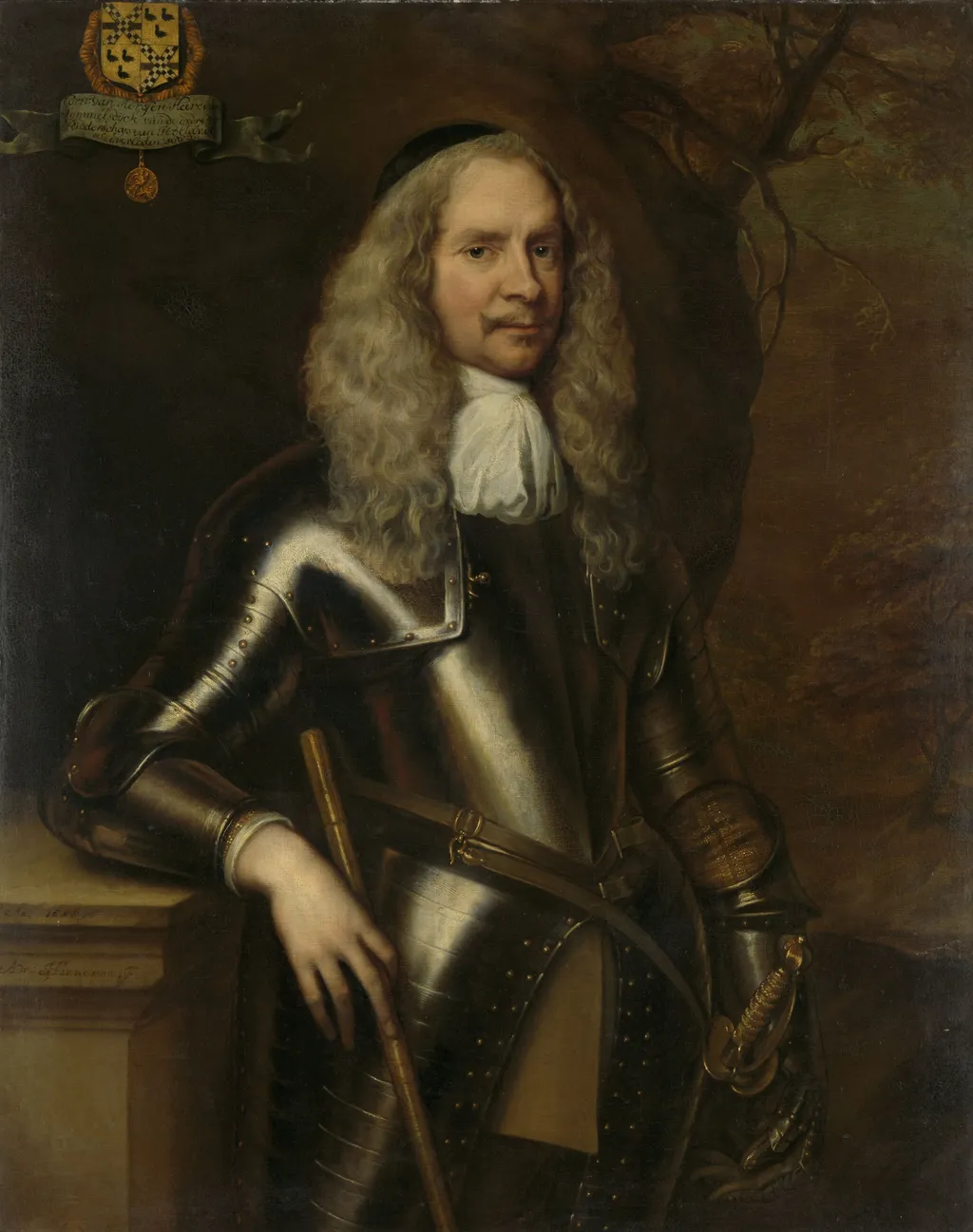
Cornelis van Aerssen (1600-62), lord of Sommelsdijk. Colonel of cavalry is an oil painting by the Dutch Golden Age artist Adriaen Hanneman. It dates from 1658 and is held in the collection of the Rijksmuseum. This 1658 oil portrait, now in the Rijksmuseum, presents Cornelis van Aerssen, lord of Sommelsdijk and cavalry colonel.
About this work
Subject & Meaning
The portrait shows Cornelis van Aerssen in his role as a cavalry colonel, reflecting his military status and noble lineage.
The portrait shows Cornelis van Aerssen in his role as a cavalry colonel, reflecting his military status and noble lineage. His attire and bearing convey authority and martial valor, aligning with 17th-century ideals of aristocratic duty. The composition emphasizes his position within Dutch elite society, linking personal identity to public service.
The work was created by Adriaen Hanneman in 1658 and is housed in the Rijksmuseum collection.
This painting serves as both a status record and a symbolic representation of leadership in the Dutch Golden Age.
Technique & Style
Created in 1658, this portrait is executed in oil paint on a canvas support. The work measures 124 cm in height and 99 cm in width. As a portrait by Adriaen Hanneman, the piece depicts Cornelis van Aerssen, Lord of Sommelsdijk, within the formal conventions of 17th-century Dutch portraiture.
History & Provenance
The portrait of Cornelis van Aerssen was painted by Adriaen Hanneman in 1658, the final years of the sitter's life. The work was executed in oil on canvas and depicts the colonel of cavalry in his capacity as lord of Sommelsdijk.
The painting later entered the collection of Helene Ditmars before passing into institutional hands. It is associated with both the Rijksmuseum and the Mauritshuis, with the Rijksmuseum recorded as its location. The canvas measures 124 by 99 centimetres.
Overview
This 1658 oil portrait, now in the Rijksmuseum, presents Cornelis van Aerssen, lord of Sommelsdijk and cavalry colonel. Executed during the Dutch Golden Age, the work records a high‑ranking Dutch nobleman in a formal, martial pose.
Context
The portrait belongs to a period when Dutch elites commissioned works that emphasized martial virtue and aristocratic lineage. Hanneman’s connections to both Dutch and English patrons allowed him to blend local portrait conventions with the elegant, Van Dyck‑inspired style popular among European courts.
Own this work as a print
Artist & collection

Artist
Adriaen Hanneman (c. 1603 – buried 11 July 1671) was a Dutch Golden Age painter best known for his portraits of the exiled British royal court. His style was strongly influenced by his contemporary, Anthony van Dyck.

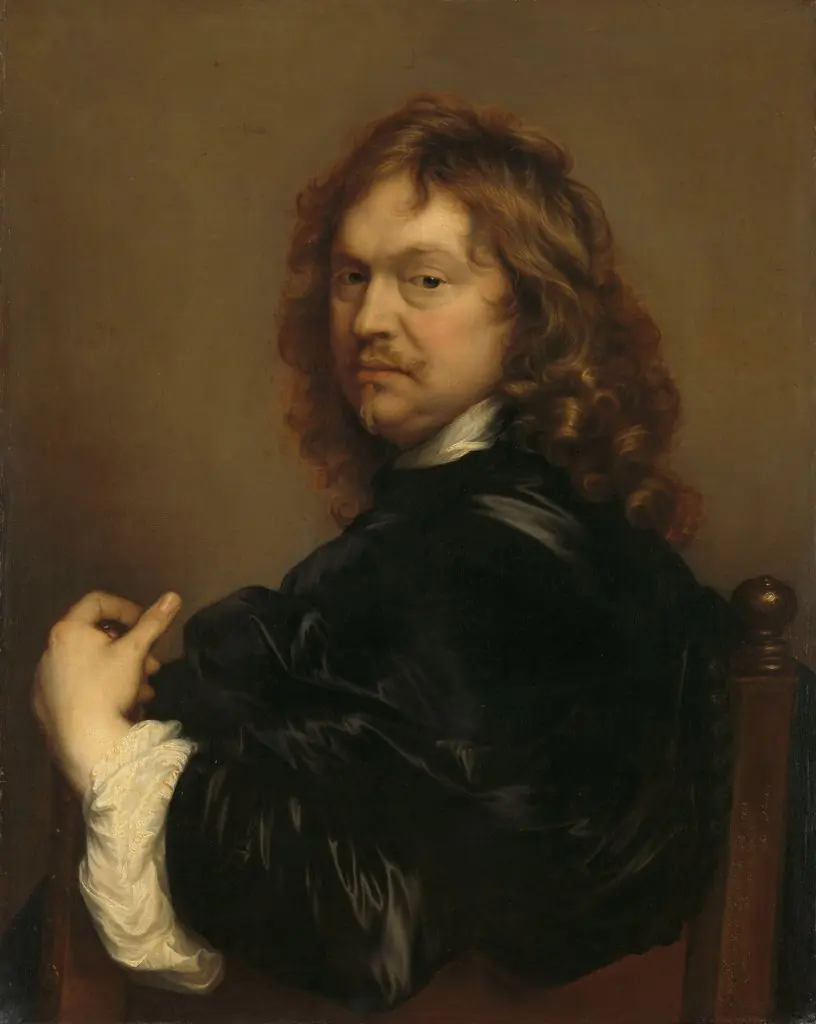
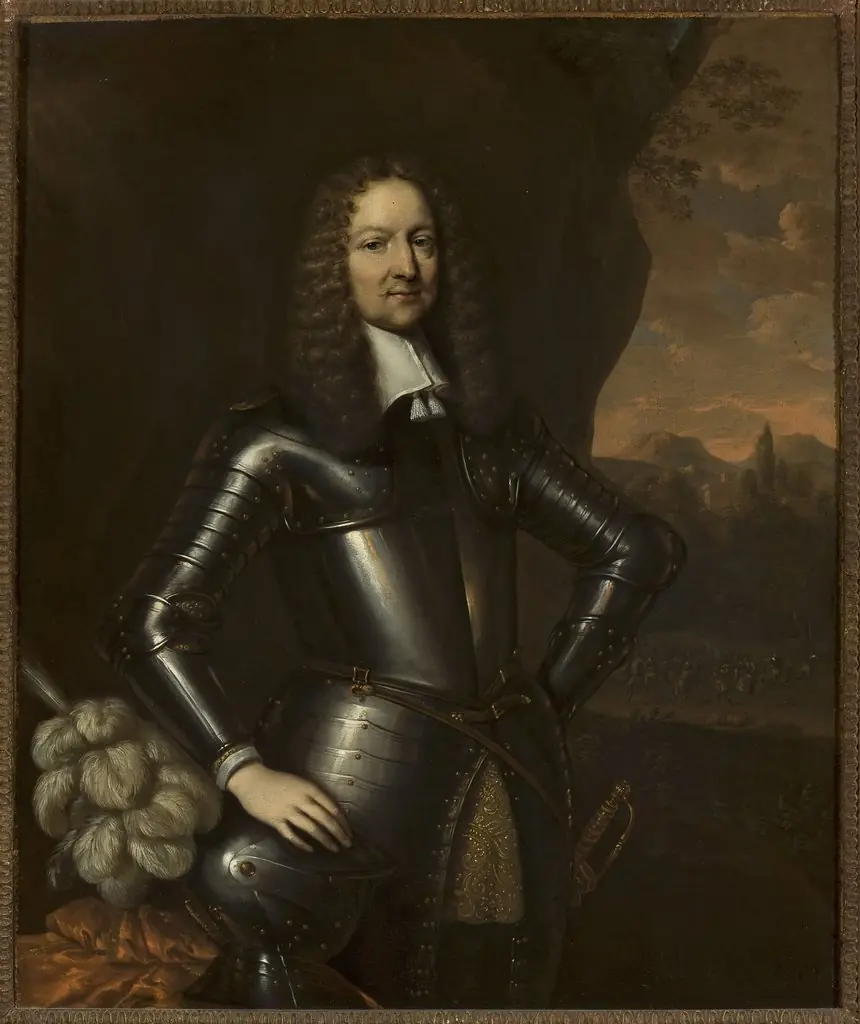 Portrait of Kronprinz Wilhelm Heinrich zu Brandenburg
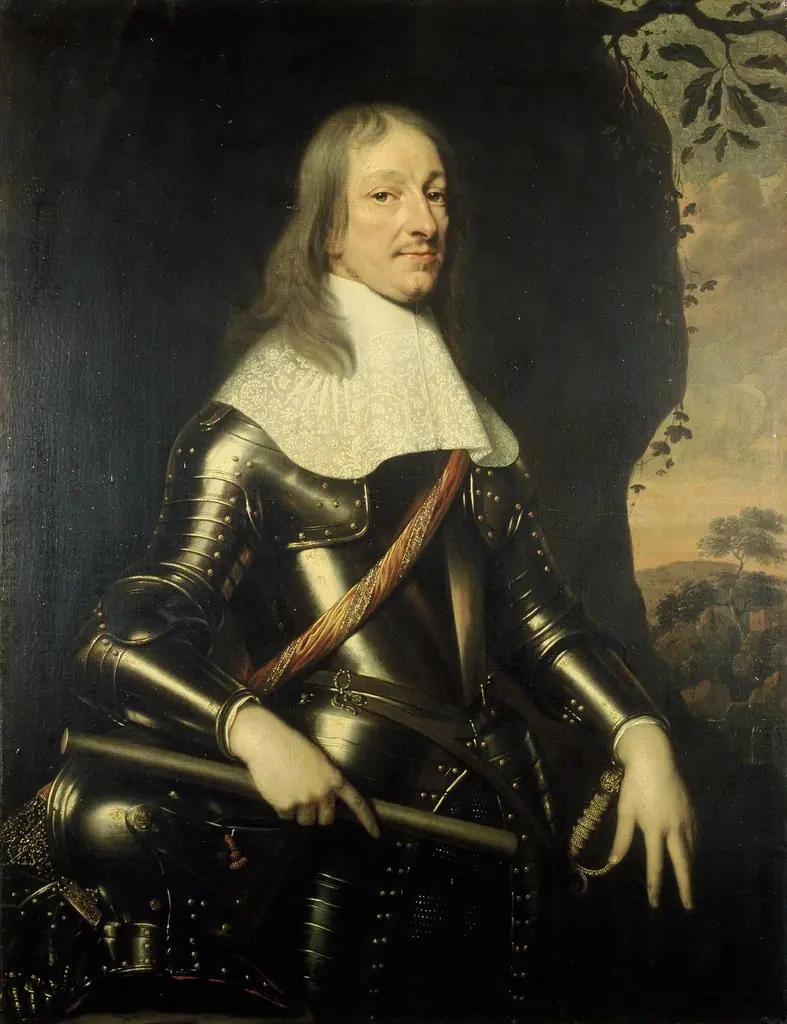 Portrait of Stadholder Willem Frederik (1613- 1664)
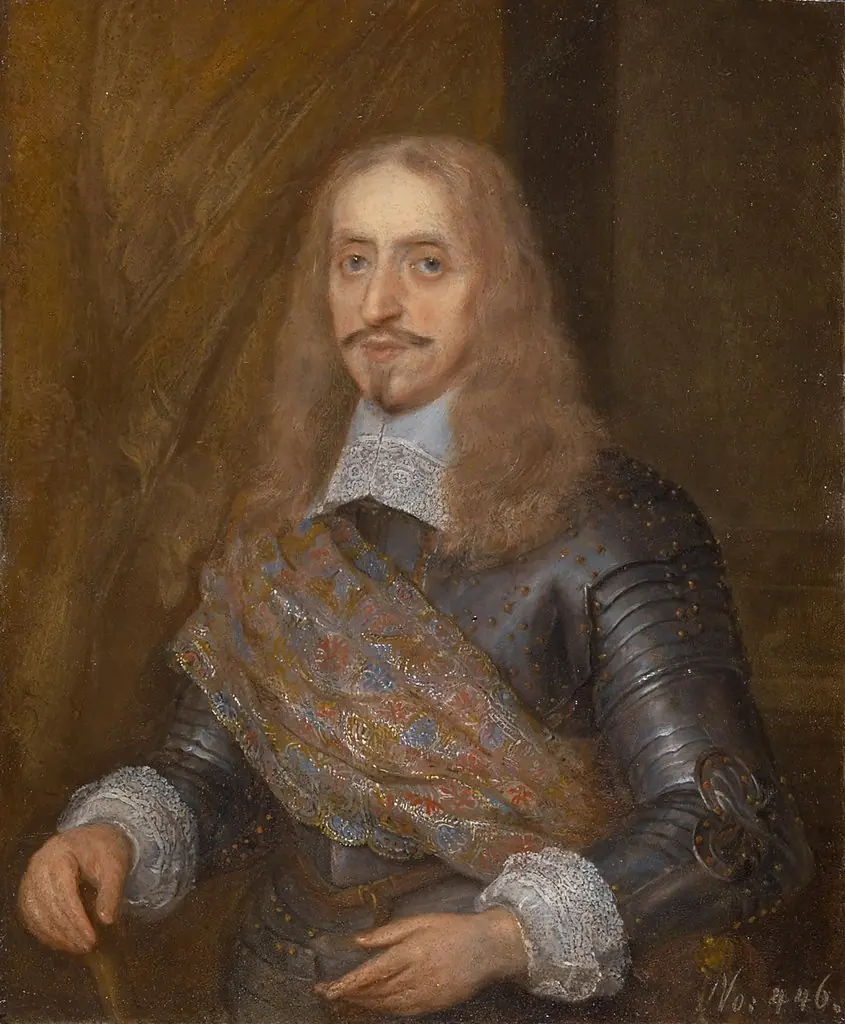 Leopold Wilhelm, geboren 1614, Bischof v. Passau u. Straßburg 1625, v. Halberstadt 1628, v. Olmütz 1637, v. Breslau 1655, Hoch- und Deutschmeister 1642, Statthalter d. Niederlande 1646-56, gestorben 1
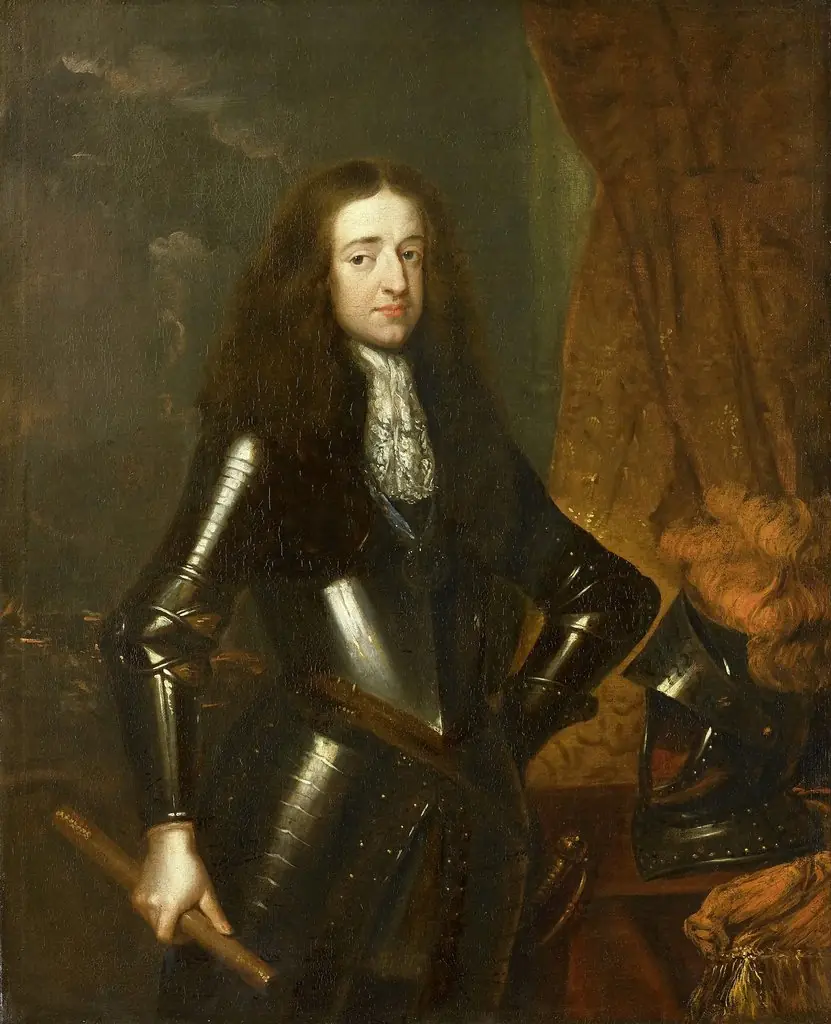 Portrait of Willem III (1650-1702), Prince of Orange and since 1689, King of England
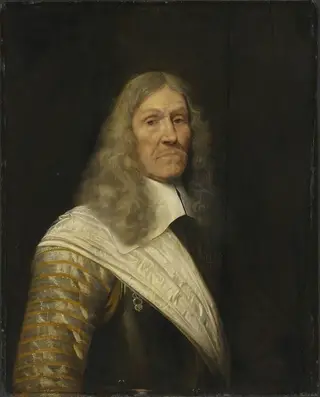 Bildnis eines Feldherrn
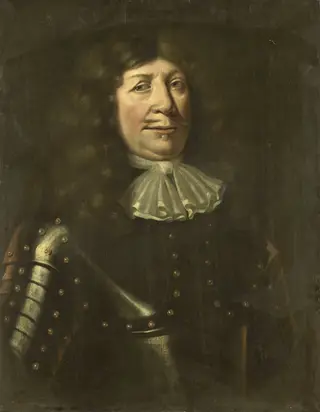 Portrait of Carel Rabenhaupt, Lieutenant-General
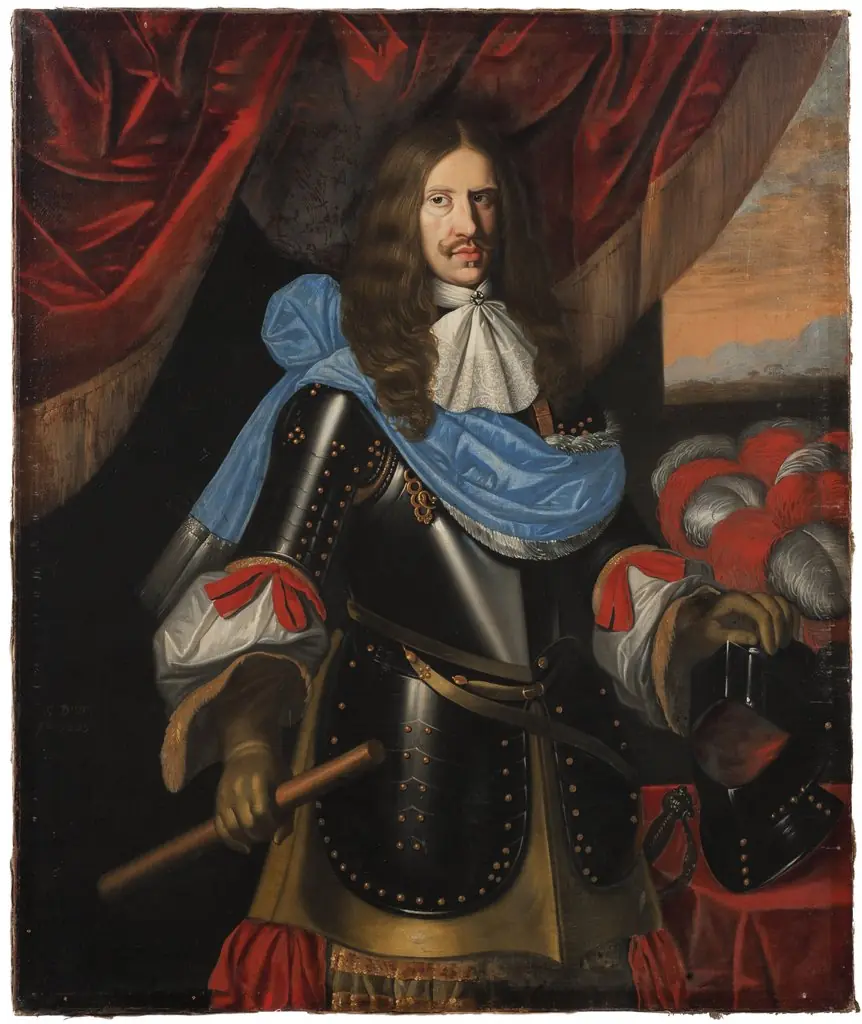 Ludvig VI, 1630-78, lantgreve av Hessen-Darmstadt
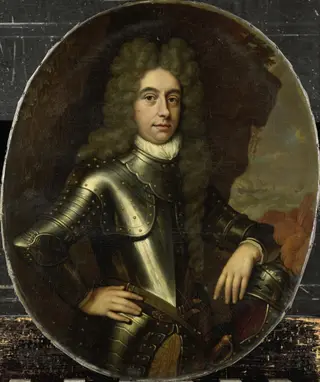 Portrait of Harmen Lijnslager, Secretary of the Admiralty of Amsterdam
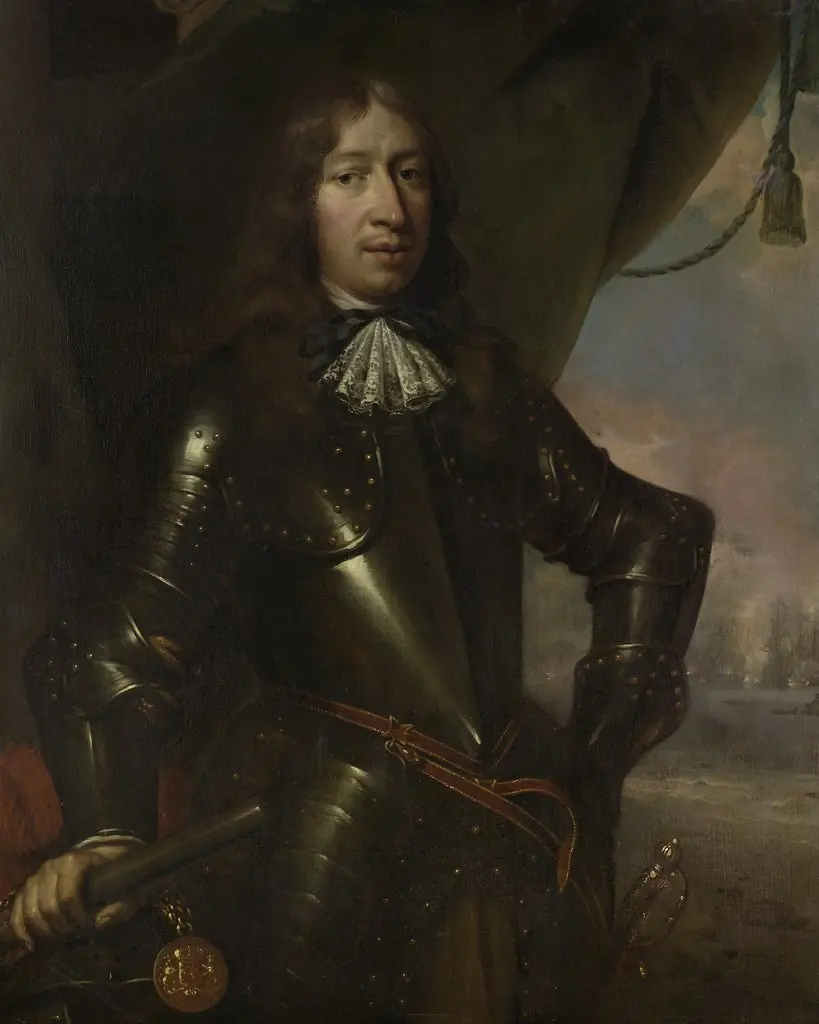 Portrait of Willem Joseph Baron van Ghent (1626-72), vice-admiral