Artwork
Jacob de Witte (1628-79), lord of Haamstede
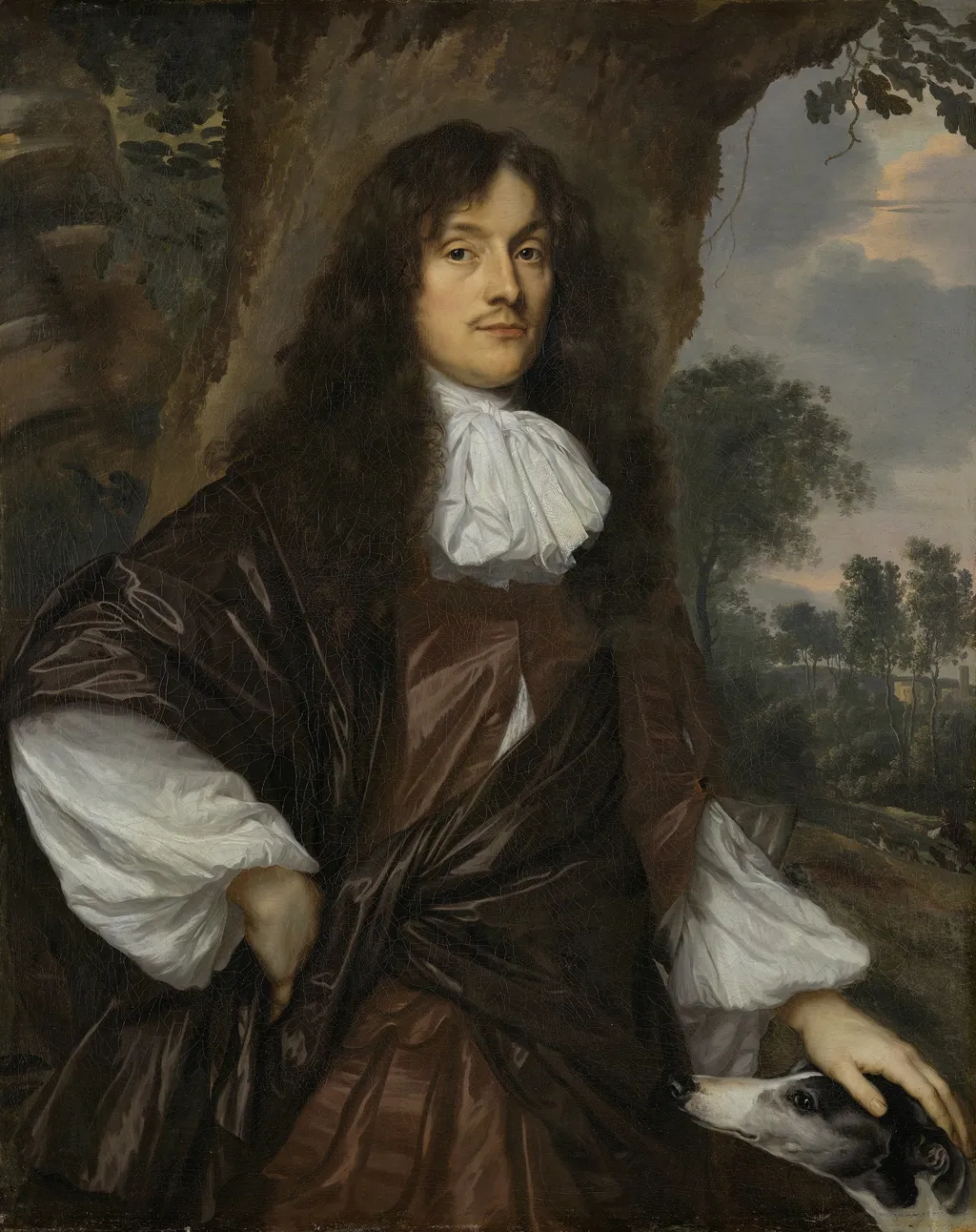
Jacob de Witte (1628-79), lord of Haamstede is an oil painting by the Dutch Golden Age artist Johannes Mytens. It dates from 1660 and is held in the collection of the Rijksmuseum.
About this work
Technique & Style
Executed in 1660, this portrait of Jacob de Witte is an oil painting on canvas. The work measures 113 cm in height and 91 cm in width. As a formal portrait, the composition focuses on the sitter's likeness within the conventions of seventeenth-century Dutch portraiture.
The piece is currently held in the collection of the Rijksmuseum, having entered via the Adriaan van der Hoop bequest.
History & Provenance
Its dimensions are 113 cm in height and 91 cm in width, establishing it as a significant example of Dutch Golden Age portraiture.
Jacob de Witte (1628-79), lord of Haamstede, was painted by Johannes Mytens in 1660 as an oil on canvas portrait. The work entered the Rijksmuseum collection through the Adriaan van der Hoop bequest and remains on display there. Its dimensions are 113 cm in height and 91 cm in width, establishing it as a significant example of Dutch Golden Age portraiture.
The painting Jacob de Witte (1628-79), lord of Haamstede, is part of the Rijksmuseum collection under the Adriaan van der Hoop holdings and is displayed at the Rijksmuseum in Amsterdam. It was created in 1660 by Johannes Mytens as an oil on canvas portrait. The work has been featured in exhibitions at the Rijksmuseum, including those highlighting Dutch Golden Age portraiture.
Context
Jacob de Witte (1628-79), lord of Haamstede, exemplifies 17th-century Dutch portraiture through its formal conventions and social symbolism. The work was created by Johannes Mytens in 1660 as an oil on canvas portrait, reflecting contemporary Dutch artistic practices and aristocratic representation. Its inclusion in the Rijksmuseum's Adriaan van der Hoop collection underscores its significance within Dutch cultural heritage and ongoing scholarly interest in Mytens' oeuvre.
The painting's dimensions of 113 x 91 cm align with standard portrait formats of the period, contributing to understanding of Dutch Golden Age visual culture.
Overview
This 1660 oil painting by Johannes Mytens portrays Jacob de Witte, lord of Haamstede (1628–79), within the stylistic traditions of the Dutch Golden Age. The work is now part of the Rijksmuseum's collection.
Subject & Meaning
The subject, Jacob de Witte, is depicted in an outdoor setting, conveying elegance and refinement through his attire, a brown jacket, white ruffled collar, and white shirt, and his interaction with a black and white dog. The composition suggests a portrayal of nobility and leisure.
Legacy
As part of the Rijksmuseum's collection, the portrait contributes to the institution's holdings of Dutch Golden Age art, offering insight into the period's portraiture and the work of lesser-documented artists like Mytens.
Own this work as a print
Artist & collection
Artist
Johannes Mytens or Jan Mijtens, or "Mytens" to the English (c. 1614 – 24 December 1670) was a Dutch Golden Age painter, almost entirely as a portraitist. Mytens was born in The Hague. According to Houbraken, Johannes…

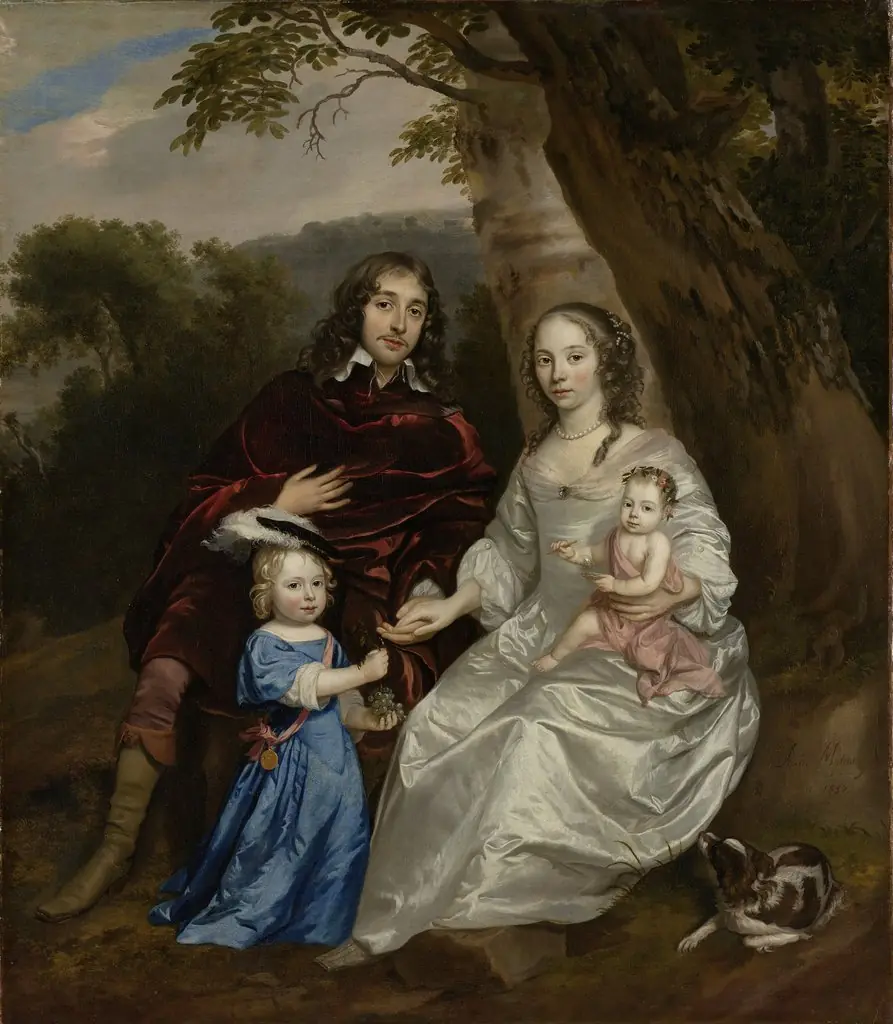 Govert van Slingelandt (1623-90), lord of Dubbeldam. With his first wife Christina van Beveren and their two sons
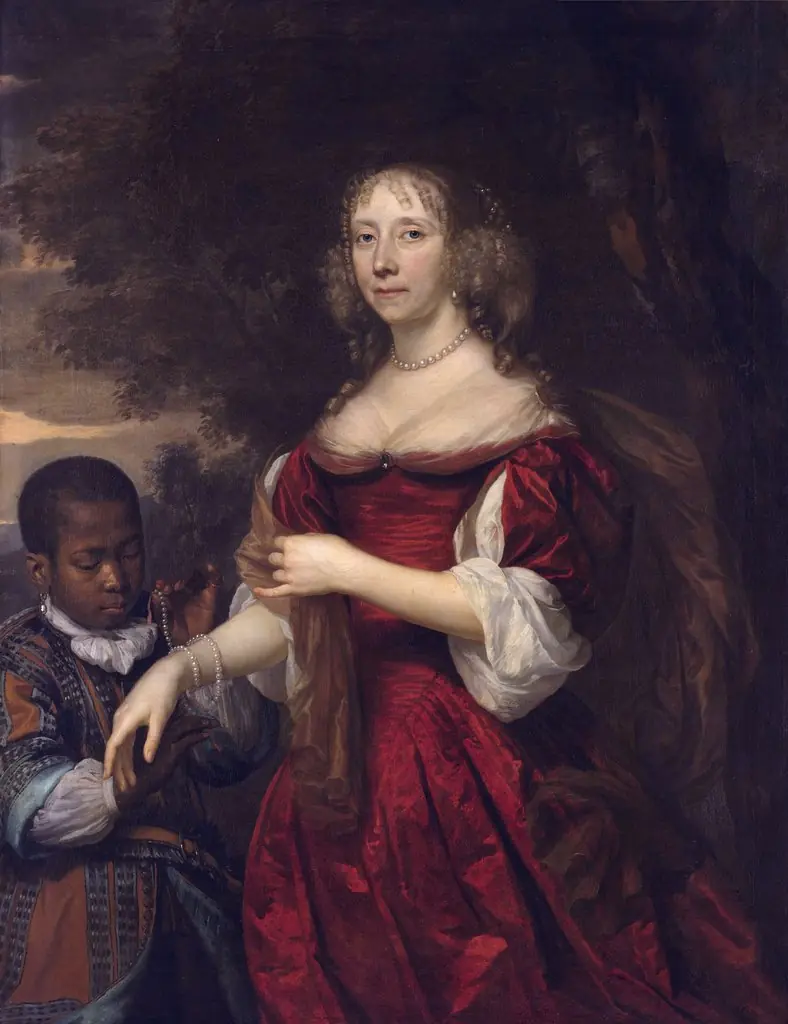 Portrait of Margaretha van Raephorst (d 1690). Wife of Cornelis Tromp
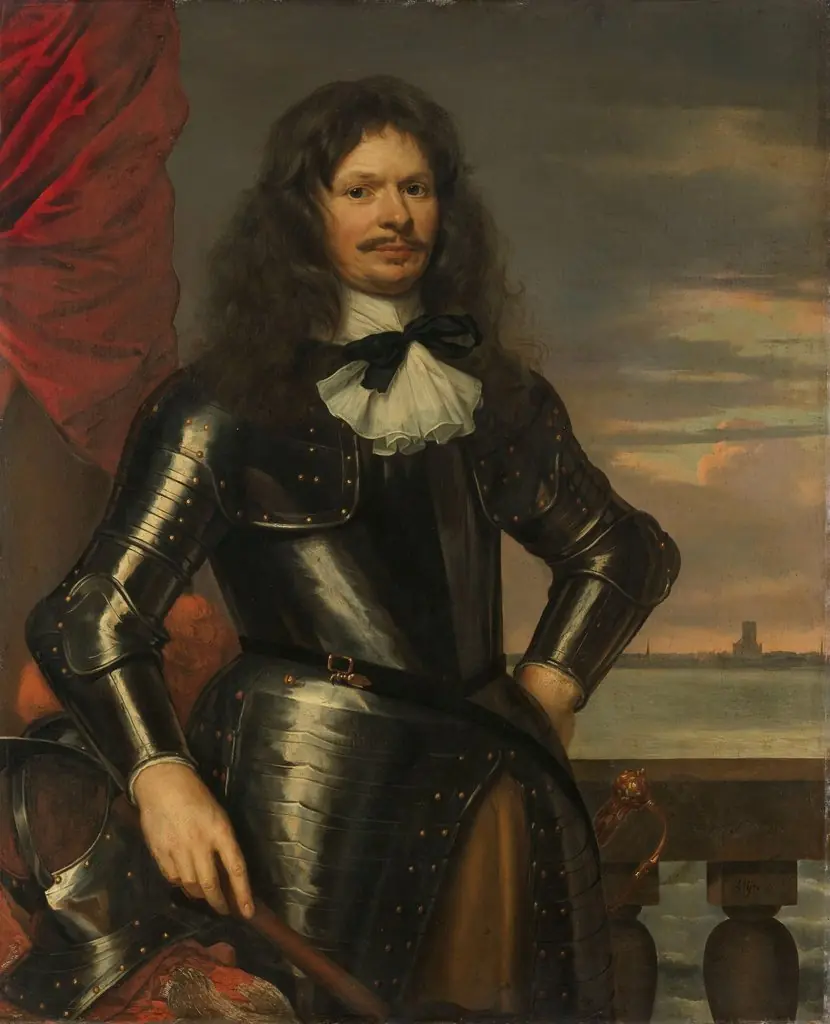 Portrait of Johan van Beaumont. Colonel in the Holland guards and commander of Den Briel
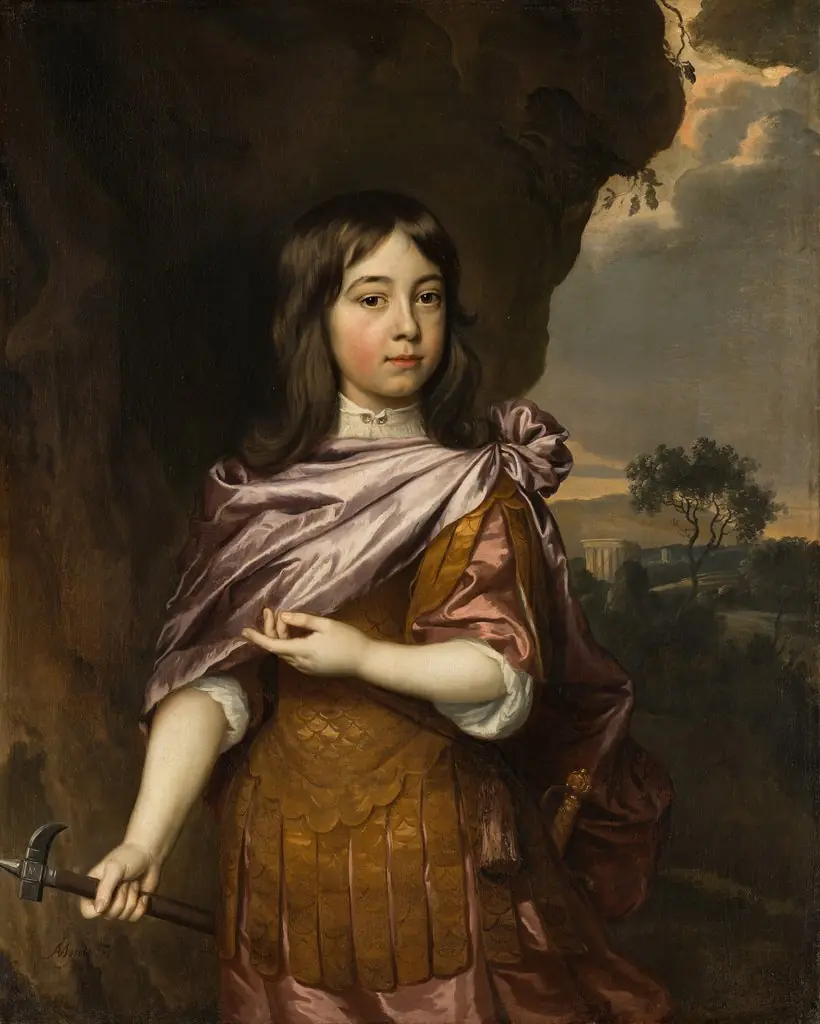 Portrait of Wolfert van Brederode
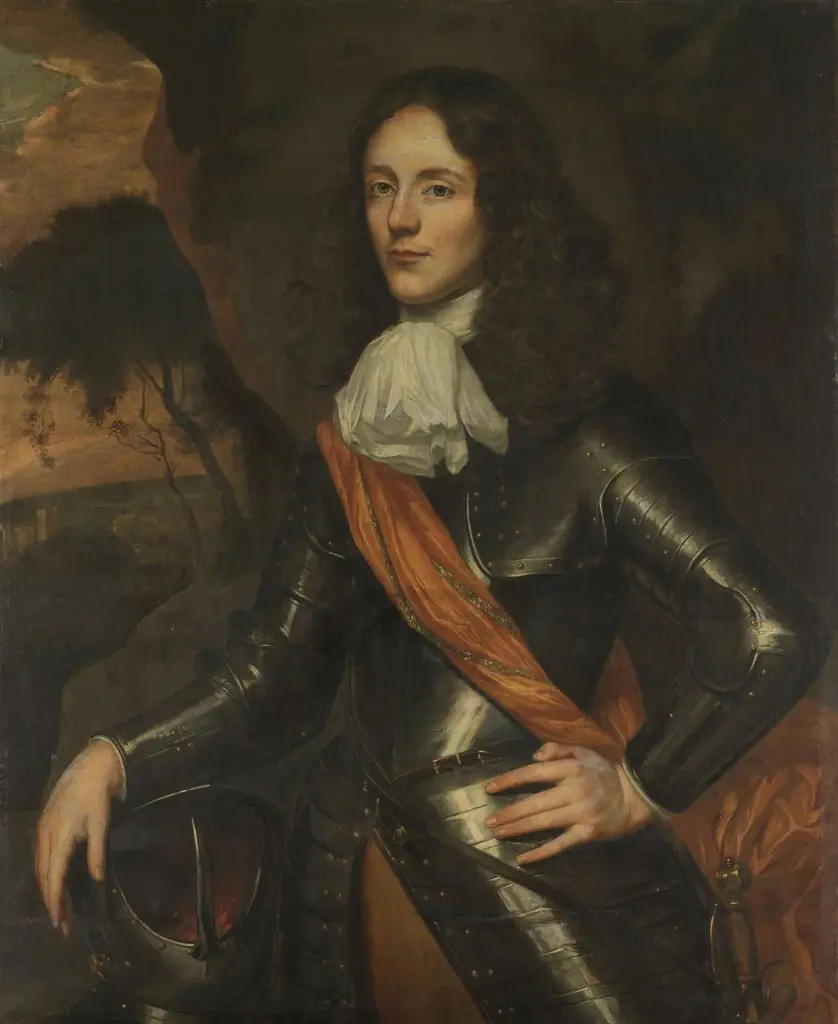 A military officer
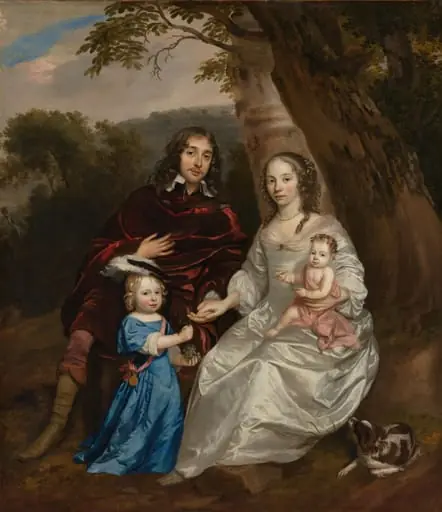 Portrait of Govert van Slingelandt (1623-1690), with his First Wife Christina van Beveren (1632-1656) and their Two Children
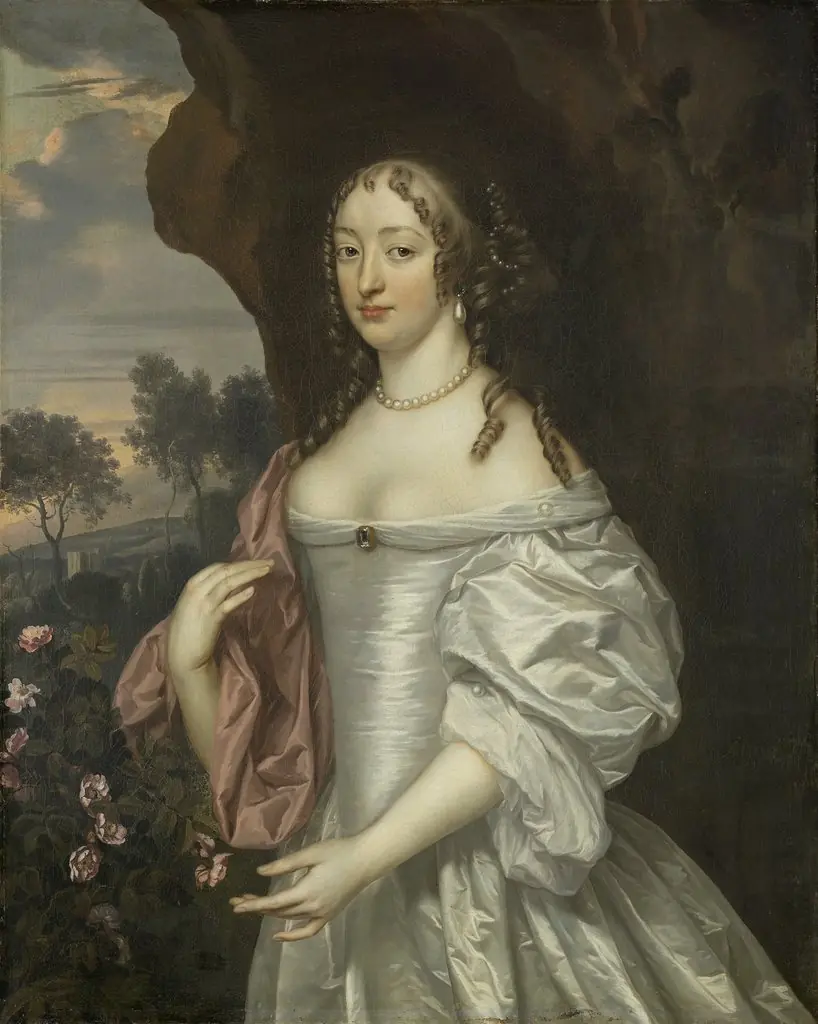 Jacoba van Orliens (1643-91). Wife of Jacob de Witte van Haamstede
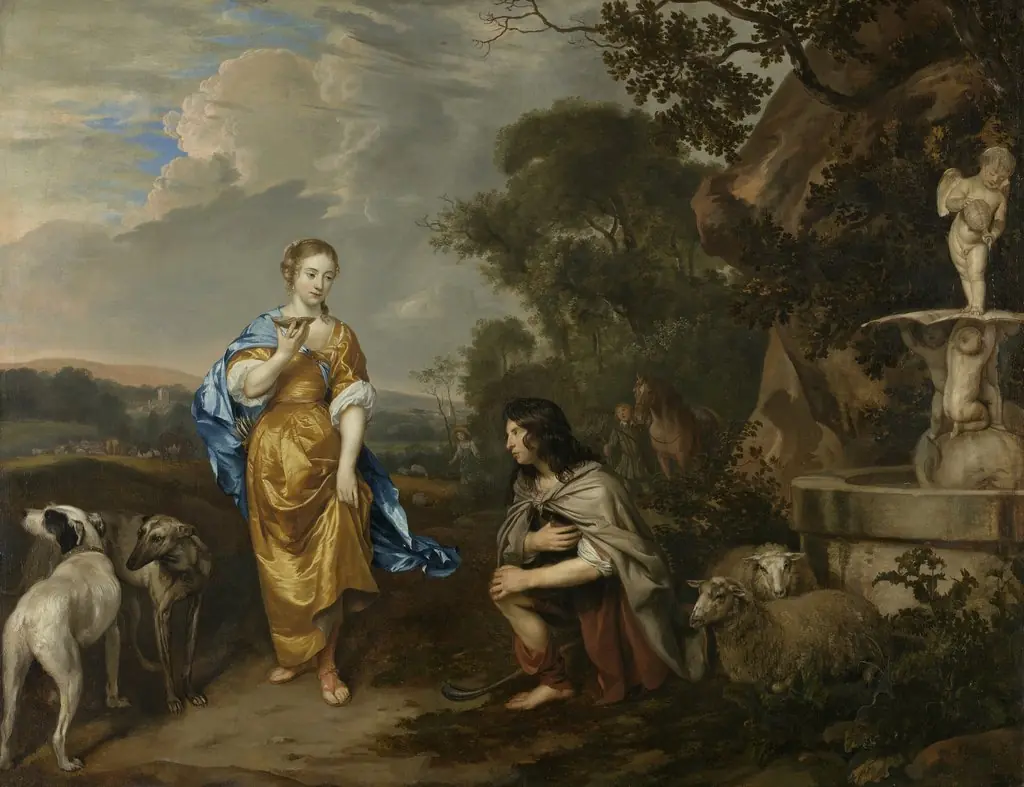 Double portrait of a young couple as Granida and Daiphilo
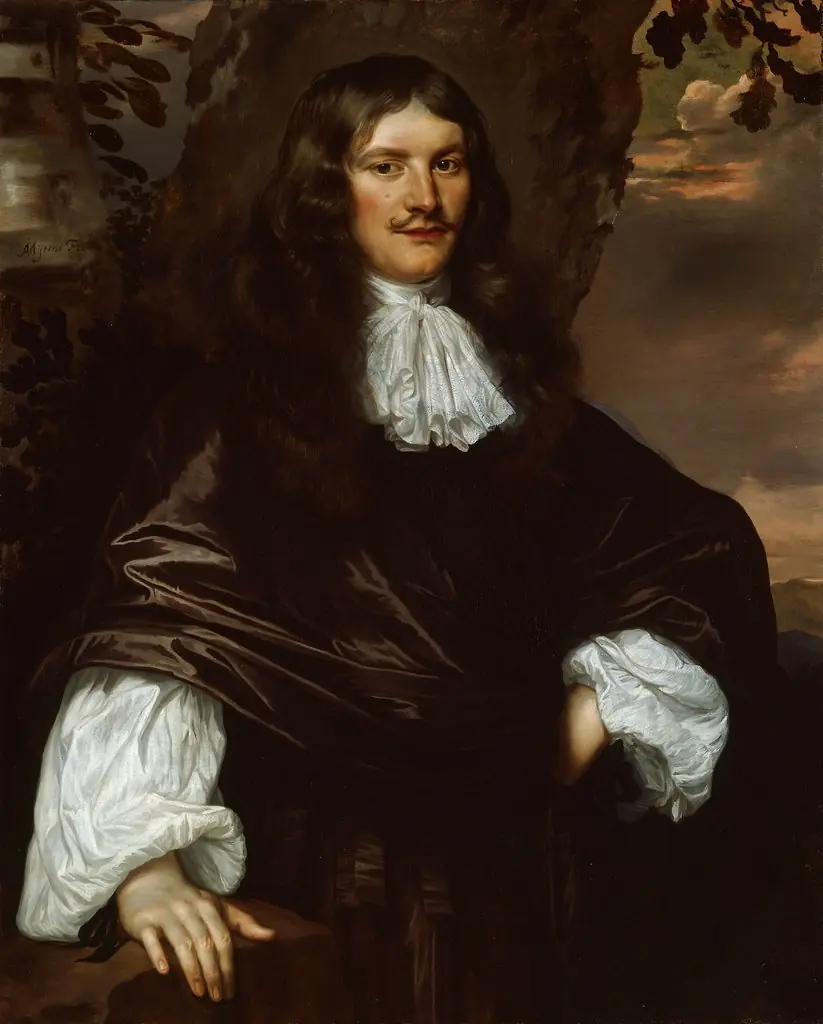 Portrait of a Man
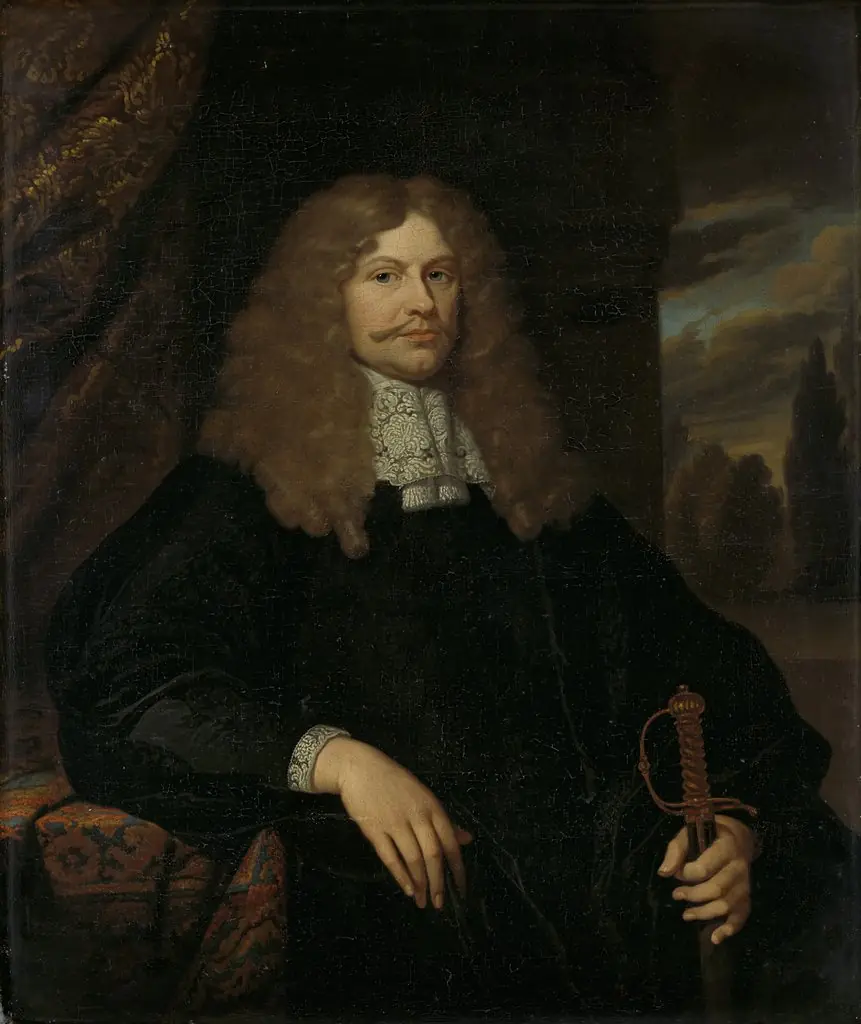 Portrait of Cornelis Backer (1633-81), councillor, alderman, and colonel of the Amsterdam militia
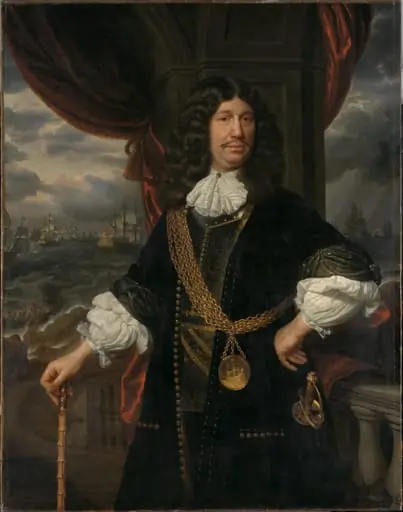 Portrait of Mattheus van den Broucke (1620-1685). Councillor of the Indies
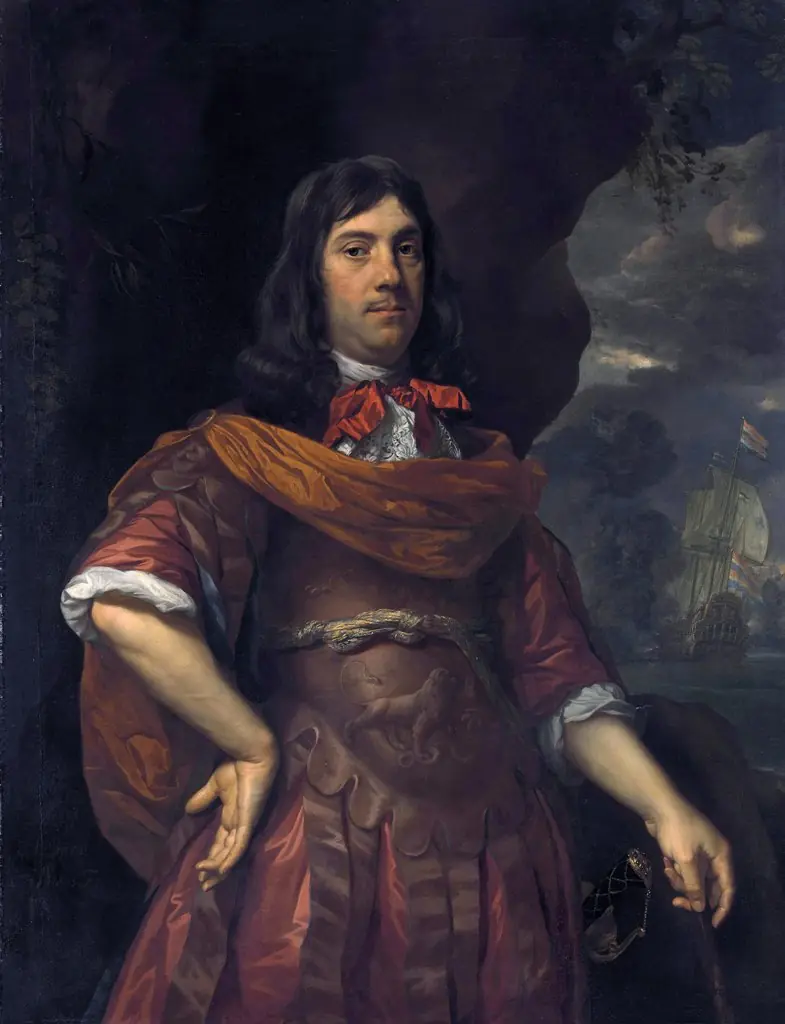 Cornelis Tromp (1629-91). Lieutenant-admiral general
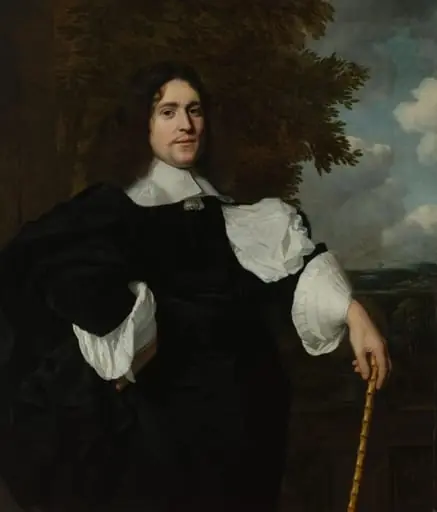 Jacobus Trip (1627-70), Armaments Dealer of Amsterdam and Dordrecht
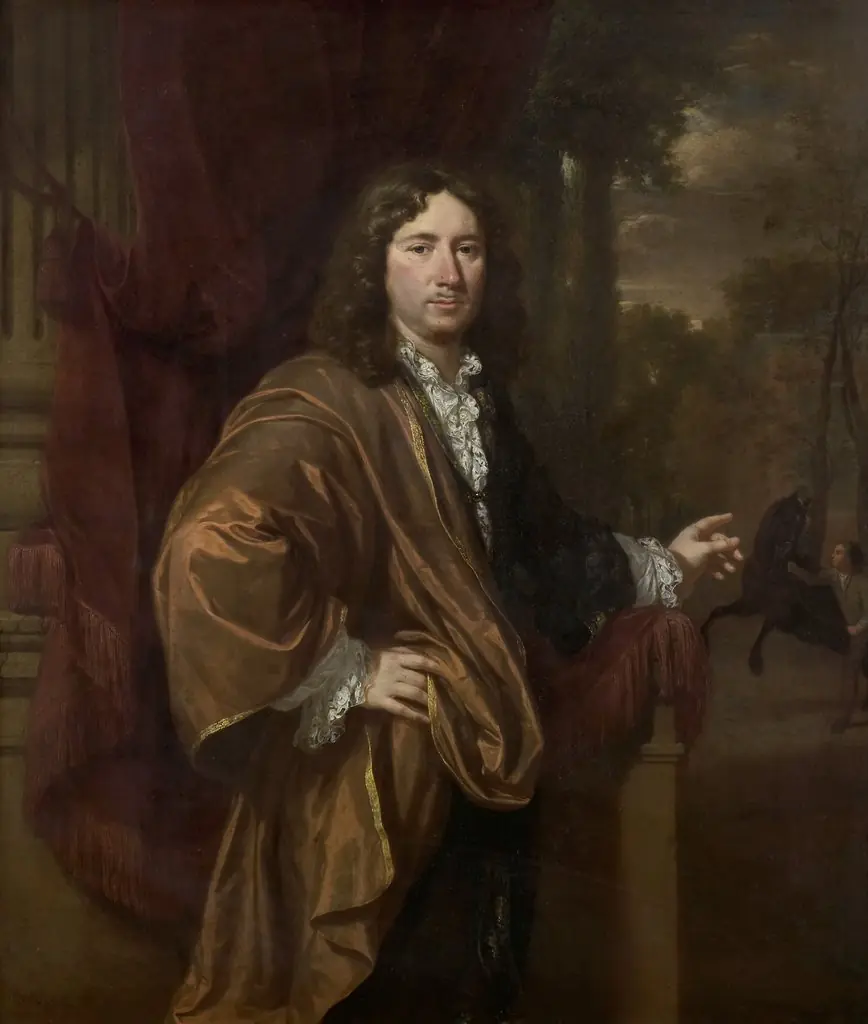 Portrait of a Man
 Portrait of a Man
 François Leidecker (1650-1718), Auditor General of Zeeland
 Portrait of Edward Hyde
 Portrait of François de Vicq (1646-1707). Burgomaster of Amsterdam for several terms from 1697 on