Artwork
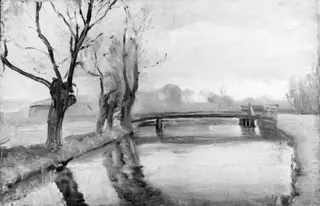
Landschap met brug
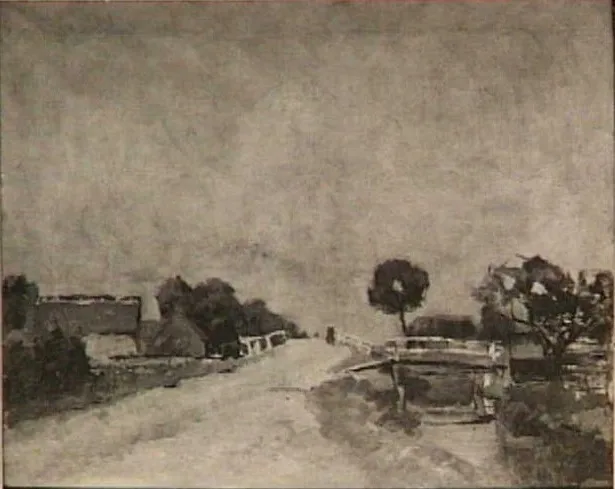
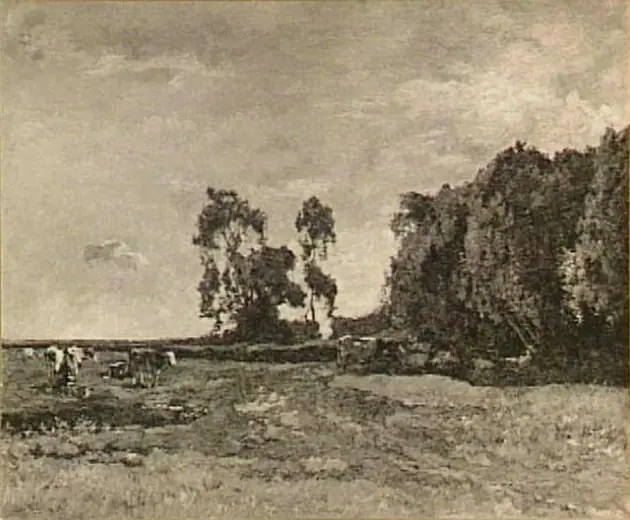
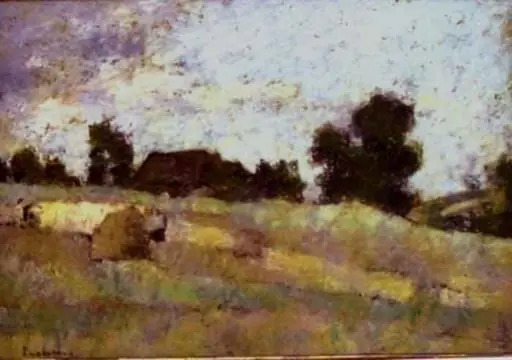
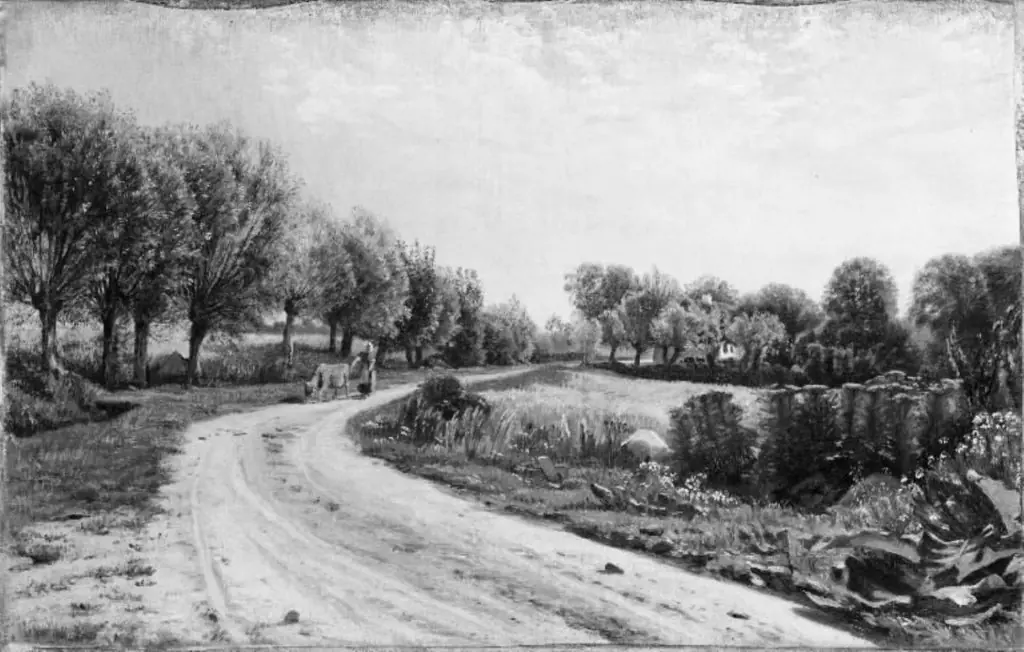
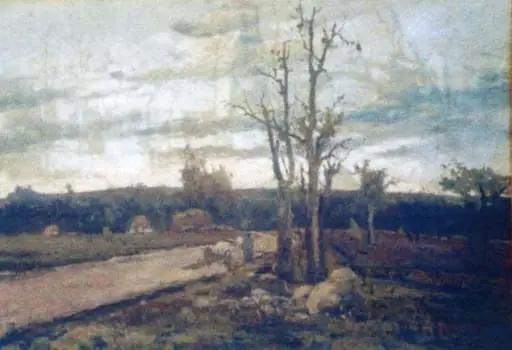
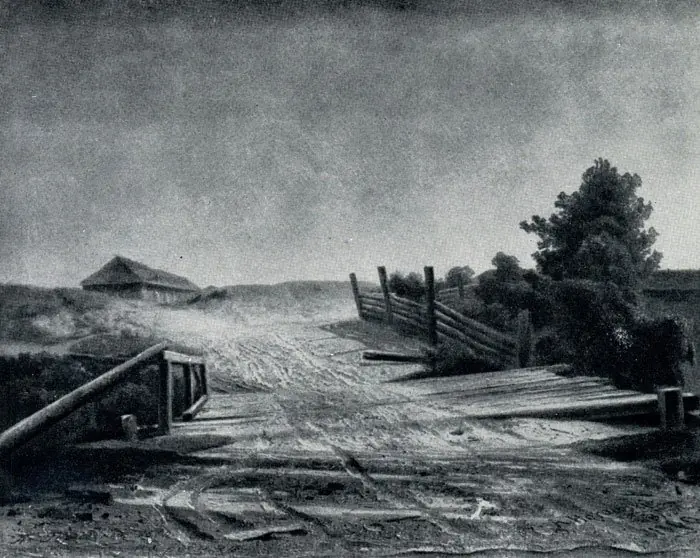
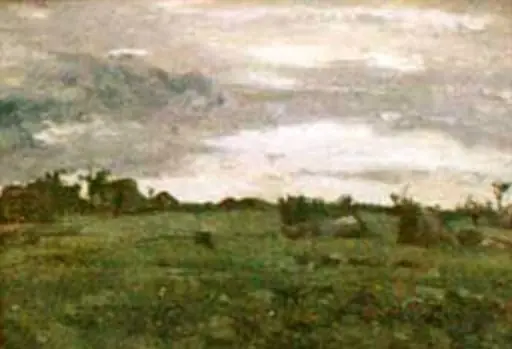
Landschap met brug is an oil painting by the Impressionist artist Jan Hillebrand Wijsmuller. It dates from 1902 and is held in the collection of the Rijksmuseum.
About this work
Subject & Meaning
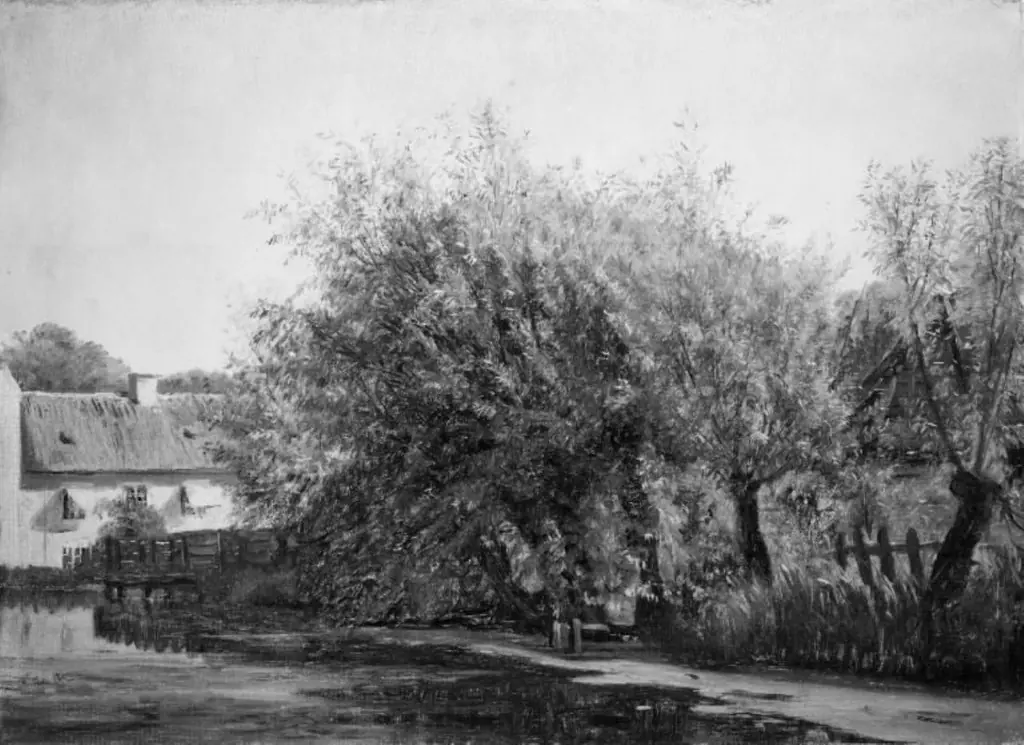
Along with this prominent feature, the scene depicts trees and a house, situating the architecture within a rural or natural setting.
As a landscape painting, the work represents a natural and built environment. The title, translating to Landscape with Bridge, identifies a bridge as the central structural element of the composition. Along with this prominent feature, the scene depicts trees and a house, situating the architecture within a rural or natural setting.
The work captures the intersection of human infrastructure and the surrounding landscape, reflecting the traditional focus of the genre on the relationship between the countryside and its inhabited elements.
Technique & Style
Jan Hillebrand Wijsmuller’s Landschap met brug (1902) is executed in oil paint on canvas, a standard support for late 19th- and early 20th-century European landscape painting. The work measures 76 × 100 cm, providing a horizontal format suited to expansive rural scenery.
Stylistically, the painting aligns with the Dutch Impressionist approach, characterized by loose, visible brushwork and a focus on natural light and atmospheric effects. The handling is immediate, with quick, gestural strokes that capture fleeting impressions of trees, water, and architecture. Colors appear luminous and harmoniously blended, suggesting Wijsmuller’s engagement with plein-air techniques, though no direct evidence of outdoor execution is provided in the sources.
The condition of the work is not detailed, but its inclusion in the Rijksmuseum collection implies preservation in stable museum conditions.
History & Provenance
Jan Hillebrand Wijsmuller created the oil painting Landschap met brug in 1902. Executed on canvas, the work measures 76 cm in height and 100 cm in width. The artwork is currently held within the collection of the Rijksmuseum, which manages it as part of the Cultural Heritage Agency of the Netherlands Art Collection.
Context
Landschap met brug (1902) by Jan Hillebrand Wijsmuller is classified as a landscape painting, reflecting the artist's focus on naturalistic scenes with architectural elements such as trees and houses. Its creation during the early 20th century situates it within the broader Dutch artistic tradition, though specific scholarly analyses of its reception remain limited. The work is held in the Rijksmuseum collection and has been documented in cultural heritage inventories, underscoring its institutional significance.
Dimensions of 76 cm by 100 cm align with the recorded material specifications, confirming its physical presence as an oil-on-canvas composition.
Legacy
The work influenced early 20th-century Dutch landscape painting through its atmospheric treatment of rural scenes and modest scale. Its inclusion in the Rijksmuseum collection established the artist's reputation within institutional frameworks of heritage preservation. The painting's compositional emphasis on natural elements contributed to regional interpretations of the Dutch countryside in post-impressionist practice.
The artist's legacy is anchored by this work's presence in the Rijksmuseum, where it remains part of the permanent collection.
The painting measures 100 cm in width and 76 cm in height.
Overview
Jan Hillebrand Wijsmuller’s 1902 oil painting Landschap met brug portrays a tranquil, mist‑shrouded lane crossed by a modest stone bridge. The composition is dominated by muted grays and browns, punctuated by darker shadows that suggest depth. A solitary tree and a cluster of low buildings frame the right side, while the still water beneath the bridge reflects the subdued atmosphere.
Artist & collection
Artist
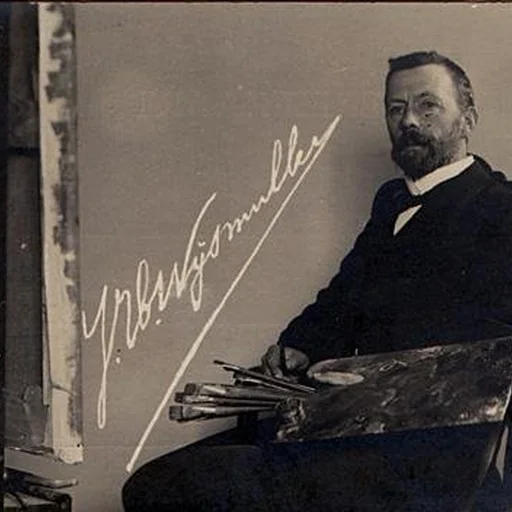
Jan Hillebrand Wijsmuller (13 February 1855 in Amsterdam – 23 May 1925 in Amsterdam) was a Dutch painter.