Artwork
Portret van een vrouw
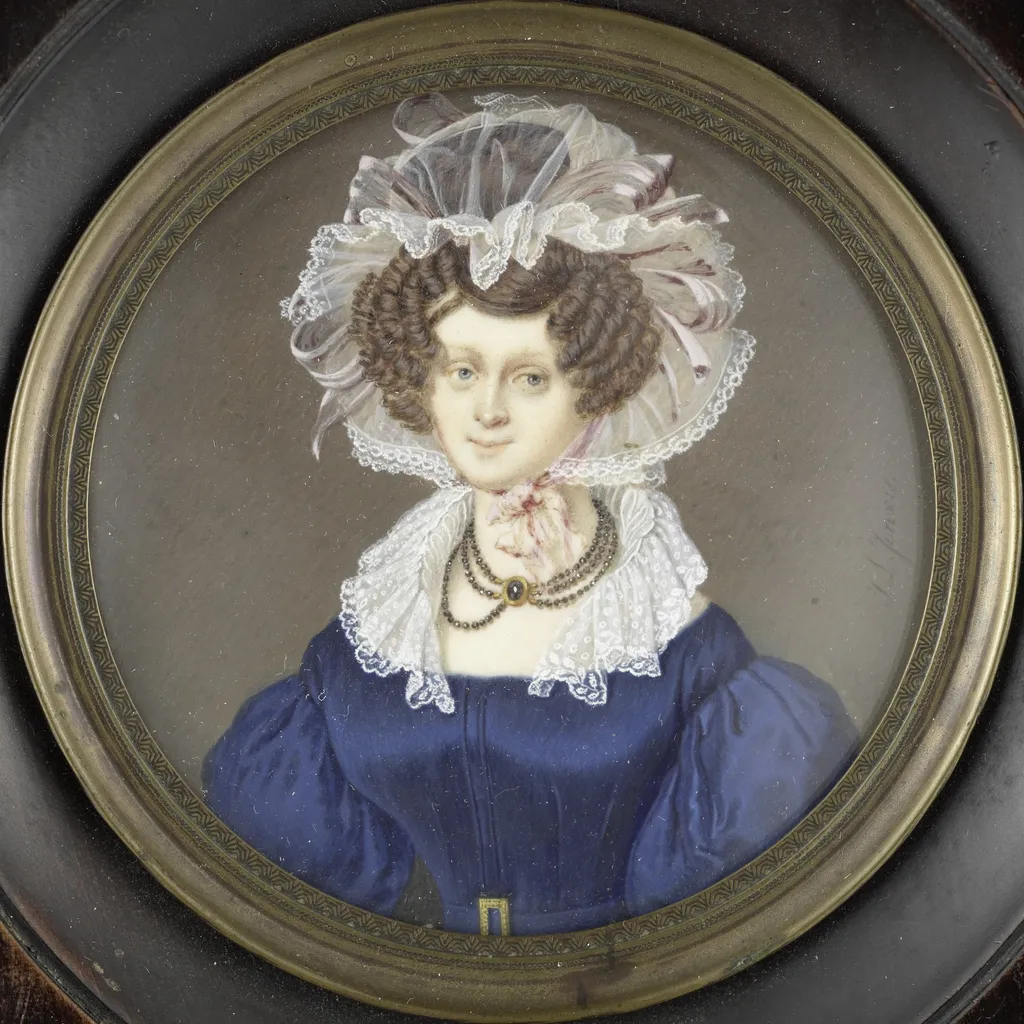
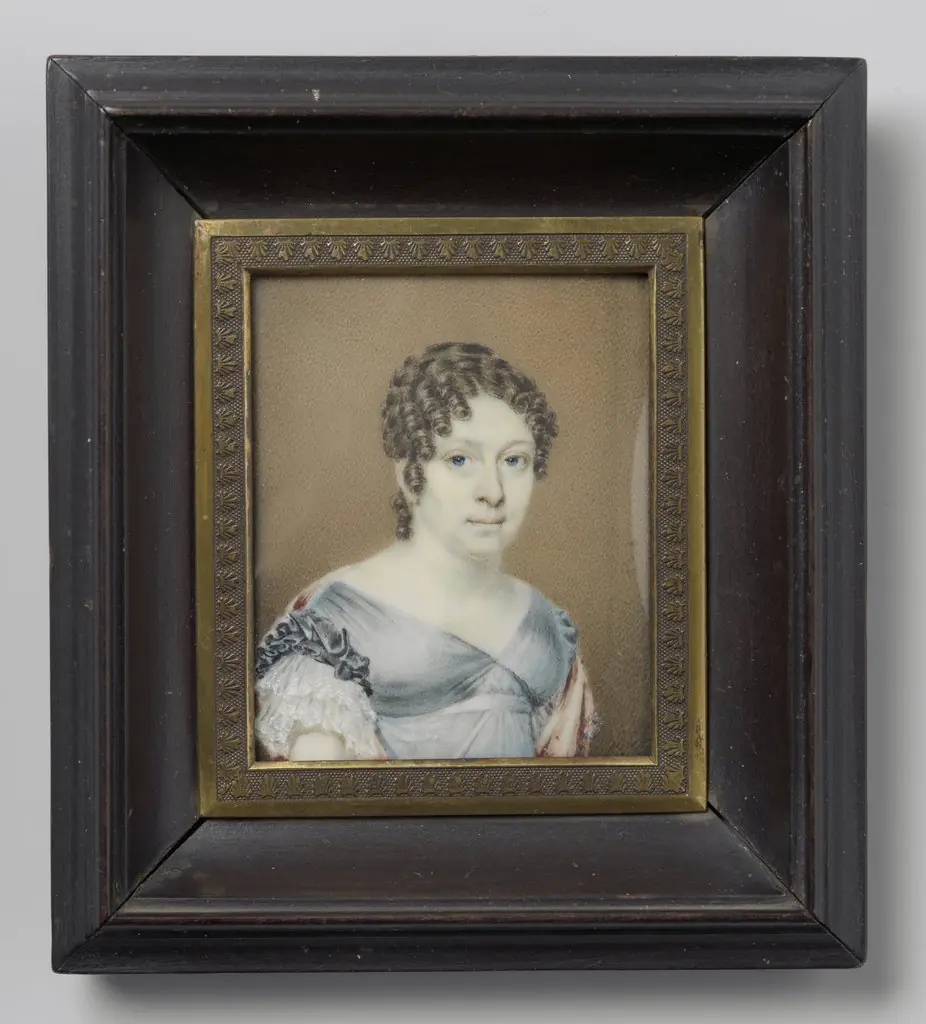
Portret van een vrouw is an ivory painting by Jan Lodewijk Jonxis. It dates from 1833 and is held in the collection of the Rijksmuseum.
About this work
Subject & Meaning
The work portrays an unidentified woman, executed in ivory, and is classified as a portrait. The figure is depicted wearing blue, which is noted as a prominent visual element in the composition. As a portrait, the painting focuses on capturing the likeness of the female sitter, presenting her as the central subject without additional narrative or allegorical content.
Technique & Style
Beyond the material classification and the 1833 date, no further technical, stylistic, or condition details are documented in the available sources.
The work is classified as a painting executed on ivory, a support traditionally favored for small-scale portrait miniatures. The medium is recorded as ivory, with the portrait depicting a woman. The Rijksmuseum holds the object as part of its collection.
Beyond the material classification and the 1833 date, no further technical, stylistic, or condition details are documented in the available sources.
History & Provenance
The ivory portrait titled Portret van een vrouw was created in 1833 by the artist Jan Lodewijk Jonxis. Classified as a painting, the work depicts a woman and is currently held in the collection of the Rijksmuseum. The available records confirm the date of inception as 1833 and identify the medium as ivory, but do not provide specific details regarding the original commission, previous owners, or the full chain of custody prior to its acquisition by the museum.
Context
The painting Portret van een vrouw by Jan Lodewijk Jonxis was created in 1833 using ivory as the medium and falls within the portrait genre. It depicts a woman in blue and is part of the Rijksmuseum's collection. Scholars studying Jonxis' oeuvre note that this early portrait reflects the transitional period in Dutch art before Romanticism gained full momentum, situating it within the broader context of early 19th-century portraiture.
Research on the work emphasizes its significance as an example of neoclassical techniques applied to intimate domestic subjects, though specific critical commentary from the 19th century remains undocumented in the available sources.
Legacy
The painting's later influence can be traced through its inclusion in the Rijksmuseum collection and its continued scholarly attention as a representative work of early 19th-century Dutch portraiture. Its portrayal of a woman in a contemporary yet idealized manner contributed to discussions about gender representation in Dutch art, influencing subsequent portraitists who sought to blend realism with decorative elements. The work remains frequently cited in studies of ivory miniatures and genre painting, underscoring its enduring significance within museum discourse.
Overview
Jan Lodewijk Jonxis produced this intimate portrait in 1833, rendering the likeness of a woman on a small ivory support. The work is part of the Rijksmuseum’s collection, where it is displayed as an example of early‑nineteenth‑century miniature portraiture.
Own this work as a print
Artist & collection


 Selbstbildnis
 Portrait of Ane Elisabeth (Elise) Gurlitt, né Saxild (1817-39)
 Portrait of a woman
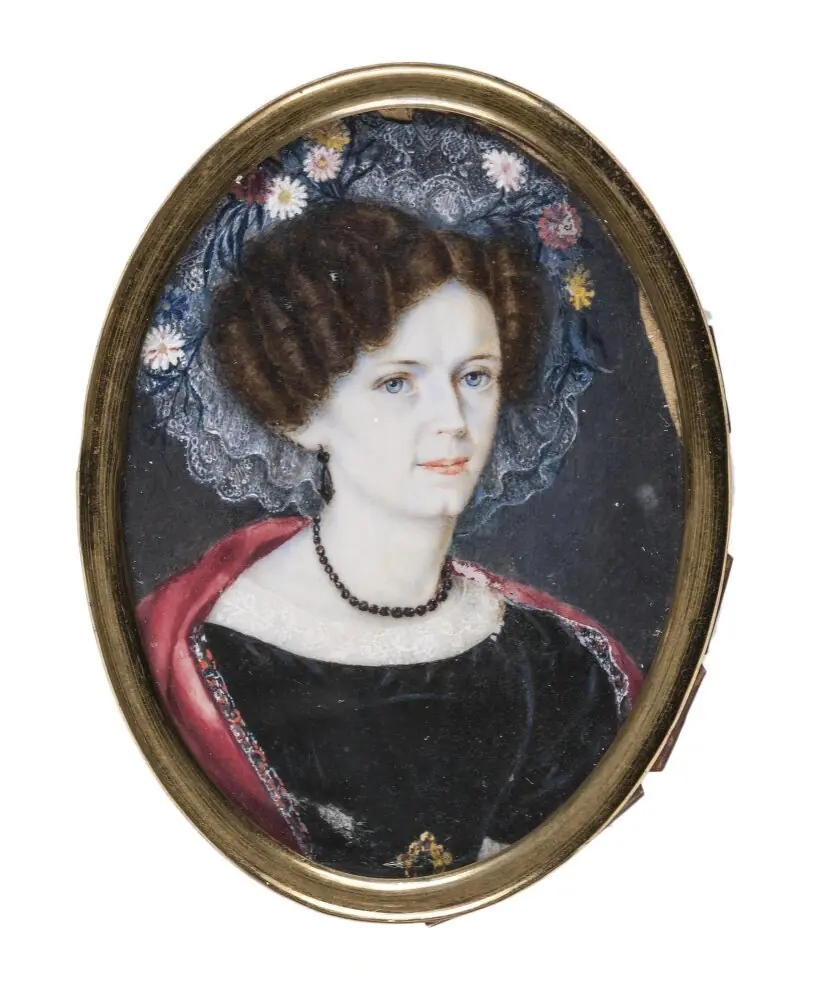 Ulrika Dahlman m. Camitz, Canoness
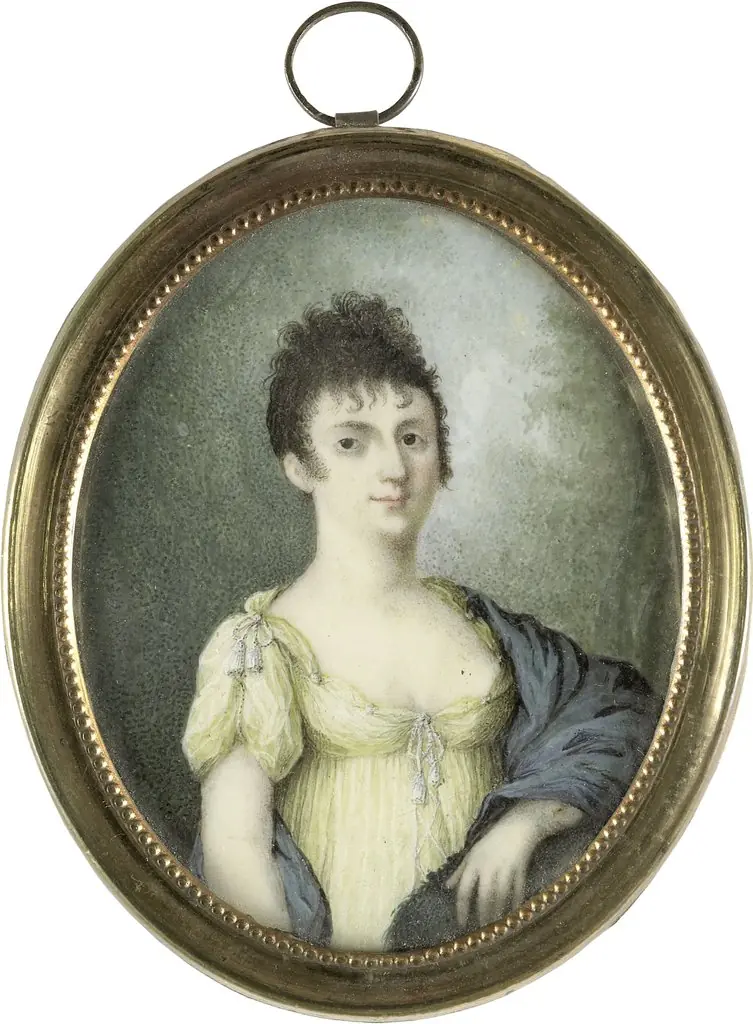 Portrait of a woman
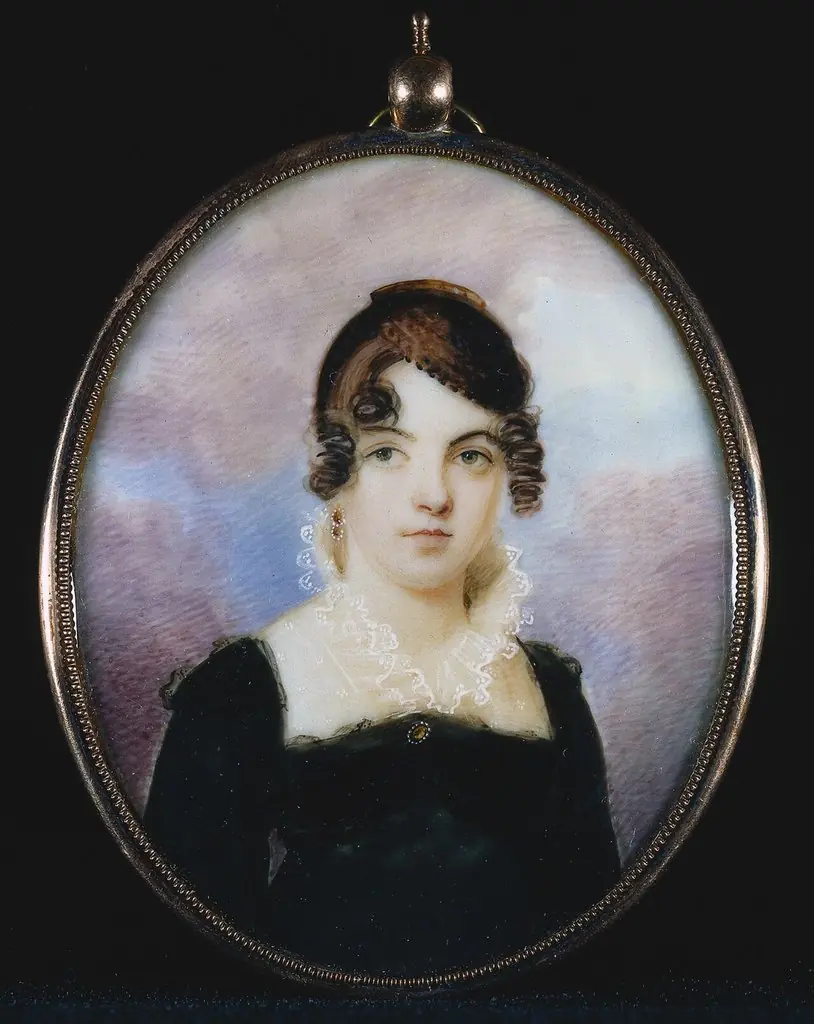 Portrait of a Woman
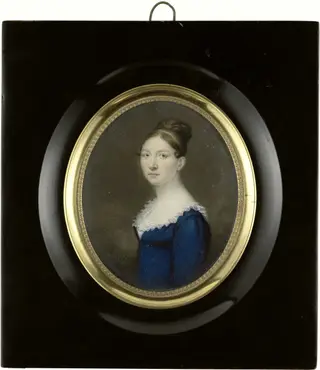 Portrait of Suzanna de Roth (1789-1822)
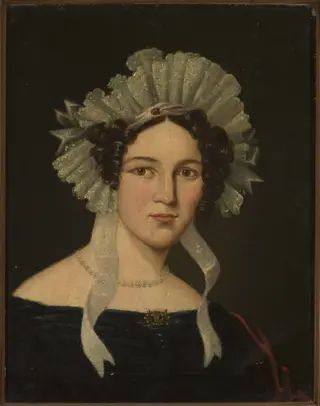 Portrait of a lady in a cap
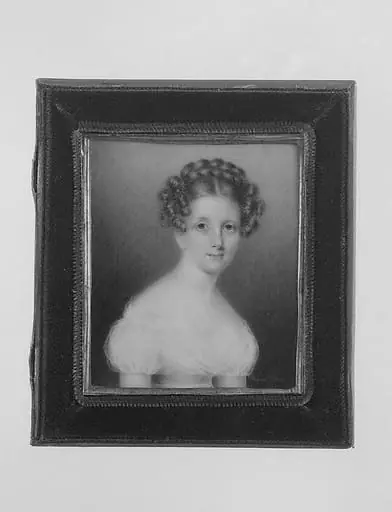 Mrs. John A. Brown (Grace Brown)
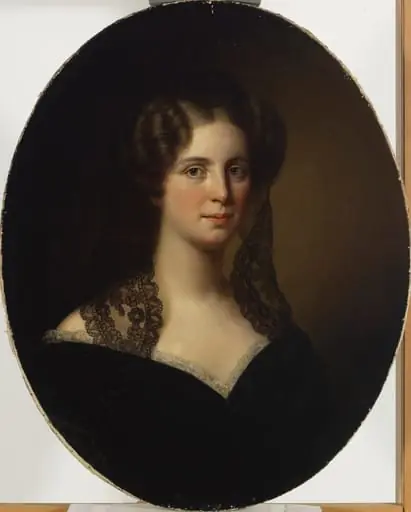 Maria Helena Rosina von Haartman
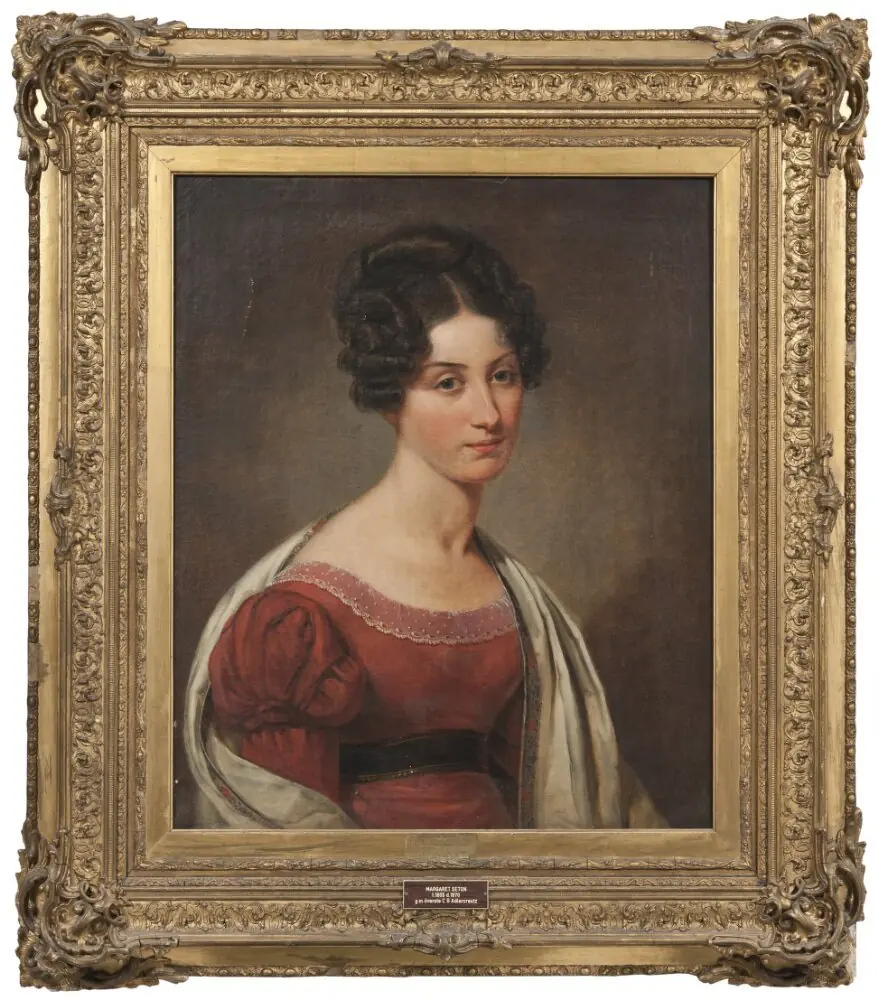 Margaret Seton (1805-1870), född i Skottland, verksam i Sverige, g.m. friherre överste Carl Gustaf Adlercreutz, sondotter till Alexander Baron Seton
- Portret van een vrouw met een parelcollier