Artwork
The Calling of Elisha
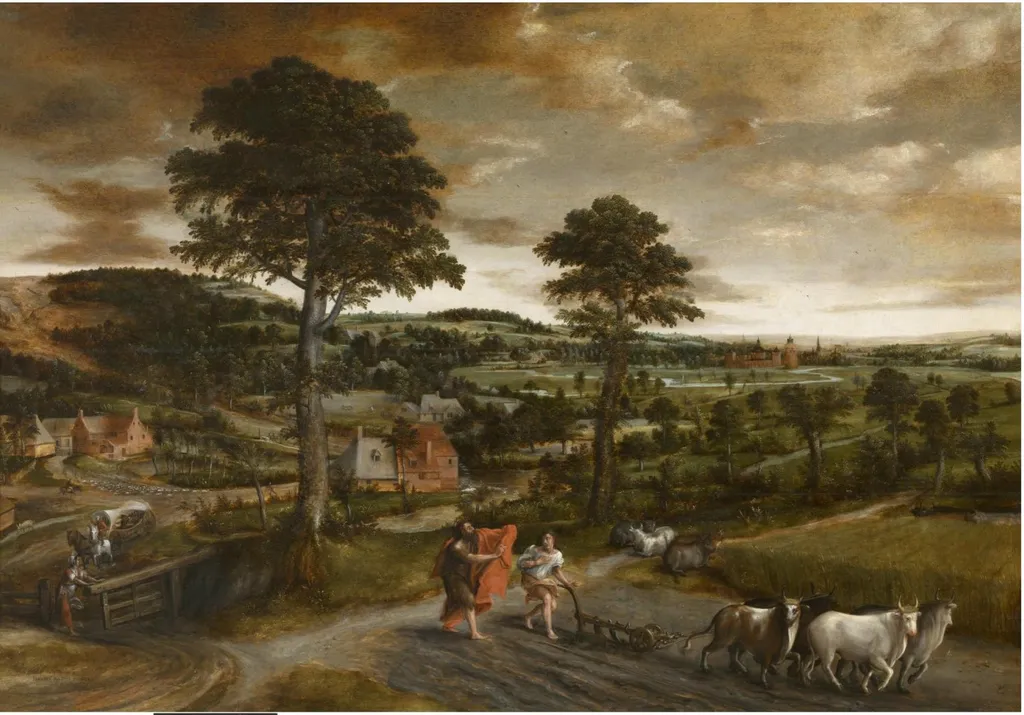
The Calling of Elisha is an oil painting by the Northern Renaissance artist Jan Matsys. It dates from 1572 and is held in the collection of the Royal Museum of Fine Arts Antwerp.
About this work
Subject & Meaning
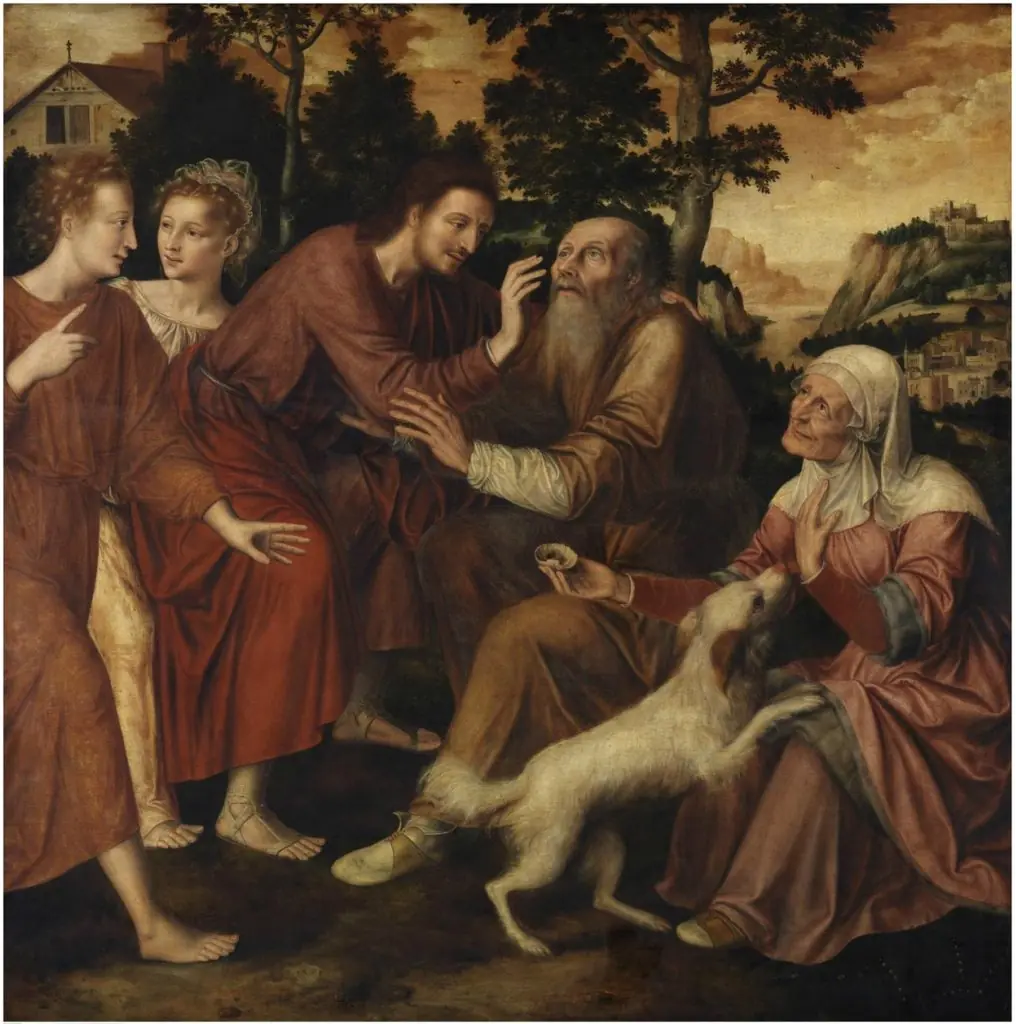
The work shows Elisha, Elijah, and the oxen associated with the ploughing scene, capturing the moment of divine summons and prophetic succession.
The painting depicts the biblical episode of the prophet Elisha being called to succeed Elijah. According to the account in the Books of Kings, Elisha was a farmer plowing a field with twelve yoke of oxen when Elijah passed by and cast his mantle over him, signaling his election as a prophet. The work shows Elisha, Elijah, and the oxen associated with the ploughing scene, capturing the moment of divine summons and prophetic succession.
As a religious painting, the image conveys the theme of vocation and obedience to a divine calling, presenting the transformation of an ordinary laborer into a chosen vessel of prophecy. The inclusion of the oxen anchors the narrative in its agrarian setting, emphasizing the contrast between Elisha's humble worldly work and the spiritual destiny conferred upon him by Elijah's gesture.
Technique & Style
The Calling of Elisha is an oil painting executed on wooden panel. The work measures 140 cm in height and 96 cm in width, reflecting its original scale as recorded in the collection documentation. Rendered in the religious genre, the composition depicts the biblical moment of Elisha’s divine call, rendered through the chiaroscuro and naturalistic detail characteristic of late Renaissance Flemish practice.
The paint layer remains largely intact, though minor craquelure is visible across the surface, indicating the panel’s age and handling over centuries.
History & Provenance
The Calling of Elisha was created by Jan Matsys in 1572, executed in oil paint on panel. According to the Wikidata record for the work, it depicts the biblical figures Elisha, Elijah, and oxen, and measures 140 cm in height by 96 cm in width. The painting is held in the collection of the Royal Museum of Fine Arts Antwerp, which is part of the Vlaamse Kunstcollectie, and its current location is the Royal Museum of Fine Arts Antwerp.
The available sources do not document the original commission, an earlier ownership chain, or any intermediate provenance prior to its acquisition by the Antwerp museum, nor do they record subsequent loans or deaccessions.
Overview
Jan Matsys, a Flemish painter of the Northern Renaissance, completed The Calling of Elisha in 1572. Executed in oil on canvas, the work is part of the Royal Museum of Fine Arts Antwerp’s collection. It presents a modest rural landscape that serves as the setting for a biblical encounter, rendered with the compositional clarity typical of Matsys’s oeuvre.
Context
During the Northern Renaissance, Flemish artists often merged biblical themes with everyday settings, making sacred stories accessible to contemporary viewers. Matsys’s choice to place the prophetic call within a familiar countryside, complete with oxen and a wagon, reflects this trend of grounding spiritual narratives in the lived experience of the period’s rural populace.
Artist & collection
Artist
Jan Matsys or Jan Massijs (c.1510 – 8 October 1575) was a Flemish Renaissance painter known for his history paintings, genre scenes and landscapes.

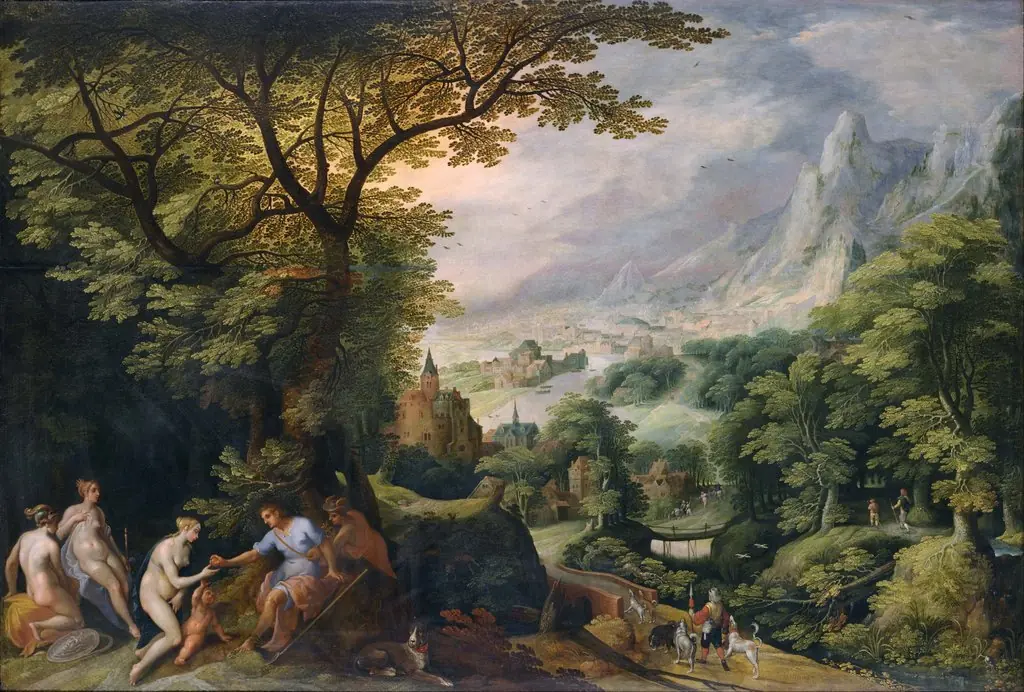 Landscape with the Judgement of Paris
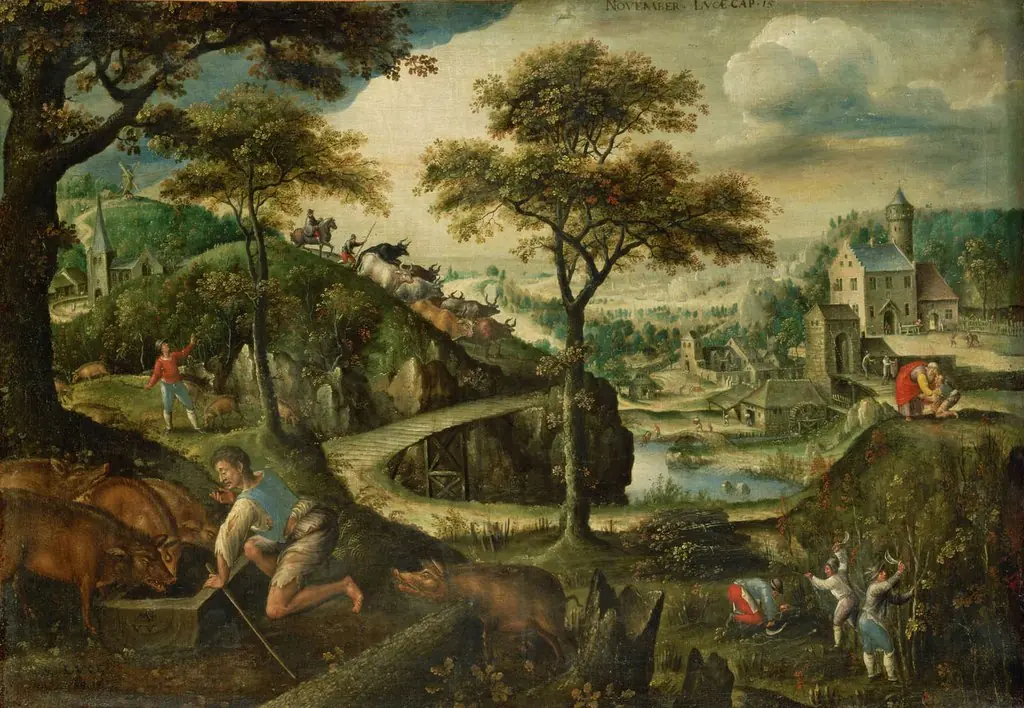 Parable of the prodigal son (November)
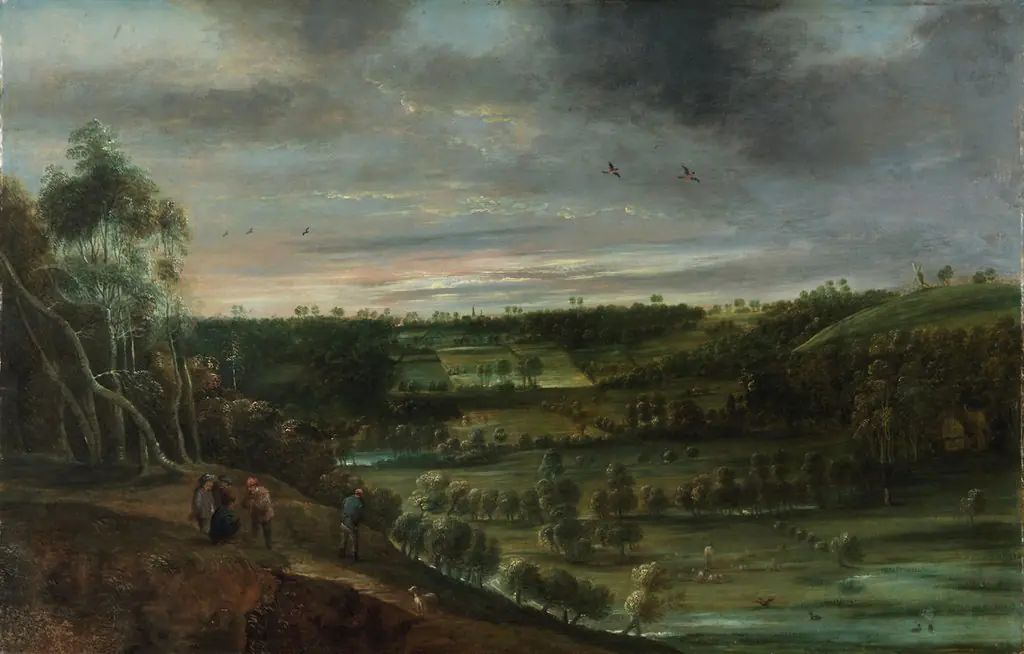 Evening Landscape
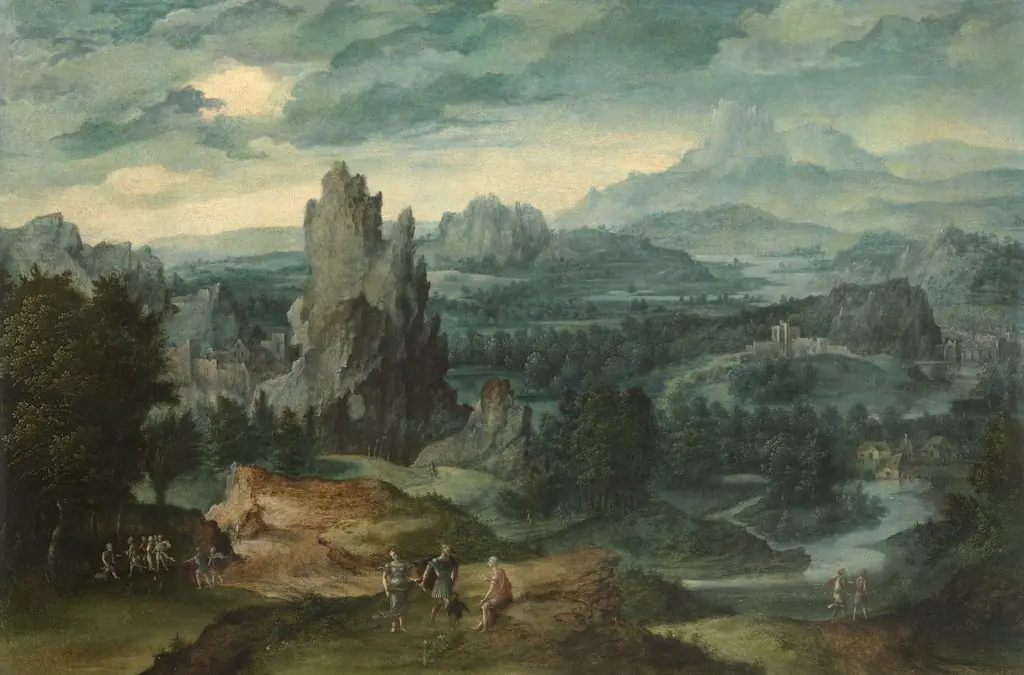 Landscape with Procne and Philomela
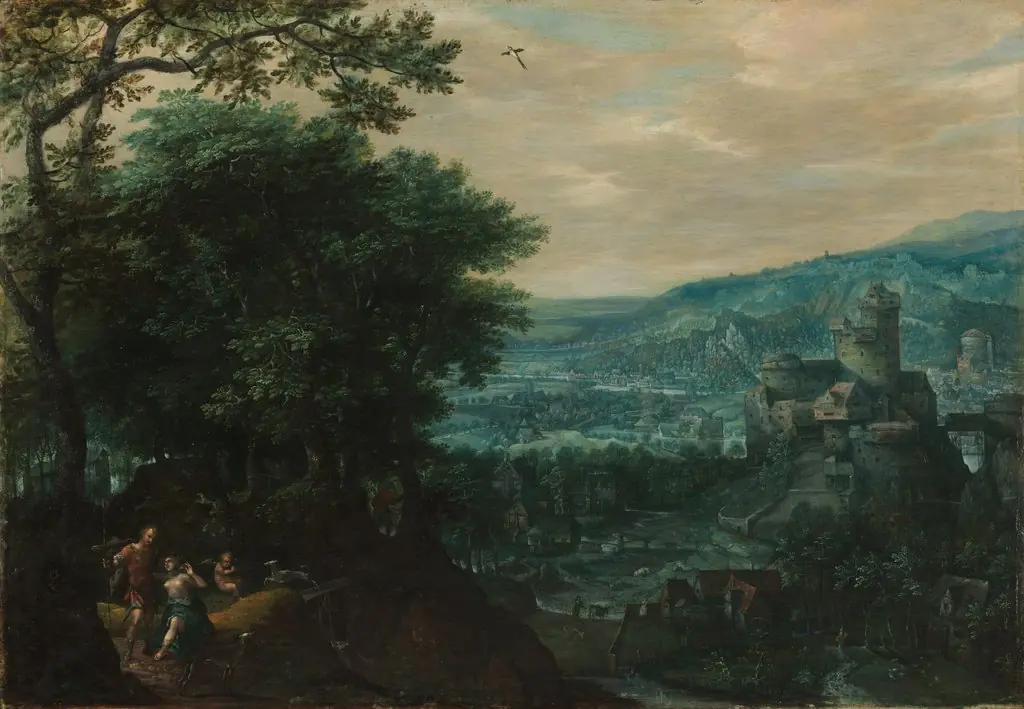 Landscape with Venus and Adonis
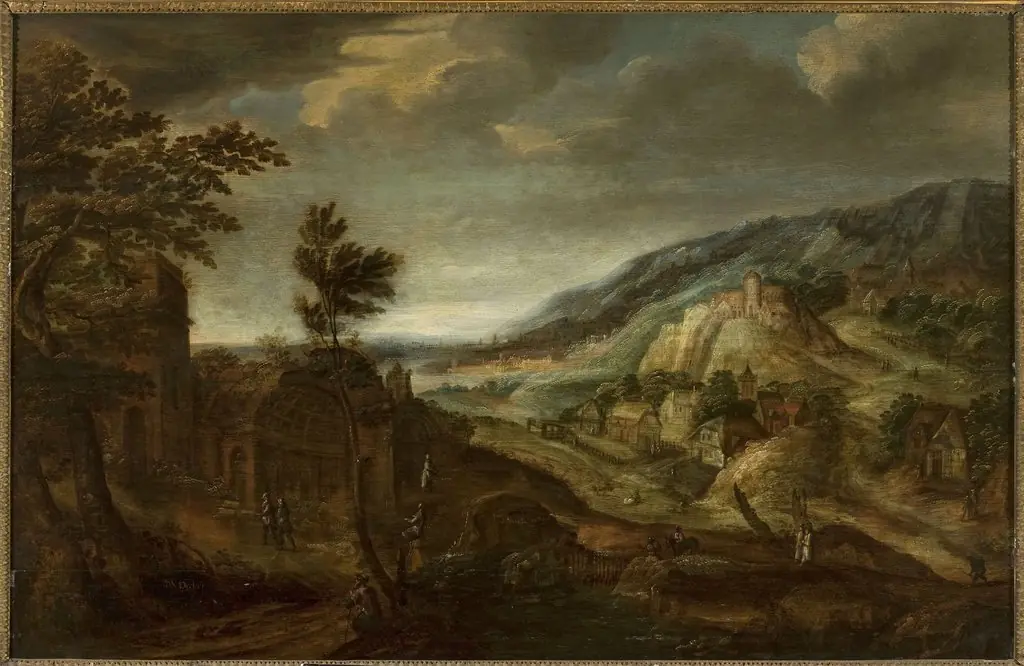 Mountain landscape
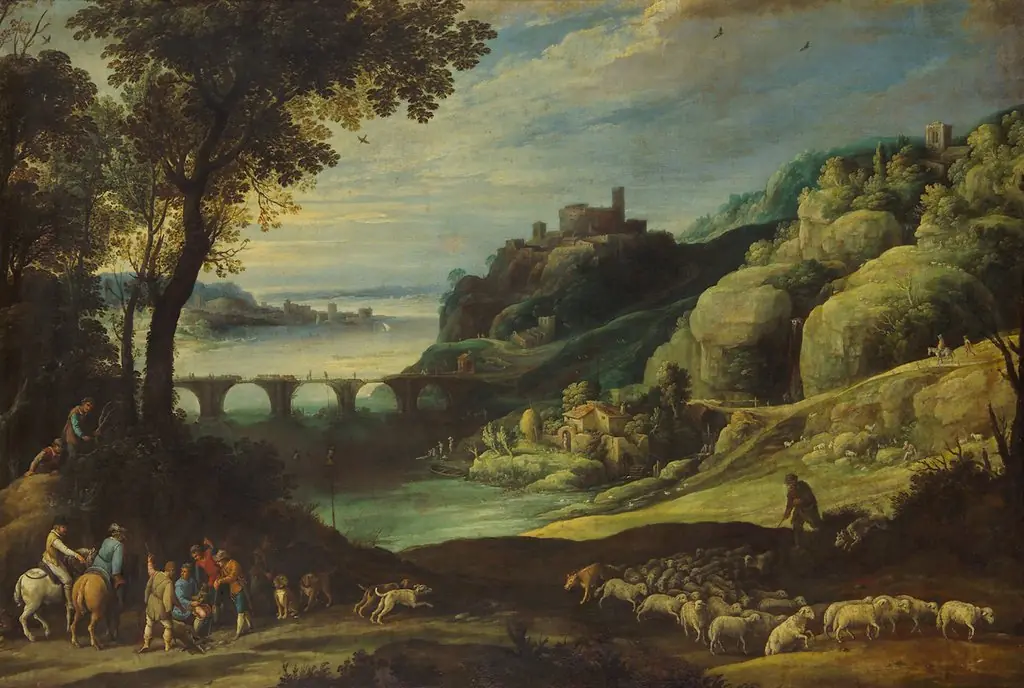 Landschaft mit Brücke
 Hunter and Horsemen on a Wooded Road, with a Village in a Valley beyond
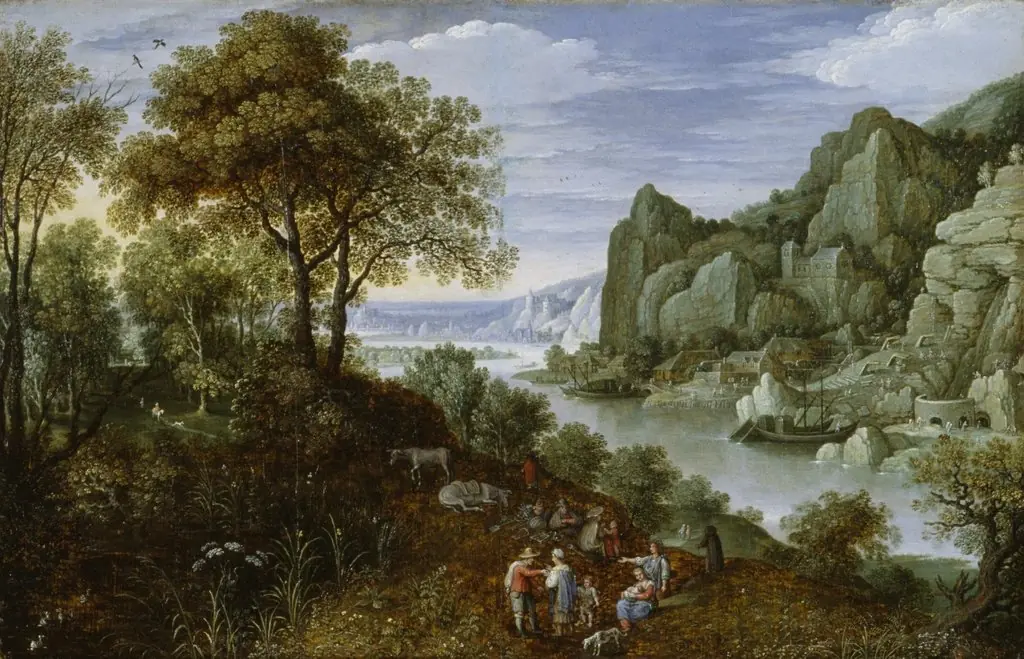 Mining Operations along a River
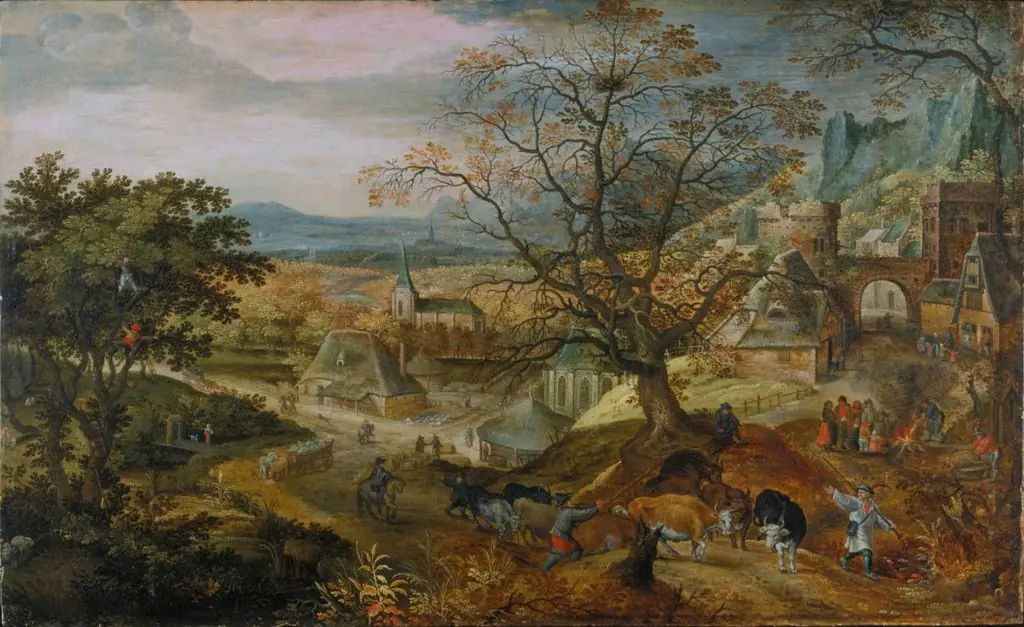 Landscape with Village: "Autumn"
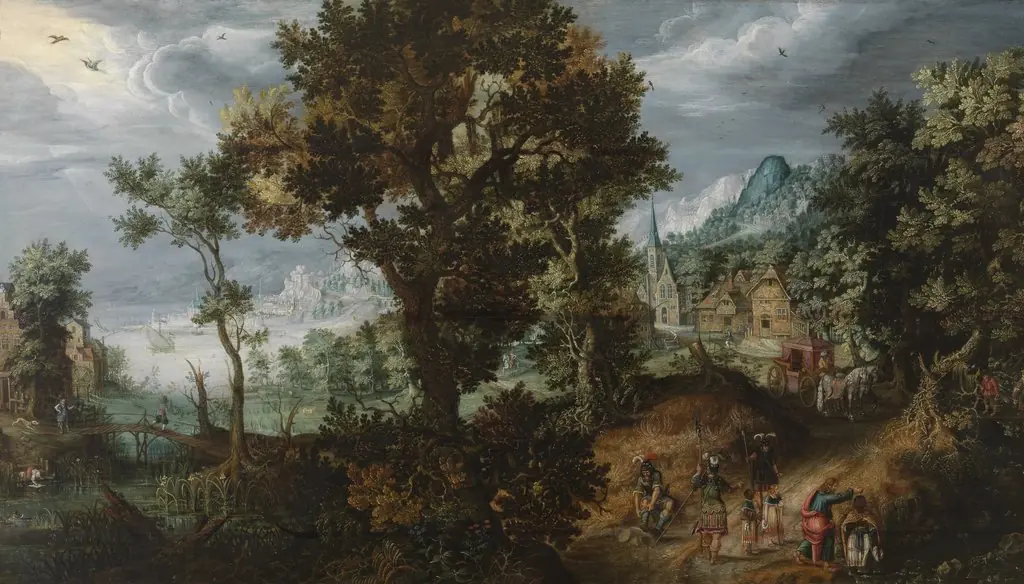 The Baptism of the Moorish Chamberlain
- Elisha Doane