Artwork
Judith with the Head of Holofernes
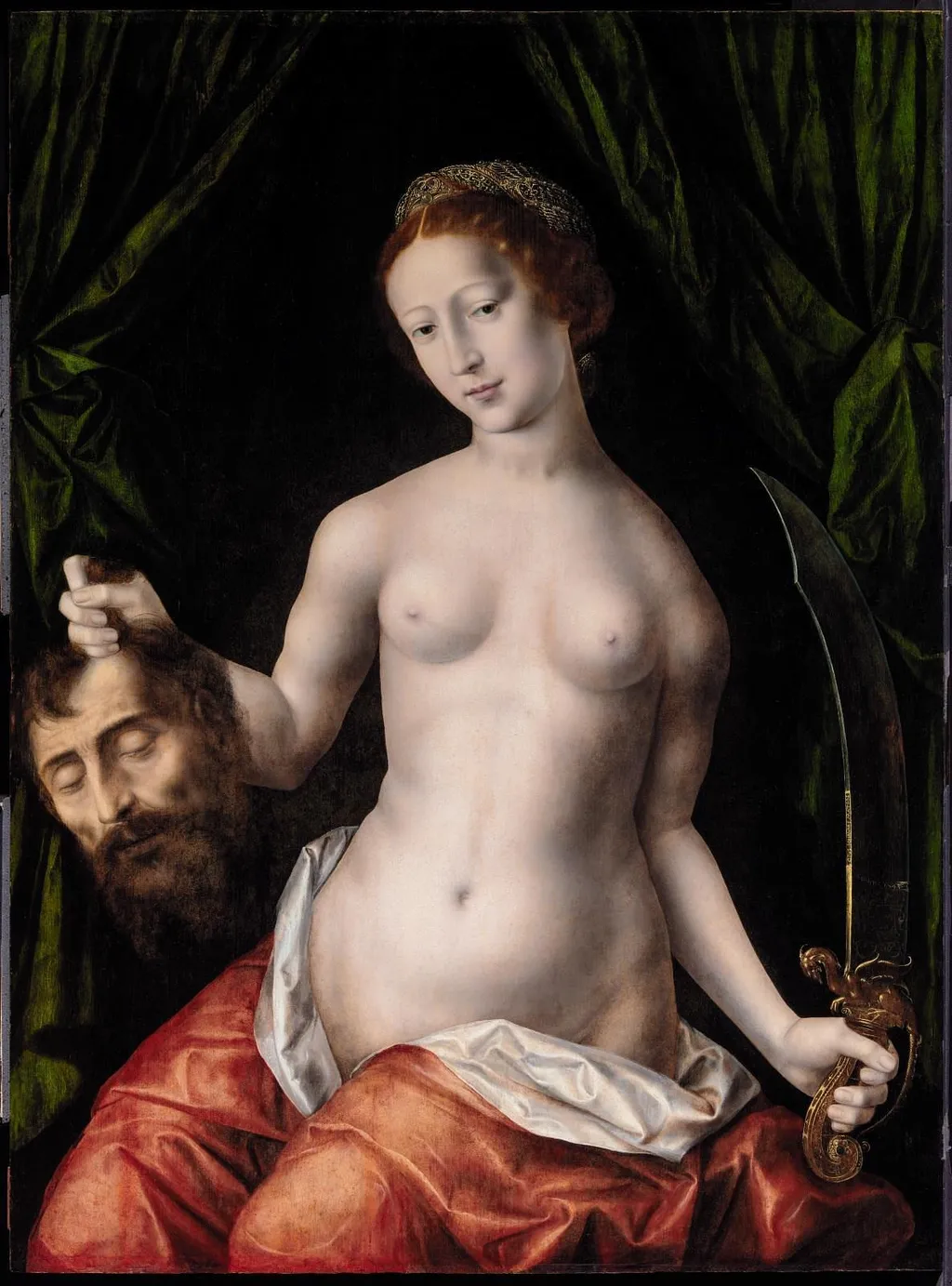
Judith with the Head of Holofernes is an oil painting by the Early Baroque Italian artist Jan Matsys. It dates from 1543 and is held in the collection of the Museum of Fine Arts Boston.
About this work
Subject & Meaning
The composition explicitly depicts Judith holding the severed head of the Assyrian general Holofernes, capturing the moment immediately following his beheading.
Jan Matsys's 1543 oil painting illustrates the biblical narrative of Judith and Holofernes, a frequent subject in religious art. The composition explicitly depicts Judith holding the severed head of the Assyrian general Holofernes, capturing the moment immediately following his beheading. This imagery serves as a visual representation of the triumph of virtue and faith over tyranny and moral corruption.
By focusing on the protagonist with the trophy of her victory, the work emphasizes themes of courage and divine deliverance within the Judeo-Christian tradition.
History & Provenance
Judith with the Head of Holofernes is held in the collection of the Museum of Fine Arts Boston. The painting was previously owned by William Turner Dannat before entering the museum's holdings. Its documented exhibition history includes the Exposition des primitifs flamands à Bruges, a landmark early display of Flemish art., which referenced a Museo del Prado page for the work, returned a "page not found" notice and could not be used to confirm the painting's presence at that institution.
Overview
Jan Matsys, a Flemish painter of the mid‑16th century, produced an oil work in 1543 that portrays the biblical heroine Judith clutching the severed head of the Assyrian general Holovernes. The canvas is part of the Museum of Fine Arts, Boston’s collection and exemplifies the artist’s engagement with religious narrative through a restrained yet dramatic visual language.
Technique & Style
Matsys employs a clear chiaroscuro, using strong contrasts between the illuminated figure and the dark, leafy backdrop to heighten the scene’s tension. Careful modeling of folds in the red cloak and pale under‑garment, together with subtle flesh tones, demonstrates his skill in rendering texture and volume within a relatively restrained palette.
Context
Matsys worked during a period when Flemish artists were absorbing influences from the Italian early Baroque, integrating dramatic lighting and narrative intensity into traditional Northern realism. The Judith motif was popular among his contemporaries, allowing him to explore both moral allegory and the sensuality characteristic of the Fontainebleau‑inspired style.
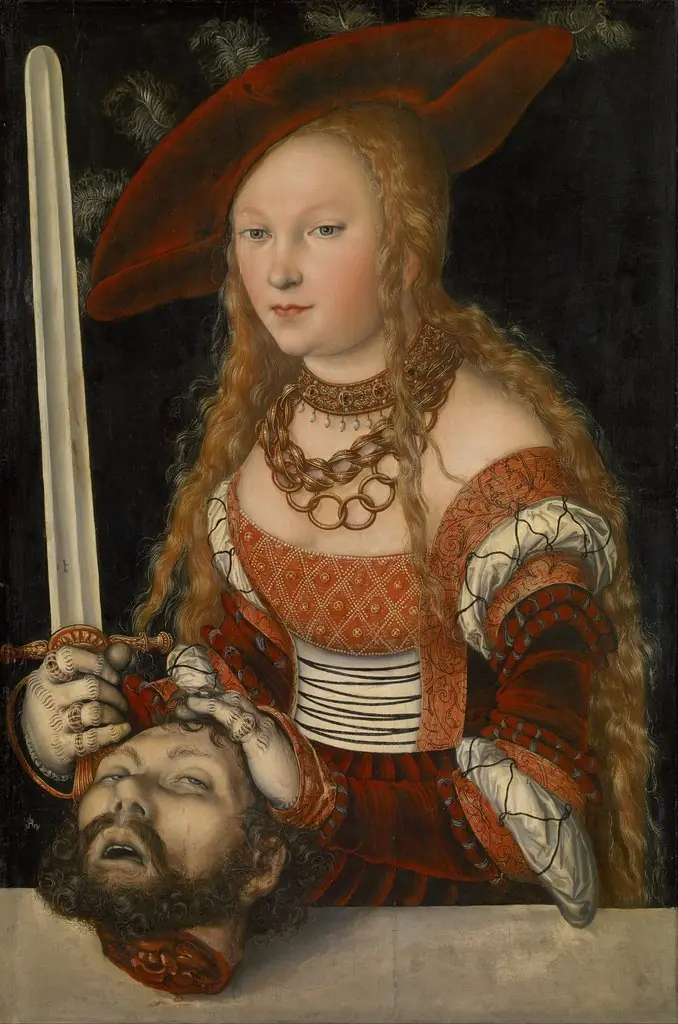
Artist & collection
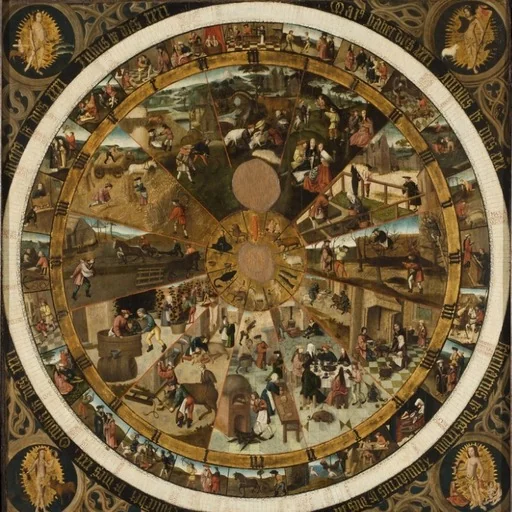
Artist
Jan Matsys or Jan Massijs (c.1510 – 8 October 1575) was a Flemish Renaissance painter known for his history paintings, genre scenes and landscapes.

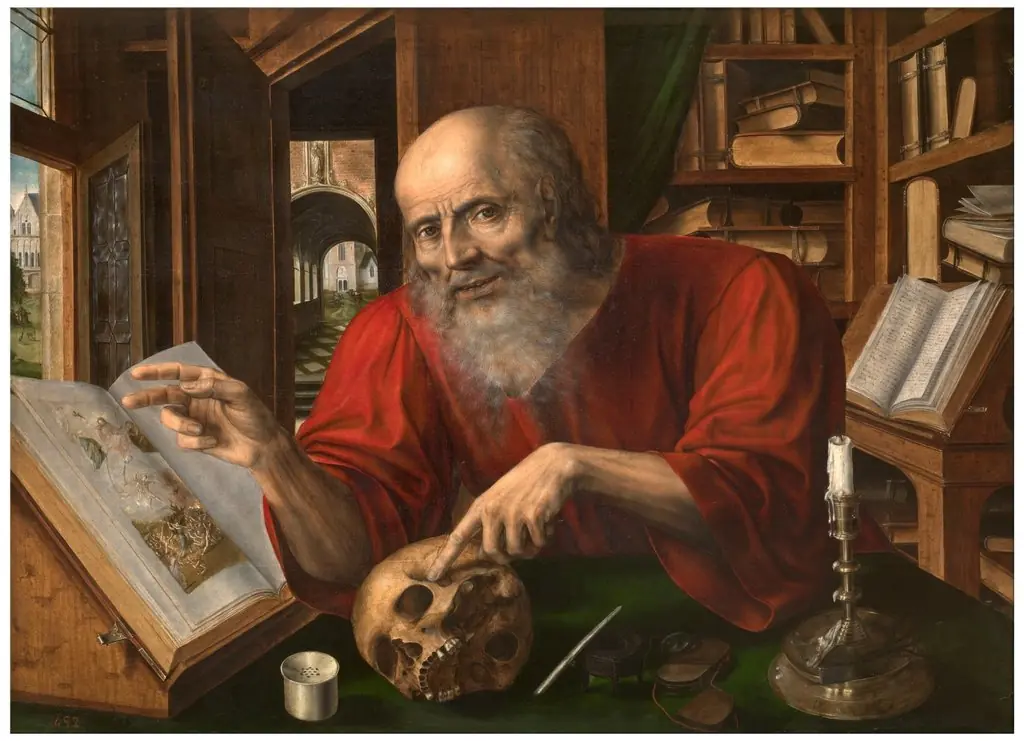
- Judith with the head of Holofernes
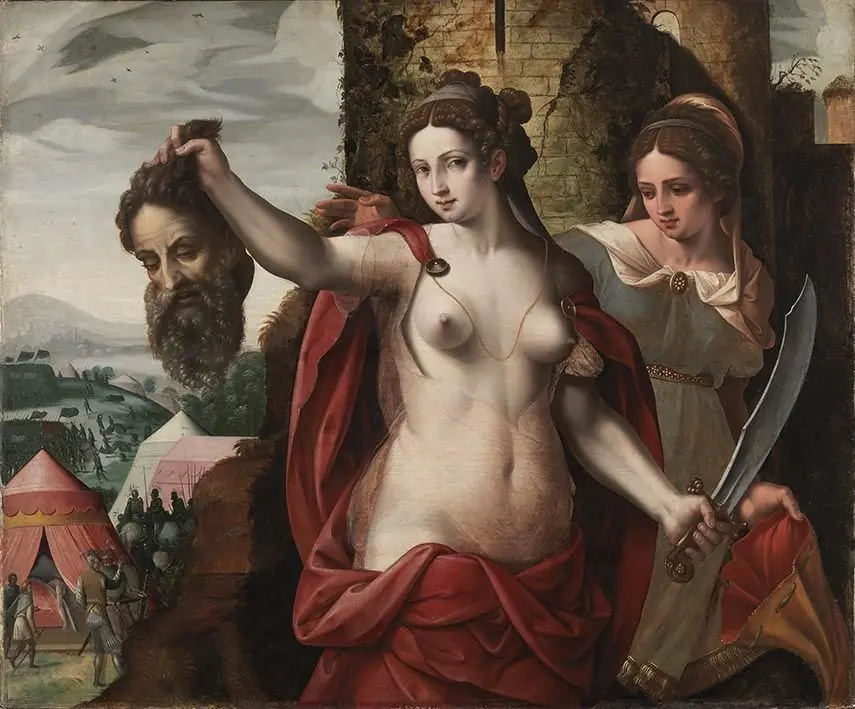 Judith with the Head of Holofernes
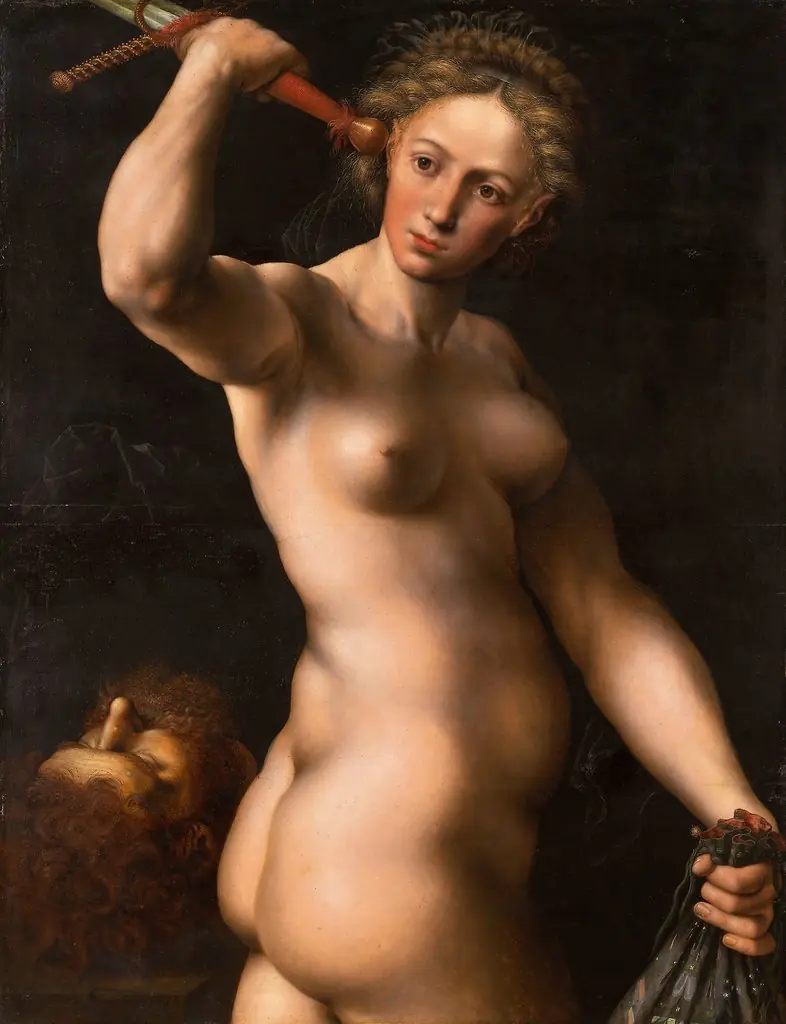 Judith with the Head of Holofernes
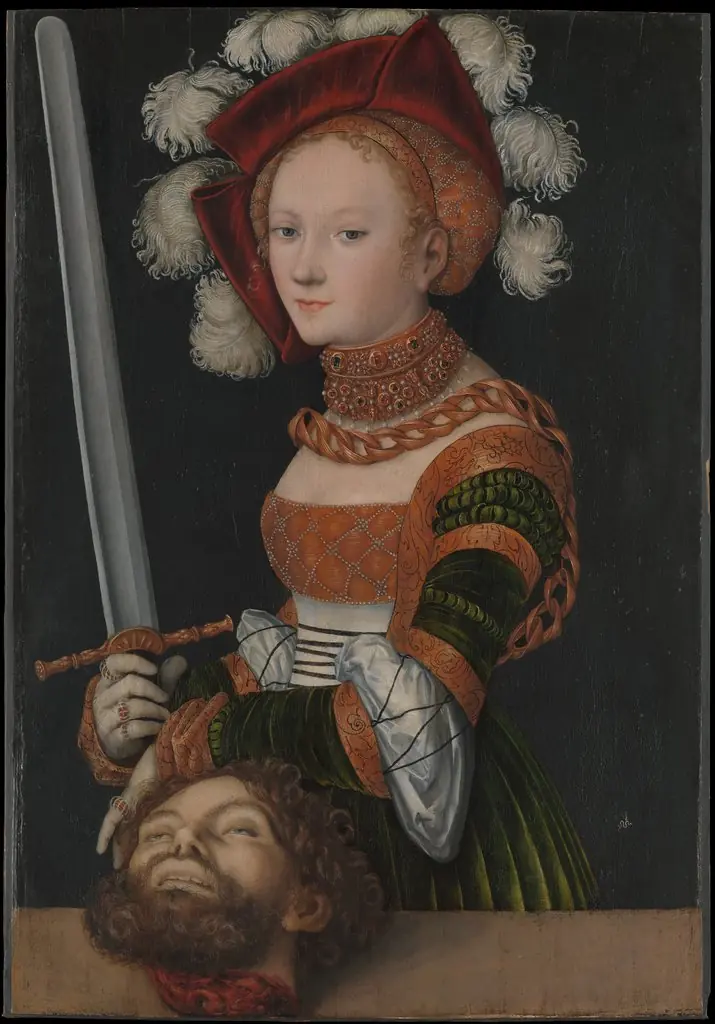 Judith with the Head of Holofernes
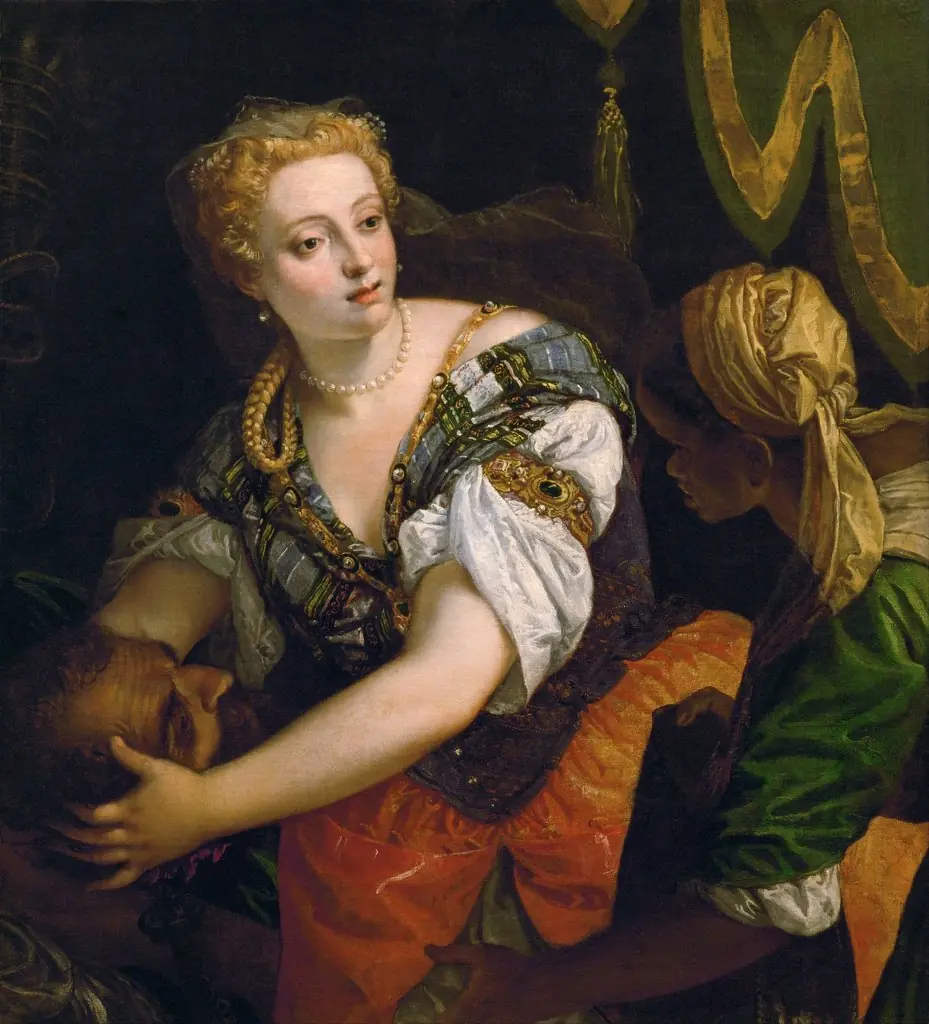 Judith with the Head of Holofernes
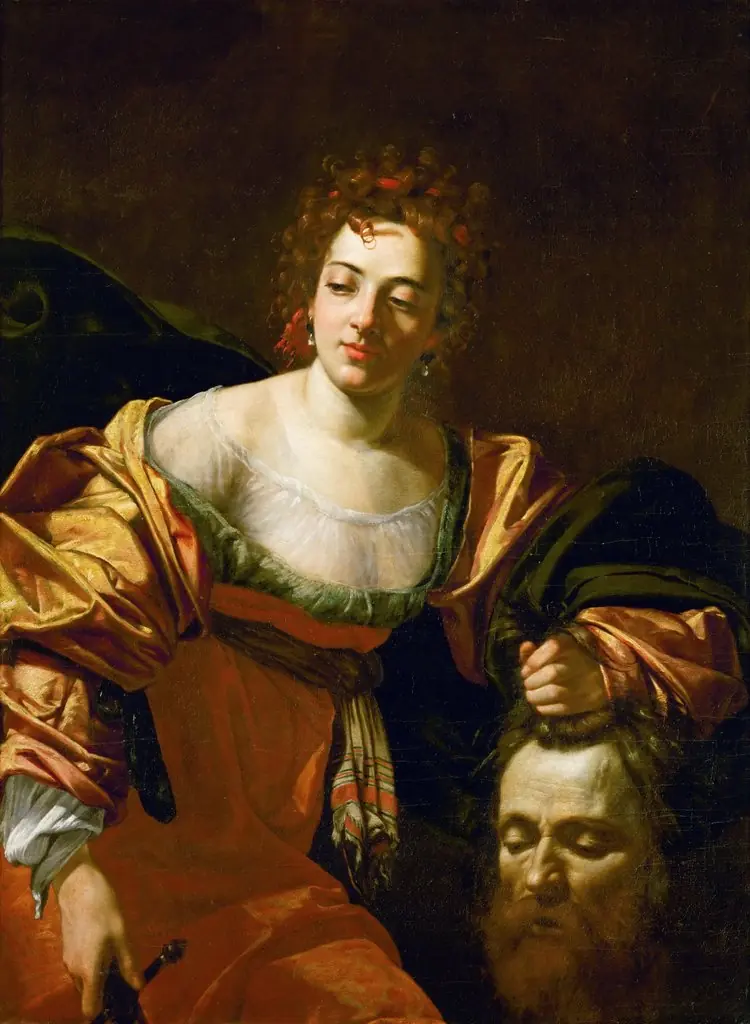 Judith with the Head of Holofernes
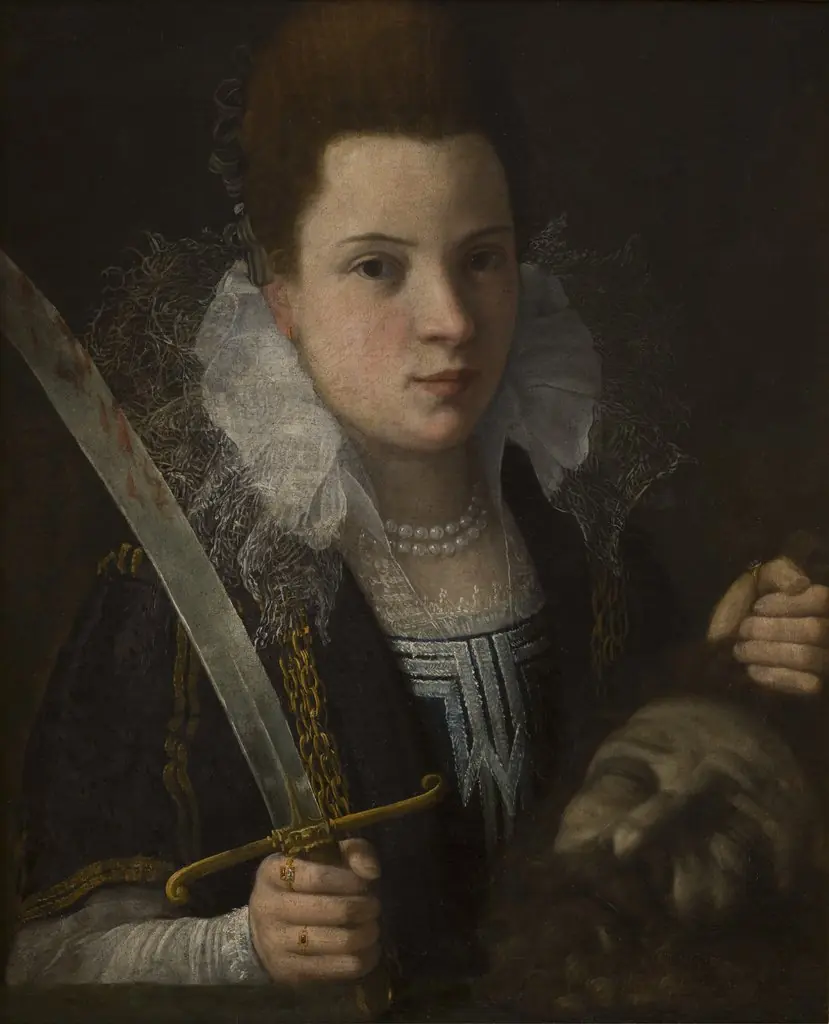 Judith with the Head of Holofernes
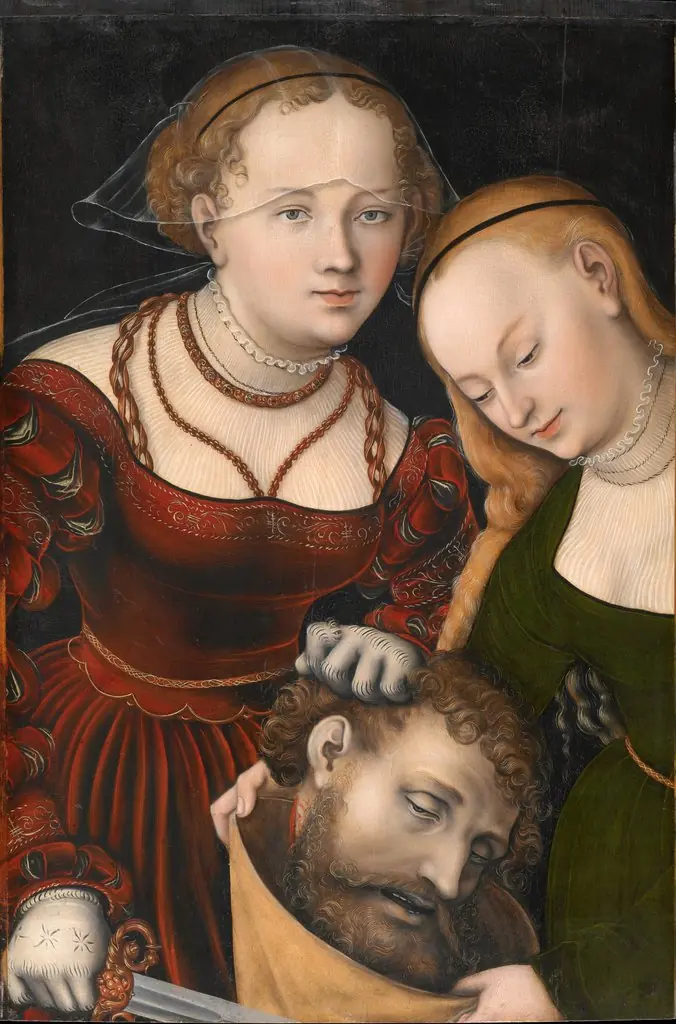 Judith with the head of Holofernes and a servant
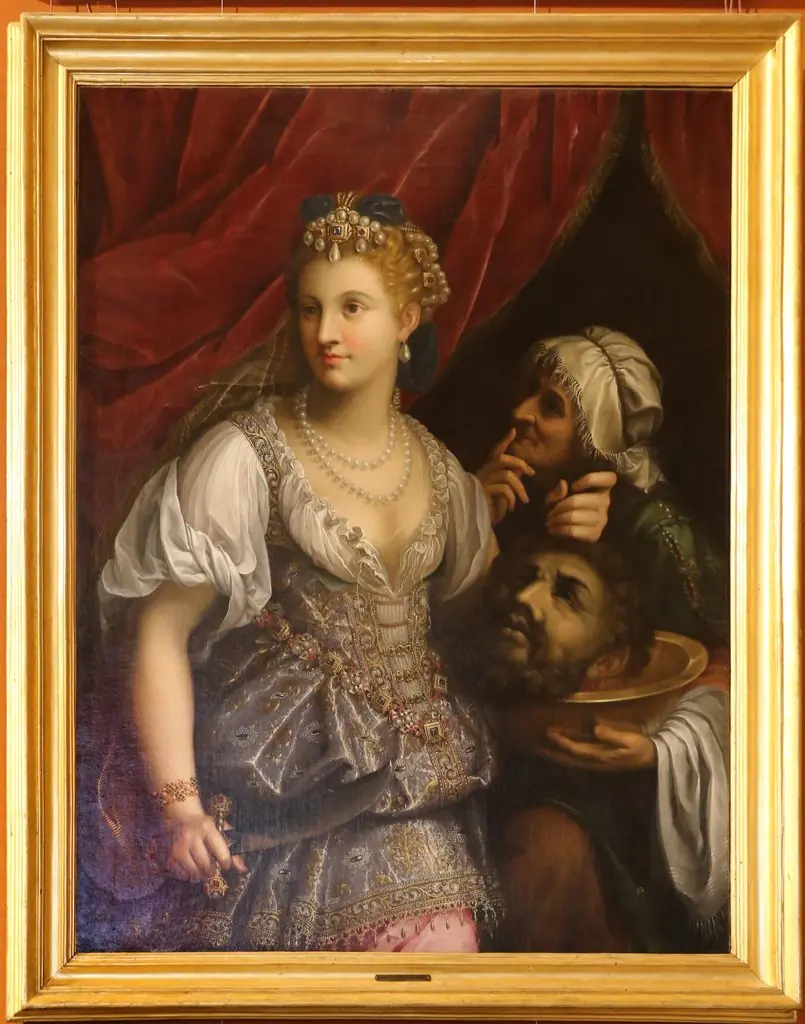 Judith with the Head of Holofernes
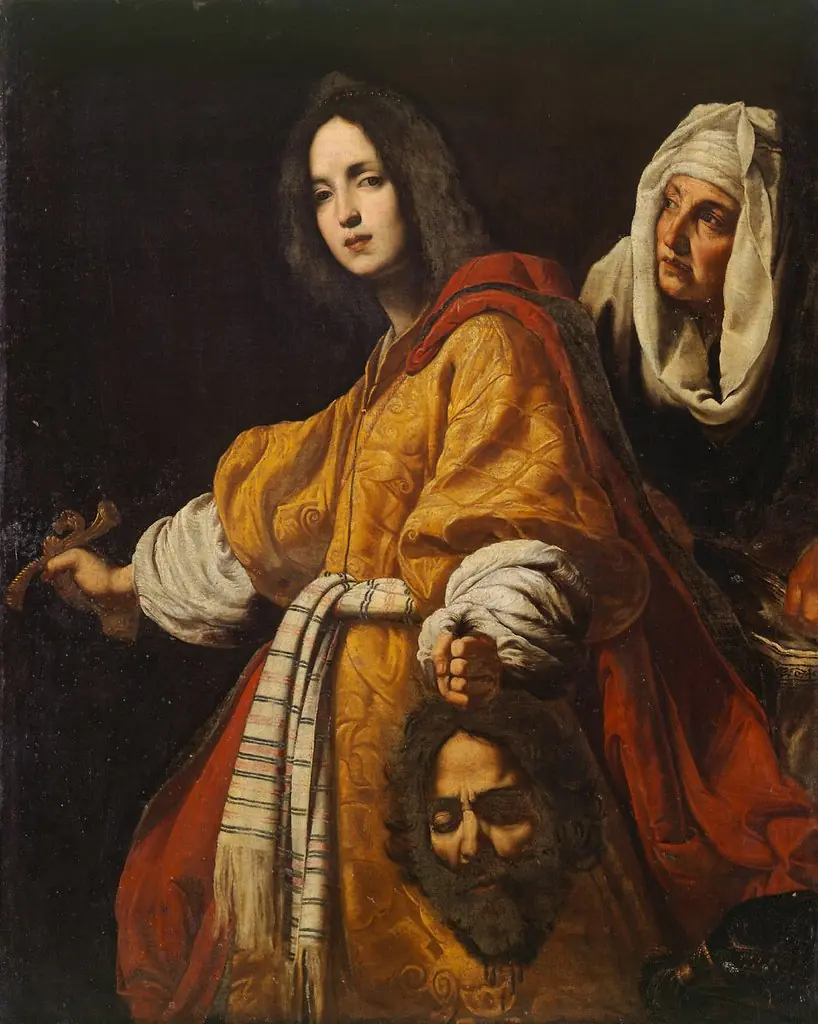 Judith with the head of Holofernes