Artwork
Vertumnus and Pomona
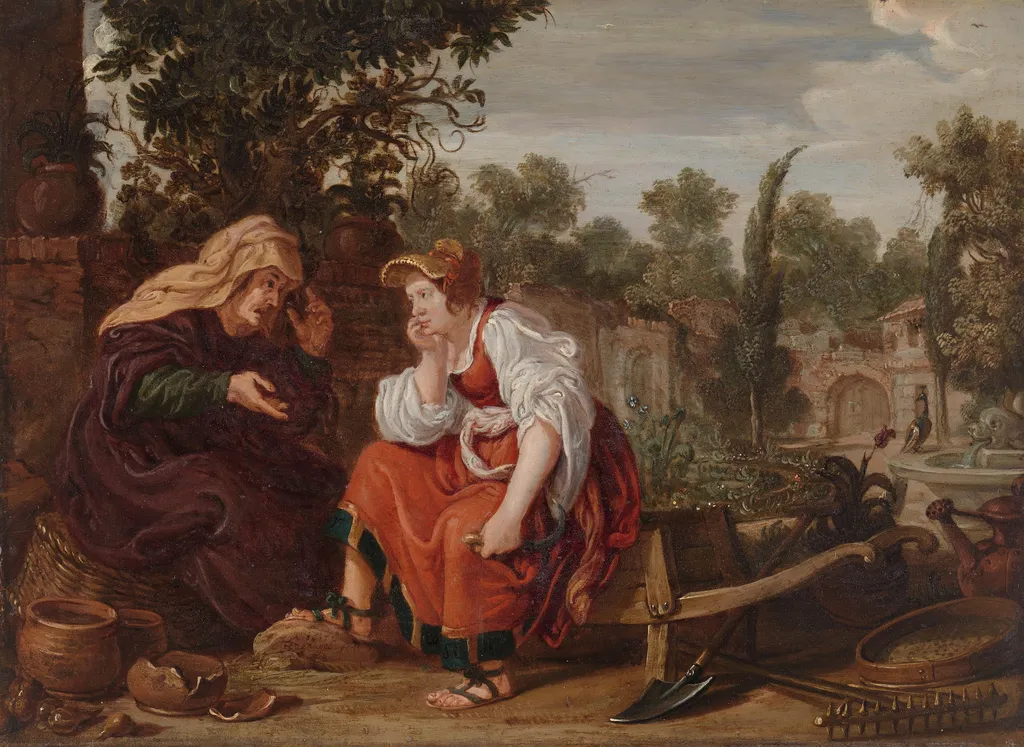
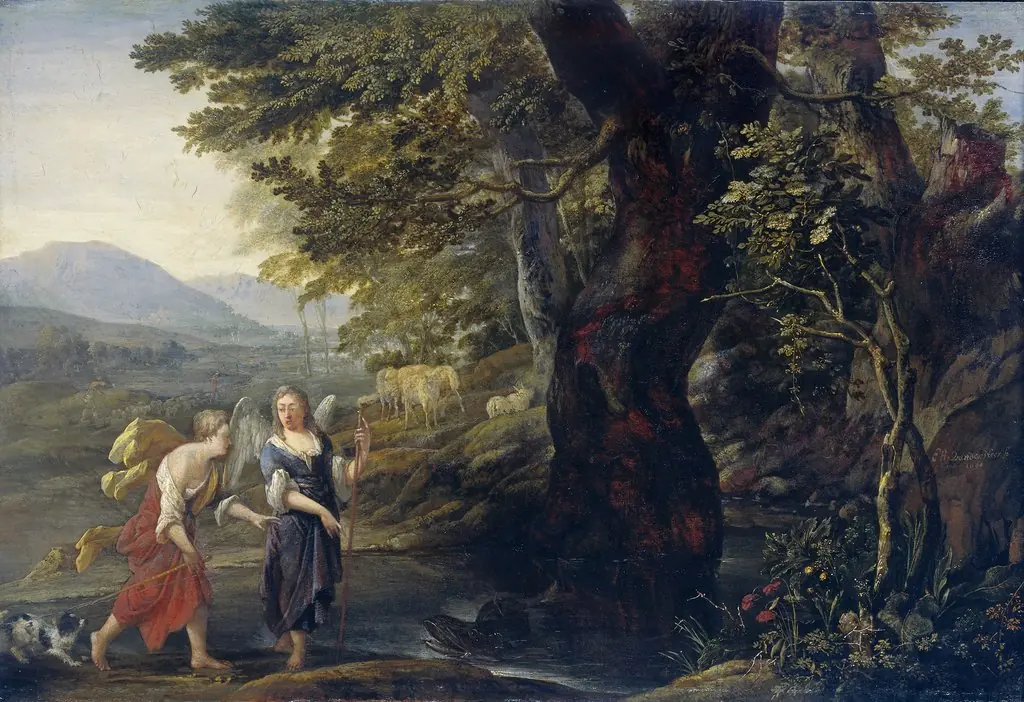
Vertumnus and Pomona is an oil painting by the Dutch Golden Age artist Jan Tengnagel. It dates from 1617 and is held in the collection of the Rijksmuseum.
About this work
Subject & Meaning
The painting's main subject is explicitly identified as the pair Vertumnus and Pomona, with Vertumnus named as the figure depicted.
Vertumnus and Pomona depicts the Roman mythological tale of Vertumnus, the god of seasons and transformation, courting Pomona, the goddess of fruit and orchards. The painting's main subject is explicitly identified as the pair Vertumnus and Pomona, with Vertumnus named as the figure depicted.
The story, drawn from Ovid's Metamorphoses, centers on Vertumnus's persistent pursuit of Pomona, who resisted suitors until he gained her affection by disguising himself in various forms. As a mythological painting, the work represents themes of seduction, metamorphosis, and the union of cultivated nature with divine agency, since Pomona's guardianship of fruitfulness makes her a fitting object for a god capable of changing shape with the seasons.
Rendered in oil on copper, the small-scale cabinet picture invites close looking at the symbolic interplay between the suitor-god and the orchard goddess, a popular subject in early seventeenth-century Netherlandish art.
Technique & Style
Vertumnus and Pomona is executed in oil paint on a copper support, a combination well suited to the small-scale cabinet format typical of early seventeenth-century Netherlandish mythological scenes. The panel measures 21.4 cm in height by 29.4 cm in width, a modest, horizontal format that encourages detailed, miniature-like handling of paint. Copper provides a smooth, rigid ground that allows for fine, polished brushwork and luminous glazes, qualities that would have enhanced the enamel-like surface finish associated with Tengnagel's refined manner. The work is classified as a mythological painting and is held in the Rijksmuseum collection.
History & Provenance
The painting Vertumnus and Pomona by Jan Tengnagel is dated 1617, as indicated on the work itself.
It is painted on copper, a support associated with early 17th-century Northern European cabinet pictures. The work entered the collection of the Rijksmuseum, where it remains located. According to institutional records, the painting has been held by the Rijksmuseum since at least the 20th century.
Jan Tengnagel's 1617 painting Vertumnus and Pomona is held in the collection of the Rijksmuseum in Amsterdam. The work is executed in oil on copper and measures 21.4 cm in height by 29.4 cm in width. While the Rembrandt House Museum is listed as an associated collection in some records, the primary location for the artwork is the Rijksmuseum. No specific inventory or accession number is provided in the available documentation for this entry.
Context
Critical reception of Jan Tengnagel's Vertumnus and Pomona has been limited, often overshadowed by his role as a minor figure in Dutch Golden Age painting. Scholarship situates the work within the mythological painting genre popular in early 17th-century Netherlands, reflecting contemporary interest in Ovidian narratives. The painting, housed at the Rijksmuseum, exemplifies Tengnagel's contribution to the artistic dialogue on mythological subjects, though it remains less studied compared to works by more prominent contemporaries.
Its inclusion in the Rembrandt House Museum collection underscores its significance within the broader context of Dutch art history.
Legacy
Vertumnus and Pomona, painted by Jan Tengnagel in 1617, is recognized for its mythological composition and technical execution on copper. The work entered the collection of the Rijksmuseum and the Rembrandt House Museum, securing its place in Dutch Golden Age scholarship. Its thematic focus on transformation and courtship has been cited in studies of Baroque narrative painting, influencing later interpretations of mythological subjects in Northern European art.
The painting’s provenance and preservation at the Rijksmuseum have contributed to ongoing scholarly discourse on 17th‑century Dutch art.
Research on Baroque mythological subjects frequently references this canvas as an example of the period’s intricate allegorical storytelling, underscoring its lasting relevance in art historical narratives.
Overview
Jan Tengnagel’s 1617 copper painting, VertVertumnus and Pomona, presents a garden scene drawn from Roman mythology. The work belongs to the Rijksmuseum’s collection and exemplifies the artist’s early‑seventeenth‑century Dutch approach to narrative painting.
Own this work as a print
Artist & collection
Artist
Jan Tengnagel (baptised 9 September 1584– buried 23 March 1635) was a Dutch draughtsman and painter.

 The Levite at Gibeah
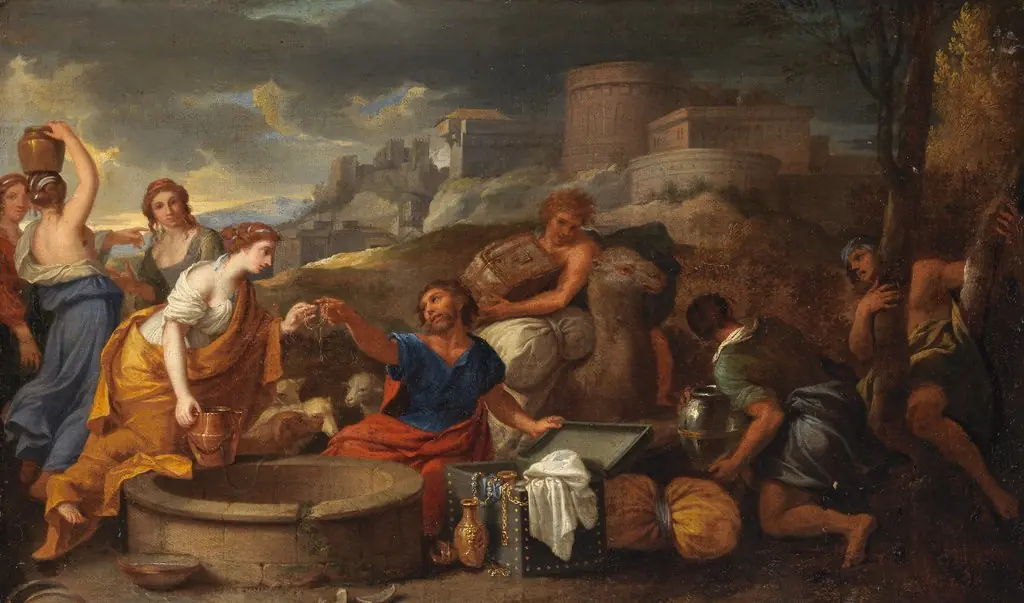 Rebecca at the Well
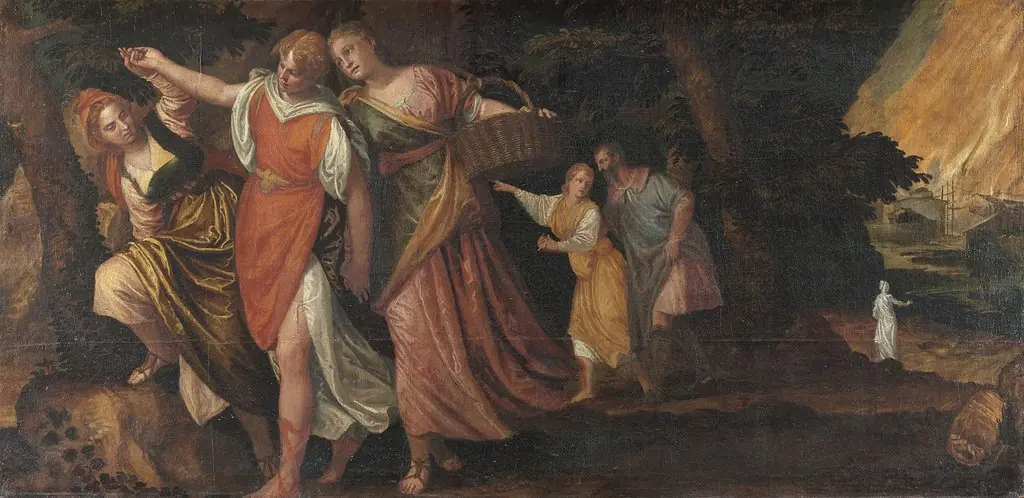 Lot flees Sodom
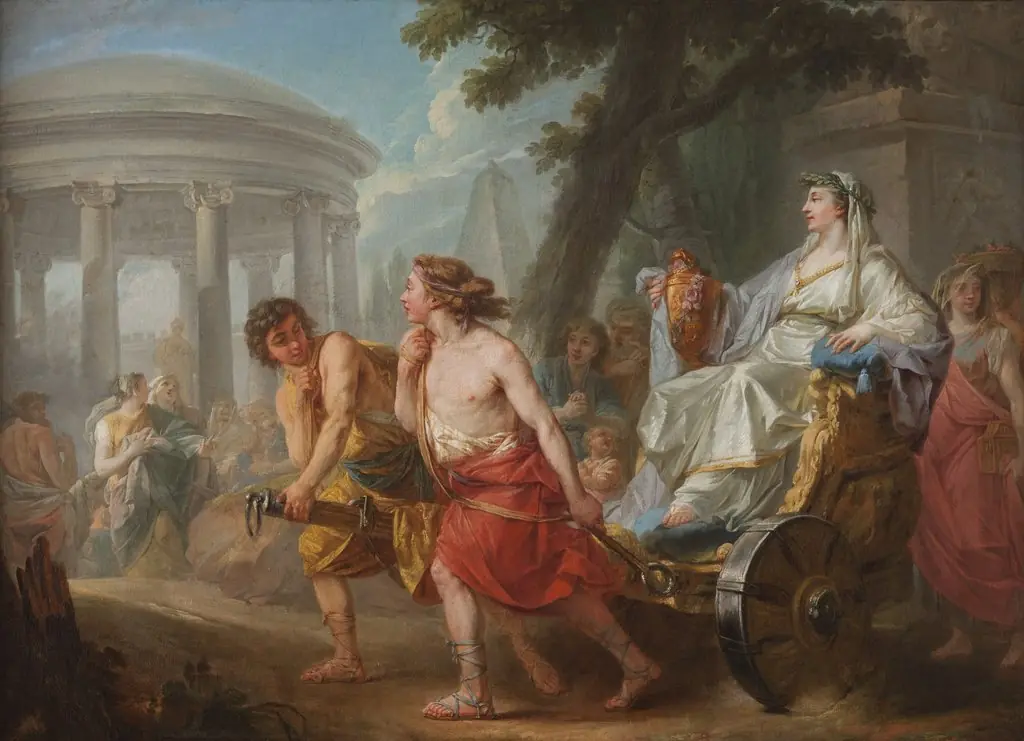 Cleobis and Biton with Cydippe in the Front of Hera Temple
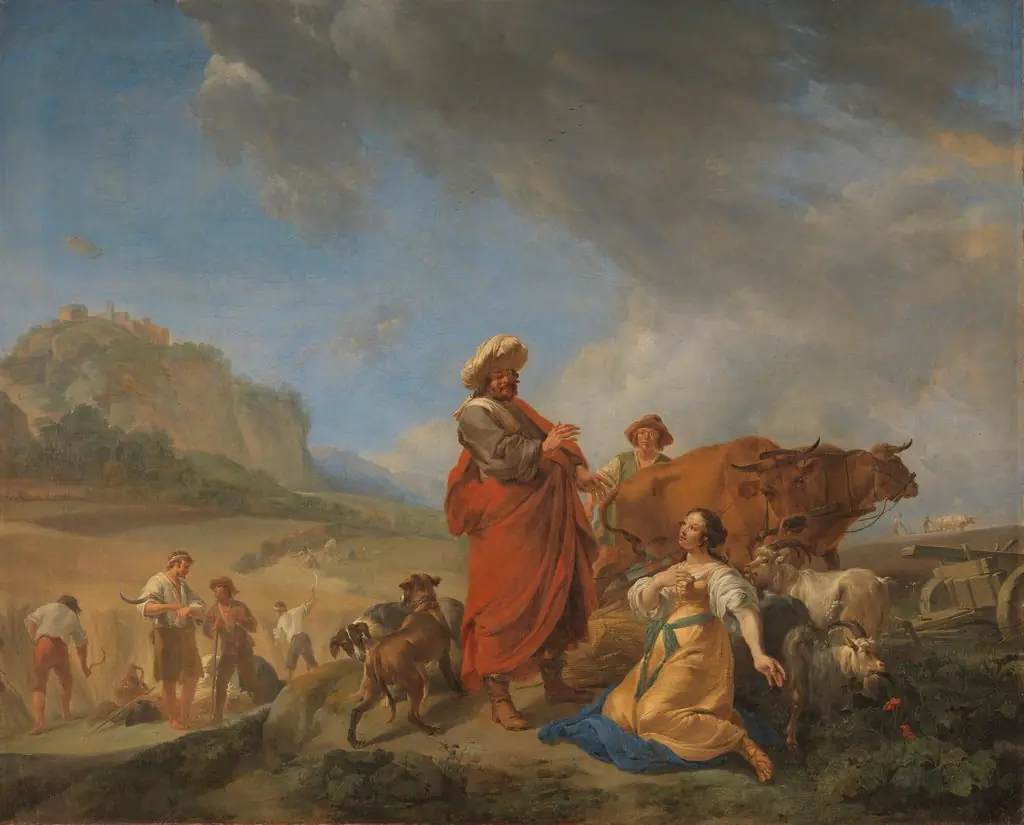 Ruth and Boas
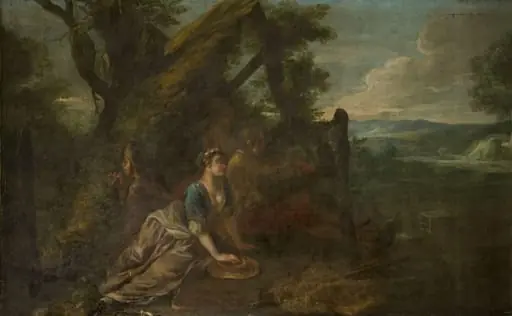 Bird-Catching by a Decoy with a Whistle and Net (Decorative painting for a supper-box at Vauxhall Gardens, London)
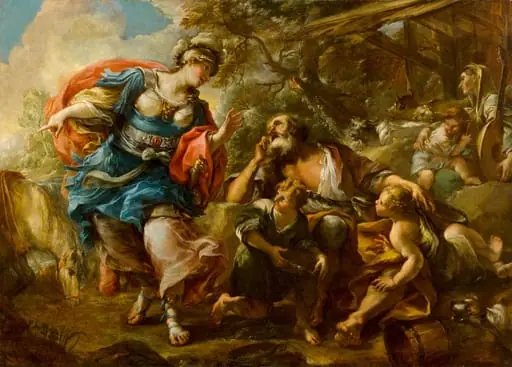 Erminia ja paimenet
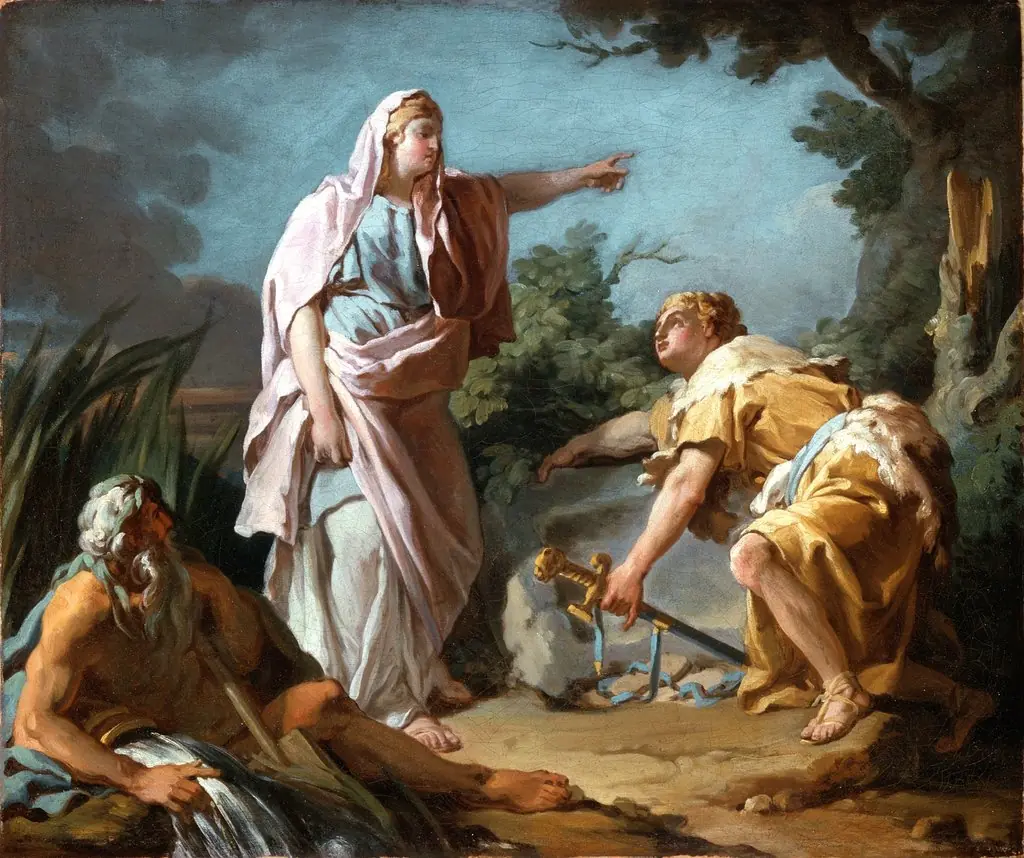 Aethra Showing her Son Theseus the Place Where his Father had Hidden his Arms
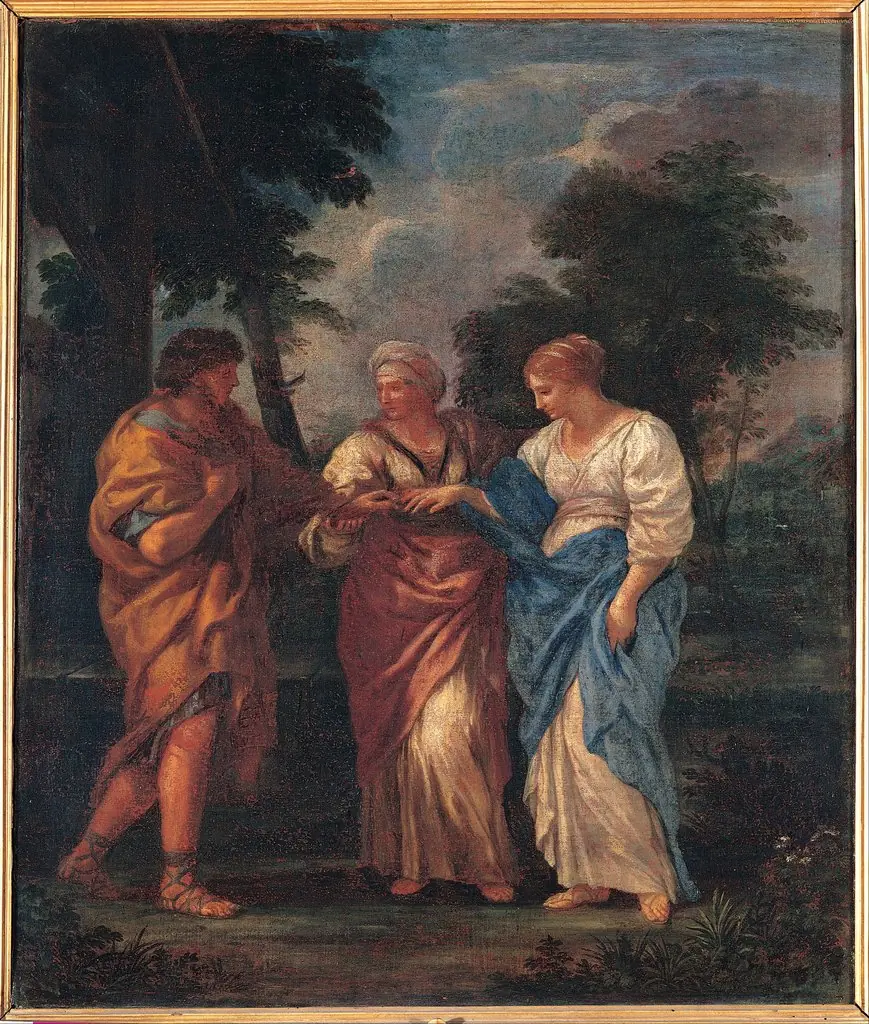 Biblical Wedding
 Tobias and the Angel