Artwork
Ruth and Boas
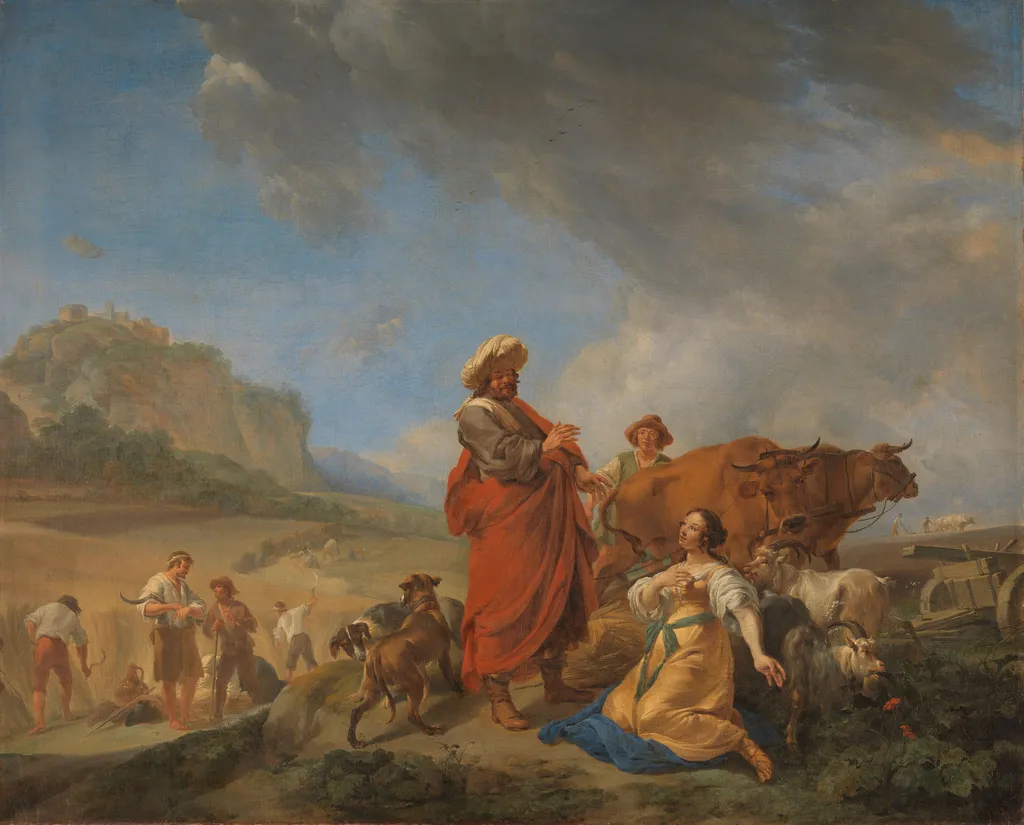
Ruth and Boas is an oil painting by the Dutch Golden Age artist Nicolaes Pieterszoon Berchem. It dates from 1645 and is held in the collection of the Rijksmuseum.
About this work
Subject & Meaning
The painting shows a hilly landscape with laborers harvesting grain; in the foreground a kneeling woman listens to an older man identified as Boaz, a figure from the biblical Book of Ruth, while she works to aid the land of her mother‑in‑law Naomi during a famine, leading Boaz to support her harvest and eventually marry her. The composition reflects Italianate influences typical of Berchem’s style, though it is uncertain whether he traveled to Italy, and the work is signed 'NClBerighem' in the lower left corner.
Technique & Style
The scene may have been influenced by a similar treatment of the subject by Berchem's teacher, Nicolaes Moeyaert.
Executed in 1645, this work is an oil painting on canvas measuring 109.5 by 136 centimeters. The composition depicts a hilly landscape where laborers harvest grain, featuring the biblical figures Ruth kneeling before the standing Boaz, who is distinguished by non-contemporary attire. Stylistically, the piece reflects the Italianate tradition characteristic of Nicolaes Berchem, though it remains uncertain whether the artist personally visited Italy.
The scene may have been influenced by a similar treatment of the subject by Berchem's teacher, Nicolaes Moeyaert. A signature reading 'NClBerighem' is located in the lower left corner of the support.
History & Provenance
Nicolaes Pieterszoon Berchem created the oil-on-canvas painting Ruth and Boas in 1645. The work is signed 'NClBerighem' in the lower left corner and reflects the artist's Italianate style, possibly drawing inspiration from a work by his teacher, Nicolaes Moeyaert. The earliest documented appearance of the painting occurred during the auction of Gerard Bicker van Zwieten (II) in The Hague on April 12, 1741.
It was likely acquired by the collector Hendrik van Heteren, who bequeathed it to his son Adriaan Leonard van Heteren upon his death in 1749. This heir subsequently passed the painting to his nephew and heir, Adriaan Leonard van Heteren Gevers. On June 8, 1809, the latter sold the work, along with 135 others from his cabinet, to the Rijksmuseum.
Ruth and Boas by Nicolaes Pieterszoon Berchem is held by the Rijksmuseum in Amsterdam, where it forms part of the collection associated with the former Kabinet van Heteren Gevers. Its recorded provenance traces back to a sale on 12 April 1741 in The Hague, where it was offered as part of the collection of "den Heere Van Zwieten," likely Gerard Bicker van Swieten (II) (1687–1753); the buyer was probably the Hague collector Hendrik van Heteren. Van Heteren inherited the painting to his son Adriaan Leonard van Heteren, who in turn bequeathed it to his nephew and heir Adriaan Leonard van Heteren Gevers.
On 8 June 1809, Van Heteren Gevers sold the work, together with 135 other paintings from the Kabinet Van Heteren Gevers, to the Rijksmuseum, where it has remained since.
Context
Nicolaes Pieterszoon Berchem's Ruth and Boaz (1645) exemplifies the work of the prominent Dutch Italianists, artists who sought to emulate Italian landscapes despite uncertain personal travel to the region. In this religious painting, Berchem depicts the biblical figures within a hilly setting where grain harvesting occurs, reflecting the influence of his teacher Nicolaes Moeyaert, whose similar work may have served as a direct prototype. The composition features Boaz in non-contemporary attire interacting with Ruth, who is shown gathering grain to support her mother-in-law Naomi following a famine.
While the painting bears the signature 'NClBerighem' in the lower left, its art-historical significance lies in its synthesis of Dutch genre elements with idealized Italianate scenery. The work is currently held by the Rijksmuseum, having entered the collection via the Kabinet van Heteren Gevers in 1809.
Overview
Nicolaes Pieterszoon Berchem’s oil painting Ruth and Boas, executed in 1645, exemplifies the Dutch Italianate landscape tradition. The canvas presents a tranquil rural setting populated by a kneeling woman and a standing man, surrounded by livestock and a gently rolling countryside under a cloud‑dotted sky. The work is part of the Rijksmuseum’s permanent collection.
Own this work as a print
Artist & collection
Artist
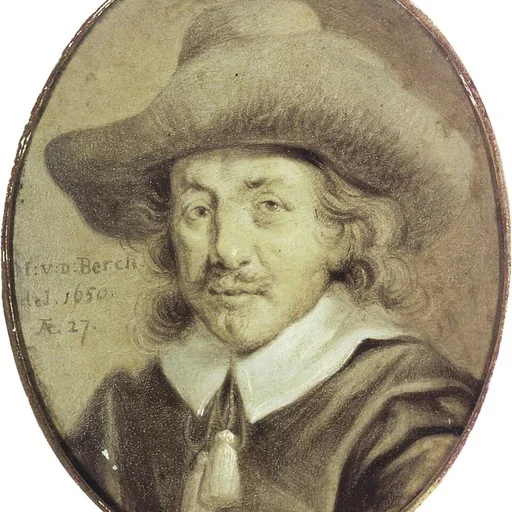
Nicolaes Pieterszoon Berchem (1 October 1620 – 18 February 1683) was a highly esteemed and prolific Dutch Golden Age painter of pastoral landscapes, populated with mythological or biblical figures, but also of a number of allegories and…

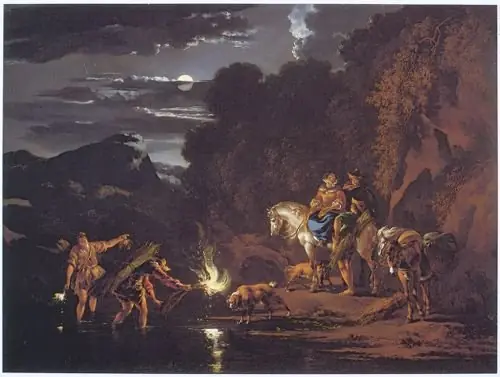
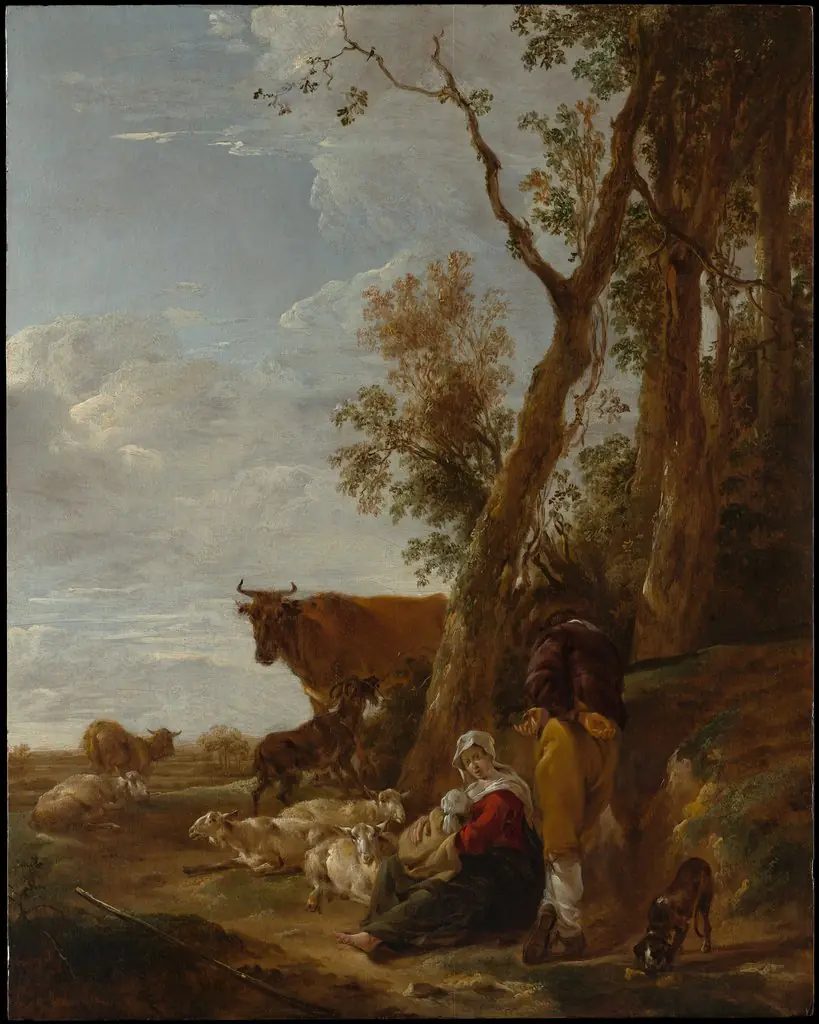
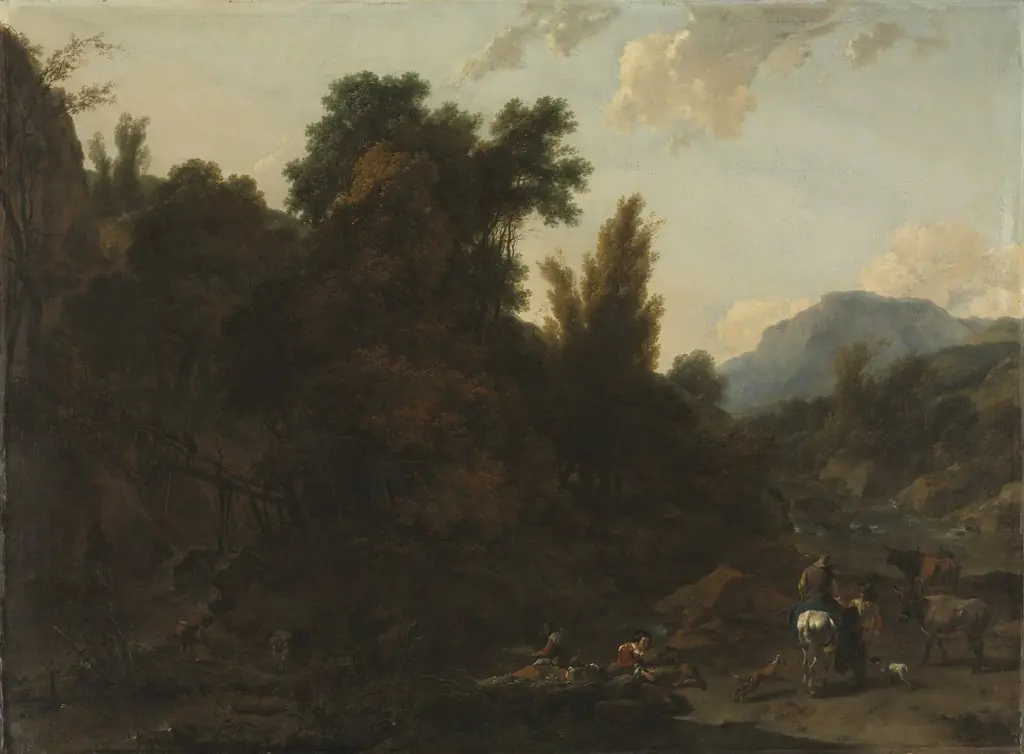
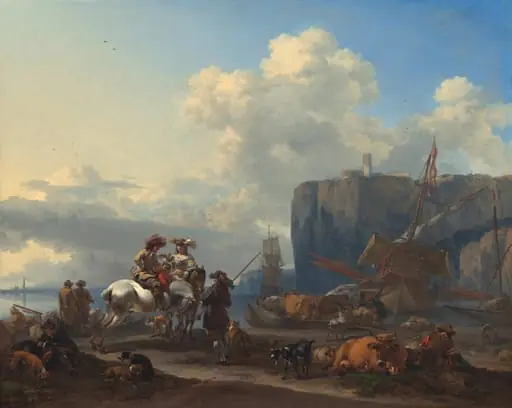
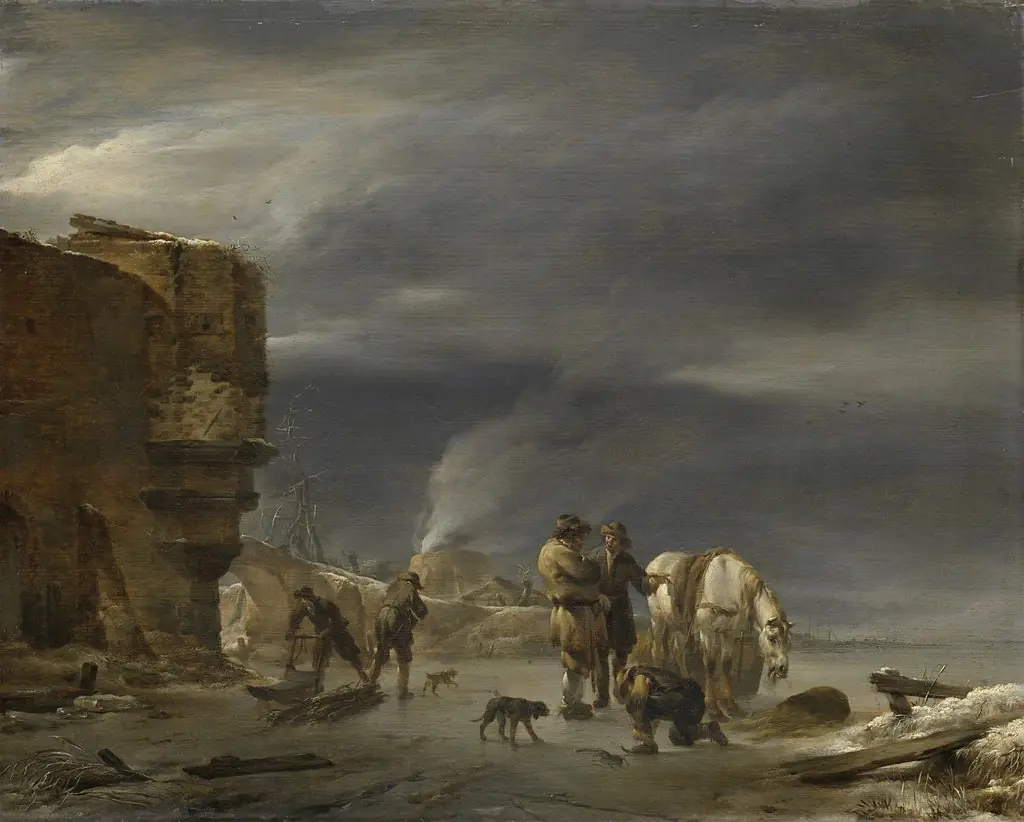
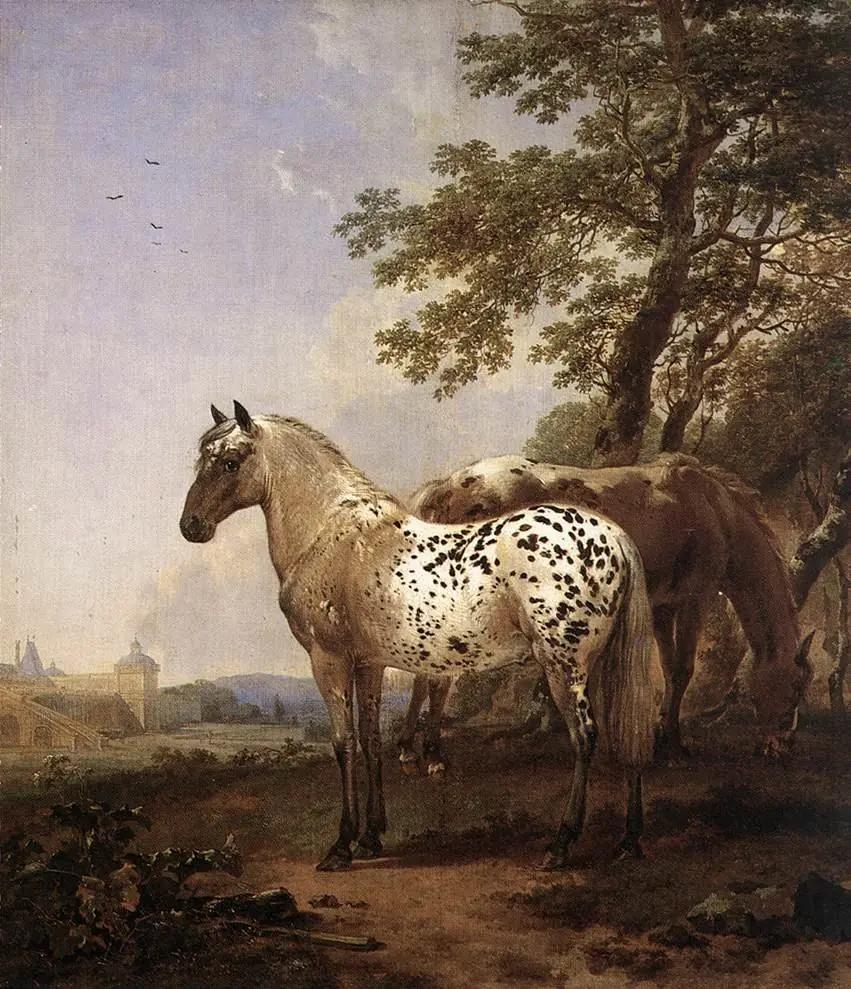
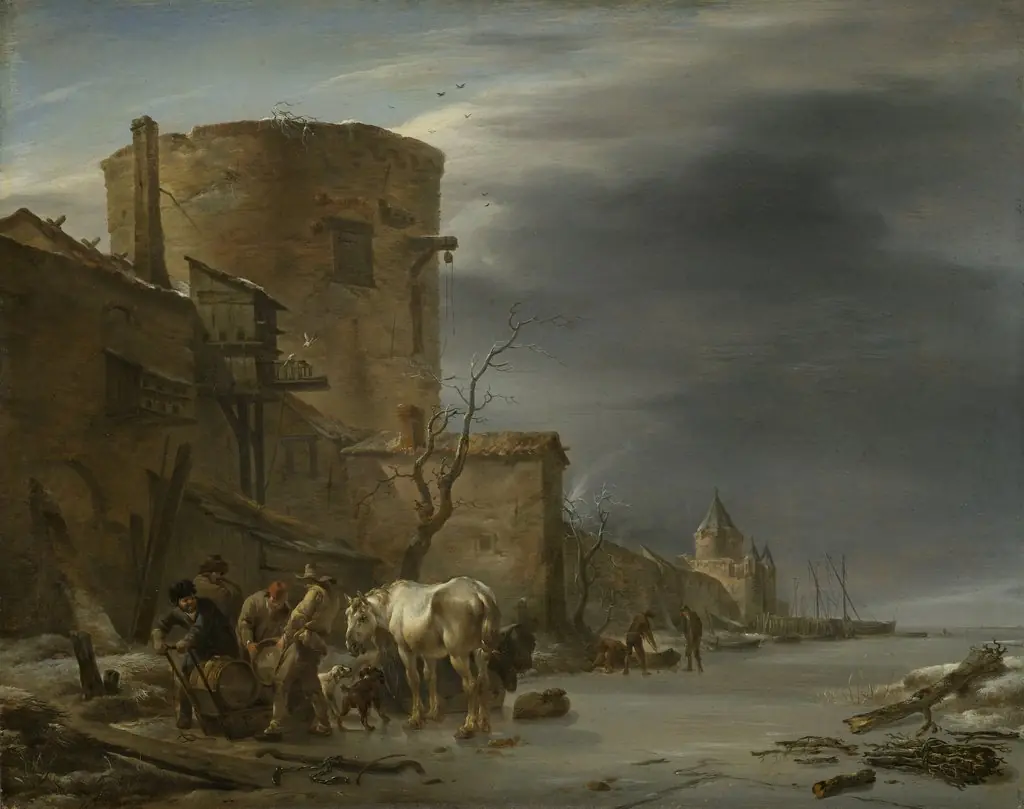
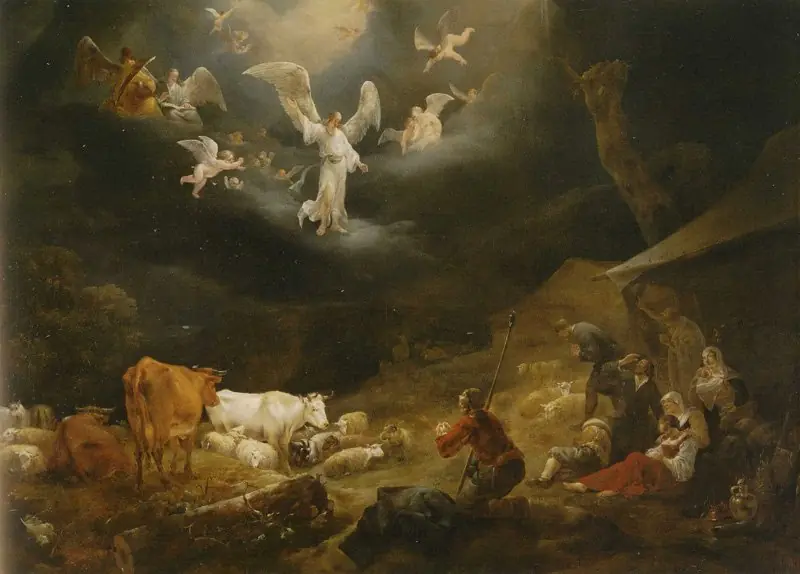
- Mountainous landscape with a shepherdess and cows
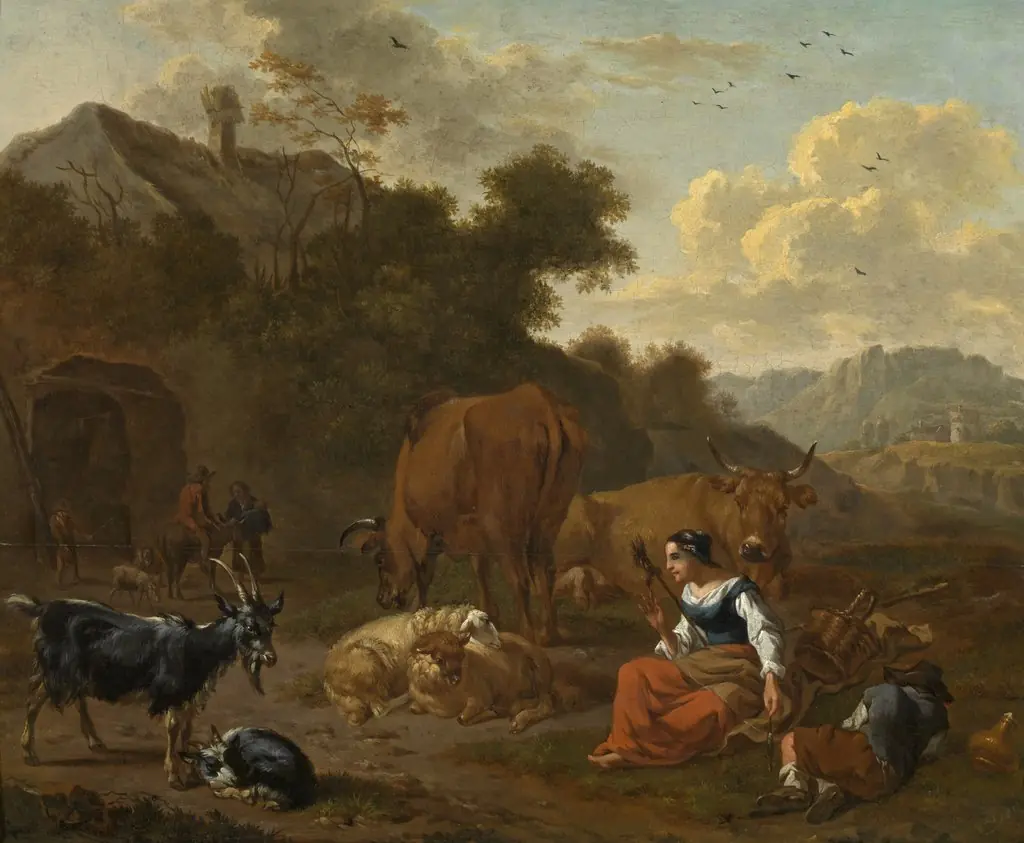 Landscape with a Spinner and Cattle
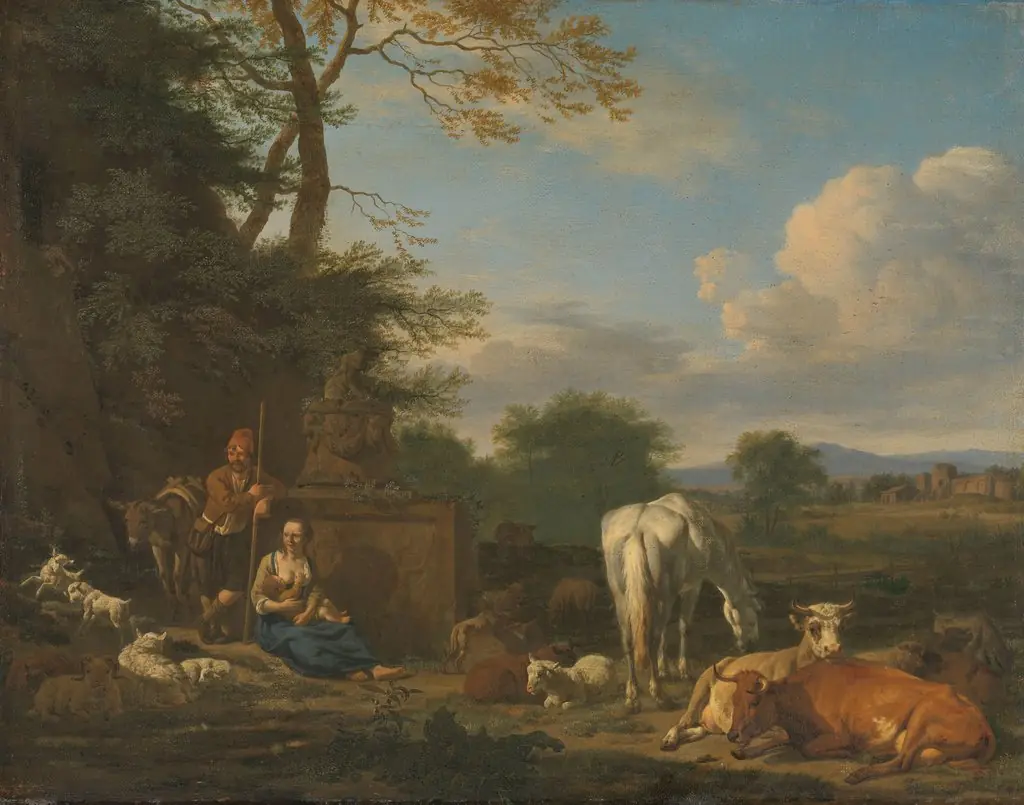 Arcadian landscape with resting herdsmen and cattle
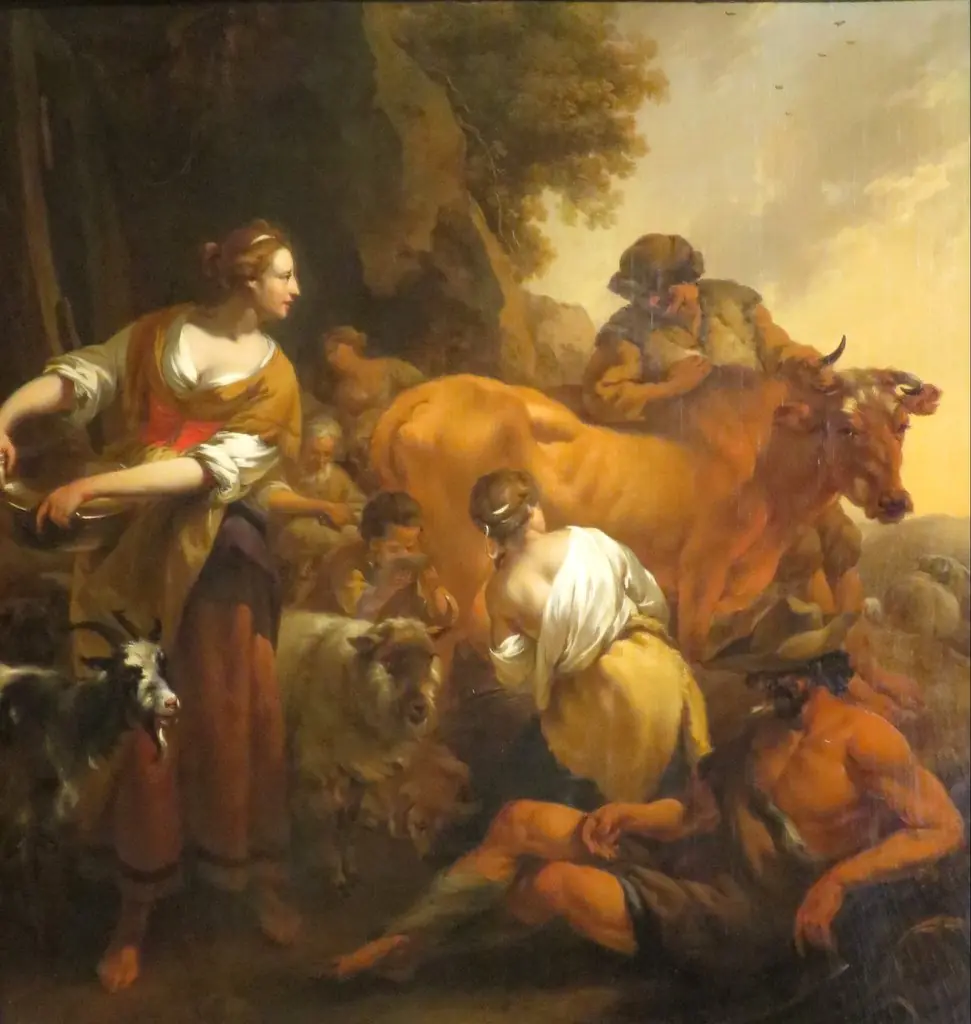 Pastoral Scene
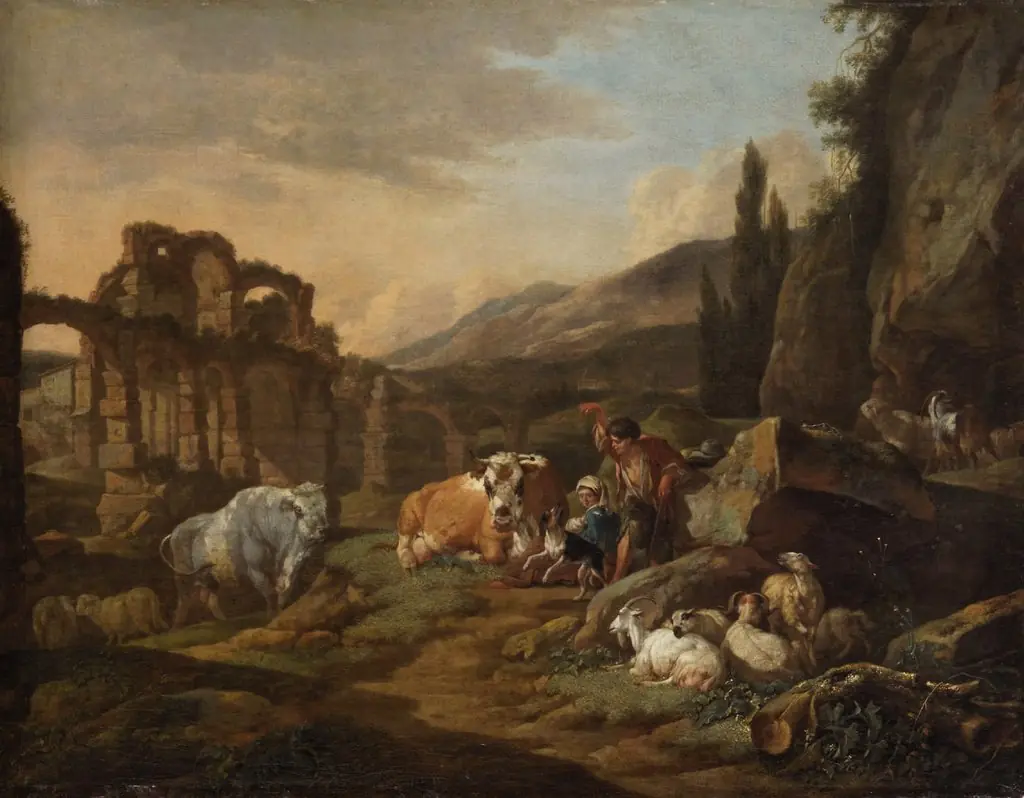 Landschaft mit Tieren
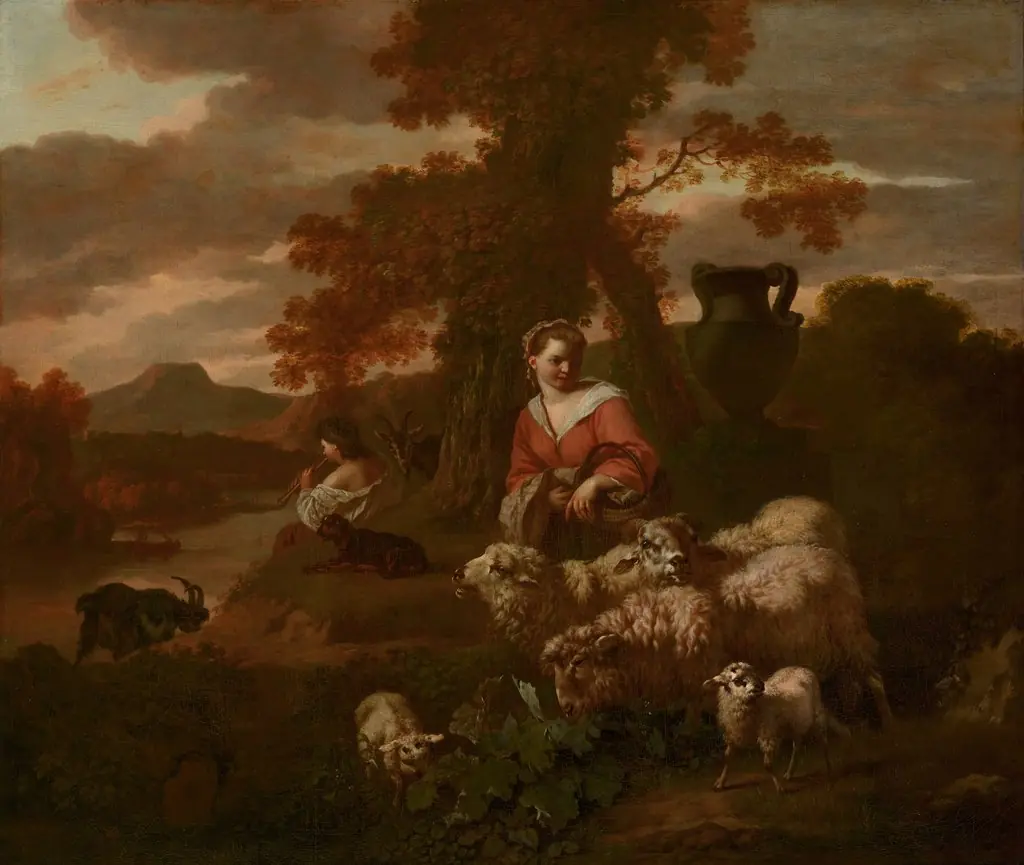 Shepherdess and Shepherd with Sheep and Goats
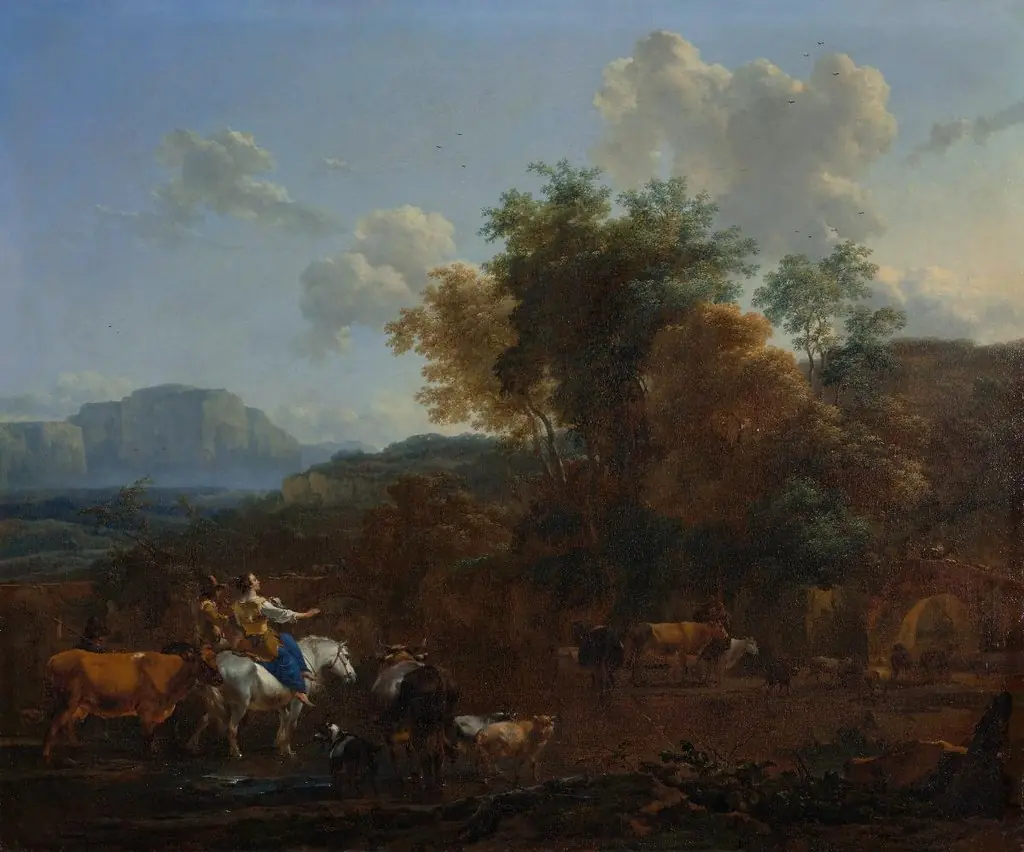 Italienische Landschaft mit musizierenden Hirten und ziehender Herde
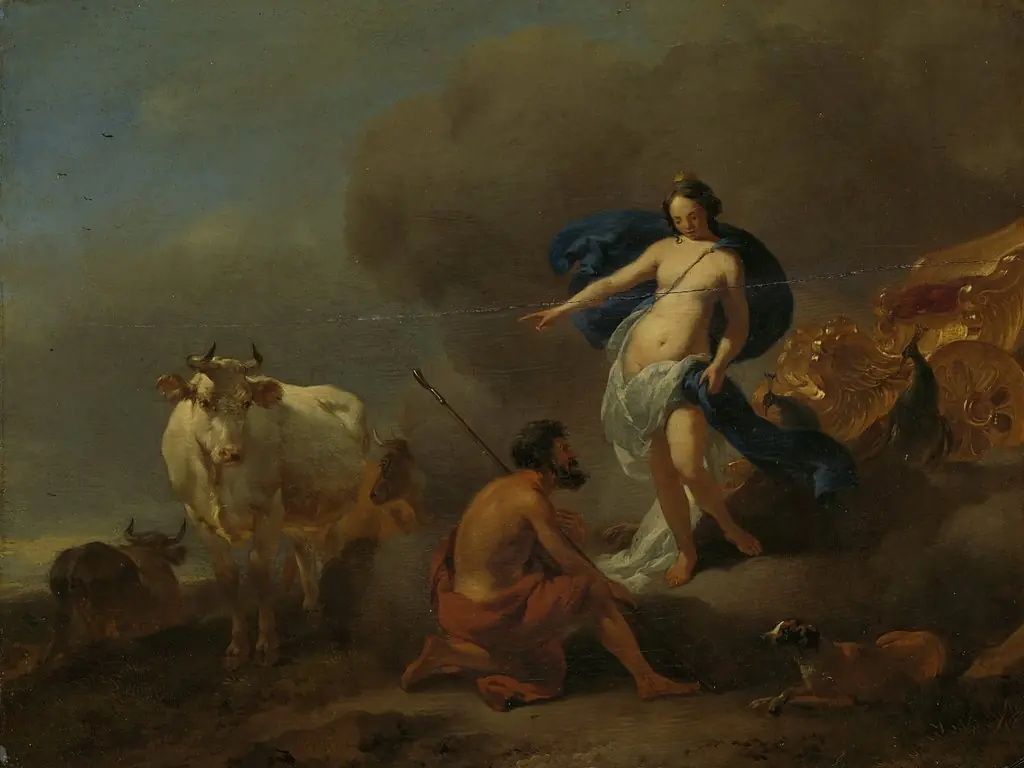 Juno commanding Argus to keep watch on Io
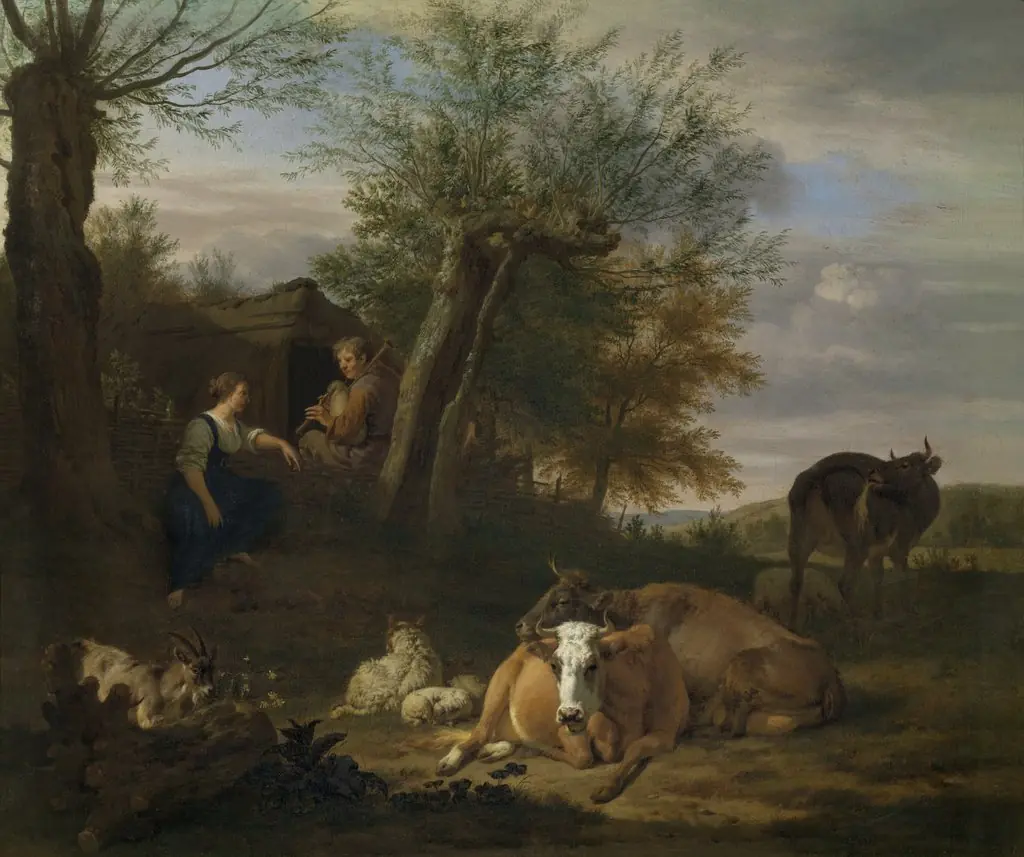 Bagpiper
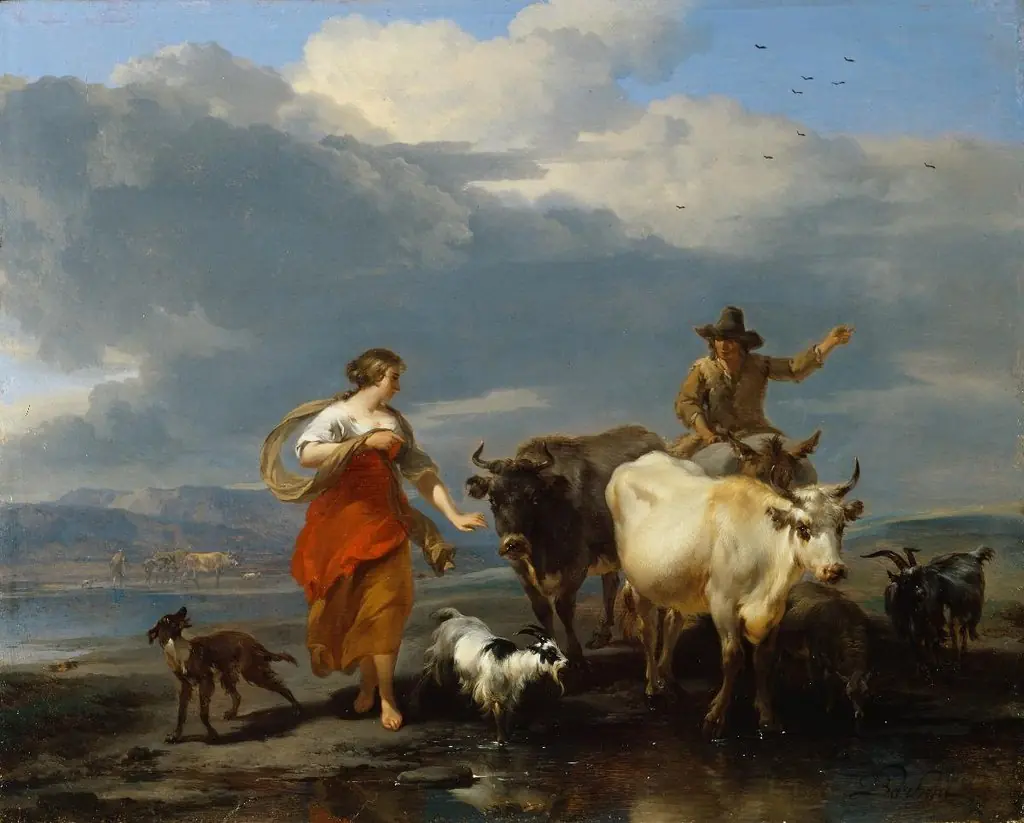 Southern Landscape with Shepherdess and Mule-rider at a Ford
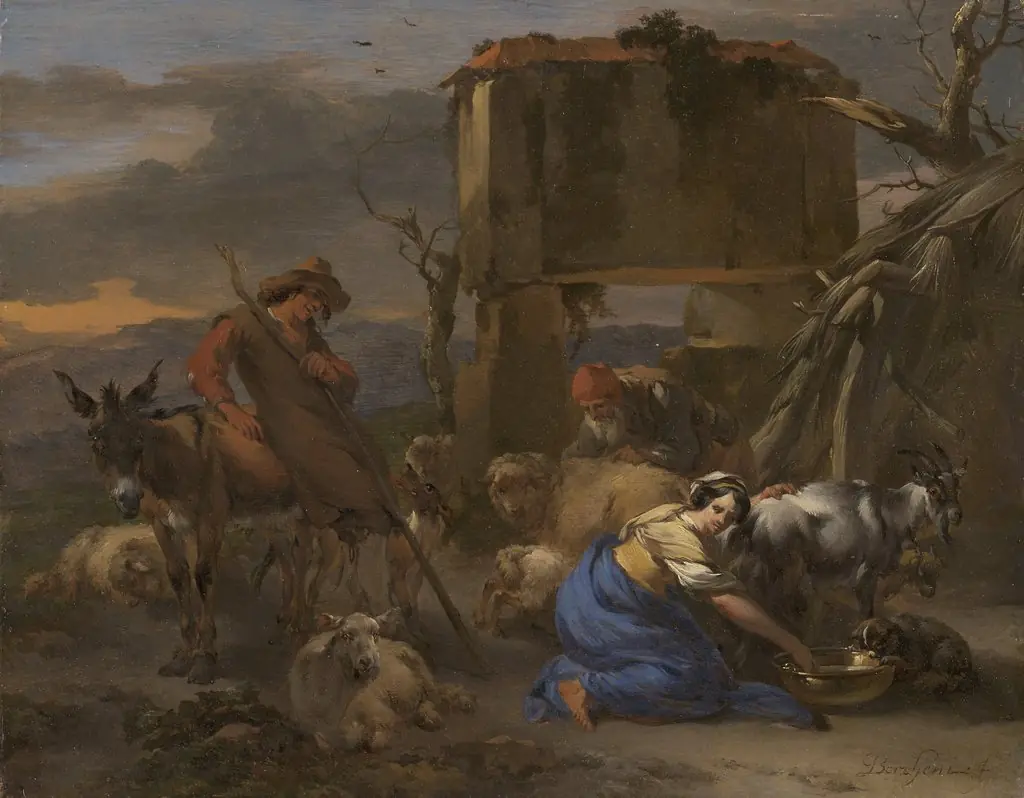 Pastoral Scene with a Shepherdess Milking a Goat
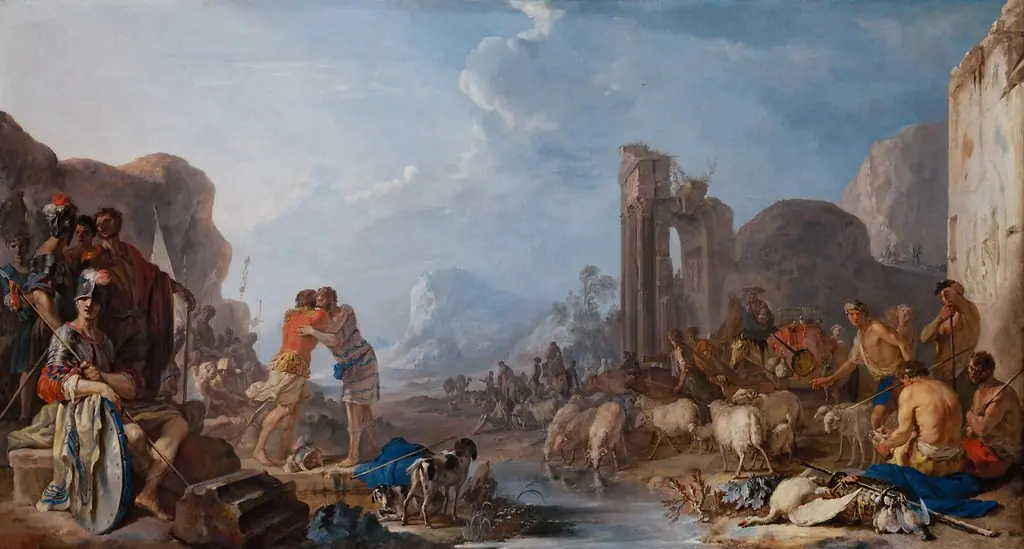 Reconciliation of Jacob with Esau